8 Details In How To Train Your Dragon Only Adults Catch
How to Train Your Dragon may look like a fun kids movie about a boy and his dragon, but watching it again as an adult reveals details that easily went unnoticed the first time. Hidden jokes, clever dialogue, and thoughtful storytelling choices appear in nearly every scene.
DreamWorks filled the film with meaning, turning a story about Vikings and flying dragons into something surprisingly deep and emotional. Themes about courage, responsibility, friendship, and understanding feel even stronger with age, giving the movie a level of maturity many animated films never reach.
Small moments carry big ideas, and characters show more complexity than expected in a family adventure. Returning to Berk later in life often leaves viewers impressed by how layered the story really is.
Once these details stand out, the movie feels completely different, proving that great animation can entertain kids while giving adults plenty to think about.
1. Dragons Are Surprisingly Easy To Train
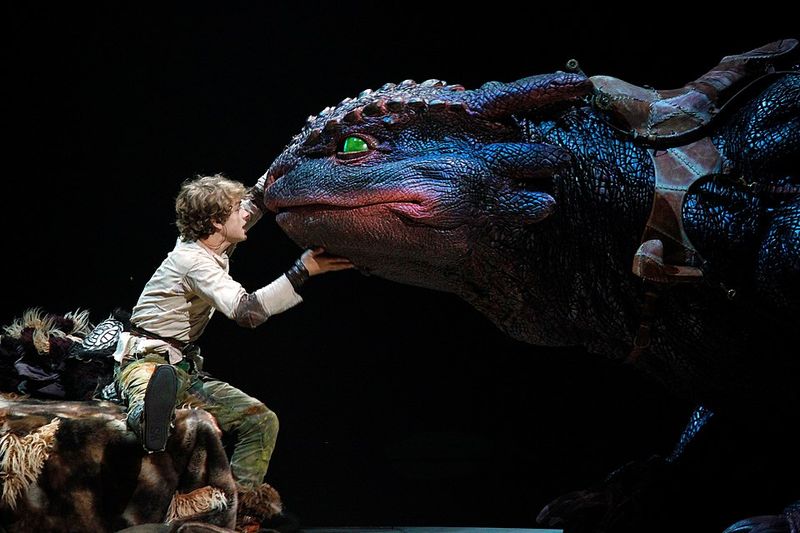
Most people assume the title is about a massive, dramatic challenge. Surprise!
Once Hiccup actually meets Toothless, the dragon practically rolls over like a golden retriever. Adults recognize something deeper here: the real difficulty was never taming the dragon.
It was convincing an entire society to abandon fear. Hiccup does not overpower Toothless.
He listens, observes, and earns trust through patience. Sound familiar?
Strong leadership and healthy relationships work exactly the same way.
Kids see a cool dragon bonding moment. Adults see a masterclass in empathy overcoming generational prejudice.
No sword required, just kindness and a prosthetic tail fin.
2. The Vikings Of Berk Never Actually Raid Anyone

Real historical Vikings were infamous for raiding coastal towns across Europe. Yet the Vikings of Berk spend most of their time chasing sheep and patching roofs.
Adults who paid attention in history class immediately notice how wildly peaceful Berk actually is.
Nobody pillages. Nobody conquers.
No longships are heading anywhere threatening. It is basically a quirky farming community that happens to fight dragons for fun.
DreamWorks quietly reimagined an entire warrior culture into something softer and community-focused. Kids never question it, but adults sit back and think, wait, are these even Vikings?
Technically yes, but barely.
3. Accent Differences Reveal A Generational Gap
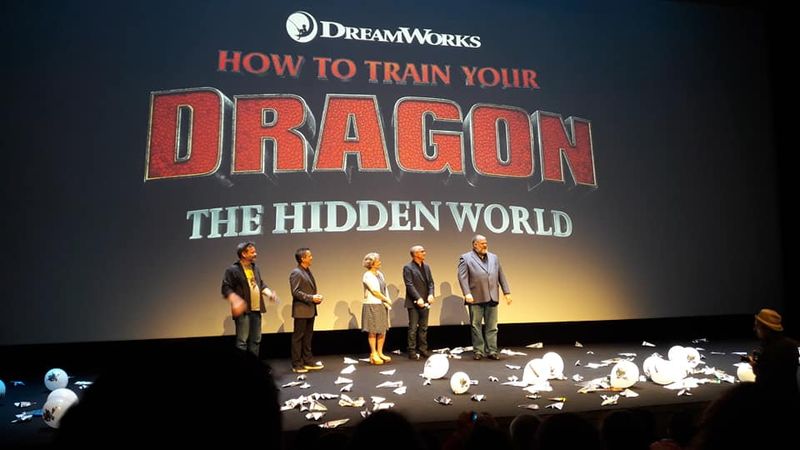
Every adult Viking in Berk speaks with a thick Scottish accent. Every kid?
Full American. No explanation is ever given, and younger viewers never blink at it.
Adults, however, immediately clock the deliberate creative choice. Director Dean DeBlois confirmed it was intentional, designed to show a cultural and generational divide within the community.
The older generation holds onto traditions, accents included, while the younger generation represents something newer and more open.
How brilliant is it to use voice acting as social commentary? It is the kind of storytelling detail that rewards anyone paying close attention.
Subtle, smart, and honestly a little genius.
4. Stoick Represents Toxic Masculinity Without Being A Villain
Stoick the Vast is not a bad dad. He genuinely loves Hiccup.
But adults notice how much damage his rigid, warrior-first worldview causes before he ever admits any fault.
He dismisses Hiccup constantly, praises physical strength above all else, and refuses to consider new ideas until the very last moment. Sound like anyone you know?
The film critiques traditional masculine ideals without turning Stoick into a cartoon bad guy.
If anything, making him sympathetic makes the message hit harder. Kids root for Hiccup.
Adults quietly recognize the pattern and maybe think about a few conversations they have had in real life.
5. Gobber Drops A Major Hint About His Identity

During How To Train Your Dragon 2, Gobber delivers one of the most casually groundbreaking lines in animated film history. Watching Stoick and Valka argue, he sighs and mutters he never married because of that, and one other reason.
Actor Craig Ferguson ad-libbed the line, and director DeBlois later confirmed it was a nod to Gobber being gay. Kids have absolutely no idea what he means.
Adults hear it instantly and appreciate the quiet, dignified representation.
No fanfare, no big announcement, just a character existing authentically in his world. Honestly, Gobber handled his coming out smoother than most dramatic TV moments ever managed.
6. Hiccup’s Inventions Are Way Too Advanced For The Era

Hiccup builds a retractable flaming sword. He engineers fireproof armor using dragon scales.
He designs an aerodynamic prosthetic tail fin precise enough to enable supersonic flight. In a medieval Viking setting.
Without electricity, modern tools, or an engineering degree.
Adults notice how absurdly anachronistic all of it is, and honestly love it anyway. It adds a delightful fantasy layer that makes Berk feel like a steampunk fairy tale rather than a history lesson.
Kids just cheer because the gadgets look awesome. Adults quietly think, okay, Hiccup would absolutely have a dozen patents and a Silicon Valley startup if he lived anywhere near the 21st century.
7. The World Runs On Video Game Logic
Berk operates on a surprisingly structured system where dragons are sorted into classes, each carrying specific abilities, weaknesses, and rarity levels. Adults familiar with role-playing games immediately recognize the format.
It is basically a fantasy RPG hidden inside a family film.
There are Strike Class dragons, Boulder Class, Tidal Class, and more. Each one follows consistent rules the way any well-designed game world would.
Kids enjoy the cool creatures. Adults mentally start building their ideal dragon team like a Pokemon roster.
DreamWorks clearly designed this universe to reward obsessive fans who love lore deep enough to fill multiple wikis. No wonder the franchise expanded so successfully.
8. Recurring Lines Hit Completely Different The Second Time

How To Train Your Dragon opens and closes with nearly identical narration. Hiccup describes Berk as a miserable, freezing, dragon-infested place, but the second time around every word carries a completely different emotional weight.
Kids hear a fun callback. Adults feel the full arc of change.
Lines like this is Berk and let me show you are scattered throughout the trilogy, each one evolving in meaning as characters grow. Screenwriters call this technique bookending, and when done well, it is basically storytelling poetry.
Rewatching just the first and final scenes back to back is enough to cause unexpected feelings. No one warned anyone to have tissues ready for an animated dragon movie.