8 Discontinued Potato Chip Brands Many Baby Boomers Grew Up With
Kid, pull up a chair. Name’s Chip.
Yeah, I’m a little stale around the edges, but I’ve seen things.
Back in my day, potato chip brands had personality, crunch you could hear across the house, and bags that practically announced your snack break like a parade. I rode in lunchboxes like a VIP, ruled road trips, and knew every flavor worth bragging about.
Those brands are gone now, but trust me, you haven’t lived until you’ve tasted the legends I grew up with.
Important: Information reflects publicly available historical reporting and brand timelines as of February, 2026, and some details can vary by region, ownership era, and local distribution.
Planters Potato Chips
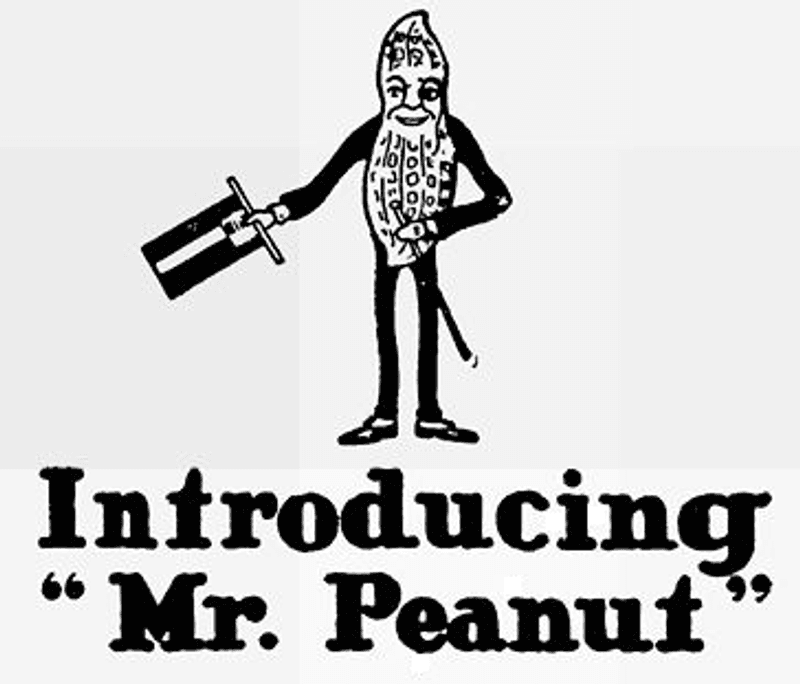
Twisting the metal lid on a tall canister came with a satisfying pop when the seal broke.
Planters sold potato chips in canisters during the 1970s and 1980s before discontinuing the line. Those iconic canisters helped keep chips fresh while making pantry storage feel neat and easy.
Mr. Peanut stood as a promise of quality in every bite, even if the chip line eventually bowed out.
Nowadays, spotting one of those vintage canisters at a flea market feels like striking gold.
Hostess Potato Chips
Canadians knew exactly what to grab when the hockey game started and the snack bowl sat empty. Hostess launched in Canada in 1935 and became a major national chip brand for decades.
Frito-Lay later brought back the Munchies characters under a new snack brand in 2024. That first bite after school never tasted quite the same again.
Seyfert’s Potato Chips
In Fort Wayne, residents knew the smell of fresh-cooked chips drifting through the neighborhood.
For generations, Seyfert’s kept Midwestern pantries stocked, delivering hometown flavor in every bag.
Painted logo on the Airport Road building turned into a local landmark, reminding folks of simpler snacking days. After a long run in Fort Wayne, the plant shut down in 2018.
Regional chip makers like Seyfert’s understood local communities in ways national brands rarely matched.
Bell Brand Potato Chips
Southern California beach days and Bell Brand chips went together like sunshine and surfboards. The crinkle of the bag echoed across backyard pools and Little League bleachers for decades.
This wasn’t just another chip company. Bell Brand understood what made a snack worth sharing at every family gathering.
Bell Brand went out of business in July 1995. Grocery aisles felt a little less colorful without those familiar bags waiting on the shelf.
Peerless Potato Chip Company
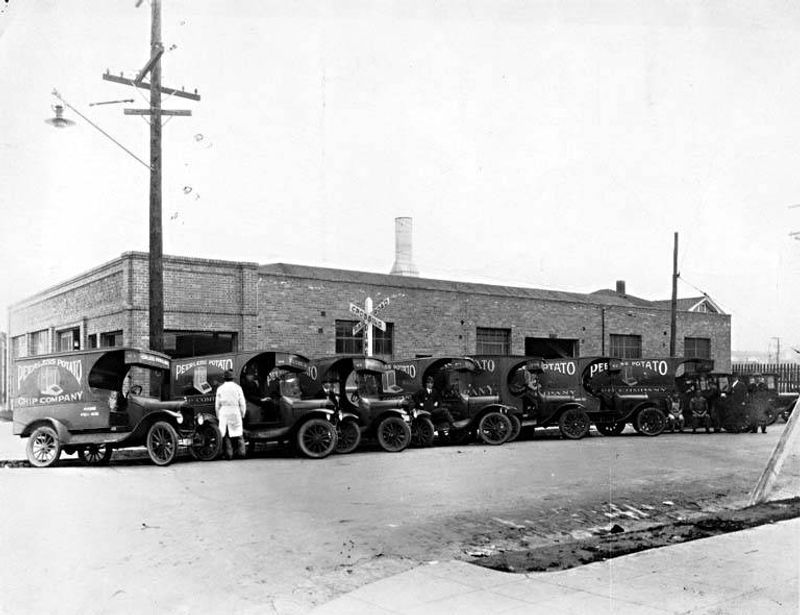
Long before chip bags lined supermarket aisles, delivery trucks rolled through neighborhoods with fresh-made batches. Peerless represented the dawn of American snack culture, when potato chips were a novelty treat rather than a pantry staple.
Those early trucks carried more than snacks.
They delivered a brand-new idea about convenience food to curious customers. Peerless Potato Chips ran for decades in Gary, Indiana, and closed in 2017 after roughly 90 years in business.
Williams Potato Chip Company
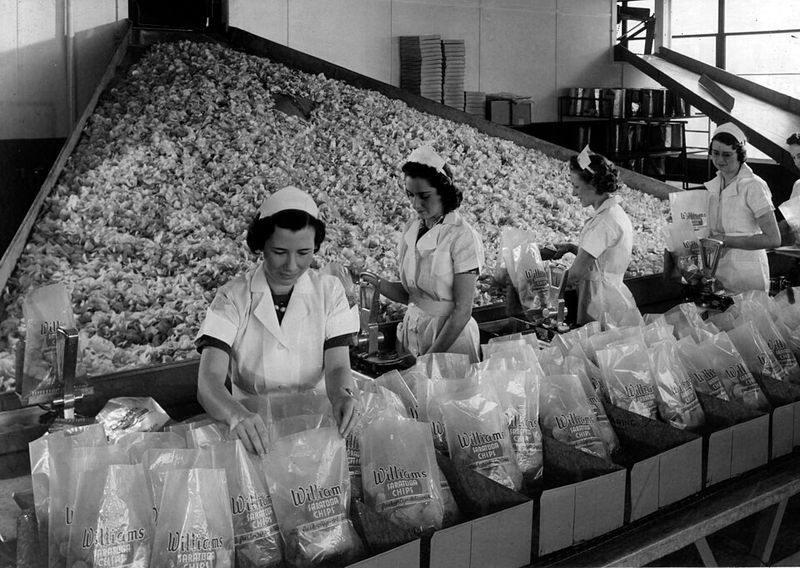
Williams & Company operated a potato chip factory tied to the Pacific Northwest snack scene, including a 1931–32 factory building in Seattle’s Interbay.
Steady rhythms of slicing, frying, and packaging filled factory floors that helped feed entire communities. More than simple workplaces, those production lines stood as symbols of shared effort and local identity.
Neighborhood pride grew alongside the business, while lunch bags across the region carried the results. Today, the former factory remains a historic reminder of an era when local meant everything in the snack world, before consolidation reshaped the industry.
Charles Chips
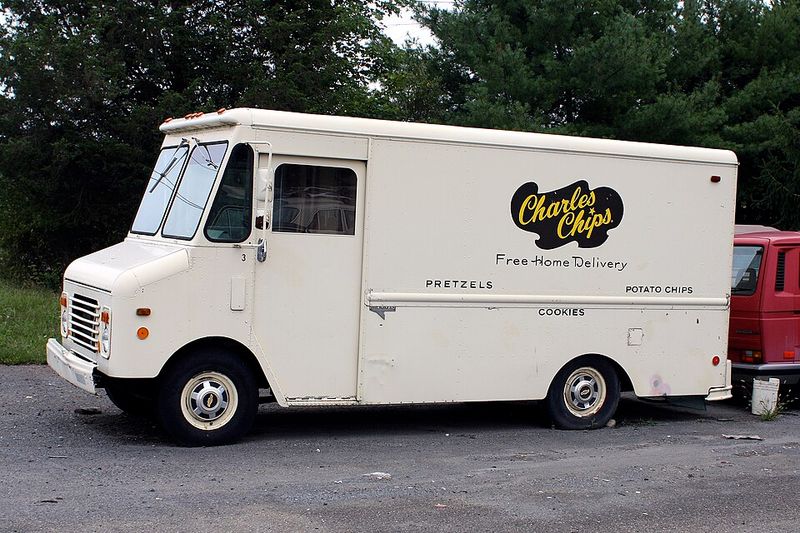
Hearing the Charles Chips van pull up meant the big tin was about to get refilled.
Home and office delivery made fresh chips feel like a special service rather than just another grocery item. Those sturdy tins became kitchen fixtures, reused for everything from cookies to sewing supplies long after the chips vanished.
Ownership changes and bankruptcies in the early 1990s disrupted the classic delivery-era business, and later owners revived the brand in new forms. Modern revivals can’t quite capture the magic of that van rolling down your street.
Humpty Dumpty Potato Chips
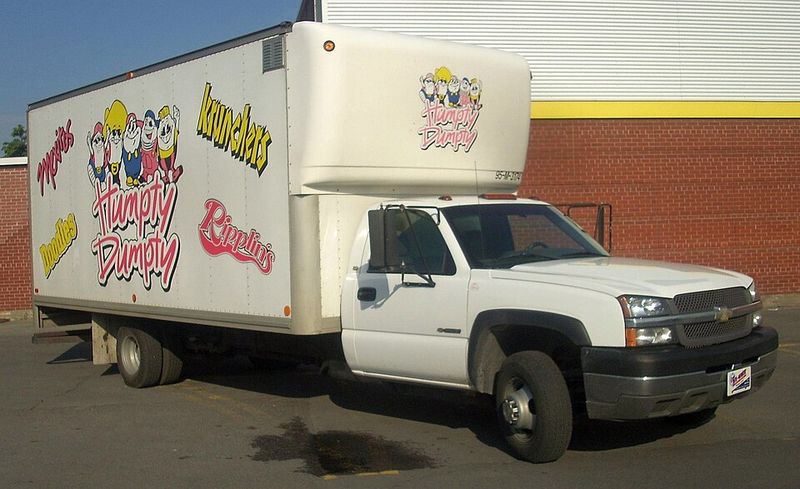
Before reading skills kicked in, Canadian kids could spot the Humpty Dumpty truck from a mile away. More than potato chips came in those crinkly bags, since each one carried a piece of childhood memory.
Old Dutch Foods acquired Humpty Dumpty in 2006; in Canada, Humpty Dumpty potato chips were rebranded as Old Dutch while other snacks kept the Humpty Dumpty name.
That transition marked the moment Humpty Dumpty stopped being a true contender in the chip aisle.
Nostalgia lingers because the truck kept rolling, yet much of the original magic quietly drifted into snack food history.