15 Dishes Passengers Ate On The Titanic
Titanic menus have become a strange kind of time capsule, not because anyone wants to romanticize the voyage, but because food is one of the most human clues a history can leave behind.
Printed courses, elegant phrasing, and familiar ingredients offer a snapshot of what “luxury” meant in 1912, especially in first class, where dining was designed to feel like a top hotel at sea.
Even the more modest meals carry meaning, since they reflect the routines and expectations people brought onboard.
Reading these dishes now can feel surreal, because the details are so ordinary: breakfast, supper, a warm drink, something sweet at the end. That contrast is exactly why the menus still fascinate.
Disclaimer: Historical menus and meal reconstructions rely on surviving documents, archives, and secondary reporting, and details can vary by source, class of travel, and specific day.
1. Fresh Oysters
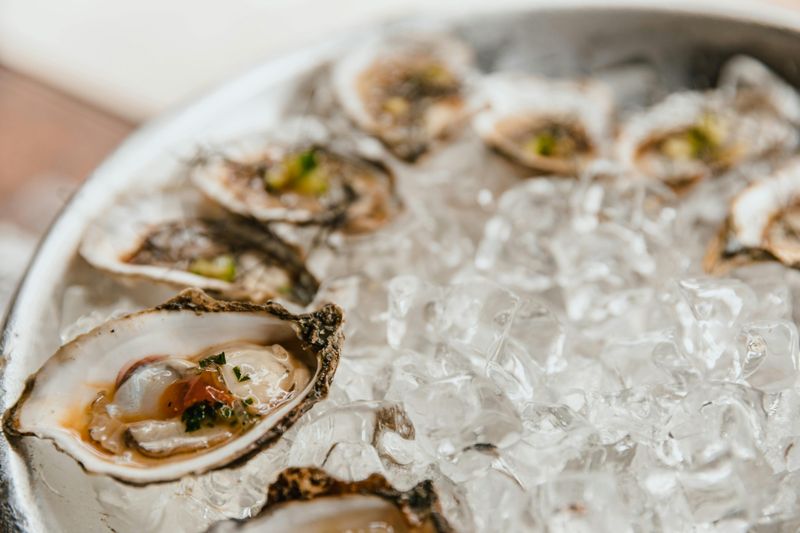
Picture this: you’re on the most luxurious ship ever built, and your meal kicks off with a plate of ice-cold, briny fresh oysters.
First-class passengers on the Titanic enjoyed oysters as a classic starter, a true sign of wealth and sophistication in 1912.
Oysters were considered the ultimate fancy food back then, kind of like the caviar of their era. Harvested from the Atlantic, they were served chilled and raw, just the way high society loved them.
2. Consommé Olga
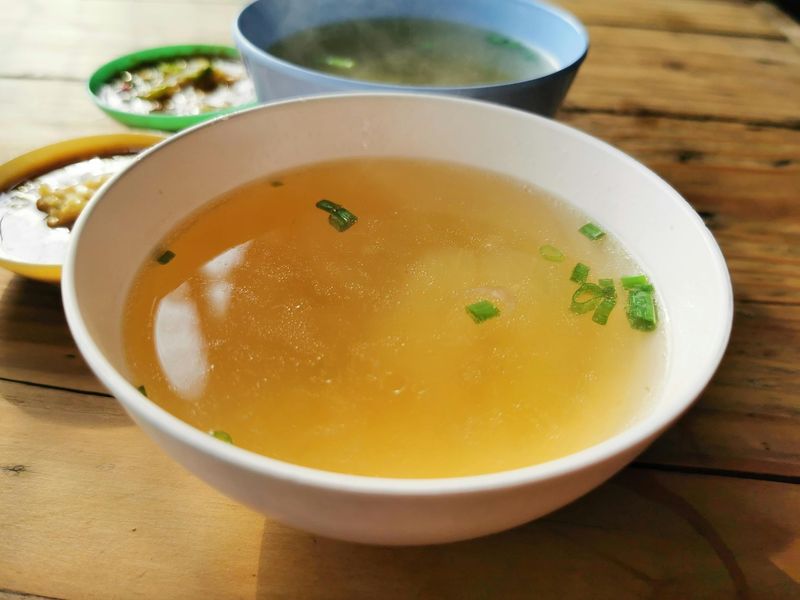
Clear, golden, and impossibly refined, Consommé Olga was basically the superhero of soups. If soups had capes, this one would be wearing a velvet one.
It was a crystal-clear broth made from slow-cooked meat and vegetables, then carefully strained until perfectly transparent.
Served during the first-class dinner on April 14, 1912, the very night the Titanic struck the iceberg, this dish was on the actual menu recovered from that fateful evening.
3. Cream of Barley Soup
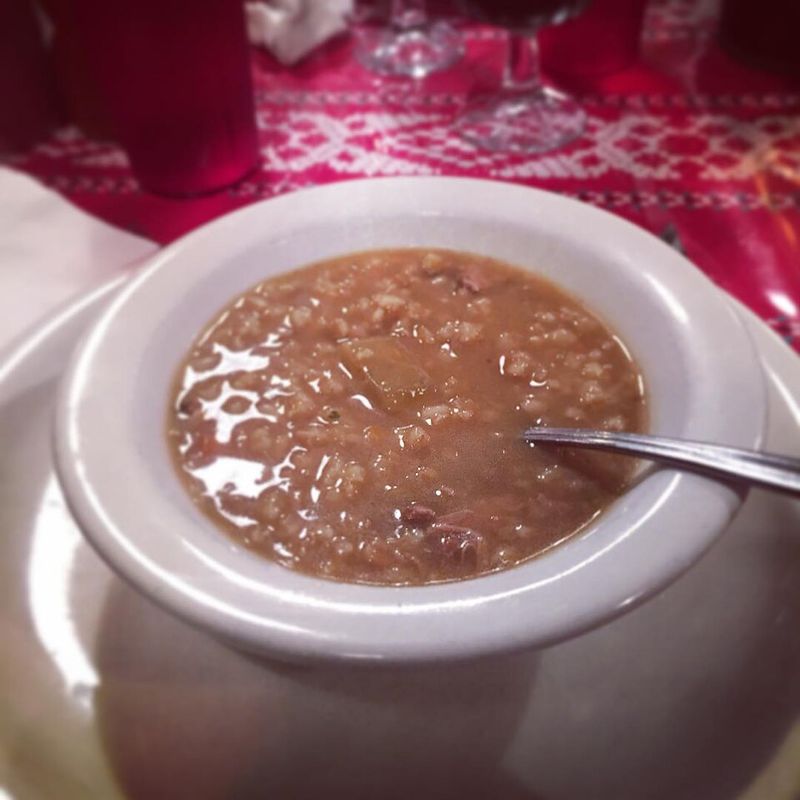
Warm, thick, and comforting, cream of barley soup was the kind of dish that felt like a hug in a bowl.
Though it sounds simple, this soup was crafted with real skill, using pearl barley simmered in a rich, velvety cream broth.
Second-class passengers aboard the Titanic got to enjoy this hearty soup, proving that even mid-tier dining on the ship was seriously impressive.
Barley has been a food staple for thousands of years, so there’s something almost poetic about it showing up on a ship making history.
4. Poached Salmon with Mousseline Sauce
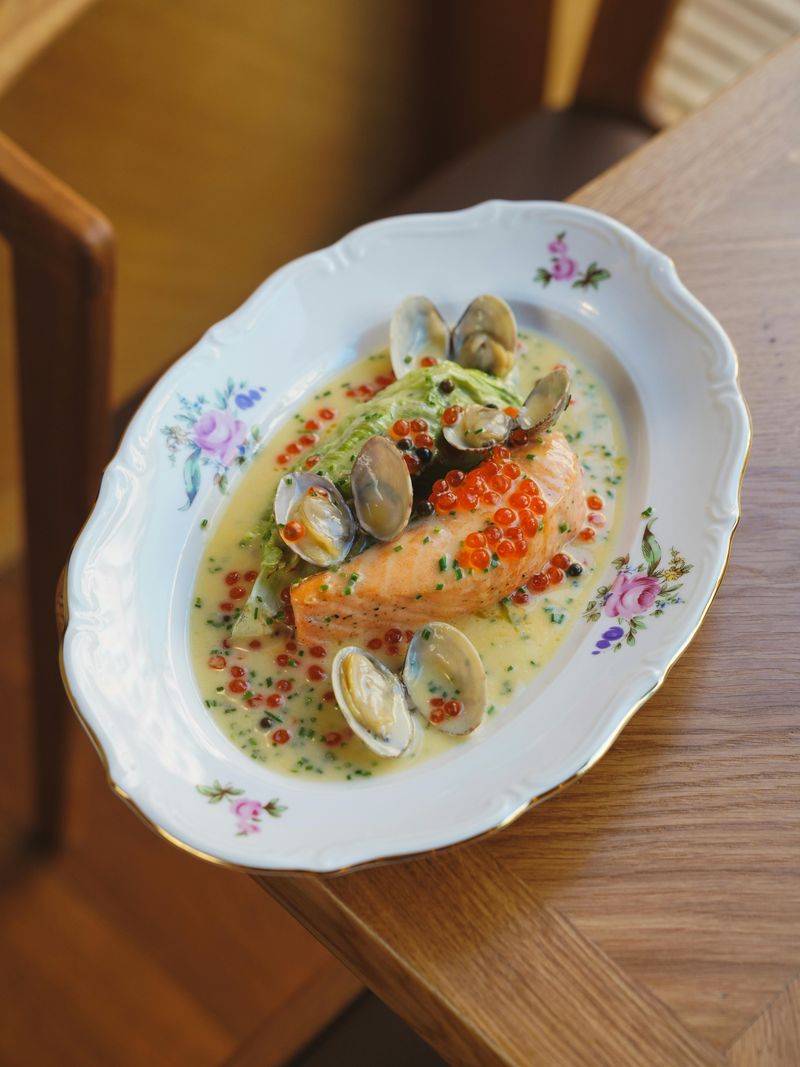
Silky, delicate, and downright fancy, poached salmon with mousseline sauce was the kind of dish that made first-class passengers feel like royalty.
The salmon was gently cooked in a seasoned broth, keeping it tender and moist throughout.
Mousseline sauce is basically hollandaise’s lighter, fluffier cousin, made by folding whipped cream into the classic buttery sauce.
Served on that legendary final dinner menu, this dish perfectly captured the Edwardian era’s obsession with elegance, refinement, and making every single bite feel like an occasion.
5. Filet Mignons Lili
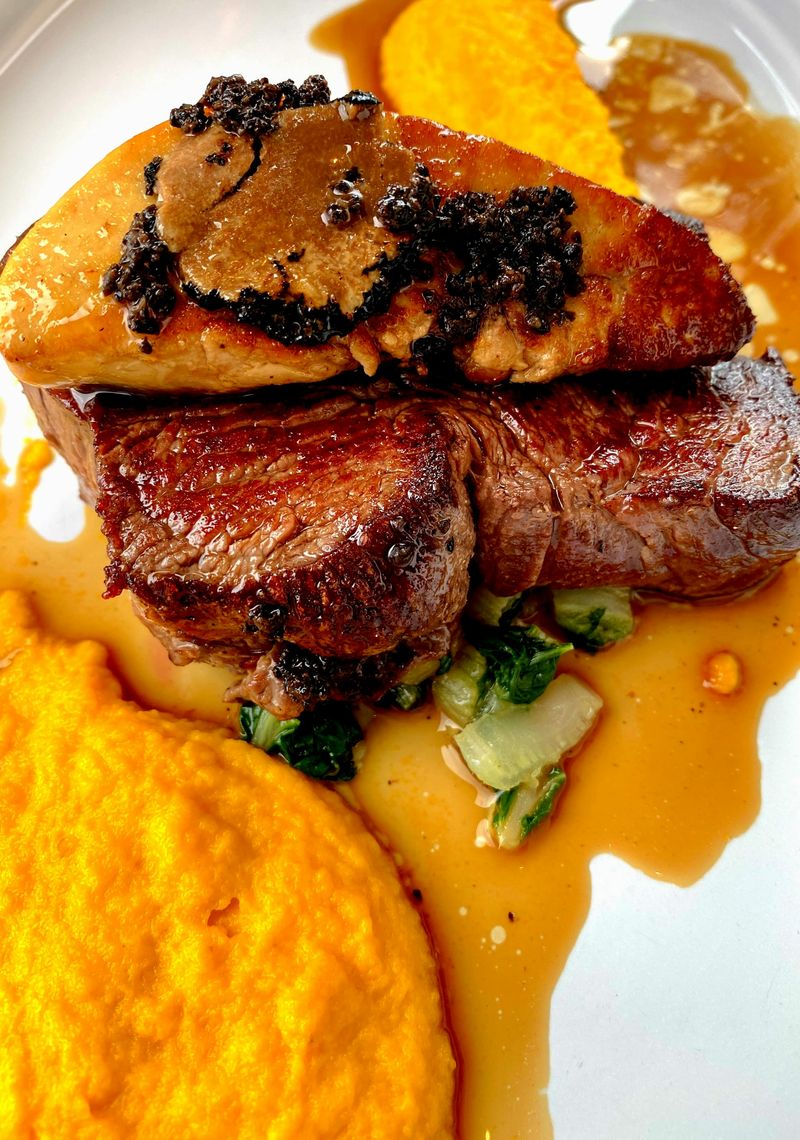
If the Titanic’s menu had a main character, Filet Mignons Lili would absolutely be it.
This was no ordinary steak. Each tender filet was topped with artichoke bottoms, foie gras, and sliced truffles, then finished with a rich Madeira wine sauce.
Named in the romantic French tradition of the time, this dish was served during the famous last first-class dinner on April 14, 1912.
Truffles were, and still are, among the most expensive ingredients on Earth. So yes, some passengers literally ate a fortune for dinner while sailing into history.
6. Chicken à la Maryland
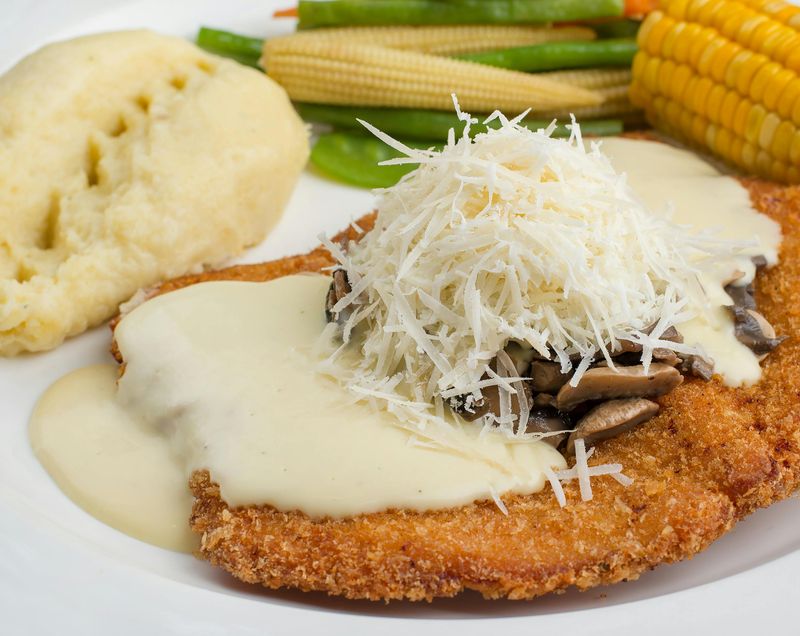
Here’s a fun fact: Chicken à la Maryland was basically the viral food trend of the early 1900s.
It showed up on menus everywhere from New York to London, and yes, even on the Titanic. The dish featured fried chicken served alongside corn fritters, crispy bacon, and a rich cream sauce.
Though it sounds like pure American comfort food, it was considered quite stylish and upscale in Edwardian dining culture.
Passengers who ordered this were basically trendsetters of their time. Respect!
7. Roast Duckling with Applesauce
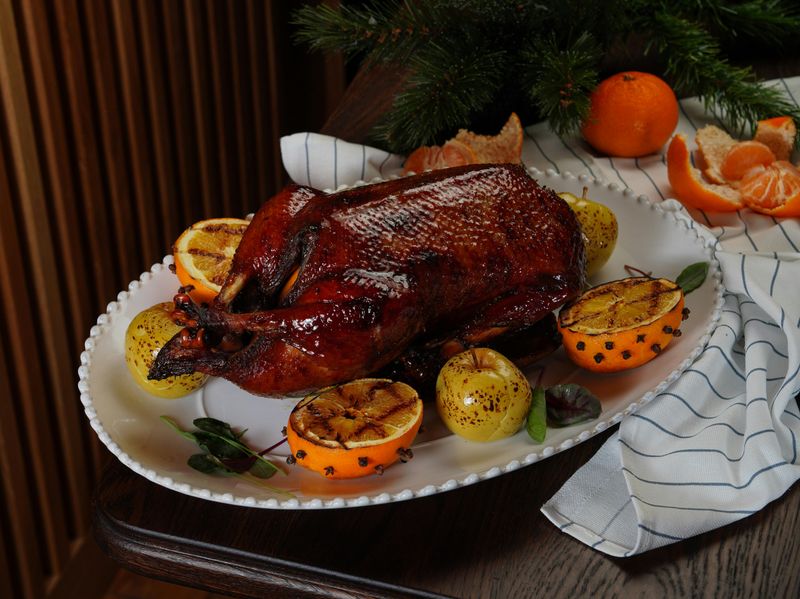
Roast duckling with applesauce is the kind of dish that sounds like it belongs in a fairytale feast, and honestly, dining on the Titanic probably felt pretty close to that.
The rich, crispy-skinned duck paired with sweet, tangy applesauce was a classic Edwardian combination that balanced savory and sweet beautifully.
Duck has always been considered a more sophisticated choice than chicken, which made it a natural fit for first-class dining.
8. Sirloin of Beef
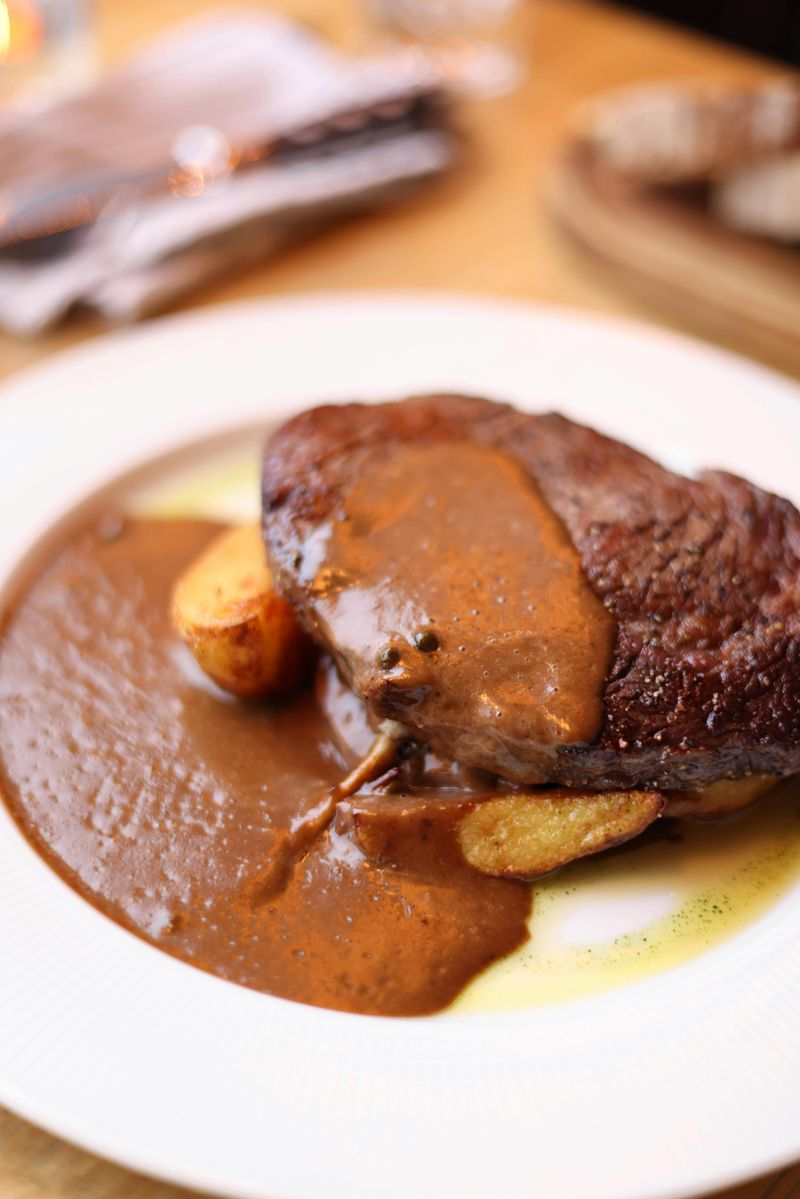
Few things say “I have arrived” quite like a beautifully roasted sirloin of beef.
On the Titanic, this classic cut was served as part of the elaborate first-class dinner spread, slow-roasted to perfection and accompanied by rich sauces and seasonal vegetables.
Sirloin has been a symbol of prestige since King Henry VIII of England allegedly knighted a particularly impressive loin of beef. Whether that story is true or not, the name stuck!
Passengers dining on this cut in 1912 were enjoying a tradition centuries in the making.
9. Spring Lamb with Mint Sauce
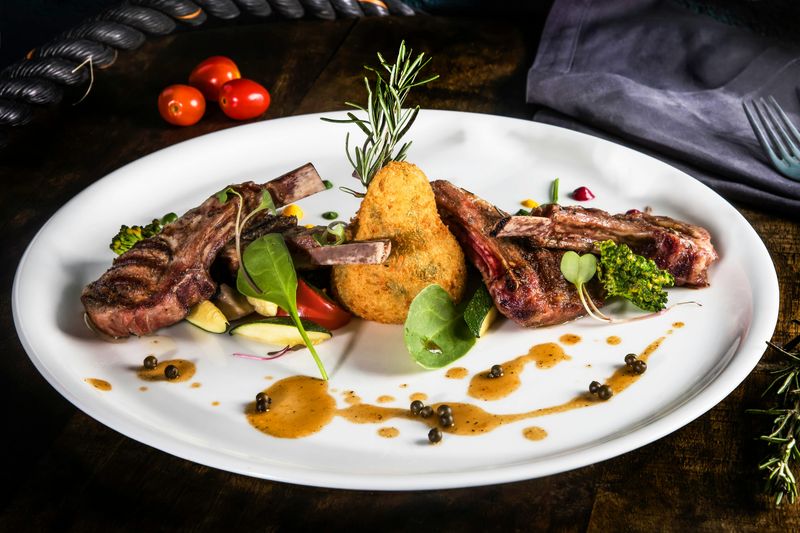
Spring lamb with mint sauce is one of those food pairings that just makes sense, like peanut butter and jelly, or SpongeBob and Patrick.
The tender, mild flavor of young lamb perfectly complements the cool, herby sharpness of fresh mint sauce.
This dish appeared on the Titanic’s first-class menu, where it was prepared with the same care you’d expect at a five-star London restaurant.
Paired with bright green mint sauce, it was colorful, flavorful, and genuinely unforgettable.
10. Roast Turkey with Cranberry Sauce
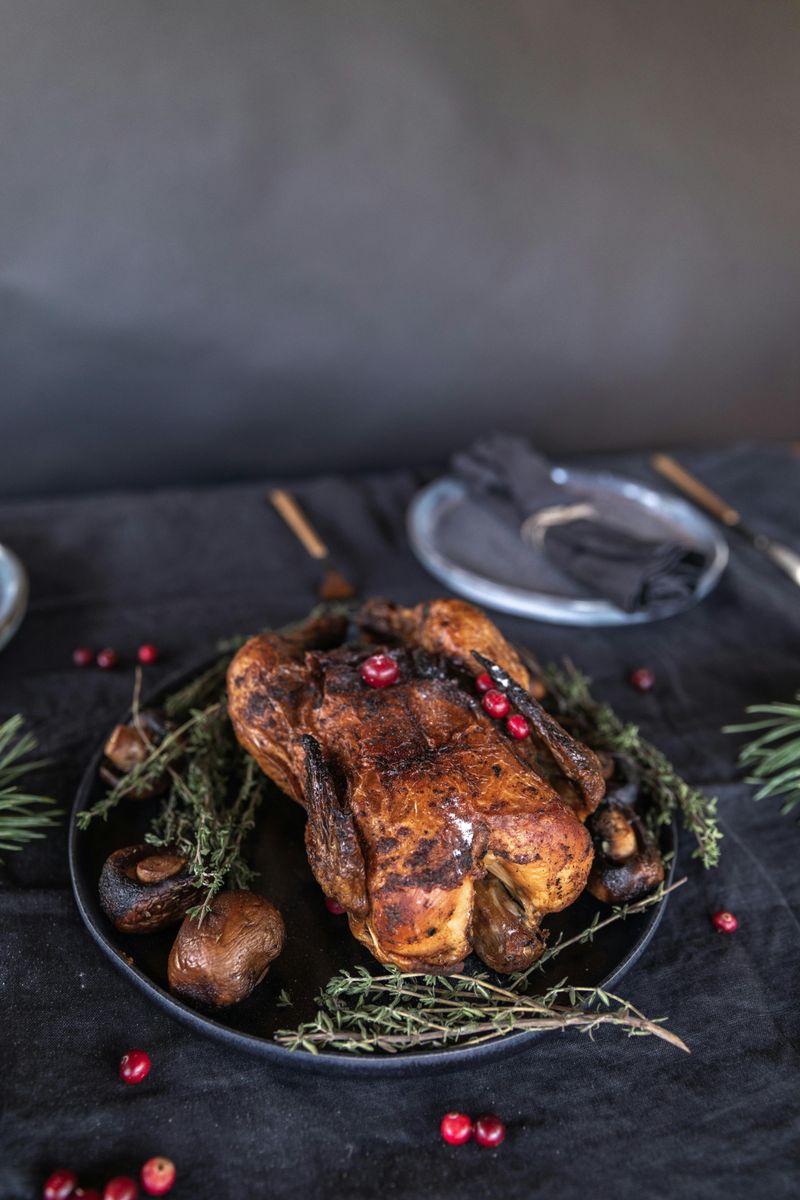
Wait, turkey wasn’t just for Thanksgiving? Nope!
Roast turkey with cranberry sauce made a grand appearance on the Titanic’s second-class menu, proving that mid-ship dining was nothing to sneeze at.
The juicy roasted bird paired with tart cranberry sauce was a crowd-pleasing classic that felt both homey and special.
Second-class passengers on the Titanic actually ate better than most people did in first-class restaurants on land in 1912. How’s that for perspective?
11. Baked Haddock with Sharp Sauce
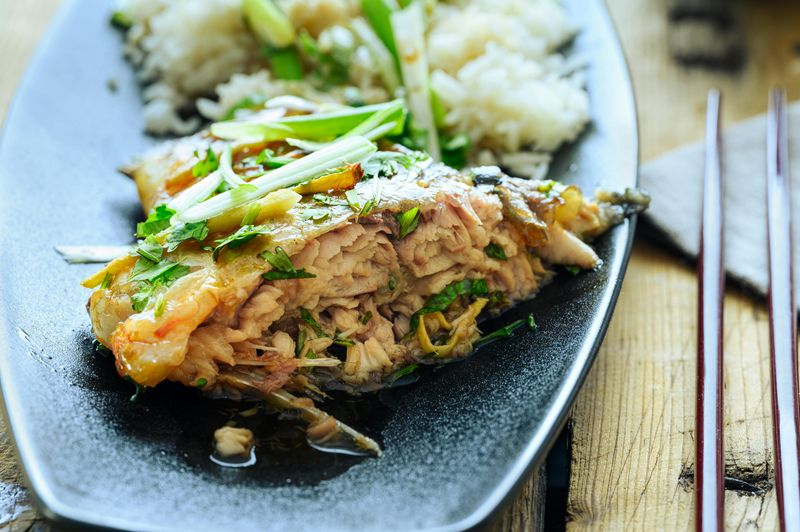
Baked haddock with sharp sauce might not sound as glamorous as foie gras and truffles, but do not sleep on this dish!
Haddock was a widely loved fish in early 20th-century British and American cooking, and baking it kept the flesh flaky and moist.
The “sharp sauce” was a punchy, vinegar-based condiment designed to cut through the mild richness of the fish. Think of it like the original hot sauce, just a bit more refined.
12. Curried Chicken and Rice
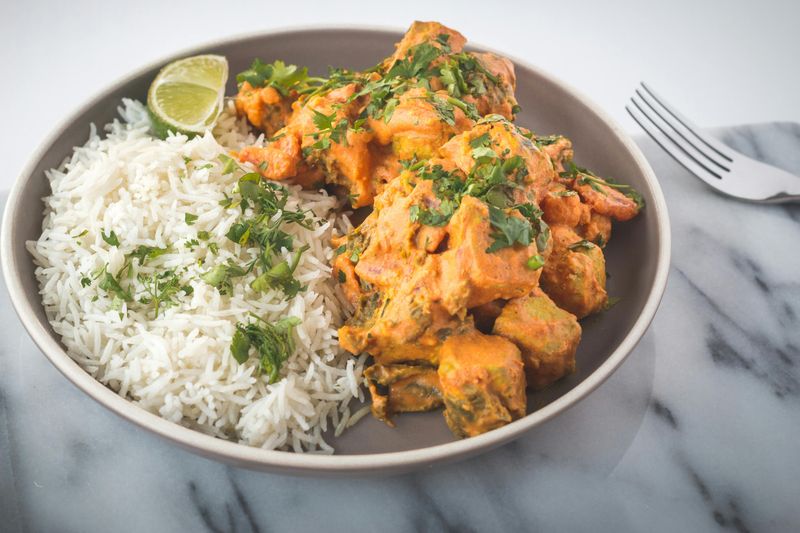
Surprise! Curry made it onto the Titanic’s menu, and honestly, that’s kind of amazing.
Curried chicken and rice was a dish that reflected the British Empire’s deep connection to Indian cuisine, which had become wildly popular in England by the early 1900s.
Third-class passengers got to enjoy this flavorful, spiced dish, showing that even the most affordable tickets on the Titanic came with genuinely tasty food.
13. Pea Soup
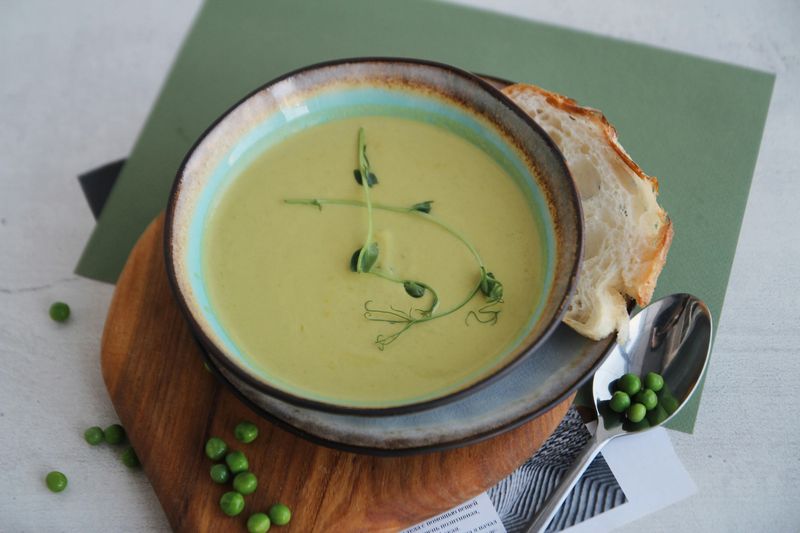
Green, smooth, and surprisingly satisfying, pea soup has been warming people up for literally thousands of years.
Ancient Greeks and Romans were big fans, so by 1912, this dish had some serious culinary credentials behind it.
Served to third-class passengers on the Titanic, pea soup was humble but genuinely nourishing, packed with protein and flavor from split peas and seasoned broth. Timeless!
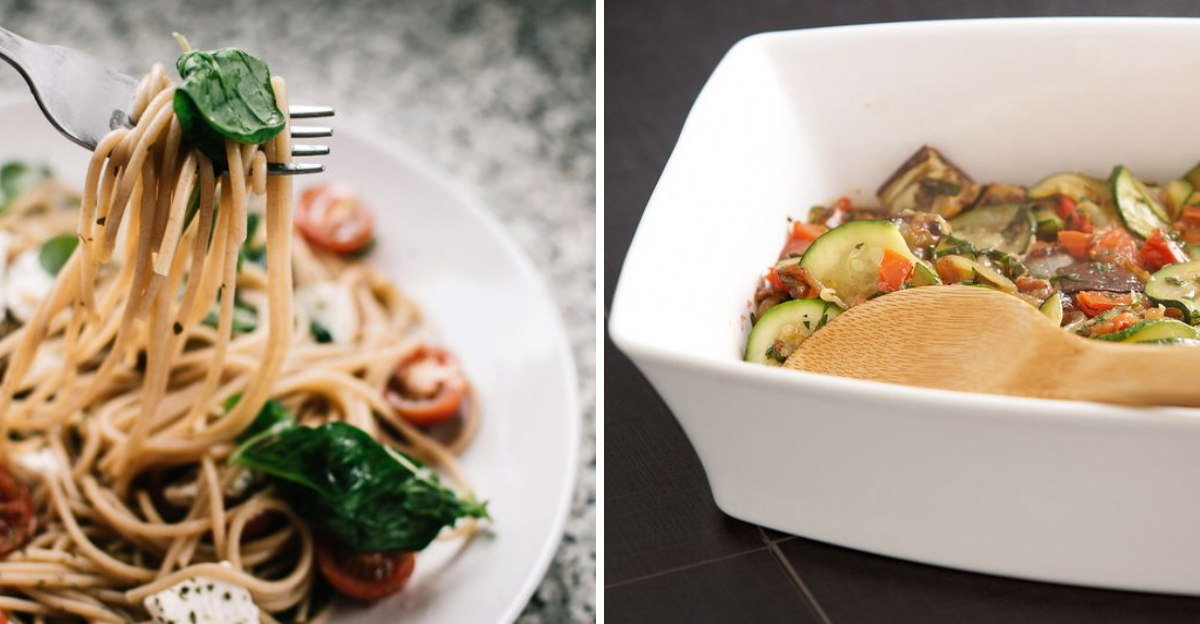
14. Spaghetti au Gratin
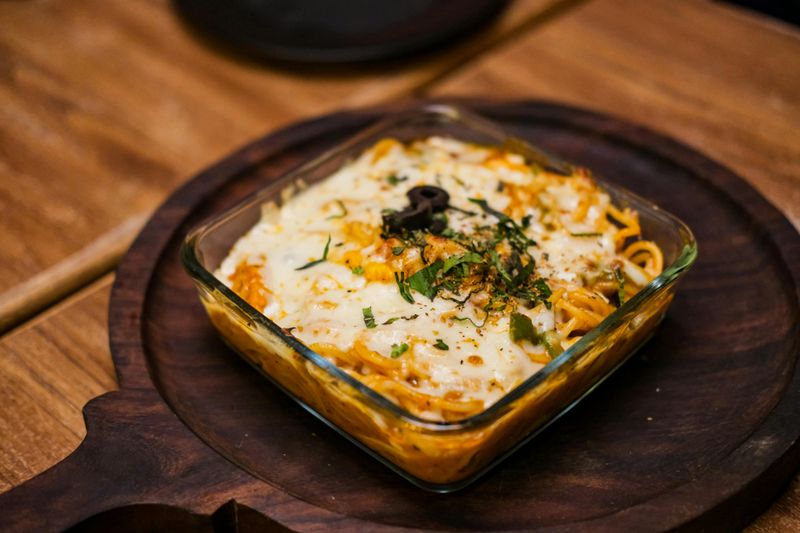
Before mac and cheese became the ultimate comfort food champion, spaghetti au gratin was out here holding it down.
This dish featured cooked spaghetti baked under a golden, bubbly layer of melted cheese. It was warm, cheesy, and completely irresistible.
Appearing on the Titanic’s third-class menu, this dish shows that pasta was already making its global mark well before it became a modern staple.
15. Plum Pudding
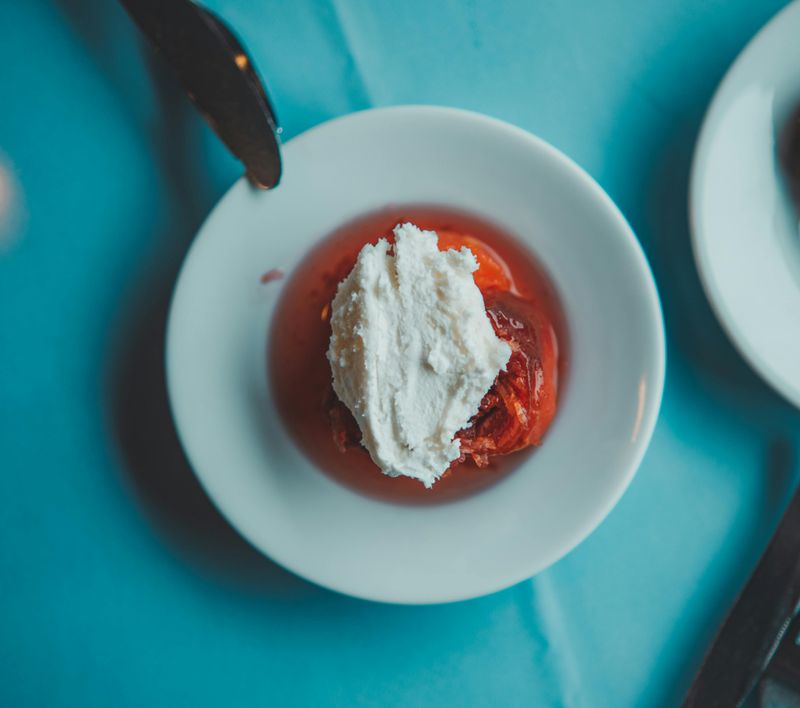
No Victorian or Edwardian feast was complete without a plum pudding, and the Titanic was absolutely not going to skip it.
Dense, dark, and packed with dried fruits and warming spices, plum pudding was the grand finale of any proper British meal.
Here’s a quirky twist: despite the name, traditional plum pudding doesn’t actually contain plums! “Plum” was an old English word for raisins. Mind officially blown, right?