15 Dolly Parton Myths That Still Follow Her
Well now, when a name gets as big as Dolly Parton, the stories start growin’ right along with it.
Some of ‘em sparkle a little too much to be true, stickin’ around like rhinestones that just won’t fall off the outfit. Truth is, not everything folks say lines up with reality, so it’s about time to set a few things straight, nice and easy.
1. The Bald-Under-Wigs Myth
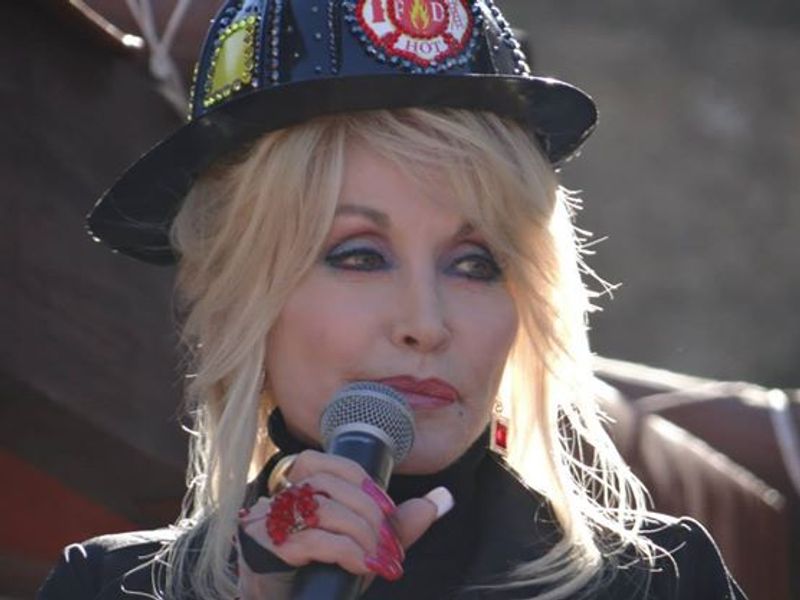
People have whispered this one for years, picturing a completely bald Dolly underneath all that big blonde hair.
The real story is far less dramatic. She has long worn wigs as part of her signature look, and there is no credible evidence behind the rumor that she is completely bald underneath them.
Think of it like swapping worn-out shoes for a reliable backup pair. The wigs were a practical solution, not a cover-up secret.
2. The Secret Full-Body Tattoo Myth
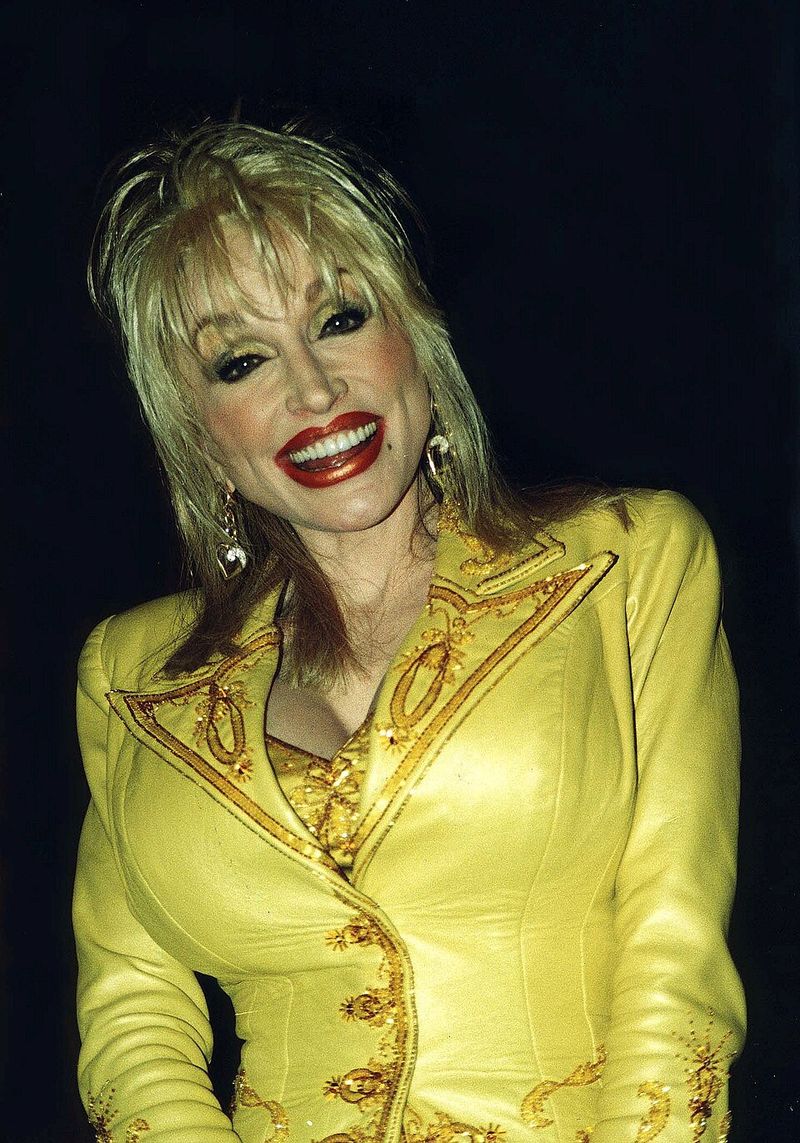
Rumors picked up speed over the years, with stories claiming Dolly Parton was hiding elaborate tattoos beneath every sequined sleeve. In reality, she has said her tattoos are modest, decorative, and mostly tied to covering scars rather than building a secret full-body collection.
Purpose behind them leans practical, often used to cover scars rather than create a hidden collection.
No secret gallery exists here, just a handful of modest tattoos with personal meaning tied to each one.
3. The Imaginary Husband Myth
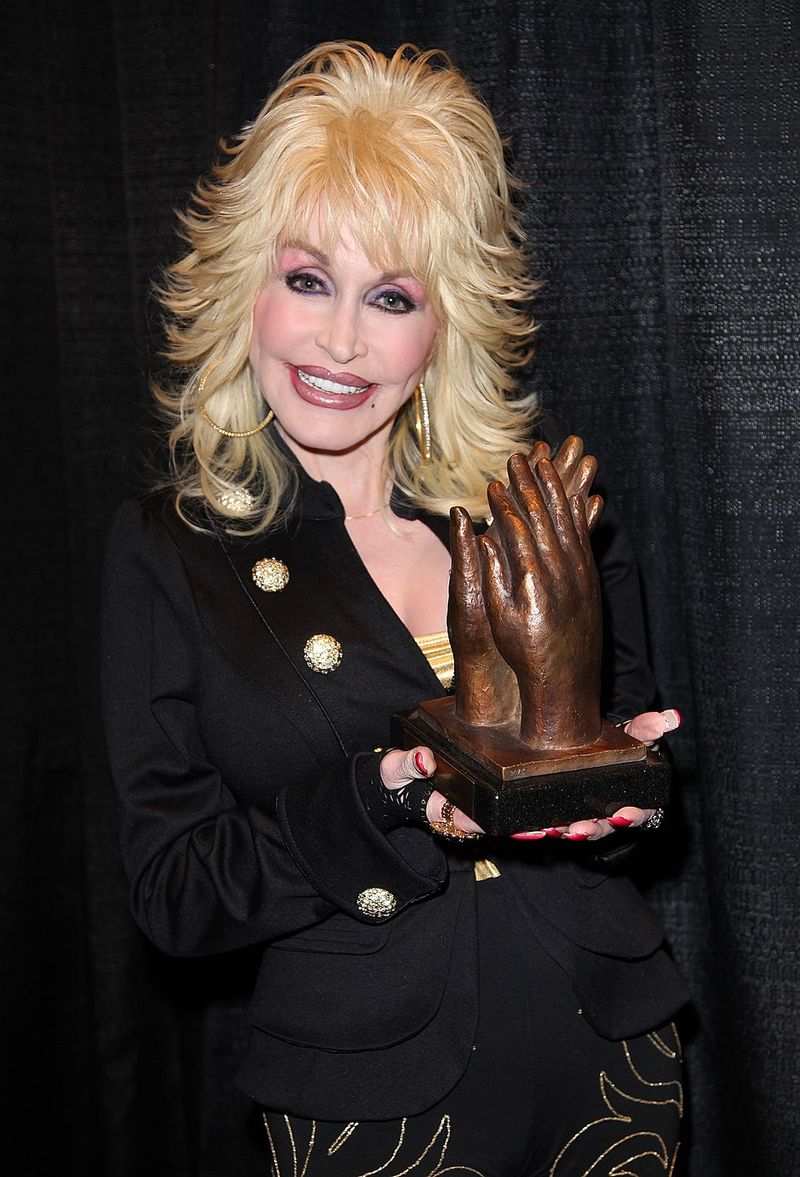
Carl Dean stayed so far out of the public eye that people actually began to wonder if he existed at all.
Very real, and for decades intentionally far from the spotlight, Carl Dean was Parton’s husband for nearly 60 years before his passing in March 2025.
Not every love story needs a spotlight to feel complete. Some of the strongest partnerships stay quiet, sip sweet tea at home, and let one voice carry the song.
4. Jolene Was Pure Fiction
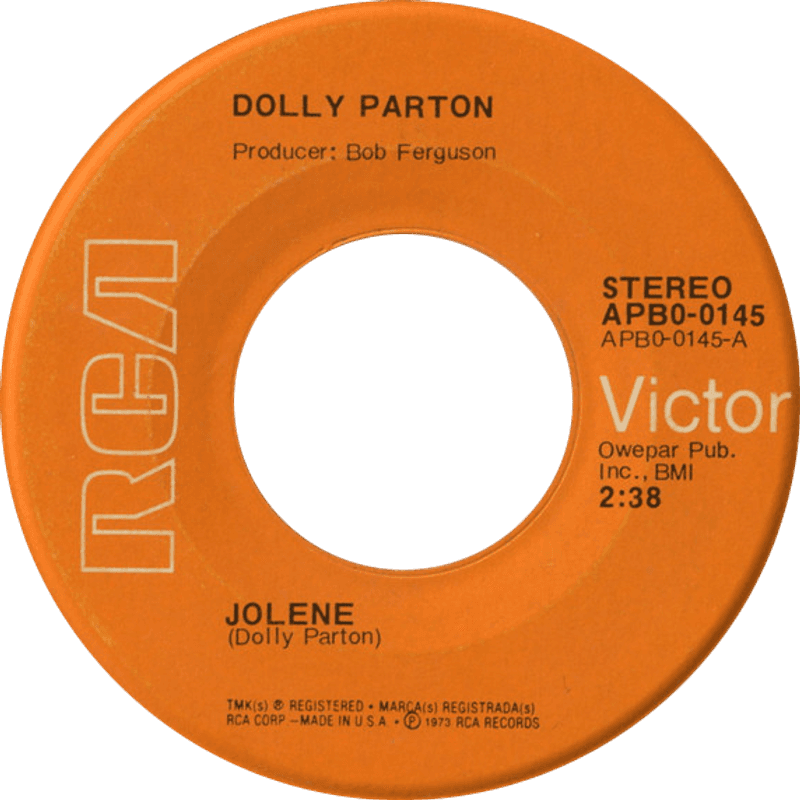
A lot of listeners assumed ‘Jolene’ was just a dramatic character Dolly invented for a great song hook.
Parton has tied the song to a real redheaded bank teller who paid a little too much friendly attention to Carl Dean. The song dialed up the drama, sure, but the spark was genuine.
Real life handed her the chorus. She just wrote the rest.
5. “I Will Always Love You” As A Breakup Song
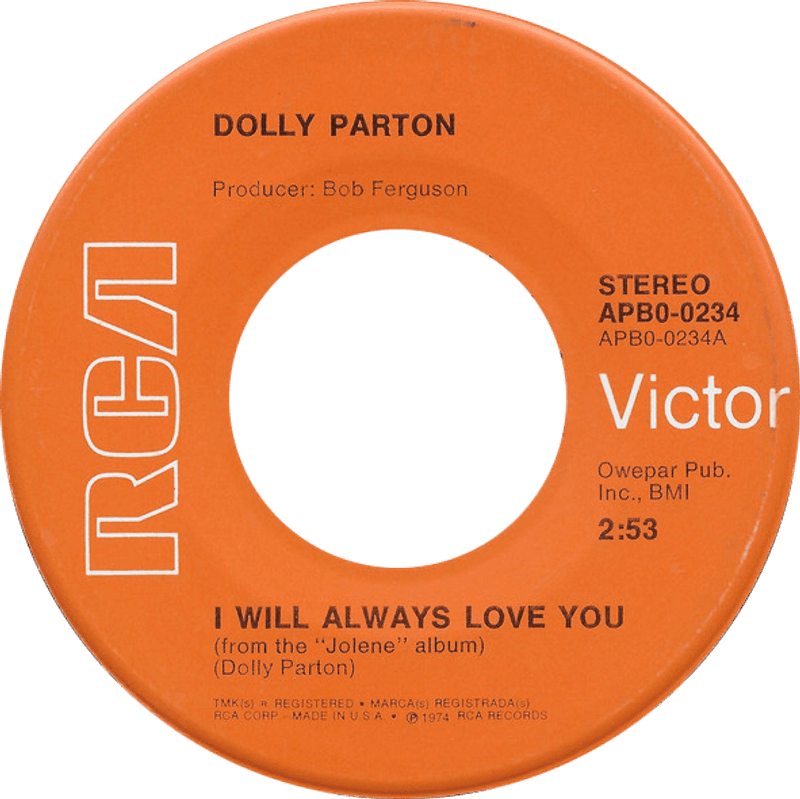
Soaring chorus in “I Will Always Love You” often gets read as a grand romantic heartbreak.
Meaning behind it points elsewhere, with Dolly Parton writing the song in 1973 as a farewell to Porter Wagoner while stepping away from their long partnership.
Emotion in the lyrics still comes through clearly, even though the connection was rooted in work rather than romance. Powerful songs like this sometimes double as goodbye letters to an entire chapter of life.
6. She Did Not Write Her Own Songs
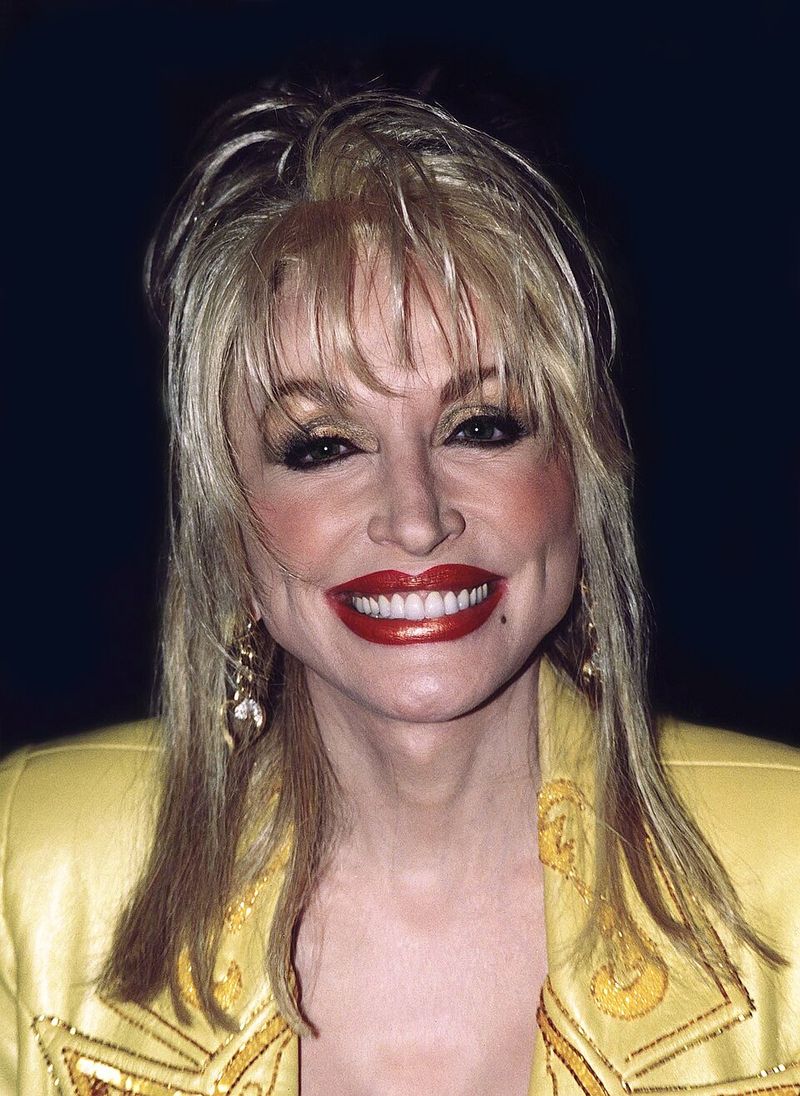
Assumptions floated around that her image did the heavy lifting while a team of Nashville writers handled the real work behind the scenes. In reality, Parton has long been recognized as a prolific songwriter, with GRAMMY coverage noting that she has written more than 3,000 songs.
Jolene and I Will Always Love You came from the same pen.
Nothing about that catalog points to luck. Showing up day after day is what built it.
7. Dumb Blonde Meant She Really Was One
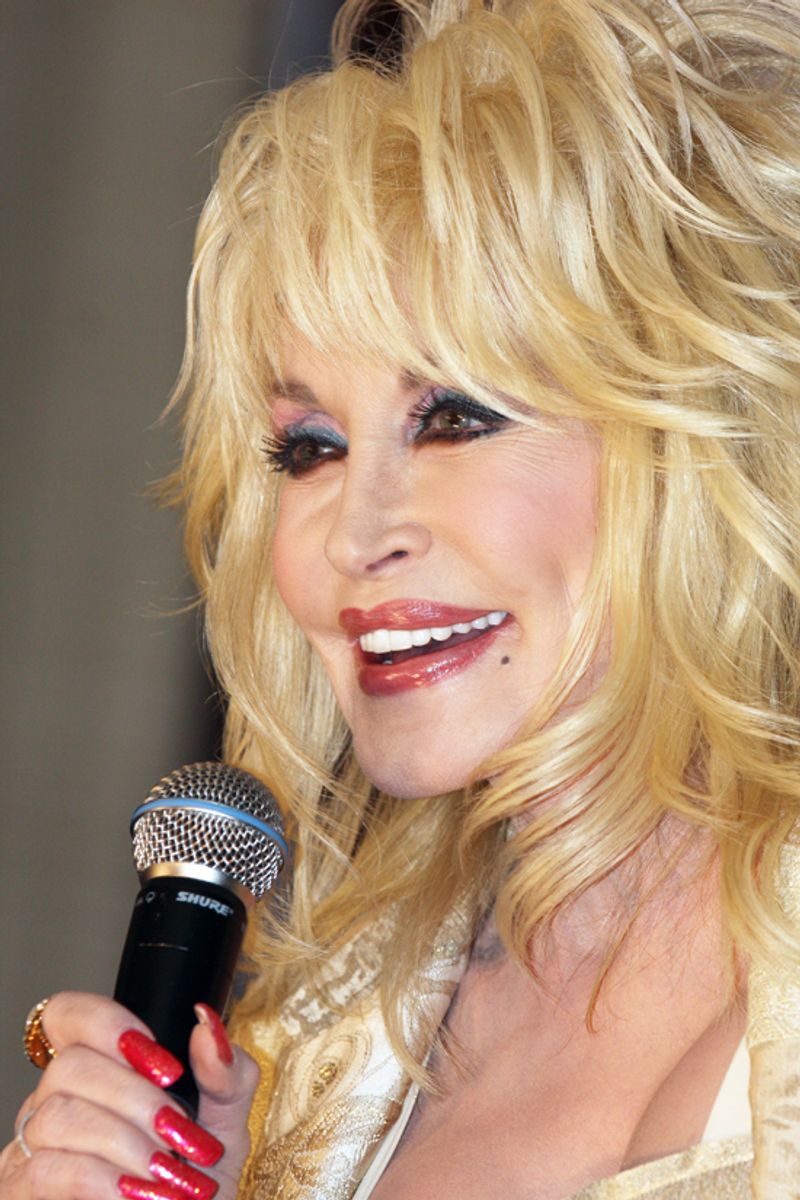
The song title alone made some people nod along like it confirmed something they already believed.
Even the lyrics push back hard on that stereotype. Between a business empire, a major literacy program, and a songwriting catalog that would make most writers jealous, the misconception falls apart fast.
She built the joke into the title and then spent six decades proving the punchline wrong every single morning.
8. She Came From Money Or Industry Polish
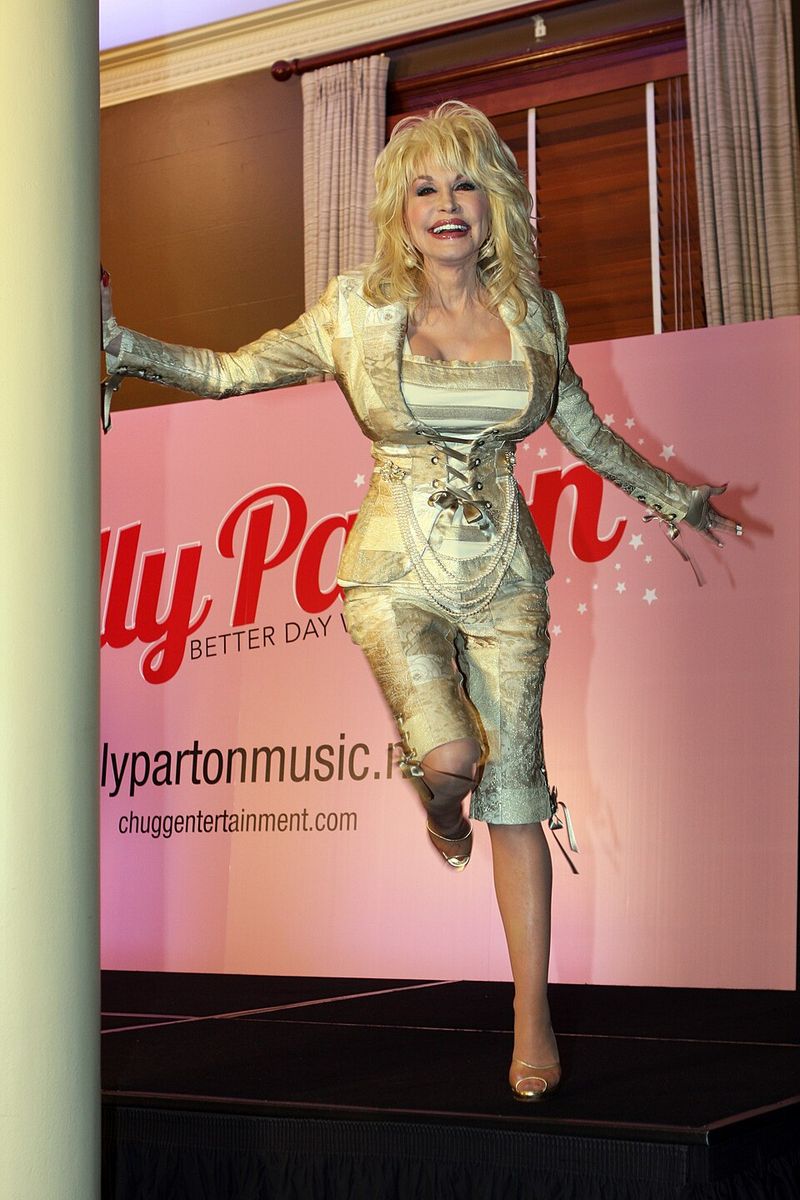
Rhinestones and a larger-than-life presence led some to assume Dolly Parton started from a comfortable place.
Reality looked very different, with her growing up in a small East Tennessee home alongside a large family and very few resources. Glamour came later, built step by step through her own work and determination.
Sequins tell a story of something earned, not something handed over.
9. Her Fame Was Mostly About Image
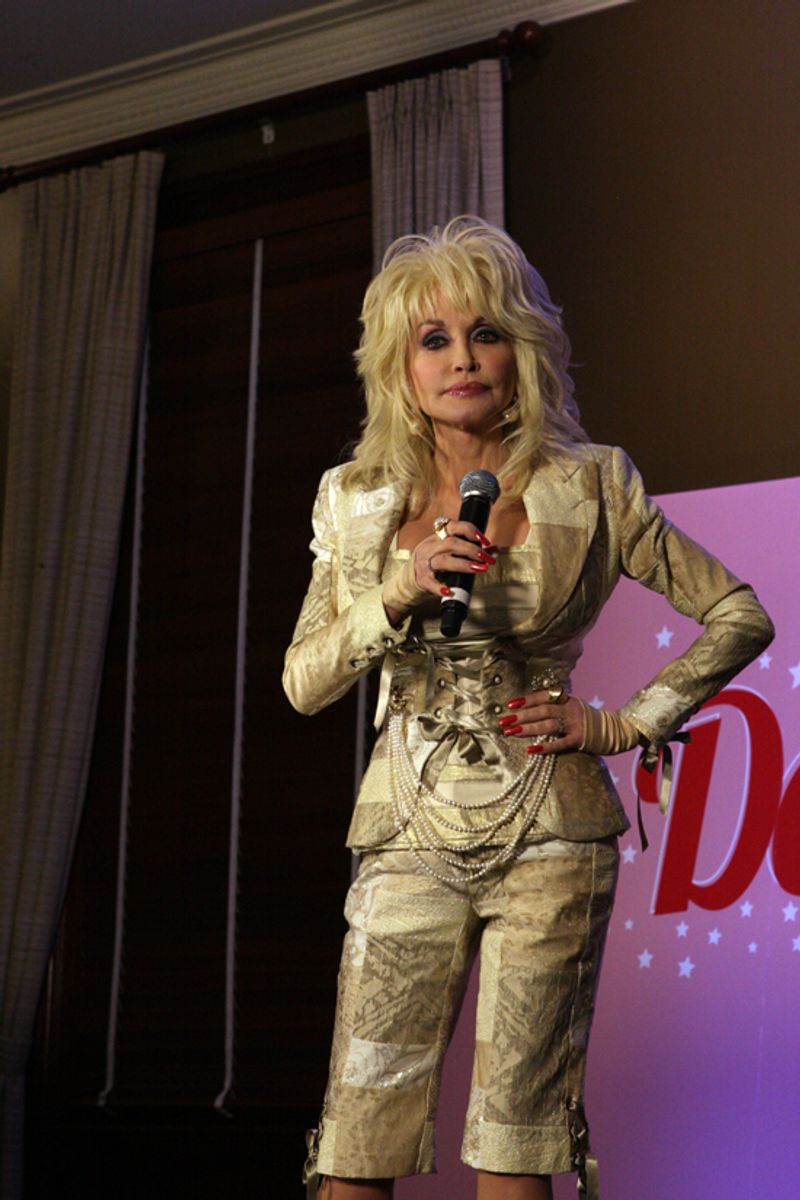
Flashy outfits and a signature look gave critics an easy excuse to overlook what sat underneath. Decades of work, multiple GRAMMY wins, long chart success, and a songwriting reputation admired by peers make that argument hard to sustain.
Style and substance can exist in the same space without canceling each other out.
Dolly proved both can show up at once and still lead the room.
10. She Has Always Denied Cosmetic Work
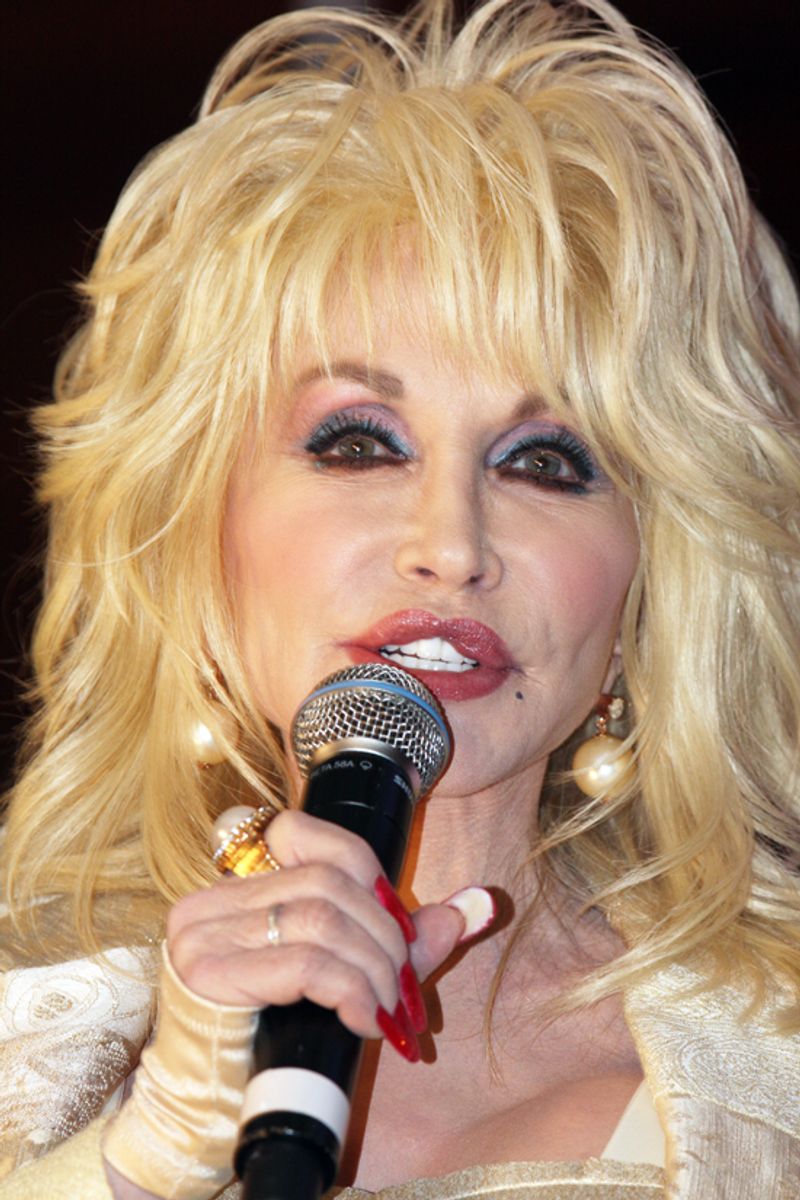
Unlike many celebrities who dodge the question with a polished non-answer, Parton went the other direction entirely.
She has spoken publicly for years with humor and openness about cosmetic work rather than treating the topic like a secret. No dramatic denials, no careful PR spin, just a self-aware wink and a laugh.
Owning the conversation with a one-liner is honestly a signature move at this point.
11. She Helped Fund Early Vaccine Research
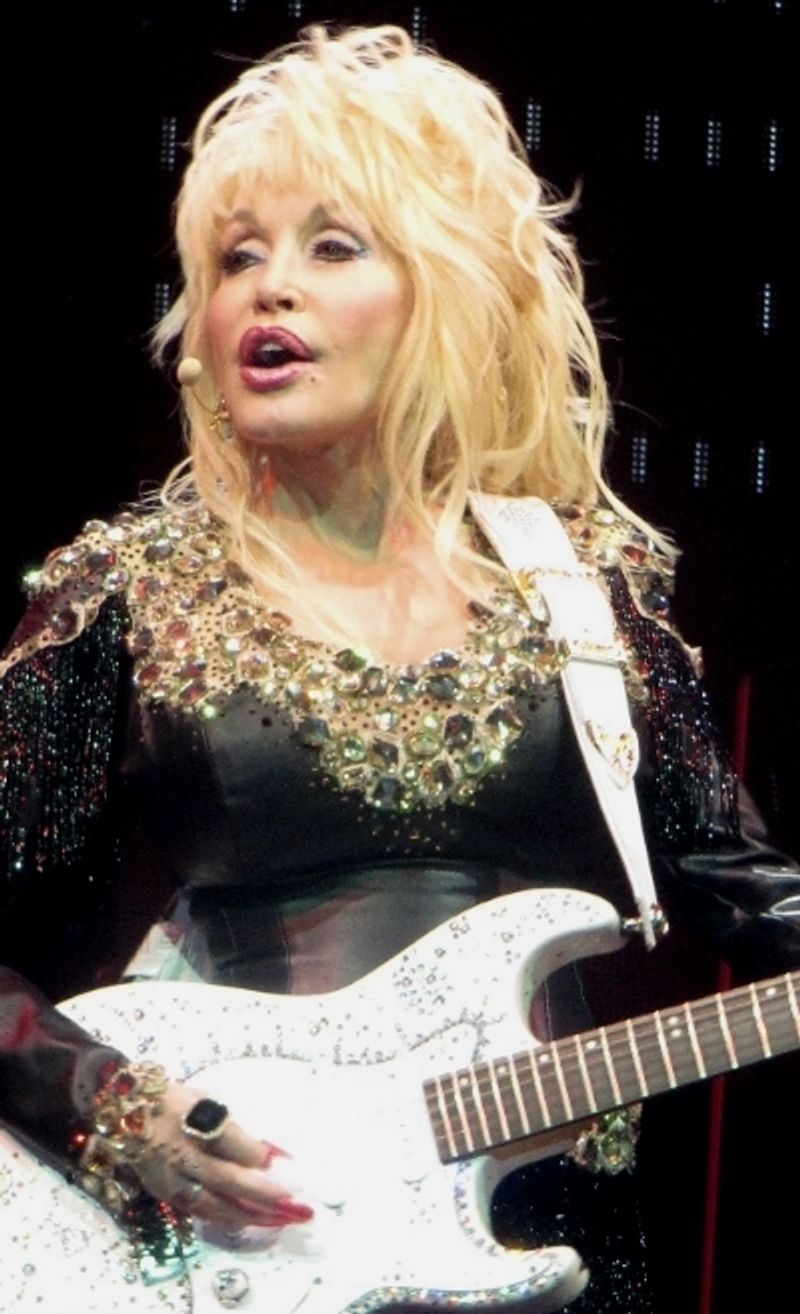
Headlines around Dolly Parton’s $1 million donation to Vanderbilt University research grew a little larger with each retelling.
Her donation helped fund early-stage research at Vanderbilt, but the vaccine itself came from a much larger collaborative effort involving institutions, public support, and many researchers.
Support like hers helped open doors, while an entire scientific community carried the process forward. Recognition belongs across the board, reflecting how many people contributed to the outcome.
12. Whitney Houston Recorded It First
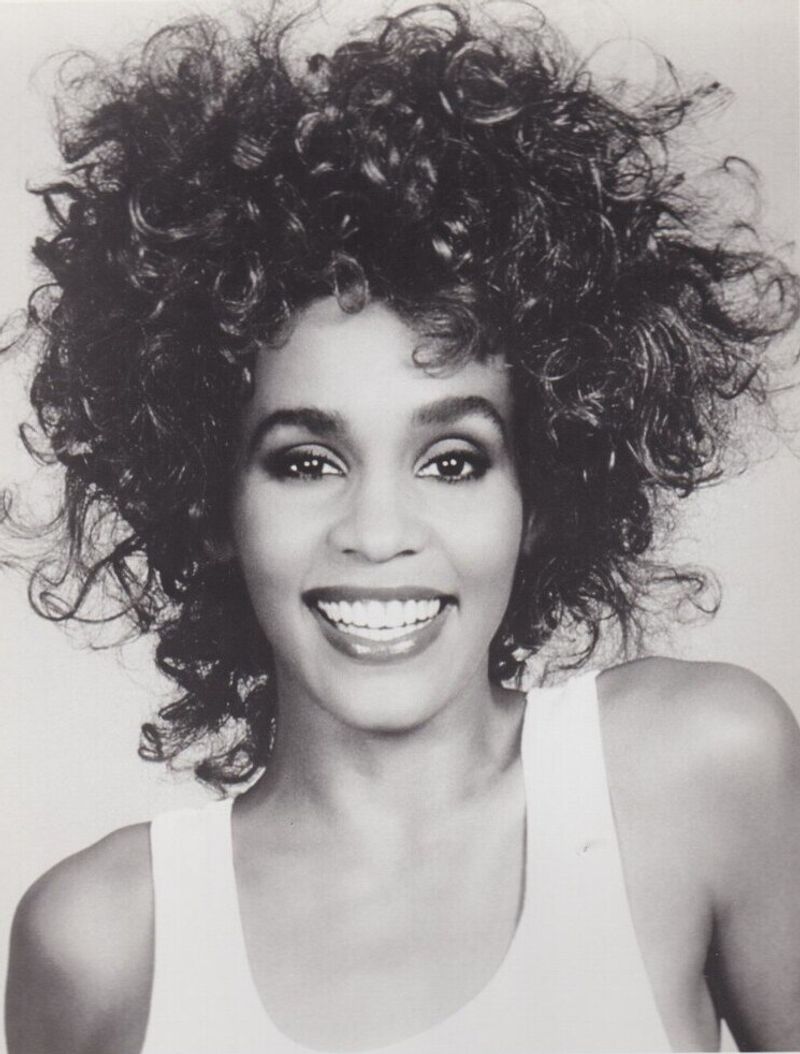
Whitney Houston’s version became so dominant that many listeners stopped questioning where the song began.
Years earlier, Parton had already written and recorded it in the early 1970s, putting down a version that carried its own quiet strength.
Parton’s original version was released in the early 1970s and succeeded on the country charts long before Whitney Houston turned it into a worldwide pop phenomenon.
Houston elevated it into a global phenomenon. Parton created the foundation.
Both deserve full credit, and neither version diminishes the other.
13. Elvis Actually Recorded It
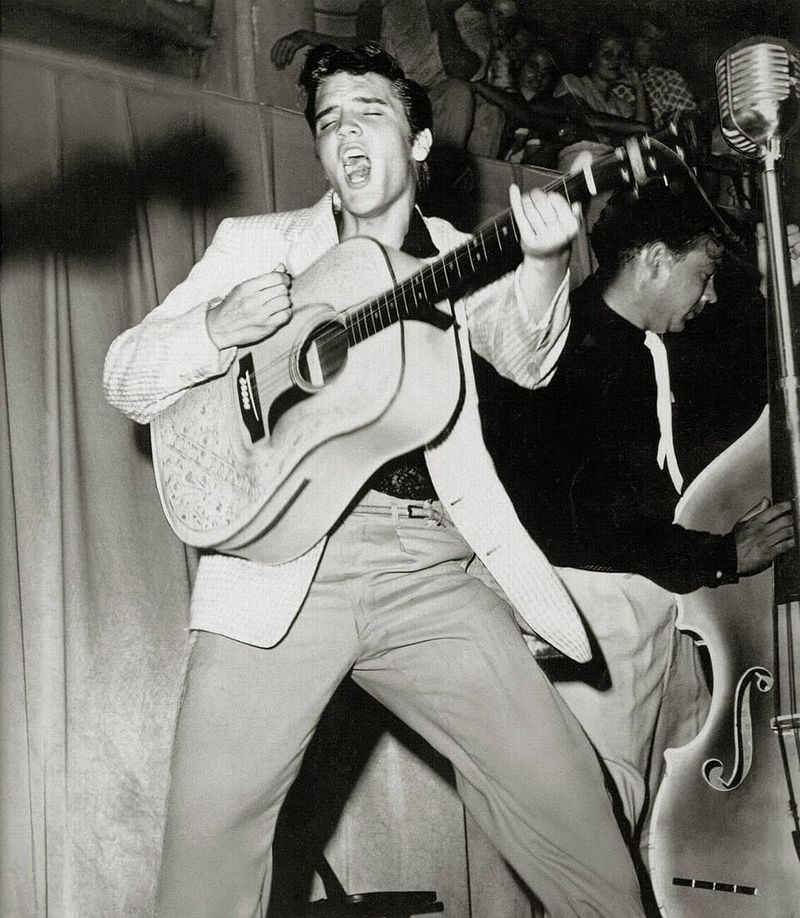
Strong interest from Elvis Presley put a real offer on the table for recording “I Will Always Love You.”
Request for a share of the publishing rights became the sticking point, and Dolly Parton refused to give it up. No recording followed, leaving behind one of the most famous near-misses in music history.
Standing firm in that moment says almost as much as the song itself.
14. Porter Wagoner Completely Made Her
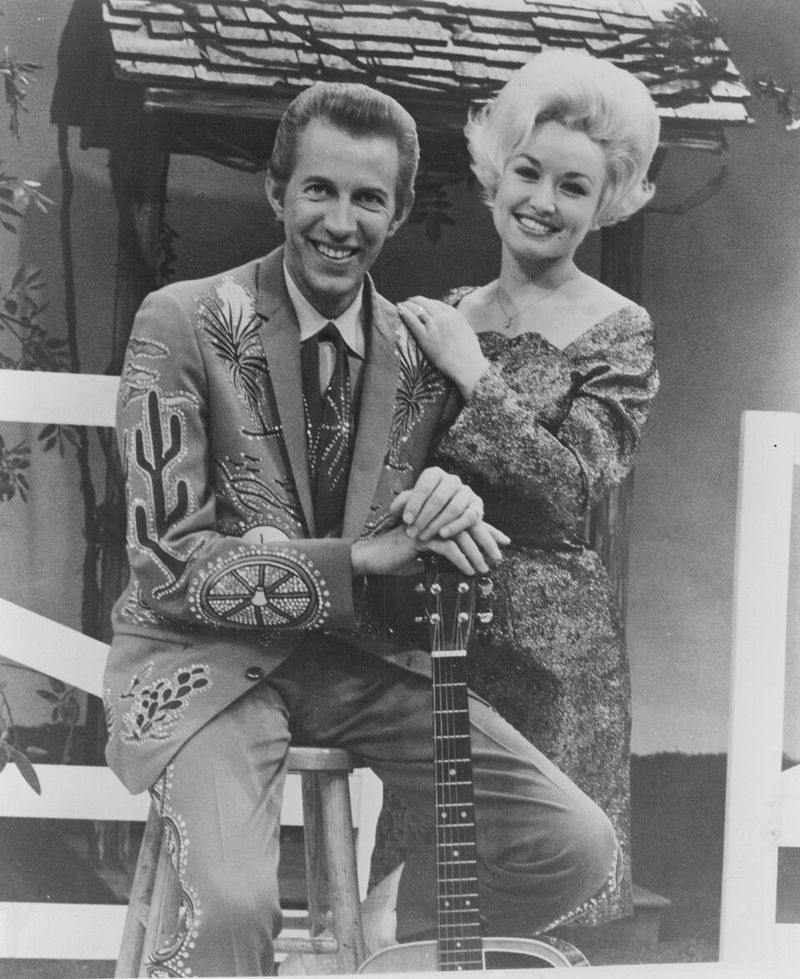
National exposure from Wagoner did accelerate her career, and that part of the story is true.
Real songwriting momentum was already there before the show, and once she walked away, her solo career grew into something much bigger than anything around it. Getting a boost is not the same as being created.
She brought the engine, and he just helped point it down the highway.
15. She Is Only A Singer

Put singer in the search bar and you only get a sliver of the full picture.
Reliable biographies consistently describe her as a singer-songwriter, actress, businesswoman, and philanthropist, and Dolly Parton’s Imagination Library has now distributed well over 200 million books worldwide. That is a much wider lane than the stage she started on.
She showed up to the music industry and quietly built an empire while everyone was watching the sequins.
Disclaimer: This article is intended for general informational and entertainment purposes and revisits long-running public myths about Dolly Parton using biographical reporting, interviews, and documented public records.
Interpretations of celebrity lore can vary over time, and simplified retellings may leave out context, so readers should view this piece as an evidence-based editorial overview rather than a comprehensive biography.