10 Eastern European Cities Gaining Attention As 2026 Travel Destinations
Eastern Europe is quickly becoming one of the most exciting travel regions in the world.
Historic fortresses, contemporary murals, and big local energy give these cities standout trips, often with less congestion than many Western European capitals.
As more people plan value-smart trips and new itineraries, these destinations are showing up on more 2026 shortlists.
Note: Travel tastes change fast, and “buzz” can reflect recent social trends, new flight planning, or shifting traveler preferences rather than an official ranking.
Details like access rules, hours, ticketing, renovation status, and seasonal conditions can change at any time, so confirm plans using official tourism sites and venue pages before booking.
10. Rijeka, Croatia
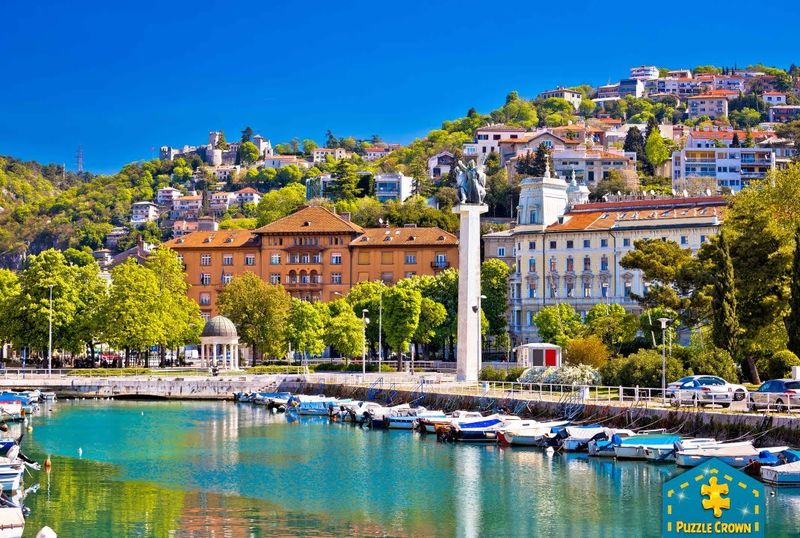
Sitting along Croatia’s stunning coastline, this port city blends industrial charm with seaside beauty in ways that feel refreshingly authentic.
Visitors wander through Korzo, the lively pedestrian street where cafes spill onto sidewalks and locals gather for evening strolls.
Best part often comes from staying close to local rhythms while still getting that Adriatic-coast feeling.
Festivals celebrating everything from music to carnival traditions keep the cultural calendar packed year-round.
Honestly, it’s the kind of place where you can sip coffee by the harbor and feel like you’ve discovered something special.
9. Kaunas, Lithuania
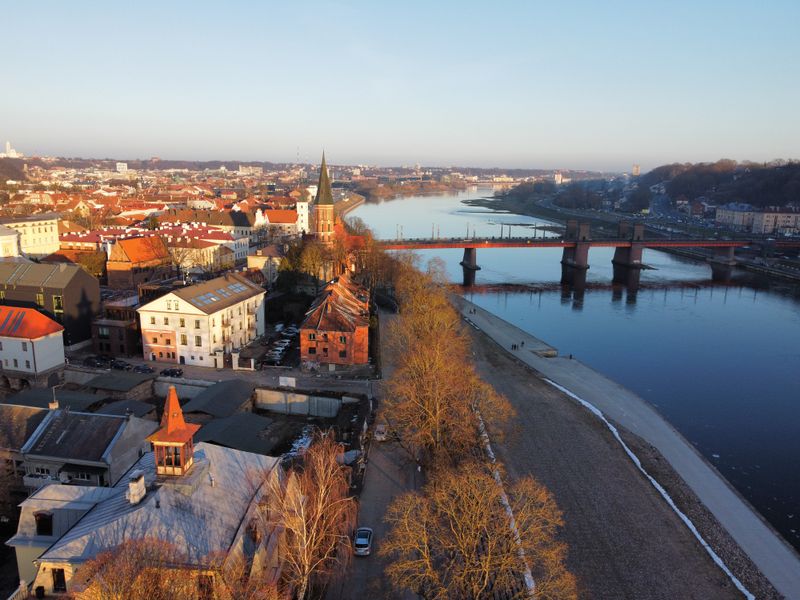
Set at the meeting point of major rivers, Kaunas surprises visitors with an active arts scene and standout interwar modernism.
Vilnius draws most headlines, yet Kaunas held the European Capital of Culture title in 2022.
Creative energy from that cultural milestone still buzzes through streets today.
Street murals transform entire building facades into open-air galleries.
Massive public artworks make every walk through city feel like a new adventure.
Traditional Lithuanian cuisine including hearty potato dishes and rye bread warms you up after exploring cobblestone streets.
Hidden gems like this deliver perfectly for anyone who loves discovery before crowds arrive.
8. Bucharest, Romania
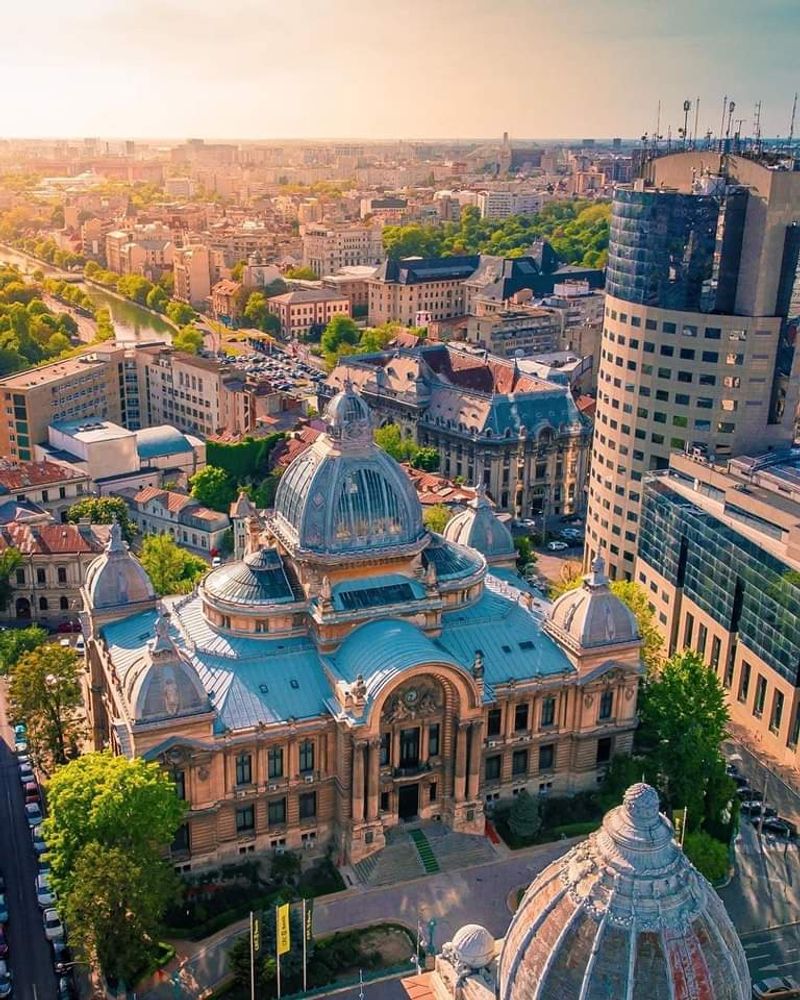
Romania’s capital city mixes Belle Époque elegance with communist-era landmarks to create a visual story spanning centuries.
Palace of Parliament stands as world’s heaviest building where touring massive halls feels like stepping into a different era entirely.
Old Town pulses with energy beyond grand structures as restaurants, bars, and live music venues pack narrow streets.
Green space at King Michael I Park (often still called Herăstrău) offers a breather during long sightseeing days.
Bucharest rewards curious travelers who appreciate contrasts and aren’t afraid to dig deeper than surface impressions.
Architectural diversity defines skyline with French-inspired villas sitting beside brutalist blocks.
7. Warsaw, Poland
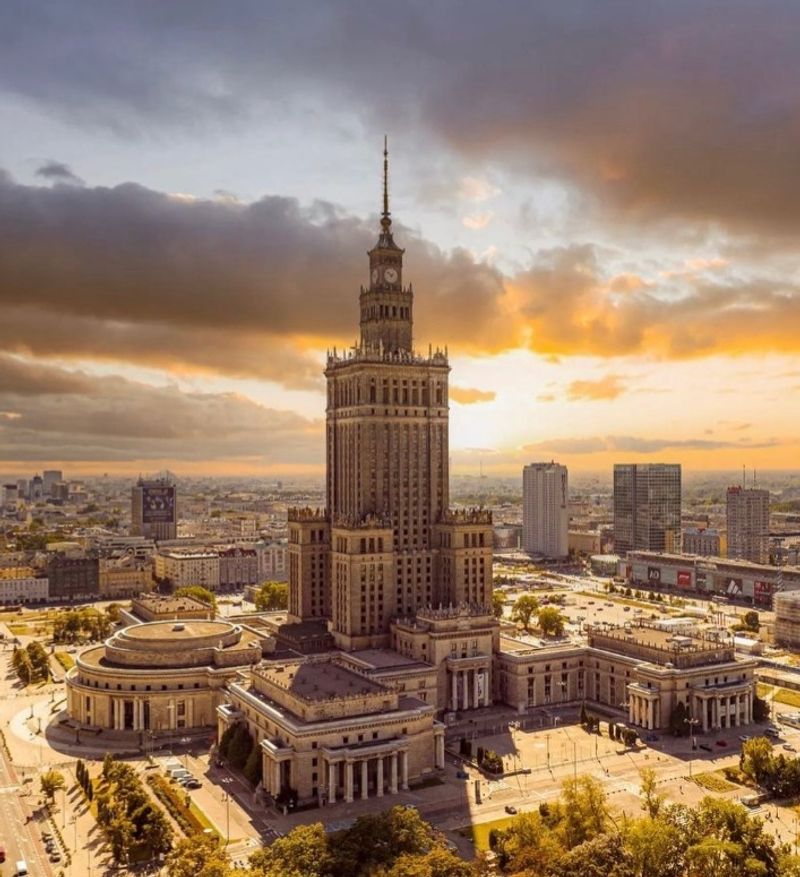
Rising from wartime destruction, Poland’s capital rebuilt itself with determination that’s visible in every carefully restored building.
The Old Town, painstakingly reconstructed brick by brick, now glows with pastel facades that look centuries old.
However, modern Warsaw thrives alongside history, with sleek museums like POLIN telling powerful stories through innovative exhibits.
Food-focused visitors find old-school milk cafeterias serving pierogi at prices that can feel surprisingly low.
Maybe it’s the resilience woven into every street, but Warsaw feels like a city that earned its place on any travel list through sheer spirit.
6. Sarajevo, Bosnia And Herzegovina
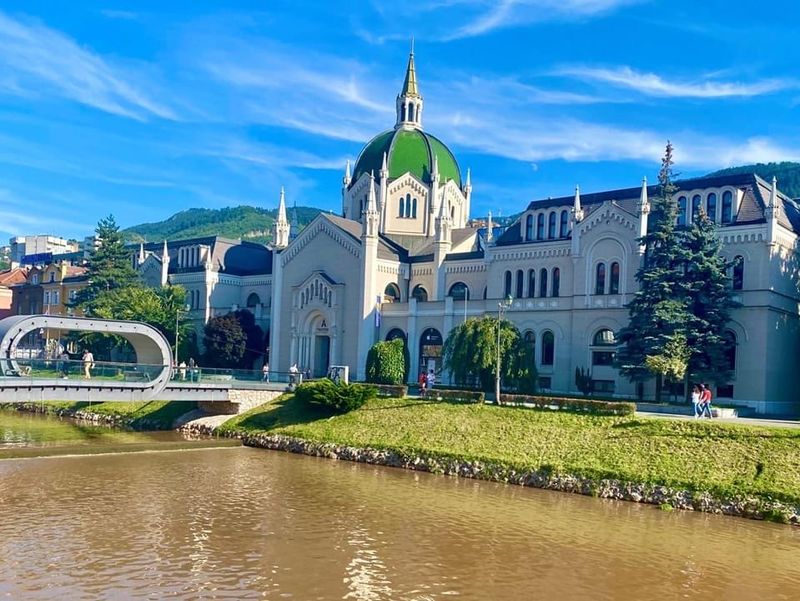
Where East meets West, this mountain-ringed city serves up a cultural blend unlike anywhere else in Europe.
Walking through Baščaršija, the old bazaar, you’ll smell fresh burek baking and hear the call to prayer echoing off ancient walls.
Coffee culture here is serious business – traditional Bosnian coffee comes with sugar cubes and plenty of time to sit and chat.
Scars from recent history remain visible, but so does incredible warmth from locals eager to share their stories.
Essentially, Sarajevo teaches you that resilience and hospitality can coexist beautifully.
5. Tirana, Albania

Bursting with color, Albania’s capital painted entire buildings in rainbow hues that transform ordinary streets into Instagram-worthy backdrops.
Former-era bunkers now host museums and exhibitions, reframing parts of the city’s past through public culture.
Skanderbeg Square anchors the city center, where locals gather and visitors soak in the energetic atmosphere.
Mountain views frame nearly every corner, reminding you that outdoor adventures sit just beyond city limits.
Surprisingly affordable and increasingly trendy, Tirana represents Albania’s rapid transformation into a must-visit destination that still feels refreshingly undiscovered.
4. Budapest, Hungary
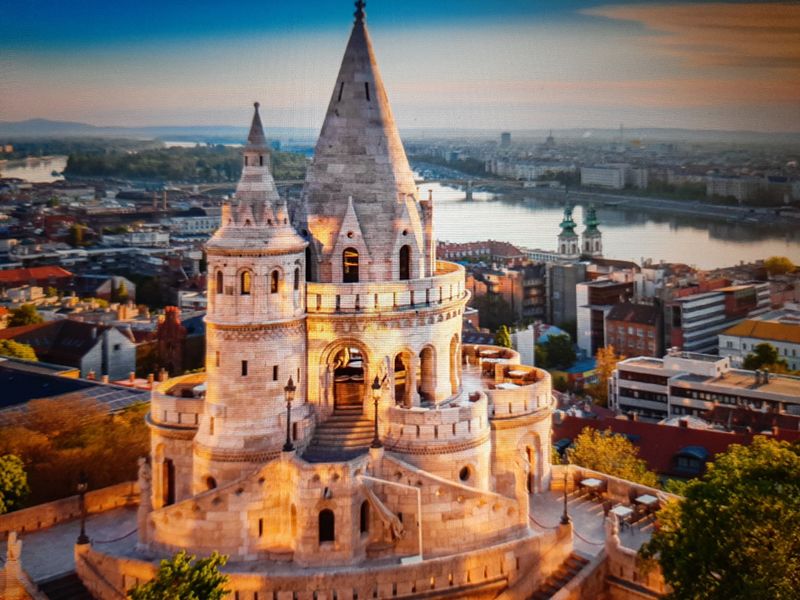
Straddling the Danube River, Hungary’s capital dazzles with architecture that rivals any European city for sheer grandeur.
Thermal baths like Széchenyi offer the perfect remedy after hours of exploring – imagine soaking in warm mineral water under open skies.
Converted courtyards and creative cafés add plenty of personality, with design details that make evenings feel distinctly Budapest.
Traditional goulash and chimney cakes satisfy hungry travelers seeking authentic Hungarian flavors.
Though Budapest already enjoys fame, it continues earning attention because it delivers fairy-tale beauty with substance and soul.
3. Kraków, Poland
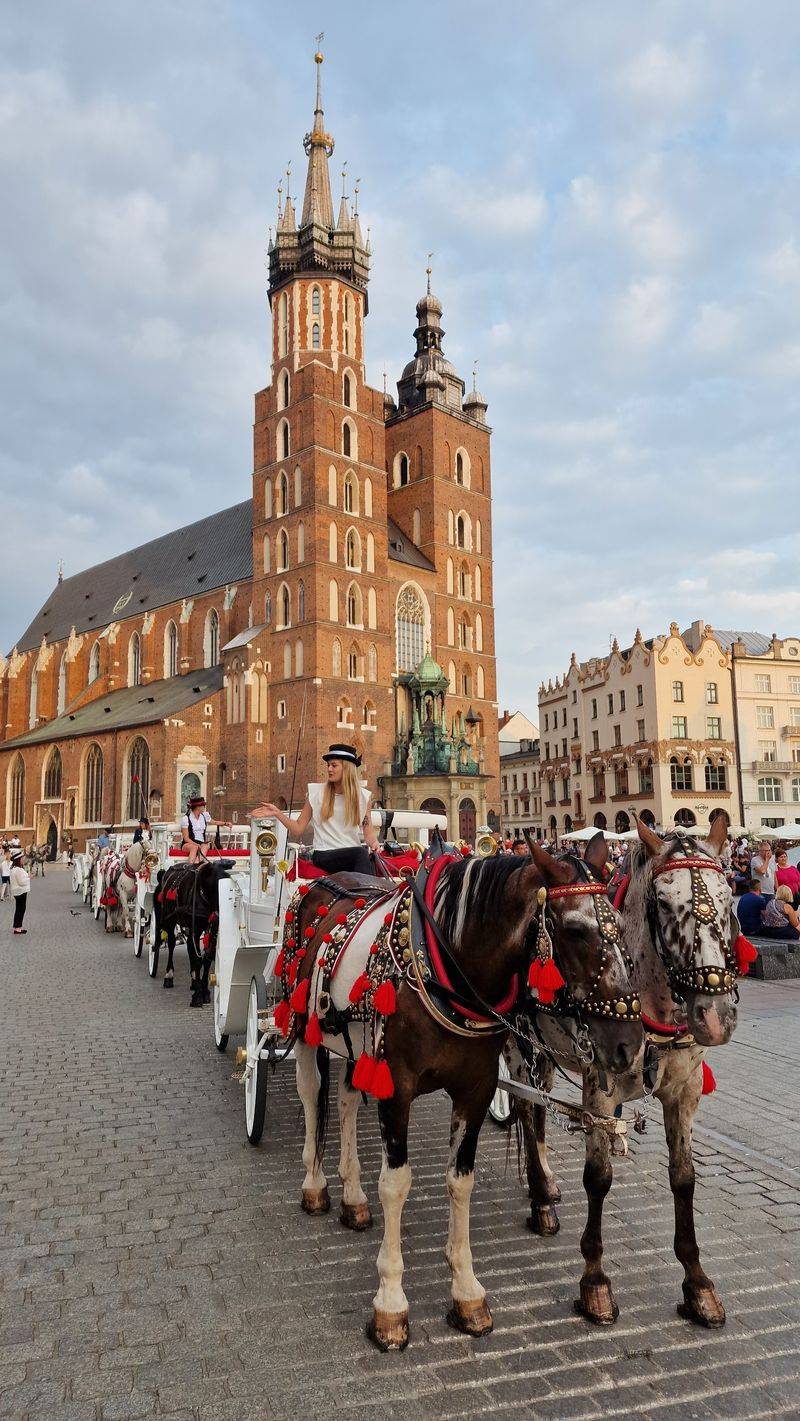
Medieval magic comes alive in Poland’s former royal capital where Gothic spires pierce skyline and legends whisper through castle halls.
Main Market Square, one of Europe’s largest, buzzes with flower vendors, street performers, and hourly trumpet call from St. Mary’s Basilica.
Wawel Castle perches above Vistula River while holding centuries of Polish history within its walls.
Day trips to nearby Wieliczka Salt Mine reveal underground chapels carved entirely from salt.
Kraków’s combination of preserved heritage and youthful university energy makes every visit feel both timeless and vibrant.
Cobblestone streets of Kazimierz district offer a glimpse into Jewish history and a thriving modern cafe culture.
Dragon statues and royal myths add a layer of enchantment to this historic city.
2. Sofia, Bulgaria
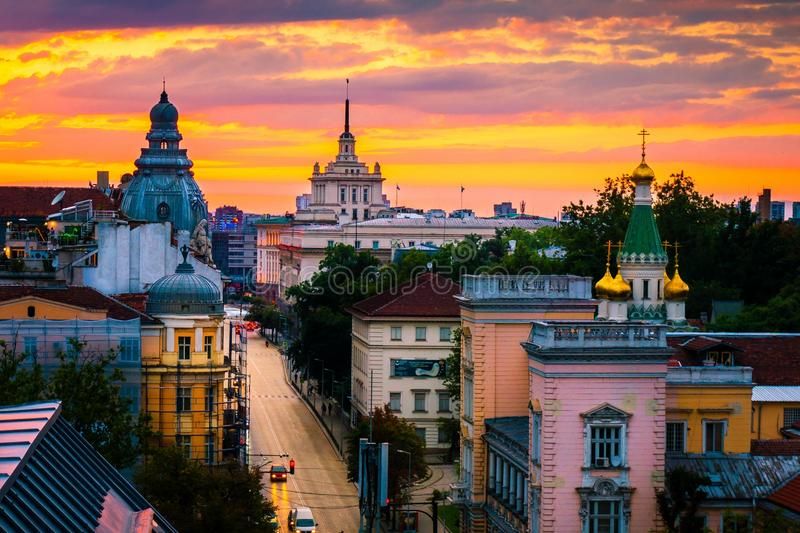
Nestled at the foot of Vitosha Mountain, Bulgaria’s capital offers skiing and city sightseeing in the same day, talk about versatility.
The golden-domed Alexander Nevsky Cathedral dominates the skyline, its interior glowing with icons and intricate mosaics.
Roman ruins peek out between modern buildings, reminding visitors that Sofia’s story stretches back thousands of years.
Cafes line shaded boulevards where locals linger over coffee that costs less than a subway ride elsewhere.
Ideally suited for budget-conscious travelers, Sofia proves you don’t need to spend a fortune to experience authentic European culture and history.
1. Prague, Czechia
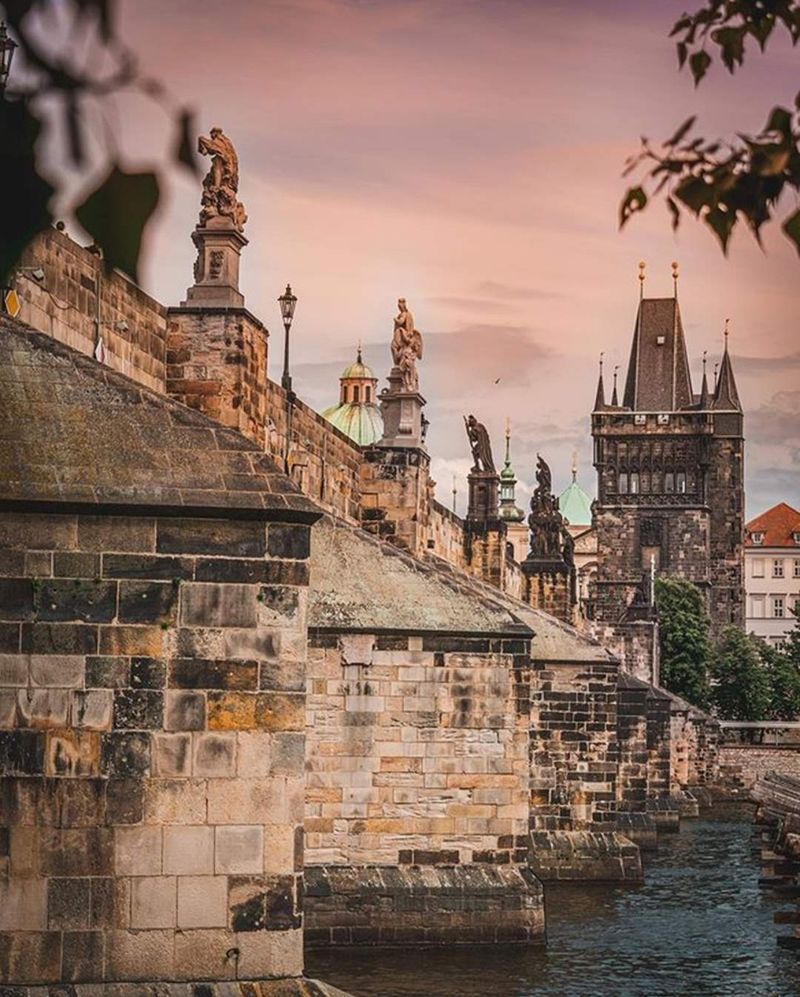
Few cities capture fairy-tale romance quite like the Czech capital, where every bridge crossing and castle view feels plucked from storybooks.
Charles Bridge connects neighborhoods while providing endless photo opportunities among baroque statues and street artists.
The Astronomical Clock draws crowds on the hour, and its core timekeeping history dates to 1410.
Courtyards and traditional cafés keep Czech classics within easy reach, and many everyday treats remain budget-friendlier than expected.
While Prague isn’t exactly undiscovered, it remains essential because its beauty genuinely lives up to every expectation and postcard promise.