Europe’s 23 Tastiest Breads You Absolutely Need To Try
Bread is more than just food in Europe—it’s a way of life.
Crusty loaves in Paris, hearty rye in Scandinavia, and countless regional specialties create a rich tapestry of flavors tied to history and tradition.
Curious minds and devoted carb fans alike can enjoy a mouthwatering tour across the continent, exploring what makes European bread truly unforgettable.
1. French Baguette
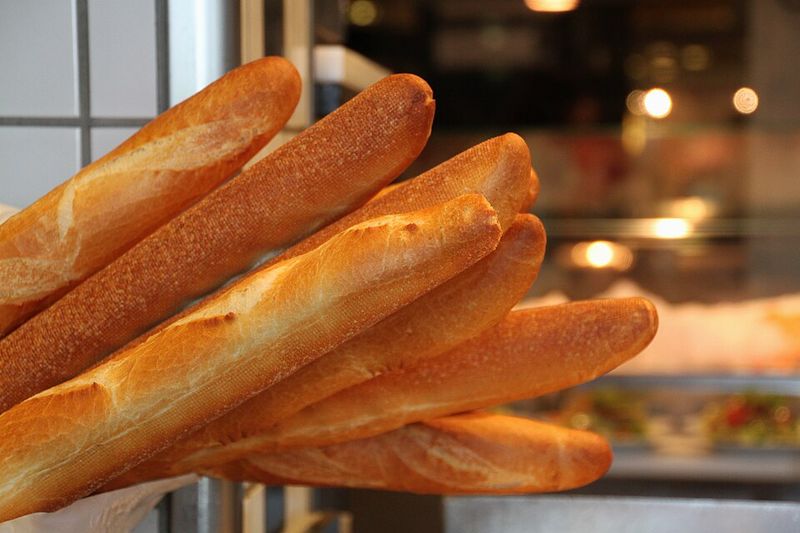
Nothing screams France quite like a freshly baked baguette tucked under someone’s arm on a cobblestone street.
That crispy golden crust crackles when you break it, revealing a soft, cloud-like interior that practically melts in your mouth.
Parisians eat these daily with butter, cheese, or just plain—because honestly, perfection needs no accessories.
The best part?
A true baguette goes stale within hours, so you know it’s the real deal when it’s fresh from the oven.
2. Italian Focaccia
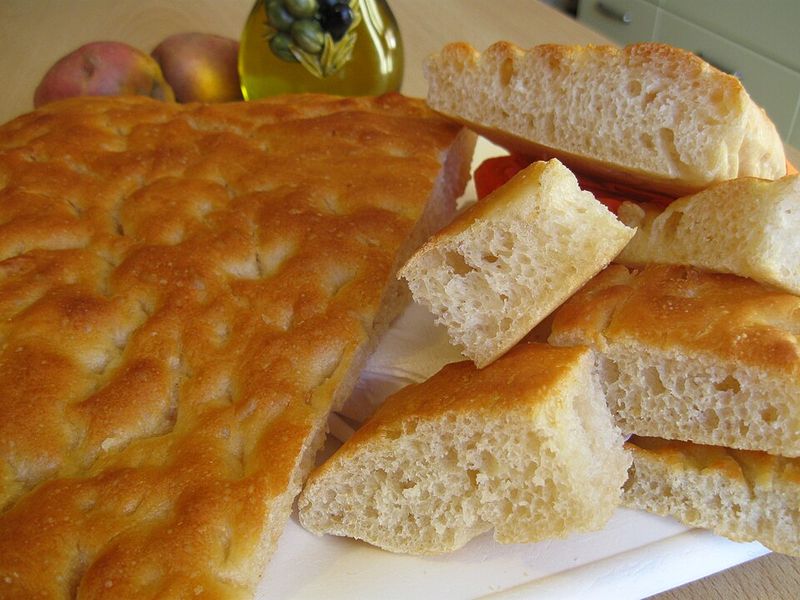
Picture a pillowy flatbread glistening with olive oil and dotted with herbs—that’s focaccia in all its glory.
Italians have been making this beauty for centuries, and each region adds its own flair with toppings like olives, tomatoes, or caramelized onions.
The dough gets poked with fingers before baking, creating those signature dimples that catch all the delicious oil.
Moist, flavorful, and incredibly versatile, it’s perfect as a snack, sandwich bread, or alongside soup.
3. German Pretzel
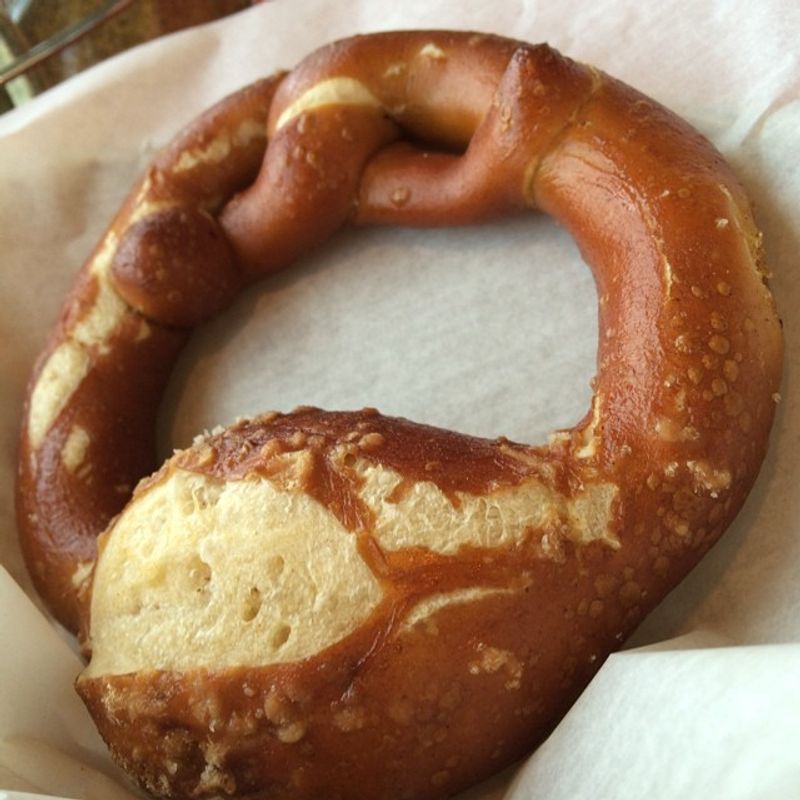
With its iconic twisted shape and deep mahogany crust, the pretzel is Germany’s edible work of art.
That distinctive color comes from a quick dip in lye before baking—sounds scary, but it’s what gives pretzels their unique flavor and chewy texture.
Germans love pairing them with mustard or melted cheese, especially at beer gardens where pretzels and pints go hand in hand.
Soft on the inside, gloriously chewy on the outside, it’s pure carb heaven.
4. Irish Soda Bread
No yeast? No problem!
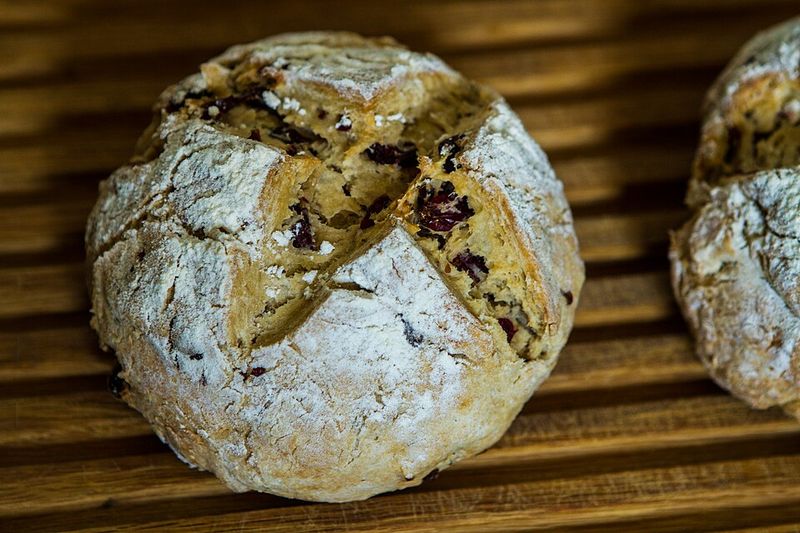
Irish soda bread relies on baking soda and buttermilk to rise, creating a dense yet tender loaf with a slightly tangy flavor.
The cross slashed on top isn’t just decorative—legend says it lets the fairies out or wards off evil spirits, depending on who you ask.
Slather it with butter and jam for breakfast, or enjoy it alongside a hearty Irish stew.
Simple ingredients, maximum comfort.
5. Swedish Knäckebröd
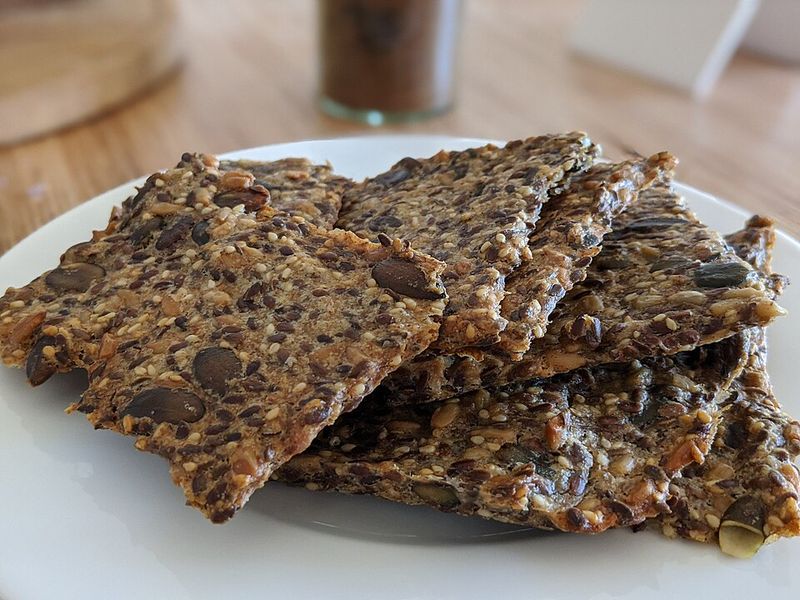
Think of crispbread as the Viking’s answer to crackers, but way more satisfying.
Made primarily from rye flour, knäckebröd is baked until bone-dry, which is why it can last for months without going bad.
Swedes traditionally stack it with cheese, herring, or smoked salmon for a quick and tasty open-faced sandwich.
The texture is wonderfully crunchy, and the nutty rye flavor pairs beautifully with both sweet and savory toppings.
6. Spanish Pan de Cristal
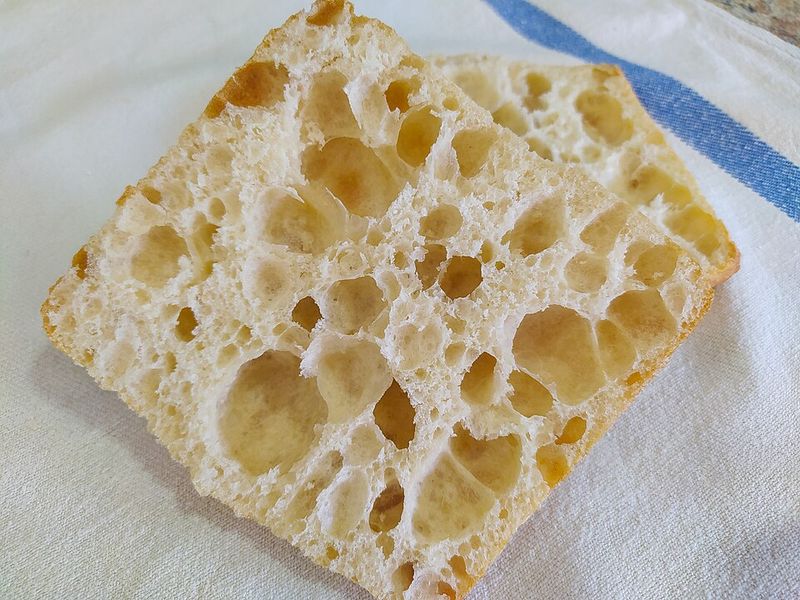
Translating to glass bread, pan de cristal lives up to its name with an impossibly thin, crackly crust that shatters like, well, glass.
Inside, you’ll find huge, irregular holes that give it an airy, almost ethereal quality.
Barcelona bakers perfected this technique, creating a bread that’s all about texture and crust.
It’s fantastic for sandwiches or simply torn apart and dipped in olive oil.
Light, crispy, and absolutely addictive.
7. Portuguese Broa
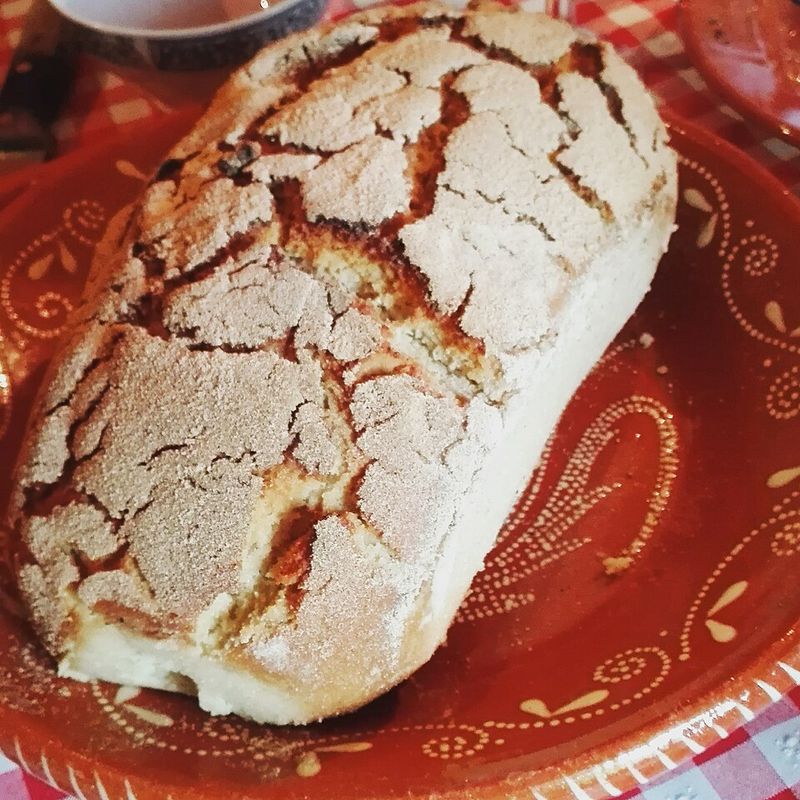
Broa brings cornmeal into the mix, giving this Portuguese staple a slightly sweet flavor and gorgeous golden hue.
Farmers in northern Portugal have been baking this dense, hearty bread for generations, often enjoying it with sardines or caldo verde soup.
The texture is more compact than wheat bread, with a pleasant grittiness from the corn.
It stays fresh for days and tastes even better toasted with a drizzle of honey.
Humble yet unforgettable.
8. Greek Pita
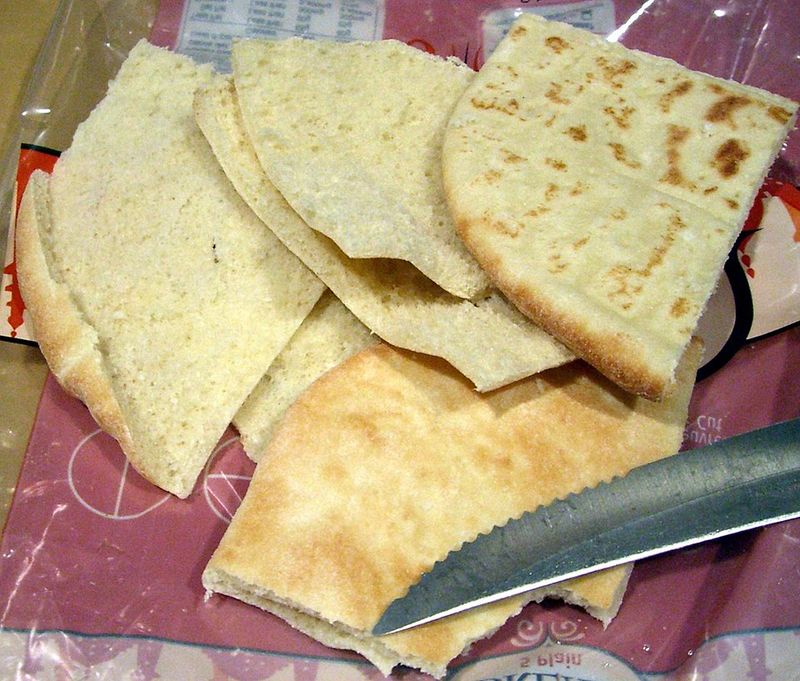
Everyone knows pita, but Greek versions have a special fluffy quality that makes them stand out.
When baked at high heat, the dough puffs up dramatically, creating that convenient pocket perfect for stuffing with gyros, falafel, or grilled vegetables.
The slight char marks add a smoky flavor that complements Mediterranean ingredients beautifully.
Greeks also tear it into pieces and use it to scoop up dips like tzatziki and hummus.
Simple, versatile, totally satisfying.
9. Austrian Kaisersemmel
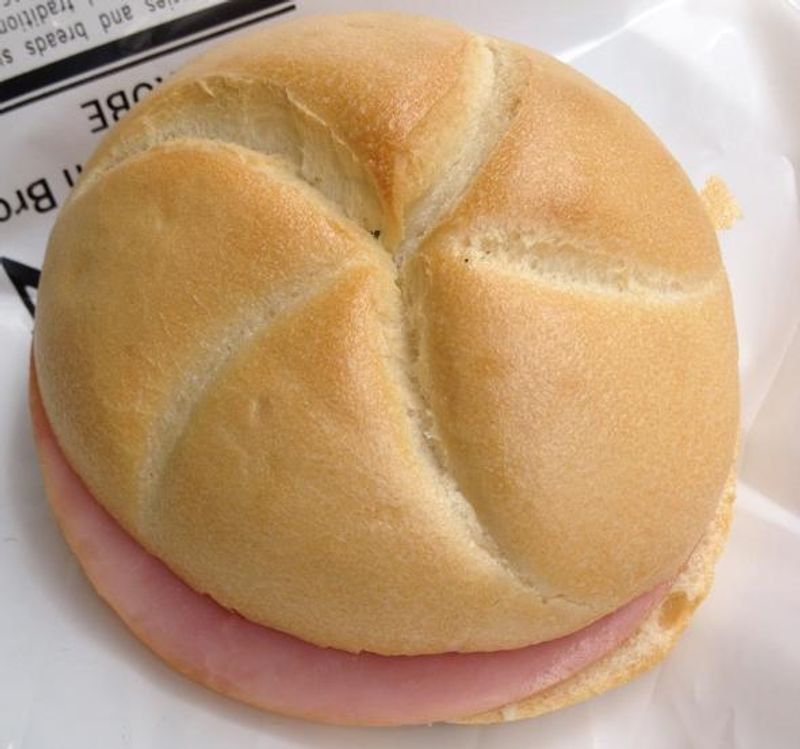
Named after the emperor, kaisersemmel rolls feature a distinctive star pattern stamped on top that’s as regal as it sounds.
Viennese bakers take pride in achieving that perfect contrast: a crispy, crackling crust surrounding an impossibly soft, white interior.
These rolls are breakfast staples throughout Austria, often split and filled with ham, cheese, or jam.
The craftsmanship involved in making authentic kaisersemmel is so respected that it’s protected by Austrian law.
Royal treatment, indeed.
10. Polish Challah
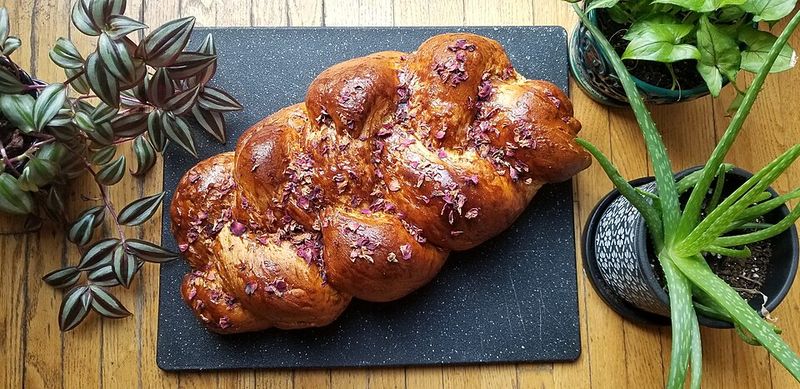
While challah has Jewish roots, Poland’s version is particularly beloved for its rich, eggy sweetness and beautiful braided appearance.
The dough is enriched with eggs and sometimes a touch of honey, creating a tender crumb that’s slightly sweet and utterly comforting.
Traditionally eaten on Sabbath and holidays, it’s also fantastic for French toast the next day.
That glossy, golden crust comes from an egg wash that makes it look as gorgeous as it tastes.
11. Finnish Ruisleipä
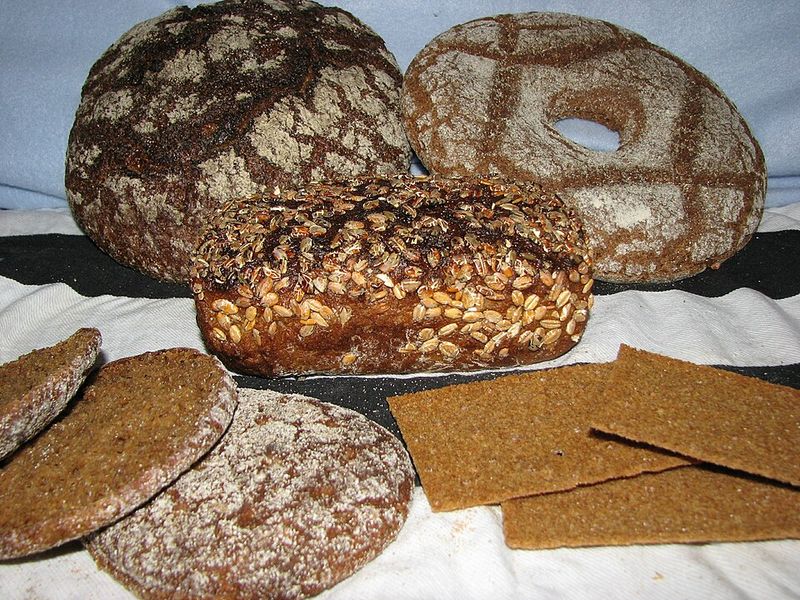
Finland’s relationship with rye bread runs deep—literally, this stuff is dark, dense, and intensely flavorful.
Ruisleipä often features a hole in the center because farmers traditionally hung loaves from rafters to store them through long winters.
The sour, earthy taste might surprise first-timers, but Finns swear by it for open-faced sandwiches topped with butter and cheese.
It’s hearty enough to keep you full for hours and packed with fiber.
Winter survival never tasted so good.
12. Turkish Pide
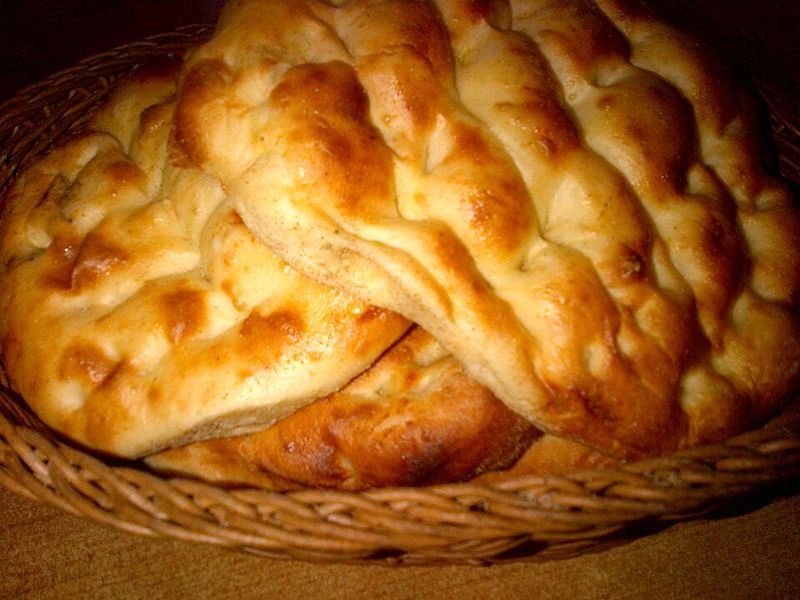
Often called Turkish pizza, pide is actually a boat-shaped flatbread with edges pinched up to hold delicious toppings.
Bakers fill it with everything from spiced ground meat and cheese to spinach and eggs, then bake it until the crust turns golden and crispy.
The dough itself is soft and slightly chewy, providing the perfect base for all those savory flavors.
Street vendors across Turkey sell fresh pide throughout the day, and one bite explains why it’s so popular.
13. Norwegian Lefse
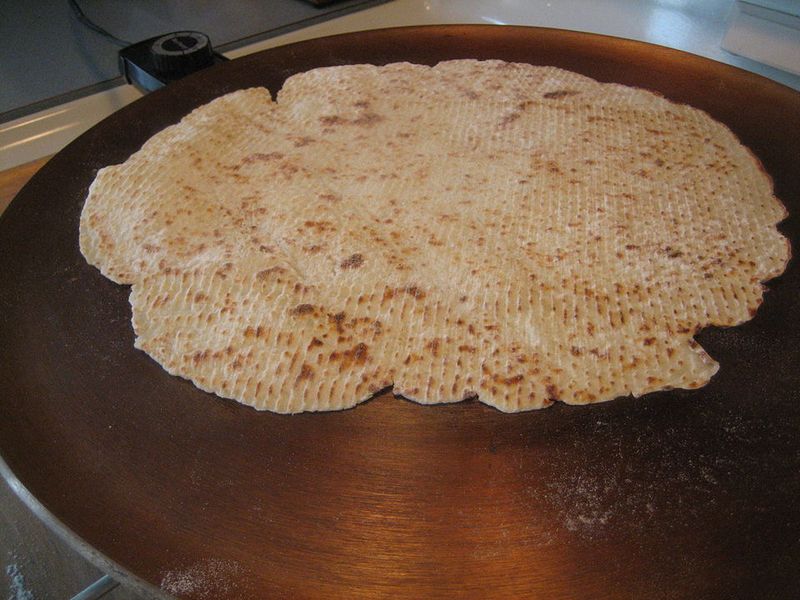
Part bread, part crepe, lefse is Norway’s beloved potato flatbread that’s rolled thin and cooked on a griddle.
The potato gives it a unique soft, pliable texture that’s perfect for rolling around butter and sugar—a classic Norwegian treat.
Families often make huge batches during holidays, with grandmothers passing down their rolling techniques through generations.
It’s comfort food at its finest, tasting like a warm hug from your Norwegian grandmother.
Sweet, simple, utterly nostalgic.
14. Belgian Cramique
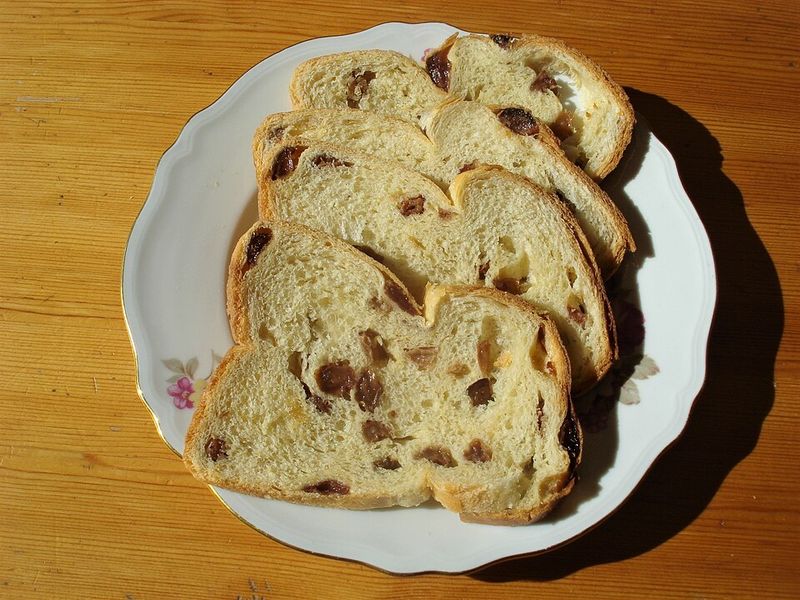
Belgium’s cramique is basically brioche’s fruitier cousin—a slightly sweet, buttery loaf studded with plump raisins or currants.
The dough is enriched with milk and eggs, creating a tender, almost cake-like texture that makes it perfect for breakfast or afternoon tea.
Belgians love slicing it thick, toasting it lightly, and spreading it with salted butter.
Some versions include pearl sugar on top for extra sweetness and crunch.
It’s indulgent without being overly rich.
15. Czech Houska
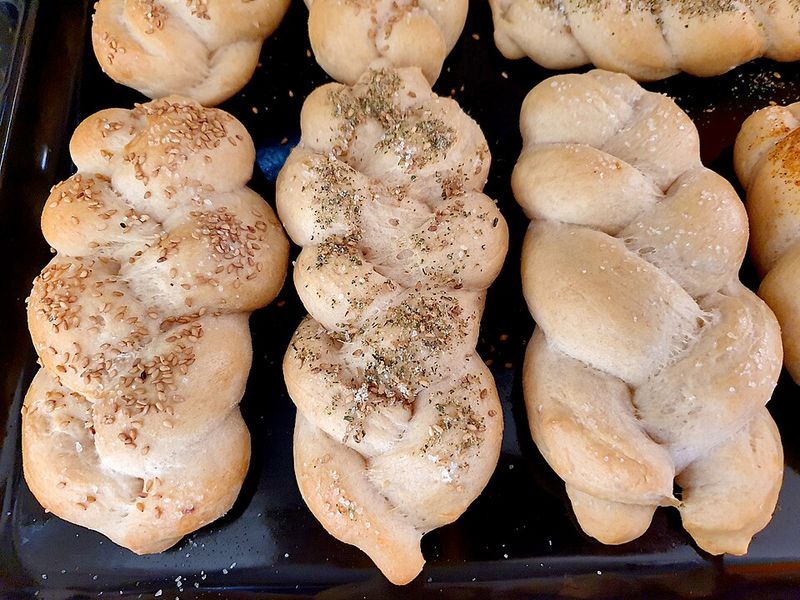
Houska is Czech Republic’s answer to celebration bread, featuring an impressive three-tiered braid that looks like edible architecture.
The dough contains eggs, butter, and milk, sometimes with raisins and almonds mixed in for festive occasions.
Traditionally baked for Christmas and Easter, it’s slightly sweet with a rich, tender crumb.
The braiding technique requires skill, with smaller braids stacked on top of larger ones to create that dramatic appearance.
Beautiful enough to be a centerpiece.
16. Danish Rugbrød
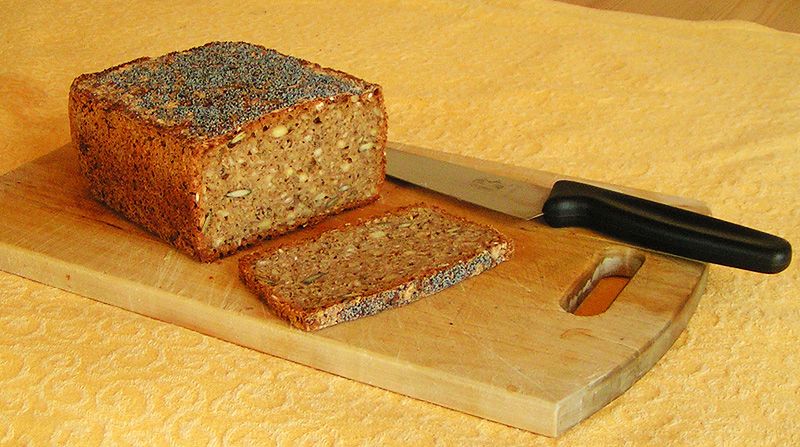
Dark, dense, and loaded with seeds, rugbrød is Denmark’s nutritional powerhouse disguised as bread.
This sourdough rye bread takes days to make properly, with whole grains and seeds adding texture and keeping you full until dinner.
Danes pile it high with toppings to create smørrebrød, their famous open-faced sandwiches.
The slightly sour, malty flavor pairs beautifully with pickled herring, roast beef, or simple butter and cheese.
It’s hearty, healthy, and quintessentially Danish.
17. Hungarian Lángos
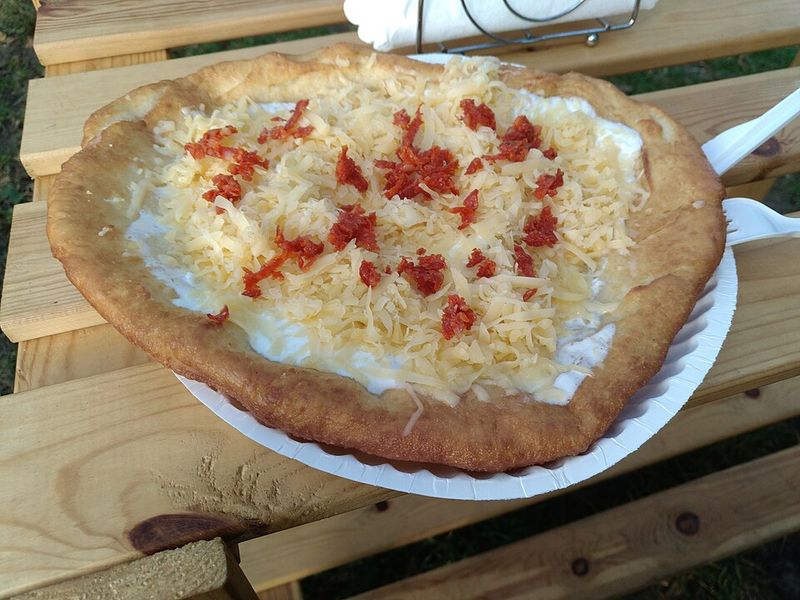
Forget baking—lángos gets deep-fried until puffy and golden, creating Hungary’s most addictive street food.
The dough bubbles up in hot oil, emerging crispy on the outside and soft within, ready for toppings like sour cream, grated cheese, and garlic.
Originally a breakfast bread for farmers, it’s now found at markets and festivals throughout Hungary.
Some vendors offer wild toppings like sausage or Nutella, but purists stick with the classic sour cream and cheese combo.
18. Scottish Bannock
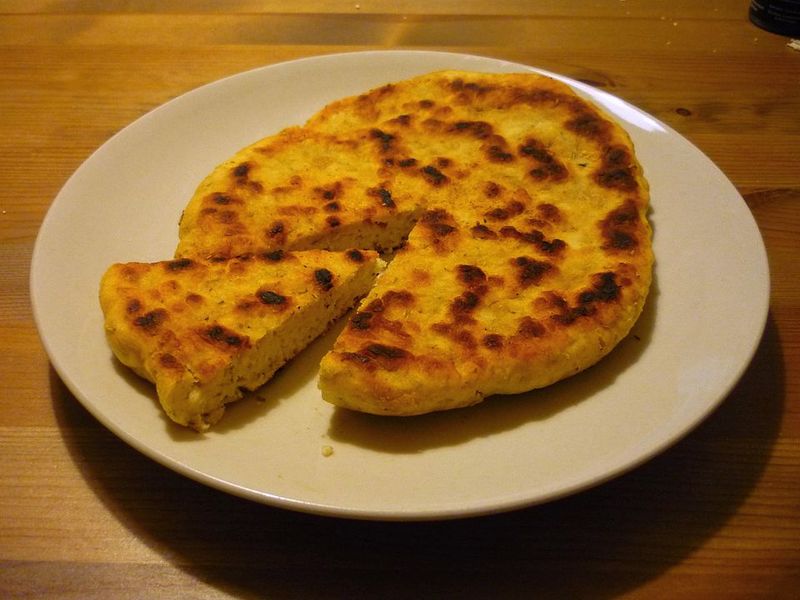
Before modern ovens, Scots made bannock on griddles over open fires, creating these simple, hearty flatbreads from oats or barley.
The texture is denser than regular bread but wonderfully satisfying, with a nutty flavor from the whole grains.
Traditionally eaten with butter, cheese, or jam, bannock was sustenance for Highland farmers and shepherds.
Some versions include dried fruit or are sweetened with honey.
It’s rustic Scottish comfort that’s stood the test of centuries.
19. Swiss Zopf
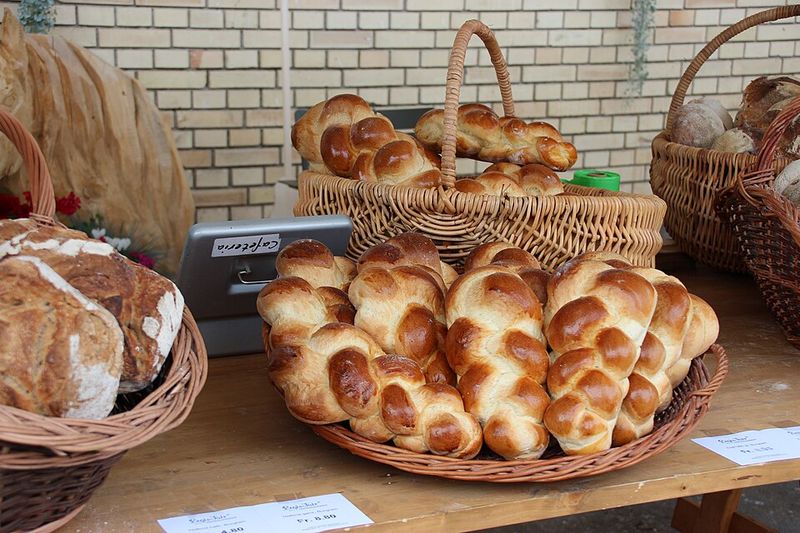
Every Sunday morning in Switzerland, families gather around fresh zopf, a beautifully braided bread with a rich, buttery flavor.
The braid symbolizes togetherness, and the golden crust comes from an egg wash that makes it shine.
Made with milk, butter, and eggs, it has a tender, slightly sweet crumb that’s perfect for breakfast spreads.
Some Swiss families wouldn’t dream of starting their weekend without it.
It’s tradition, comfort, and deliciousness braided into one gorgeous loaf.
20. Maltese Ħobż
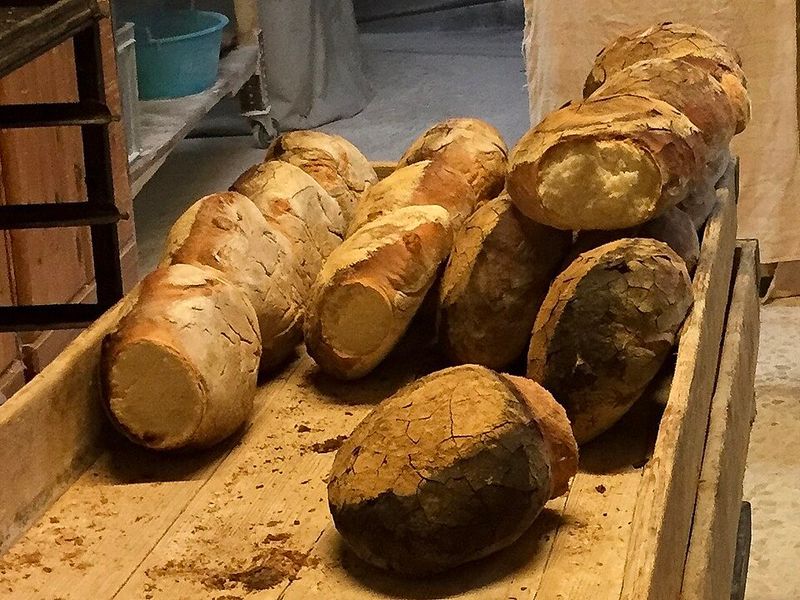
Malta’s traditional sourdough ħobż has a crust so thick and crunchy it could double as a weapon, but inside it’s pillowy perfection.
Local bakers use simple ingredients—flour, water, salt, and wild yeast—letting time and technique create complex flavors.
Maltese folks love rubbing the cut side with ripe tomatoes and olive oil for ħobż biż-żejt, a simple yet incredible snack.
The bread’s sturdy texture holds up beautifully to generous toppings without getting soggy.
21. Croatian Pogača
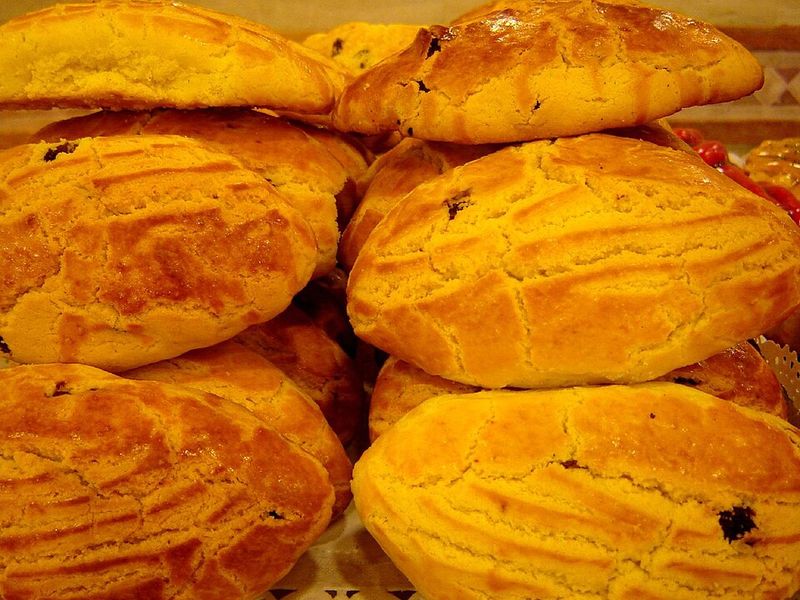
Pogača appears at every Croatian celebration, from weddings to religious holidays, often decorated with intricate dough patterns.
This lightly enriched flatbread has a tender, fluffy texture and subtle flavor that complements both sweet and savory accompaniments.
Bakers sometimes press designs into the top or add sesame seeds for visual appeal.
It’s meant for sharing, often broken by hand rather than sliced, symbolizing community and togetherness.
Simple ingredients, profound meaning.
22. Latvian Rupjmaize
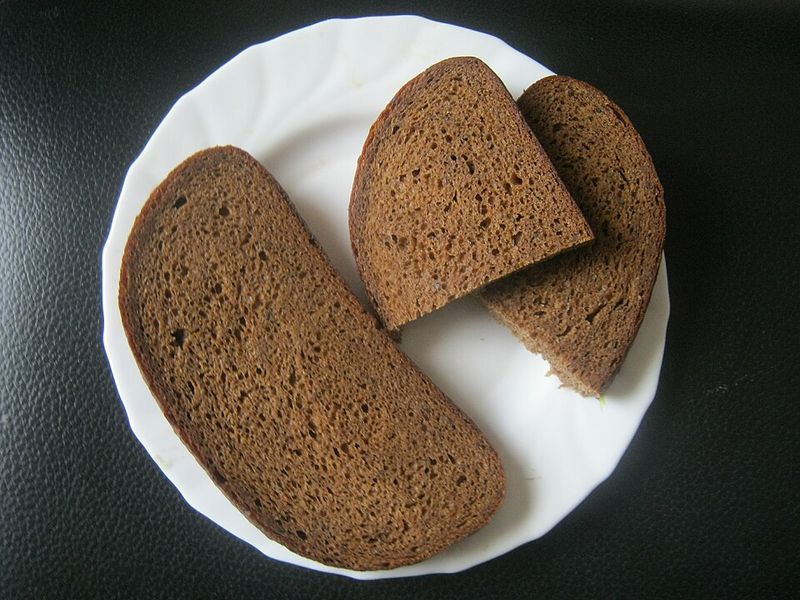
Rupjmaize is so dark it’s almost black, thanks to long, slow baking and sweetening with molasses or malt.
This Latvian rye bread is incredibly dense and slightly sweet, with a flavor profile that’s earthy, complex, and utterly unique.
Latvians have such reverence for bread that dropping it is considered disrespectful—you’re supposed to kiss it if it falls.
The intense flavor makes it perfect with butter, cheese, or smoked fish.
Bold, beautiful, and deeply cultural.
23. Bulgarian Kozunak
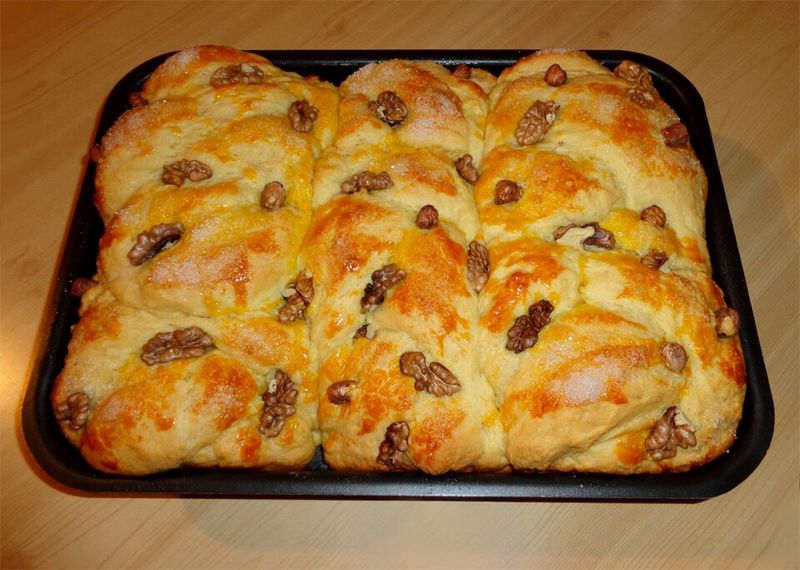
Bulgaria’s kozunak is Easter’s edible hug—soft, sweet, and fragrant with vanilla or citrus zest.
The enriched dough gets braided or shaped into wreaths, then baked until golden and glossy.
Bulgarian families compete over whose kozunak is the fluffiest, with recipes passed down through generations like precious heirlooms.
Sometimes it’s studded with raisins or topped with almonds for extra festivity.
It’s celebratory bread that tastes like springtime and family traditions combined.