14 Exotic Teas That Will Change Your Tea Game
Tea lovers, get ready to shake up your daily routine with wild brews gathered across the globe.
Color-changing flowers, ancient fermented leaves, bold herbs, and unexpected ingredients create a world of exotic teas packed with flavors and stories that make any regular cup feel pretty basic.
Hunting a caffeine kick, chasing an antioxidant boost, aiming to impress friends, each unique tea delivers adventure straight to your mug.
1. Butterfly Pea Flower Tea
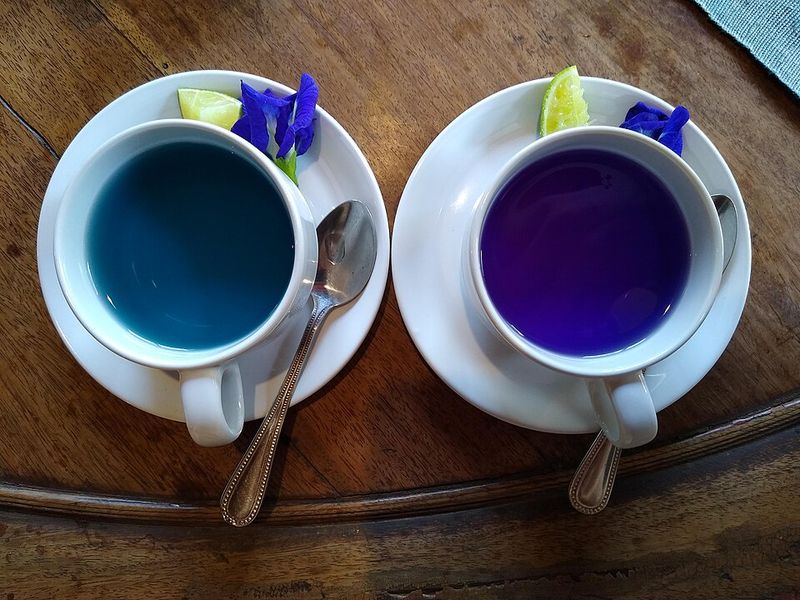
Ever seen a tea that looks like liquid sapphire?
Butterfly pea flower tea from Southeast Asia steals the show with its electric blue color that magically shifts to purple when you squeeze in some lemon.
Beyond the Instagram-worthy visuals, this earthy brew packs antioxidants and has been used in traditional medicine for ages.
The flavor is subtle and slightly woody, making it perfect for mixing into cocktails or lemonades.
Kids go absolutely nuts watching the color transformation happen right before their eyes!
2. Pu-erh Tea
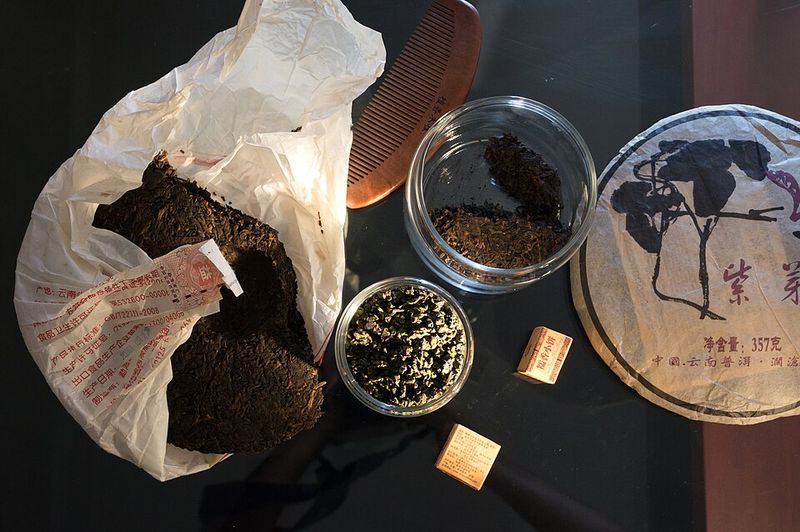
Imagine cheese or wine, but make it tea.
Pu-erh from China’s Yunnan province gets better with age, sometimes sitting in caves for decades to develop its deep, earthy character.
Some describe the taste as musty or like wet forest floor, which sounds weird but somehow works beautifully.
Serious collectors pay thousands for vintage cakes of this fermented black tea.
Plus, it’s famous for helping digestion after heavy meals and supposedly helps with weight management too.
3. Matcha
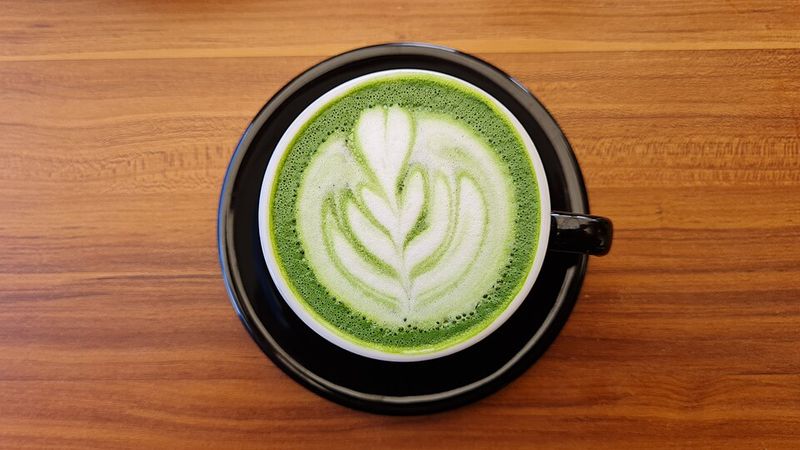
This isn’t your average green tea: it’s green tea on steroids.
Japanese monks have been whisking this vibrant powder into frothy goodness for centuries during meditation sessions.
The umami-rich flavor tastes grassy and slightly sweet, with a caffeine punch that’ll wake you up without the jitters.
You’re literally drinking the entire leaf ground into fine powder, so you get way more antioxidants than regular steeped tea.
Now it’s everywhere from lattes to ice cream to fancy desserts!
4. Purple Tea
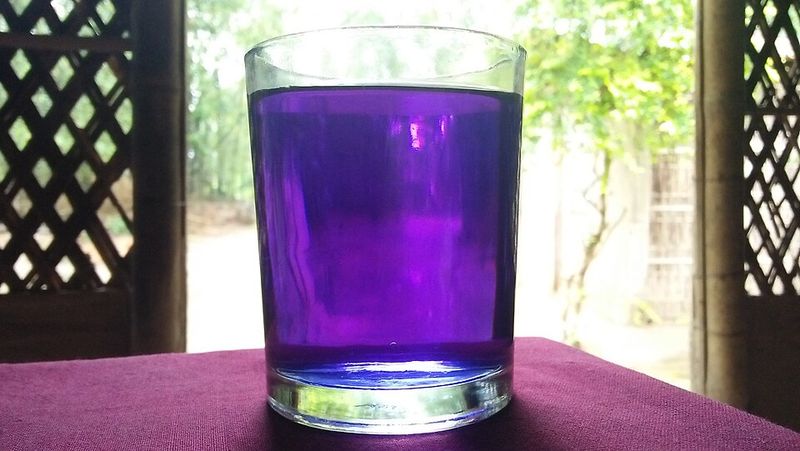
Kenya surprised the tea world by creating something nobody expected: naturally purple leaves.
This rare cultivar produces a gorgeous lavender-hued brew that tastes mild and slightly sweet with earthy undertones.
What makes it extra special is the crazy-high antioxidant levels, even more than green tea.
The purple color comes from anthocyanins, the same compounds that make blueberries blue.
It’s still pretty new to the market, so drinking it makes you kind of a tea trendsetter.
5. Yerba Mate
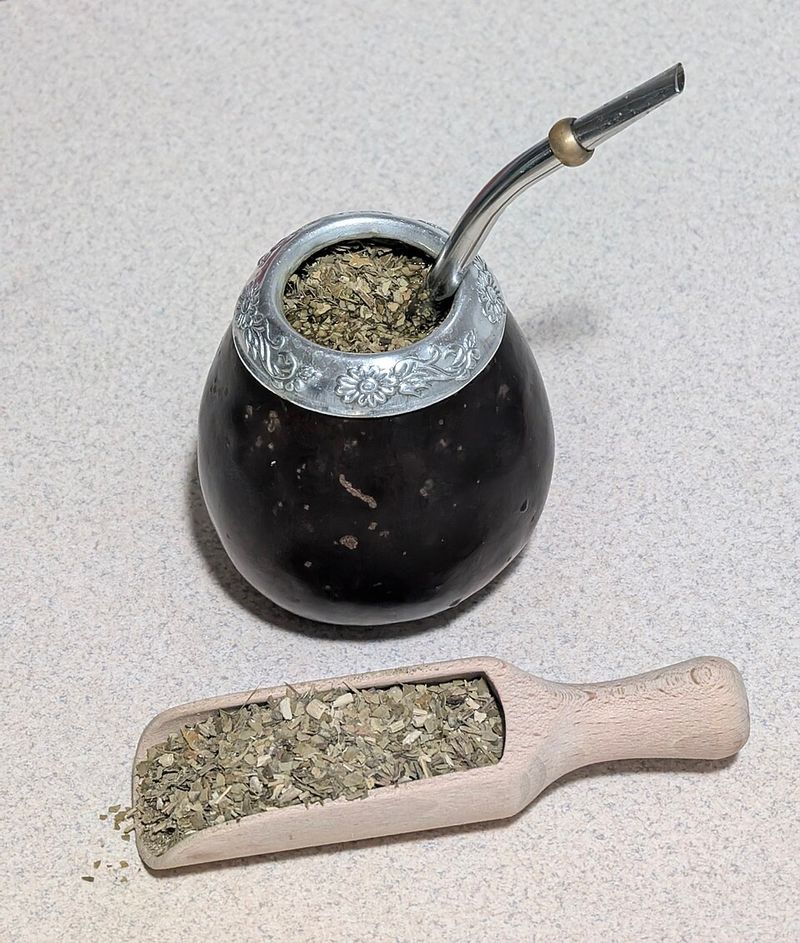
South Americans don’t mess around when it comes to their morning buzz.
Yerba mate delivers a smooth energy boost that’s stronger than tea but gentler than coffee, thanks to a unique combo of caffeine and other natural compounds.
Traditionally sipped through a metal straw from a hollowed gourd, it’s a whole social ritual in Argentina and Uruguay.
The flavor is herbaceous and slightly bitter, kind of like green tea with attitude.
Athletes love it for the sustained energy without the crash.
6. Darjeeling First Flush
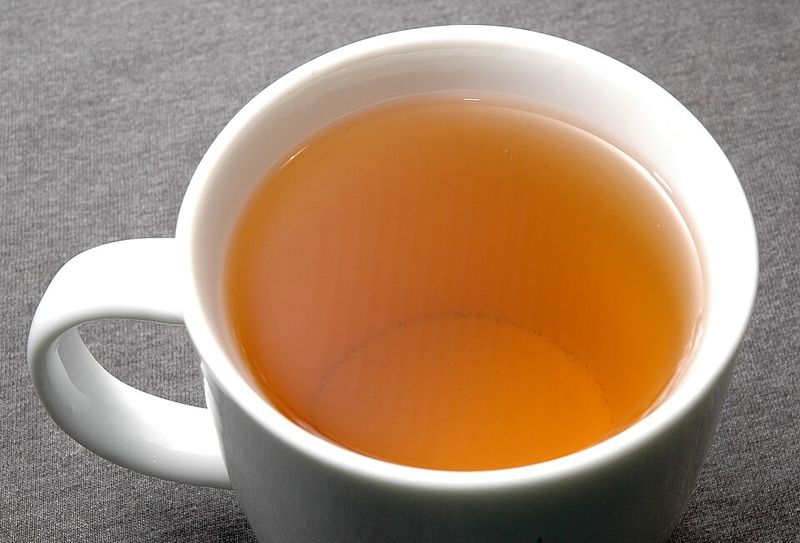
Spring’s first harvest from the Himalayan foothills is basically liquid gold for tea snobs.
Darjeeling First Flush gets picked in March and April when leaves are young and tender, creating a delicate floral taste that’s nothing like regular black tea.
The brew comes out pale and champagne-colored with notes of muscatel grapes and flowers.
It’s so prized that some estates sell out within days of harvest.
Think of it as the tea equivalent of Beaujolais Nouveau wine!
7. Rooibos
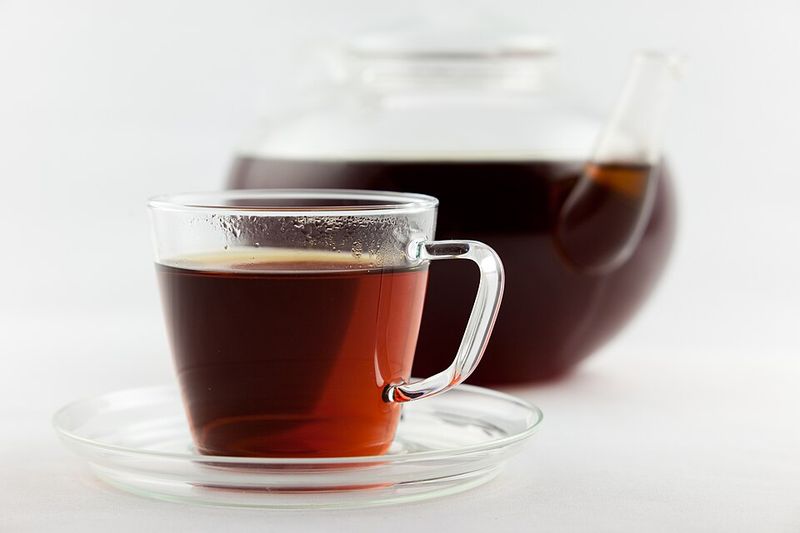
Not technically tea since it comes from a South African shrub, but who’s counting?
Rooibos is naturally sweet and nutty with zero caffeine, making it perfect for kids or anyone avoiding the jitters.
The red-orange color looks gorgeous in clear cups, and it’s loaded with antioxidants and minerals.
You can drink it plain, with milk, iced, or mixed with vanilla—it’s super versatile and forgiving.
South Africans have been sipping this for centuries, and now the rest of us are catching on!
8. Jasmine Tea
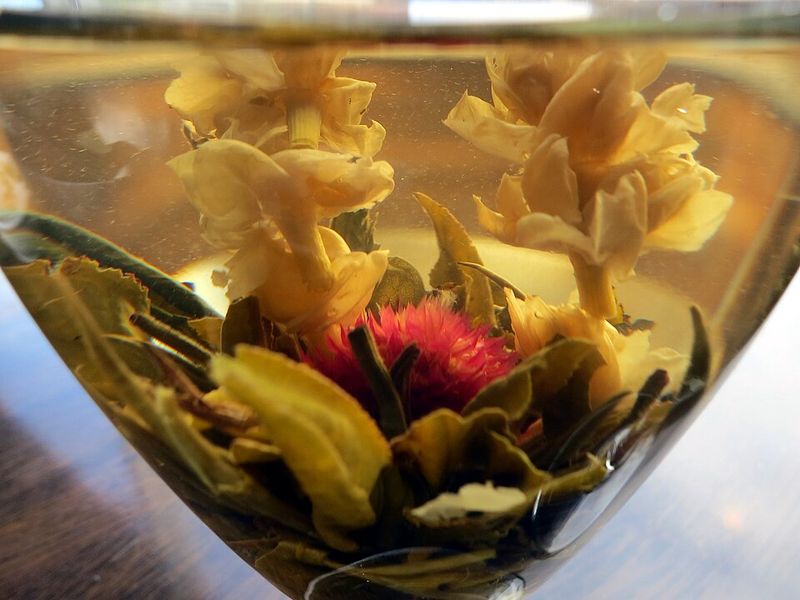
Romance in a teacup, seriously.
Green tea leaves literally sleep with fresh jasmine blossoms overnight, absorbing their intoxicating floral perfume through multiple scenting sessions.
The result is incredibly fragrant without being overwhelming, with the jasmine complementing rather than overpowering the tea base.
High-quality versions use real flowers instead of artificial flavoring: you can sometimes still see the delicate white petals in the leaves.
One whiff and you’ll understand why it’s been enchanting tea drinkers for over a thousand years.
9. Keemun
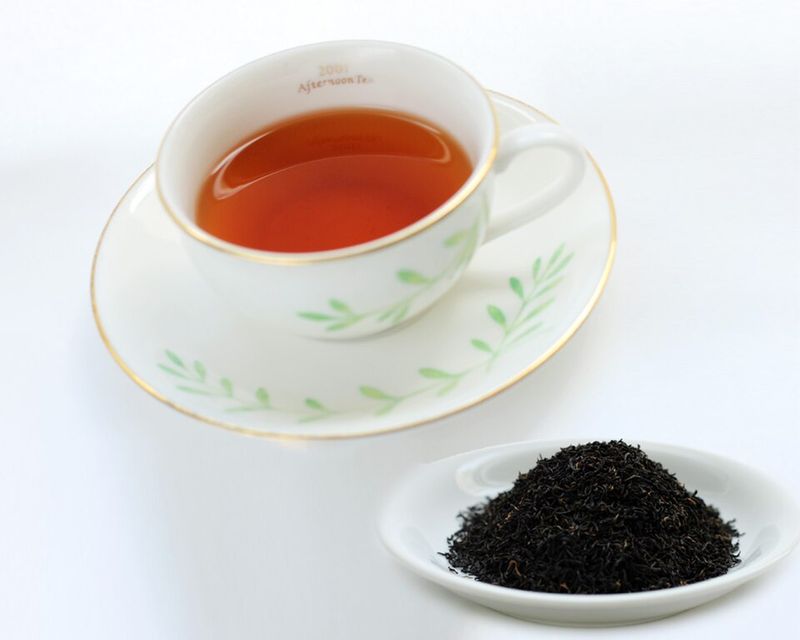
Bold, smoky, and unapologetically complex, Keemun doesn’t play nice.
This Chinese black tea from Anhui Province hits you with layers of pine smoke, dark fruit, and a surprisingly sweet finish.
It’s often the secret weapon in fancy tea blends, adding depth and sophistication to everything it touches.
The processing involves withering, rolling, and oxidizing in ways that create those distinctive winey notes.
If you find regular black tea boring, Keemun will wake up your taste buds real quick.
10. White Peony Tea
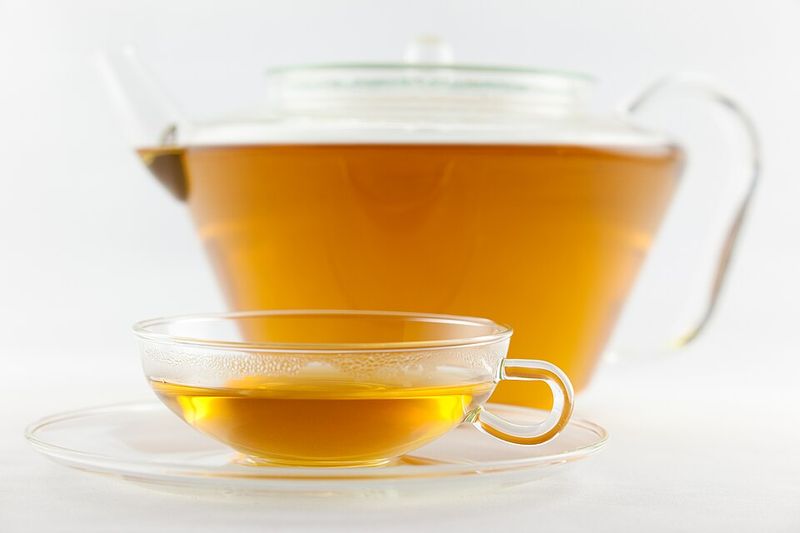
Delicate doesn’t mean weak and White Peony proves that beautifully.
Made from young buds and leaves barely processed, this Chinese white tea tastes subtly sweet with hints of melon and cucumber.
The silvery-white fuzzy buds look almost magical steeping in hot water, slowly unfurling like tiny dancers.
Because it’s minimally oxidized, it keeps tons of antioxidants and natural goodness intact.
Perfect for hot summer afternoons when you want something refreshing that won’t weigh you down or overheat you.
11. Lapsang Souchong

Smells like a campfire, tastes like adventure.
Lapsang Souchong gets dried over burning pine wood, creating an intensely smoky flavor that people either love or hate, no middle ground.
Originally from China’s Wuyi Mountains, it’s got a cult following among folks who enjoy bold, unconventional flavors.
Some describe it as drinking liquid bacon, which honestly isn’t far off.
Try it once and you’ll have a strong opinion; try it twice and you might become obsessed with its wild, untamed character.
12. Gyokuro
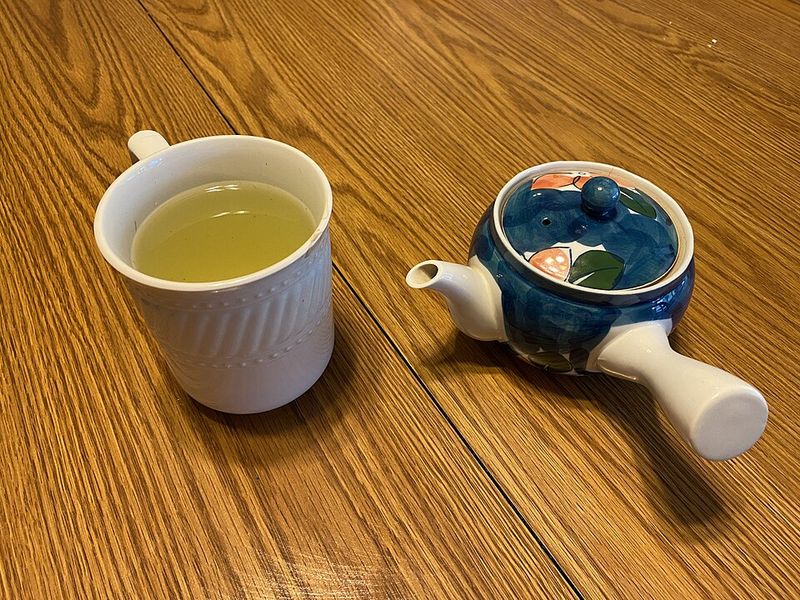
Japan’s most pampered tea lives in the shade for weeks before harvest.
Blocking sunlight changes how Gyokuro develops, creating an incredibly sweet, umami-rich flavor with almost zero bitterness.
The deep green liquor tastes smooth and savory, like a concentrated essence of springtime.
It’s expensive because growing it takes serious dedication and perfect timing.
Tea ceremonies sometimes feature Gyokuro as the star attraction, brewed at lower temperatures to coax out its delicate sweetness without any harshness.
13. Masala Chai
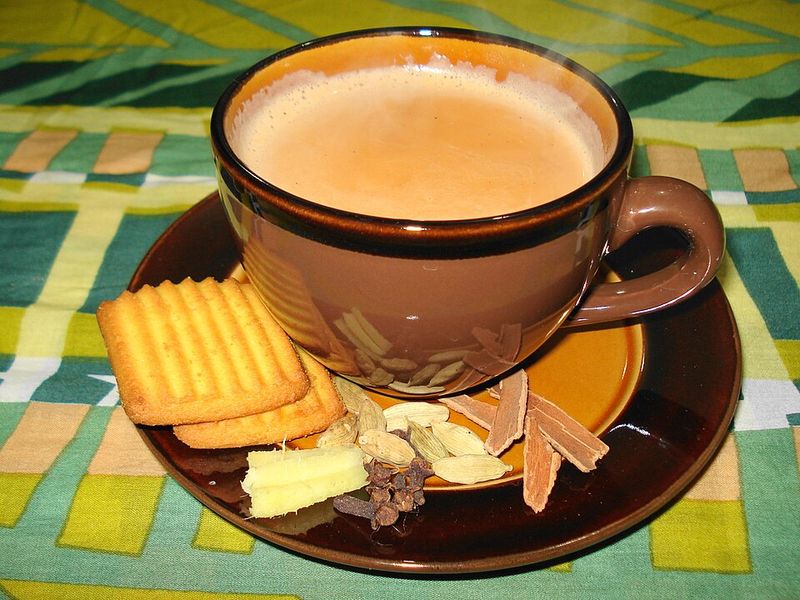
India’s gift to cold mornings and cozy vibes everywhere.
Black tea gets boiled with milk, sugar, and a warming spice blend; think cardamom, cinnamon, ginger, cloves, and black pepper.
Every family has their own secret recipe, passed down through generations with fierce pride.
The result is creamy, spicy, sweet, and absolutely addictive, especially when sipped from small glasses at roadside chai stalls.
Forget those watery coffee shop versions! Real masala chai is a full-bodied flavor bomb that demands respect!
14. Kukicha
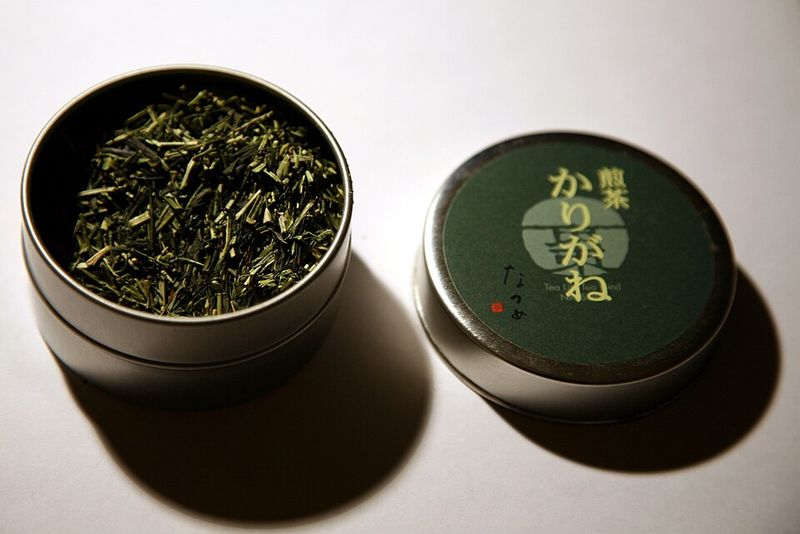
Most teas use leaves, but Kukicha celebrates the stems and twigs instead.
This Japanese twig tea tastes nutty, slightly sweet, and way less grassy than regular green tea.
Because stems contain less caffeine than leaves, Kukicha is perfect for evening sipping without worrying about staying awake all night.
It’s also super affordable since it uses parts of the plant that would otherwise get tossed.
The pale golden brew has a creamy mouthfeel that surprises people expecting something harsh or woody, but it’s actually incredibly smooth!