Exploring The Filmography Of Mel Gibson
Few careers in modern cinema have spanned action, drama, and directing quite like Mel Gibson’s, with roles that left a lasting imprint on pop culture.
From post-apocalyptic warriors to historical heroes, his films mix intensity and emotion in ways that keep audiences talking long after the credits roll.
Big action, bold storytelling choices, and memorable characters define this body of work, offering plenty to revisit for longtime fans and first-time viewers alike.
Note: Information here is provided for general informational and entertainment purposes, and details can vary by source, edition, or later reporting.
1. Braveheart (1995)
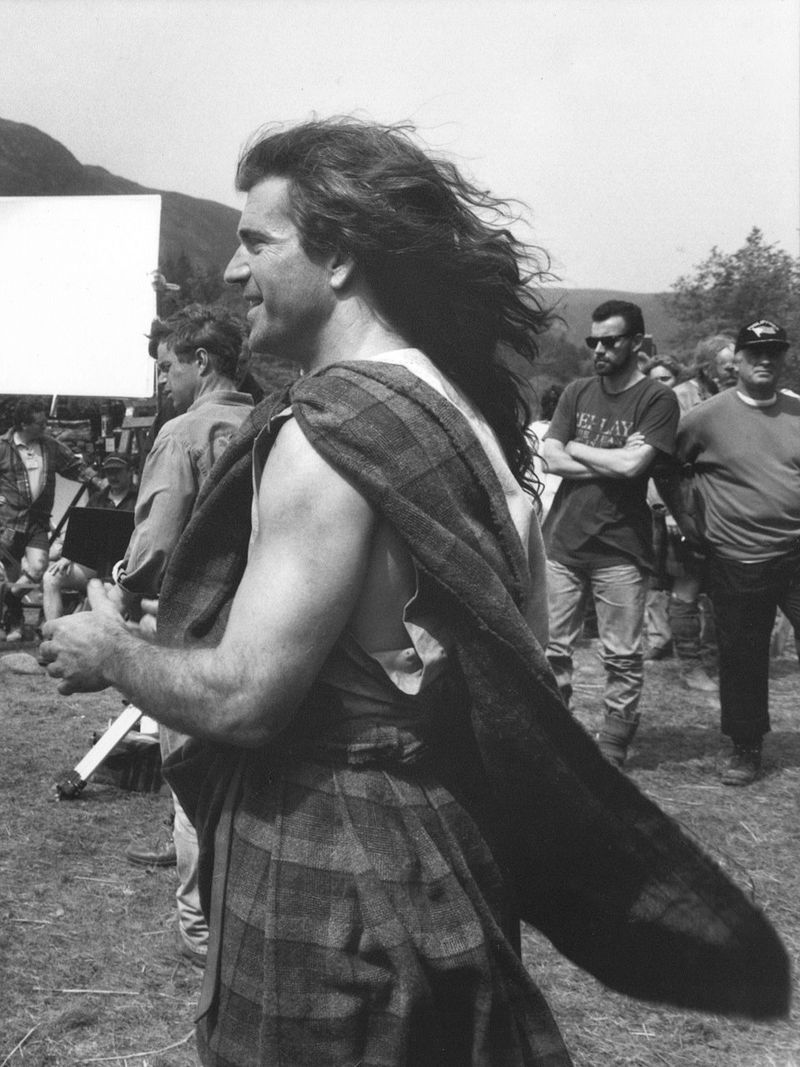
Medieval Scotland becomes the stage for a sweeping fight for independence, told with thunderous momentum and high-stakes emotion.
Gibson directed and starred in this epic tale of William Wallace, a warrior who rallied his countrymen against English oppression. The film won five Academy Awards, including Best Picture and Best Director, proving that historical drama could be both brutal and beautiful.
Those blue-painted faces and sweeping battle scenes became instant icons of cinema history. You’ll find yourself thinking about courage and sacrifice long after the final sword falls.
2. The Passion Of The Christ (2004)
Gibson took on one of the most challenging directorial projects in modern cinema, depicting the final hours of Jesus Christ with unflinching intensity.
Global conversations about faith, violence, and artistic expression followed the film’s release. Dialogue is delivered in reconstructed Aramaic and Latin, with Hebrew also used, and the film is presented with subtitles.
It remains among the highest-grossing R-rated films worldwide. Cinematography and Jim Caviezel’s performance created moments that felt both intimate and monumental, changing how religious stories could be told on screen.
3. Apocalypto (2006)
What happens when you chase survival through ancient Mesoamerican jungles?
Gibson created a pulse-pounding adventure entirely in Yucatec Maya language, following a young man’s desperate race to save his family.
Set in Yucatán around 1511, the film uses Yucatec Maya language and a stylized depiction of Maya society, while historians and Indigenous commentators have also criticized aspects of its historical portrayal.
Critics praised the cinematography and relentless pacing that never gives viewers a moment to breathe.
4. Hacksaw Ridge (2016)
Choosing to enter combat without a weapon is the core tension driving this World War II story. Gibson directed this incredible true story of Desmond Doss, a combat medic who saved around 75 men during the Battle of Okinawa without firing a single shot.
Andrew Garfield delivered a career-defining performance that earned him an Oscar nomination.
Tender romance balances with brutally realistic warfare throughout the narrative, showing both the horror of combat and the power of conviction. Cinematic portrayals of the Hacksaw Ridge assault remain some of the most visceral depictions of conflict ever filmed.
5. The Patriot (2000)

Revolutionary War drama meets family survival story in this sweeping historical epic set during America’s fight for independence.
Gibson played Benjamin Martin, a reluctant warrior forced back into battle when tragedy strikes his family. The film blends large-scale battle sequences with intimate moments of loss and determination.
Heath Ledger co-starred as Martin’s eldest son, adding generational conflict to the Revolutionary struggle. Those cannonball scenes and colonial landscapes transport you straight to 1776, making history feel immediate and personal rather than distant and dusty.
6. Lethal Weapon (1987)

Buddy cop movies found their perfect formula when Martin Riggs met Roger Murtaugh.
Gibson played a volatile detective struggling with grief opposite Danny Glover’s by-the-book family man, creating chemistry that defined an entire genre. The mix of explosive action, genuine humor, and emotional depth made this more than just another action flick.
That famous “I’m too old for this” line became part of pop culture vocabulary. Four sequels followed, but this original established the template for countless action-comedies that came after.
7. Lethal Weapon 2 (1989)
Because one explosive partnership deserves an encore.
Riggs and Murtaugh returned to tackle South African diplomats using immunity to run a criminal empire. Sequel tropes ramped up everything fans loved about the original while adding Joe Pesci’s fast-talking accountant Leo Getz for comic relief.
Bathroom bomb scenes and the underwater escape showcased creative action choreography that kept audiences on edge.
Gibson’s performance deepened Riggs’ character, showing vulnerability beneath the chaos.
8. Mad Max (1979)
Long before superheroes dominated screens, a leather-clad cop roamed Australia’s desolate highways seeking vengeance in a crumbling society.
Gibson’s breakthrough role as Max Rockatansky introduced audiences to a dystopian future where gasoline was currency and survival meant outrunning violent gangs. The low-budget film became a massive international hit, launching both Gibson’s career and an entire franchise.
Director George Miller created a gritty aesthetic that influenced action cinema for decades. Those car chases still hold up today, raw and visceral.
9. Mad Max 2: The Road Warrior (1981)
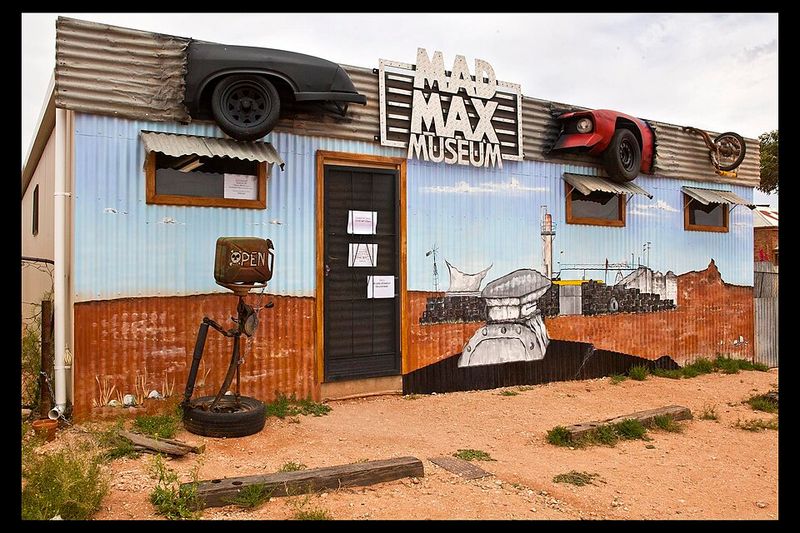
Civilization collapsed further, and Max became even more isolated in this spectacular sequel that perfected the post-apocalyptic formula.
Desert communities defending their oil refinery against a savage biker army led by the terrifying Lord Humungus drive the central conflict.
Climactic chase sequences like the final pursuit remain among cinema’s greatest action set pieces, featuring real stunts that feel dangerous and immediate. Physical performance told Max’s story of reluctant heroism through Gibson’s minimal dialogue, proving that actions often speak louder than words in the wasteland.
10. We Were Soldiers (2002)
Vietnam War stories often focus on chaos and disillusionment, but this film honored the soldiers who fought in the war’s first major battle.
Gibson portrayed Lieutenant Colonel Hal Moore, who led his troops into the Ia Drang Valley in 1965.
The film balances battlefield intensity with home-front struggles as wives await news of their husbands.
Based on a true story, it treats both American and Vietnamese soldiers with respect, showing the human cost on all sides of conflict.
11. Signs (2002)

Crop circles appearing in your cornfield and news reports of strange lights worldwide would trigger a terrifying test of faith and survival. M.
Night Shyamalan directed Gibson as a former reverend who lost his faith after his wife’s death, only to face a possible alien invasion.
The film builds tension through suggestion rather than spectacle, making every shadow and sound potentially threatening.
Gibson’s performance grounds the supernatural elements in genuine family dynamics and spiritual questioning. Water glasses left around the house still give viewers chills years later during the final confrontation.
12. Ransom (1996)
Desperation drives people to impossible choices when a child goes missing.
Gibson played Tom Mullen, a wealthy airline owner whose son gets kidnapped, leading him to make a shocking decision.
Instead of paying the ransom, Mullen broadcasts an offer to give the money to whoever helps catch the kidnappers.
Director Ron Howard crafted a tense thriller that keeps you guessing about who to trust. Gibson’s transformation from confident businessman to desperate father showcases his dramatic range beyond action heroes.
13. Payback (1999)
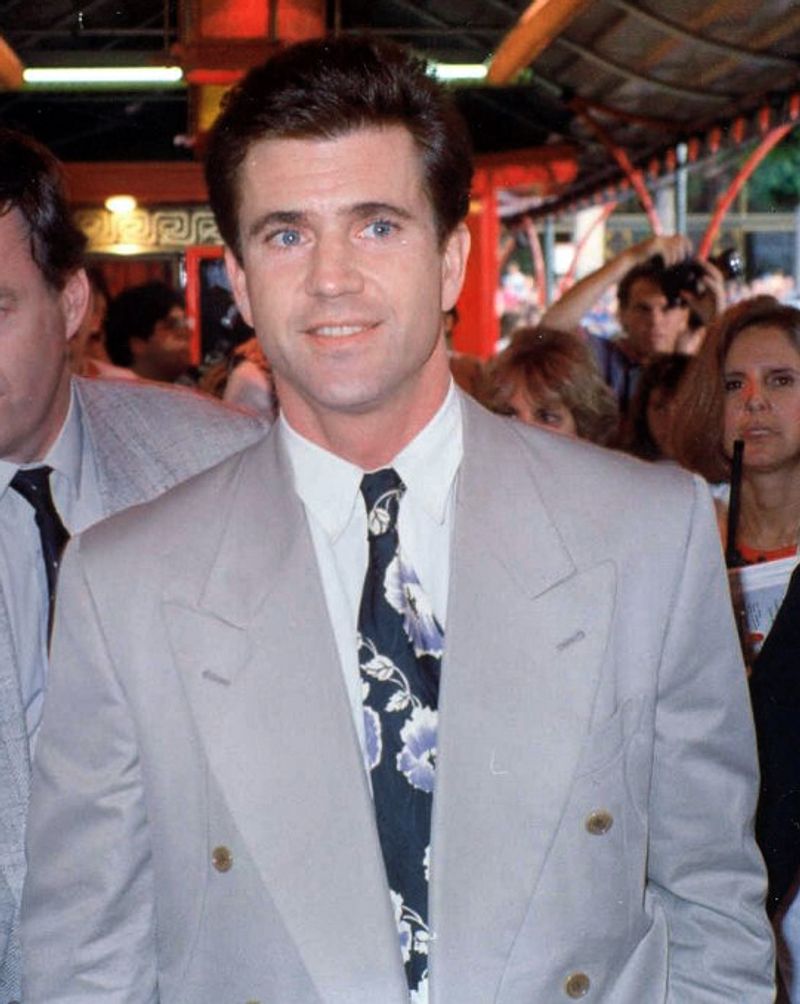
Revenge tastes cold when you’re owed seventy thousand dollars and willing to tear apart the criminal underworld to collect it.
Gibson played Porter, a thief double-crossed by his partners and left for dead, who methodically works his way up the crime syndicate demanding what’s his. The film’s gritty neo-noir aesthetic and dark humor set it apart from typical action revenge tales.
Director Brian Helgeland created a morally ambiguous world where everyone’s corrupt and survival depends on being the smartest criminal in the room.
14. What Women Want (2000)
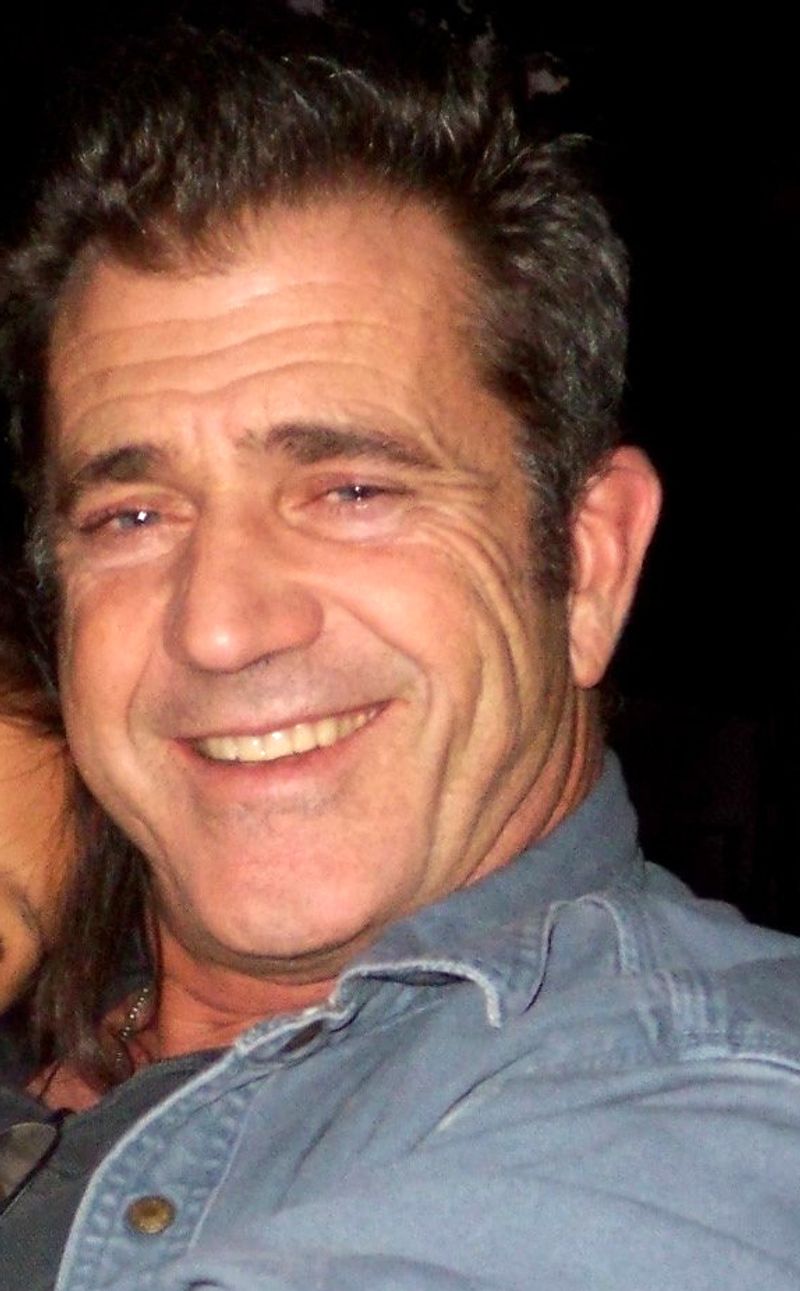
Romantic comedies aren’t typically Gibson’s territory, but this supernatural premise let him showcase comedic timing alongside dramatic chops.
Chauvinistic ad executive Nick Marshall suddenly hears women’s thoughts after an electrical accident, giving him unexpected insight into the opposite gender. Helen Hunt co-starred as his rival-turned-love-interest, creating chemistry that balanced humor with genuine character growth.
Box office success followed the film’s release, proving Gibson could carry lighter fare while exploring themes of empathy and personal transformation through laughs.