Famous Books Later Rewritten For New Editions
The first version hits the shelves, everyone reads it, and then… surprise, the author comes back for round two.
Pages get reshuffled, scenes quietly change, and suddenly the story looks a little different, like it went through its own rewrite montage. Readers end up comparing versions like detectives, trying to figure out which one counts as the “real” story.
Note: This article is based on publicly documented publication history, revision notes, and later edition records for major literary works. The degree of change between editions varies widely from book to book, ranging from substantial rewrites to targeted revisions, restorations, or editorial expansions.
1. Frankenstein

Barely nineteen, Mary Shelley introduced the original creature to the page in 1818. The 1831 revision softened some of the science and added a stronger sense of fate, making Victor feel less reckless and more doomed from the start.
Introduction was rewritten to give readers the famous tale of a rainy Geneva summer when the ghost-story contest sparked the entire nightmare.
Same monster, very different mood – a gothic glow-up.
2. The Hobbit
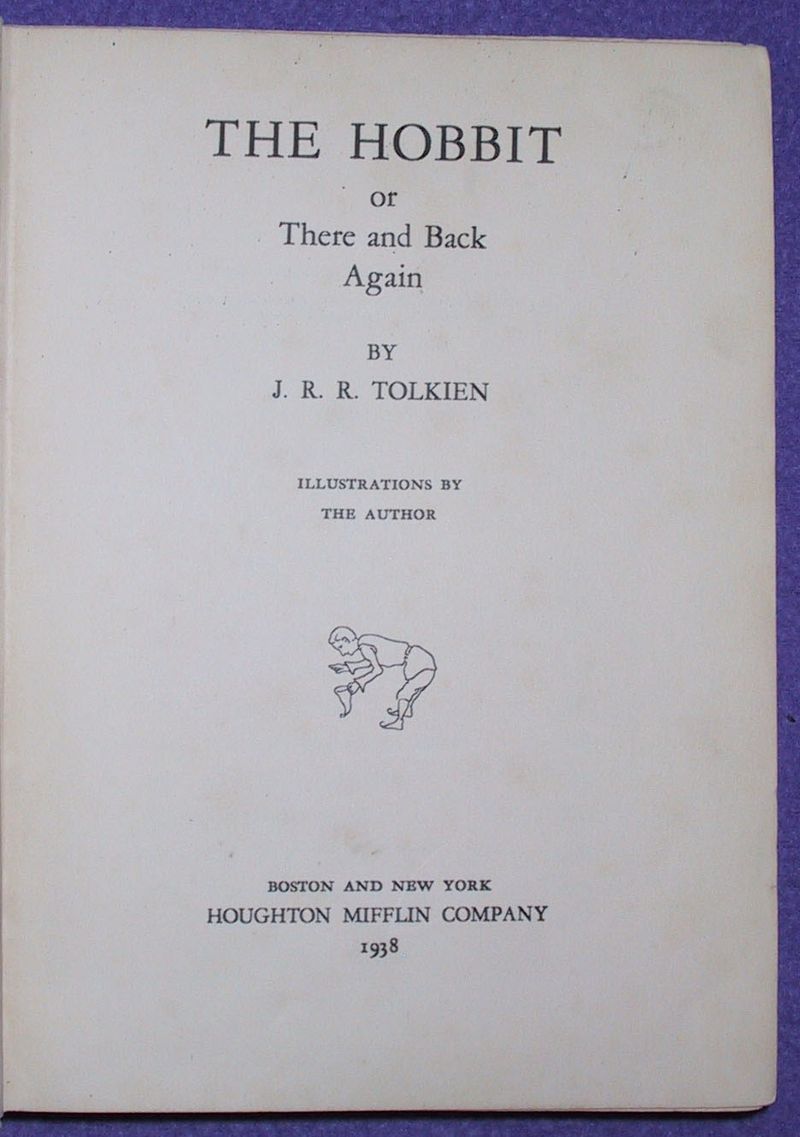
At first, Bilbo’s encounter with Gollum feels more like a cheerful riddle game than anything truly dangerous.
As The Lord of the Rings took shape, Tolkien revised ‘Riddles in the Dark,’ turning Gollum into a more dangerous and desperate figure.
Playful puzzle energy shifted into one of the most quietly unsettling moments in fantasy literature. One rewrite changed everything.
3. Leaves Of Grass
Walt Whitman treated his poetry collection less like a finished book and more like a living garden he never stopped tending.
Later collected editions introduced further differences in tone and structure. Every revision shifted the order, swapped out lines, and changed the emotional temperature of the whole collection.
Most writers publish a book. Whitman published a biography of his own evolving soul.
4. The Sword In The Stone
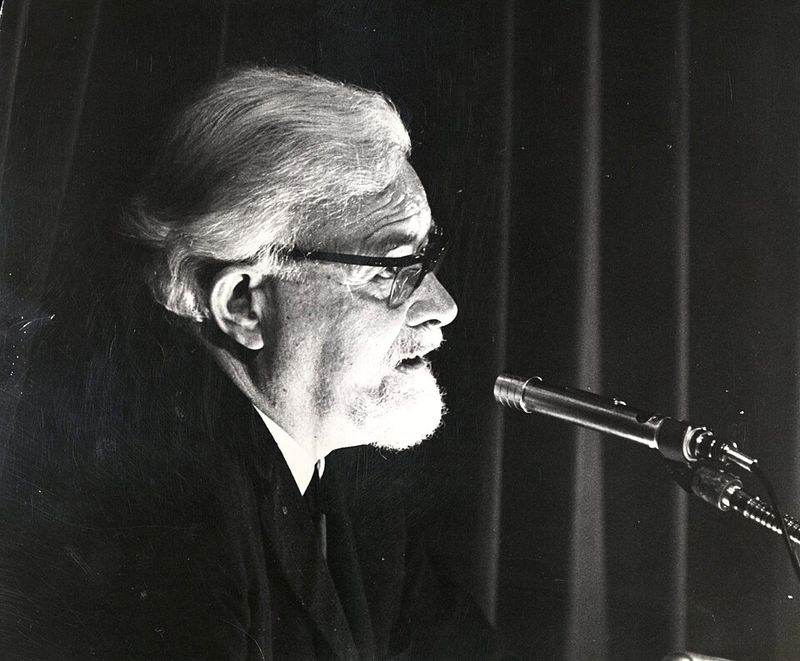
Young Arthur learning magic first appeared in T. H.
White’s 1938 standalone story, full of comic anachronisms and talking animals.
By 1958, when it became part of The Once and Future King, chapters were cut, tone darkened, and whimsy trimmed to make space for tragedy.
American edition added another layer of differences, ensuring no two early copies read exactly the same. Revision, revision, revision. Merlyn would approve.
5. The Voyage Of The Dawn Treader
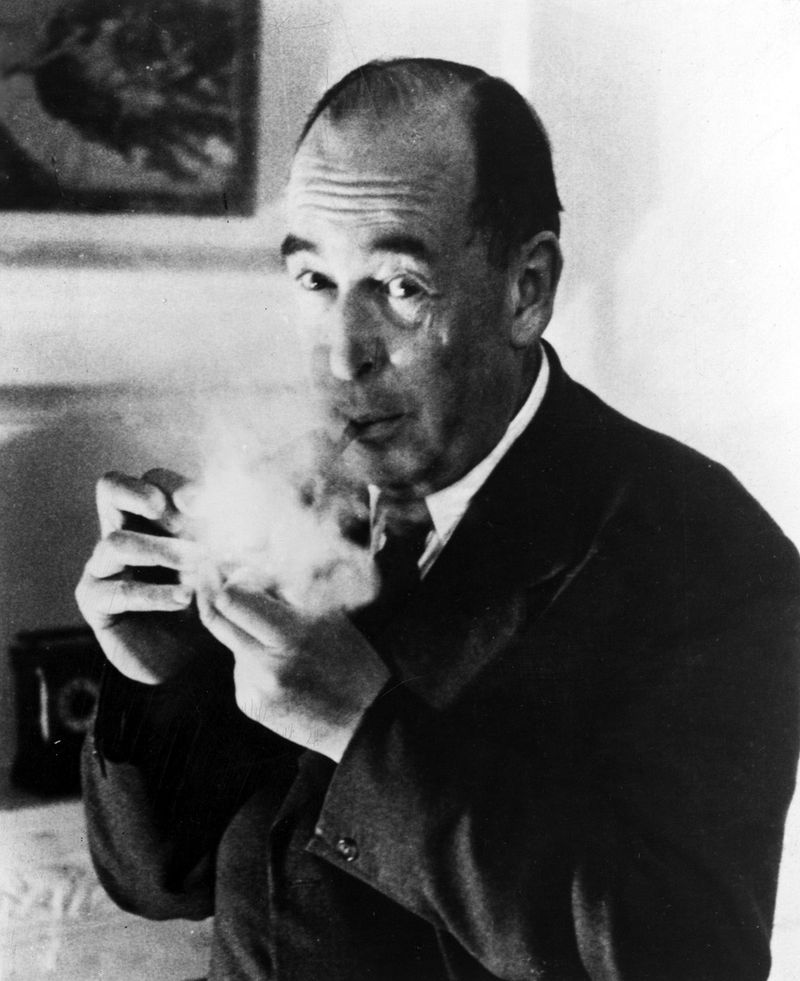
American readers cracked open a noticeably different version of Caspian’s seafaring adventure for decades without knowing it.
The U.S. edition carried substantial revisions that changed descriptions, dialogue, and certain details of the story, and those changes quietly stayed in American printings all the way until 1994. Most readers on either side of the Atlantic had no idea they were reading different books.
Same ship, same sea, slightly different voyage. Narnia kept its secrets well.
6. The Betrothed (I Promessi Sposi)
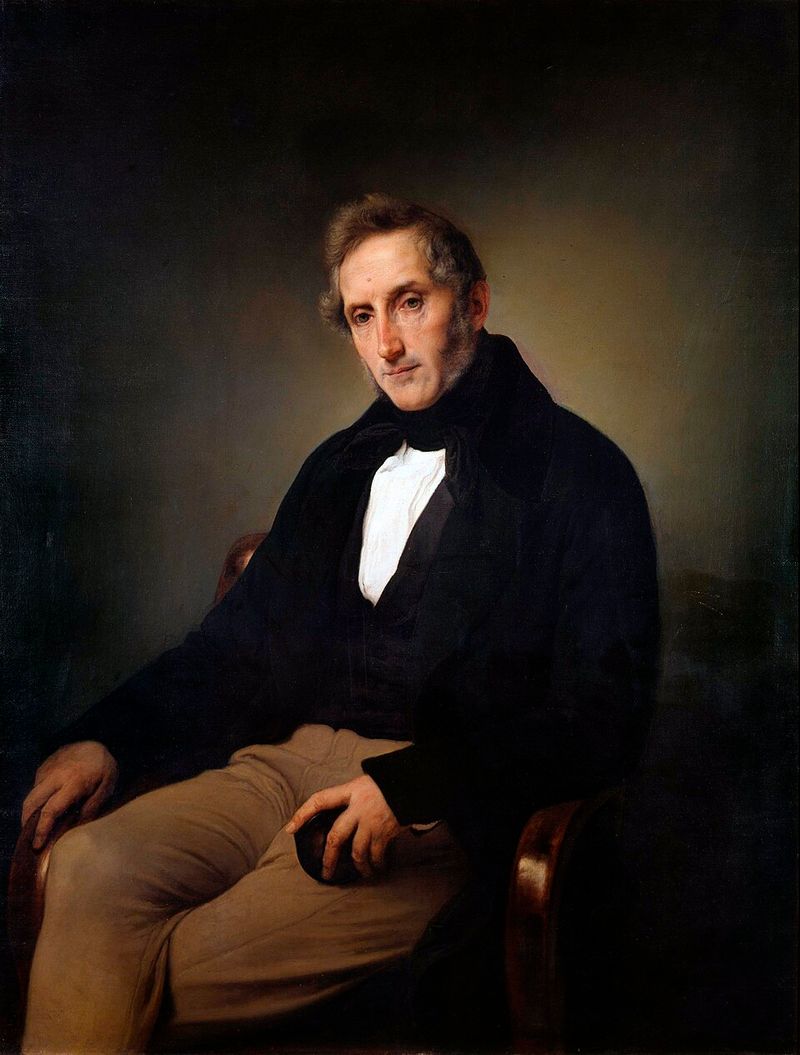
Italian historical novel published in the 1820s spent years still feeling incomplete.
Language posed a challenge: clean, unified Italian was required instead of a regional dialect mix, so the 1840–1842 revision became almost a line-by-line rewrite.
Result became a cornerstone of modern Italian literature and helped standardize the language itself. Revision did more than polish a story; it shaped a nation’s voice.
7. The Floating Opera

John Barth’s debut reached print in 1956 with an ending altered before publication, softening the nihilistic conclusion John Barth originally wrote.
Enough influence came by 1967 to restore the book closer to his intended vision, revising the text and reclaiming an ending that lets the dark philosophical joke fully land.
Reading both versions side by side feels like comparing a polite cough to a full laugh. The author finally got the last word.
8. The Gunslinger
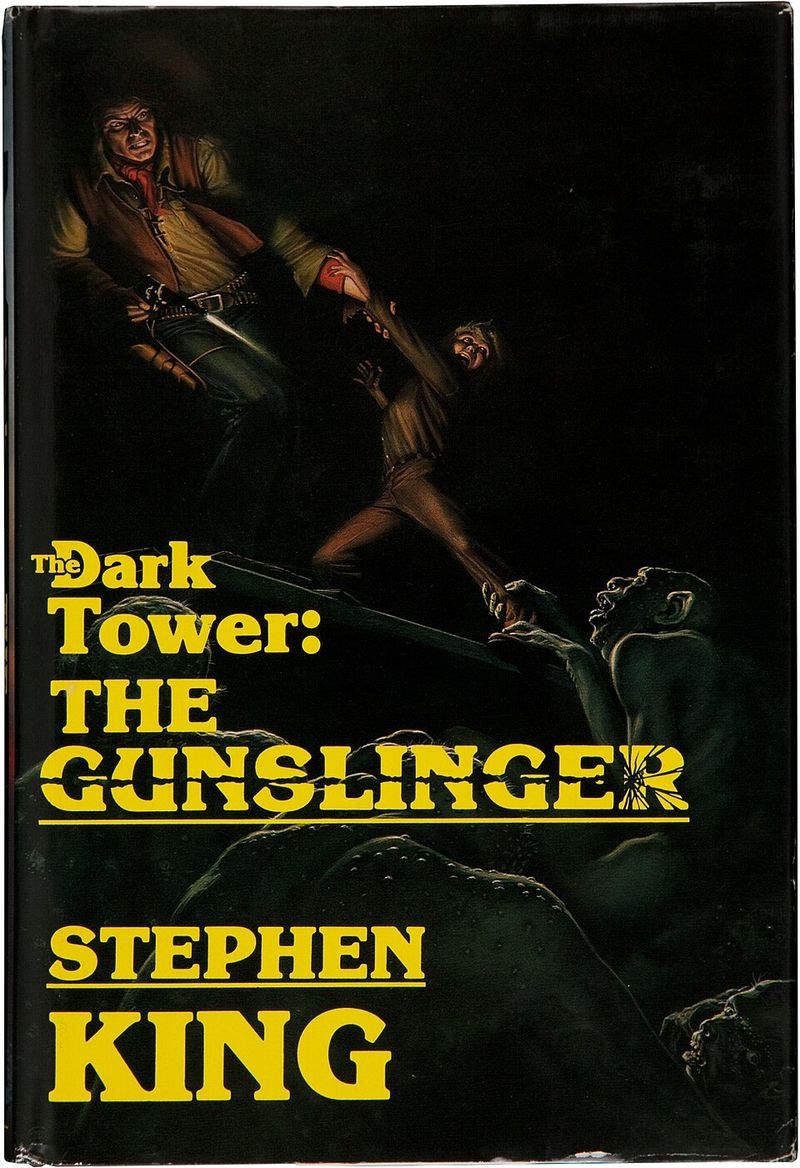
Roland Deschain’s first steps across the desert were written when Stephen King was a college student with no master plan for the series ahead.
By 2003, with seven books in the works, King went back and smoothed out the rough edges, updating references, tweaking the timeline, and aligning character details with later volumes. The revision made the series feel like it had always been one long, intentional road.
Even the gunslinger needed a tune-up before the final showdown.
9. The Stand
Original 1978 paperback was already enormous, yet the story King actually wrote was even bigger.
Publishers trimmed over 400 pages from the first release, while the 1990 Complete and Uncut Edition restored them, rearranged chapters, and updated the setting from 1980 to 1990 so cultural references felt current.
Edition felt less like a reprint and more like a resurrection of the book that had always deserved to exist. More pages. More King.
10. The Elements Of Style
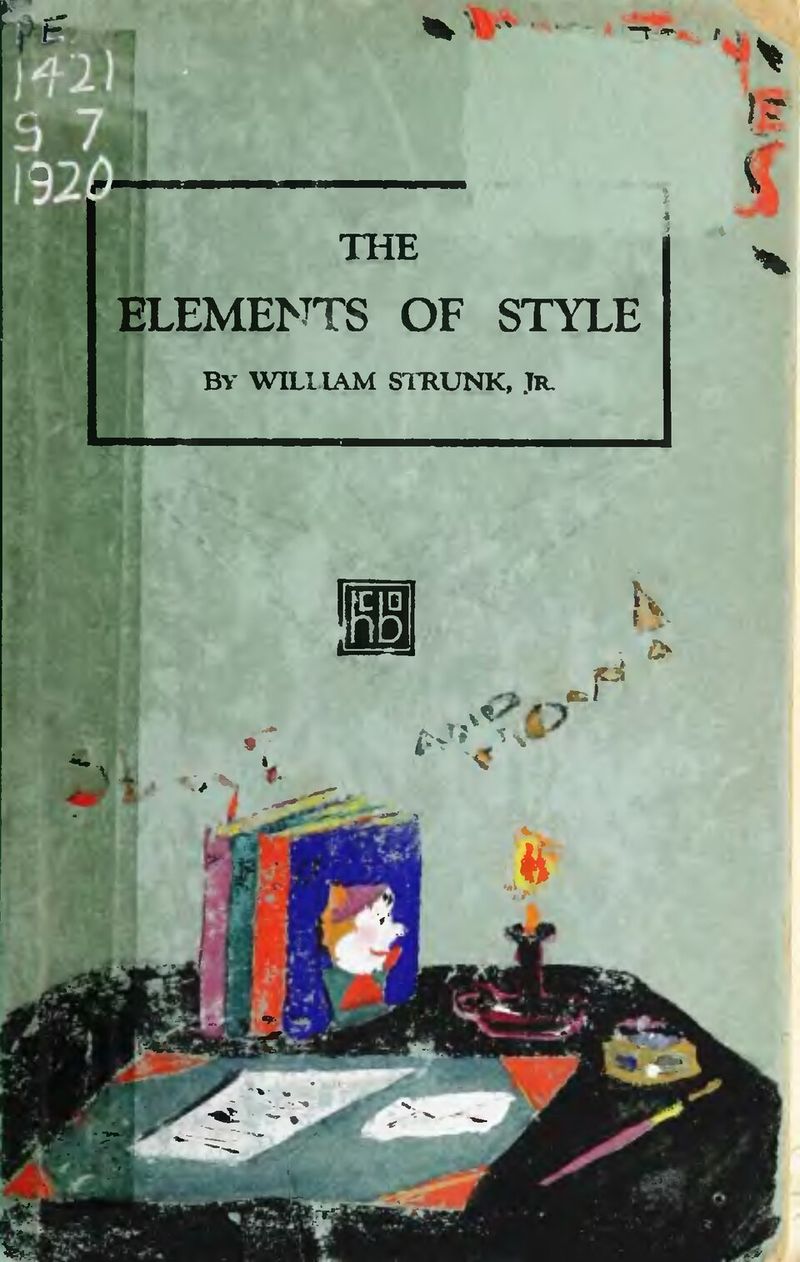
William Strunk Jr. wrote the original little book for his Cornell students in 1919, and it might have stayed a campus handout forever.
E. B. White, one of those students, was asked to revise and expand it for a 1959 publication, adding his own essays on style and giving the whole thing its now-famous personality. Further editions in 1972, 1979, and 1999 kept it current, crisp, and perpetually assigned in English classes everywhere.
Omit needless words. Add one legendary collaborator.