
15 Famous Films Affected By The Mandela Effect
Ever had that split-second jolt when a movie quote you swore was real suddenly isn’t? You remember the line, the voice, the moment – yet the film itself insists it never happened that way.
The Mandela Effect creeps through cinema like a glitch in the projector, leaving millions sharing the same memories that reality quietly refuses to confirm.
Step carefully, because once these familiar scenes start shifting, you may wonder whether the movies changed – or your memories did.
1. Tarzan The Ape Man (1932)
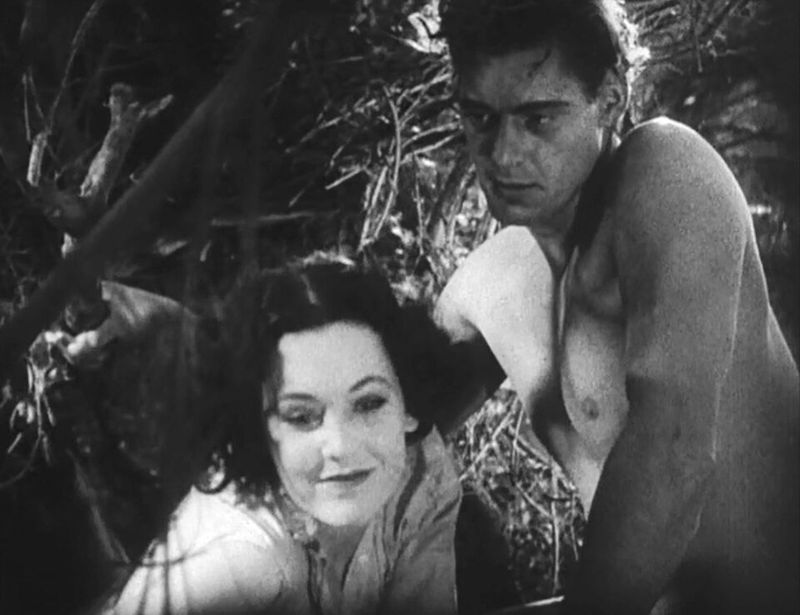
Trivia night confidence kicks in as someone prepares to quote Tarzan’s famous introduction line.
Around the table, everyone insists he said “Me Tarzan, you Jane” in one smooth declaration.
In reality, the scene unfolds as a gentle back and forth where he points and names each person separately.
Years of parodies and cartoons helped cement the snappier version in collective memory. That moment shows how memory plays telephone with Hollywood history.
2. Snow White And The Seven Dwarfs (1937)
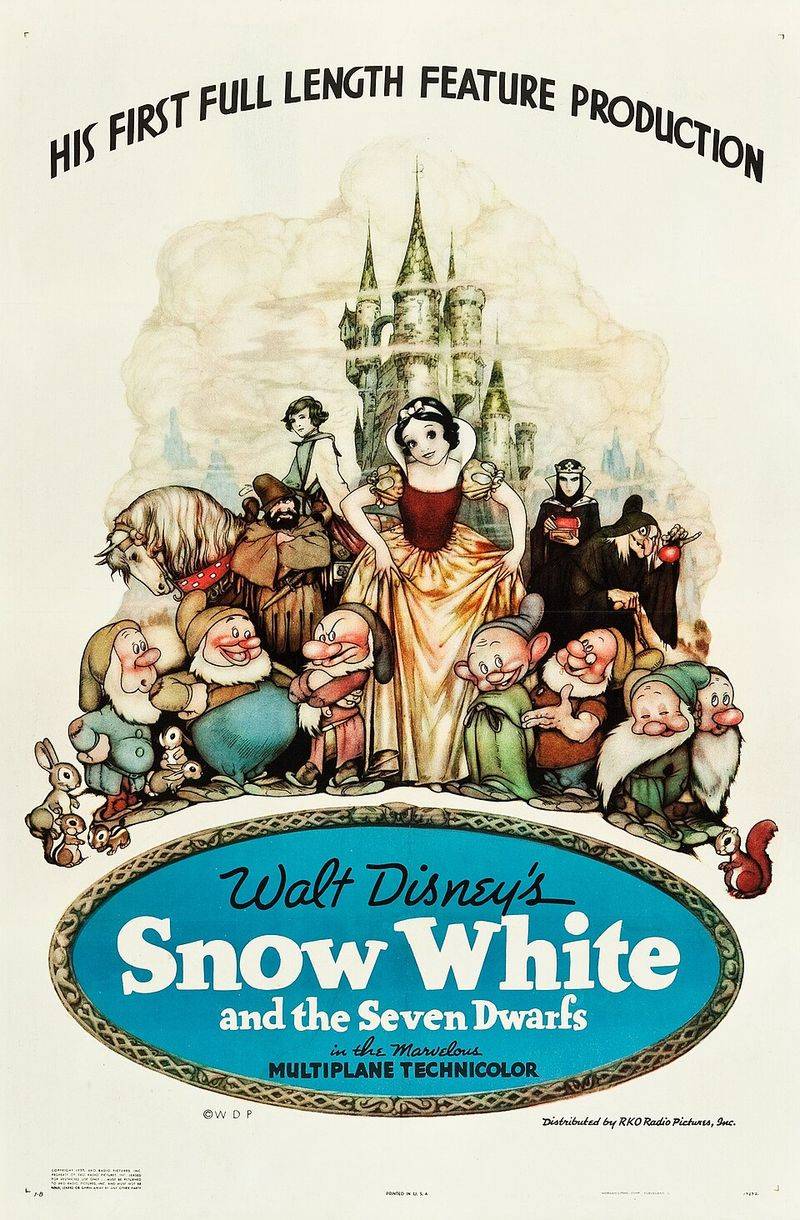
Childhood memory holds tightly to the Evil Queen consulting her mirror. Millions confidently repeat “Mirror, mirror on the wall” at Halloween parties and costume events.
Disney’s animated classic actually has her command the “Magic mirror on the wall.”
Countless fairy tale retellings and adaptations helped spread the catchier version across generations. Memory quietly saved the remix instead of the original recording.
3. Gone With The Wind (1939)
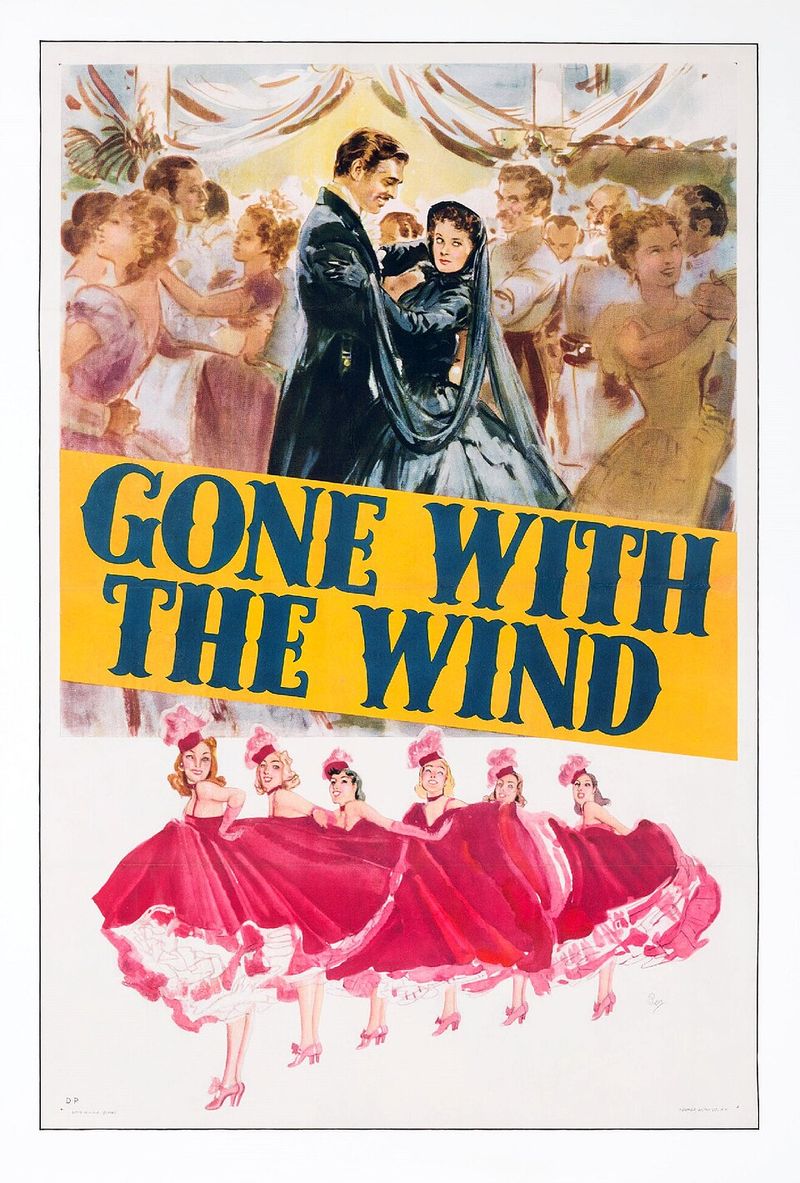
Cinema history remembers Rhett Butler’s farewell as one of the most quoted moments ever filmed. Many fans shorten it to “Frankly, Scarlett, I don’t give a d*mn,” adding her name for extra dramatic flair.
Clark Gable actually delivers “Frankly, my dear, I don’t give a d*mn” without mentioning Scarlett at all.
Greater impact comes from the pause that follows “dear,” giving the line sharper emotional weight. Memory often reshapes dialogue into versions that feel more romantic than reality.
4. The Wizard Of Oz (1939)
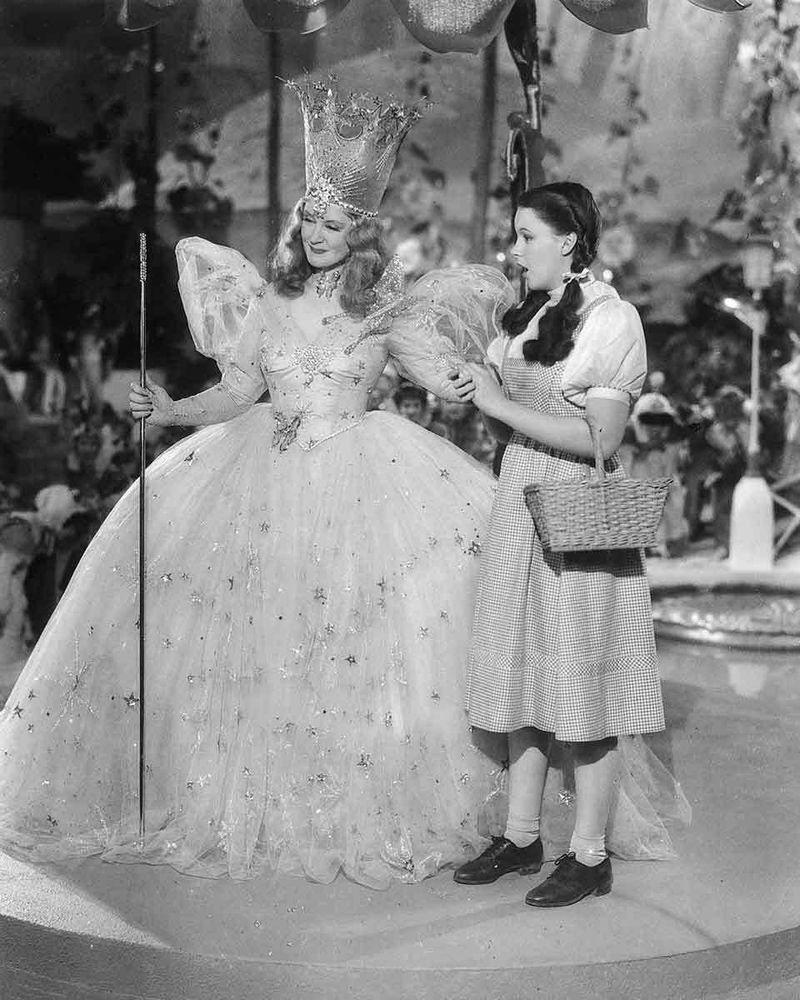
A certain command from the Wicked Witch to her winged army feels perfectly clear in popular memory. “Fly, my pretties, fly!” rolls easily off the tongue at costume parties every October.
In the actual film, Margaret Hamilton shrieks “Fly! Fly!
Fly!” three times without adding the affectionate “pretties.”
Somewhere along the way, collective memory softened her villainy just a little, reshaping the line audiences thought they heard.
5. Casablanca (1942)
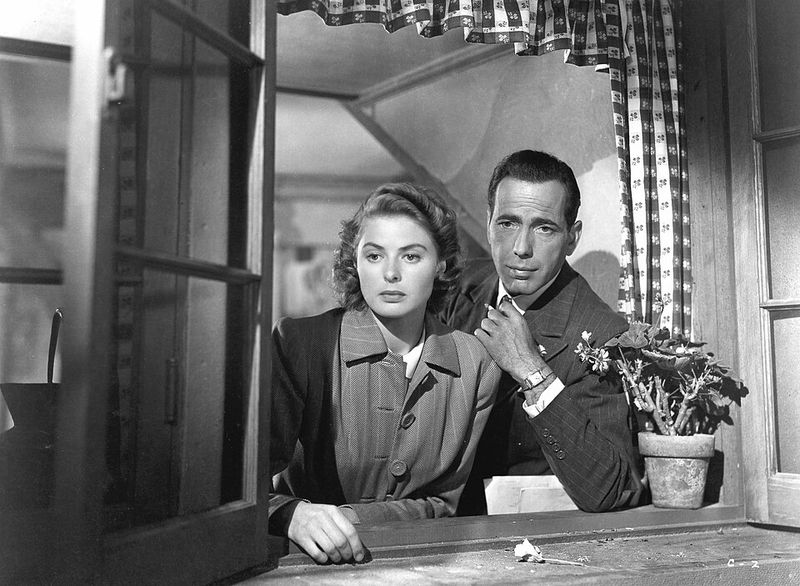
Rick’s piano request became shorthand for nostalgia itself.
“Play it again, Sam” appears on coffee mugs and movie posters everywhere you look. Humphrey Bogart says variations like “Play it once, Sam” and “Play it, Sam” throughout the film.
That snappy four-word version never actually happens onscreen. Pop culture wrote its own punchier screenplay in hindsight.
6. The Treasure Of The Sierra Madre (1948)
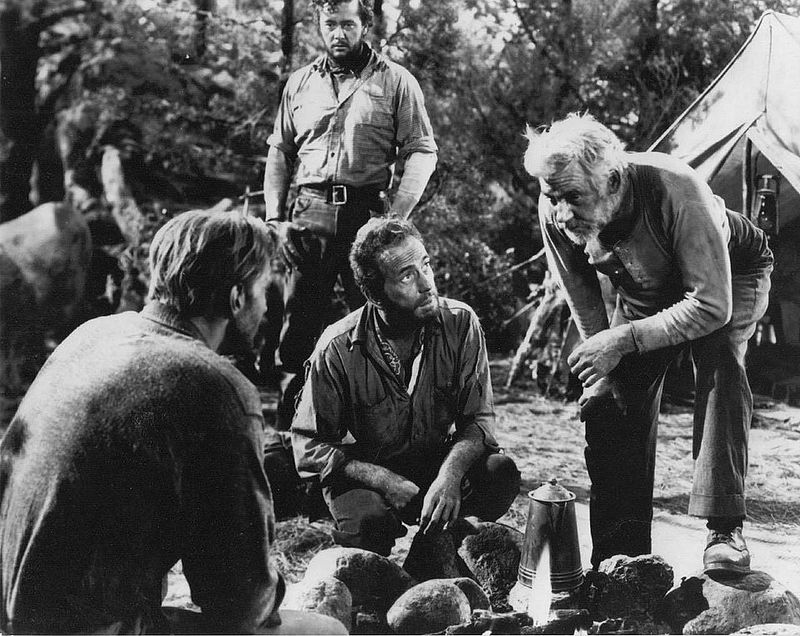
Outlaws brushing off authority sparked one of cinema’s most famously misquoted exchanges.
“We don’t need no stinking badges!” became the version perfectly suited for memes and parodies.
Original dialogue actually runs longer as “Badges? We don’t need no badges!
I don’t have to show you any stinking badges!” Memory trimmed the excess into a leaner, sharper version that lands better at parties.
7. Sunset Boulevard (1950)
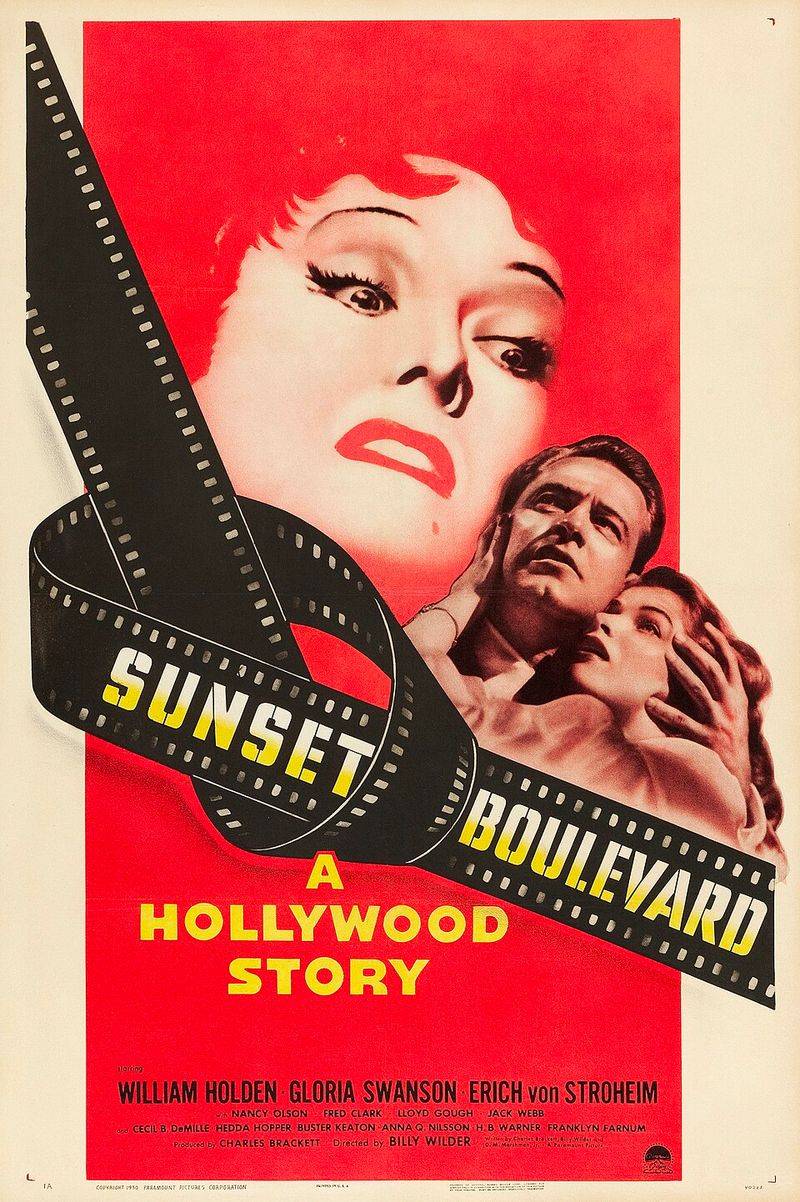
Hollywood delusion reaches its peak during Norma Desmond’s unforgettable final moment. Many viewers remember her declaring “I’m ready for my close-up” like a diva’s battle cry.
In the film, Gloria Swanson actually says “All right, Mr. DeMille, I’m ready for my close-up,” addressing someone specific in the scene.
That fuller line anchors her unraveling in a real relationship, yet memory gradually removed the context to heighten the drama.
8. All About Eve (1950)
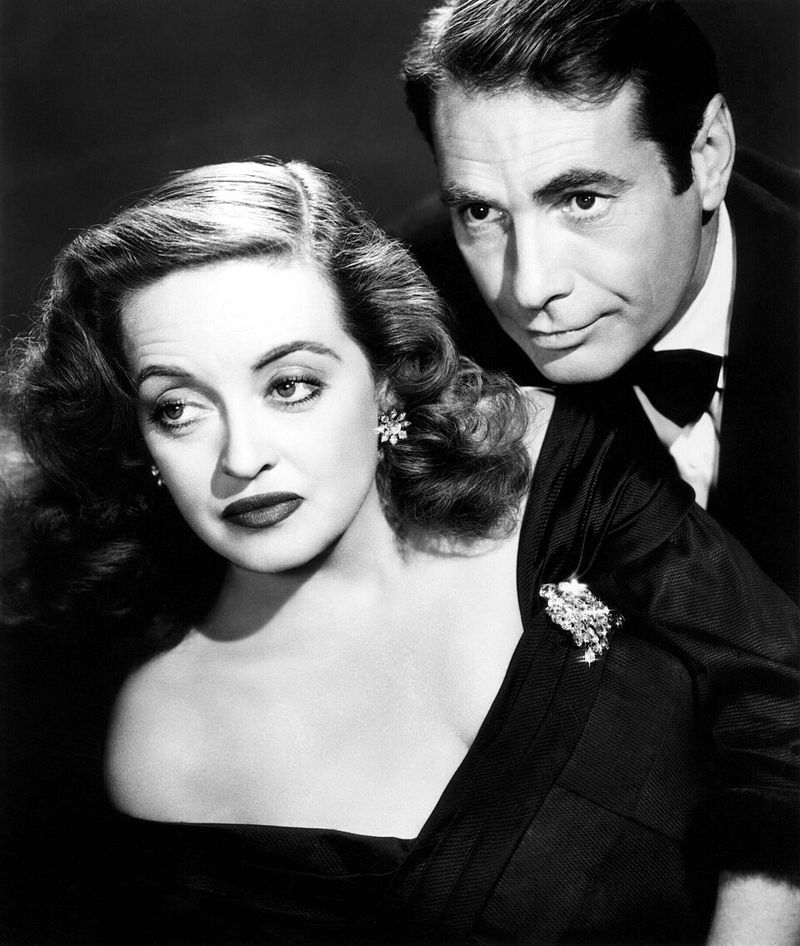
Margo Channing’s warning to her party guests drips with theatrical menace.
The remembered version often goes ‘Fasten your seatbelts, it’s going to be a bumpy ride.’
Bette Davis says, ‘Fasten your seatbelts, it’s going to be a bumpy night.’ Night versus ride changes the whole vibe from cozy to chaotic, but memories smoothed it into bedtime.
9. The Graduate (1967)
Mrs. Robinson’s bold advance turned into cultural shorthand for awkward flirtation. Many people repeat “Are you trying to seduce me?” as Benjamin’s flustered reply.
Dustin Hoffman actually stammers “Mrs. Robinson, you’re trying to seduce me” as a statement rather than a question.
Adding a question mark somehow sharpens the humor and boosts its quotability. Over time, memory quietly revised the screenplay for cleaner comedic timing.
10. Dirty Harry (1971)
Action cinema found its ultimate mic drop when Harry Callahan confronted a criminal with quiet menace.
“Do you feel lucky, punk?” survives in memory as a perfectly terse and intimidating line.
On screen, Clint Eastwood actually says, “You’ve got to ask yourself one question: ‘Do I feel lucky?’ Well, do ya, punk?” during the full speech. Shortened wording simply fits better on t shirts, proving how pop culture often trims dialogue into something sharper than the original moment.
11. Jaws (1975)
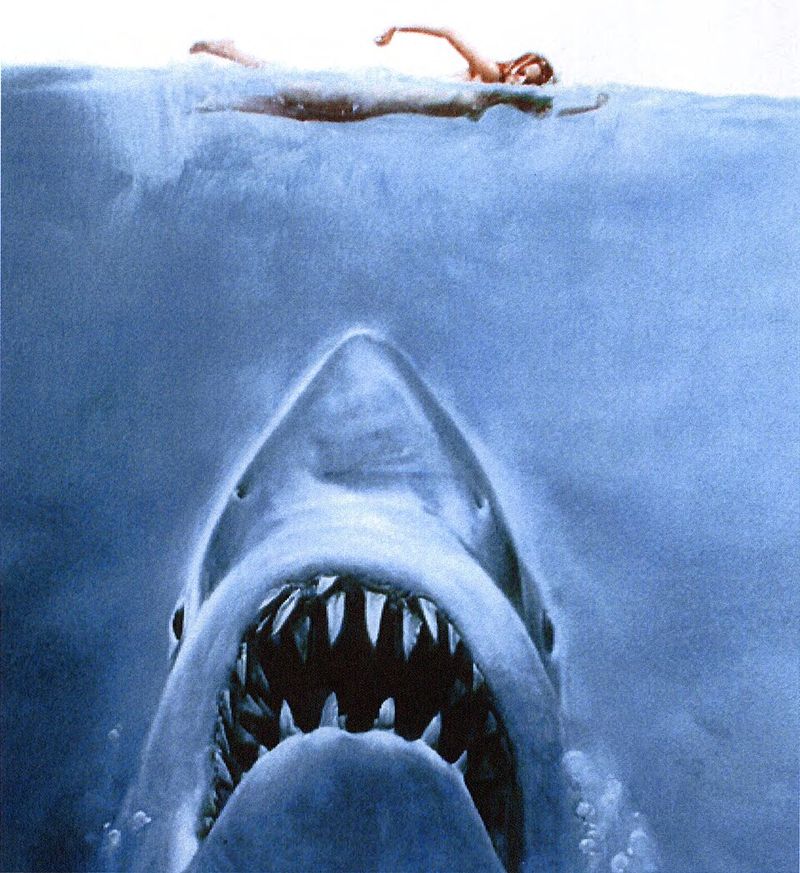
Chief Brody’s understated reaction to seeing the shark became instant legend.
Most people quote it as “We’re gonna need a bigger boat” with collective pronoun. Roy Scheider mutters “You’re gonna need a bigger boat” to Quint specifically.
That tiny pronoun swap from you to we changes isolated dread into shared panic, which somehow stuck better in cultural memory.
12. Apocalypse Now (1979)

Morning ritual bravado from Kilgore became one of war cinema’s darkest poetic moments. Audiences often stop at “I love the smell of napalm in the morning” as if that line alone delivers the punchline.
Robert Duvall actually continues with “Smelled like… victory,” completing the character’s unsettling philosophy.
Memory held onto the setup while quietly losing the payoff that makes the scene truly chilling.
13. The Empire Strikes Back (1980)
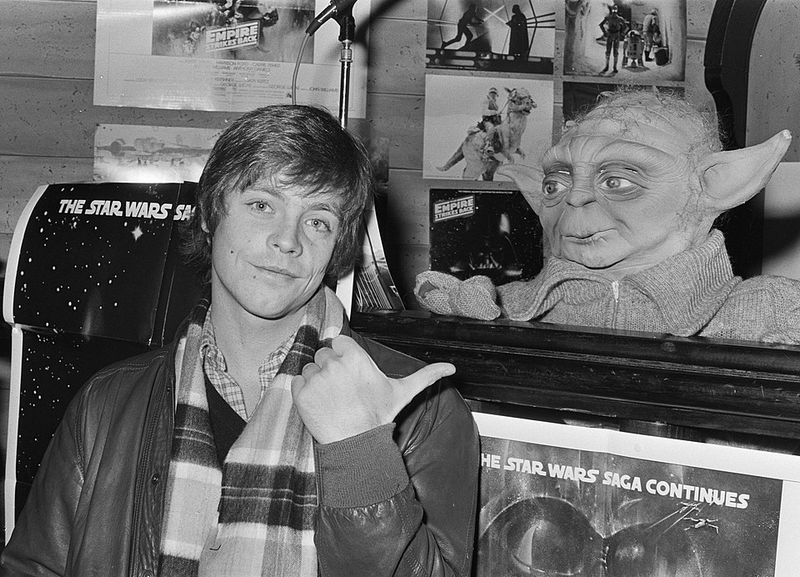
Few moments in film history rival the shock of this iconic plot twist. “Luke, I am your father” shows up on posters, parody sketches, and countless pop culture references.
In the actual scene, Darth Vader responds to Luke’s accusation with “No, I am your father.”
Removed from its original context, memory inserted Luke’s name for clarity, yet that firm “No” is what makes the reveal so devastating.
14. Field Of Dreams (1989)
The mysterious voice promising baseball magic sounds so clear in memory.
“If you build it, they will come” suggests crowds arriving at the magical field. Kevin Costner hears “If you build it, he will come” referring specifically to his father.
Plural versus singular completely changes the story’s emotional core from spectacle to personal redemption, but memory went for the bigger crowd.
15. Forrest Gump (1994)
Forrest’s chocolate philosophy quickly became cultural shorthand for life’s unpredictability. Most people quote it as “Life is like a box of chocolates,” turning the line into present tense wisdom.
In the film, Tom Hanks actually says “Life was like a box of chocolates,” recalling advice his mother once gave him.
Changing was to is shifts a personal memory into universal guidance, explaining why collective memory quietly rewrote the grammar.
Important: Quote comparisons reflect widely documented screenplay wording and commonly reported misquotations that circulate in pop culture, but exact punctuation, emphasis, and brief line variations can differ across edits, captions, and transcripts.
The content is provided for general informational and entertainment purposes and is not legal, financial, or professional advice.

_Trailer_-O%27Sullivan_%26_Weissmuller.jpg)
_poster.jpg)

.jpg)


.jpg)


