16 Famous ’70s Scandals That Time Pushed Out Of The Spotlight
The 1970s did not exactly lack spectacle.
Headlines arrived with plenty of shock, public figures stumbled in full view, and scandals that once felt impossible to ignore could dominate conversation so completely they seemed certain to last forever.
Then time did what it usually does. New outrage replaced old outrage, bigger stories crowded in, and even once-explosive controversies began slipping into the background.
What remains now is a strange mix of cultural memory and near-forgotten drama, where events that once caused genuine uproar can feel oddly distant or only half remembered.
Beneath the disco glow and pop-culture nostalgia sits a messier public world, full of scandals that burned hot, drew enormous attention, and then slowly lost their place at the center of the story.
Disclaimer: This article is intended for general informational and entertainment purposes only. Historical accounts of scandals and public controversies are based on widely reported events and retrospective coverage, which may reflect differing interpretations over time.
1. Watergate: The Scandal That Rewrote the Rulebook
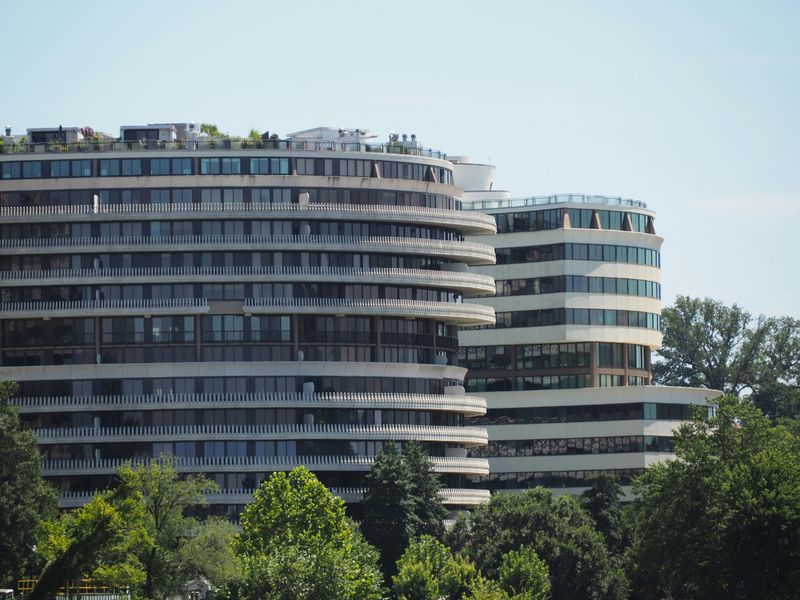
Few moments in American history hit harder than the summer of 1972, when five men were caught breaking into Democratic National Committee headquarters at the Watergate complex.
What followed was a two-year avalanche of cover-ups, secret tapes, and congressional hearings that left the entire country stunned.
President Richard Nixon, facing certain impeachment, resigned in August 1974, becoming the only U.S. president ever to do so.
The word “Watergate” permanently entered the language as shorthand for political betrayal. Every scandal since has earned its own “-gate” suffix, which honestly says everything.
2. Patty Hearst: When the Heiress Grabbed a Gun
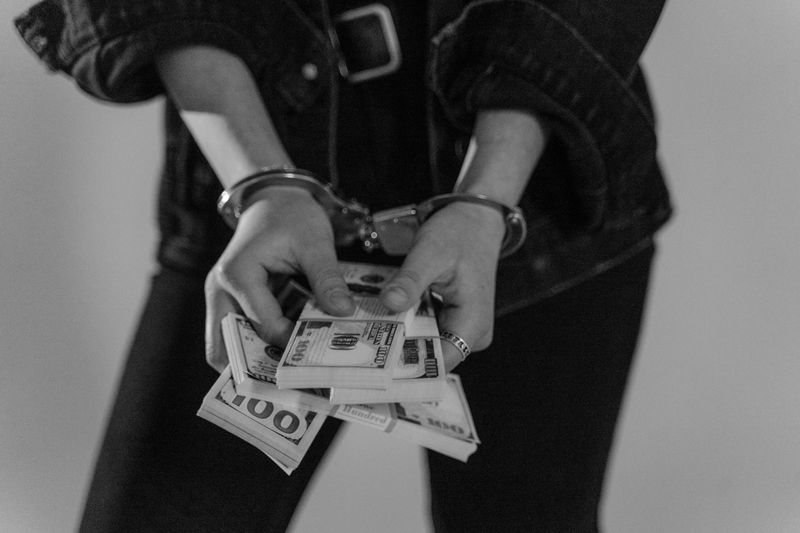
Imagine waking up one morning as a wealthy newspaper heiress and going to bed as a wanted bank robber.
That is basically what happened to Patricia Hearst in 1974, when the Symbionese Liberation Army kidnapped her from her Berkeley apartment.
Within months, she appeared in surveillance footage robbing a San Francisco bank alongside her captors, calling herself “Tania.”
Her trial became a national obsession, raising serious questions about coercion and brainwashing. She was convicted in 1976 but later received a presidential pardon from Jimmy Carter in 1979.
3. Karen Silkwood: The Whistleblower Who Never Made It Home
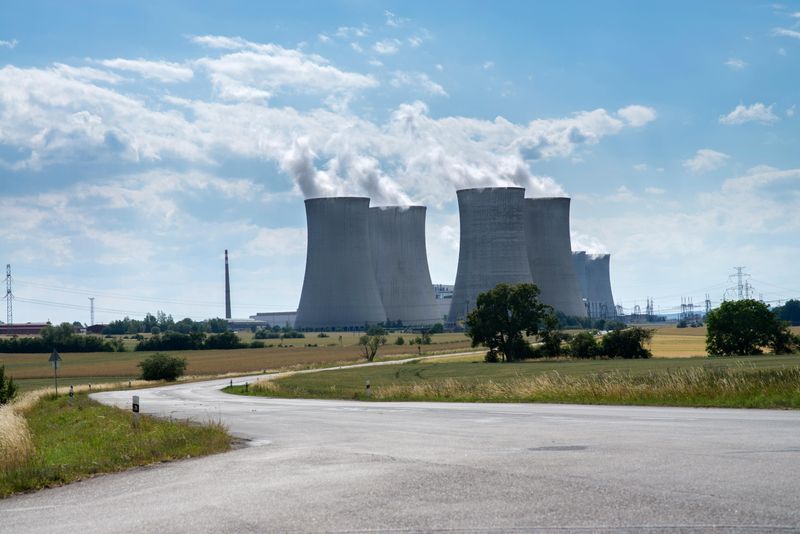
Karen Silkwood was a lab technician at a Oklahoma nuclear facility who discovered something deeply troubling about safety conditions at the Kerr-McGee plutonium plant.
She gathered evidence and was reportedly on her way to meet a journalist when her car crashed mysteriously in November 1974.
The documents she carried were never found. Her family sued Kerr-McGee and eventually won a settlement.
Her story inspired a 1983 film starring Meryl Streep and raised permanent questions about corporate accountability, nuclear safety, and whether powerful industries will silence those who challenge them.
4. Love Canal: When the Ground Itself Became the Enemy
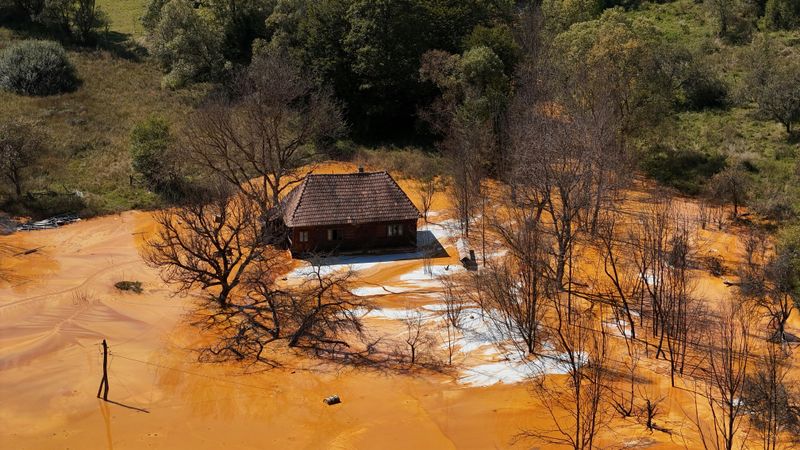
Nobody expected a quiet neighborhood in Niagara Falls, New York, to become ground zero for one of America’s worst environmental disasters.
Love Canal was built on top of a toxic chemical dump, and by the late 1970s, residents were reporting strange illnesses, birth defects, and chemicals literally bubbling up through their basements.
Local activist Lois Gibbs fought tirelessly to expose the truth, and in 1980, President Carter declared a federal emergency.
The catastrophe directly led to the creation of the EPA Superfund program.
5. Three Mile Island: Nuclear Dreams Turn Nightmare
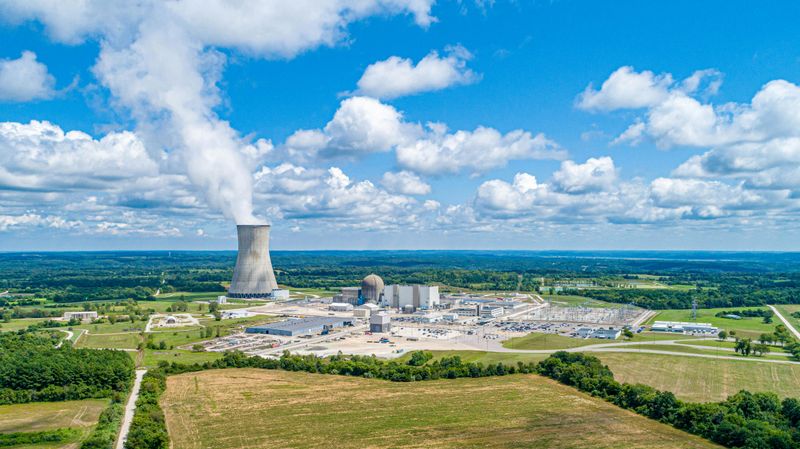
On March 28, 1979, a cooling malfunction at Pennsylvania’s Three Mile Island nuclear plant triggered the worst nuclear accident in U.S. history.
Partial meltdown, radiation releases, and confusing government messaging sent nearby residents into full panic mode. Over 140,000 people voluntarily evacuated the surrounding area.
The nuclear energy industry, which had promised a clean and limitless future, suddenly looked terrifying and untrustworthy. Public confidence in nuclear power collapsed almost overnight.
6. Studio 54: Glitter, Glamour, and Grand Jury Subpoenas

Studio 54 was the hottest address on the planet from 1977 to 1979. Andy Warhol danced there. Liza Minnelli called it home.
The waiting line outside stretched for blocks, and if the doormen didn’t like your look, you simply weren’t getting in. Glamorous?
Absolutely.
However, behind the velvet ropes, owners Steve Rubell and Ian Schrager were skimming cash by the garbage bag, literally hiding money in the ceiling.
Federal investigators raided the club in 1979, finding evidence of massive tax evasion. Both owners were convicted and sentenced to prison, and the party, rather dramatically, was over.
7. ABSCAM: The FBI’s Boldest Sting Operation
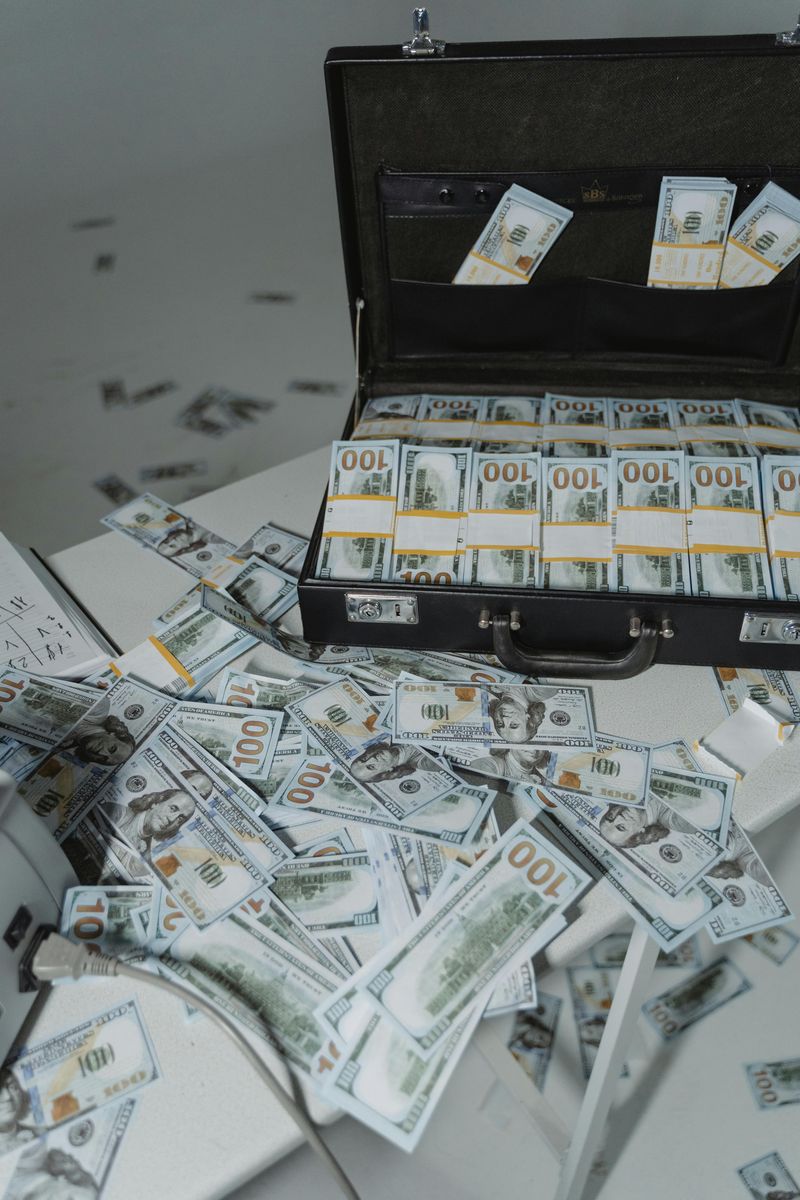
What happens when the FBI creates a fake Arab sheikh and invites politicians to take bribes on camera? You get ABSCAM, one of the most audacious sting operations in American law enforcement history.
Launched in 1978, the operation caught seven members of Congress accepting cash in exchange for political favors.
Hidden cameras rolled as senators and representatives stuffed envelopes into their pockets, apparently forgetting that actions have consequences.
The resulting convictions sent shockwaves through Capitol Hill and permanently changed how Congress policed itself.
8. Chappaquiddick’s Long Shadow Over Ted Kennedy
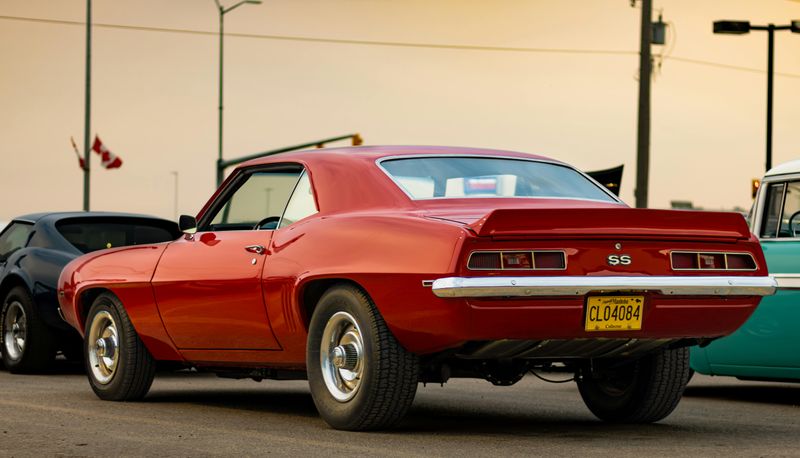
Though the Chappaquiddick incident technically happened in July 1969, its political fallout haunted the entire decade that followed.
Senator Ted Kennedy drove his car off a bridge on Chappaquiddick Island, and his passenger, Mary Jo Kopechne, drowned. Kennedy waited nearly ten hours before reporting the accident to police.
Throughout the 1970s, every time Kennedy considered a presidential run, Chappaquiddick resurfaced like an uninvited guest at a dinner party.
His 1980 primary challenge against President Carter was derailed partly because voters never fully forgave him.
9. The Pentagon Papers: Truth Bombs on the Front Page
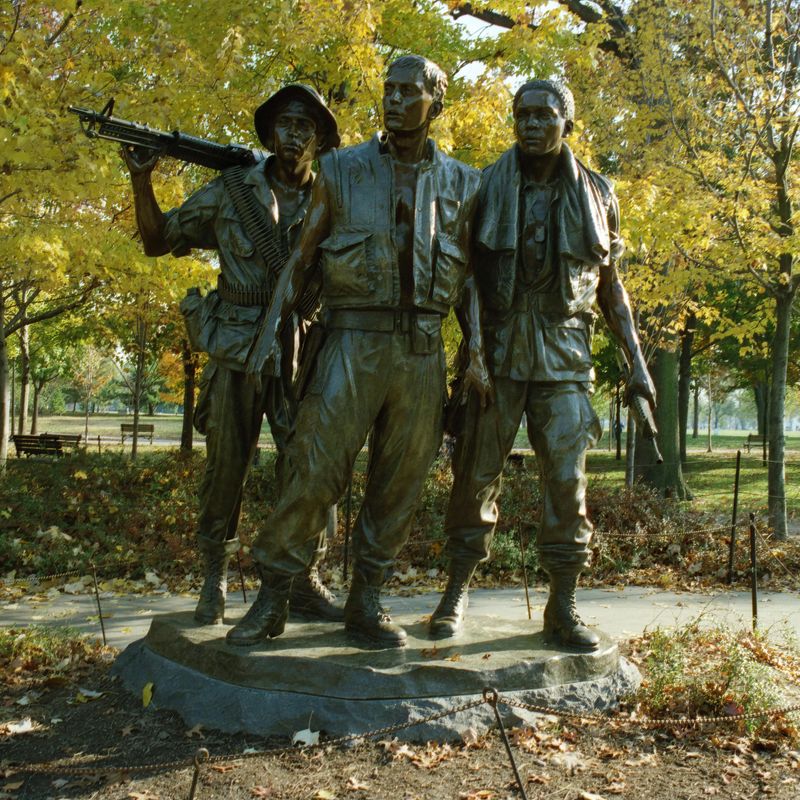
If you ever wondered whether governments tell citizens the whole truth about wars, the Pentagon Papers answered that question loudly in 1971.
Daniel Ellsberg, a military analyst, leaked a 7,000-page top-secret Defense Department study proving that multiple administrations had systematically lied about U.S. involvement in Vietnam.
The Nixon administration desperately tried to block publication, taking the New York Times and Washington Post all the way to the Supreme Court.
The Court sided with the press in a landmark First Amendment victory. Public trust in government, already shaky, took a serious hit from which it arguably never fully recovered.
10. Ford Pinto: The Car Company That Did the Math on Lives
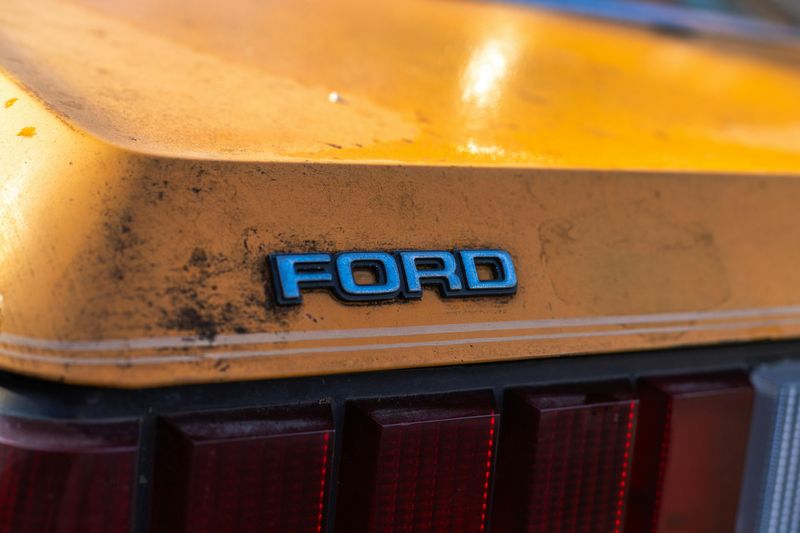
Ford’s Pinto was supposed to be an affordable, fuel-efficient answer to rising gas prices in the early 1970s. Instead, it became one of the most notorious corporate safety scandals in automotive history.
Internal documents revealed that Ford engineers knew the Pinto’s fuel tank could rupture in rear-end collisions and cause fires.
Most shockingly, internal memos showed Ford actually calculated that paying accident settlements would be cheaper than fixing the design flaw.
That cold calculation horrified the public when it was exposed.
11. Lockheed’s Bribery Web Spanned the Entire Globe
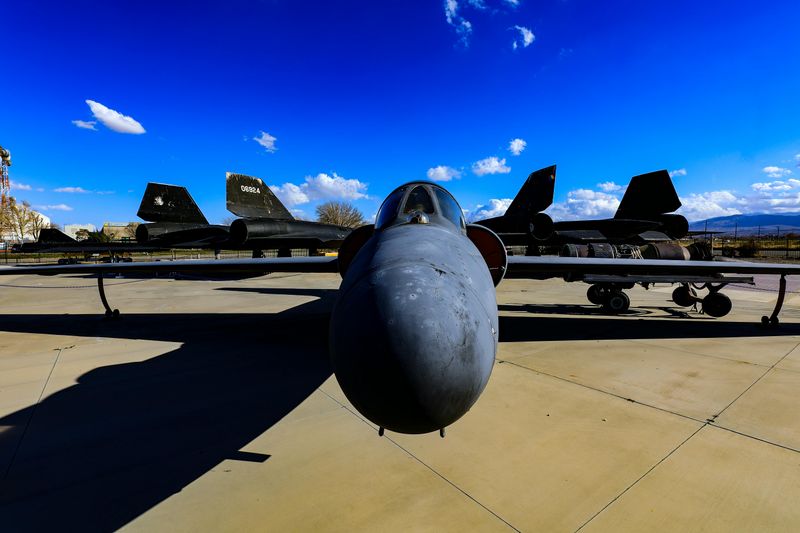
How does an American aerospace company sell planes to foreign governments? Apparently, sometimes with suitcases full of cash.
Starting in the mid-1970s, investigations revealed that Lockheed Aircraft Corporation had paid tens of millions of dollars in bribes to foreign officials across Japan, the Netherlands, Italy, and beyond to secure aircraft contracts.
The scandal triggered a political crisis in Japan, contributing to the resignation of former Prime Minister Kakuei Tanaka. In the Netherlands, Prince Bernhard was implicated in accepting payments.
The fallout directly led to the U.S. Foreign Corrupt Practices Act of 1977, making overseas bribery by American companies officially illegal.
12. The SLA Beyond Hearst: A Violent Radical Fringe
Most people remember the Symbionese Liberation Army purely through the Patty Hearst story, but the SLA’s wider story is even stranger.
This tiny, self-declared revolutionary group murdered Oakland school superintendent Marcus Foster in 1973 before the Hearst kidnapping ever happened.
Their ideology was a bizarre mix of radical politics and apocalyptic sloganeering.
Six core members passed away in a fiery 1974 Los Angeles police shootout that was broadcast live on television. Millions watched in real time as the house burned down.
13. Billygate: The President’s Brother Becomes a Liability
Having a famous sibling can be complicated, and President Jimmy Carter found that out the hard way.
His brother Billy Carter was a colorful character who had already become a punchline for his folksy antics when a far more serious revelation surfaced in 1980.
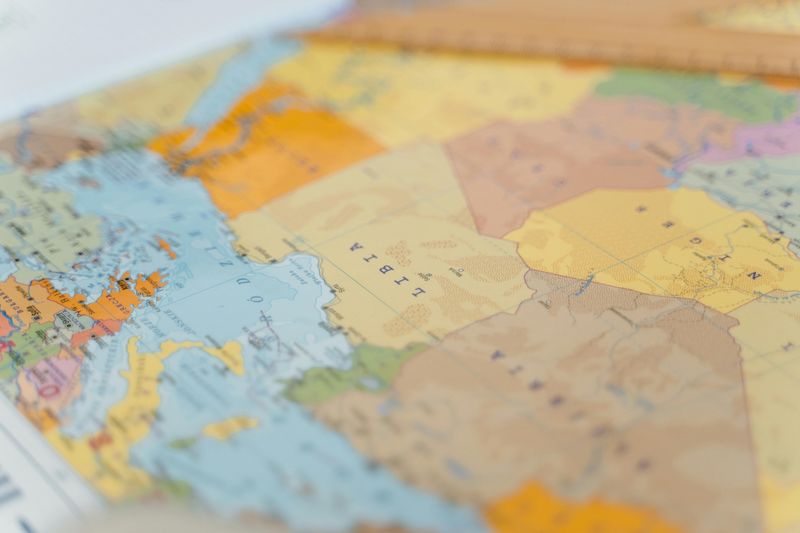
Billy had registered as a foreign agent for the Libyan government and received over one million dollars in payments. Congressional investigations followed, and the phrase “Billygate” stuck instantly.
Though President Carter was never personally implicated in wrongdoing, the controversy damaged his image during an already difficult re-election campaign.
14. Koreagate: Foreign Cash Flooding Capitol Hill
South Korean businessman Tongsun Park had a simple strategy: hand out cash and gifts to American congressmen, and watch favorable U.S. policy follow.
Between the early and mid-1970s, Park allegedly distributed millions of dollars to over 100 members of Congress on behalf of the South Korean government.
The resulting investigation, nicknamed Koreagate by a press still riding high on Watergate naming conventions, implicated dozens of lawmakers.
Though few faced serious legal consequences, the scandal reinforced public suspicion that foreign governments were actively purchasing American political influence.
15. NCAA Point-Shaving: Corruption in College Sports

College sports in the 1970s had a shadow problem that kept resurfacing no matter how many times officials promised reform.
Point-shaving scandals, where players deliberately underperformed to help gamblers beat the spread, appeared at multiple universities throughout the decade.
Basketball programs were especially vulnerable given how easily one player could influence a final score.
The NCAA repeatedly tightened recruiting rules after investigations revealed that illegal payments and gifts to student athletes were widespread.
16. Rock Star Excess: When the Tabloids Kept Score
The late 1970s tabloid press discovered that rock stars sold papers, and the coverage that followed was relentless.
Bands like Led Zeppelin, The Rolling Stones, and others became synonymous with outrageous behavior, hotel destruction, and larger-than-life personalities that journalists gleefully catalogued for eager readers.
Where earlier coverage had been relatively tame, post-Watergate cynicism encouraged reporters to expose everything.
Music industry insiders later acknowledged that some stories were exaggerated for effect, but the underlying reality of unchecked excess was genuine.