TV Characters Fans Were Ready To See Written Out
Every long-running show has at least one character who starts strong, then somehow overstays their welcome like a guest who missed every cue to head home.
Momentum shifts, storylines stretch a little too far, and suddenly the audience is watching with a quiet sense of “are we still doing this?”
It often does not happen overnight either. Small annoyances stack up and a once-beloved presence turns into someone viewers debate in group chats more than they cheer for on screen.
Writers face a tricky balance, because what worked in season one does not always survive five seasons later.
Fans notice. And when they do, the conversation changes fast, with certain characters becoming less about what they add and more about why they are still around at all.
1. Nellie Bertram — The Office
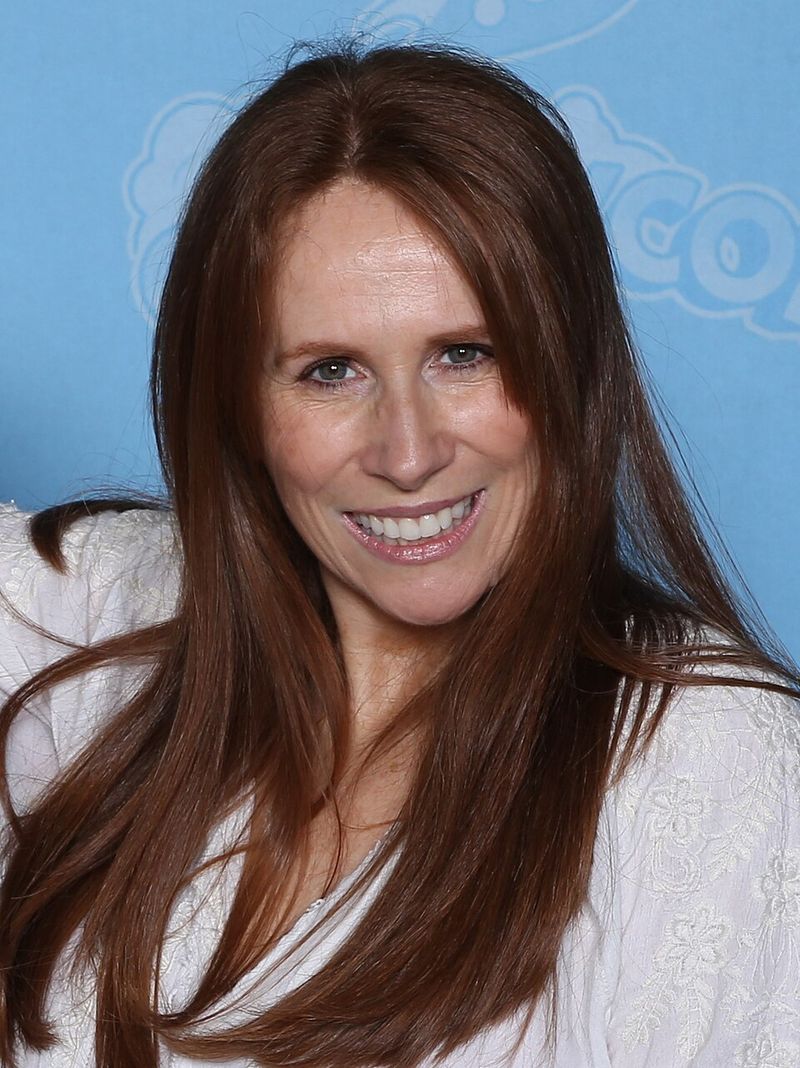
Replacing a fan favorite is one of the hardest TV things ever, and Nellie Bertram learned that the hard way.
Played by Catherine Tate, Nellie waltzed into Dunder Mifflin and essentially stole Michael Scott’s old chair without anyone asking her to. Fans were not impressed, not even a little.
Her humor felt forced, and her storylines never quite clicked with the show’s established rhythm. However, the writers did try to soften her character over time, giving her more emotional depth.
Still, many viewers never warmed up to her. When she finally exited in Season 9, the collective sigh of relief was practically audible.
2. Cousin Oliver — The Brady Bunch
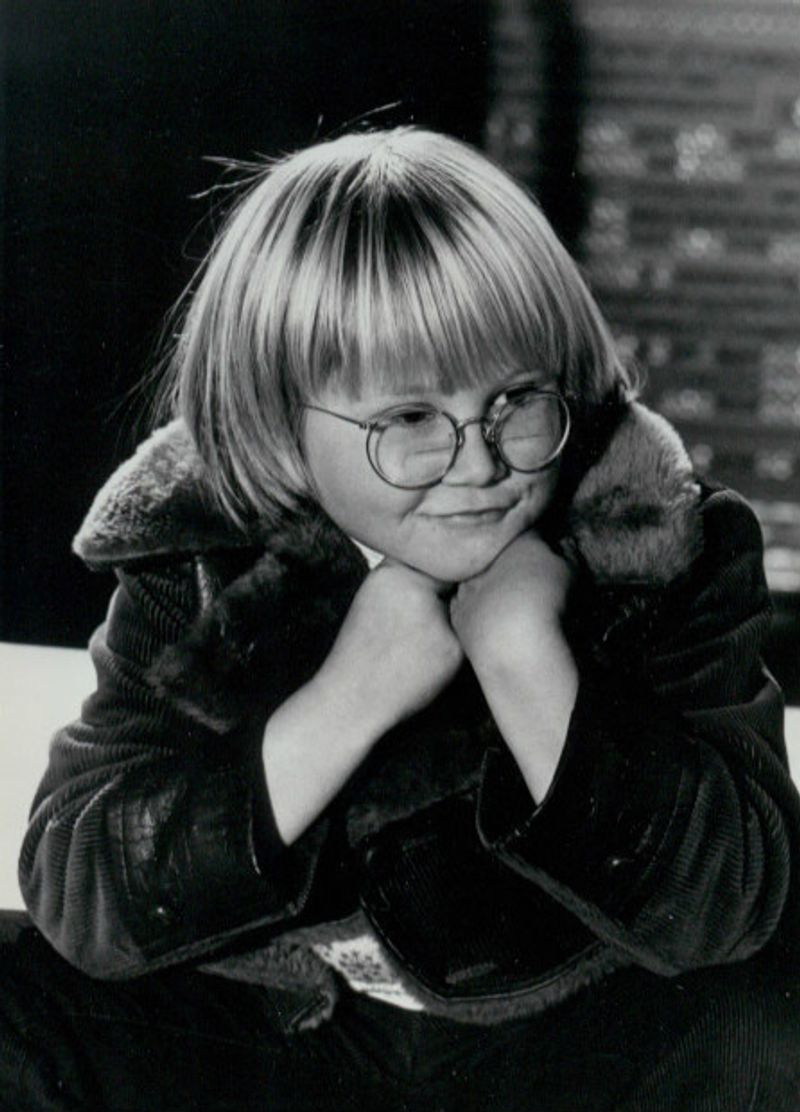
If you have ever heard the phrase “Cousin Oliver Syndrome,” this is exactly where it comes from.
When The Brady Bunch started losing ratings in its final season, producers added seven-year-old Oliver to inject fresh energy into the show. Spoiler alert: it did not work.
Fans saw through the gimmick immediately. Oliver was clumsy, unlucky, and clearly shoehorned in to appeal to younger viewers. Instead, he became a symbol of last-ditch TV tactics.
The show was cancelled shortly after his arrival, cementing his legacy as one of TV’s most famous examples of a misguided creative decision.
3. April Nardini — Gilmore Girls
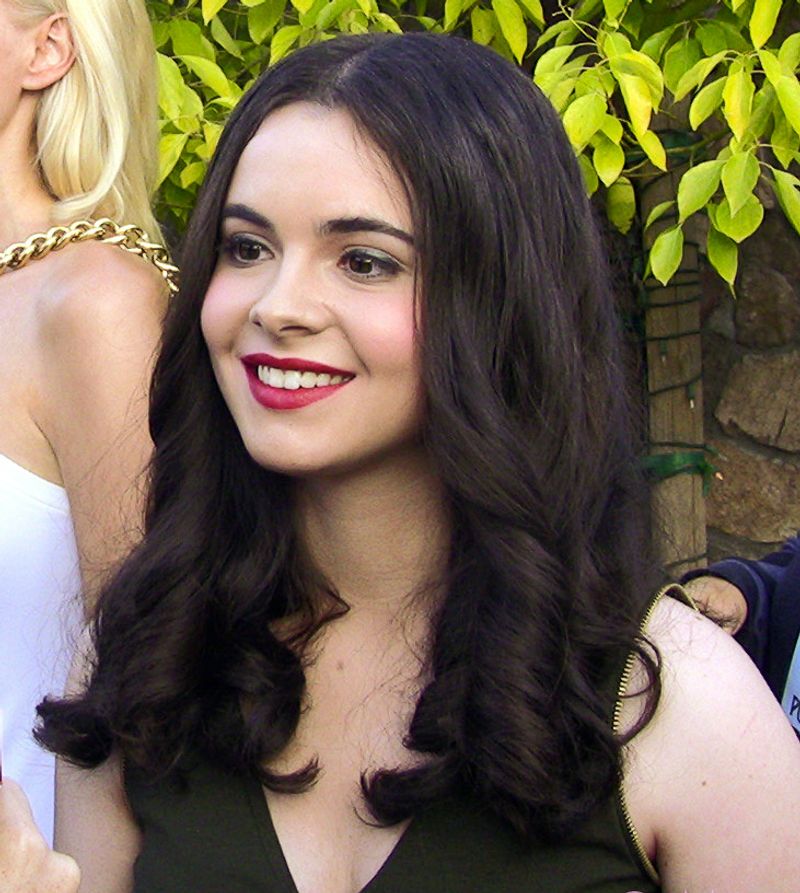
Gilmore Girls was beloved for its witty dialogue and warm family dynamics, so introducing April Nardini in Season 6 felt like throwing a wrench into a perfectly tuned engine.
April was revealed as Luke Danes’ previously unknown daughter, a plot twist that derailed one of TV’s most beloved romances.
Viewers found her overly precocious in a way that felt scripted rather than natural, and her storylines consistently pulled focus from the Lorelai-Luke relationship fans had rooted for since Season 1.
4. Dana Brody — Homeland

Teenage characters in prestige dramas often get a tough reception, but Dana Brody took audience frustration to championship levels.
Played by Morgan Saylor in Homeland, Dana started as a sympathetic figure navigating her father’s complicated return from captivity. Season 2 changed everything.
Her storylines grew increasingly disconnected from the show’s central spy thriller plot, and viewers grew visibly restless with every Dana-centric scene.
Online polls and fan forums consistently ranked her among the most disliked characters on television during the show’s peak years.
5. Ted Mosby — How I Met Your Mother
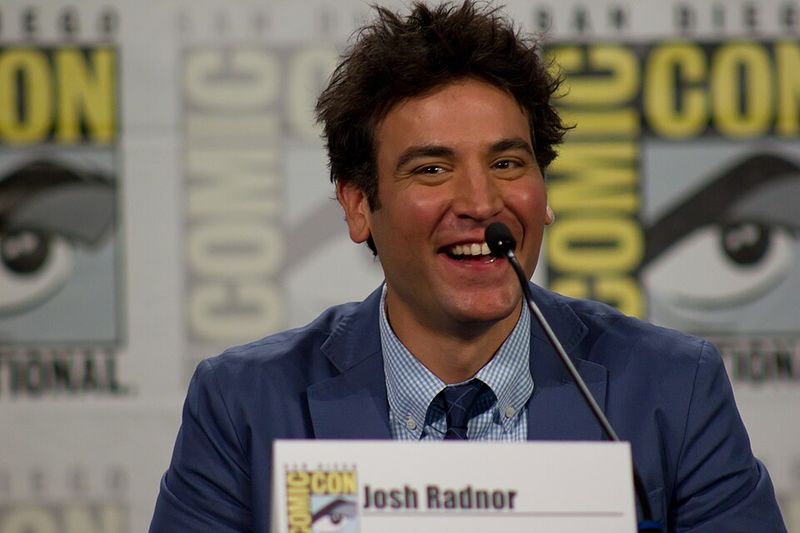
Here is a wild TV fact: the main character of a beloved sitcom can somehow become the least likable person on the show.
Ted Mosby, played by Josh Radnor, was meant to be a romantic hero, the guy viewers rooted for across nine seasons of love and heartbreak. Instead, he became exhausting.
His self-righteous attitude, endless pining for Robin, and habit of making every situation about himself wore audiences down over time.
By the finale, many fans were openly rooting for literally anyone else to find happiness. The controversial ending only deepened the frustration.
6. Dawn Summers — Buffy the Vampire Slayer

Buffy the Vampire Slayer was already a cultural phenomenon when Season 5 dropped a bombshell: Buffy suddenly had a little sister named Dawn.
Played by Michelle Trachtenberg, Dawn was introduced as a mystical key in human form, which was actually a clever concept on paper.
However, viewers quickly grew frustrated with Dawn’s constant whining and tendency to create problems the Scoobies then had to solve. Fan forums nicknamed her “the Dawnster” with zero affection.
Though Trachtenberg herself was a capable actress, the writing rarely gave Dawn a chance to shine independently.
7. Ross Geller — Friends
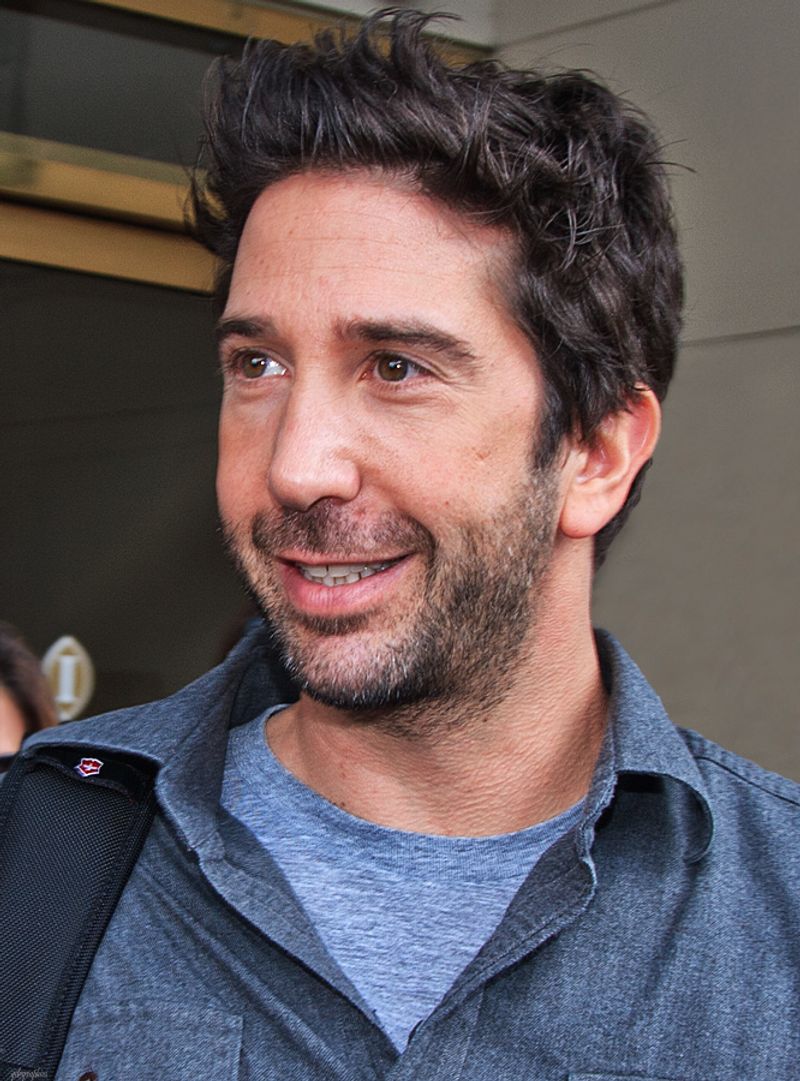
Few opinions divide Friends fans more than feelings about Ross Geller.
Played by David Schwimmer, Ross was written as the lovable, nerdy paleontologist and romantic anchor of the group.
Over ten seasons, however, his behavior became increasingly difficult to defend, even for devoted fans.
His possessiveness toward Rachel and sheer inability to take responsibility for anything turned him into a lightning rod for criticism. The “we were on a break” debate is basically internet folklore at this point.
Though the show adored him, audiences grew progressively less patient with his antics.
8. Paige Jennings — The Americans

The Americans was a masterclass in slow-burn tension, centered on two KGB spies living undercover in 1980s America.
Paige Jennings, their teenage daughter, started as an innocent bystander caught in an impossible situation. That premise had real dramatic potential, and early on, it delivered.
However, as seasons progressed, Paige’s storylines grew repetitive and her decision-making increasingly frustrating.
Though actress Holly Taylor gave the role everything she had, the writing kept Paige in a dramatic holding pattern for too long.