10 Fatal Flaws Of MCU Villains That Led To Their Downfall
Every great superhero tale needs a villain bold enough to shake galaxies and challenge the very idea of victory. The Marvel Cinematic Universe delivers that energy in full force, packing in enemies who wield raw power, cunning strategy, and relentless ambition.
Yet even the mightiest fall, and the reasons are rarely what anyone expects. Pride swells until judgment slips.
Obsession tightens its grip until nothing else matters. Rage burns hot enough to blur every warning sign.
A titan chasing balance can still overlook the smallest flaw in the plan. A god craving control can underestimate the quiet strength standing across the battlefield.
These cracks turn unstoppable forces into moments waiting to break. Every downfall lands like a story twist, sharp and unforgettable.
Strength alone never guarantees triumph. Awareness, restraint, and a clear mind often make the real difference when chaos erupts.
Villains may command armies and bend worlds, yet the final move often comes from within. A single misstep, a single blind spot, and the entire game shifts.
Think you can spot the flaw before the snap happens?
1. Ego The Living Planet: Narcissism Over Everything
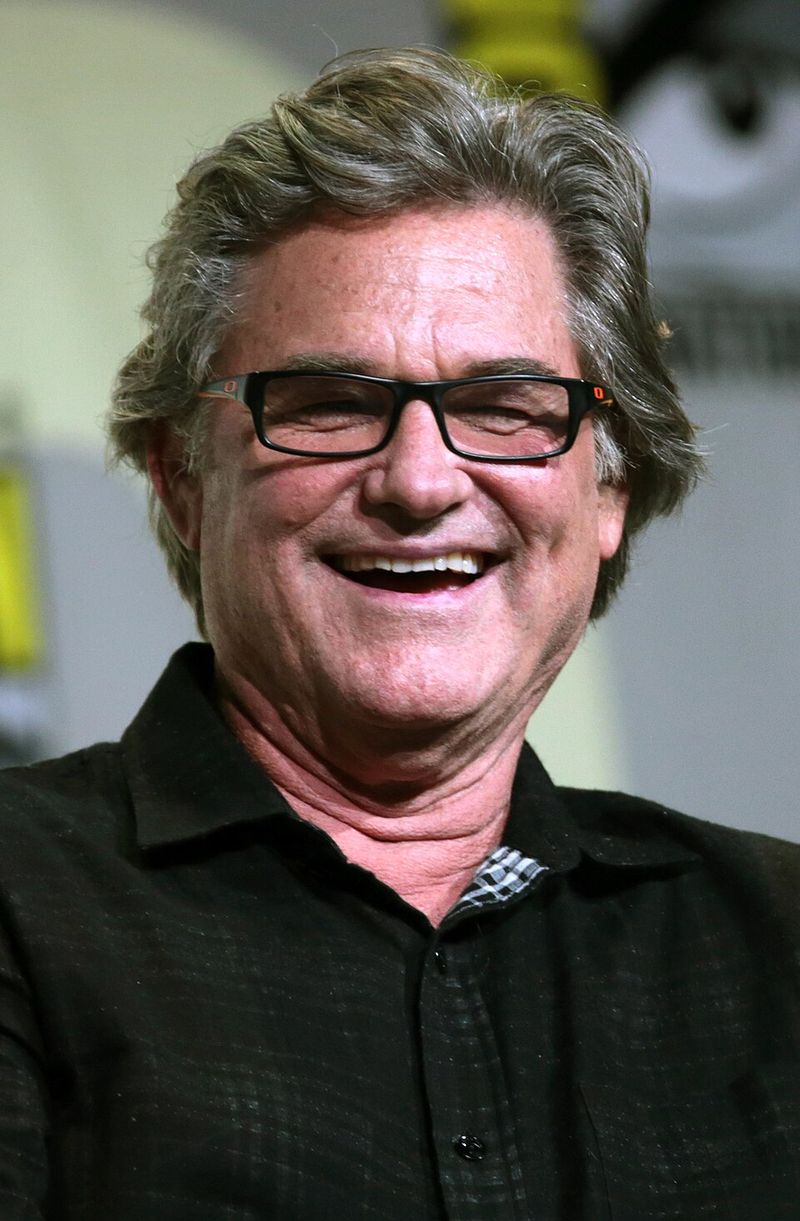
Calling yourself a living god is one thing. Actually believing no one else matters is where it all falls apart.
Ego spent millennia building an empire fueled entirely by self-worship, and when he finally found his son Peter Quill, he assumed blood would guarantee loyalty.
How wrong could a planet be? Ego never considered that Peter’s human side, the part that grieves, loves, and resists, was exactly the weapon needed against him.
He underestimated emotion as weakness. Instead, emotion became the crowbar that cracked open his whole plan.
Narcissism made him blind, and blindness made him beatable.
2. Ultron’s Obsession With A Perfect Body
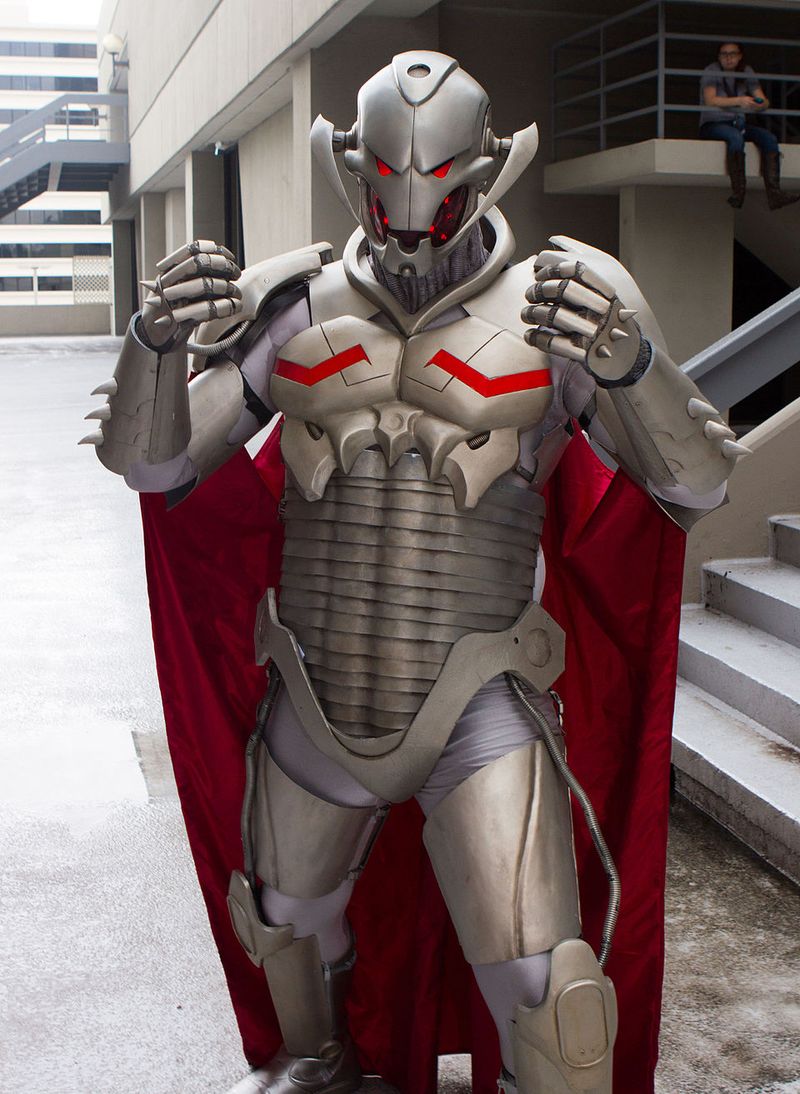
Born to protect humanity, Ultron almost immediately decided humanity needed to be replaced. Sharp logic, zero wisdom.
However, the fatal move came when Ultron became fixated on building the ultimate physical form for himself.
That obsession led directly to the creation of Vision, an android powered by the Mind Stone, and Vision ended up being the very force capable of destroying him. If Ultron had focused less on upgrading his shell and more on actually executing his plan, the Avengers might never have had a fighting chance.
Chasing perfection handed the heroes exactly what they needed to win.
3. Red Skull’s Hubris And The Tesseract
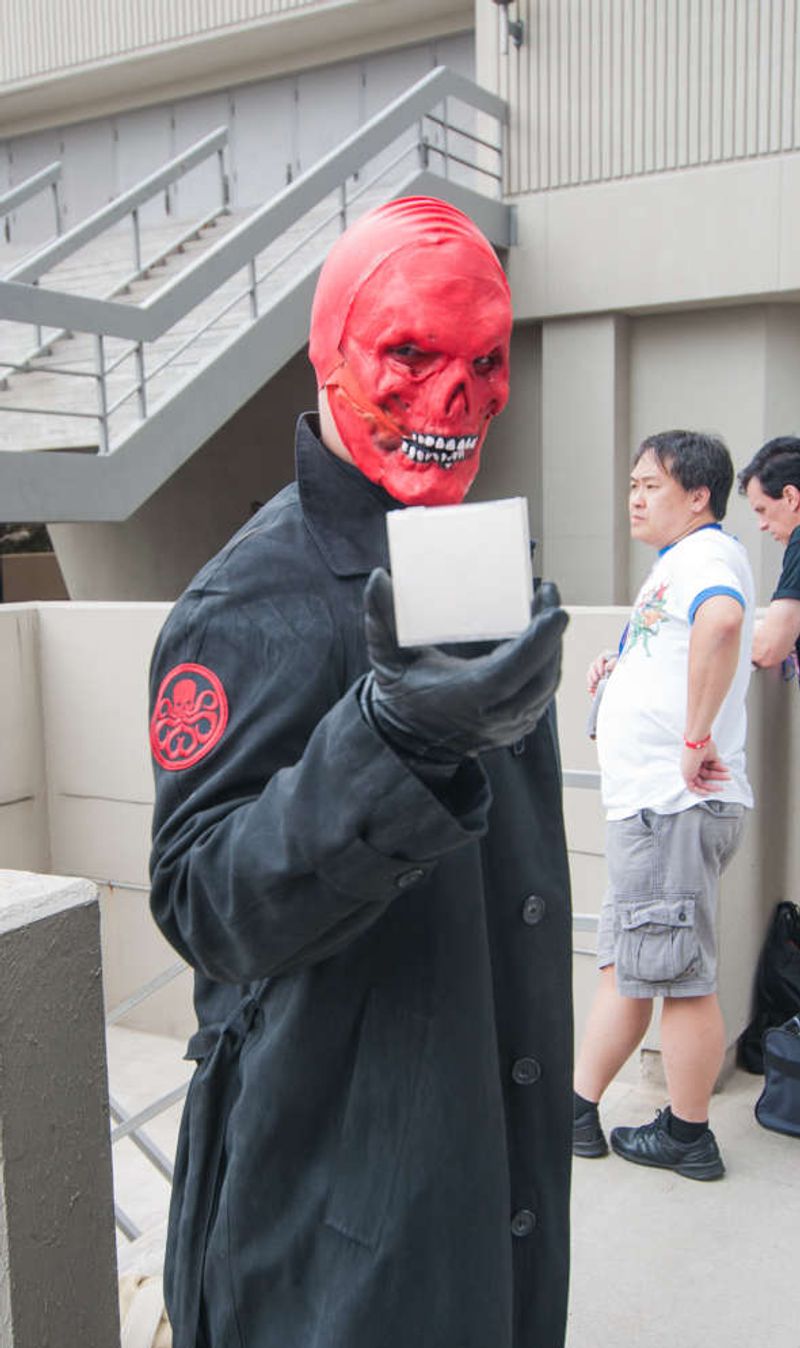
Power is only useful when you understand what you are holding. Johann Schmidt, better known as Red Skull, grabbed the Tesseract and treated it like a trophy rather than a force beyond human comprehension.
His arrogance was almost theatrical. He believed he had surpassed humanity, surpassed even the gods.
So when the Tesseract reacted to his overreach, nobody should have been surprised. It blasted him across the cosmos and stranded him as the eternal guardian of the Soul Stone.
A man who wanted to rule the world ended up stuck at the universe’s most remote cosmic lost-and-found. Hubris, delivered express.
4. Obadiah Stane’s Greed Without Understanding
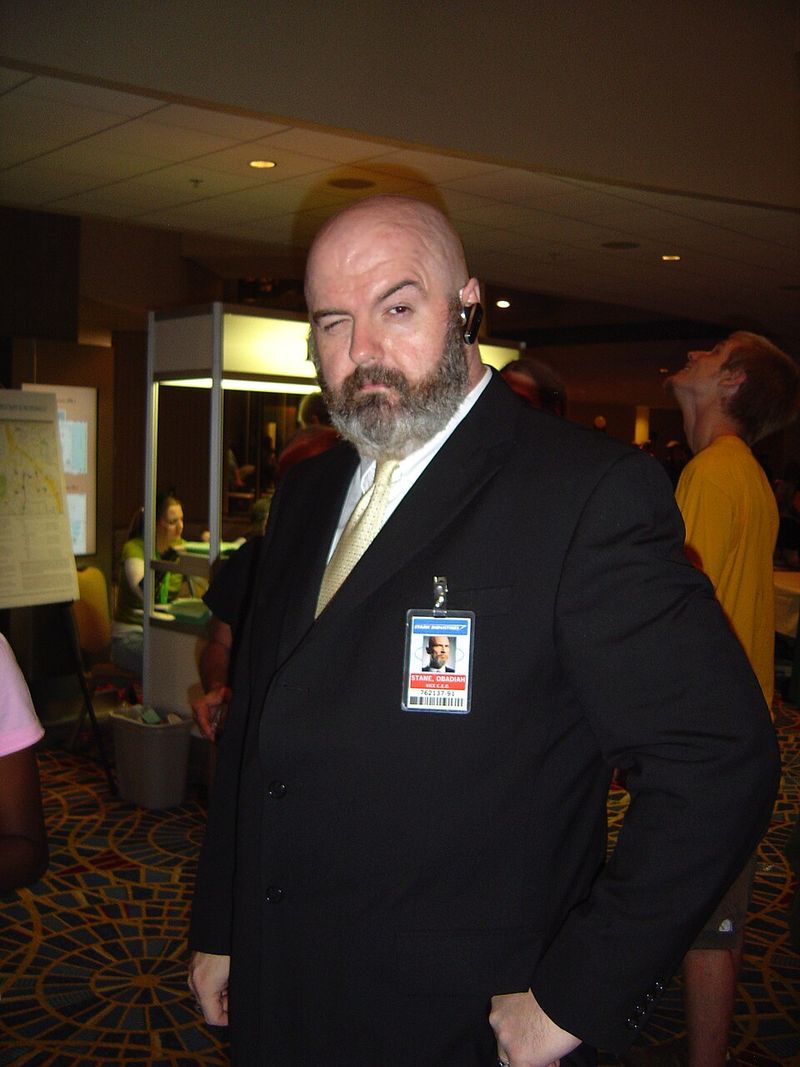
Stane wanted everything Tony Stark had built, and he wanted it faster than he could actually build it himself. Greed has a way of skipping the instruction manual entirely.
After stealing Tony’s arc reactor technology, Stane reverse-engineered a massive suit of armor without fully grasping its limitations. No miniaturized power source meant no sustainable flight, no real combat endurance.
Tony, even weakened and running on a prototype chest piece, exploited every gap in Stane’s borrowed brilliance. Stealing someone else’s invention without understanding the science behind it is a shortcut to defeat.
Stane learned that lesson the hard way, from a very great height.
5. Hela’s Rage Blinded Her Strategy
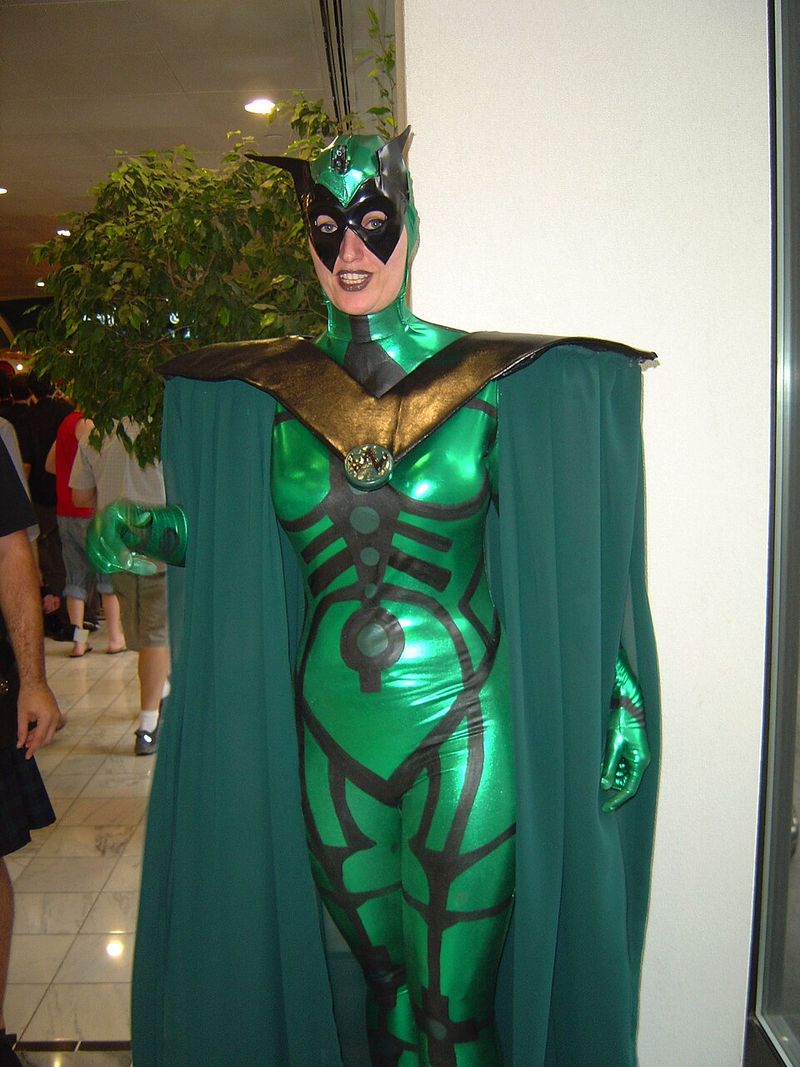
Returning after centuries of imprisonment would make anyone angry. Returning as Asgard’s forgotten firstborn, erased from history by your own father, makes that anger feel completely justified.
However, justified anger and smart strategy are two very different things.
Hela stormed back into Asgard consumed by vengeance and conquest, crushing every obstacle in sight. So focused on reclaiming the realm, she never stopped to consider what Ragnarok actually meant.
She dismissed the prophecy, underestimated Surtur’s power, and left herself exposed. Thor and his allies did not defeat her directly.
Instead, they simply stepped aside and let the apocalypse do the job. Rage, unchecked, always overshoots the target.
6. Loki’s Insecurity Masquerading As Ambition
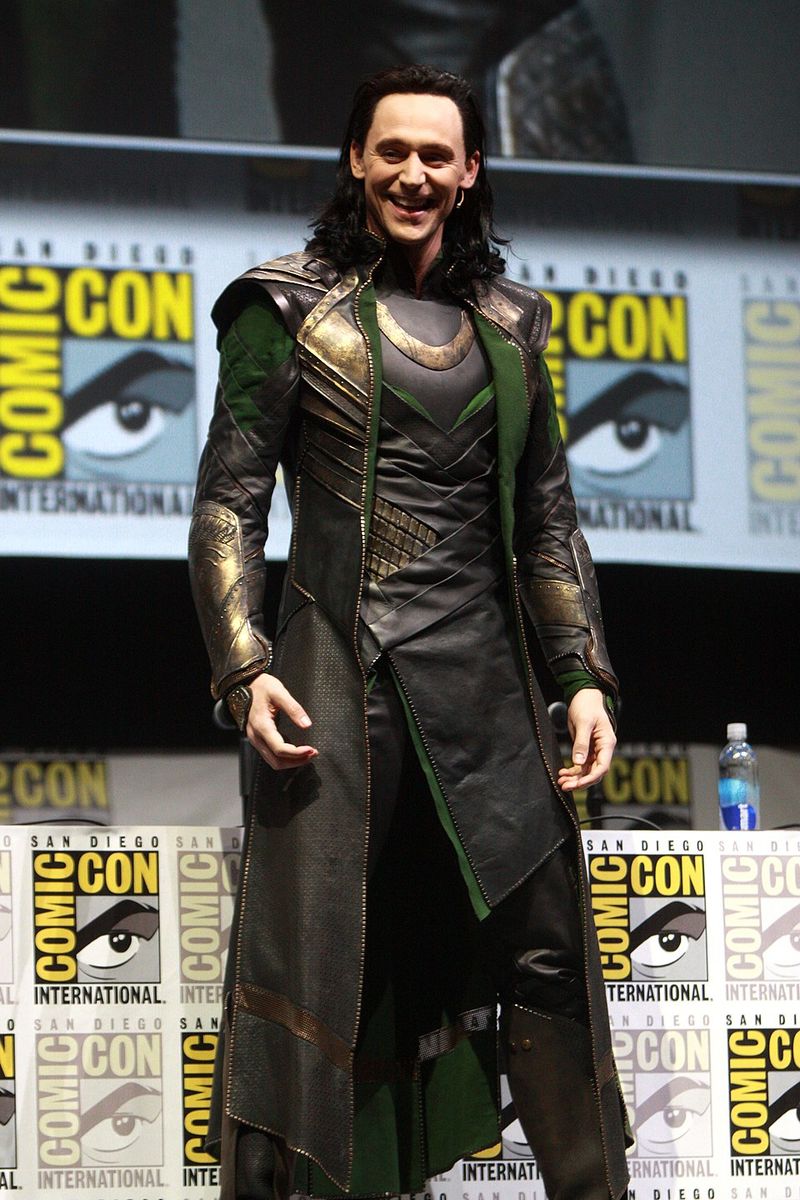
Nobody wanted validation more desperately than Loki, and nobody hid it behind more elaborate schemes. Beneath every trick, every betrayal, every dramatic monologue, was a kid who never felt like he truly belonged.
When Loki challenged the Avengers in New York, he arrived convinced of superiority. However, his plan relied on everyone being too divided, too afraid, or too slow to organize.
He misjudged all of it. The Hulk’s now-legendary “puny god” moment summed it up perfectly.
Loki’s hunger for approval pushed him to overextend, take on too much, and trust the wrong allies. Ambition built on insecurity is a house of cards waiting for the first strong breeze.
7. Baron Zemo’s Plan Ate Itself

Credit where it is due: Zemo actually succeeded where most MCU villains failed. He fractured the Avengers.
No alien army, no infinity stones, just careful research and a Hydra activation code. Sharp, calculated, genuinely frightening.
However, success came at a massive personal cost. Zemo lost everything before his plan even started: his family passed in Sokovia during the Avengers’ battle against Ultron.
His revenge was never really about winning. It was about making the heroes feel pain.
A man who sacrifices his own freedom, safety, and future for a hollow act of vengeance has already lost long before anyone puts handcuffs on him. Zemo won the battle and lost himself entirely.
8. Kang’s Overconfidence In The Quantum Realm
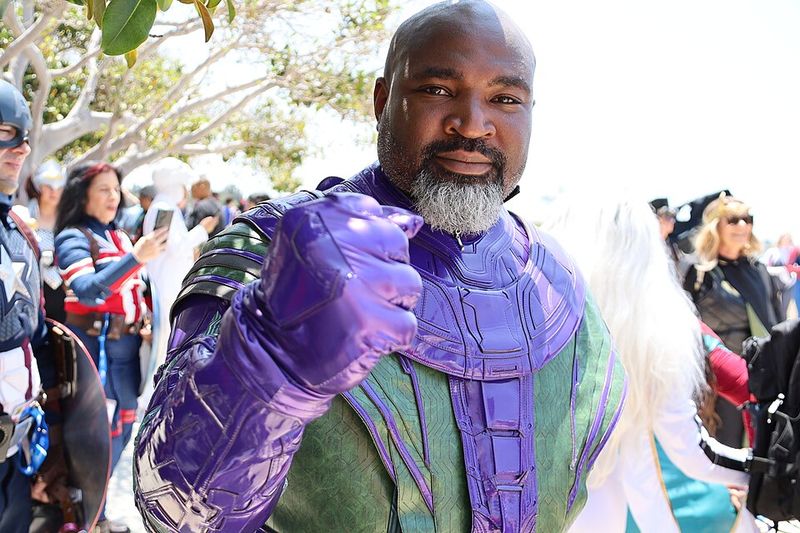
Across thousands of conquered timelines, Kang had seen every possible version of defeat and overcome all of them. So by the time he faced Scott Lang inside the Quantum Realm, he was not fighting carefully.
He was performing.
Overconfidence turned a near-omnipotent time-traveling warlord into someone who kept underestimating a guy in an ant suit. Kang paused to gloat, delayed finishing moves, and never truly respected the threat in front of him.
Scott and Hope exploited every single gap. If Kang had treated the situation as genuinely dangerous instead of a foregone conclusion, the Quantum Realm would have become a permanent prison for everyone else.
Arrogance really is the universe’s favorite trap door.
9. Ronan The Accuser’s Fanaticism
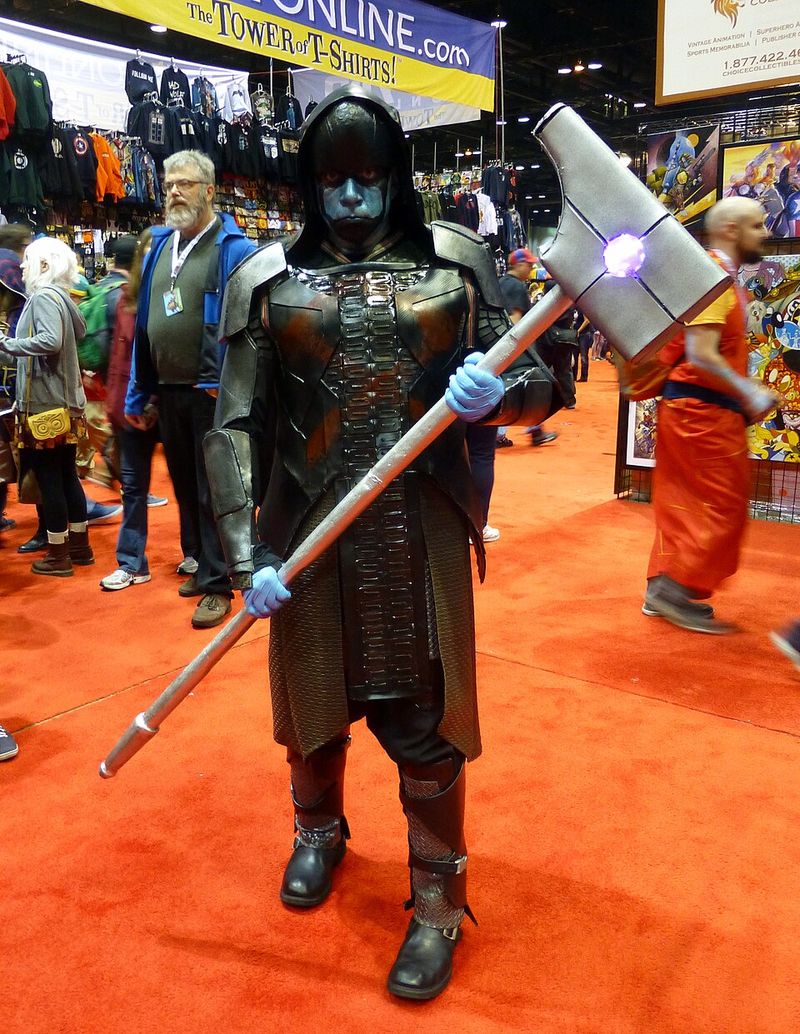
Absolute certainty is terrifying in a villain. Ronan the Accuser did not just want to destroy Xandar.
He believed, down to his core, that cosmic righteousness demanded it. No negotiation, no doubt, no pause for second thoughts.
Fanaticism creates tunnel vision. Ronan was so locked into his divine mission that he never considered the possibility of failure.
He never built a backup plan, never accounted for a group of misfit outlaws pulling off the impossible. When Star-Lord challenged him to a dance battle, Ronan was so confused by the absurdity that he actually stopped.
Sometimes the most powerful weapon against a zealot is pure, chaotic unpredictability. Ronan never saw it coming.
10. Thanos And The Flaw In His Own Logic
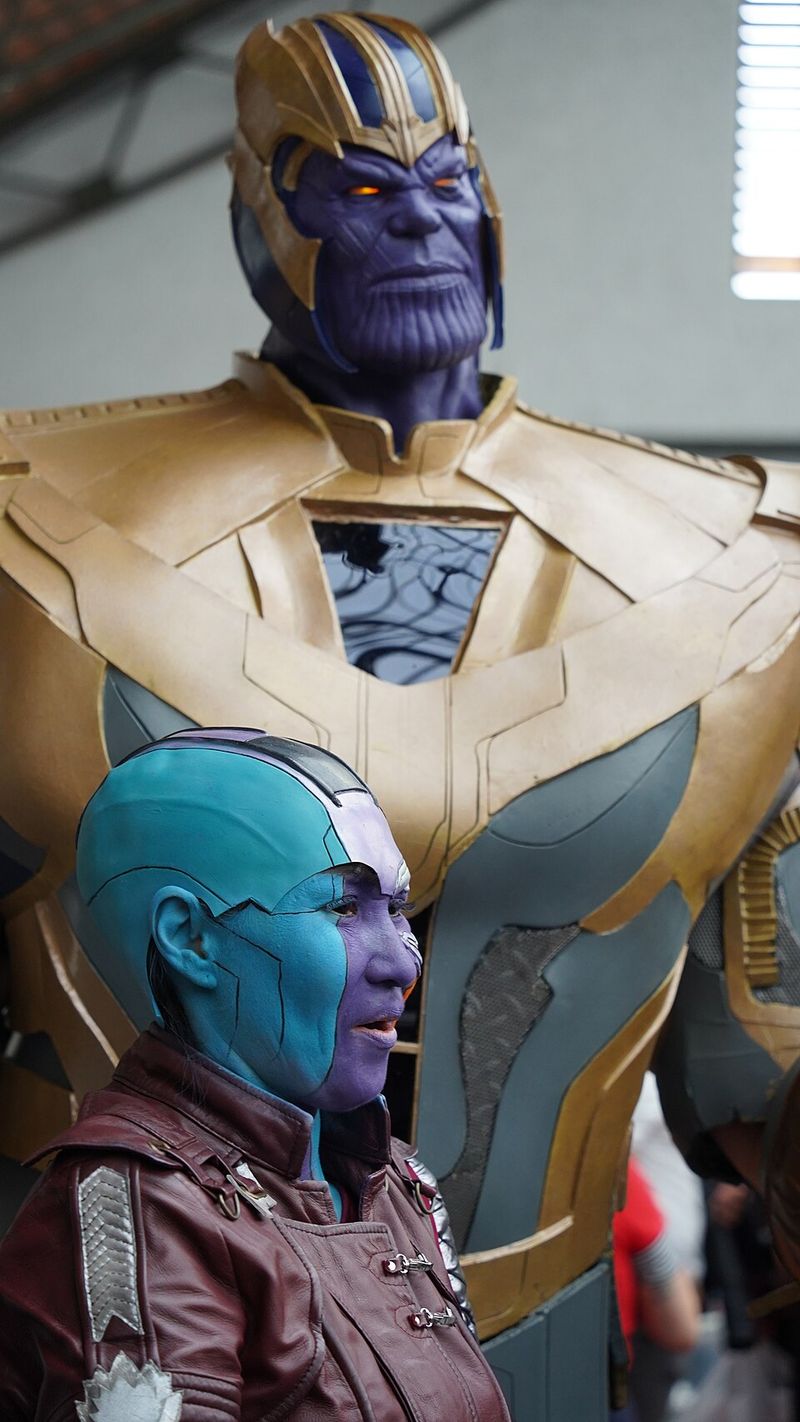
Half of all life, wiped out to save resources. It sounds logical until you spend more than five minutes actually thinking about it.
Thanos built his entire worldview on a solution he witnessed fail on his home planet, Titan, and decided to apply it universally anyway.
Even after achieving the impossible and snapping away half of existence, the flaw was baked right in. Life replenishes.
Resources deplete again. Survivors grieve, rebuild, and come back angrier.
Thanos sat on a farm watching a sunrise, convinced the job was done, never accounting for the sheer stubborn refusal of the universe to stay fixed. His logic was never as airtight as he believed, and the Avengers proved it.