Favorite Foods Linked To Iconic Figures From Thomas Jefferson To Queen Elizabeth II
Food has a way of making famous people feel suddenly human.
Grand reputations and carefully managed public images all shrink a little when a favorite dish enters the conversation, because nothing closes the distance faster than learning what someone actually loved to eat.
A plate of comfort or a meal tied to routine can reveal taste, upbringing, nostalgia, even a streak of indulgence that history books usually leave off the page. That is part of the charm here.
Well-known figures often get polished into symbols, yet personal food preferences bring back the quirks and appetites that made them real people living in real bodies, with cravings no different than anyone else’s.
Some choices feel elegant, some surprisingly simple, and some say more about an era than a formal portrait ever could.
Disclaimer: This article is intended for general informational and entertainment purposes only. Details about the favorite foods associated with historical figures are based on widely cited accounts, biographies, historical records, and public reporting, and some claims may vary by source or interpretation.
1. Thomas Jefferson’s Baked Macaroni with Cheese
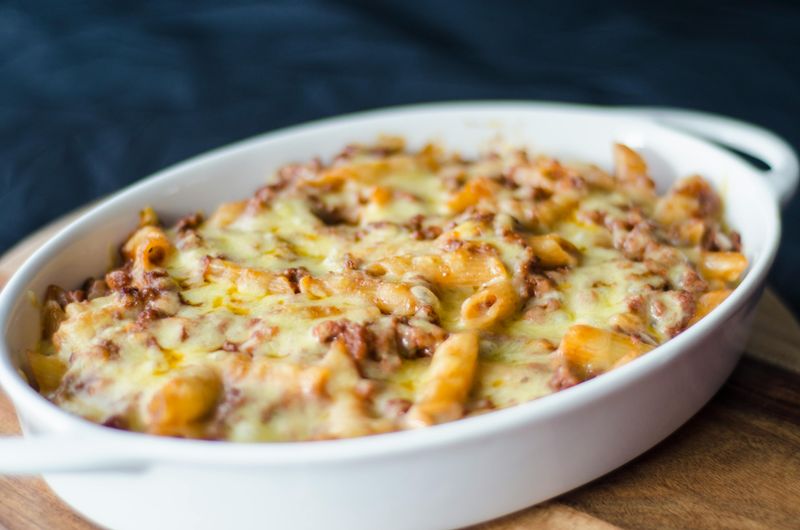
Long before mac and cheese became a boxed staple in every kitchen, Thomas Jefferson was already obsessed with it.
Monticello’s records show Jefferson had a deep connection to macaroni dishes, and the estate still preserves his version of baked macaroni layered with cheese.
Jefferson encountered pasta during his travels in Europe and brought the love of it straight back to Virginia. Honestly, that might be his most relatable legacy.
How many of us have eaten macaroni and cheese and thought, this is everything? Jefferson thought the exact same thing, just about 230 years earlier.
2. Abraham Lincoln’s Oysters
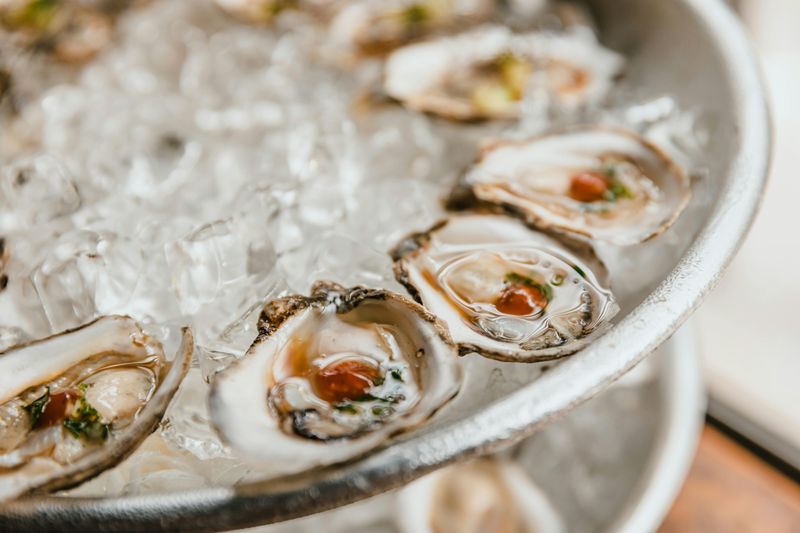
Oysters and Abraham Lincoln might not seem like an obvious pairing, but President Lincoln’s Cottage highlights oysters as one of the foods that genuinely reveal his tastes and daily life.
Raw, roasted, or stewed, oysters were wildly popular in 19th-century America and Lincoln was no exception to the craze.
Back then, oysters were actually affordable street food, not the fancy restaurant item we think of today.
So Lincoln was basically grabbing the equivalent of a hot dog on his way through Washington.
3. Harry Truman’s Mother’s Fried Chicken
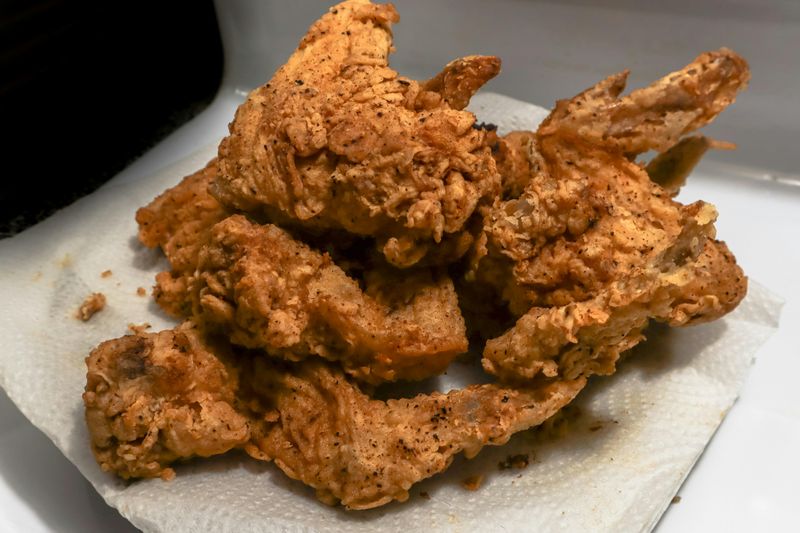
There is comfort food, and then there is your mom’s fried chicken, which is basically comfort food wearing a superhero cape.
The U.S. National Archives notes that Harry Truman grew up with simple, unpretentious tastes, and his mother’s fried chicken sat at the very top of his list.
No matter how powerful he became as president, Truman never stopped craving that home-cooked flavor. That says something real about the man.
Power and prestige could not compete with a perfectly seasoned piece of fried chicken made by the woman who raised him.
4. Dwight D. Eisenhower’s Old-Fashioned Beef Stew
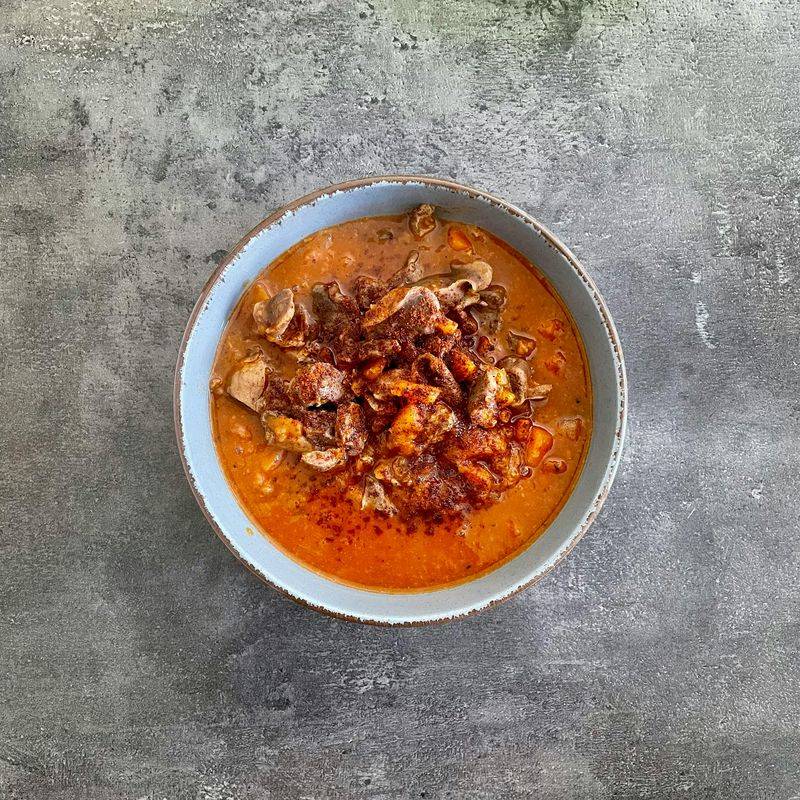
General Eisenhower did not just command armies. He also commanded the kitchen, at least when beef stew was involved.
The Eisenhower Presidential Library actually hosts the recipe for his famous “Old-Fashioned Beef Stew,” making it one of the most well-documented food connections in presidential history.
Chunky vegetables, tender beef, and rich broth. It is the kind of meal that makes you want to sit down and stay awhile.
5. John F. Kennedy’s New England Fish Chowder
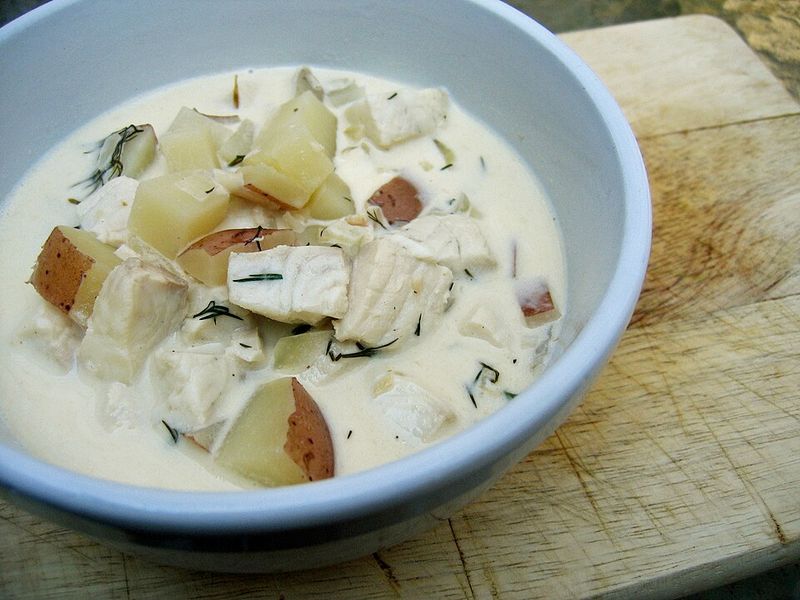
Few foods carry a sense of place the way New England fish chowder does. Thick, creamy, and packed with fresh fish, it tastes like the Atlantic coast in a bowl.
The JFK Library confirms that Kennedy was particularly fond of soup and that this chowder ranked as a clear favorite throughout his life.
Growing up in Massachusetts, Kennedy had deep roots in New England culture, and the chowder fit right in.
Where some presidents reached for stew or fried chicken, Kennedy kept it coastal.
6. Lyndon B. Johnson’s Chili
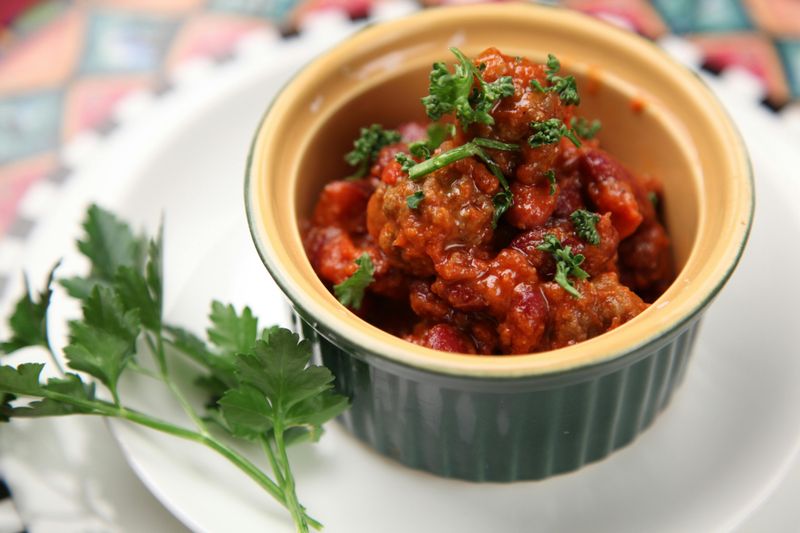
Everything is bigger in Texas, including the flavor. Lyndon B.
Johnson’s love for chili was legendary, and the LBJ Library preserves ranch recipes and family favorites that make this connection crystal clear.
His chili was bold, meaty, and unapologetically Texan, just like the man himself.
Johnson reportedly took his chili so seriously that he had strong opinions about the recipe and was not shy about sharing them.
No beans, please. That detail alone has sparked decades of debate among chili fans nationwide.
7. Ronald Reagan’s Licorice Jelly Belly Jelly Beans
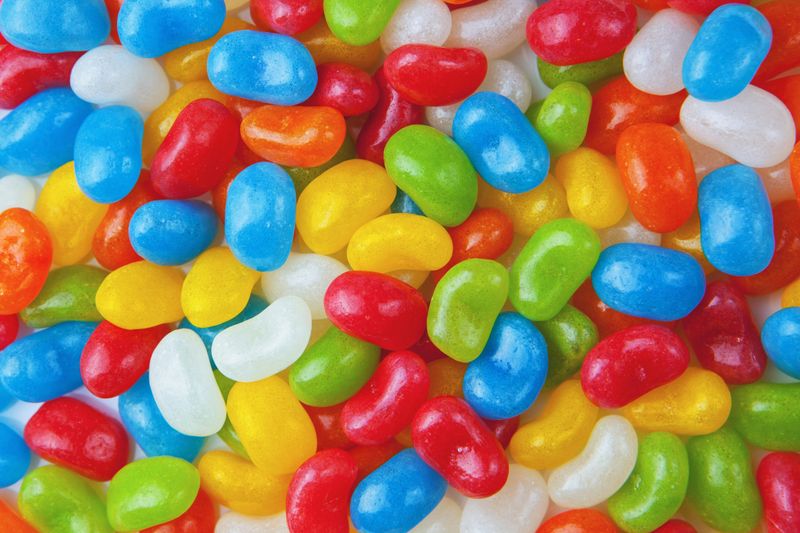
When Ronald Reagan moved into the White House, he brought something very important with him: jelly beans.
Specifically, Jelly Belly jelly beans, and the Reagan Library confirms his all-time favorite flavor was licorice. Bold choice, considering licorice is basically the most divisive candy flavor on the planet.
Reagan reportedly kept jars of them on his desk, in Cabinet meetings, and even on Air Force One.
Jelly Belly actually created a blueberry flavor just in time for his inauguration so the jars could display red, white, and blue.
8. Eleanor Roosevelt’s Sunday-Night Scrambled Eggs
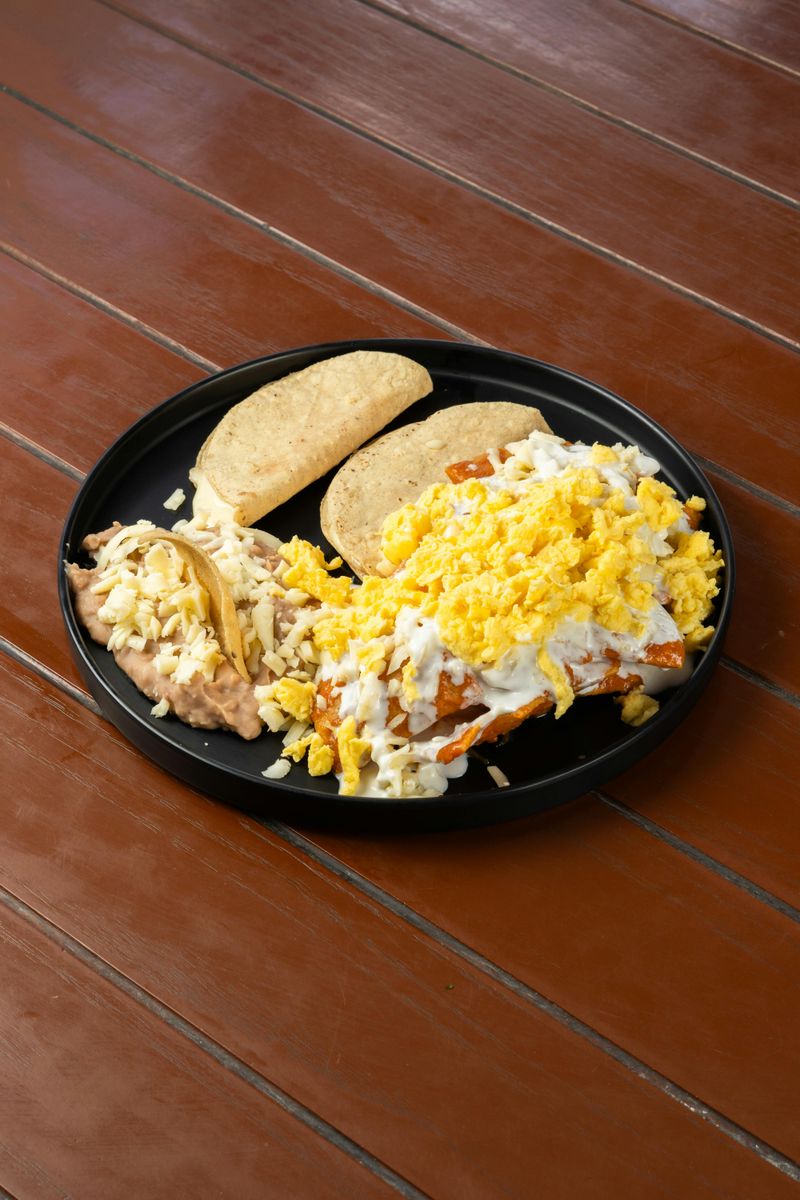
Not every iconic meal comes from a five-star kitchen.
Eleanor Roosevelt, one of the most influential first ladies in American history, was known for rolling up her sleeves and making scrambled eggs herself every Sunday night, straight from a chafing dish.
History records this as a beloved ritual, a moment when the formal White House atmosphere softened into something almost cozy.
Guests reportedly enjoyed it more than many elaborate state dinners.
9. Jacqueline Kennedy’s Baked Potato with Caviar and Sour Cream
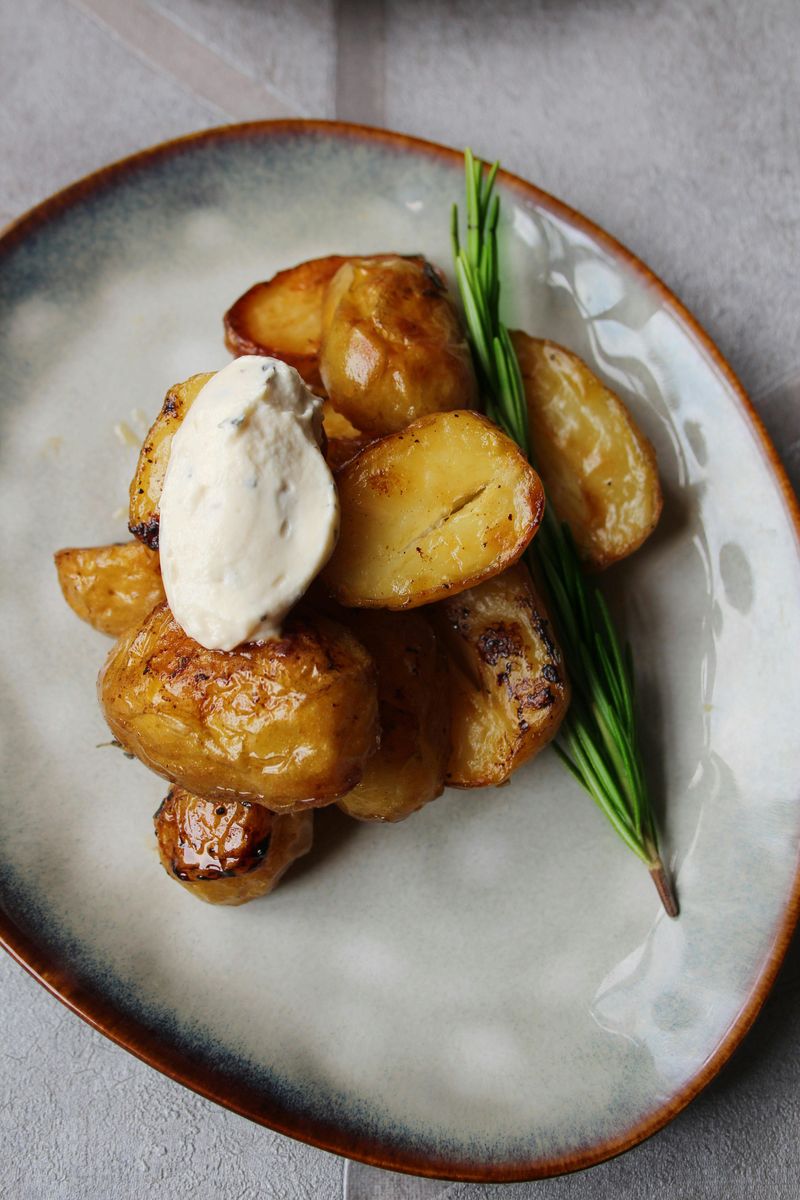
Few meals capture a personality as perfectly as this one.
Jacqueline Kennedy was known for her strict, carefully managed diet, and multiple profiles of her eating habits point to the same iconic combination: a baked potato topped with caviar and sour cream.
Very Jackie. It is the kind of meal that sounds simple until you hear the caviar part and suddenly everything makes sense.
She had an extraordinary eye for elegance in everything, including her plate.
10. Winston Churchill’s Roast Beef with Yorkshire Pudding
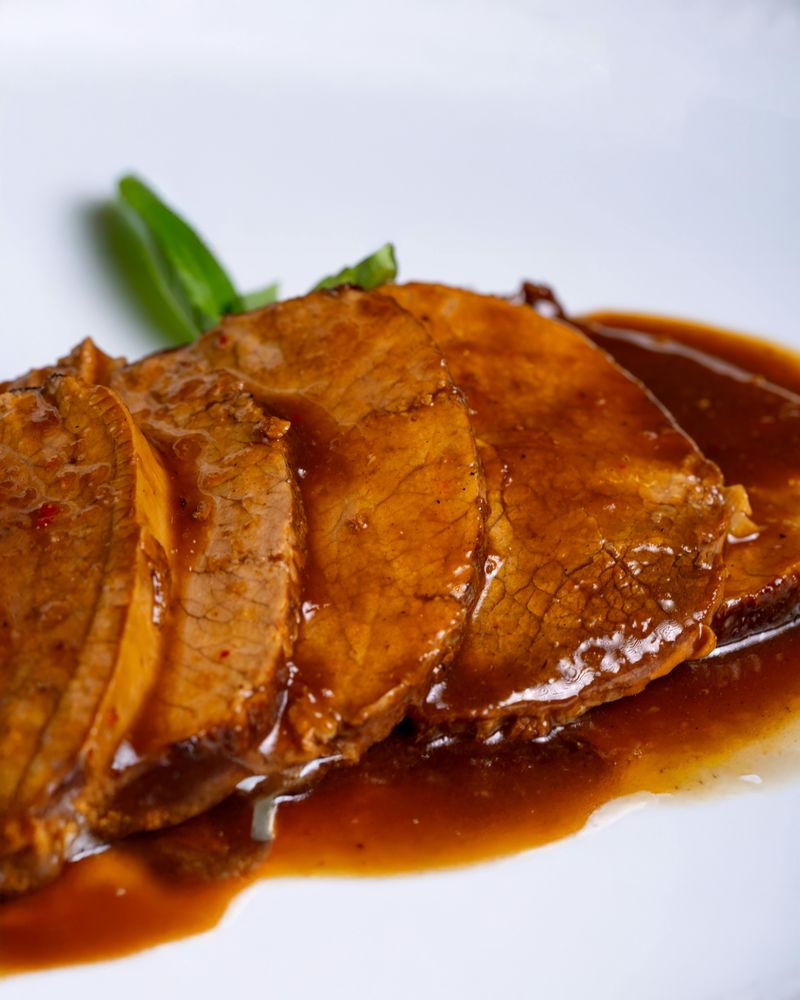
Roast beef and Yorkshire pudding is as British as red phone boxes and the Queen’s Guard, so it makes complete sense that Winston Churchill requested it regularly.
Household cooking records from the Churchill era confirm this was among his most frequently asked-for meals, and honestly, who could blame him?
Yorkshire pudding is that magical golden, puffy bread made from a simple batter that puffs up dramatically in the oven. Paired with rich roast beef, it is a meal that feels like a reward.
11. Napoleon Bonaparte’s Chicken Marengo
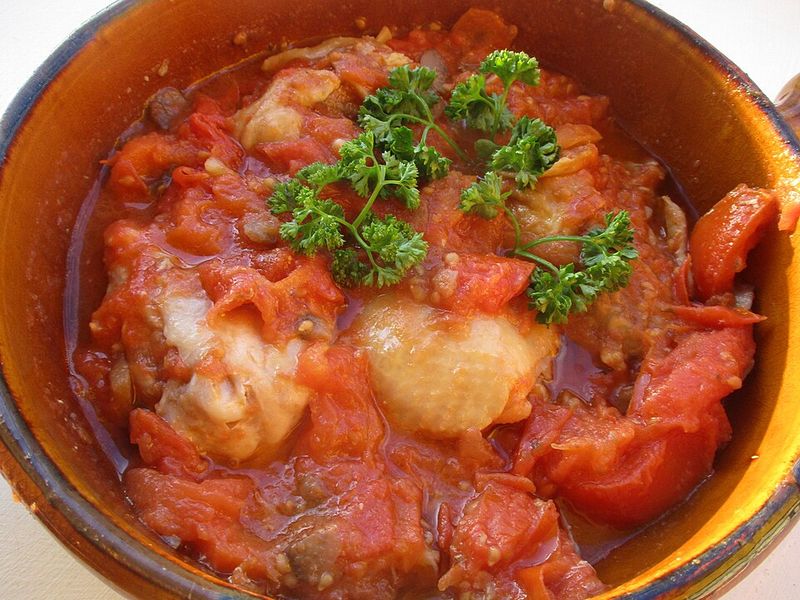
The origin story of Chicken Marengo is almost too dramatic to believe, which means it fits Napoleon perfectly.
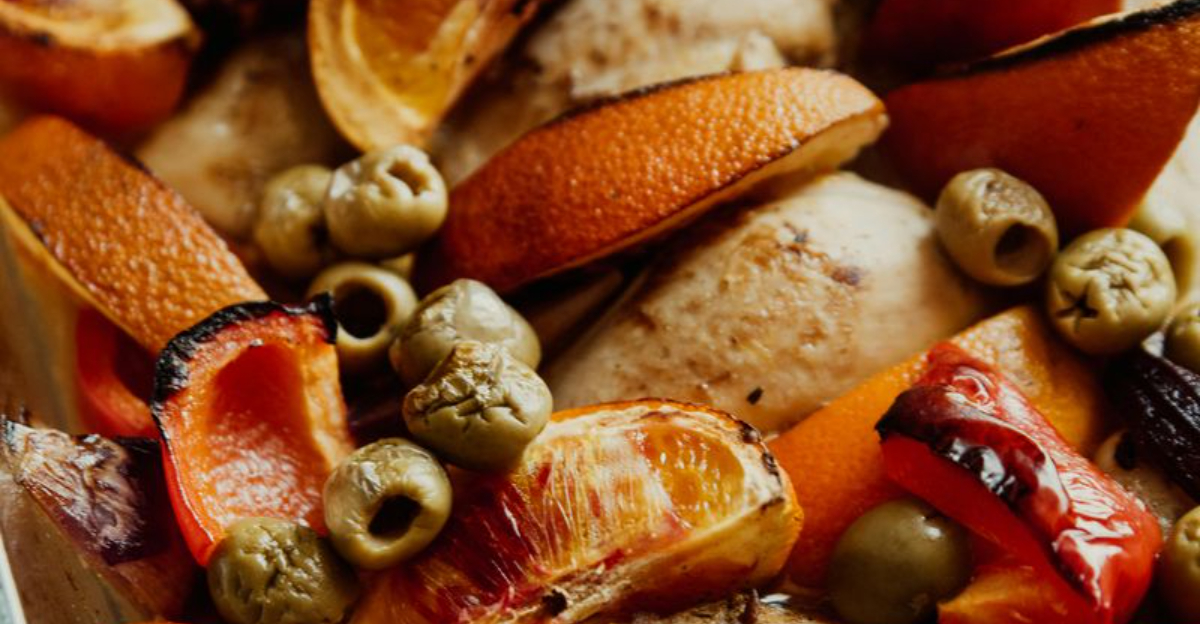
After the Battle of Marengo in 1800, his chef scrambled to prepare a meal using whatever ingredients were available nearby, and the result was sauteed chicken with garlic, tomatoes, crayfish, and fried eggs.
Poultry was already his preferred meat, so this battlefield creation landed right in his wheelhouse. Some historians think parts of the story got embellished over time.
However, the dish itself became famous, which means Napoleon won that battle and the dinner table simultaneously.
12. Princess Diana’s Stuffed Peppers
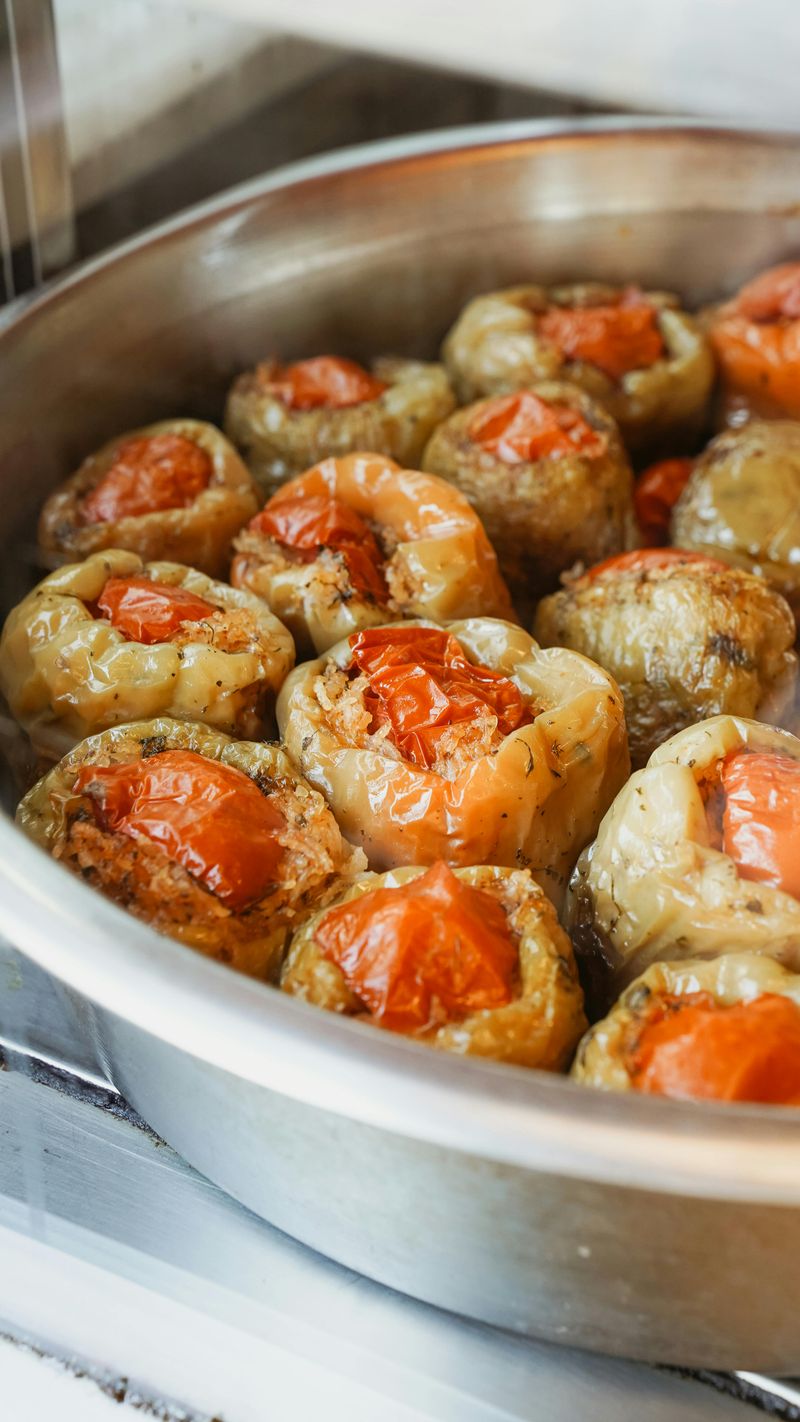
Chef Darren McGrady, who cooked for the royal family for years, recalled that stuffed peppers were one of Princess Diana’s genuine comfort food favorites.
Not just occasional requests either. She reportedly asked for them multiple times a week, which is a level of dedication most of us reserve for pizza.
Stuffed peppers are colorful, filling, and endlessly customizable, which seems to suit someone known for breaking royal molds.
Diana had a warmth and relatability that set her apart, and choosing a hearty dish like this captures exactly that spirit.
13. Andy Warhol’s Campbell’s Tomato Soup
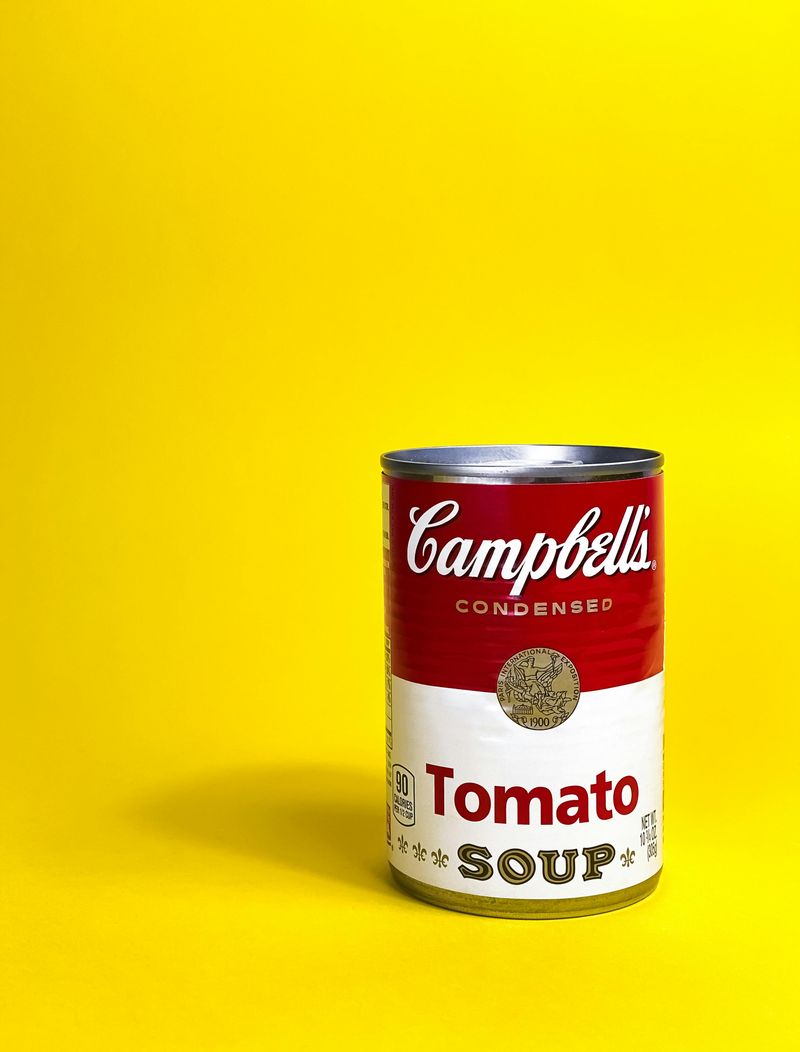
Andy Warhol turned a soup can into one of the most recognized artworks in the world, and the reason was surprisingly personal.
Warhol himself explained that he had eaten Campbell’s tomato soup for lunch repeatedly, almost every single day. It was not just art inspiration. It was a genuine daily habit.
Artsy notes he treated it as an everyday staple, the kind of meal that becomes invisible through repetition until someone decides to paint it four feet tall.
14. Queen Elizabeth II’s Chocolate Biscuit Cake
Royal desserts tend to involve layers, gold leaf, and names that take thirty seconds to pronounce. But Queen Elizabeth II kept her sweet tooth surprisingly straightforward.
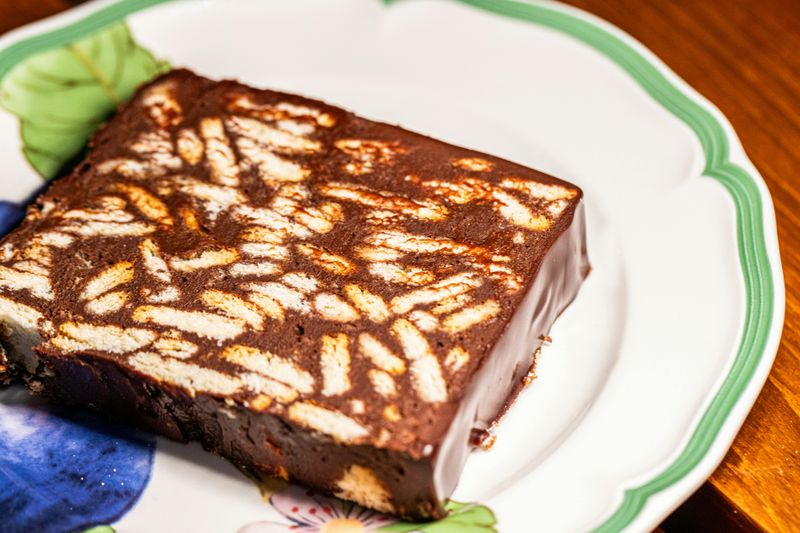
Former royal chef Darren McGrady says chocolate biscuit cake was, without question, her absolute favorite tea cake, and she requested it consistently throughout her reign.
The cake is made by mixing crushed biscuits into melted chocolate, chilling it into a firm loaf, then coating it in more chocolate. No baking required.