8 Films That Countries Banned For Shocking Reasons
Some movies are so controversial entire countries said, “Nope, not on our screens!” Graphic violence, political shockers, and mind-bending content have pushed governments, courts, and censorship boards to slam the brakes on films that went way past the expected limits. These 8 banned films are packed with bizarre plot twists, jaw-dropping scenes, and stories so strange they feel like fever dreams on celluloid.
Some sparked outrage, others sparked debates, and a few still haunt pop culture decades later. Dive into the chaos, uncover the wild reasons behind each ban, and see which films you’d dare to watch.
Which one would you risk the controversy for?
1. Cannibal Holocaust (1980)
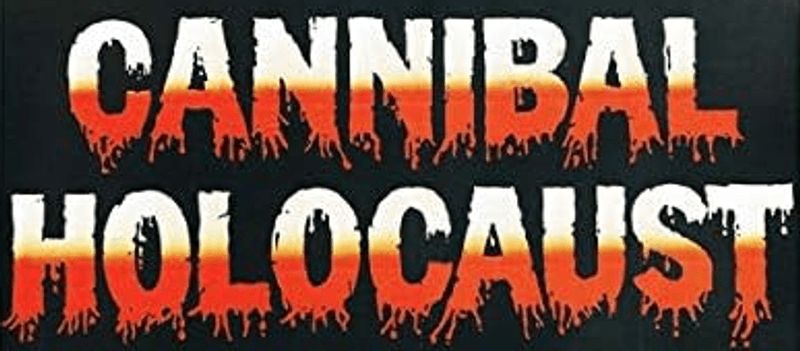
Imagine a film so realistic that its director got arrested. That is exactly what happened with this Italian horror masterpiece.
Director Ruggero Deodato was dragged into court because authorities believed the actors actually passed away on camera.
Banned in over 50 countries, the film featured brutal fictional violence. Deodato had to produce his actors alive in court just to prove it was fiction.
Wild, right?
2. A Serbian Film (2010)
Few films have triggered international outrage quite like this psychological horror from Serbia. Banned in countries including Norway, Australia, New Zealand, Ireland, and the Philippines, it holds the record for one of the most widely censored modern films ever made.
Its story follows a struggling actor who unknowingly participates in something deeply disturbing. Authorities worldwide agreed the content crossed every imaginable line.
Some film festivals that screened it faced serious legal consequences afterward.
3. Borat (2006)
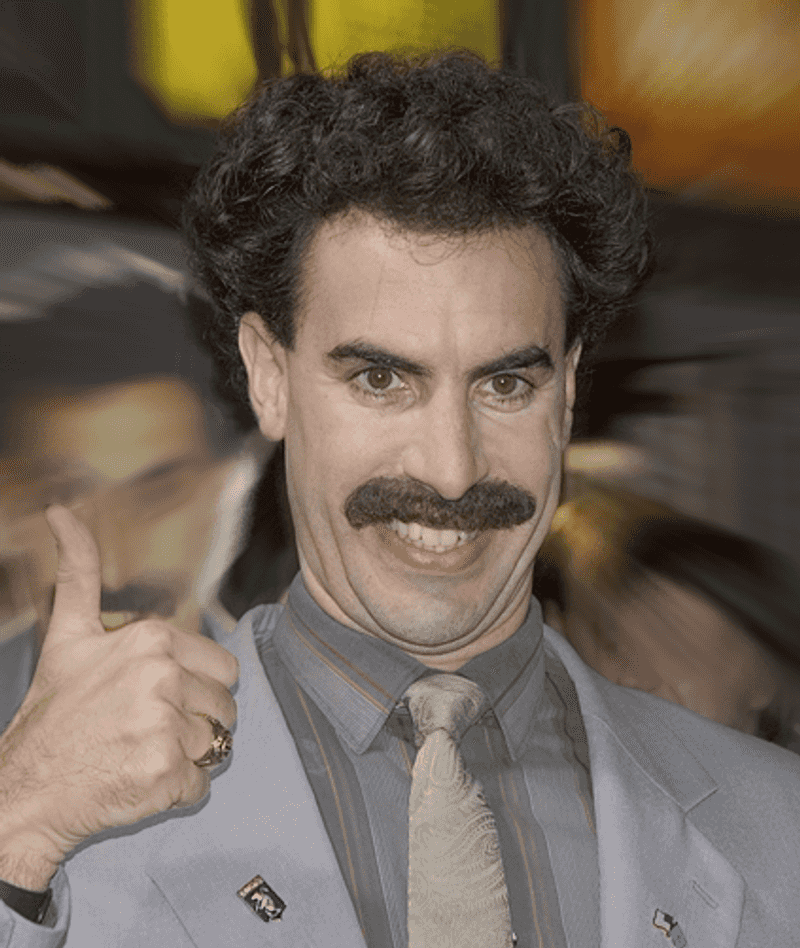
Sacha Baron Cohen’s mockumentary comedy had audiences worldwide in stitches, but Kazakhstan was definitely not laughing. The country threatened legal action and launched an international PR campaign to counter the film’s unflattering portrayal of their nation.
Russia and several other countries quietly restricted its screening too. Ironically, tourism to Kazakhstan reportedly spiked after the film’s release.
Turns out even bad press is good press sometimes. Who knew a comedy about fake news could create very real diplomatic headaches?
4. Schindler’s List (1993)
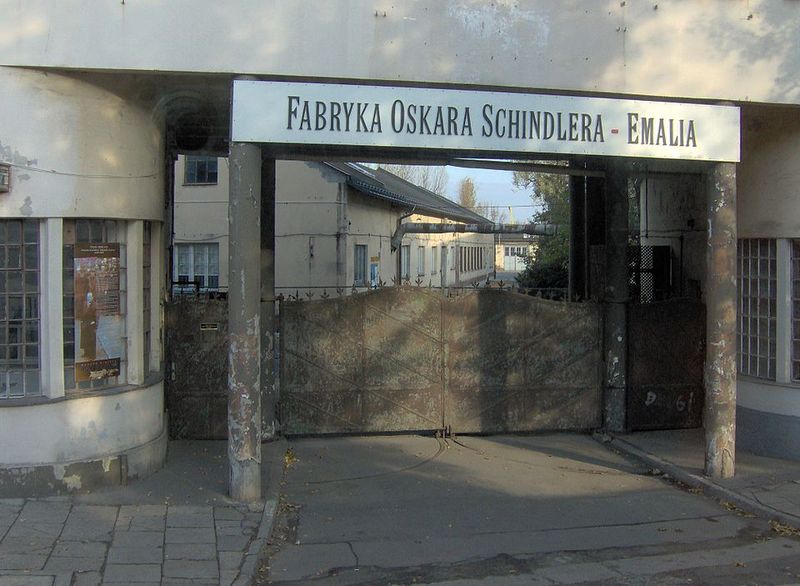
Image Credit: Noa Cafri , licensed under CC BY-SA 2.5. Via Wikimedia Commons.
Steven Spielberg’s Holocaust masterpiece won seven Oscars and is considered one of the greatest films ever made. However, Indonesia, Malaysia, and the Philippines banned it, citing content deemed unsuitable for local audiences.
Lebanon banned it simply because its director is Jewish.
China allowed a limited release but heavily censored certain scenes. If a film documenting real historical atrocities gets banned, what does that say about the countries doing the banning?
History, apparently, is sometimes too uncomfortable to watch.
5. Brokeback Mountain (2005)
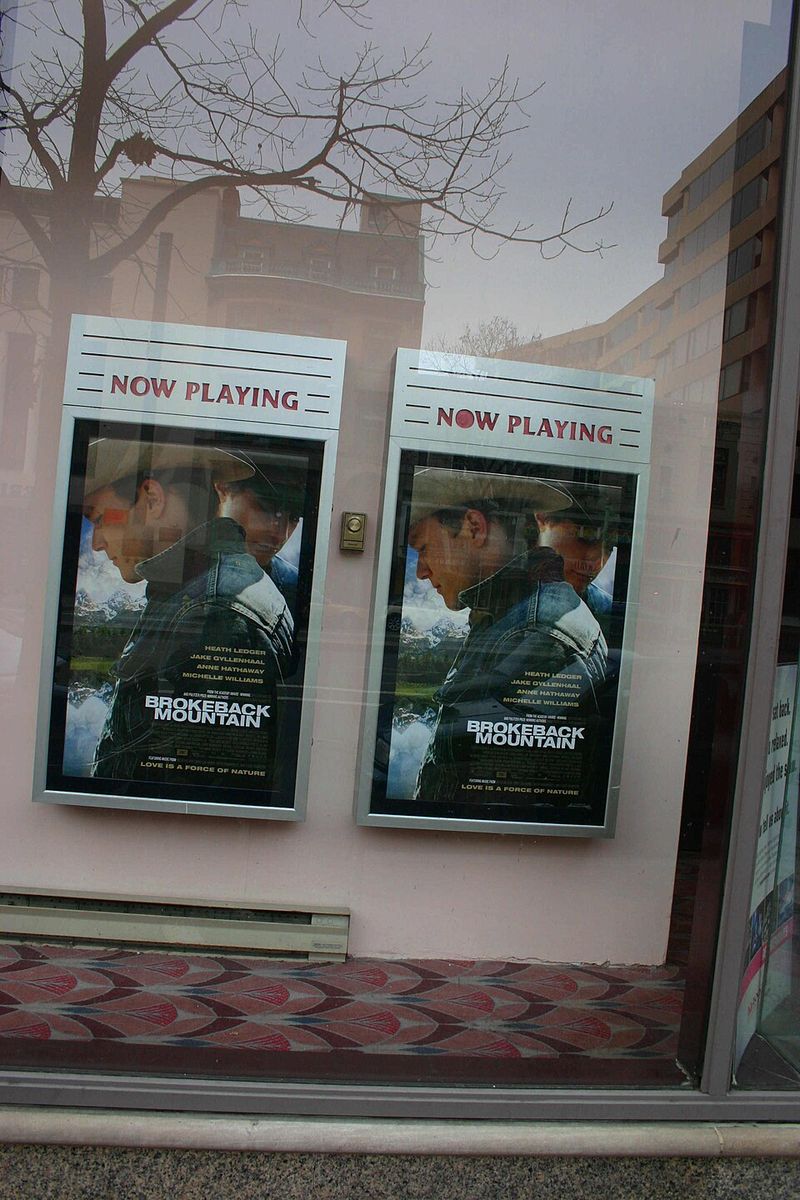
Ang Lee’s deeply moving love story won three Academy Awards and universal critical praise. However, several countries saw it very differently.
China, the UAE, and Bahrain banned it outright, while some American theaters in conservative states refused to screen it at all.
Even Utah, home to the film’s fictional setting, had theaters that declined to show it. The film sparked massive conversations about representation and freedom of expression in cinema.
Sometimes a quiet mountain story makes the loudest cultural noise imaginable.
6. The Da Vinci Code (2006)

Based on Dan Brown’s mega-bestselling novel, this Tom Hanks thriller sent religious communities into a frenzy worldwide. Pakistan, Egypt, Samoa, Solomon Islands, Jordan, and Sri Lanka all banned the film for allegedly disrespecting Christianity and misrepresenting Church history.
India allowed a release but required cuts in some states. China delayed its release for years.
Interestingly, the controversy only made people more curious, boosting global box office numbers significantly. Nothing sells movie tickets quite like telling people they cannot watch something.
7. Zoolander (2001)

Who would have guessed that a goofy comedy about a dim-witted male model would anger an entire nation? Malaysia banned Zoolander because its plot involves an assassination attempt against the Malaysian Prime Minister.
Government officials were not exactly fans of the joke.
The ban stayed in place for years after the film’s release. Meanwhile, Ben Stiller’s “Blue Steel” look became a global pop-culture icon.
Sometimes the silliest films end up making the most serious political waves without even trying to.
8. The Interview (2014)
No film in modern history caused an international incident quite like this Seth Rogen and James Franco comedy. North Korea was so outraged by its plot, which involves assassinating Kim Jong-un, that hackers allegedly linked to the government attacked Sony Pictures in retaliation.
The U.S. government got involved. Theaters received bomb threats.
Sony briefly pulled the film before releasing it online. A comedy about a fictional assassination somehow triggered a real-world cybersecurity crisis.
Even Hollywood scriptwriters could not have written that plot twist.