
15 Films That Took An Unusually Long Time To Make
It’s been 84 years, or at least that’s how it feels when certain movies finally make it to theaters.
Some projects take so long that audiences grow up, technology changes, and release dates start sounding like folklore.
These fifteen movies prove that in Hollywood, patience is not just a virtue, it’s practically part of the production schedule.
Note: The content is provided for general informational and entertainment purposes and is not legal, financial, or professional advice.
1. Wicked
Universal announced plans to adapt the Broadway smash in 2012, then watched the calendar pages fly.
Casting rumors swirled for years while screenwriters tweaked dialogue and directors cycled in and out. Fans refreshed social media feeds daily, hoping for a release date that kept sliding forward like a stubborn bookmark.
When the film finally landed in 2024, advance ticket demand surged as the release finally locked in. All that waiting turned anticipation into box-office gold.
2. The Man Who Killed Don Quixote
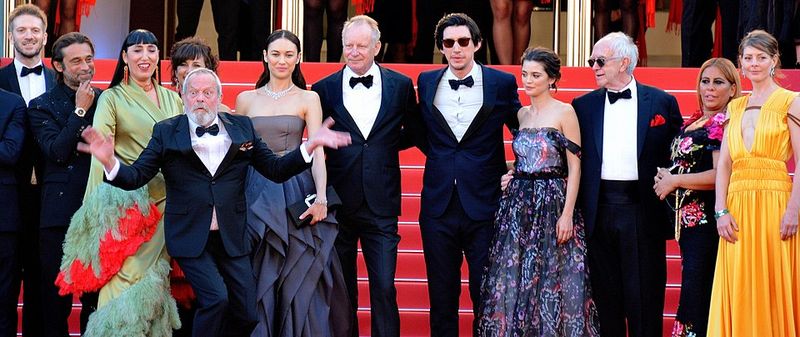
Three decades of setbacks followed Terry Gilliam as he chased this story across Spain through floods, lawsuits, and disappearing budgets.
Studios withdrew, actors aged out of roles, and insurance companies groaned whenever his name appeared on a contract. Film crews packed up mid-shoot more than once.
Still, he kept tilting at his own windmills, rewriting scripts and recasting leads until the movie finally premiered in 2018. Persistence ultimately became the true hero of the entire saga.
3. The Thief And The Cobbler
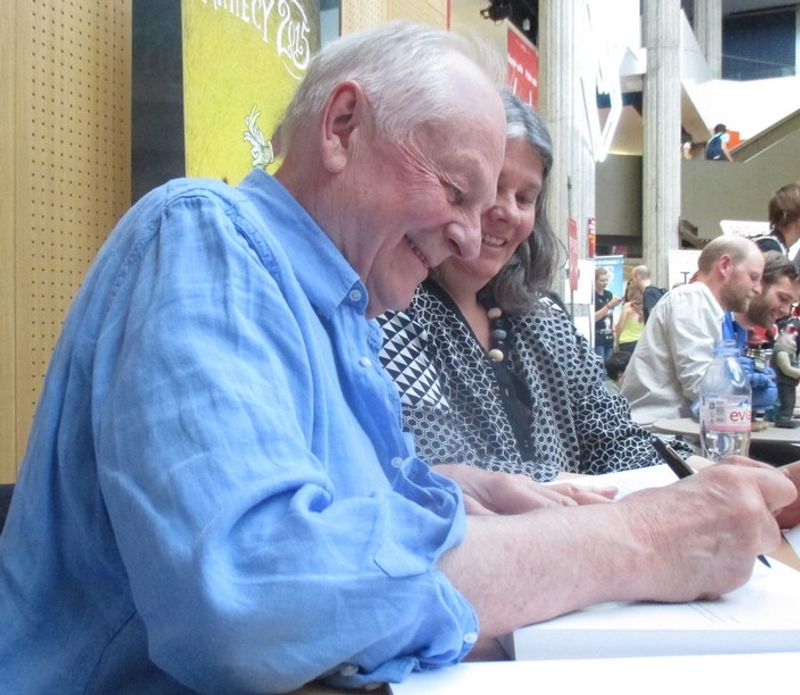
Ambition took shape in 1964 when Richard Williams began sketching frames for an animated masterpiece meant to rewrite the rulebook.
Funding disappeared again and again as perfectionism drove endless revisions, with sequences redrawn so often the team wondered if sunrise would ever arrive.
Twenty-eight years later, a patchwork version reached theaters in 1995, missing large portions of Williams’ original vision. A cobbler’s journey ultimately became a cautionary tale about perfectionism colliding with reality’s stubborn deadline.
4. The Other Side Of The Wind
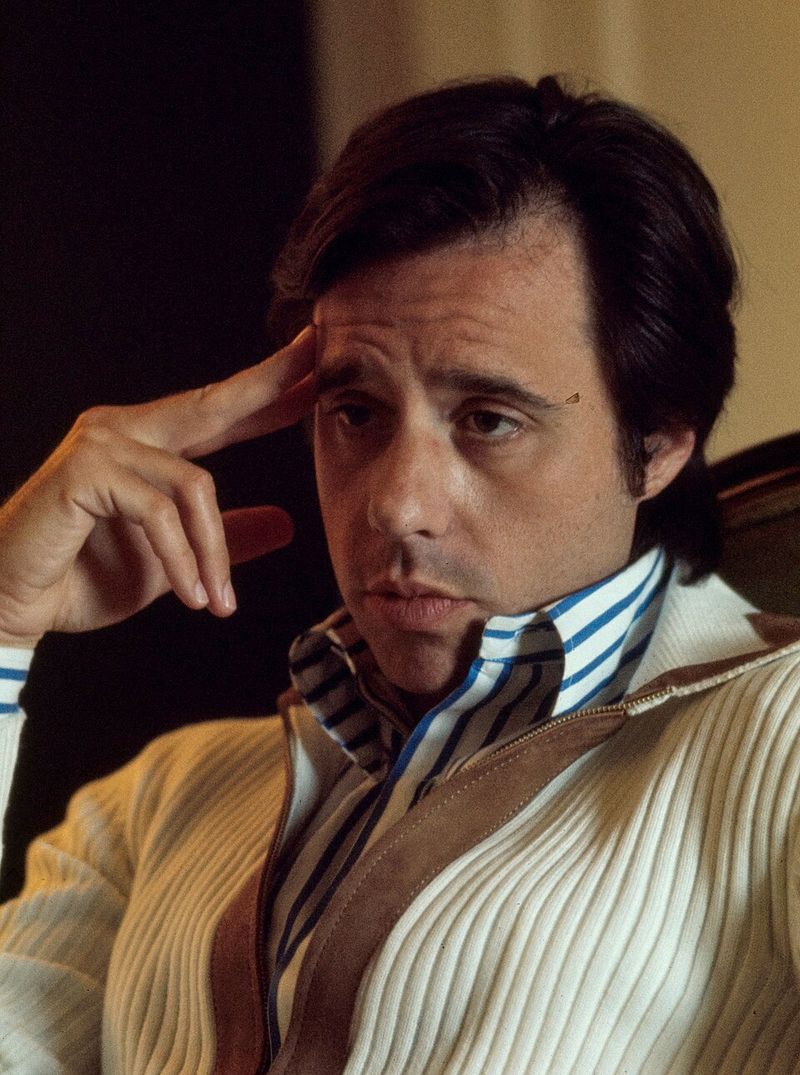
Production stretched across the 1970s as Orson Welles filmed scene after scene, only to see legal disputes lock the reels away in a vault for decades. Financiers argued, rights holders feuded, and the project remained trapped in limbo long after Welles passed away in 1985.
Rescue finally arrived in 2018 when Netflix assembled scattered footage into a completed cut that felt like a message sent from another era.
Forty-eight years later, the film proved that some stories can resurface, even after decades in limbo.
5. Boyhood

Richard Linklater gathered his cast every summer from 2002 to 2013, filming a few scenes as everyone aged in real time.
No makeup tricks or digital wizardry.
Haircuts changed, voices deepened, and the script evolved alongside the actors’ lives. Watching the finished film feels like flipping through a family photo album where every snapshot tells a new chapter.
Twelve years condensed into two and a half hours of pure authenticity.
6. Eyes Wide Shut
A Guinness record followed the longest continuous film shoot, keeping Tom Cruise and Nicole Kidman on set for an unbroken 46 weeks.
Endless takes reflected Kubrick’s pursuit of perfection, with scenes rehearsed until actors could recite lines in their sleep. Production ultimately stretched across 15 months, as crew members marked birthdays and holidays between camera rolls.
Meticulous attention transformed every frame into something resembling a painting, proving that patience can give rise to cinematic legend.
7. Dallas Buyers Club
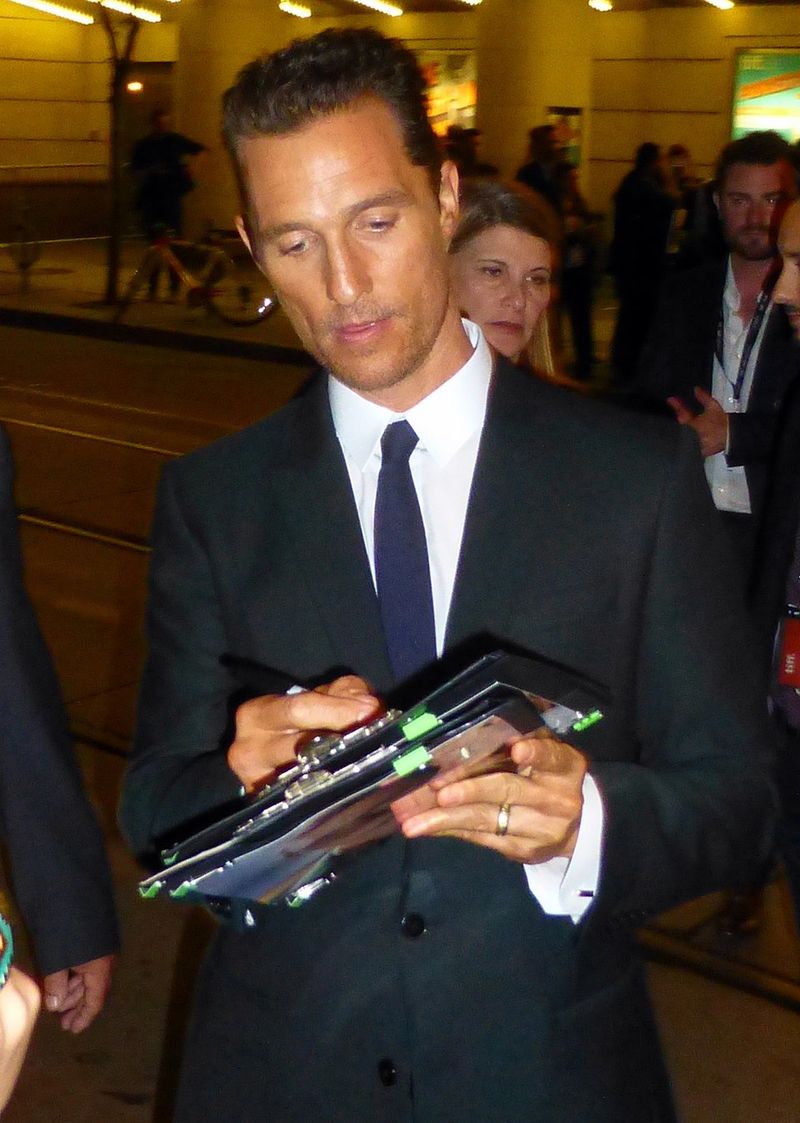
Hollywood shelves held the script for years as studios repeatedly passed on its risky subject matter. Financing fell apart again and again, while attached actors drifted away toward other projects.
Matthew McConaughey stepped in during 2013 and became the champion the story desperately needed.
Relentless commitment revived a project that had been written off again and again during a long stretch in development. Twenty years of rejection ultimately transformed into Oscar-winning success.
8. Fitzcarraldo

In an attempt to avoid using special effects, Werner Herzog carried a 320-ton steamship over a mountain in the Peruvian jungle.
Cast members quit, accidents halted filming, and local tribes observed the unfolding chaos with quiet amusement.
Production gained a reputation as legendary as the finished film itself, with Herzog’s stubborn determination turning into filmmaking folklore. Fitzcarraldo’s journey ultimately mirrored Herzog’s own struggle against impossible odds, suggesting that extreme ambition and artistry often collide on productions like this.
9. Cleopatra
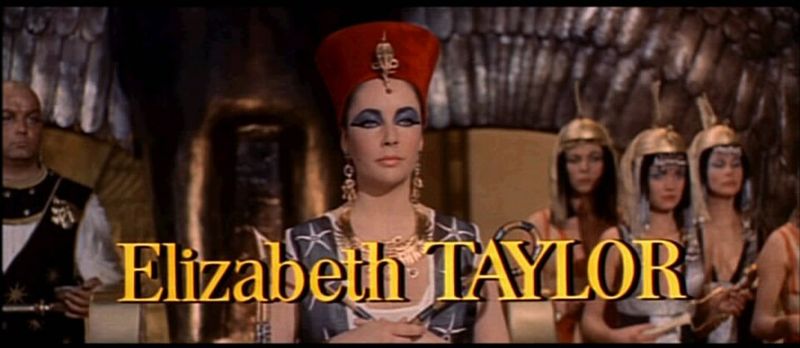
Production stalled again and again as Elizabeth Taylor’s health crises forced repeated shutdowns.
Runaway costs pushed the budget past $44 million in 1963 dollars, while collapsing sets and fired directors brought 20th Century Fox dangerously close to bankruptcy.
Lavish costume changes alone reached a scale grand enough to fill an entire museum wing. Tabloids feasted on the chaos, fueled further by Taylor and Richard Burton’s headline-making romance.
Cleopatra’s glittering crown ultimately carried a price tag so enormous it still makes accountants wince decades later.
10. Apocalypse Now

Francis Ford Coppola watched typhoons destroy his sets in the Philippines, then rebuilt them while actors battled heatstroke and breakdowns.
Martin Sheen experienced a serious health emergency during production.
Marlon Brando arrived overweight and unprepared, forcing Coppola to improvise entire scenes in the shadows. The production dragged on so long that crew members joked about retiring on location.
Coppola’s sanity frayed, but the finished film became a masterpiece worth every agonizing day.
11. A.I. Artificial Intelligence
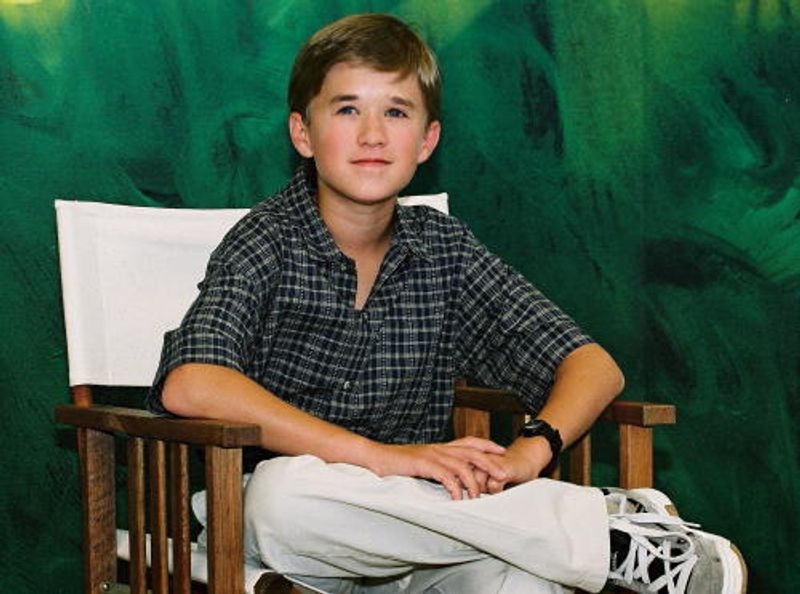
For decades, Stanley Kubrick nurtured this story through storyboards and research while waiting for technology to catch up with his vision.
Following Kubrick’s death in 1999, Steven Spielberg inherited the project and spent two additional years refining the script.
A 2001 premiere finally introduced a film that blended Kubrick’s cold precision with Spielberg’s warmth. Years of development produced a unique hybrid that divided critics while captivating audiences.
12. Avatar
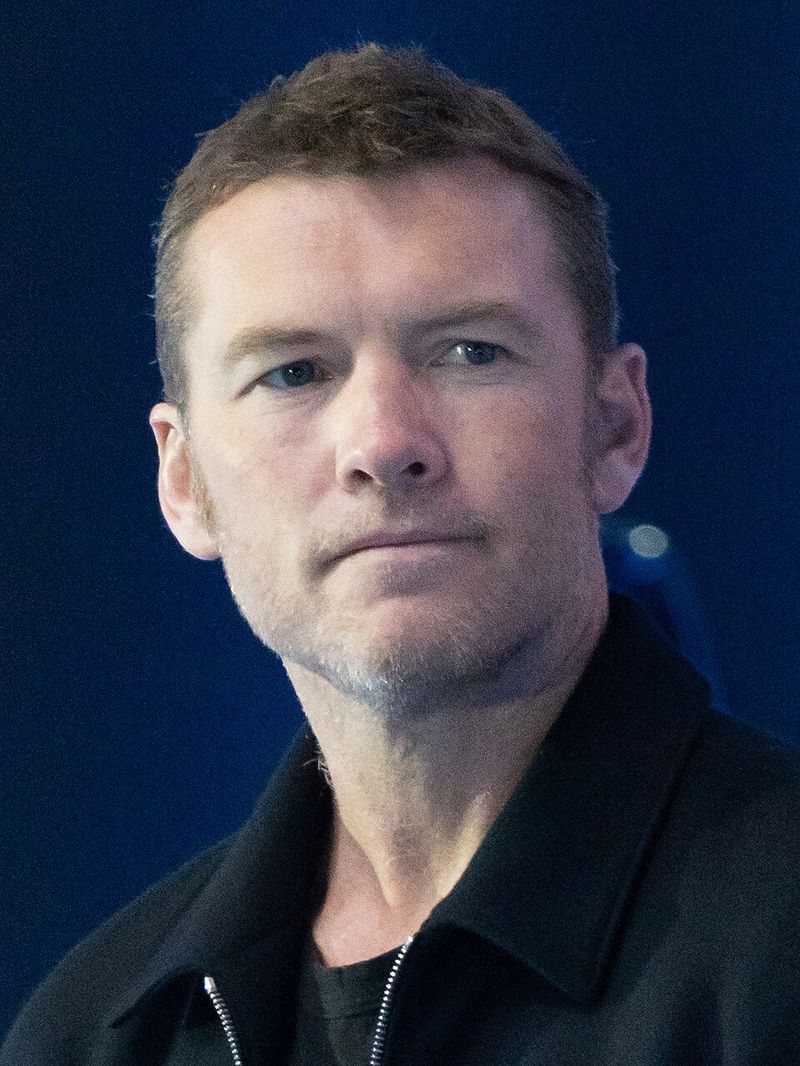
Pandora first existed in James Cameron’s imagination during the 1990s, long before filmmaking technology could bring it to life. Limitations forced patience as motion-capture systems advanced and 3D cameras slowly caught up with his ambitions.
Years passed with script revisions happening between deep-sea expeditions and technical experimentation.
Production in the mid-2000s required new filmmaking tools built almost from scratch as cameras and workflows evolved in real time. Avatar arrived in 2009 and shattered box-office records, proving that true visionaries sometimes have to invent the road before they can travel it.
13. Mad Max: Fury Road
George Miller sketched storyboards for years while financing fell through and studio executives doubted anyone still cared about Max’s wasteland.
Sandstorms delayed shoots, and elaborate vehicle rigs required months of welding and testing.
When Fury Road finally roared into theaters in 2015, audiences discovered a two-hour chase scene that redefined action cinema. The wait transformed a sequel into a cultural reset button, proving patience can fuel pure adrenaline.
14. Gangs Of New York
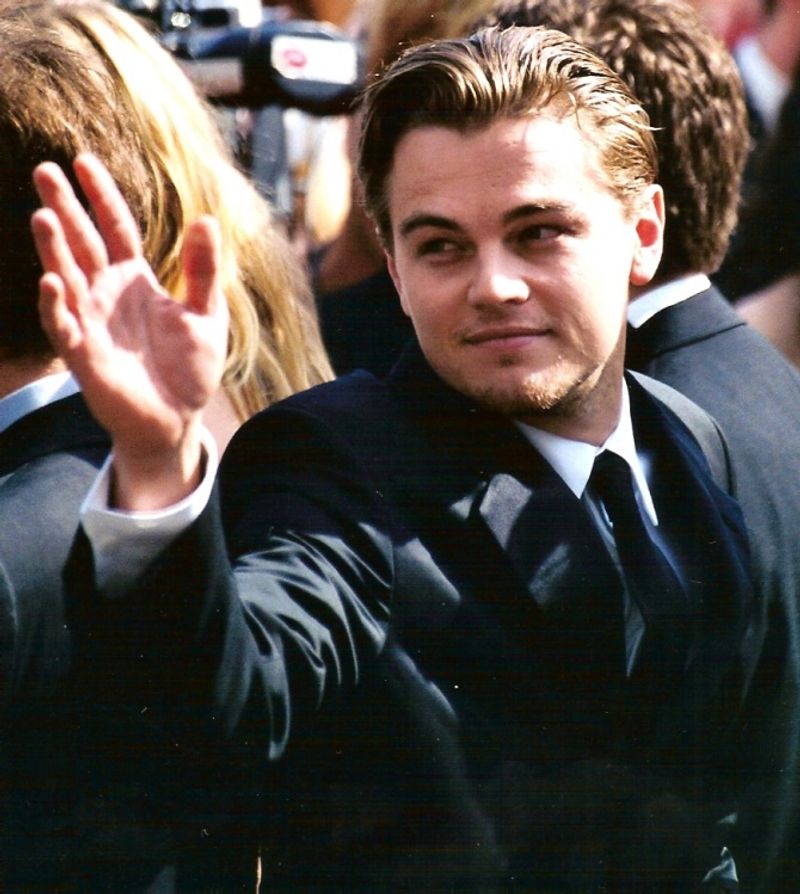
This story accompanied Martin Scorsese for decades as he pitched it to companies that were wary of the film’s huge historical scope and budget. Entire sets were constructed from the ground up to recreate 1860s Manhattan.
Months of preparation saw Daniel Day-Lewis disappear into character while Scorsese refined every detail behind the camera.
A 2002 premiere finally delivered a violent, sprawling epic that justified years of waiting and every dollar devoted to authenticity.
15. Megalopolis

Francis Ford Coppola nurtured this passion project for decades, funding it with his own wine fortune after studios refused to gamble on his utopian vision.
Scripts were rewritten countless times as Coppola’s ideas evolved with age and experience.
Production finally reached the finish line, with the film released in 2024 after decades of on-and-off development, representing a lifetime of ambition poured into one grand statement. Coppola proved that some stories are worth waiting a lifetime to tell, even if you have to pay for them yourself.


_-_cropped.jpg)


.jpg)

.jpg)


_(cropped).jpg)


.jpg)