
15 Films Where Animals Carry The Mood From Start To Finish
Every so often, a film lets the humans step politely aside.
Fur, feathers, or hooves take center stage, and suddenly the emotional weight rests on a glance, a growl, or a perfectly timed tail flick. One wobble, one gallop, one soaring leap, and the audience is done for.
By the final scene, it is not the dialogue you remember, but the paw prints left all over your feelings.
1. Babe (1995)
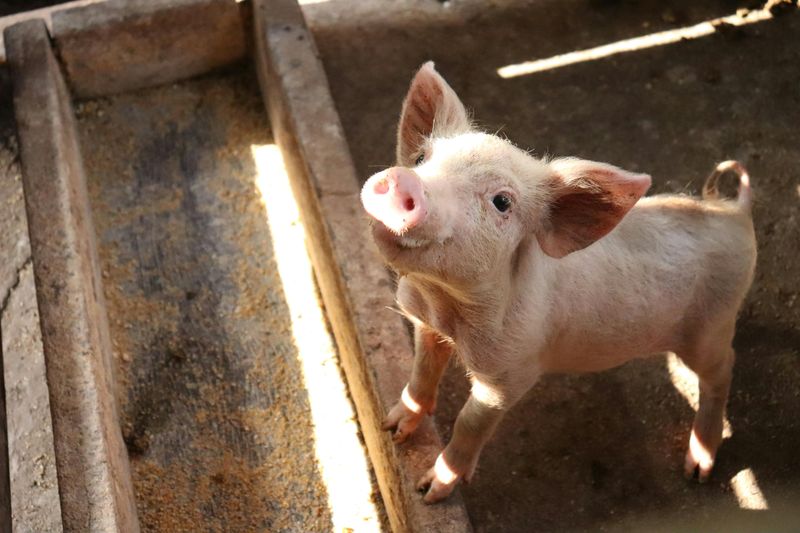
Idea of a pig herding sheep sounds absurd until Babe makes it feel entirely possible. On that farm, Babe transforms the barnyard into a stage for ambition and quiet courage that never relies on claws or fangs.
Every oink and bleat shapes the rhythm, turning the surrounding animals into a chorus of believers and skeptics.
Story quietly argues that the underdog, or rather the underpig, often carries the strongest heart. Cozy afternoon viewing fits perfectly, especially when a gentle reminder that different can be powerful feels welcome.
2. Watership Down (1978)
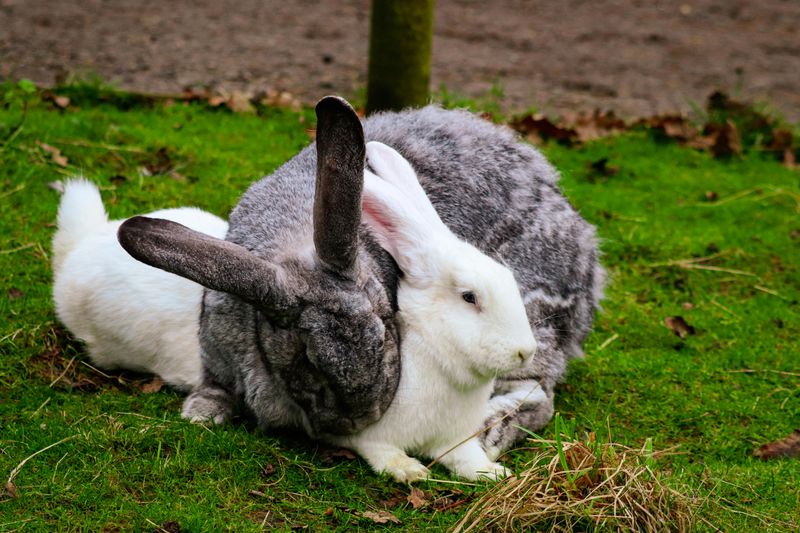
What sounds like a gentle tale about rabbits on the run lands with more force than most war dramas.
Journey from a failing warren toward uncertain safety unfolds with danger, hardship, and a strain of courage that tightens your chest.
Every hop forward carries weight. Animation style feels like a storybook that decided not to sand down its sharpest corners.
You will never look at a bunny the same way again.
3. March Of The Penguins (2005)
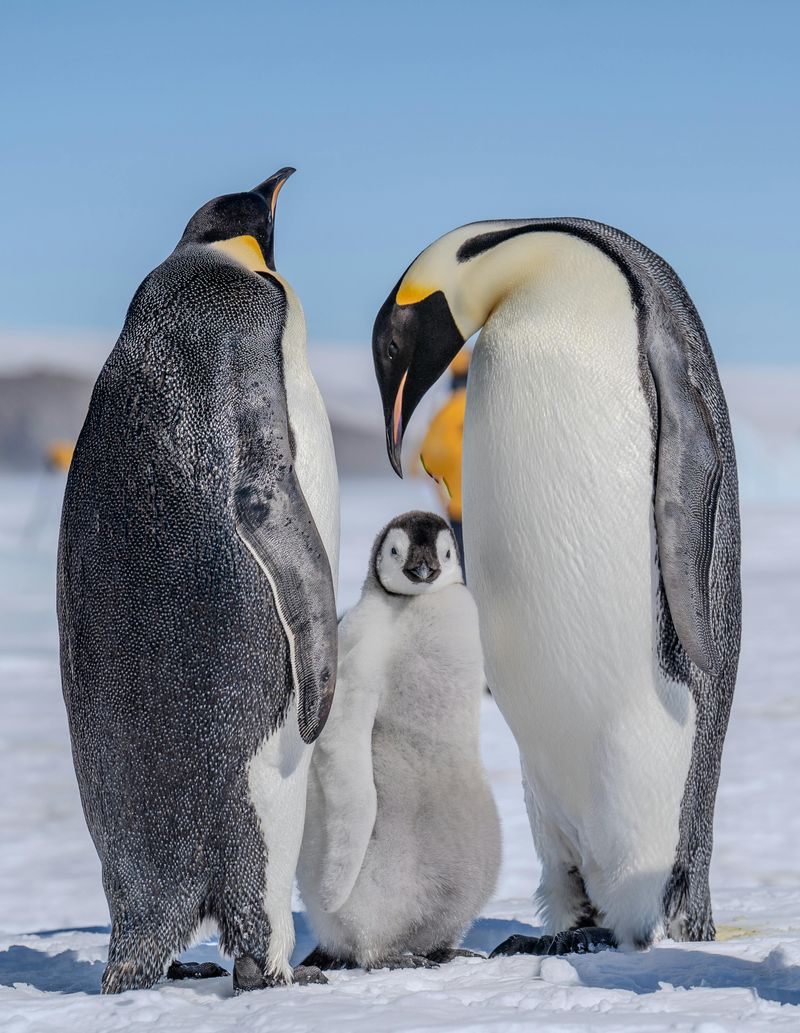
Penguins waddle across frozen wastelands just to have a baby, and somehow it becomes the most gripping story of the year. The icy silence, the relentless wind, and the sheer determination of these tuxedoed parents create a mood that is equal parts awe and anxiety.
Morgan Freeman’s narration helps, but the penguins do the heavy lifting.
This is nature at its most unforgiving and most beautiful.
4. Fly Away Home (1996)
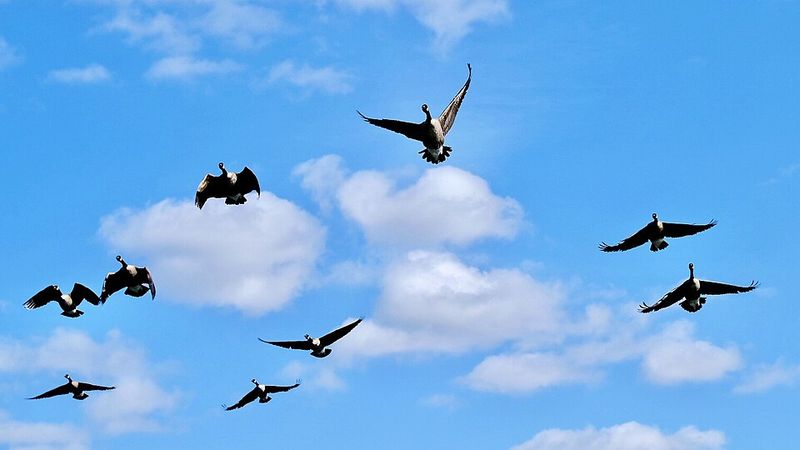
Until Fly Away Home depicts a dedicated kid and her father trying it with an ultralight plane, the idea of escorting orphaned geese across the sky appears unrealistic.
Trust between the young pilot and the birds anchors the story, turning each migration leg into an emotional milestone. Every takeoff carries the thrill of possibility, while each landing tightens the bond that keeps the flock together.
Open sky transforms into a path toward belonging, quietly suggesting that family can be built through care rather than shared DNA.
5. Hachi: A Dog’s Tale (2009)
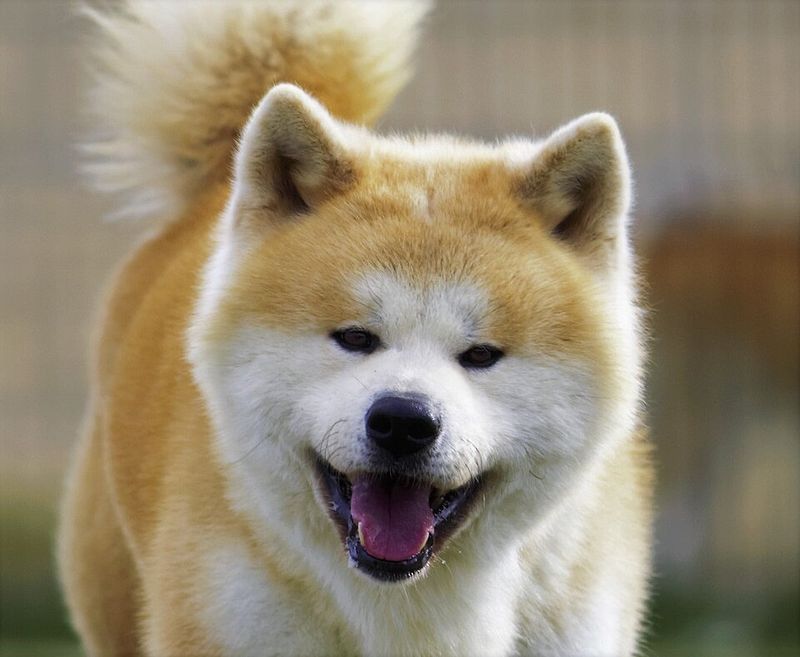
Devotion takes on a four-legged form in a story about a dog who returns to a train station every single day. Without a single spoken line, Hachi communicates through a tilted head and a steady gaze that carry more weight than pages of dialogue.
Connection between dog and owner anchors the entire film, and daily waiting transforms into a quiet meditation on love that endures. Tissues will likely become necessary, and keeping a second box nearby is not a bad idea.
6. Okja (2017)

Corporate ambition collides with rural innocence in Okja, where a giant super-pig and a determined girl refuse to back down.
Tenderness defines Okja despite her massive size, and her devotion to Mija powers every turn in the story. Tone shifts from playful adventure to stark confrontation with startling ease.
Laughter gives way to tears before the credits roll, and food choices may linger differently in the mind afterward.
7. Blackfish (2013)
At the center stands an orca named Tilikum, whose story reshapes the way captivity is viewed.
Behind those watchful eyes, intelligence and emotion remain impossible to ignore.
Each splash and carefully rehearsed trick carries an undercurrent of sorrow, and the documentary builds suspense with the pacing of a thriller. By the final frame, anger lingers, awareness deepens, and future theme park plans may feel harder to consider.
8. Winged Migration (2001)
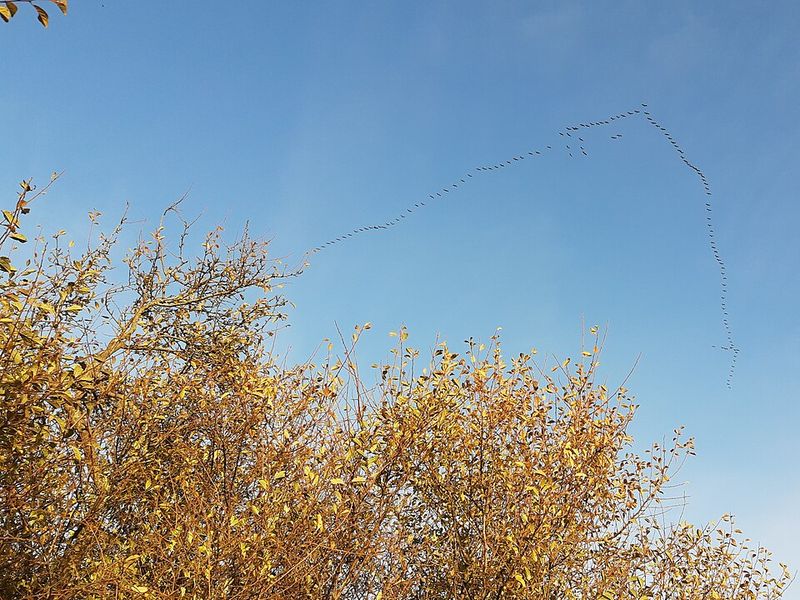
Birds migrate thousands of miles, and this film puts you right in the flock. The camera soars alongside geese, cranes, and storks, capturing exhaustion, beauty, and the raw determination it takes to cross continents.
No narration clutters the journey.
Just wings, wind, and the rhythm of survival. It feels less like a documentary and more like a meditation with feathers.
9. Microcosmos (1996)
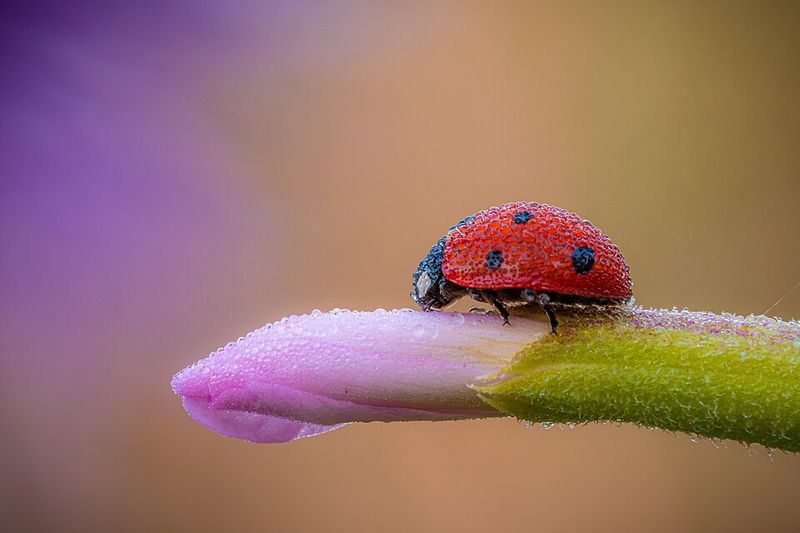
Scale flips completely in Microcosmos, where insects loom like giants once the camera moves in close.
Within a quiet meadow, snails court one another, ants clash in organized battles, and beetles climb terrain that looks mountainous from their perspective. Absence of dialogue shifts attention to movement and texture, inviting viewers to see through compound eyes instead of human commentary.
Single blade of grass towers like architecture, and an ordinary backyard begins to resemble an undiscovered planet.
10. Grizzly Man (2005)
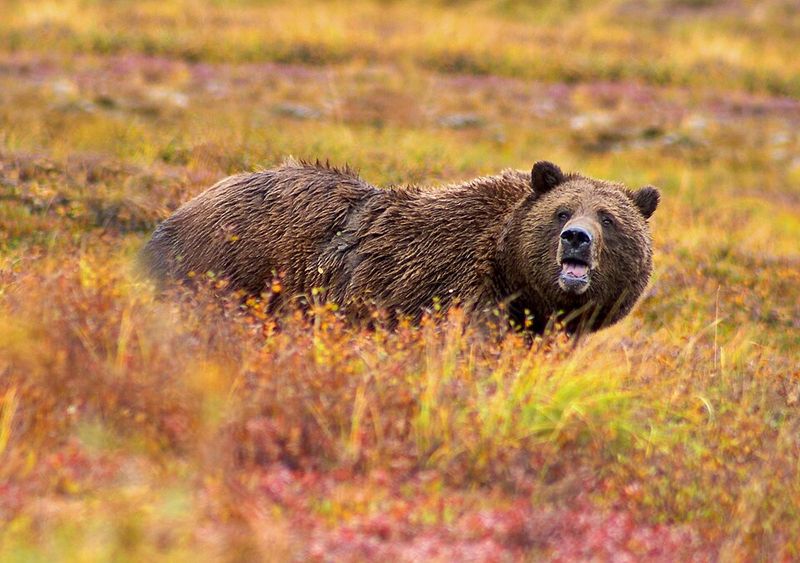
Summers spent among grizzly bears define Timothy Treadwell’s story, and Werner Herzog shapes that fixation into a haunting meditation on nature and instability.
Across the screen, massive bears move with calm power and utter indifference, a reminder that wild creatures offer no promises of friendship. Every frame crackles with tension.
Hard questions surface throughout, and simple answers never arrive.
11. The Bear (1988)
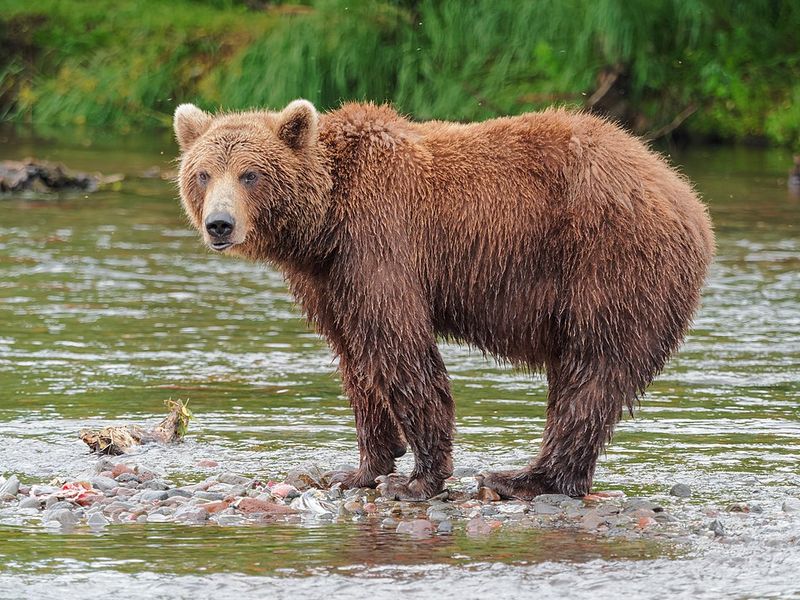
Two bears navigate the wilderness with almost no human dialogue, and somehow it works better than most scripts.
The cub’s innocence and the adult bear’s strength create a wordless bond that drives the story forward. Every rustle, growl, and footstep builds the mood, and the forest becomes a character all its own.
Nature doesn’t need subtitles to make you feel everything.
12. White Fang (1925)
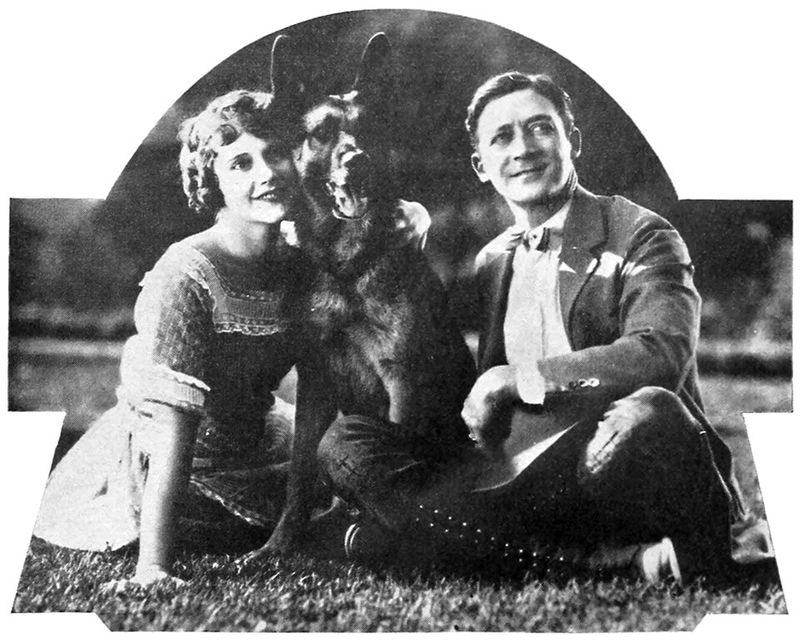
Frozen Yukon wilderness frames White Fang, where a wolf-dog gradually learns to trust the humans who enter his world.
Harsh terrain and the animal’s struggle to endure create a tone that feels gritty and unexpectedly contemporary. With dialogue kept sparse, expression in the dog’s eyes carries the emotional weight.
Old-school storytelling sharpens the experience, giving the adventure a raw edge that still holds up.
13. The Black Stallion (1979)
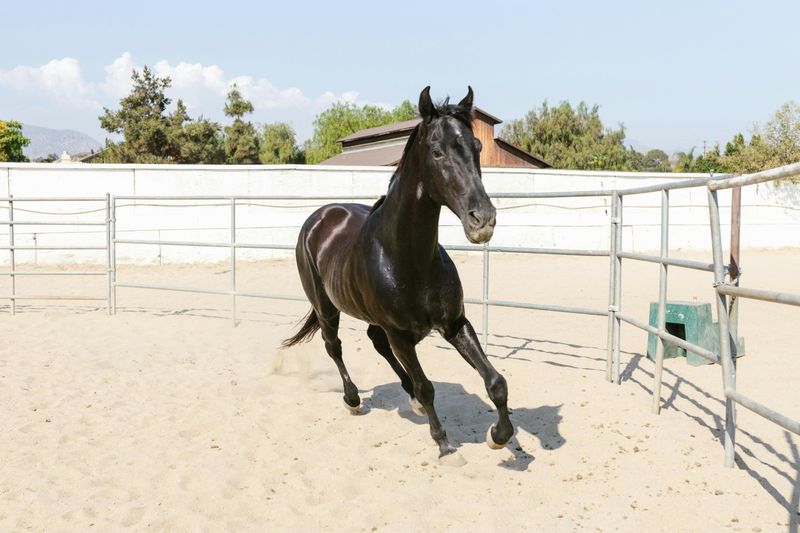
After a shipwreck leaves them stranded, a boy and a wild stallion forge a bond that never requires dialogue. Across deserted beaches and later under the lights of a racetrack, the horse’s strength and elegance guide every scene.
Long passages of quiet allow the rhythm of hooves and heartbeats to carry the emotion like poetry in motion.
At its core, the story explores connection between species without slipping into sentimentality.
14. Black Beauty (1921)
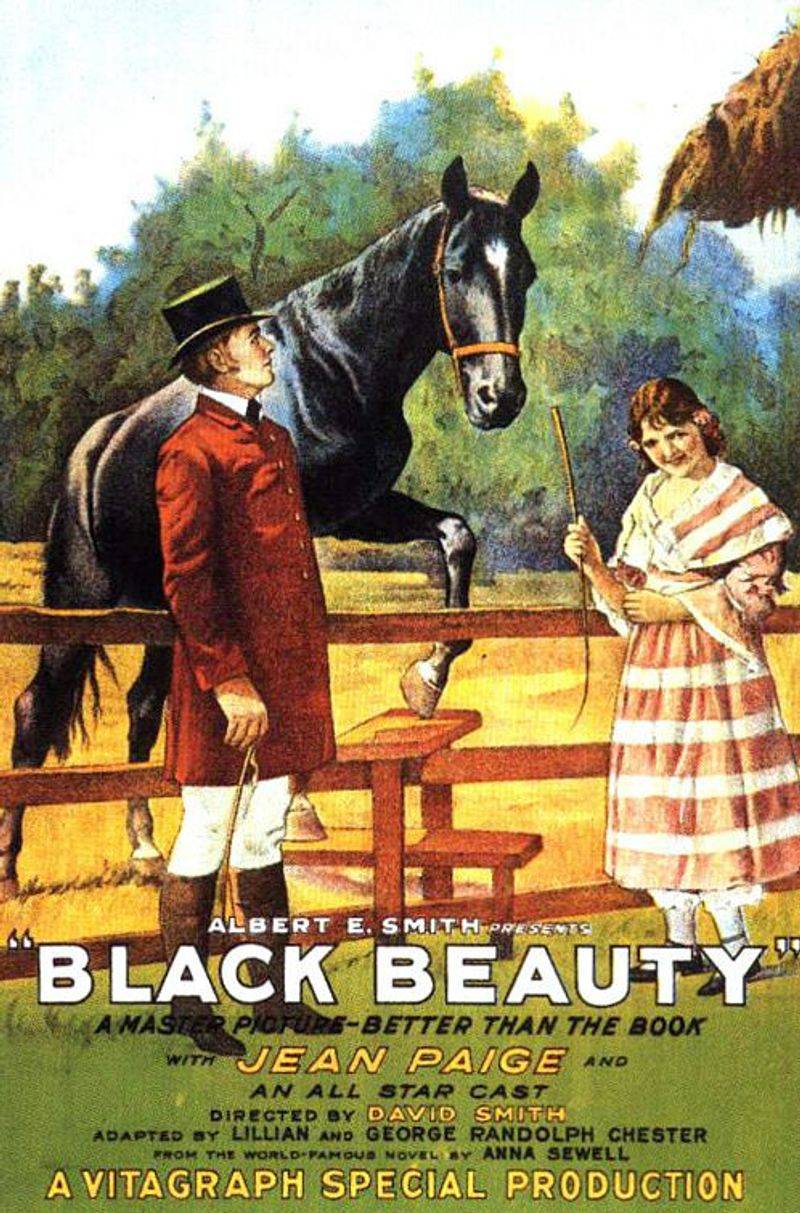
Told from the horse’s point of view, this silent classic gives Black Beauty a voice through title cards and expressive close-ups. The story follows hardship, kindness, and resilience, and the horse’s journey becomes a mirror for human harshness and compassion.
Every stable, every owner, every mile walked matters.
It is heartbreak on four legs with a glimmer of hope.
15. Free Willy (1993)
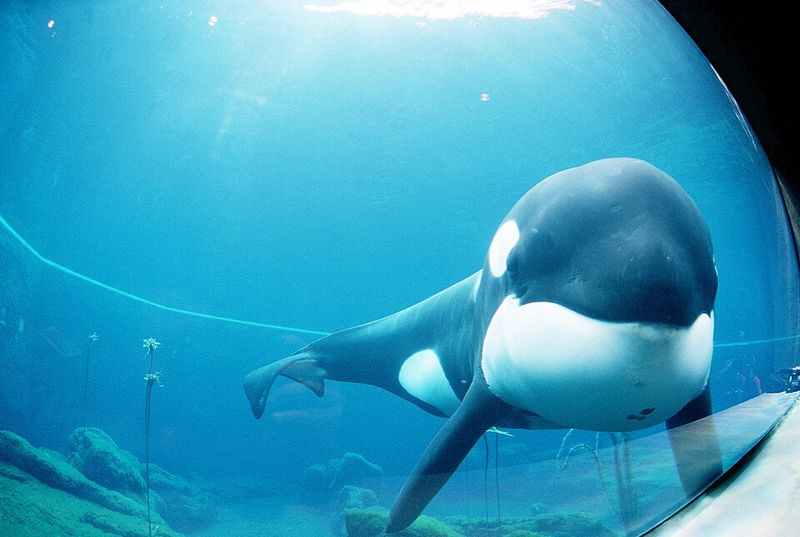
Captivity sets the stage in Free Willy, where a young boy and a confined orca discover freedom through each other. Willy stands at the center of every emotional turn, his size and intelligence shaping the story rather than serving as background spectacle.
Longing for the open ocean drives the plot forward and gives the bond real weight. Final leap lands as pure cinematic magic, sealing the journey in one unforgettable image.
Echoes of Michael Jackson on the soundtrack linger long after the credits roll.
Disclaimer: Film availability, ratings, and licensing details can change over time, and some titles may differ by region, edition, or re-release.
The content is provided for general informational and entertainment purposes and is not legal, financial, or professional advice.

.jpg)

.jpg)


_auf_Bl%C3%BCte_im_FFH-Gebiet_%22Viernheimer_Waldheide_und_angrenzende_Fl%C3%A4chen%22.jpg)


