25 Films With Strongly Divided Audience Reactions
One screening ends and the crowd is already split. Half the room is buzzing, the other half is fuming, and nobody can agree on what they just watched.
That kind of audience reaction turns a movie into the debate everyone keeps reopening.
Important: This article discusses audience reactions to widely released films using publicly available reception patterns and commonly reported conversation points. Interpretations of a movie’s themes and impact can vary significantly by viewer, context, and time.
1. Star Wars: The Last Jedi (2017)
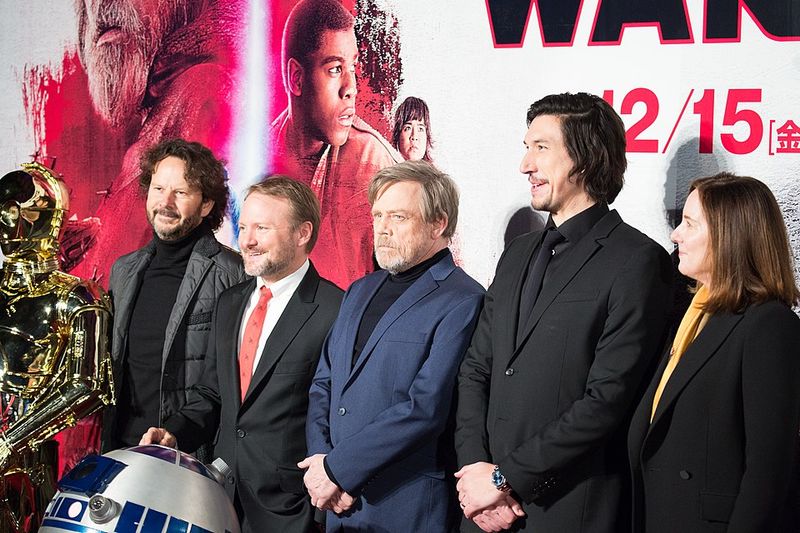
Bold storytelling choices drew praise from critics for upending expectations, while many longtime fans felt stung by surprising character turns. A striking split followed, with Star Wars The Last Jedi earning a strong critics score but a notably lower audience score, creating one of the more talked about critics versus audience splits in the franchise.
Debates over Luke Skywalker’s portrayal spread rapidly across social media and fan communities around the world.
Creative risks taken by Rian Johnson divided the fanbase in a way few installments ever had. Some viewers embraced the fresh direction, while others focused on opportunities they believed slipped away.
2. Star Wars: The Rise Of Skywalker (2019)
Arriving after a divisive previous entry, the finale faced unusually high expectations, this finale somehow managed to disappoint multiple groups simultaneously. The return of Emperor Palpatine felt rushed to some viewers while others appreciated the nostalgic callback.
Critics gave it mixed reviews around 52%, yet audiences were slightly warmer at 86%.
Plot twists involving Rey’s heritage sparked heated conversations about storytelling consistency. Whether you loved or hated the ending, everyone had strong opinions about how the saga concluded.
3. Batman V Superman: Dawn Of Justice (2016)
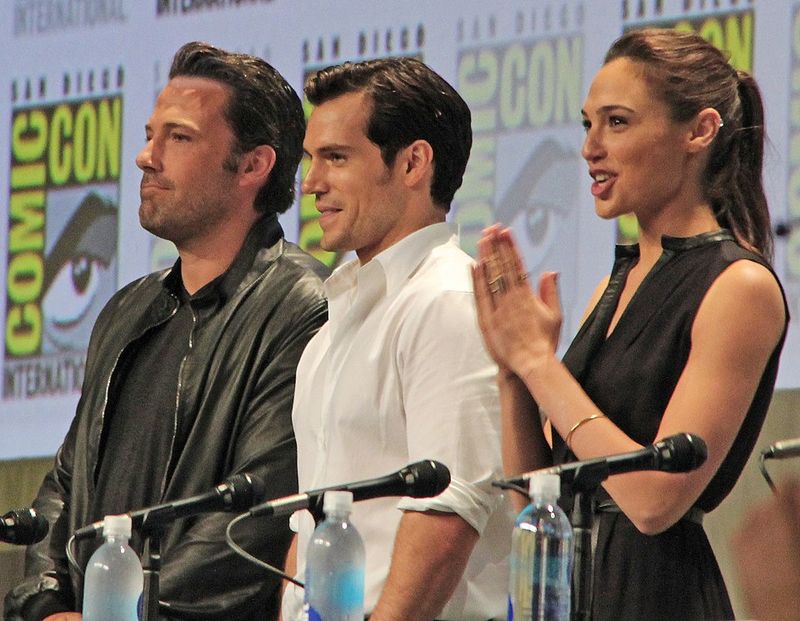
Dark, brooding, and unapologetically serious, this superhero clash split comic book fans right down the middle.
Critics slammed Batman v Superman Dawn of Justice with a 29 percent rating, while audiences pushed back with a stronger 63 percent score. Praise even came for Ben Affleck’s take on Batman, yet Jesse Eisenberg’s portrayal of Lex Luthor quickly became a lightning rod for criticism.
Infamous “Martha” scene turned into instant internet meme material almost overnight.
Some viewers embraced Zack Snyder’s gritty vision, while others wished for a lighter tone in their superhero stories.
4. Suicide Squad (2016)
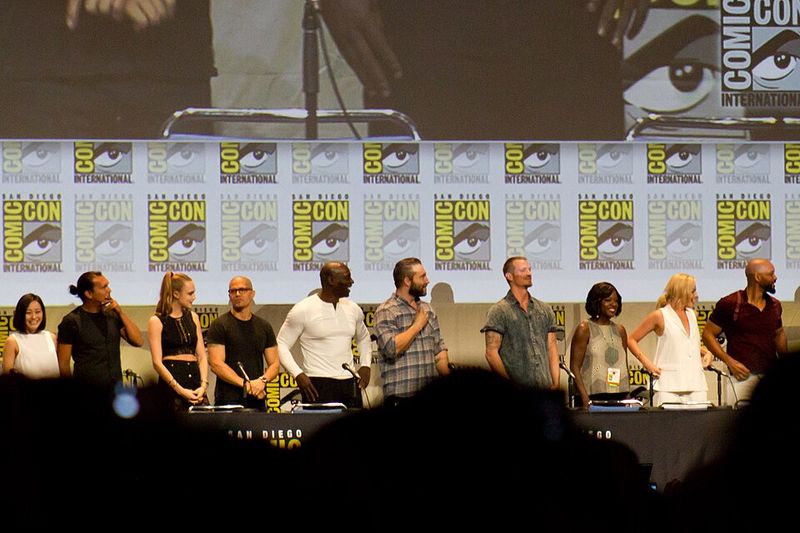
Marketed as a fun, anarchic romp, Suicide Squad reached theaters in a form many viewers found choppy and confused.
Reports about extensive reworking and a heavily revised edit became part of the conversation.
Review scores reflected that divide, with critics landing at 26 percent while audiences proved more forgiving at 59 percent.
Breakout performance from Margot Robbie turned Harley Quinn into an instant pop culture icon despite the mixed response. Mismatch between energetic trailers and the finished film left many moviegoers feeling misled about the experience they expected.
5. Justice League (2017)
Production troubles plagued this superhero team-up from the start, resulting in tonal whiplash throughout.
When Joss Whedon took over directing duties from Zack Snyder, the finished version drew comments about an uneven tone. Critics weren’t impressed at 40%, and audiences gave it a lukewarm 67% despite their anticipation.
The CGI used to remove Henry Cavill’s mustache became a notorious distraction. Years later, the Snyder Cut release reignited debates about studio interference and directorial vision.
6. Man Of Steel (2013)
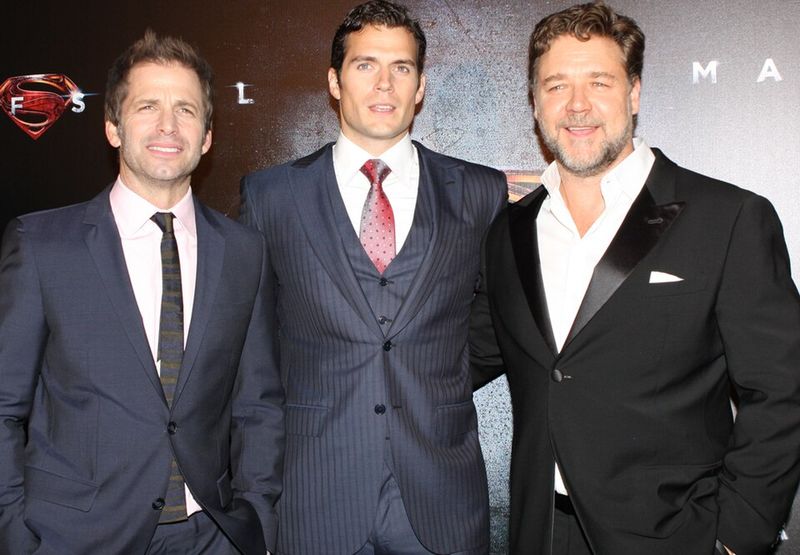
Grittier direction for Superman excited some viewers while pushing away fans who preferred classic optimism. During the climactic battle, widespread destruction across Metropolis raised tough questions about collateral damage and sharply divided audiences.
Score splits captured that debate, with Man of Steel earning 56 percent from critics and 75 percent from audiences.
Strong approval followed Henry Cavill’s performance, yet the film’s serious tone drew constant comparisons to Christopher Reeve’s brighter interpretation. Online discussions even turned toward whether Superman should smile more, proving how deeply fans care about the character’s spirit.
7. Joker (2019)
Joaquin Phoenix’s haunting performance earned acclaim, yet the film’s sympathetic portrayal of violence worried many critics and viewers.
The movie sparked debates about mental health representation and whether society glorifies dangerous individuals. Critics gave it 68% while audiences pushed it to 89%, revealing a gap in how different groups interpreted its message.
Some called it a masterpiece of character study. Others raised concerns for some viewers about how audiences might interpret its themes.
8. Ghostbusters (2016)
Ahead of release, Ghostbusters turned into a flashpoint for cultural debates that overshadowed the film itself.
Review scores reflected a split response, with critics landing at 49 percent while audiences posted a similar 49 percent score.
A talented ensemble cast faced a mix of unfair backlash and more traditional criticism aimed at the script and comedic tone. Online hostility surrounding the remake often drowned out thoughtful conversation about what worked and what did not.
How viewers approached it, as a straight comedy or a broader cultural statement, largely shaped the overall experience.
9. The Matrix Resurrections (2021)
Returning to the Matrix nearly two decades later, this sequel felt both nostalgic and unnecessarily meta to different viewers. Director Lana Wachowski crafted a film that questioned why sequels exist, which ironically became its most divisive element.
Critics landed at 63% while audiences dropped to 64%.
Long-time fans debated whether the self-aware approach honored or mocked the original trilogy’s legacy. Some appreciated the philosophical questions while others just wanted more action sequences like the good old days.
10. Sucker Punch (2011)
Visually dazzling yet narratively puzzling, this film left many viewers unsure what they had just experienced.
Zack Snyder’s ambitious mix of fantasy, action, and psychological drama in Sucker Punch drew only 23 percent from critics and 47 percent from audiences. Debate erupted over the movie’s approach to female empowerment, with some arguing it offered strength while others felt it leaned into exploitation.
Certain viewers discovered deeper meaning within the layered reality sequences woven through the story. Others brushed it off as style over substance, even as most agreed the visual design remained striking from start to finish.
11. Prometheus (2012)
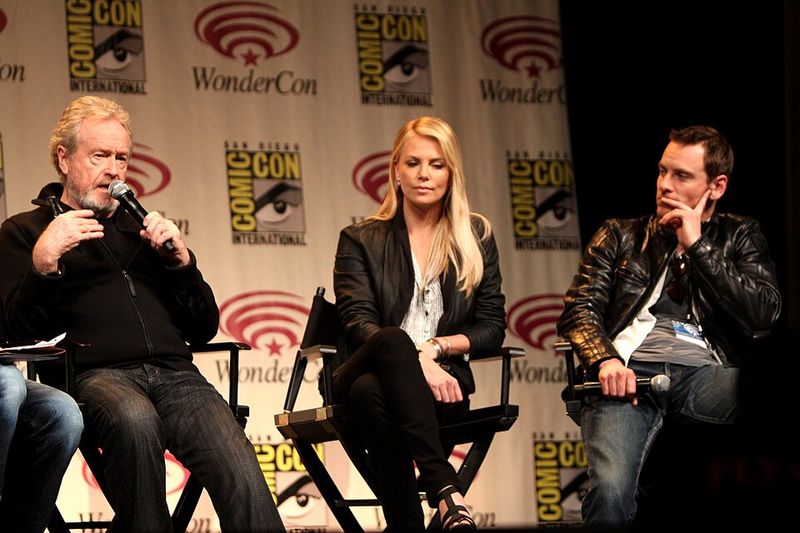
Fans eagerly anticipated this Alien prequel, only to receive more questions than answers about the franchise’s mythology.
Ridley Scott’s return to the universe he created divided viewers between those craving explanations and those enjoying mystery. Critics gave it 73% while audiences settled at 68%, reflecting moderate disappointment across both groups.
The Engineer storyline fascinated some viewers completely. Others felt betrayed by the lack of xenomorphs and straightforward horror they’d expected from the marketing.
12. Alien: Covenant (2017)
Efforts to mix big philosophical ideas with classic Alien-style terror left this sequel unable to fully satisfy either audience. Praise followed Michael Fassbender’s dual android performance, while many viewers grew frustrated by the human characters’ choices that some viewers found hard to accept.
Review scores told a similar story, with Alien Covenant landing at 65 percent from critics and 55 percent from audiences, hinting at rising franchise fatigue. Return to intense body horror delighted some longtime fans who missed that visceral edge.
Others hoped for deeper exploration of Engineer mythology instead of another trip through familiar xenomorph territory.
13. Transformers: Age Of Extinction (2014)
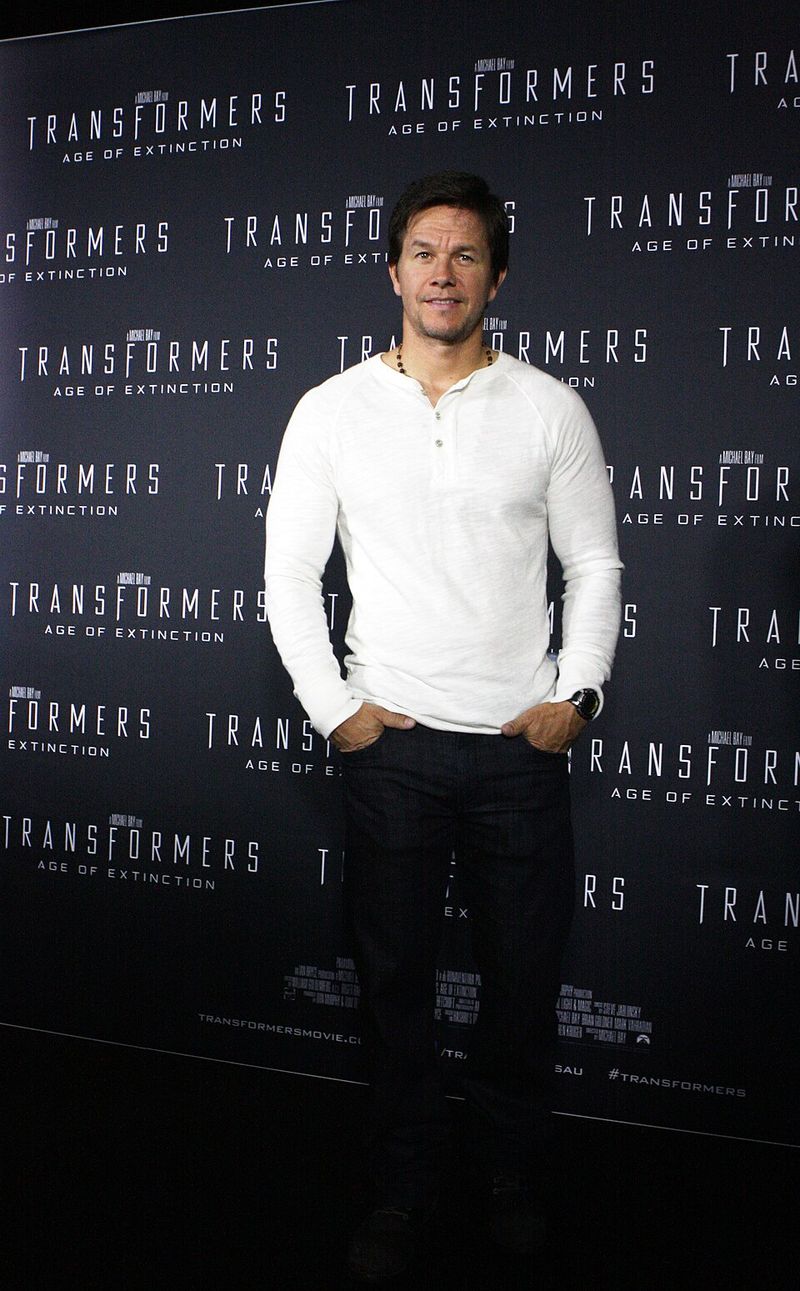
By the fourth installment, Michael Bay’s robot franchise had become a litmus test for what audiences tolerate.
Critics demolished it with 18% while audiences still showed up, giving it 51% and making it a box office success. The nearly three-hour runtime tested even devoted fans’ patience with excessive explosions and thin plotting.
Some viewers enjoyed the mindless spectacle as pure entertainment.
Others questioned why they’d sat through yet another another large-scale battle that some viewers found hard to follow emotionally.
14. Indiana Jones And The Kingdom Of The Crystal Skull (2008)
Harrison Ford returned to his iconic role, but the infamous refrigerator scene became shorthand for jumping the shark.
After nineteen years, expectations were impossibly high for this long-awaited sequel that divided generations of fans. Critics gave it 78% while audiences landed at 53%, revealing a disconnect between professional reviewers and regular viewers.
Shia LaBeouf’s character did not land for many longtime fans.
The shift toward science fiction over archaeology felt wrong to purists who’d grown up with the original trilogy.
15. Eternals (2021)

Ambitious cosmic storytelling aimed for philosophical depth, making Eternals one of the franchise’s most polarizing chapters. A sprawling cast and a timeline stretching across millennia overwhelmed some viewers while fascinating others with the sheer scale.
Review splits told the story clearly, with critics landing at 47 percent and audiences climbing to 77 percent.
Slower pacing and extended character development appealed to those craving something different than nonstop action.
Questions about why these powerful beings had never intervened before left other fans frustrated and longing for a more familiar Marvel rhythm.
16. Captain Marvel (2019)

Arriving before Avengers: Endgame, this origin story became entangled in cultural debates that had nothing to do with the actual film quality.
Brie Larson’s performance and the character’s power level sparked endless online arguments among Marvel fans. Critics supported it at 79% while audiences were cooler at 45%, showing unusual division.
The 90s nostalgia and Skrull twist delighted many viewers thoroughly. Others felt the character lacked vulnerability, making her difficult to root for during action sequences.
17. Malignant (2021)
Under James Wan’s direction, the horror ride veers from tense thriller into full-on camp spectacle, giving many viewers tonal whiplash.
By the third act, a jaw-dropping reveal can read as brilliantly absurd or completely ridiculous, depending on tolerance for wild swings. Critical and audience scores landed at 76 percent and 67 percent, suggesting both groups recognized its weird ambition even when it did not fully click.
Practical effects and bold creative risks drew real admiration from fans who wanted something different.
For others, genre-bending choices felt like a bait-and-switch that turned a straightforward scare into gleeful camp.
18. Don’t Look Up (2021)

Adam McKay’s climate change satire hit theaters during a pandemic, making its themes about ignoring disasters uncomfortably relevant.
The star-studded cast couldn’t bridge the divide between viewers who found it brilliantly pointed and those who found it preachy. Critics landed at 55% and audiences at 77%, reversing the usual pattern.
Some appreciated the blunt metaphor for modern science denial. Others felt lectured to for two hours, wishing the message had been delivered with more subtlety.
19. Don’t Worry Darling (2022)

Behind-the-scenes, off-screen headlines and reported friction around the production ended up overshadowing the psychological thriller itself. Strong praise followed Florence Pugh’s performance, yet the twist ending left many viewers feeling unsatisfied with the payoff.
Review scores split noticeably, with Don’t Worry Darling landing at 38 percent from critics and climbing to 72 percent with audiences.
Throughout the film, a glossy 1950s-inspired aesthetic delivered striking visuals in nearly every scene. Lingering questions about muddled execution kept audiences debating whether off-screen drama influenced the final result.
20. Crimes Of The Future (2022)
David Cronenberg returned to body horror with this deliberately provocative film about evolution and performance art.
The graphic surgical scenes caused walkouts at festivals, yet others found profound commentary on humanity’s relationship with technology. Critics appreciated it at 80% while audiences were more divided at 61%.
Fans of cerebral science fiction found it thought-provoking and unsettling.
Casual viewers expecting traditional entertainment left confused about what they’d witnessed and why it existed.
21. 365 Days (365 DNI) (2020)
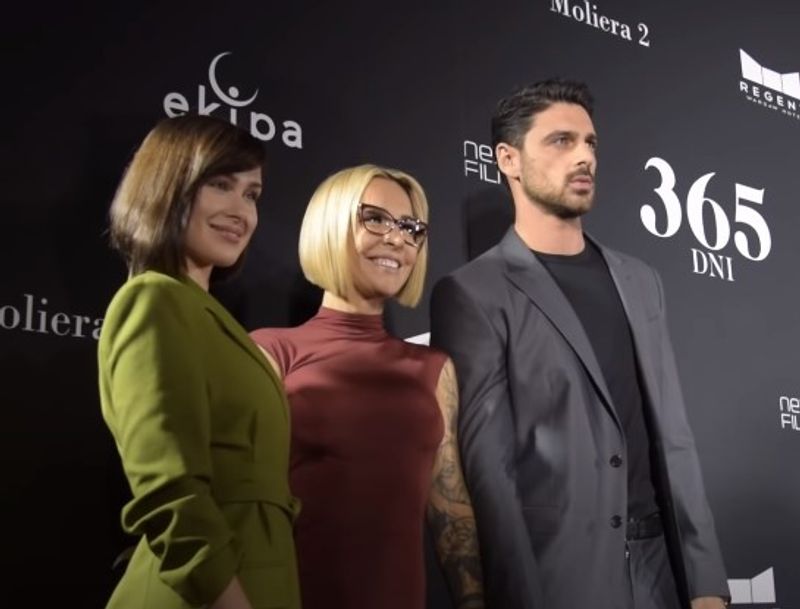
Released as a romance thriller marketed for mature audiences on streaming, 365 Days turned into a global talking point despite critics condemning its troubling relationship dynamics. Romantic framing of kidnapping and elements resembling coercive relationship dynamics sparked wider conversations about what audiences label as love stories.
Review scores reflected harsh reactions, with critics at 0 percent and viewers reaching 27 percent.
Plenty of supporters argued it functioned as pure escapist fantasy rather than a model for real-life behavior. Concerns from others centered on messages about consent and healthy relationships, especially for younger viewers encountering the film online.
22. Star Wars: Episode I – The Phantom Menace (1999)
After sixteen years, Star Wars returned to theaters with high expectations that proved impossible to meet for any film.
Jar Jar Binks became the most divisive character in franchise history, beloved by children but despised by adult fans. Critics gave it 51% and audiences 59%, both groups feeling disappointed despite the massive hype.
The pod race sequence thrilled viewers universally. However, the political and technical lore felt overly dense to some viewers who’d wanted simple good-versus-evil storytelling like the original trilogy.
23. Star Wars: Episode II – Attack Of The Clones (2002)
Stilted dialogue and uneasy romantic moments pushed even devoted fans to their limits in a galaxy far, far away. Debates flared over whether Hayden Christensen or the script deserved more blame for the awkward portrayal of Anakin Skywalker in Star Wars Episode II Attack of the Clones.
Review scores showed a modest rebound, with critics at 65 percent and audiences close behind at 57 percent.
Action finally roared to life during the Geonosis arena battle, giving viewers the large-scale spectacle many had been waiting for. Emotional investment suffered, as the central romance between Anakin and Padmé Amidala felt unconvincing and dulled the weight of their tragic future.
24. Star Wars: Episode III – Revenge Of The Sith (2005)
The darkest prequel finally showed Anakin’s fall to the dark side, delivering emotional moments fans had waited for desperately. Critics warmed up to 80% and audiences reached 65%, making it the most successful prequel among both groups.
The lava planet duel between Obi-Wan and Anakin provided spectacular visuals.
However, the infamous “NOOO” scream and some melodramatic dialogue still gave critics ammunition for mockery years later.
25. Star Wars: The Force Awakens (2015)
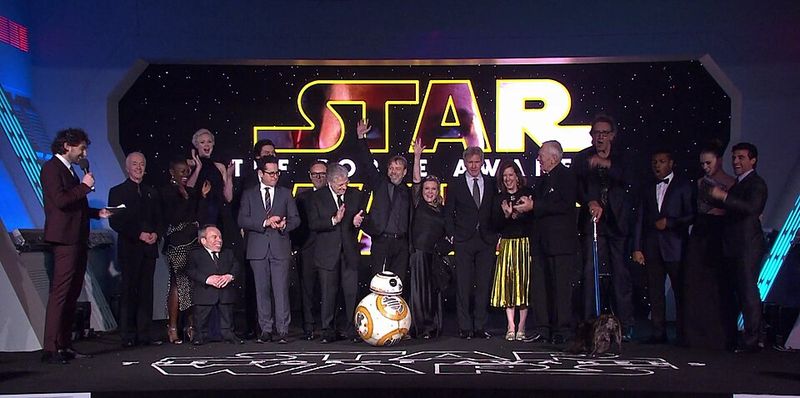
Under J. J. Abrams, the franchise roared back to life, even as some fans noted echoes of Star Wars Episode IV A New Hope in the story’s structure.
Fresh faces like Rey, Finn, and Kylo Ren energized a new generation while familiar elements pleased longtime followers. Critical and audience reactions aligned closely, with Star Wars The Force Awakens earning 93 percent from critics and 85 percent from moviegoers.
Many viewers welcomed the safer creative path after disappointment with earlier prequels.
For others, a stronger push for originality felt missing, as similarities to past adventures stood out too clearly.