18 Foods Banned Or Restricted Around The World
Every country draws its own lines around what belongs on a dinner plate, shaping food laws that can feel surprising, strict, or downright puzzling.
Health concerns, ethical debates, and environmental protection all play a role, turning certain everyday foods elsewhere into forbidden items within specific borders.
Live insect cheeses, candies hiding toys, and other eyebrow-raising examples highlight just how differently nations define safety, responsibility, and tradition.
Scroll on to see which foods sparked bans and what those decisions reveal about culture, values, and the rules governing what people are allowed to eat.
Disclaimer: This article is intended for general informational and cultural awareness purposes. Food regulations, bans, and restrictions vary by country and may change over time.
Descriptions reflect historical practices, legal frameworks, and widely documented public records rather than endorsement or guidance.
Readers are encouraged to consider local laws and cultural context when interpreting global food traditions.
1. Fugu (Pufferfish)

Japan treats this delicacy with the utmost respect, requiring chefs to train for years before they can legally prepare it.
One wrong cut releases tetrodotoxin, a poison 1,200 times deadlier than cyanide, with no known antidote.
Because of this danger, many countries ban fugu outright, while Japan tightly regulates every slice.
If you ever find yourself at a licensed fugu restaurant, you are trusting a master craftsperson with your life – literally.
2. Casu Marzu (Maggot Cheese)
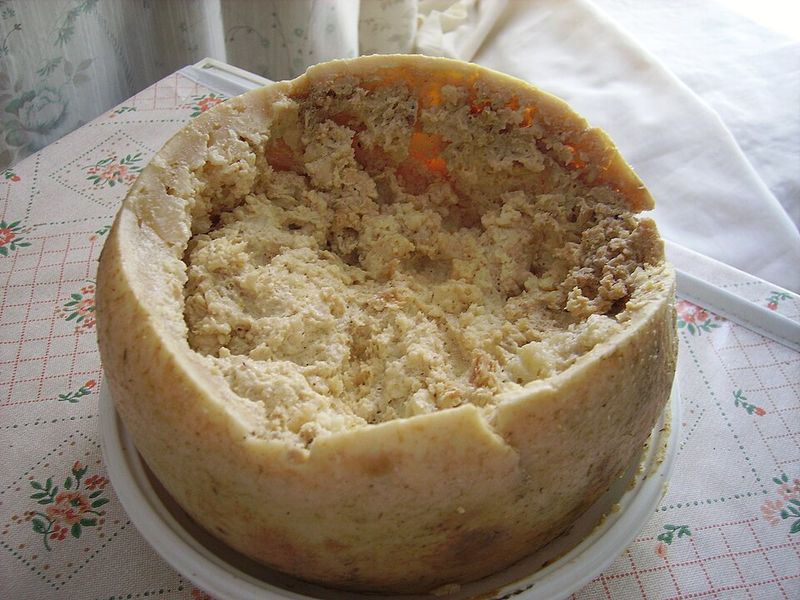
Casu marzu is a traditional Sardinian cheese produced through a fermentation process that goes far beyond standard methods.
Because it involves active biological breakdown, European food safety authorities classify it as unsafe for commercial sale.
Health agencies warn that improper handling or consumption may pose medical risks, which is why the cheese is banned across the European Union and remains largely confined to private, informal settings.
3. Ortolan Bunting

The ortolan bunting was once considered a rare delicacy in French culinary tradition, prepared through methods that later drew intense criticism.
As populations declined sharply, France outlawed hunting in 1999, and the species received full protection under European conservation law.
Today, serving ortolan is illegal, and the dish is often cited as an example of how food traditions can conflict with environmental responsibility.
4. Foie Gras
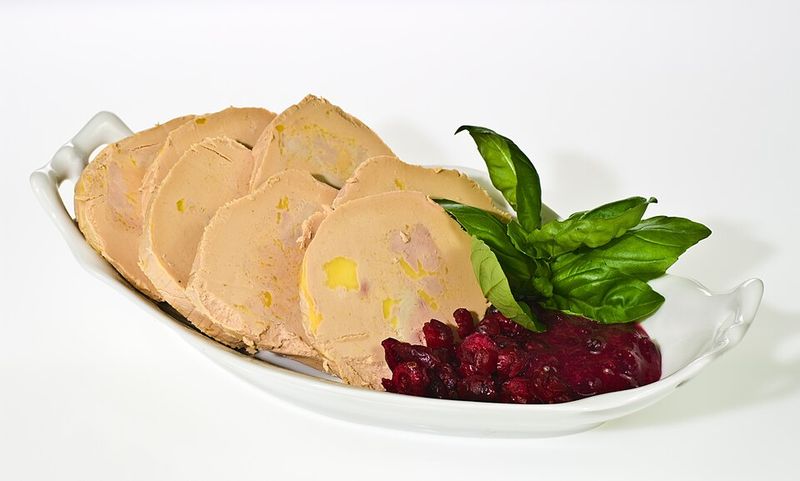
Producing this buttery liver delicacy involves force-feeding ducks or geese through a tube, a practice animal welfare advocates call cruel.
California banned the sale of foie gras produced by force-feeding, and several other jurisdictions have followed suit or are considering restrictions.
Supporters argue it is a centuries-old tradition, while opponents point to the stress and health issues the birds endure.
Whether you see it as art or abuse often depends on where you stand.
5. Shark Fin
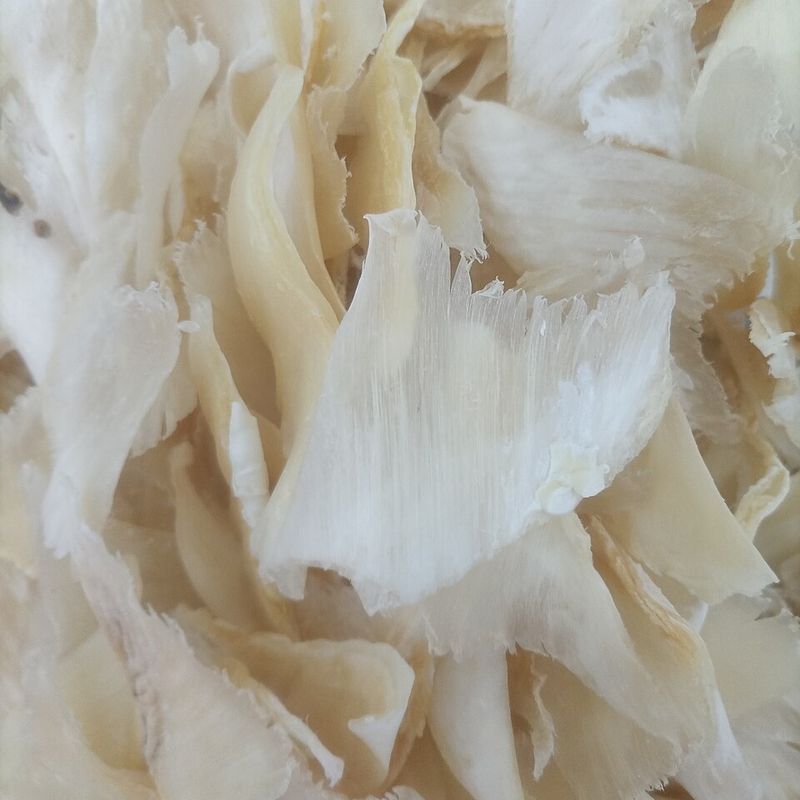
Shark fin soup has long been associated with celebration and status, but the fishing practices tied to the trade caused widespread concern among conservationists.
Unsustainable harvesting methods contributed to steep declines in shark populations, prompting bans and trade restrictions in many countries.
In response, laws such as the U.S. Shark Fin Sales Elimination Act aim to protect marine ecosystems and encourage more sustainable food traditions.
6. Kinder Surprise Eggs
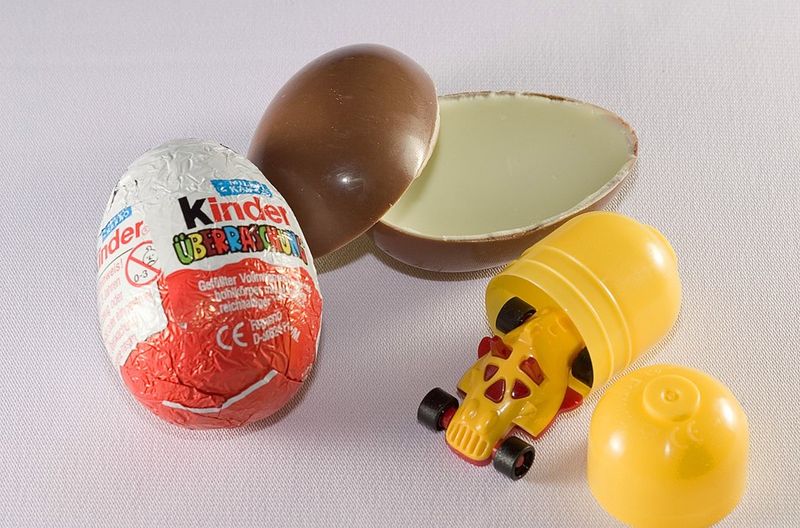
Kids around the world adore unwrapping these chocolate eggs to discover the tiny toy hidden inside, but American children miss out entirely.
U.S. law prohibits embedding non-nutritive objects in candy because of choking hazards, so Kinder Surprise eggs cannot legally cross the border.
Instead, American stores stock Kinder Joy, a modified version with the toy in a separate compartment.
Maybe one day the ban will lift, but for now, it is contraband chocolate.
7. Ackee Fruit
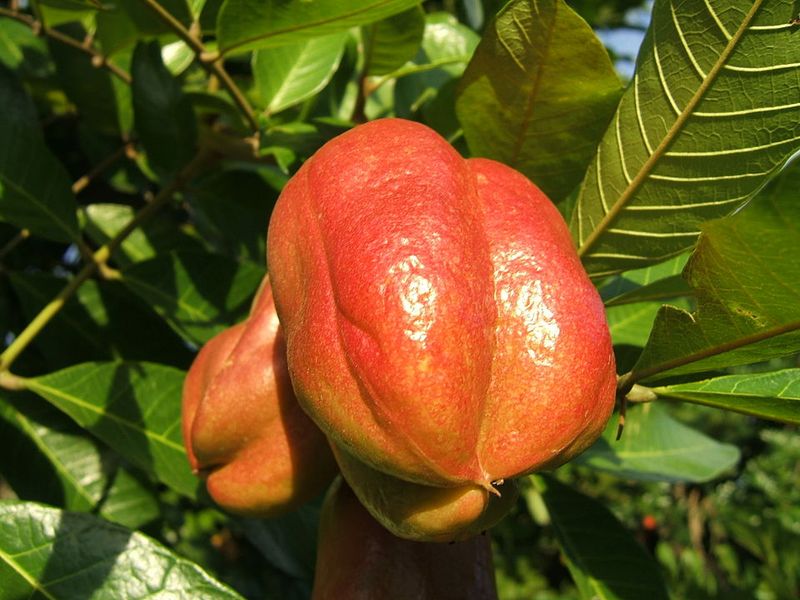
Jamaica’s national fruit looks cheerful – bright red pods bursting open to reveal creamy yellow flesh – but unripe ackee contains hypoglycin A, a toxin that can cause severe vomiting and even death.
The FDA restricts fresh ackee imports into the United States, allowing only canned versions that meet strict safety standards.
Jamaican cooks know exactly when to harvest the fruit, waiting until it opens naturally on the tree.
Timing is everything with this tropical treat.
8. Beluga Caviar
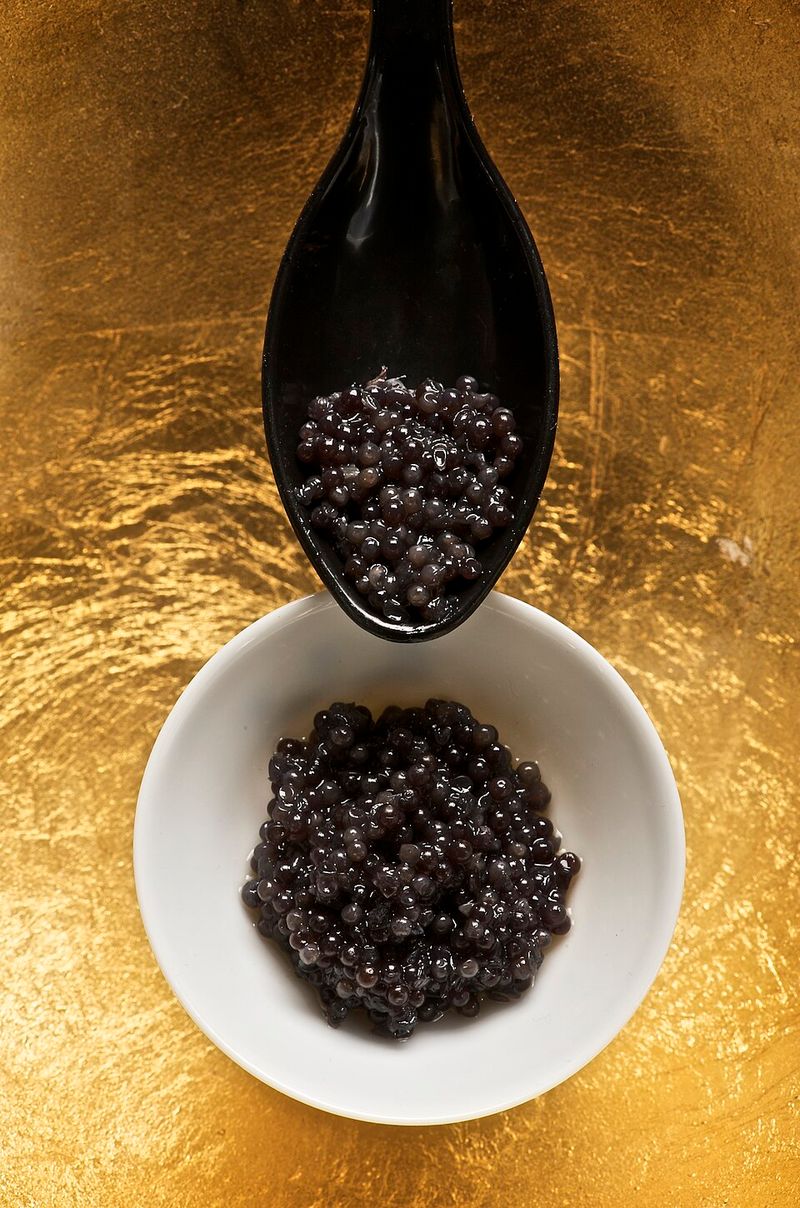
Beluga sturgeon can live over a century and produce the most prized caviar in the world, but overfishing pushed the species to the brink of extinction.
The U.S. banned imports of beluga caviar to protect these ancient fish, and international conservation agreements now tightly regulate trade.
Black-market caviar still circulates at astronomical prices, but responsible diners choose sustainable alternatives.
Perhaps the rarest luxury is letting these magnificent creatures survive another hundred years.
9. Raw Milk
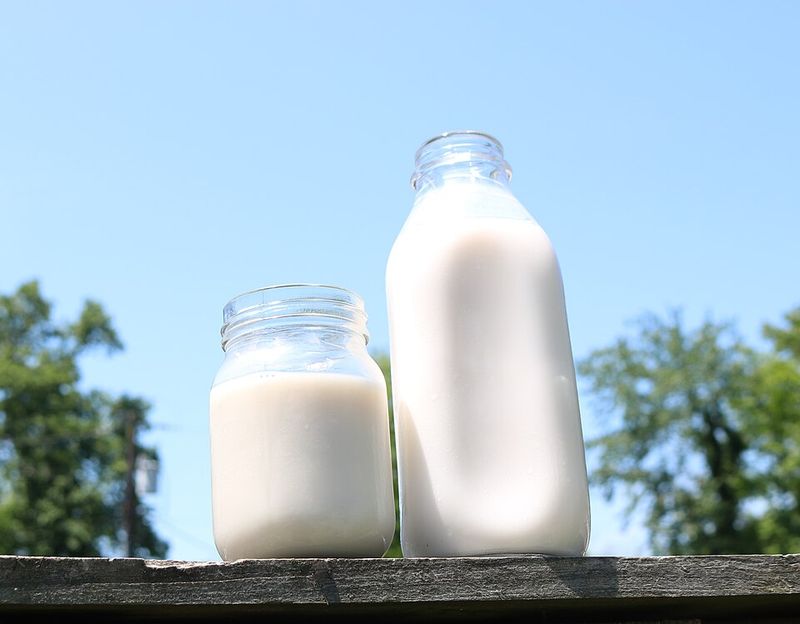
Straight from the cow, raw milk has a devoted following who praise its flavor and nutritional profile, but health officials warn it can harbor dangerous bacteria.
Pasteurization kills pathogens like E. coli, Salmonella, and Listeria, which is why many U.S. states restrict or ban raw milk sales.
Outbreaks linked to unpasteurized dairy have sickened hundreds, especially children and pregnant women.
If you love the farm-fresh taste, weigh the risks carefully before taking that first sip.
10. Tonka Beans
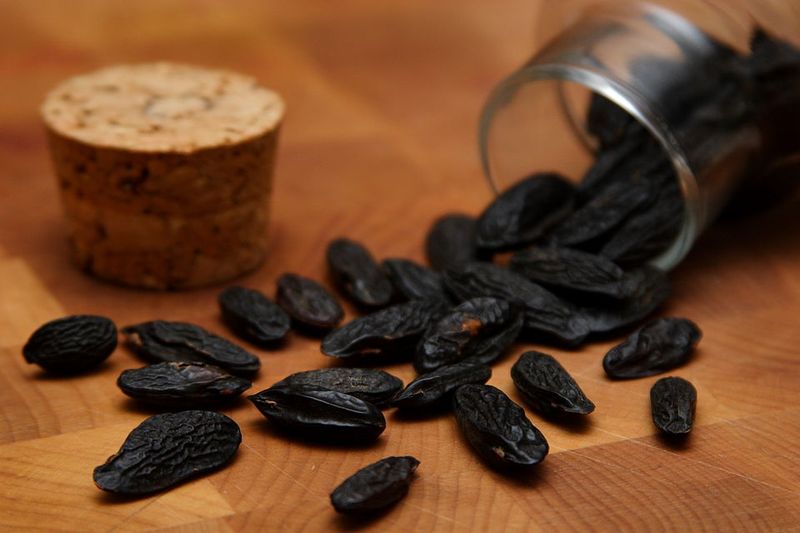
Pastry chefs adore tonka beans for their warm vanilla-almond aroma, but U.S. regulations treat them as forbidden fruit.
Tonka beans contain coumarin, a compound that can damage the liver in large doses, so the FDA prohibits their use in human food.
European chefs grate them into custards and creams without issue, sparking debate over whether the American ban is overly cautious.
Ultimately, a little tonka goes a long way – if you can legally get your hands on it.
11. Sassafras Oil
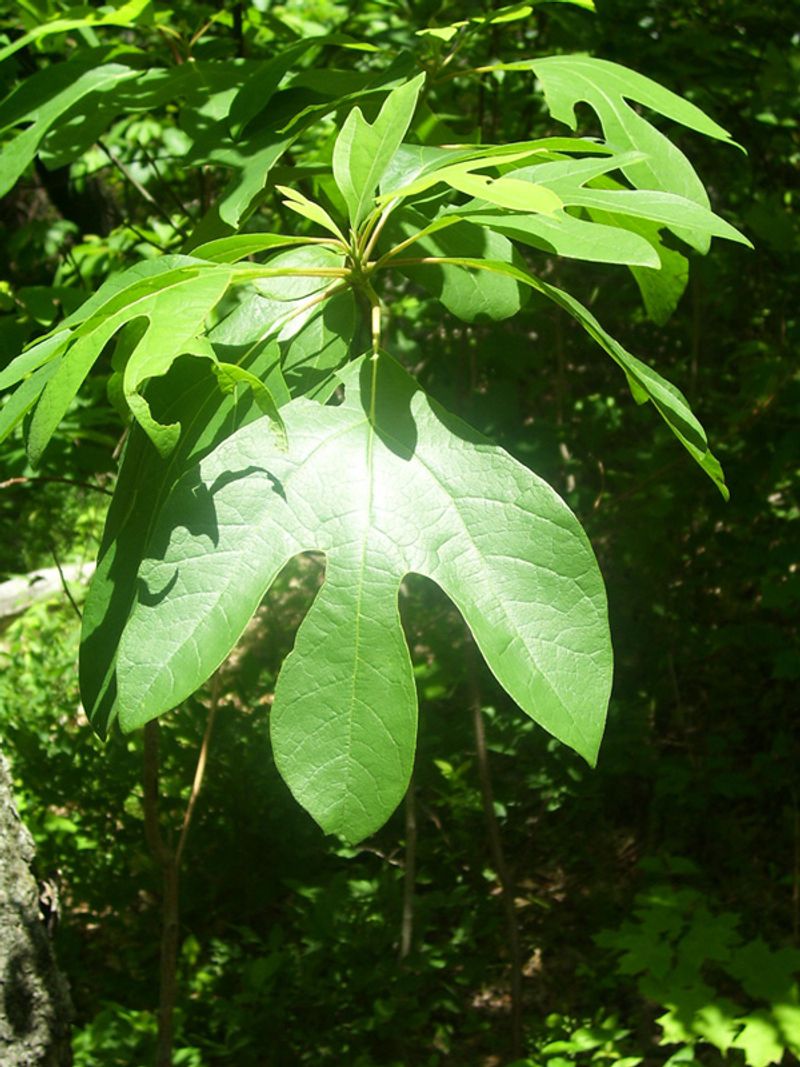
Old-fashioned root beer got its distinctive flavor from sassafras, until scientists discovered that safrole, the oil’s main component, might cause cancer.
The FDA banned sassafras oil containing safrole from human food, forcing root beer makers to use artificial flavors or safrole-free extracts.
Herbalists still harvest sassafras roots for tea, but commercial products must meet strict safrole limits.
Nostalgia tastes a little different when the original recipe is off-limits.
12. Haggis
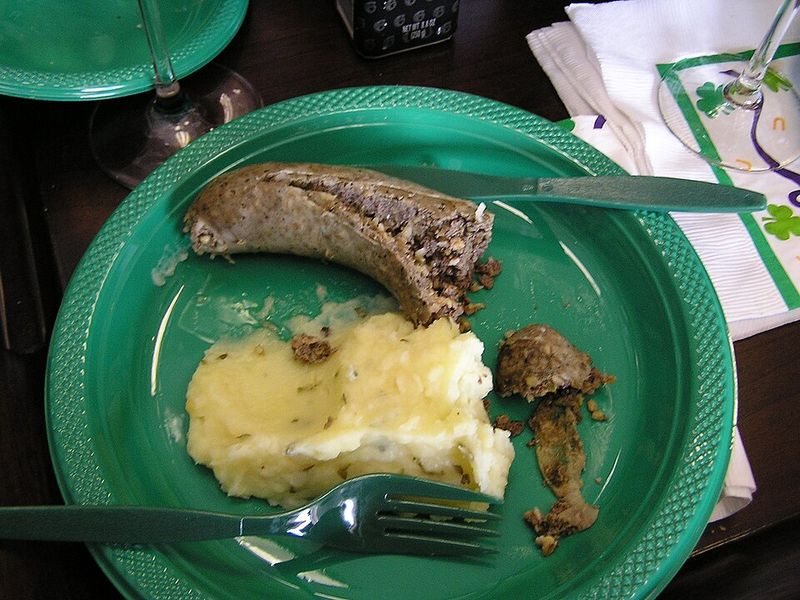
Scotland’s iconic dish combines sheep heart, liver, and lungs with oatmeal and spices, all encased in a stomach lining and simmered until rich and savory.
Americans cannot legally taste authentic haggis because USDA rules ban livestock lungs in human food, a regulation dating back to concerns about lung fluid contamination.
Scottish producers have lobbied for years to overturn the ban, but it remains firmly in place.
For now, haggis stays a transatlantic mystery.
13. Sea Turtle Eggs
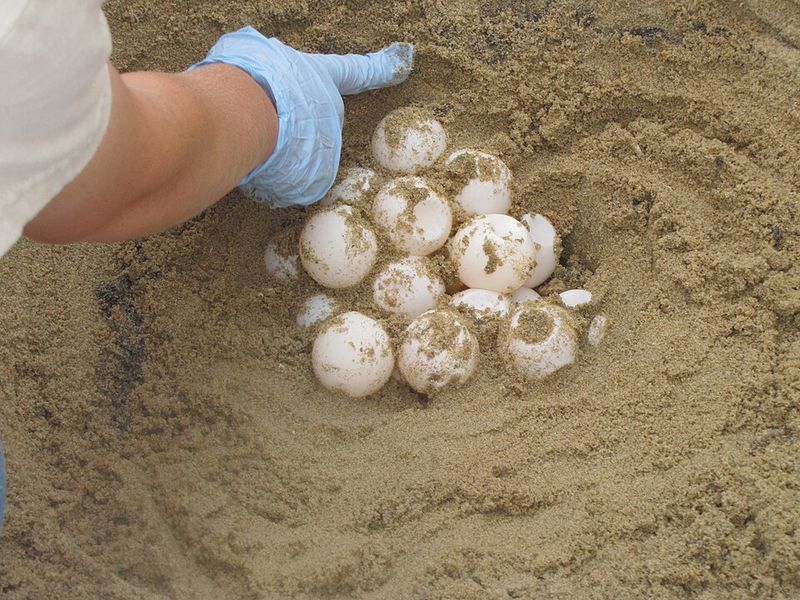
Sea turtle eggs were once harvested in coastal communities, but most turtle species are now protected due to severe population declines.
International agreements make the trade illegal, recognizing the ecological importance of preserving nesting cycles.
Conservation programs now focus on education and habitat protection to ensure future generations of sea turtles can survive.
14. Whale Meat
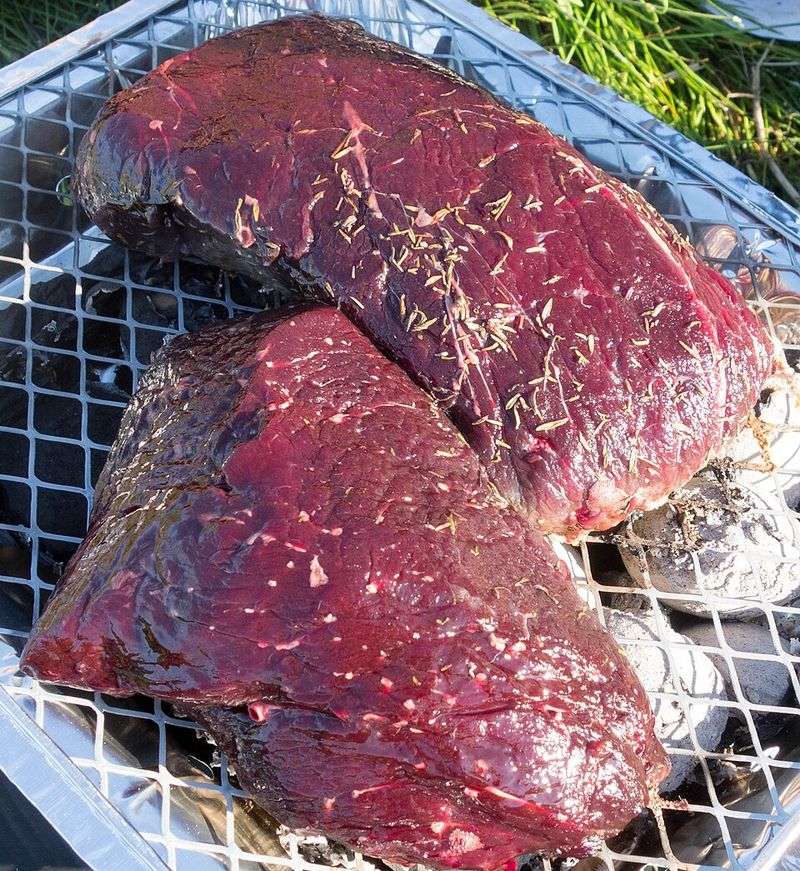
Commercial whaling significantly reduced whale populations during the 20th century, leading to international protections under the International Whaling Commission.
While a small number of countries continue limited practices under specific exemptions, most nations prohibit whale meat imports.
Ongoing debates reflect the tension between cultural tradition and modern conservation science.
15. Horse Meat
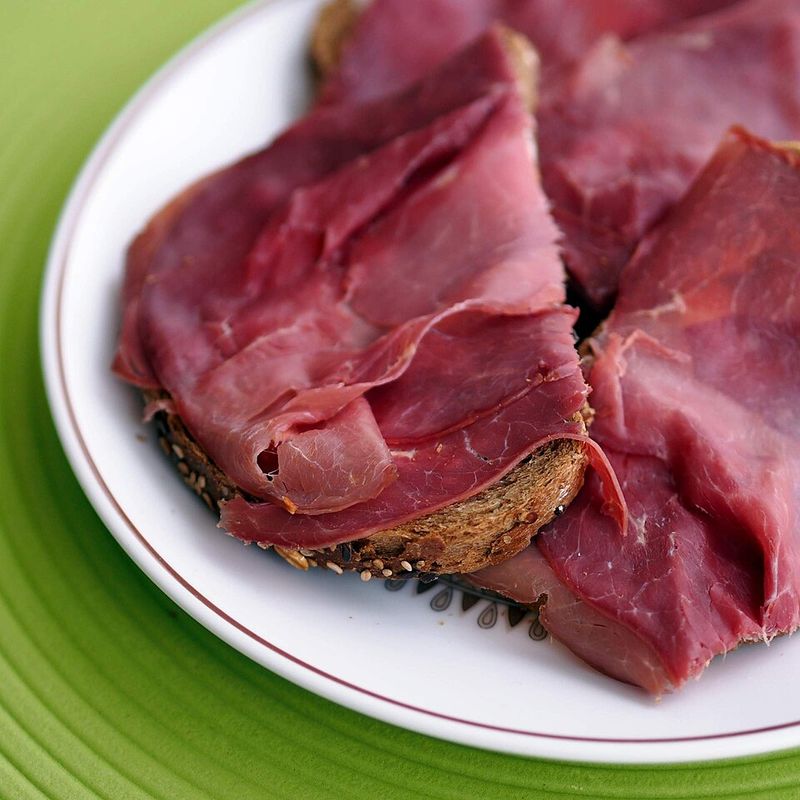
Horse meat appears on dinner plates across Europe and Asia, prized for its lean texture and rich flavor, but many English-speaking countries recoil at the idea.
The United States banned horse slaughter for human consumption, though the law has flip-flopped over the years amid political debates.
Cultural taboos run deep – horses symbolize companionship and work, not food – even in places where eating them is technically legal.
Geography and tradition shape what we consider edible in surprisingly powerful ways.
16. Unpasteurized Soft Cheeses
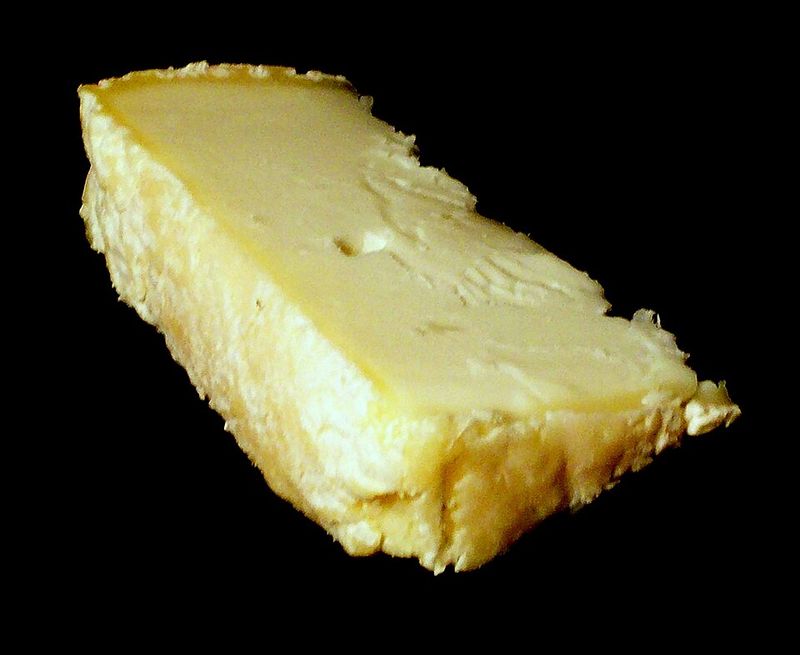
French fromageries overflow with luscious raw-milk Brie, Camembert, and Roquefort, but American cheese lovers face import restrictions on these artisanal treasures.
U.S. regulations require raw-milk cheeses to age at least 60 days before sale, blocking many soft varieties that mature quickly.
The rules aim to prevent listeria outbreaks, yet cheese aficionados argue that traditional methods and careful handling make raw-milk cheeses safe.
Sometimes the best flavors are the ones you have to cross an ocean to taste.
17. Chewing Gum

Singapore decided in 1992 that gum stuck to sidewalks, subway doors, and mailboxes was a public nuisance worth banning entirely.
The government now allows limited sales of therapeutic gum for dental health, but recreational chewing gum remains illegal to import or sell.
Visitors caught smuggling gum face fines, and the streets stay impressively clean.
Honestly, it is a small price to pay for a city that sparkles like no other.