10 Foods Believed To Bring Luck During Chinese New Year
Food plays a symbolic role during Chinese New Year, carrying meanings that go far beyond flavor. Dishes are chosen for how their names sound, how they look on the table, or what they traditionally represent.
Prosperity, longevity, happiness, and good fortune all show up through ingredients prepared with intention and shared at the right moment.
Many of these foods trace back centuries, shaped by language, folklore, and regional customs. A single bite can symbolize wealth flowing in. A certain shape might suggest family unity or abundance for the year ahead.
These lucky foods turn meals into quiet wishes for the future. Each one reflects how celebration, tradition, and optimism come together at the table when a new year begins.
1. Jiaozi (Dumplings)
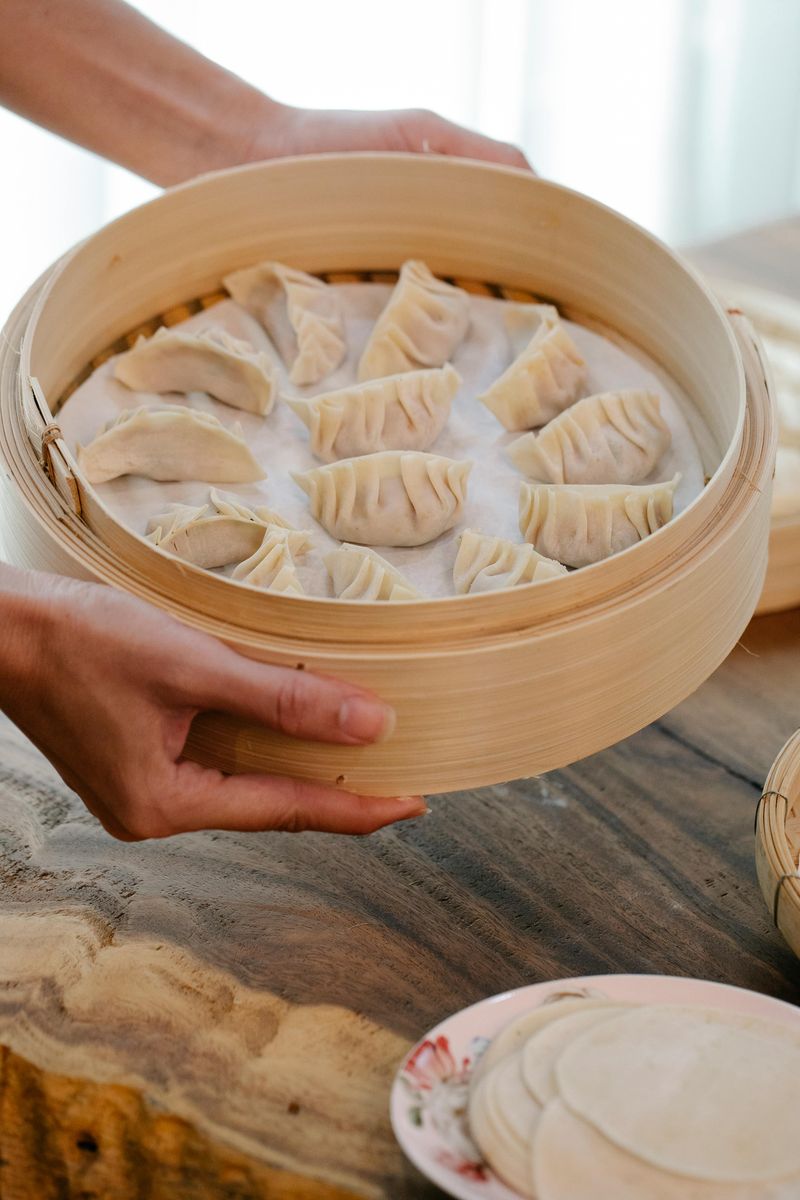
Picture little pockets of dough shaped like ancient treasure, and you’ve got jiaozi. Families gather on New Year’s Eve to fold these dumplings together, sometimes sneaking a coin into one for extra luck.
The person who bites into that special dumpling supposedly wins a year packed with fortune.
Their crescent shape mimics old Chinese gold ingots, making every bite feel like you’re eating prosperity itself.
2. Nian Gao (Sticky Rice Cake)
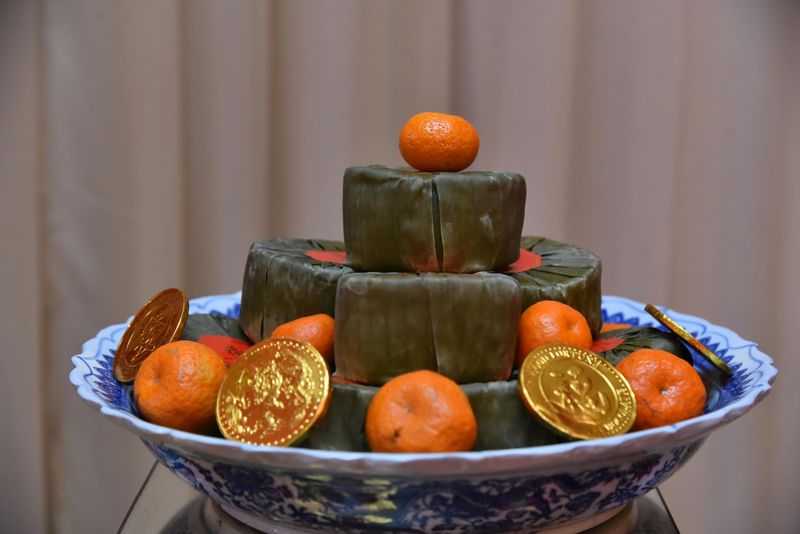
Sticky, sweet, and loaded with symbolism, nian gao literally sounds like “higher year” in Chinese.
That wordplay isn’t accidental – it represents climbing higher in success, income, and achievement as the new year unfolds.
The chewy texture comes from glutinous rice flour, creating a dessert that practically glues good fortune to your future. Some families steam it, others fry slices until golden and crispy.
Either way, eating this cake means you’re literally raising your expectations.
3. Whole Fish
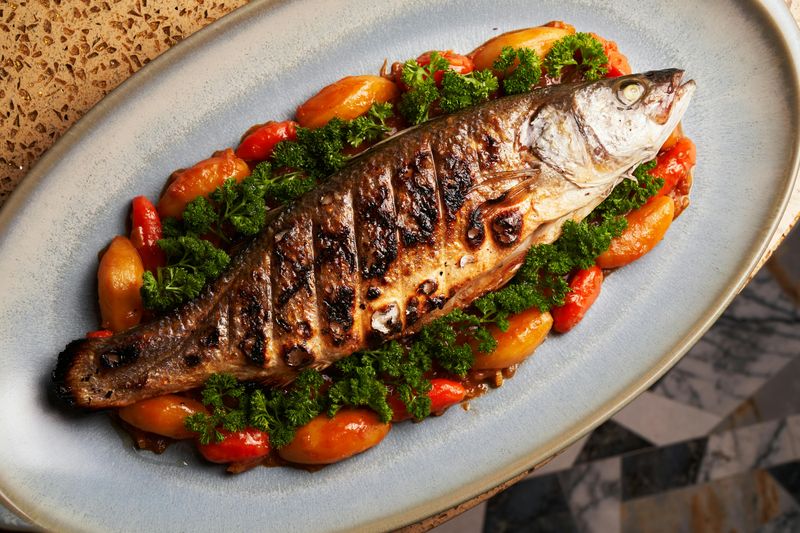
Leaving the head and tail attached isn’t just for presentation – it symbolizes completeness from start to finish.
The Chinese word for fish sounds exactly like “surplus,” which is why having leftovers is actually the goal here.
Families intentionally don’t finish the entire fish, ensuring abundance carries into the coming year. Whether steamed with ginger or braised in soy sauce, this dish represents having more than enough.
4. Longevity Noodles
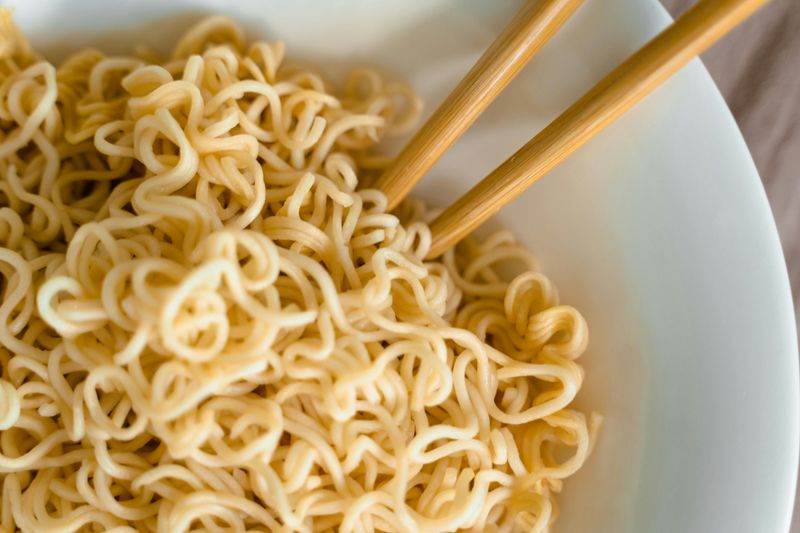
Breaking these noodles before eating them is basically asking for bad luck, so slurp carefully. The longer the strand, the longer your life – at least that’s what tradition promises.
These aren’t your average spaghetti; some versions stretch ridiculously long, testing both your patience and chopstick skills.
Families serve them in broth or stir-fried, but the rule stays the same: keep them whole.
5. Spring Rolls
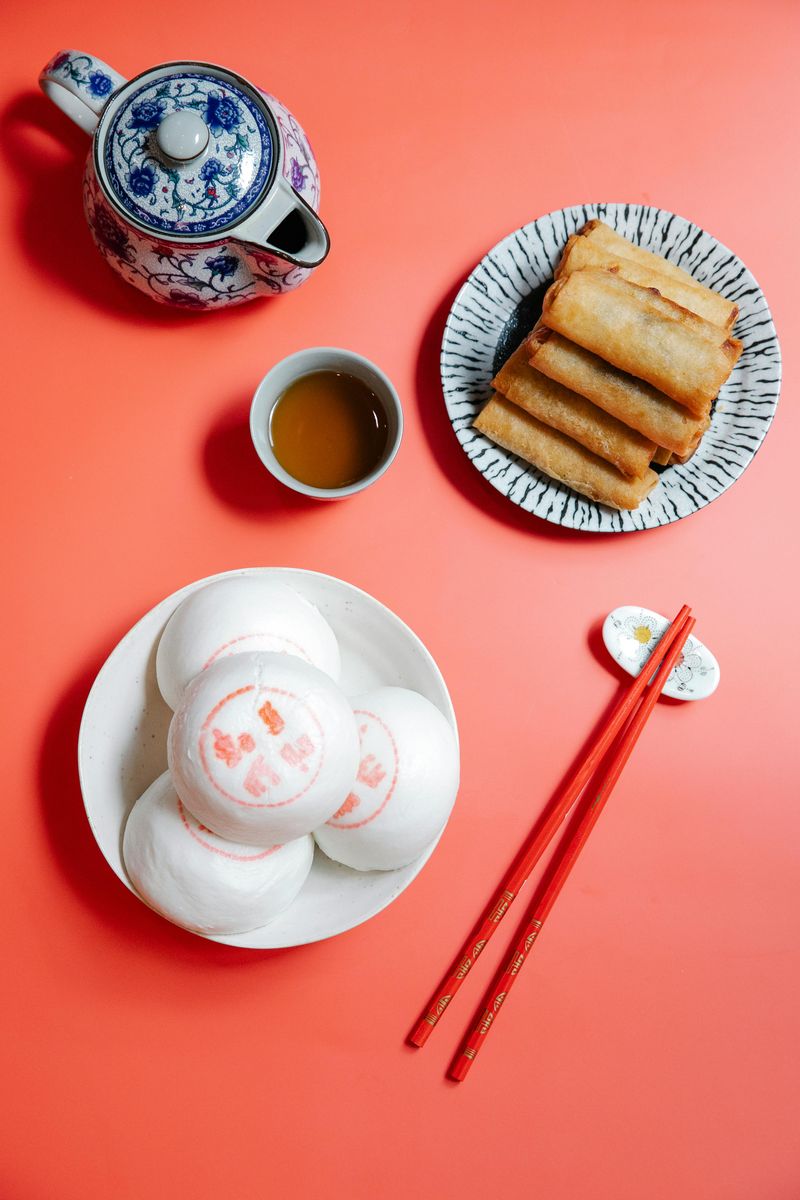
Crunchy, golden, and shaped like tiny treasure bars, spring rolls scream wealth with every bite.
Their name connects to the Spring Festival itself, but their appearance does the real talking – golden cylinders that look like ancient currency.
Stuffed with vegetables, meat, or both, they’re fried until they achieve that perfect crackling exterior. Serving them at your New Year feast is basically inviting prosperity to pull up a chair.
Plus, they taste amazing, which makes welcoming good fortune ridiculously easy.
6. Tangyuan (Sweet Rice Balls)
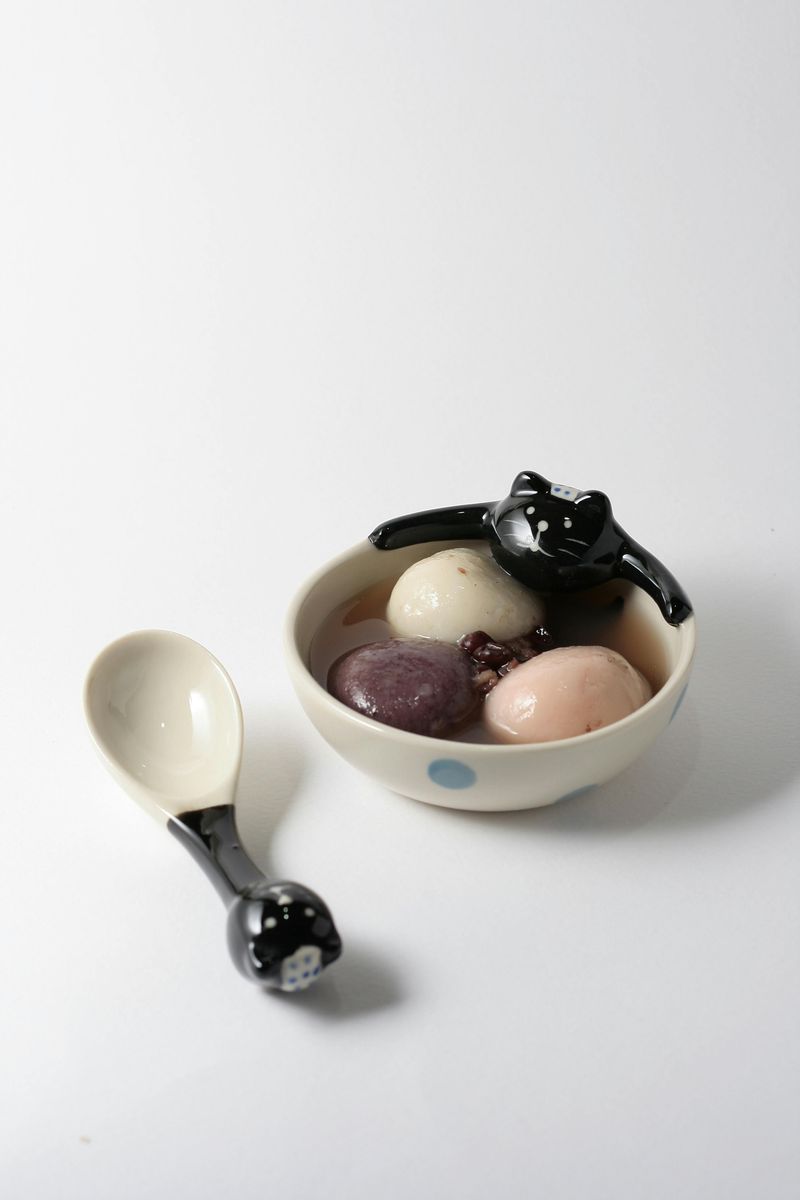
Round as full moons and just as symbolic, tangyuan represents family unity in the most adorable form.
These chewy rice balls float in sweet soup, often filled with sesame paste, peanuts, or red bean.
Their spherical shape isn’t random – it mirrors togetherness, completeness, and harmony among loved ones.
Eating them during reunions reinforces bonds and celebrates everyone gathering under one roof.
7. Eight-Treasure Rice
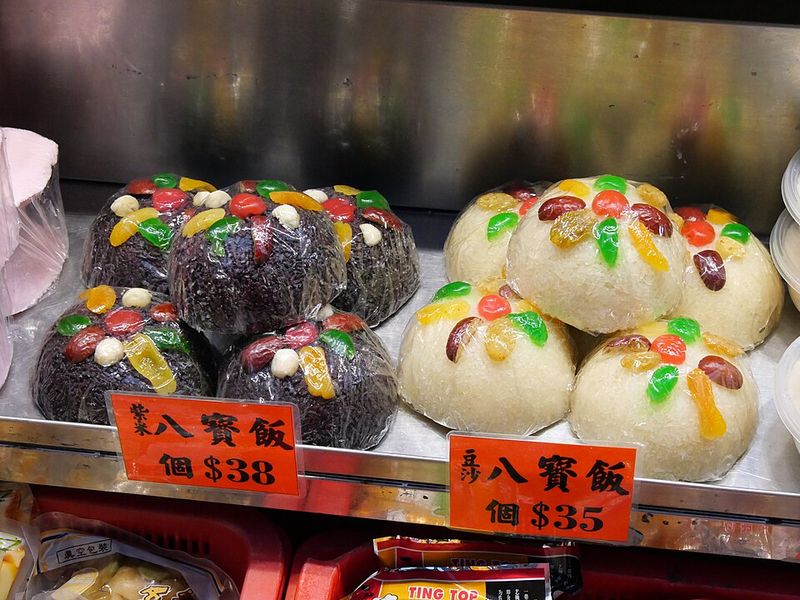
This dessert looks like edible art, topped with candied fruits, nuts, and seeds arranged in gorgeous patterns. The number eight is mega-lucky in Chinese culture, associated with wealth and good fortune.
Each ingredient contributes its own symbolism – lotus seeds for fertility, red dates for prosperity, dried longan for harmony.
Together, they create a sweet masterpiece that represents completeness and abundance.
8. Yusheng (Prosperity Salad)
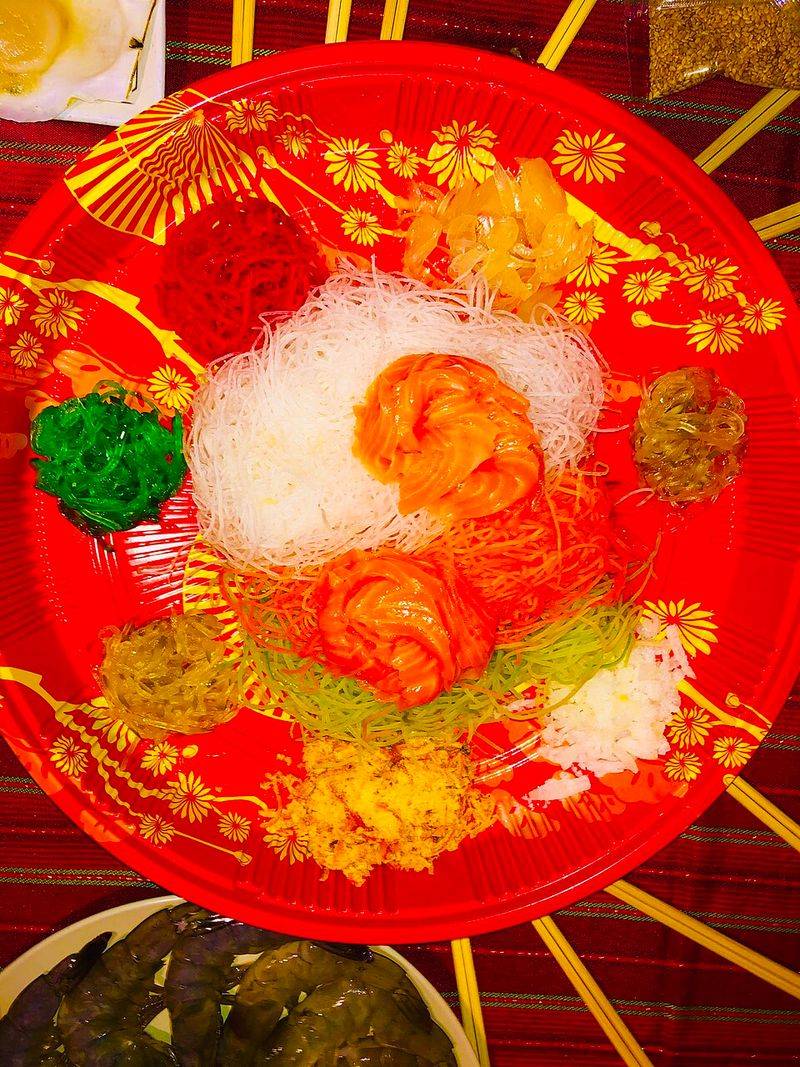
Popular in Southeast Asia, this dish turns eating into performance art.
Everyone gathers around the table, grabs chopsticks, and tosses the ingredients high into the air while shouting auspicious phrases.
The higher you toss, the greater your fortune – so things get competitive and messy fast. Raw fish, pickled vegetables, crispy crackers, and sweet sauce combine into a flavor explosion.
It’s part salad, part ritual, and completely chaotic in the best possible way for welcoming collective success.
9. Tangerines and Oranges
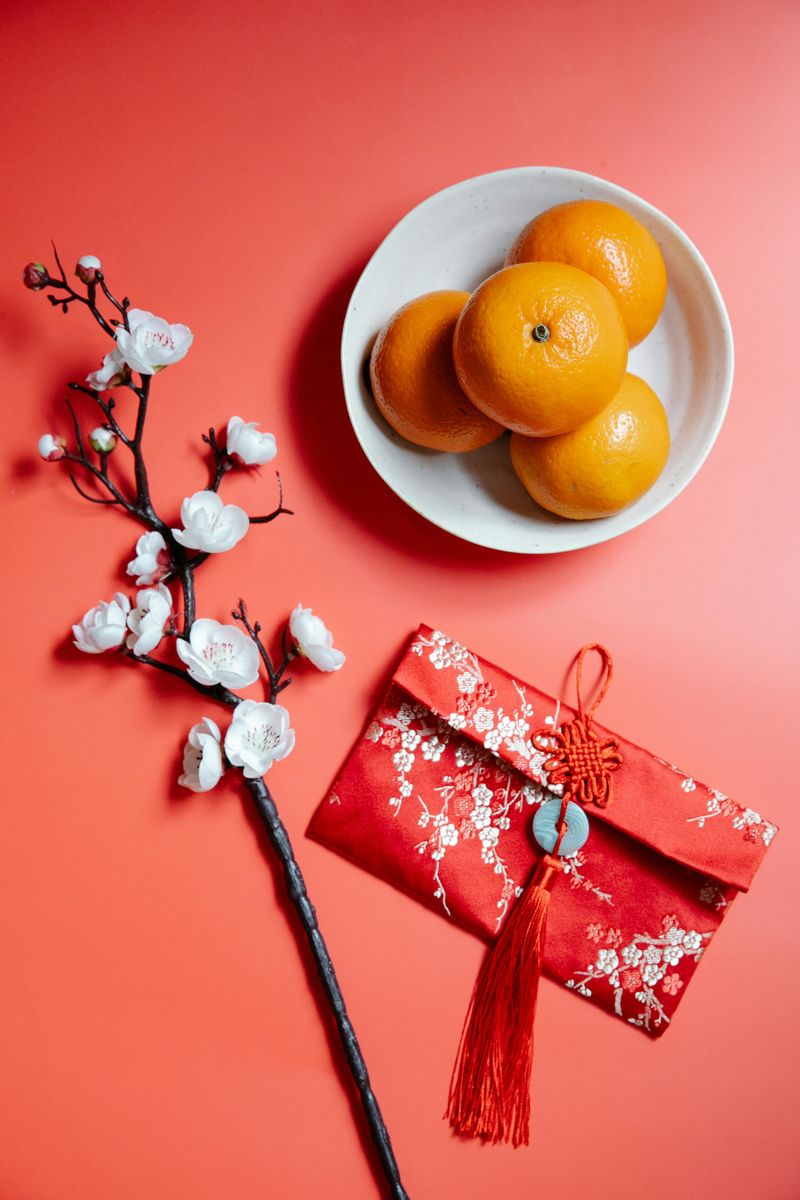
Bright, round, and bursting with citrus sunshine, these fruits are everywhere during Chinese New Year. Their vibrant color alone symbolizes gold and good fortune, but the real magic lies in their names.
In Chinese, the words for orange and tangerine sound like “luck” and “wealth,” turning fruit bowls into edible wish lists.
Families exchange them as gifts, stack them in pyramids, and display them prominently.
10. Whole Chicken
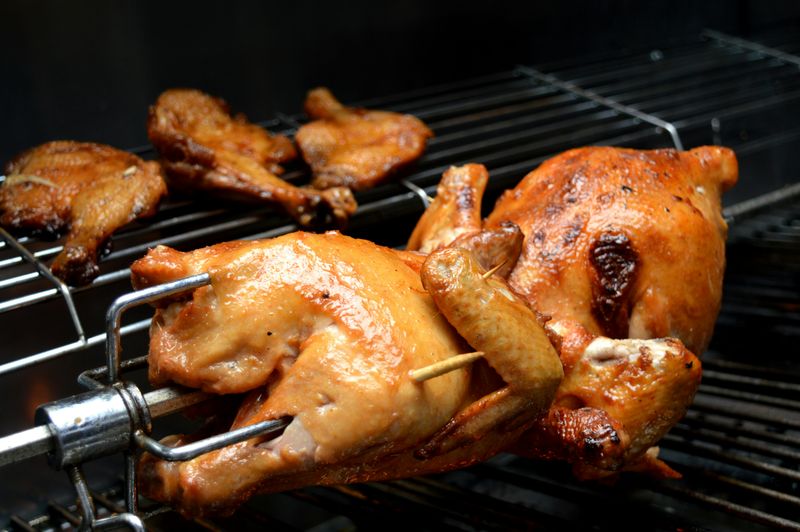
Serving chicken with everything still attached might look intense, but it carries deep meaning about family wholeness.
The head and feet represent unity from beginning to end, ensuring everyone stays connected throughout the year.
Roasted, steamed, or poached, the preparation matters less than keeping the bird intact.
Carving it at the table becomes a symbolic act of sharing blessings among loved ones.