12 Foods Often Discarded Before They Actually Spoil
Dates printed on packages have a way of triggering panic, sending perfectly good food straight into the trash before it ever had a chance to spoil.
Real Simple’s expiration-date guideline chart highlights a handful of everyday staples people commonly toss too early, even though many stay safe and usable for far longer when stored properly.
Eggs, dairy, condiments, deli meats, pantry basics, and canned goods all make the list, proving that “past the date” doesn’t automatically mean “past saving.”
Disclaimer: Food safety depends on storage temperature, handling, packaging, and product type, so use reputable food-safety guidance and discard anything with an off smell, unusual texture, visible mold, or damaged packaging, and when in doubt, throw it out.
12. Eggs
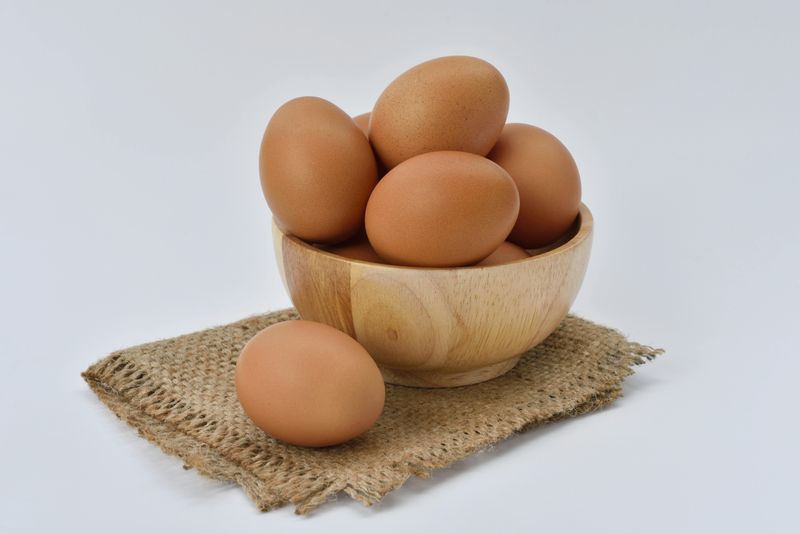
Most cartons display a sell-by date that causes unnecessary panic, yet fresh eggs in shell keep about 3 to 5 weeks in refrigerator storage. A simple float test reveals the truth: place an egg in a bowl of water, and if it sinks, breakfast is ready to roll.
Floating signals age, so crack egg into separate bowl and check odor plus appearance before using.
Proper refrigeration keeps the yolk firm and the white clear, so trust your senses over the calendar next time you crack one open.
11. Yogurt

Printed dates on yogurt containers often trigger early disposal, even though yogurt and cottage cheese keep about 7 days past sell-by date when refrigerated. Freezing transforms it into a creamy treat that lasts two months, perfect for smoothies or a quick frozen snack on a warm afternoon.
If the seal remains intact and no mold appears, a quick stir restores texture and flavor.
Maybe your morning routine just got easier, because that tub sitting in the back of the fridge might still deliver probiotic goodness without a trip to the store.
10. Milk
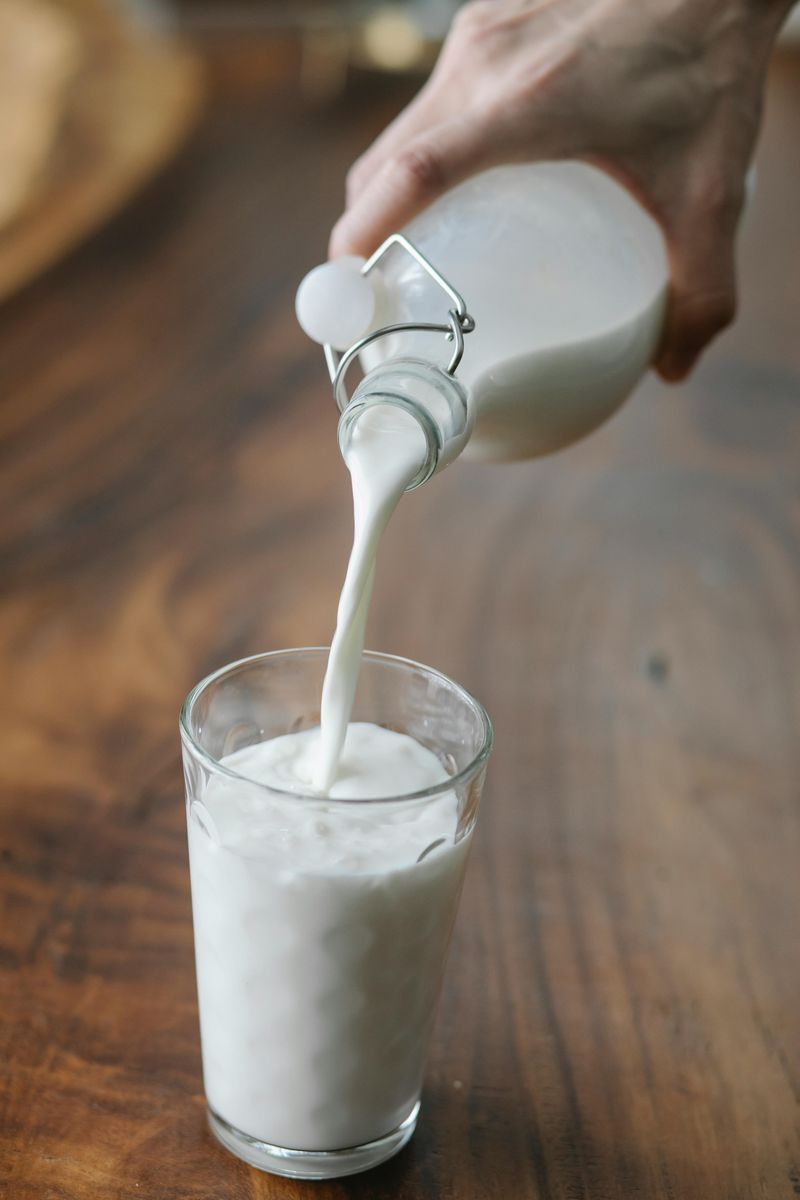
People pour perfectly good milk down the drain the moment the date arrives, yet fresh milk keeps about 5 to 7 days in refrigerator storage.
Freezing milk extends its life to three months, ideal for baking or cooking when fresh supplies run low.
A quick sniff test reveals freshness far better than any printed number, and your cereal bowl will thank you for the extra vigilance. However, separation or off odors signal real spoilage, so trust your nose and save that gallon for one more round of cookies and coffee.
9. Butter
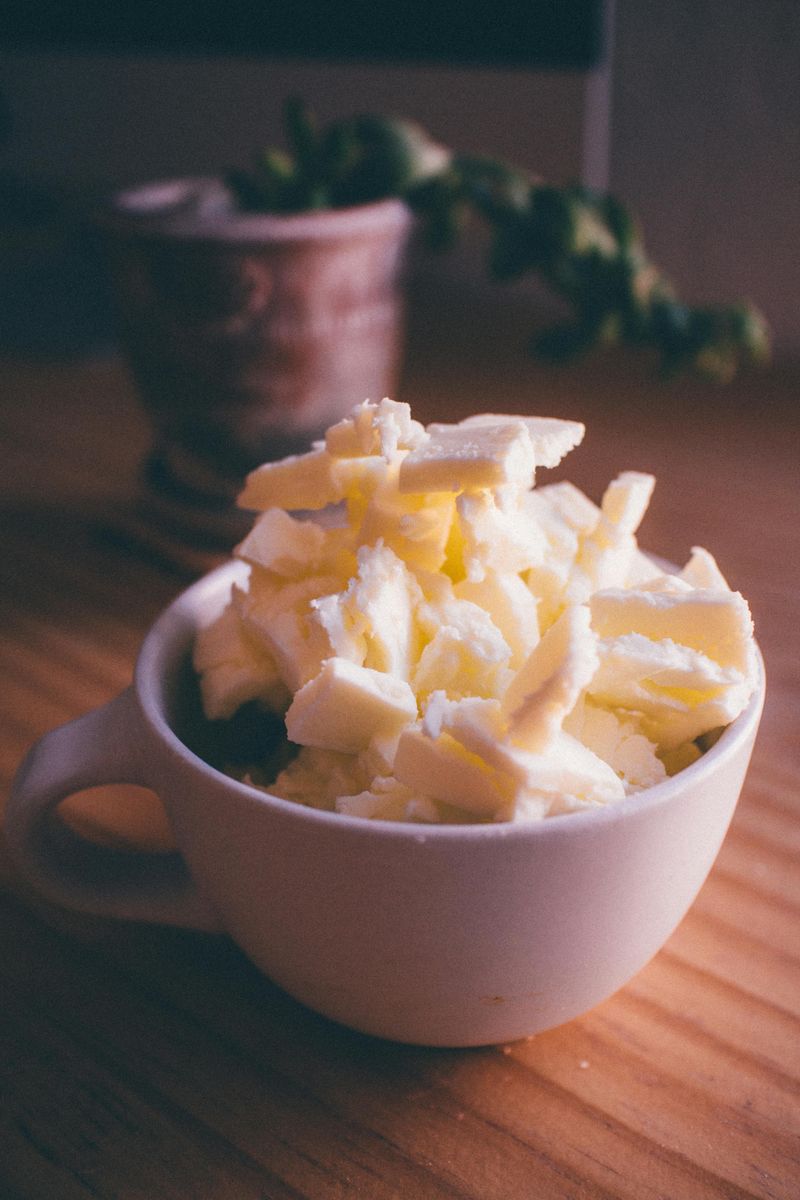
People dump dairy far too early, although butter keeps about 2 weeks refrigerated and up to 9 months frozen for best quality.
Kept sealed, it avoids soaking scents and preserves soft texture for bread, cooking, or frying greens on a very hectic evening.
Should yellowing or sour odors occur, then bin it, but many blocks stay fresh and tasty well past their marked expiration. While most think cream rots fast, butter’s dry nature makes it remarkably hardy, making every dish into a festival of rich flavors.
8. Bacon
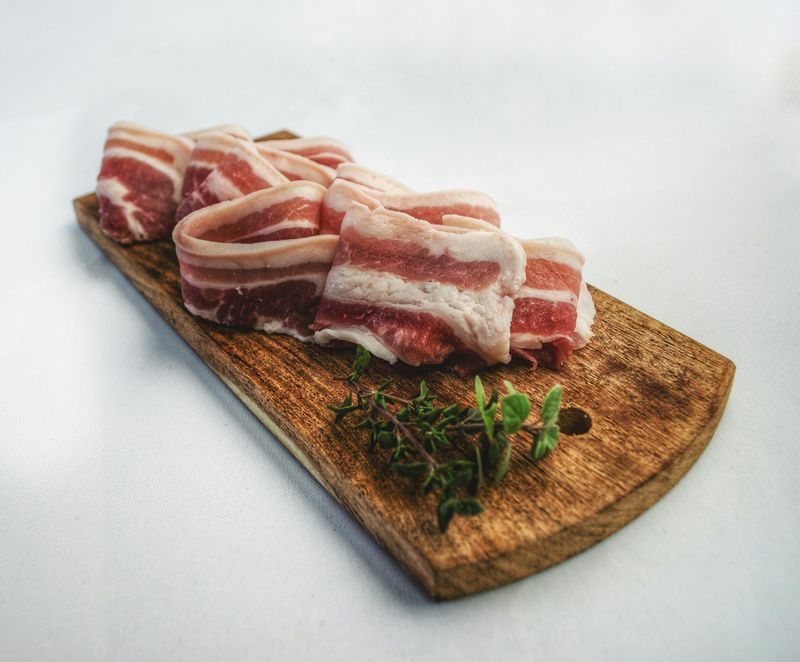
Stickers on bacon plastic trigger early binning, even though sealed slabs stay fourteen days chilled and unsealed ones endure a whole week.
Stowing bacon stretches its span to four weeks, so you can buy in bulk during deals and savor salted meat whenever your hunger hits.
When strips scent tangy or feel tacky, trash those instantly, but tight sealing and frosty temperatures keep mornings savory way longer than planned.
Usually, a fast optic scan and nose trial show health, making that weekend meal doable without a late-hour market trip.
7. Packaged Cold Cuts
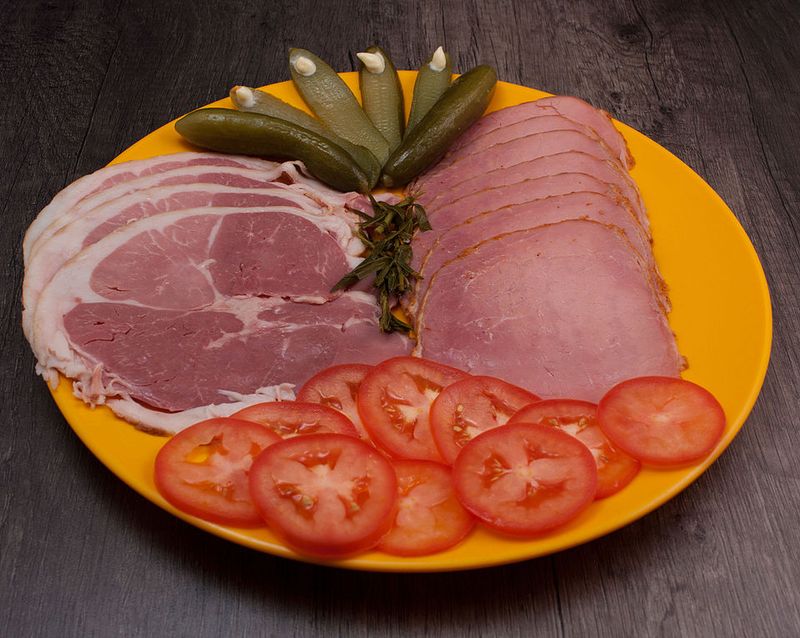
Deli meat gets dumped fast due to fear of spoilage, yet hot dogs and luncheon meats keep about 2 weeks unopened, then about 3 to 7 days after opening. Freezing extends life to two months, perfect for stocking sandwich supplies without daily deli trips.
If slices feel slimy or smell off, toss them, but proper sealing and cold storage keep lunchtime fresh and convenient.
Actually, a well-stocked fridge means quick meals for school lunches or late-night snacks, proving that cold cuts deserve more credit than their reputation suggests.
6. Hot Dogs

Franks endure the same label fear as sliced beef, though sealed bundles stay fourteen days chilled and unsealed ones endure a week. Stowing keeps them fresh for four to eight weeks, ensuring summer cookouts and fast lunches stay simple.
Should the skin crack or a weird scent start, bin them, but tight sealing means links stay juicy and tasty well past the box date.
Honestly, a frosty supply of grilled meats turns busy nights into easy feasts, showing that speed and flavor can work perfectly.
5. Ketchup
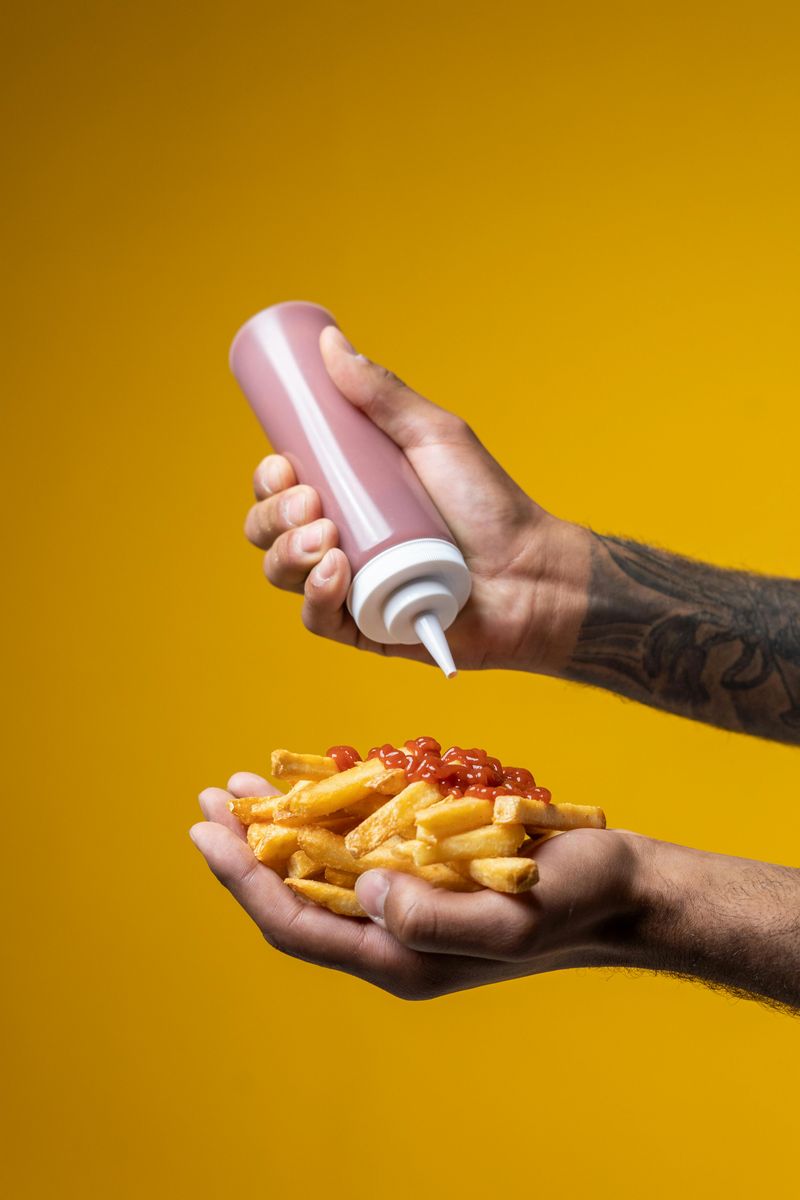
Many people toss ketchup early, unaware it lasts six months after opening in the fridge and a full year unopened in the pantry. Its acidic nature and preservatives keep it safe and tangy, perfect for burgers, fries, or secret sauce recipes that demand that classic tomato punch.
If mold appears or the color darkens significantly, discard it, but most bottles deliver consistent flavor far beyond their printed dates.
Ultimately, that squeeze bottle sitting in your fridge door is probably still ready to enhance your next cookout without a replacement run.
4. Mayonnaise
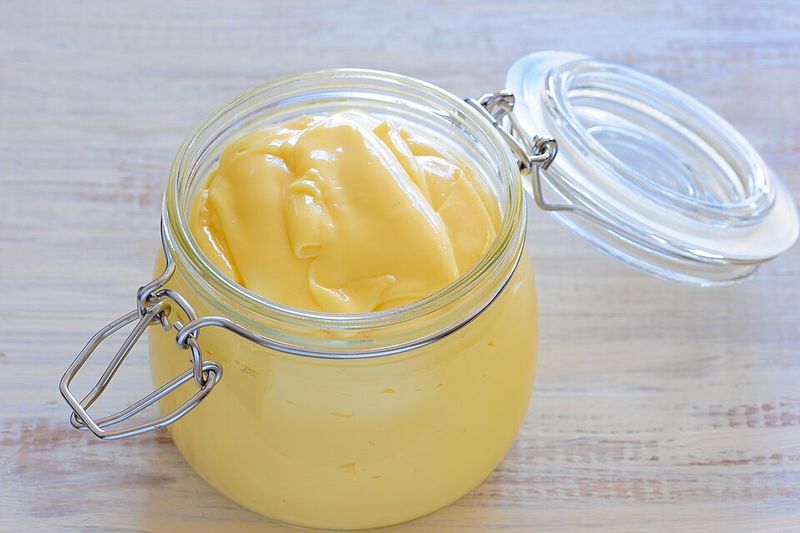
White spreads frequently face premature disposal, although staying eight weeks past opening within cold storage and twelve weeks sealed within cabinets. Correct capping and chilling halt decay, making lunches moist and greens tasty without frequent reordering.
Whenever oiling or foul scents arise, bin it, but many tubs stay velvety and sharp well past their printed marks.
Notably, a well-kept tub means veggie sides, cabbage, and turkey stacks stay easily nearby, showing that kitchen basics earn time and faith.
3. Jams And Jellies
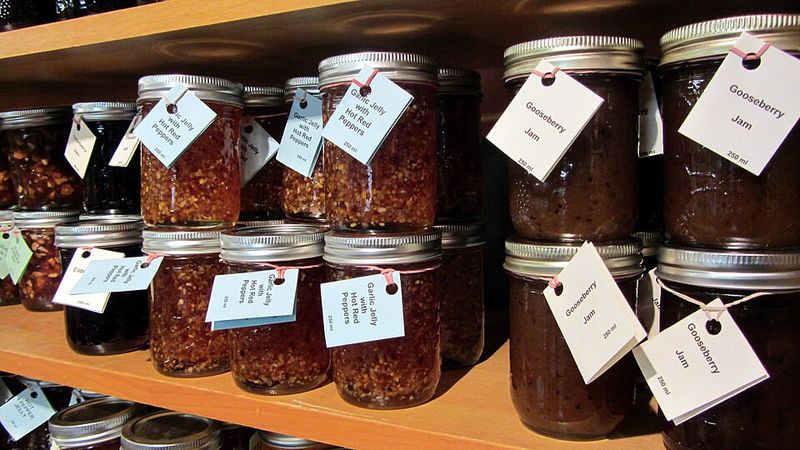
Folks believe unsealed glass indicates instant rot, yet fruit preserves endure half a year past cracking inside cold storage and annually sealed inside cabinets. Glucose serves as an organic stabilizer, making berry pastes sugary and usable for bread, donuts, or dessert biscuits on a wet day.
Whenever fungus grows, bin the tub, but many jellies stay bright and zesty way past the stamp hints tossing.
Customarily, artisan and mass-market spreads alike show that morning basics earn a greater kitchen span than several expect.
2. Rice And Dried Pasta
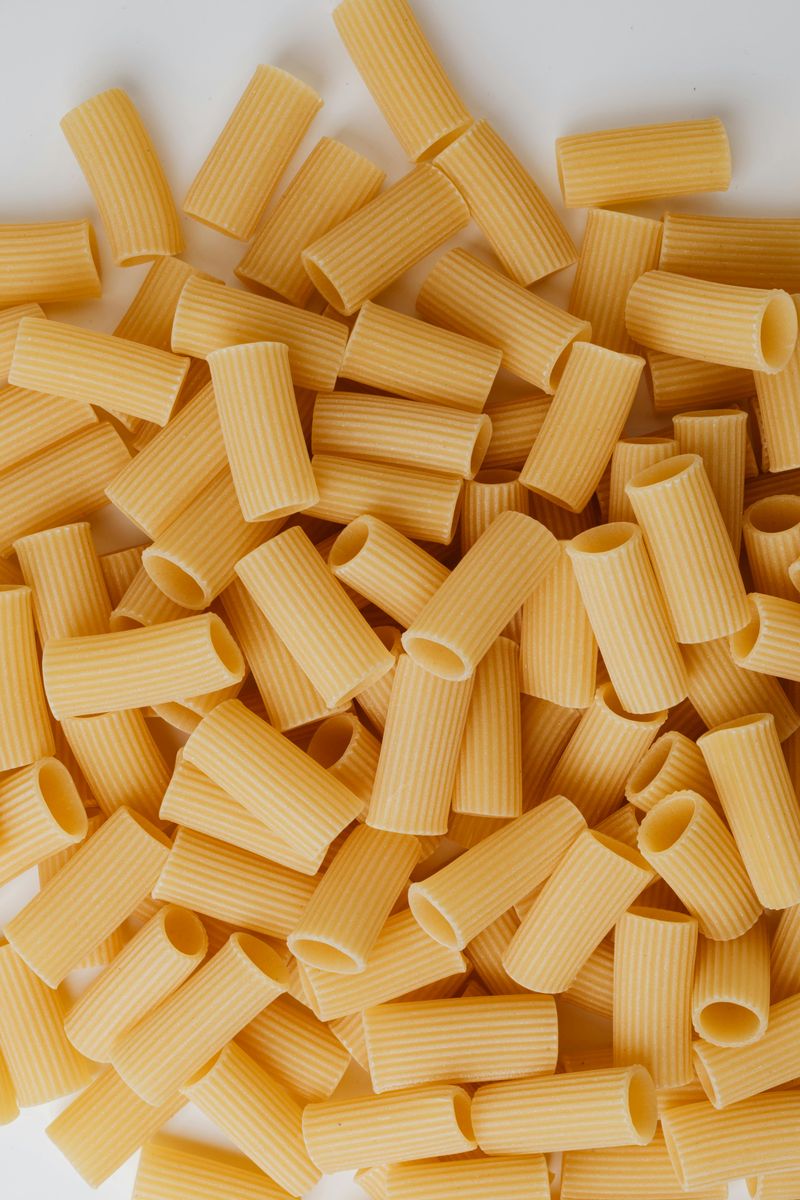
Rice and dried pasta often get tossed because they seem old, yet both last up to two years when stored in a cool, dry place.
White rice remains shelf-stable indefinitely, while brown rice has a shorter window due to natural oils, but both deliver reliable carbs for countless meals.
If bugs or moisture appear, discard them, but sealed containers keep grains and noodles ready for stir-fries, casseroles, or quick side dishes.
Essentially, a pantry stocked with these staples means dinner is always within reach, no matter how hectic the week becomes.
1. Canned Foods
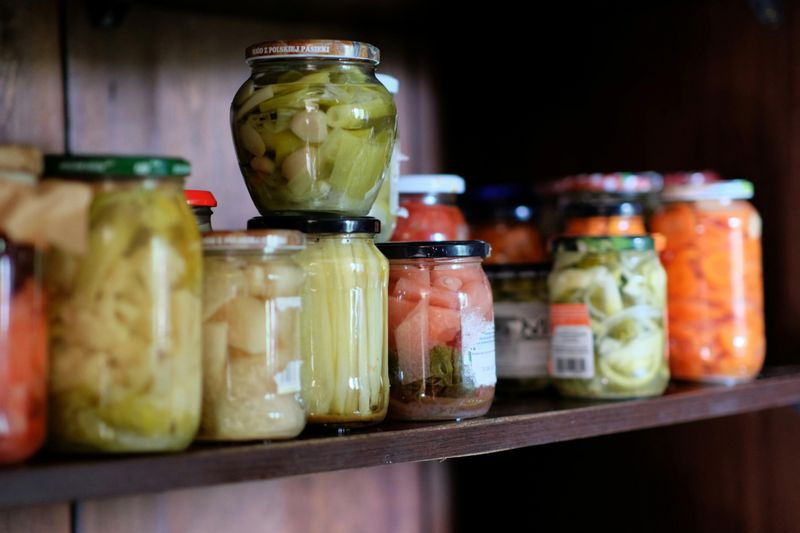
High-acid canned goods hold quality for shorter windows than low-acid canned goods, so follow best-by guidance and discard any can showing bulging or leaks.
Whenever pots swell, corrode, or drip, bin those instantly, but solid tins provide greens, legumes, and broths that ease cooking tasks and crisis prep.
Correct keeping in a chilled, arid place retains taste and health, making boxed meals a trusted reserve for hectic hours or surprise visitors. Happily, a tidy closet means food is always nearby, showing that metal basics earn honor and a greater stint in your pantry.