
20 Foods That Go By Different Names In The U.S. And U.K.
Put an American and a Brit in the same kitchen and suddenly cooking turns into a translation exercise.
One says aubergine, the other says eggplant, and both are convinced the other is making it up. Same food, different names, mild confusion guaranteed.
Understanding both versions saves grocery trips, recipes, and friendships from unnecessary culinary chaos.
1. Arugula (U.S.) Vs. Rocket (U.K.)
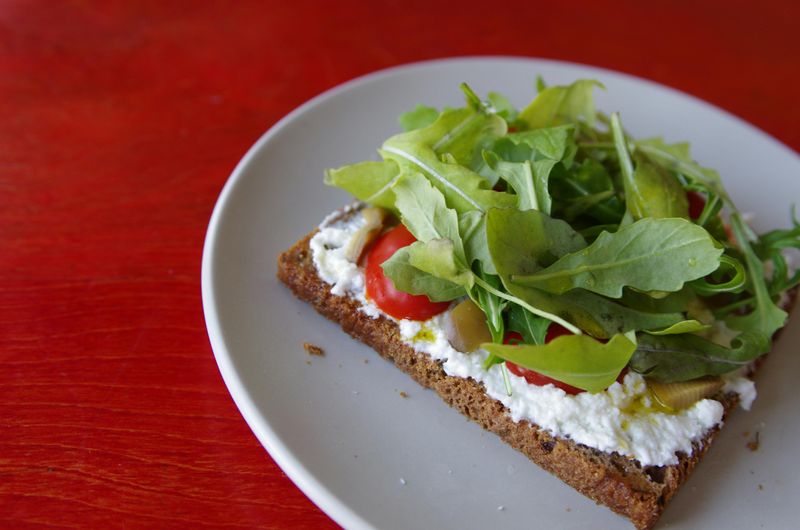
Grab a salad bowl and toss in some of those peppery, dark green leaves that make your taste buds sit up straight.
In the US, the label on the bag says arugula. Across the pond, the very same leaf goes by rocket, which honestly sounds like it belongs on a NASA menu.
Weekend lunch salads get a serious flavor upgrade with a handful of this stuff. One bite and mild lettuce feels like yesterday’s news.
2. Eggplant (U.S.) Vs. Aubergine (U.K.)
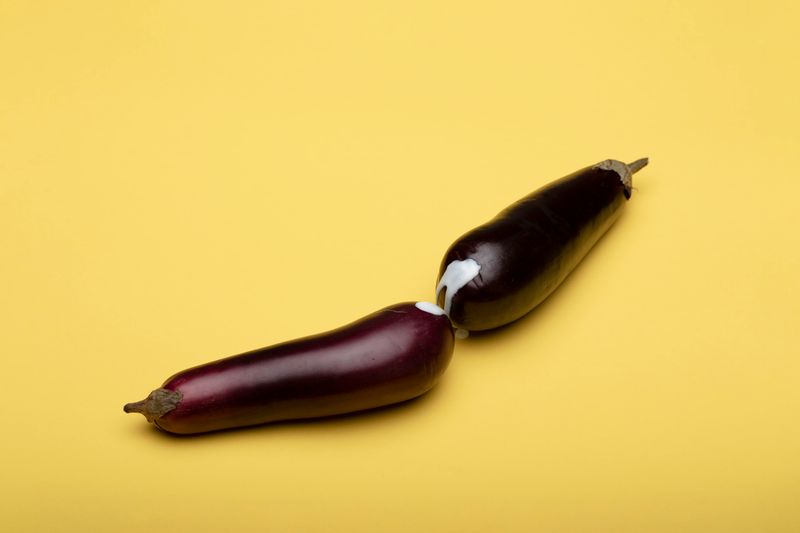
Shiny, deep-purple eggplant sits on a kitchen counter, ready to become dinner. It is referred to as eggplant in American kitchens, a moniker that many kids find confusing when nothing egg-shaped shows up on the dish.
In the UK, the same vegetable is usually called aubergine, a term borrowed from French.
Roasted, grilled, or stuffed preparations turn the vegetable into a weeknight superstar hiding behind two very different name tags.
3. Zucchini (U.S.) Vs. Courgette (U.K.)
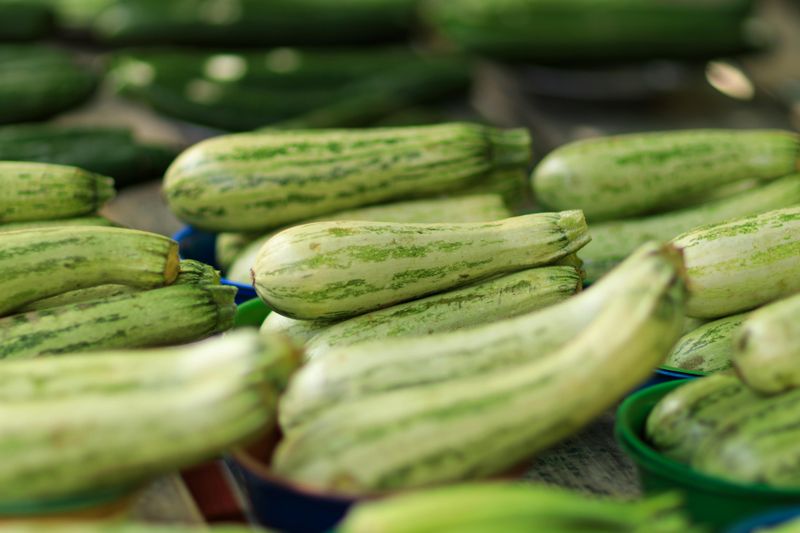
Sliced thin and dropped into a sizzling pan, this green summer squash fills the kitchen with a warm, grassy aroma that signals dinner is almost ready.
The US borrowed the word zucchini from Italian immigrants, while the UK kept the French version, courgette. Same vegetable, two passports.
Spiralized into noodles for a lighter weekday meal, it earns its spot in the vegetable drawer without any drama.
4. Cilantro (U.S.) Vs. Coriander (U.K.)
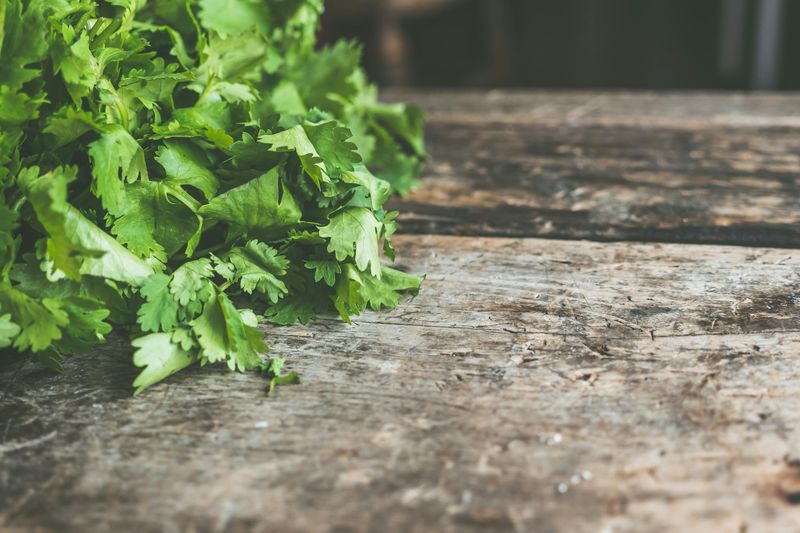
Few herbs divide opinions faster than a bright green, citrusy leaf carrying the scent of a farmers market on a sunny Saturday morning. Cilantro names the fresh leaves across the United States, reflecting Spanish influence in everyday cooking language.
Coriander serves as the umbrella term in British kitchens, covering both seeds and leaves under one familiar name.
Sprinkled over Friday night tacos, the herb becomes the finishing touch that makes the entire plate come alive.
5. Scallion / Green Onion (U.S.) Vs. Spring Onion (U.K.)
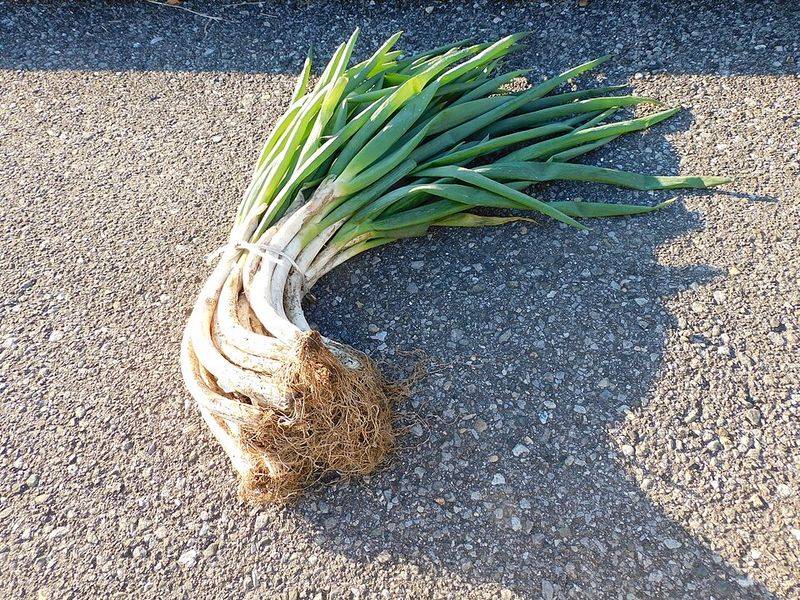
Long, slender stalks with a gentle onion bite appear everywhere from stir-fries to loaded baked potatoes.
Typically, American grocery store shoppers opt for green onions or scallions.
Across the Atlantic, British cooks often say spring onions, and the terms overlap, even if sizes and the little bulb at the base can vary by store. Chopped pieces scattered over a bowl of noodles add crunch and color that lift a simple lunch into something nearly restaurant-worthy.
6. Snow Pea (U.S.) Vs. Mangetout (U.K.)
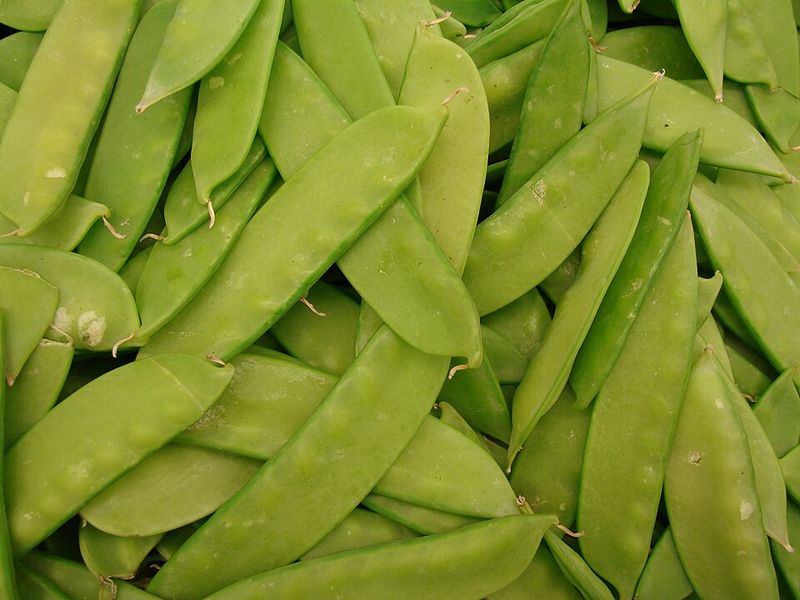
Flat, crisp, and sweet, these bright green pods snap satisfyingly when you bite into them straight from the produce bag.
The US name, snow pea, paints a picture of something delicate and cool. The UK name, mangetout, is French for eat all, which is basically an instruction and a permission slip rolled into one.
Tossed into a weeknight stir-fry, they cook in about sixty seconds and bring a fresh crunch that frozen peas simply cannot match.
7. Potato Chips (U.S.) Vs. Crisps (U.K.)
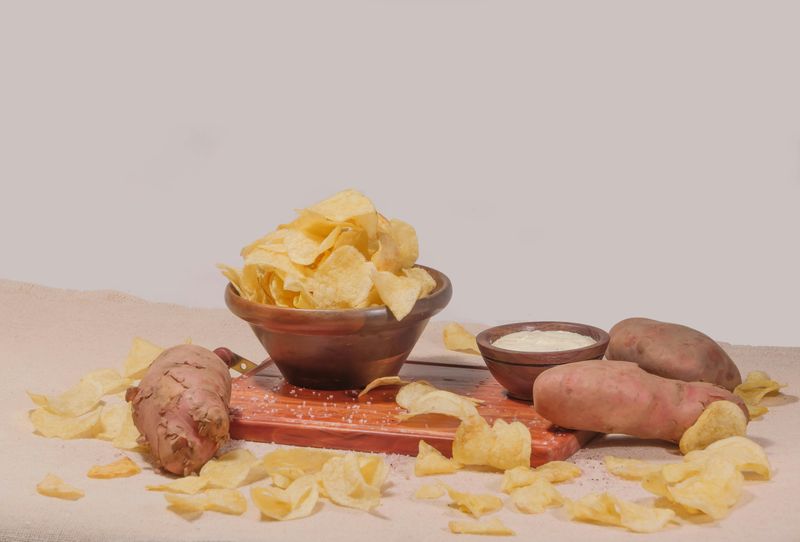
Late-night comfort often begins with the familiar crinkle of a snack bag opening at 10 p.m.
Potato chips remain the American name for those thin, crunchy slices that come in flavors ranging from barbecue to sour cream.
British menus and grocery shelves label the exact same snack as crisps, a term that somehow sounds sharper and crunchier out loud. After-school afternoons rarely feel complete without a handful of those salty, satisfying bites.
8. French Fries (U.S.) Vs. Chips (U.K.)
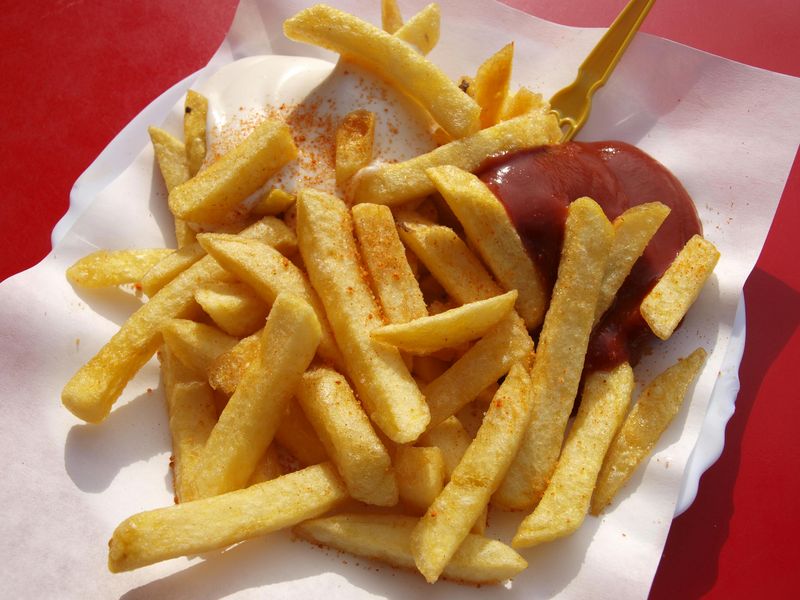
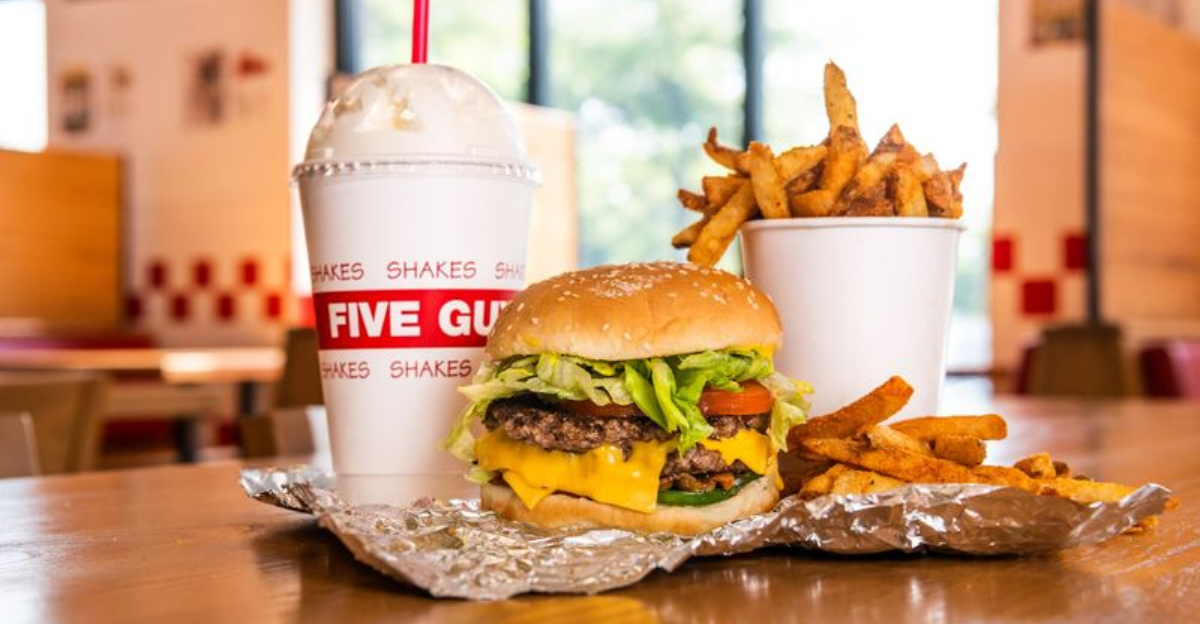
Golden, salty fries taste best eaten immediately while steam still rises straight from the fryer. Many menus call them French fries, with their exact origin still debated, and the argument tends to pop up whenever fries are involved.
In Britain, thicker varieties, referred to as chips, are served with a substantial amount of vinegar and wrapped in paper.
Weekend comfort requires no explanation, regardless of which name followed you to the dinner table growing up.
9. Cookies (U.S.) Vs. Biscuits (U.K.)
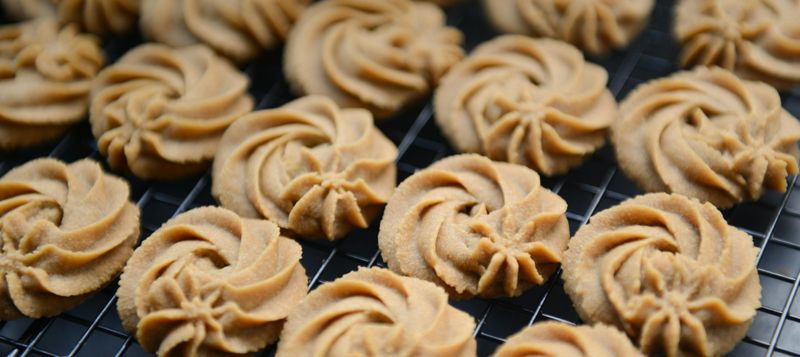
Fresh from the oven, crisp at the edges and soft in the center, these baked rounds feel like pure after-school magic. They are simply referred to as cookies in American households, and chocolate chip varieties are practically revered as national treasures.
Instead, British bakers use the word biscuits, which has a whole different meaning in the US and makes recipe swaps a happy mess. Dunked into a warm mug of tea or milk, each bite tastes like a small reward for making it through the week.
10. Candy (U.S.) Vs. Sweets (U.K.)
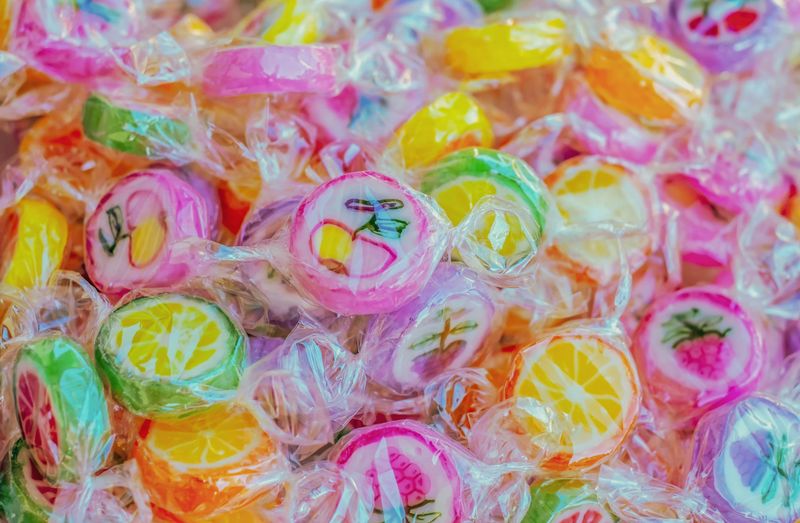
It feels like childhood preserved in tangible form when a glass jar full of vibrant, sweet bits is placed on a store counter.
Sugary confections fall under the word candy in the United States, where one label covers nearly every sweet treat imaginable. Kids in Britain ask for sweets instead, a name that fits perfectly since the entire category exists simply to taste sweet.
Friday afternoon trips to the sweet shop become a ritual children on both sides of the Atlantic would defend with their whole hearts.
11. Cotton Candy (U.S.) Vs. Candy Floss (U.K.)

Spun sugar that dissolves the instant it touches your tongue, leaving behind nothing but sweetness and a slightly sticky chin.
Americans call it cotton candy because the pastel fluff really does look like a cloud of cotton. The British name, candy floss, is equally charming and sounds like something a fairy godmother would carry around at a carnival.
A summer fair staple that turns grown adults into grinning kids the second the bag comes open.
12. Popsicle (U.S.) Vs. Ice Lolly (U.K.)
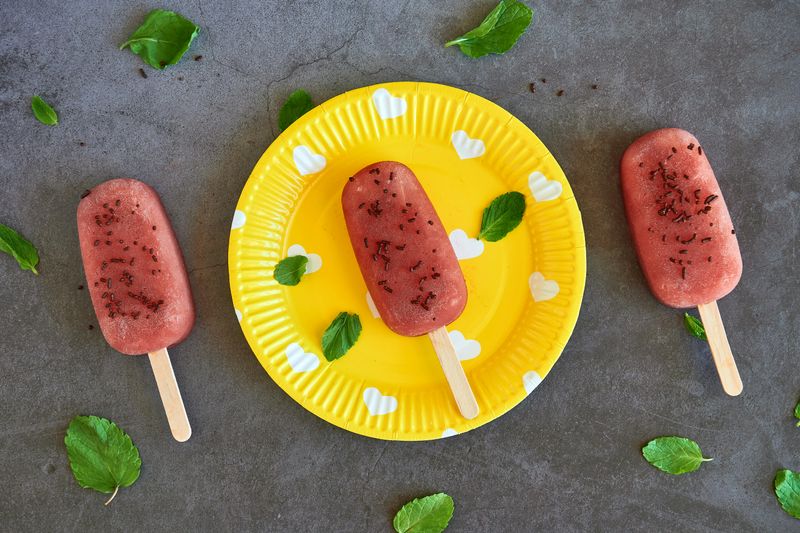
Blazing summer afternoons practically demand a frozen treat on a stick just to stay cool.
One side of the Atlantic knows it as a popsicle, a brand name that became so popular it replaced nearly every other term.
Kids elsewhere unwrap an ice lolly, a cheerful name that feels as playful as the melting treat itself. Sticky hands, dripping colors, and pure joy describe the exact same summer moment no matter what it’s called.
13. Ground Beef (U.S.) Vs. Mince / Minced Beef (U.K.)
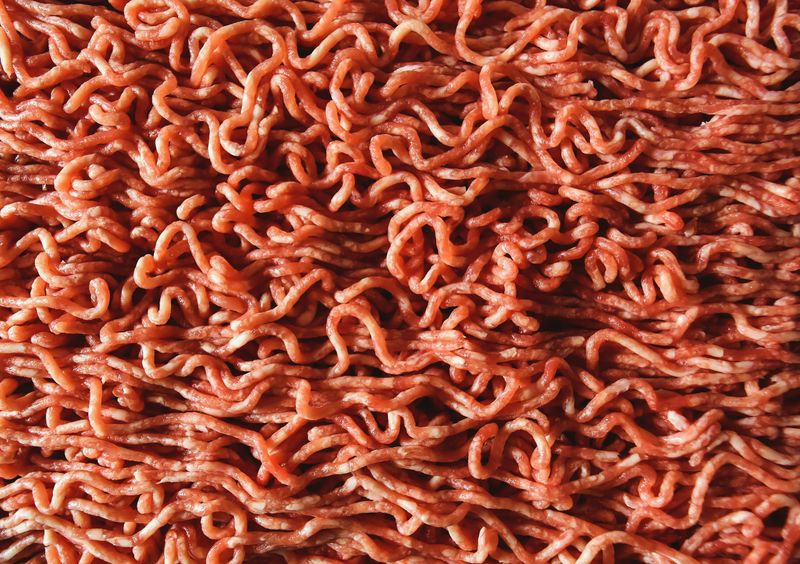
Sizzling beef browning in a hot pan ranks among the most promising sounds a hungry person can hear on a Tuesday evening. The term “ground beef,” which clearly describes what happens to the flesh during processing, is used in American recipes.
In British cookbooks, the term “minced” or “minced beef” is preferred because it sounds cozier and older, like it might be on a grandmother’s recipe card.
Weeknight bolognese, shepherd’s pie, and tacos all rely on the same ingredient, proving one meat can carry two names and endless dinner possibilities.
14. Shrimp (U.S.) Vs. Prawns (U.K.)
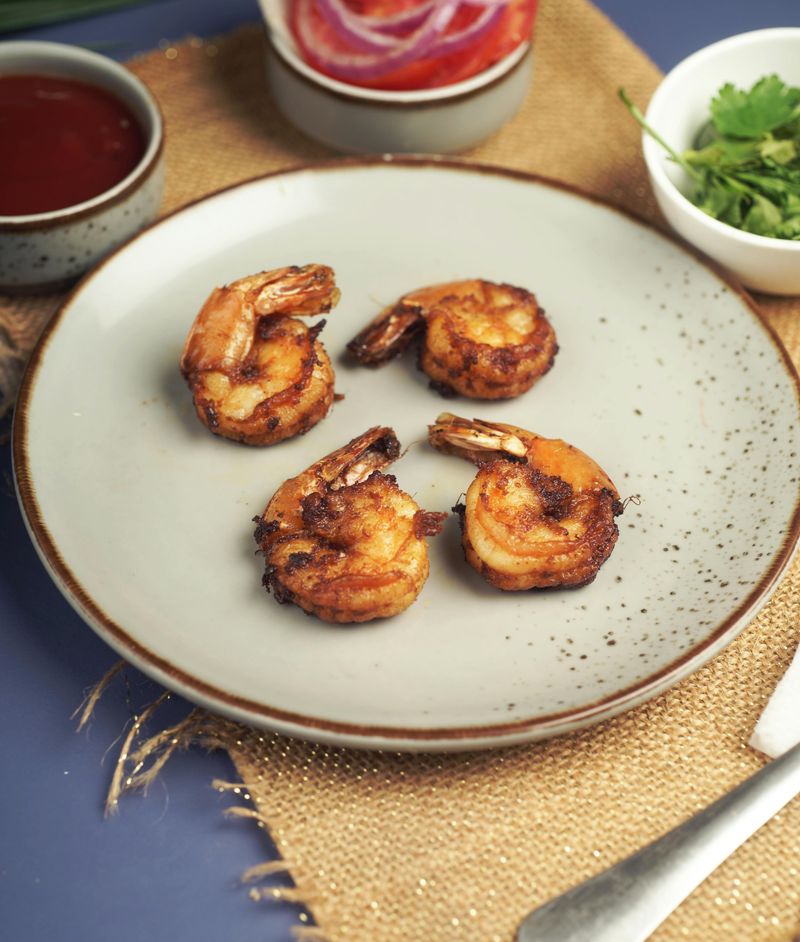
Plump, pink seafood bites curled like little commas tend to vanish from a party platter within minutes.
Restaurant menus in the United States list shrimp without hesitation, while diners in Britain reach for prawns, a name that carries a slightly more elegant tone.
Shrimp and prawns are technically different animals, and everyday naming varies by region, with ‘prawns’ used more often in the UK for what many Americans would casually call shrimp. Garlic butter, fresh lemon, and a hot pan turn the ingredient into pure weeknight luxury ready in under ten minutes.
15. Baked Potato (U.S.) Vs. Jacket Potato (U.K.)
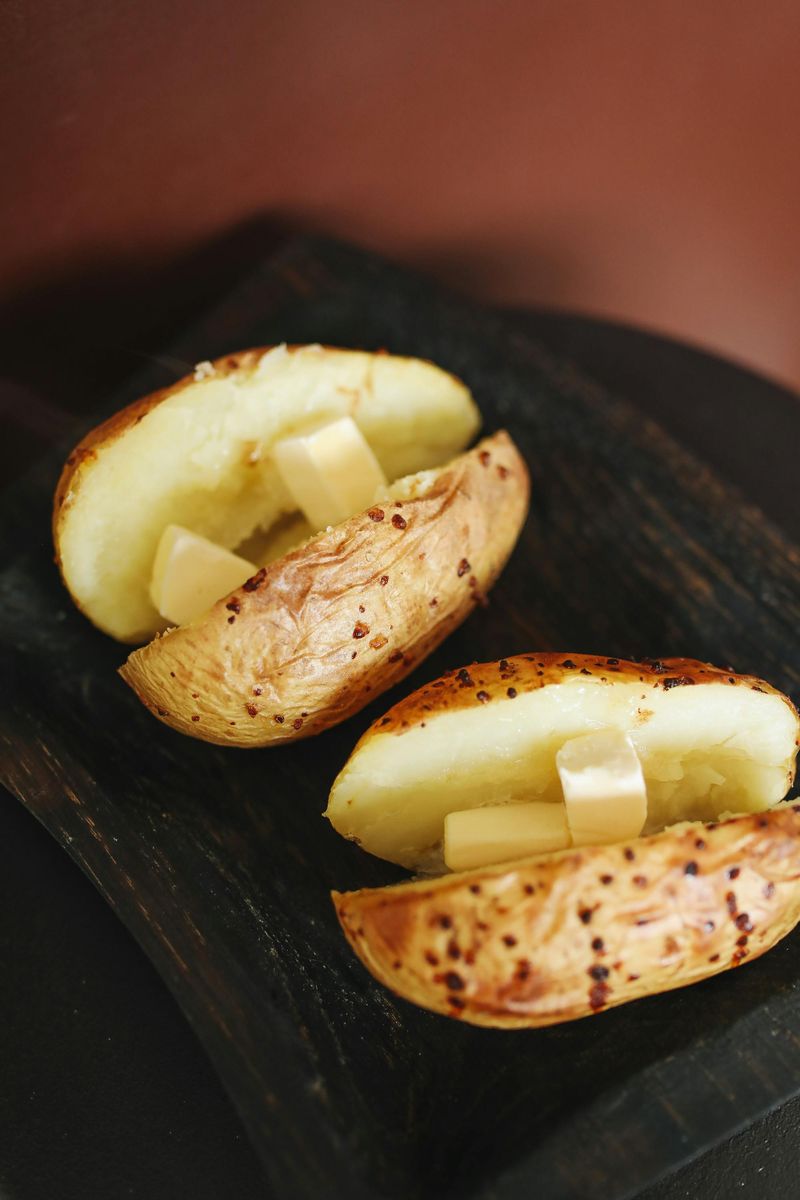
Split open with steam rising and a golden pat of butter melting into the fluffy white center, few lunches feel more satisfying. Many menus call it a baked potato, a straightforward name that gets the job done without much flair.
Across the Atlantic, the same dish goes by jacket potato, a cozy term that makes it sound like the spud slipped into a crispy coat straight from the oven.
Simple midweek meals rarely deliver this much comfort with so little effort.
16. All-Purpose Flour (U.S.) Vs. Plain Flour (U.K.)
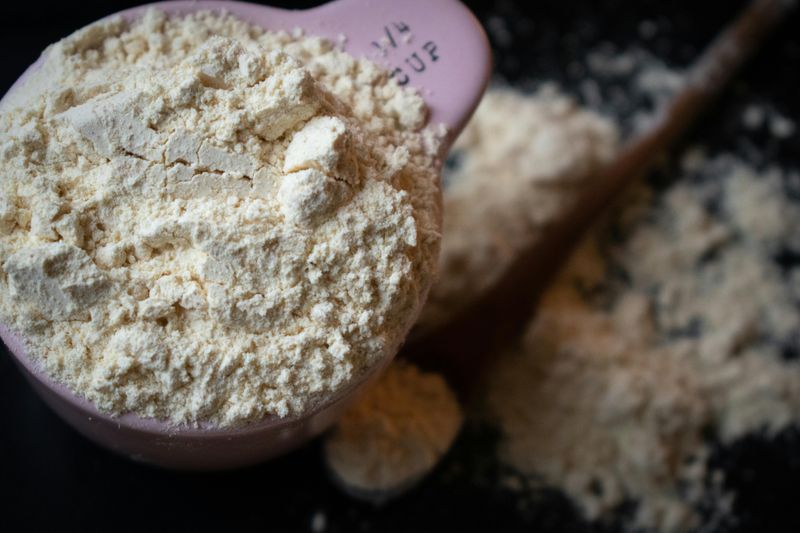
Every baking adventure begins with a scoop of flour, while a soft cloud of white dust rising from the bowl feels like the opening scene of a perfect Saturday morning. Recipes in the United States call for all-purpose flour, highlighting its versatility across nearly any bake.
Bakers in Britain reach for plain flour instead, a straightforward name that skips marketing flair and gets right to the point.
Cookies, cakes, and bread all rely on the same dependable staple, proving every kitchen shares a workhorse regardless of the name.
17. Confectioners’ Sugar (U.S.) Vs. Icing Sugar (U.K.)
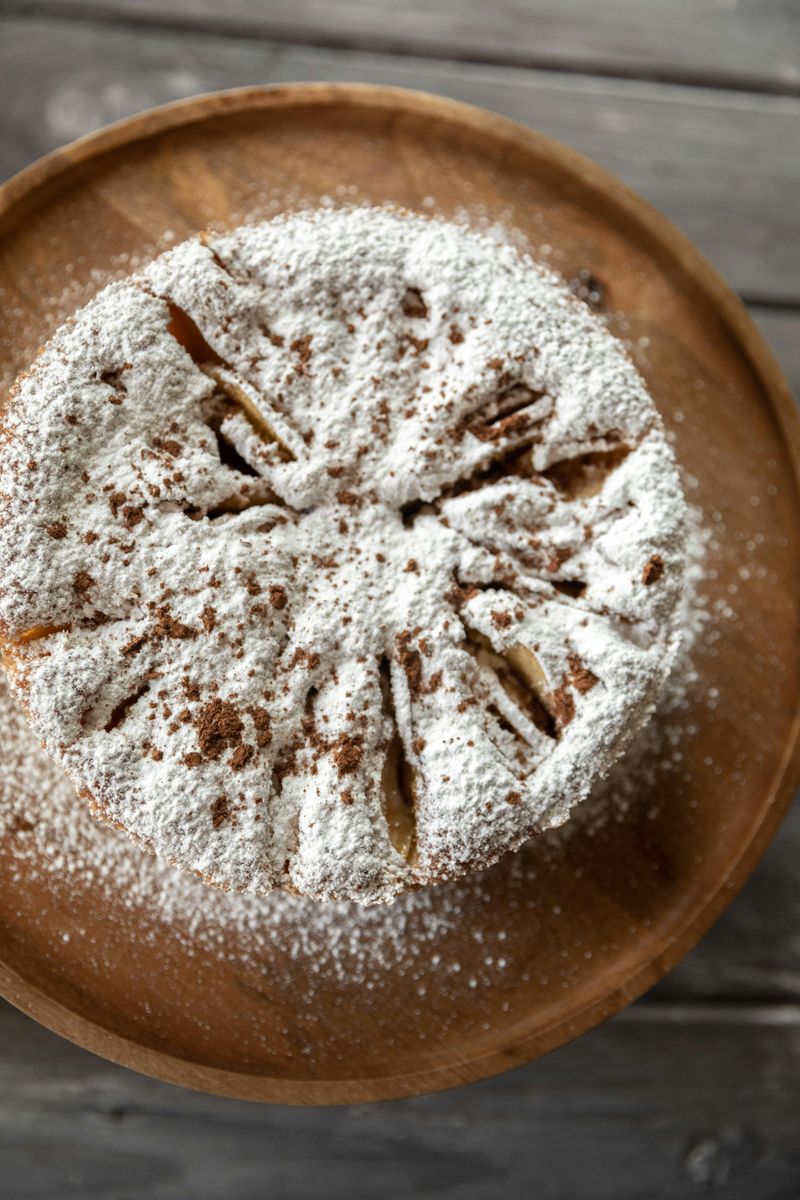
Fine white sugar dusted over a warm cake instantly makes a homemade bake look ready for a bakery window. Confectioners’ sugar, an elegant term for ordinary sugar that has been ground into a smooth powder, is used in many American recipes.
The phrase “icing sugar,” which refers directly to its use in frosting and glossy glazes, is preferred by bakers in other places.
Weekend baking feels incomplete without this sweet, powdery finishing touch.
18. Baking Soda (U.S.) Vs. Bicarbonate of Soda (U.K.)
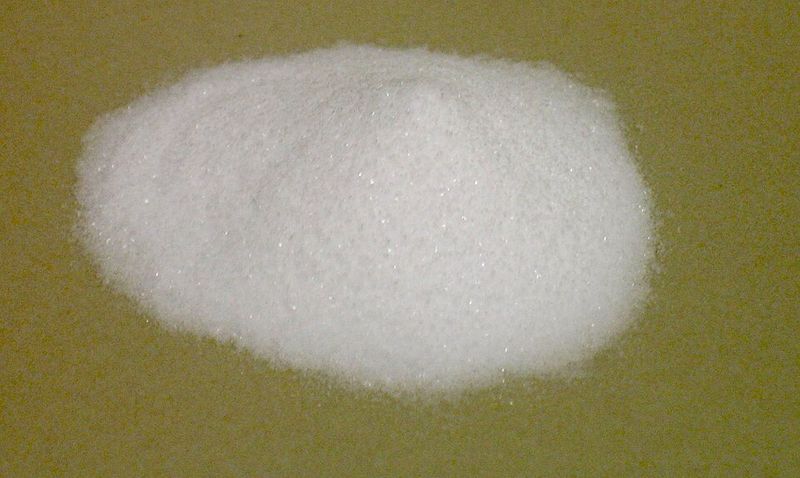
Just a tiny spoonful of white powder can transform flat batter into a beautifully risen, fluffy bake. Many American recipes list it simply as baking soda, a short and practical name.
British cookbooks use bicarbonate of soda instead, a term that sounds straight out of a chemistry lesson and accurately reflects the science happening in the oven.
Pancake mornings and banana bread afternoons both owe a quiet debt to this humble ingredient.
19. Pickle (U.S.) Vs. Gherkin (U.K.)
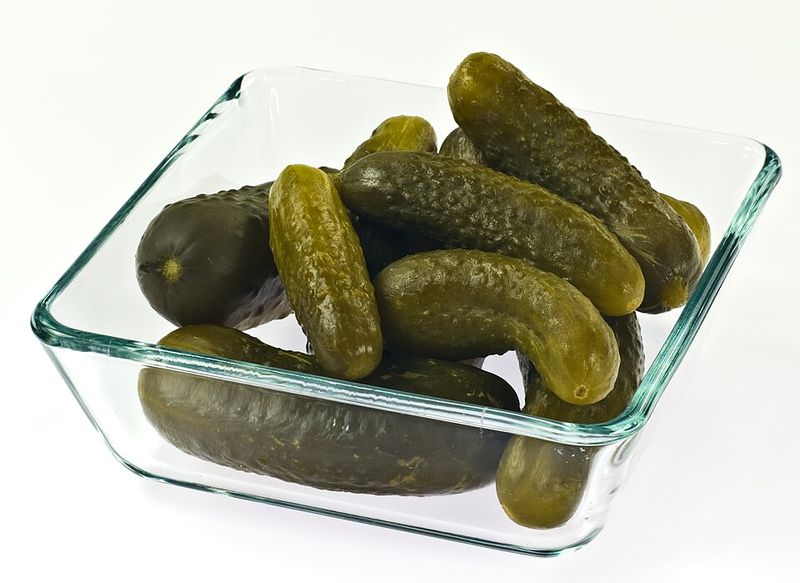
That tangy, vinegary crunch tucked inside a burger is one of those small details that completely changes the whole bite.
In the US, pickle almost always means a brined cucumber, and finding one on a diner burger is practically guaranteed. In British usage, a gherkin usually means a small pickled cucumber.
Lunch sandwiches across both countries are quietly made better by this little green hero.
20. Garbanzo Bean (U.S.) Vs. Chickpea (U.K.)
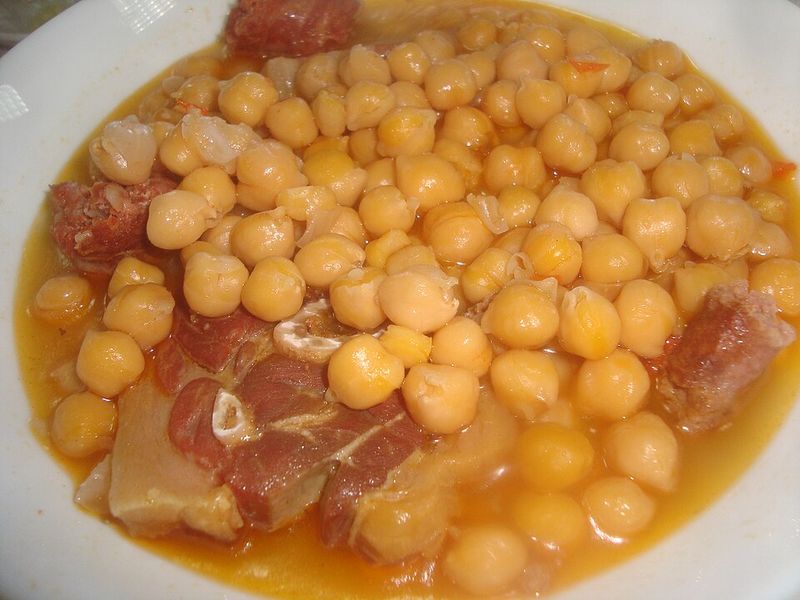
Creamy texture and remarkable versatility have turned these small round legumes into a pantry favorite on both sides of the Atlantic.
The Spanish-derived term “garbanzo beans,” which has a rather celebratory feel, is used in many American homes. Instead, British cooks prefer the simpler name “chickpea,” which is frequently found on menus from London to Edinburgh.
Blended into hummus for an after-school snack, the ingredient proves great things often come in small packages.
Disclaimer: Menu terms and everyday ingredient names can vary by region, brand, and retailer, and language usage shifts over time, so this content is provided for general informational and entertainment purposes and is not legal, medical, or professional advice.

.jpg)


