15 Foods That Treat You Well In Your 50s And Beyond
Your body changes as you age, and so do its needs.
The foods that fueled you in your twenties might not give you the same energy or health benefits now that you’ve hit your fifties and beyond.
But here’s the good news: eating the right foods can help you feel stronger, sharper, and more energetic than ever.
From heart-healthy fats to bone-building nutrients, these fifteen foods are like your personal health squad, ready to help you tackle every adventure that comes your way.
Adding these nutrient-packed options to your daily routine can make a noticeable difference in how you feel and function.
They support everything from steady energy and better digestion to improved mood and mental clarity.
With the right foods on your plate, thriving in your fifties and beyond becomes not just possible but exciting.
Disclaimer: This content is for general informational and educational purposes only and is not a substitute for professional medical advice, diagnosis, or treatment.
Always talk with a doctor or registered dietitian before making significant changes to diet, especially if there are existing health conditions or medications involved.
1. Leafy Greens
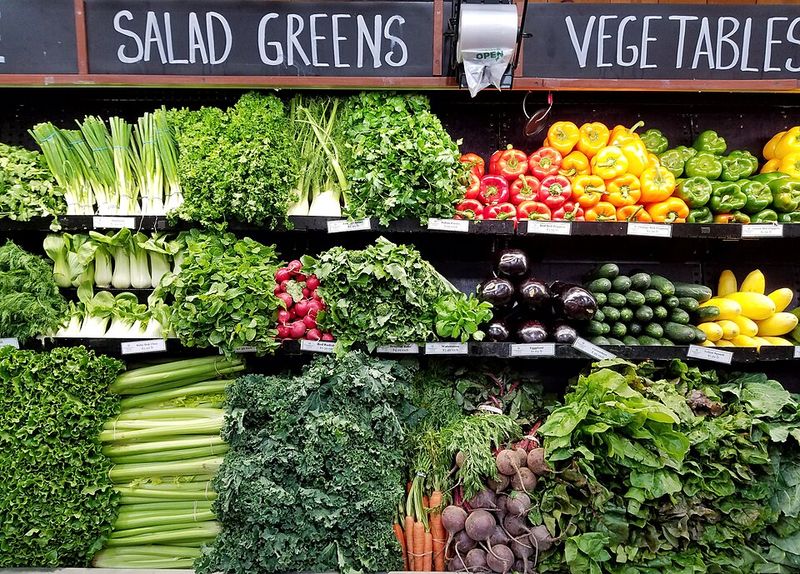
Popeye wasn’t wrong about spinach, but he barely scratched the surface.
Leafy greens like kale, Swiss chard, and collard greens are nutritional powerhouses packed with vitamins A, C, and K.
They also deliver calcium, which becomes super important as your bones start losing density with age.
Think of these greens as your skeleton’s best friends.
They help keep your bones strong and your muscles functioning smoothly.
Plus, they’re loaded with antioxidants that fight inflammation and keep your cells happy.
You can toss them into smoothies, sauté them with garlic, or pile them high on your sandwich.
The fiber in leafy greens also helps with digestion, which can slow down as you age.
Just saying, a big colorful salad isn’t boring when you add fun toppings like nuts, berries, or a tangy dressing.
Your heart will thank you too, since these greens help lower blood pressure and reduce the risk of heart disease.
If you’re not eating leafy greens daily, now’s the perfect time to start.
They’re easy to find, affordable, and incredibly versatile in the kitchen.
2. Salmon

Salmon swims to the top of the list when it comes to heart-healthy foods.
This fatty fish is loaded with omega-3 fatty acids, which are like tiny superheroes fighting inflammation throughout your body.
As you age, inflammation can lead to all sorts of problems, from achy joints to heart disease.
Omega-3s help keep your blood vessels flexible and your heart beating strong.
They also support brain health, which is crucial for keeping your memory sharp and your mood steady.
Wild-caught salmon tends to have more nutrients than farmed varieties, but both are excellent choices.
You can bake it, grill it, or even toss it into a salad.
Fun fact: Salmon actually gets its pink color from eating tiny shrimp and krill in the ocean.
The protein in salmon also helps maintain muscle mass, which naturally decreases as we get older.
Aim for at least two servings of fatty fish per week to get the full benefits.
Your brain, heart, and joints will all be doing a happy dance.
Just make sure you’re choosing sustainable sources to protect our oceans for future generations.
3. Berries
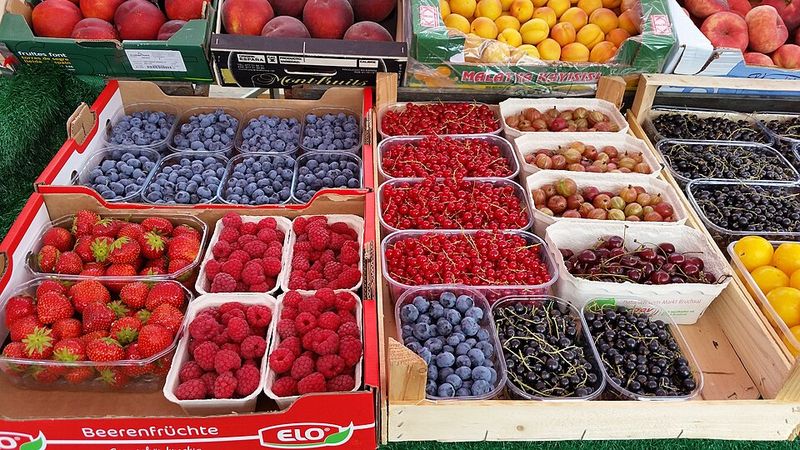
Berries are nature’s candy, except they actually make you healthier instead of giving you cavities.
Blueberries, strawberries, raspberries, and blackberries are bursting with antioxidants called anthocyanins.
These compounds give berries their gorgeous colors and help protect your brain cells from damage.
Research shows that eating berries regularly can slow down age-related memory loss.
Imagine snacking your way to a sharper mind!
Berries are also packed with vitamin C, which supports your immune system and keeps your skin looking fresh.
The fiber content helps regulate blood sugar levels, which becomes increasingly important as you age.
You can eat them fresh, frozen, or dried, though fresh and frozen tend to have the most nutrients.
Toss them into your morning oatmeal, blend them into smoothies, or just eat them by the handful.
Did you know that wild blueberries have even more antioxidants than cultivated ones?
They’re smaller but mightier in the nutrition department.
Berries are also low in calories, so you can enjoy them guilt-free while giving your body a serious health boost.
4. Nuts And Seeds
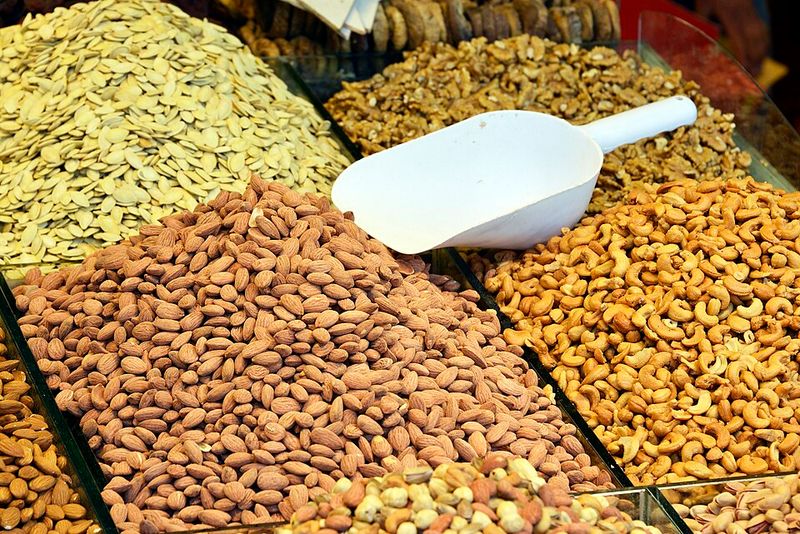
Crunchy, satisfying, and ridiculously good for you, nuts and seeds deserve a standing ovation.
Almonds, walnuts, flax seeds, and chia seeds are packed with healthy fats that support heart health and brain function.
They also provide protein and fiber, making them perfect for keeping you full between meals.
Walnuts are especially rich in omega-3 fatty acids, similar to what you find in salmon.
Meanwhile, almonds deliver vitamin E, which protects your cells from damage and keeps your skin glowing.
Flax seeds and chia seeds are tiny but mighty, offering both omega-3s and a hefty dose of fiber.
You can sprinkle them on yogurt, toss them into salads, or blend them into smoothies.
Just remember to grind flax seeds before eating them, or they’ll pass right through your system without releasing their nutrients.
Nuts and seeds also help reduce inflammation and lower cholesterol levels.
A small handful each day is all you need to reap the benefits.
They’re portable, shelf-stable, and endlessly versatile in recipes.
Plus, they make a way better snack than processed junk food.
5. Whole Grains
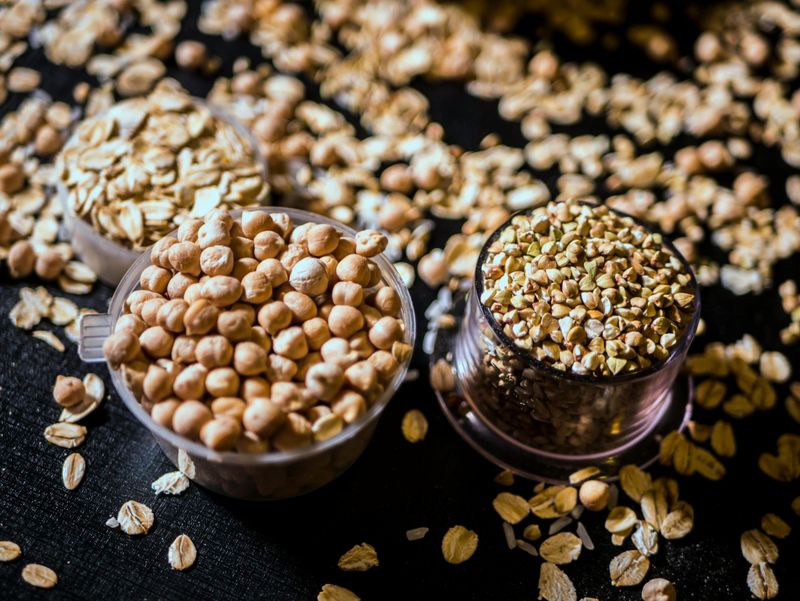
Whole grains are the unsung heroes of the food world, quietly supporting your health in countless ways.
Brown rice, quinoa, oats, and whole wheat provide complex carbohydrates that give you steady energy throughout the day.
Unlike refined grains, whole grains keep their fiber, vitamins, and minerals intact.
That fiber is crucial for digestive health, especially as your system slows down with age.
It also helps regulate blood sugar levels and keeps your cholesterol in check.
Quinoa is technically a seed but cooks like a grain, and it’s one of the few plant foods with all nine essential amino acids.
Oats are famous for their heart-healthy beta-glucan fiber, which can lower cholesterol levels.
Starting your day with a bowl of oatmeal topped with berries and nuts is like giving your body a nutritional hug.
Whole grains also contain B vitamins, which help convert food into energy and support brain function.
Swap out white bread, white rice, and regular pasta for their whole grain versions.
Your taste buds might need a minute to adjust, but your body will thank you big time.
Whole grains are filling, affordable, and easy to incorporate into any meal.
6. Avocados
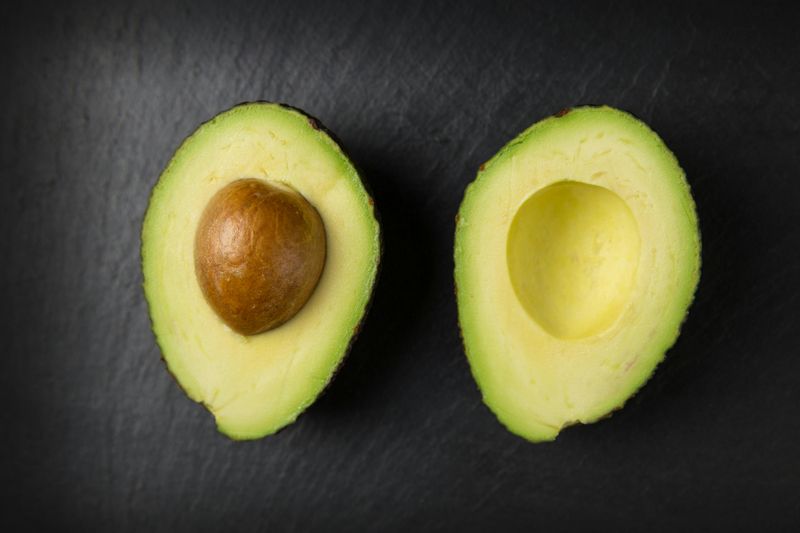
Avocados are basically butter that grows on trees, except way healthier.
These creamy green fruits are loaded with monounsaturated fats, the same heart-healthy fats found in olive oil.
They help lower bad cholesterol while raising good cholesterol, which is a win-win for your cardiovascular system.
Avocados also pack more potassium than bananas, and potassium is essential for maintaining healthy blood pressure.
As you age, keeping your blood pressure in check becomes increasingly important to prevent heart disease and stroke.
The fiber in avocados supports digestion and helps you feel full longer.
They’re also rich in vitamins C, E, and K, plus several B vitamins.
You can mash them on toast, slice them into salads, or blend them into smoothies for extra creaminess.
Fun fact: Avocados don’t ripen on the tree; they only ripen after being picked.
That’s why you sometimes have to wait a few days for them to reach perfect softness.
The healthy fats in avocados also help your body absorb fat-soluble vitamins from other foods.
So go ahead and add avocado to your veggie-packed salad for maximum nutrition.
7. Beans And Legumes
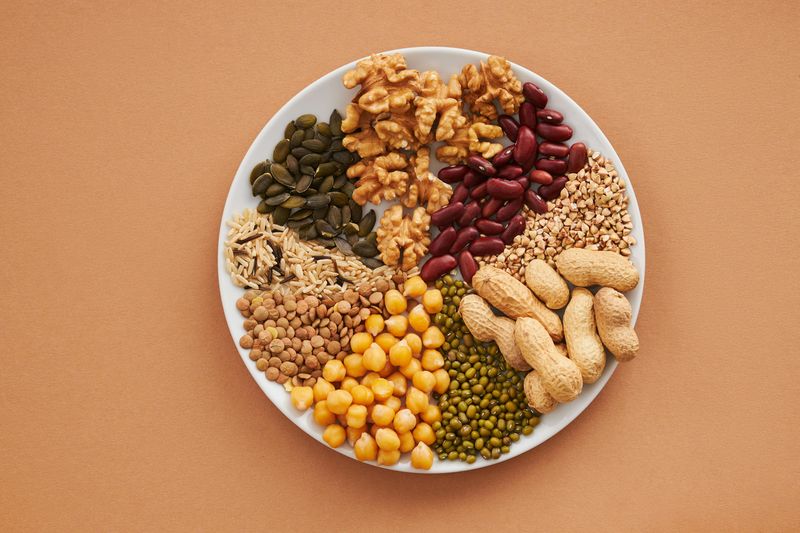
Beans might not seem glamorous, but they’re nutritional rock stars that deserve way more attention.
Lentils, chickpeas, black beans, and kidney beans are excellent sources of plant-based protein.
This matters because maintaining muscle mass becomes harder as you age, and protein is essential for keeping those muscles strong.
Beans are also loaded with fiber, which supports digestive health and helps control blood sugar levels.
They contain iron, magnesium, folate, and other important nutrients your body needs to function properly.
The best part is that beans are incredibly affordable and have a long shelf life.
You can buy them dried or canned, though rinsing canned beans reduces their sodium content.
Add them to soups, stews, salads, or mash them into dips like hummus.
Beans also contain resistant starch, which feeds the good bacteria in your gut.
A healthy gut microbiome is linked to better immunity, improved mood, and even clearer thinking.
If beans give you gas, start with small portions and gradually increase as your digestive system adjusts.
Your body will adapt, and you’ll reap all the amazing benefits these humble foods have to offer.
8. Greek Yogurt
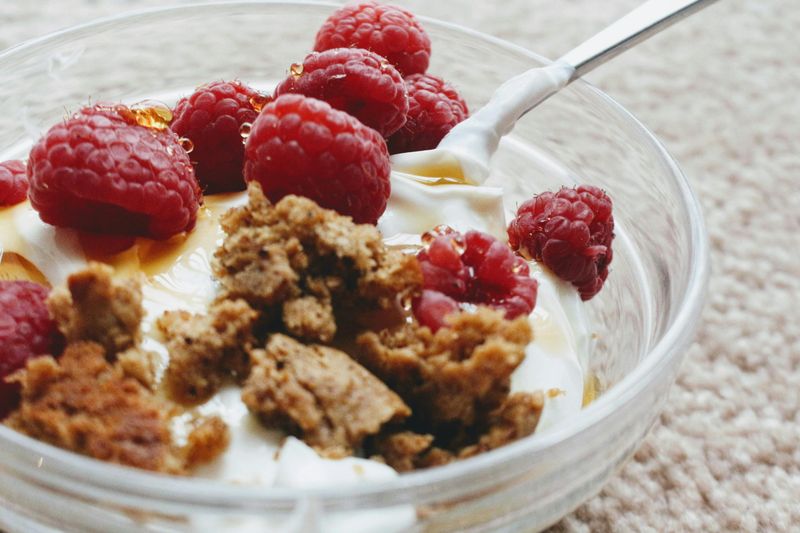
Greek yogurt is like regular yogurt that went to the gym and got seriously buff.
The straining process removes excess whey, leaving you with a thicker, creamier yogurt that’s packed with protein.
Protein is crucial for maintaining muscle mass and keeping you feeling satisfied between meals.
Greek yogurt also delivers calcium, which your bones desperately need as you age.
Women especially face increased risk of osteoporosis after menopause, making calcium-rich foods essential.
Beyond calcium and protein, Greek yogurt contains probiotics, which are beneficial bacteria that support gut health.
A healthy gut can improve digestion, boost immunity, and even influence your mood.
Choose plain Greek yogurt over flavored varieties, which often contain added sugars.
You can sweeten it yourself with fresh fruit, a drizzle of honey, or a sprinkle of cinnamon.
Use it as a base for smoothies, a substitute for sour cream, or a creamy addition to sauces.
The versatility of Greek yogurt makes it easy to incorporate into both sweet and savory dishes.
Just make sure you’re buying versions with live active cultures to get those probiotic benefits.
9. Sweet Potatoes
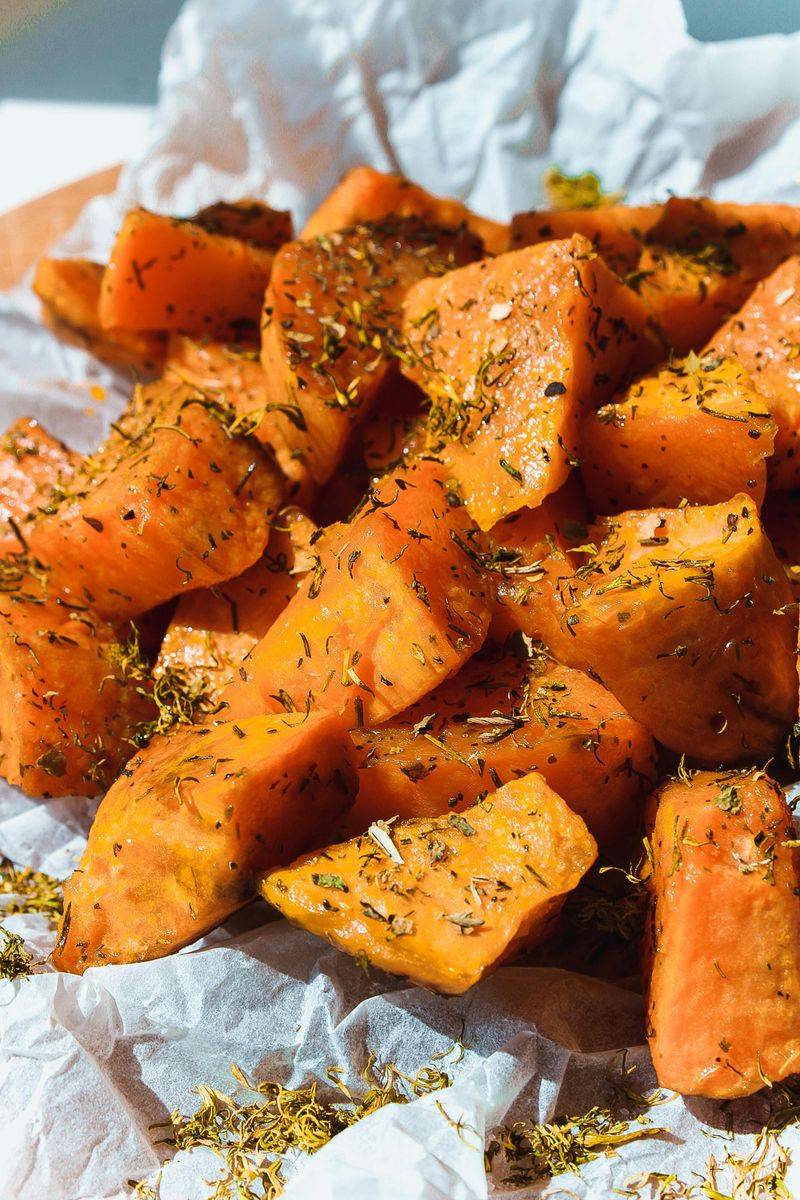
Sweet potatoes are like the friendly neighbor who’s always there when you need them.
These orange beauties are packed with beta-carotene, which your body converts into vitamin A.
Vitamin A is essential for maintaining good vision, especially as your eyes age and become more vulnerable to problems.
Sweet potatoes also provide fiber, which supports digestive health and helps regulate blood sugar levels.
Despite their natural sweetness, they have a lower glycemic index than regular potatoes, meaning they won’t spike your blood sugar as much.
They’re also rich in vitamin C, manganese, and several B vitamins.
You can bake them, mash them, roast them, or even spiralize them into noodles.
The skin is edible and contains extra fiber and nutrients, so leave it on when possible.
Sweet potatoes are incredibly filling, making them a satisfying addition to any meal.
Fun fact: Despite the name, sweet potatoes aren’t actually related to regular potatoes.
They belong to a completely different plant family.
Whether you enjoy them savory or sweet, these versatile vegetables deserve a regular spot on your plate.
10. Olive Oil
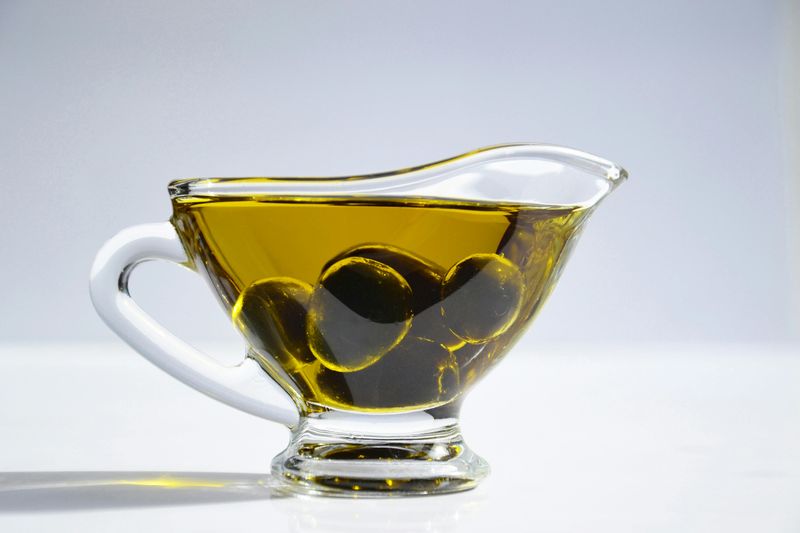
Olive oil is the liquid gold of the Mediterranean diet, and for good reason.
This ancient oil is rich in monounsaturated fats, which support heart health by lowering bad cholesterol levels.
It also contains powerful antioxidants called polyphenols that fight inflammation throughout your body.
Chronic inflammation is linked to numerous age-related diseases, from arthritis to Alzheimer’s.
Extra virgin olive oil is the least processed version and contains the most beneficial compounds.
Use it for salad dressings, drizzle it over roasted vegetables, or use it for low-heat cooking.
Avoid heating olive oil to smoking point, as high temperatures can damage its beneficial properties.
Studies show that people who consume olive oil regularly have lower rates of heart disease and live longer on average.
It’s also been linked to better brain function and reduced risk of cognitive decline.
Store your olive oil in a cool, dark place to preserve its quality and flavor.
A little goes a long way, so you don’t need to drench your food in it.
Just a tablespoon or two per day can provide significant health benefits without adding too many calories.
11. Eggs
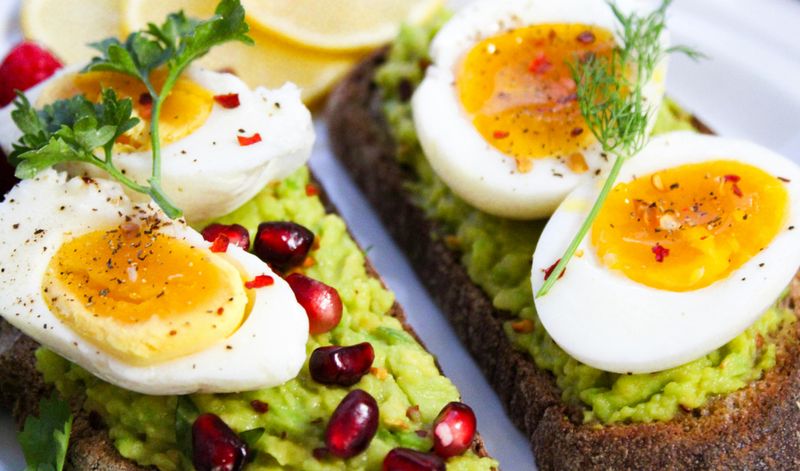
Eggs got a bad reputation for a while, but science has cracked the case and cleared their name.
These protein-packed orbs are one of the most nutritious foods you can eat.
They contain all nine essential amino acids, making them a complete protein source.
Protein becomes increasingly important as you age because it helps maintain muscle mass and strength.
Eggs also provide vitamin B12, which is crucial for nerve function and energy production.
Many older adults become deficient in B12, leading to fatigue and cognitive problems.
The yolk contains choline, a nutrient that supports brain health and memory.
Eggs are also rich in lutein and zeaxanthin, antioxidants that protect your eyes from age-related damage.
You can prepare them countless ways: scrambled, poached, hard-boiled, or baked into dishes.
Contrary to old beliefs, eating eggs doesn’t significantly raise cholesterol levels for most people.
In fact, eggs can improve your cholesterol profile by increasing good HDL cholesterol.
They’re affordable, versatile, and quick to prepare, making them perfect for busy mornings or easy dinners.
12. Dark Chocolate
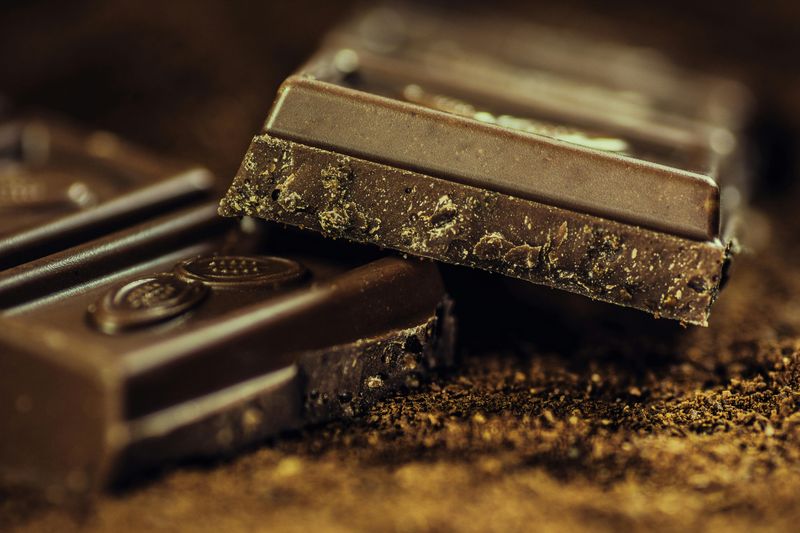
Finally, a health food that actually tastes like a treat!
Dark chocolate contains powerful antioxidants called flavonoids that support heart health and improve blood flow.
These compounds can help lower blood pressure and reduce the risk of heart disease.
Dark chocolate also contains minerals like iron, magnesium, and zinc.
The key is choosing chocolate with at least 70 percent cocoa content and eating it in moderation.
Milk chocolate and heavily processed chocolate candy don’t offer the same benefits.
Studies suggest that dark chocolate can improve brain function and mood by increasing blood flow to the brain.
It might even help protect your skin from sun damage, though you should still wear sunscreen.
The caffeine and theobromine in dark chocolate provide a gentle energy boost without the jitters.
Just remember that chocolate is calorie-dense, so stick to about one ounce per day.
That’s roughly the size of two or three small squares.
Savor it slowly and let it melt on your tongue to fully enjoy the experience.
Dark chocolate proves that healthy eating doesn’t have to be boring or feel like punishment.
13. Broccoli
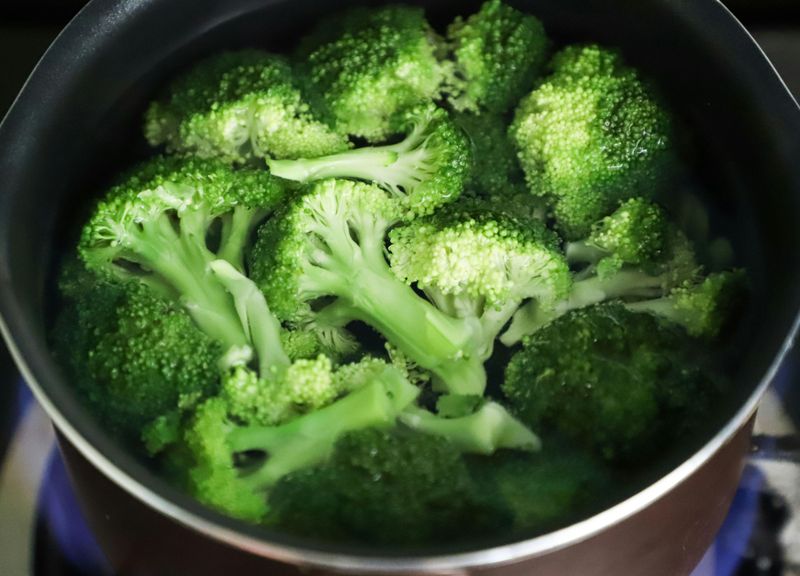
Broccoli might look like tiny trees, but it’s actually a nutritional forest of goodness.
This cruciferous vegetable is loaded with vitamins C and K, both of which become increasingly important as you age.
Vitamin C supports your immune system and helps your body produce collagen for healthy skin and joints.
Vitamin K is essential for bone health and proper blood clotting.
Broccoli also contains sulforaphane, a compound that has been studied for its potential cancer-fighting properties.
The fiber in broccoli supports digestive health and feeds beneficial gut bacteria.
You can eat it raw, steamed, roasted, or stir-fried.
Roasting broccoli with a little olive oil and garlic transforms it into a crispy, delicious side dish.
Even people who claim to hate broccoli often love it when it’s properly prepared.
Broccoli sprouts contain even more sulforaphane than mature broccoli, so consider adding them to salads and sandwiches.
This vegetable is also low in calories but high in nutrients, making it perfect for maintaining a healthy weight.
Don’t overcook broccoli, as excessive heat can destroy some of its beneficial compounds.
14. Chia Seeds
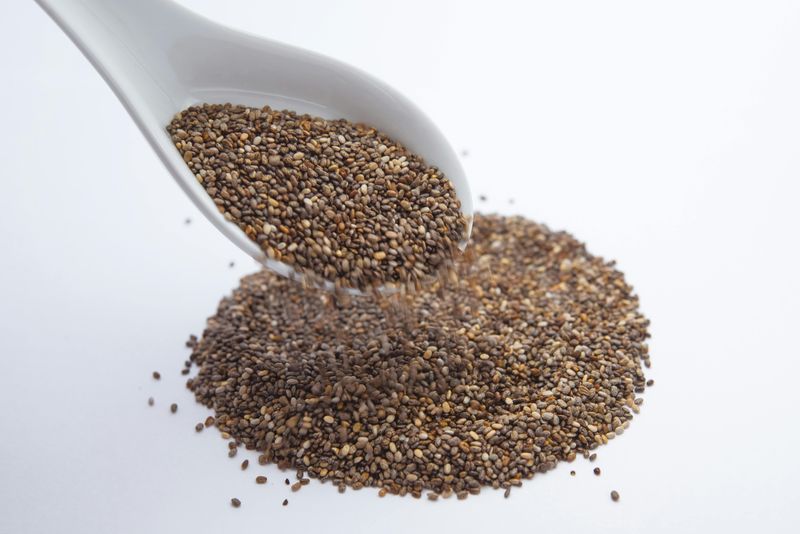
Don’t let their tiny size fool you; chia seeds are nutritional giants.
These little seeds were prized by ancient Aztec and Mayan warriors for their energy-boosting properties.
Today, we know they’re packed with omega-3 fatty acids, fiber, protein, and various minerals.
The omega-3s in chia seeds support heart health and reduce inflammation throughout your body.
They’re also incredibly high in fiber, with just two tablespoons providing about 11 grams.
That fiber helps regulate digestion, control blood sugar levels, and keep you feeling full.
When mixed with liquid, chia seeds form a gel-like consistency that makes them perfect for puddings and smoothies.
You can also sprinkle them on yogurt, oatmeal, or salads for an extra nutritional boost.
Chia seeds contain calcium, magnesium, and phosphorus, all of which support bone health.
They’re also a complete protein source, containing all nine essential amino acids.
Unlike flax seeds, you don’t need to grind chia seeds for your body to absorb their nutrients.
They’re shelf-stable and last for years when stored properly, making them a convenient pantry staple.
15. Carrots
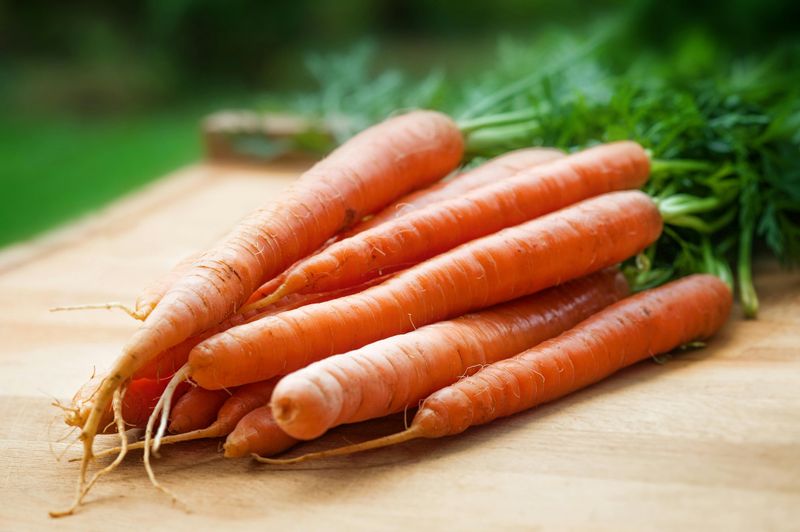
Carrots have been the poster child for eye health since forever, and they truly live up to the hype.
These crunchy orange vegetables are loaded with beta-carotene, which your body converts into vitamin A.
Vitamin A is crucial for maintaining good vision, especially night vision, which can decline with age.
Carrots also support immune function, helping your body fight off infections and illnesses.
They contain antioxidants that protect your cells from damage and may reduce the risk of certain diseases.
The fiber in carrots supports digestive health and helps maintain healthy cholesterol levels.
You can eat them raw as a crunchy snack, roast them until they’re caramelized and sweet, or blend them into soups.
Baby carrots make convenient on-the-go snacks, though whole carrots contain slightly more nutrients.
Cooking carrots actually increases the availability of beta-carotene, making it easier for your body to absorb.
Try pairing carrots with a little healthy fat, like hummus or olive oil, to maximize nutrient absorption.
Carrots come in various colors, including purple, yellow, and white, each with slightly different nutrient profiles.
They’re affordable, widely available, and naturally sweet, making them a favorite for both kids and adults.