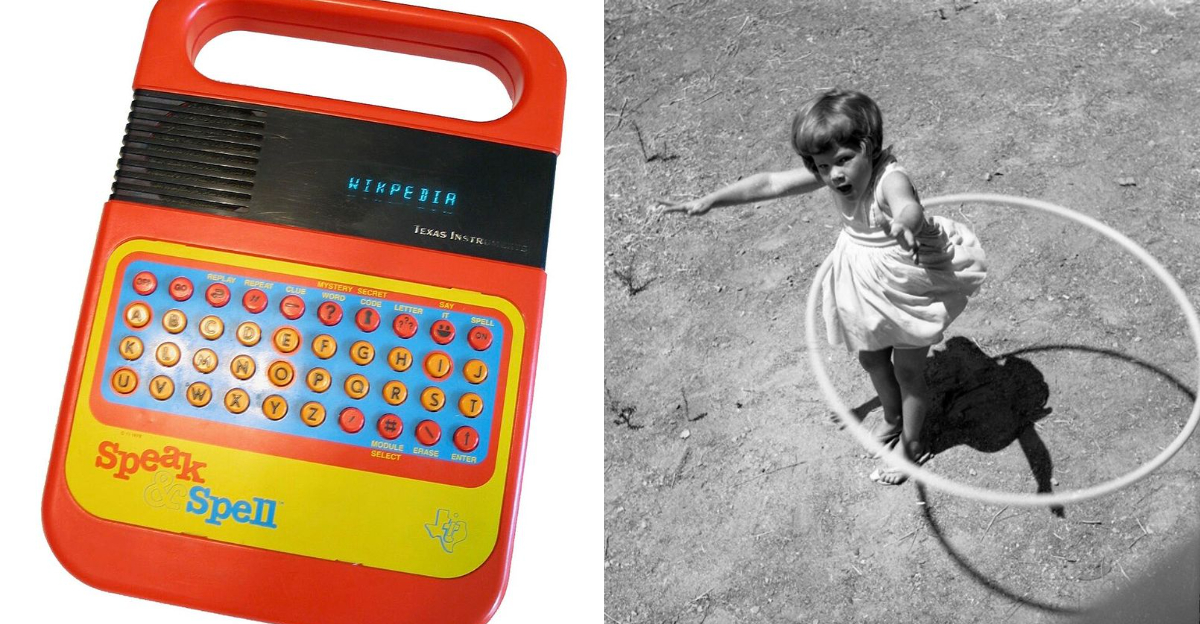
From Paper Invites To Party Mix CDs: 20 Retro Birthday Trends
Remember when birthdays meant racing to the mailbox for colorful paper invitations and spending hours crafting the perfect mix CD for your party?
Those magical traditions from decades past brought a special kind of joy that today’s digital world sometimes misses.
Whether you grew up in the neon-soaked eighties or the grunge-filled nineties, these retro birthday trends remind us that celebrating another year around the sun used to involve a lot more glitter glue and a lot less screen time.
Get ready for a nostalgic trip down memory lane as we explore twenty birthday traditions that made parties unforgettable.
Disclaimer: This article is meant for nostalgic and entertainment purposes only.
The birthday trends mentioned reflect common experiences from past decades and may not match today’s safety standards or preferences.
We’re not suggesting you recreate every idea exactly as it was – always use good judgment and follow current health, safety, and inclusivity guidelines when planning any celebration.
20. Paper Invitations
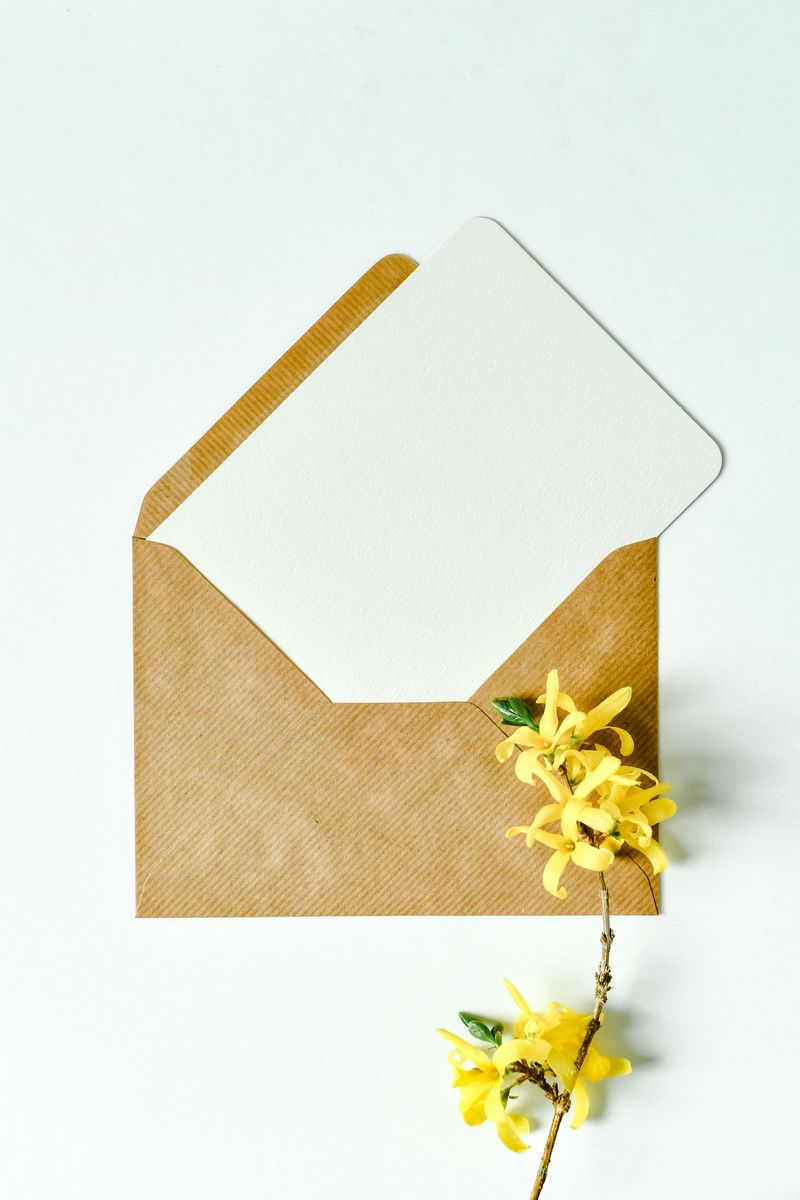
Back before email and text messages ruled our lives, paper invitations were the only way to spread the word about your big bash.
Kids would spend hours choosing the perfect design at the stationery store, debating between cartoon characters, glittery borders, or elegant printed cards.
Parents would carefully address each envelope in their best handwriting, adding stamps and sending them off into the world.
Receiving one in the mail felt like winning a prize.
You’d rush inside, tear open the envelope, and immediately check the date to make sure you could attend.
The invitation would go straight onto the fridge with a magnet, serving as a daily reminder of the upcoming celebration.
Some invitations even came with RSVP cards that guests had to fill out and mail back, adding another layer of anticipation to the whole process.
Crafty families made their own invitations using construction paper, markers, and stickers, turning the invitation-making process into a pre-party activity.
Each invitation was a tiny work of art that showed how much thought went into the celebration.
These tangible treasures often ended up in memory boxes, unlike today’s digital invites that disappear into the void of deleted messages.
Just saying, there was something magical about holding a physical invitation in your hands.
19. Party Mix CDs
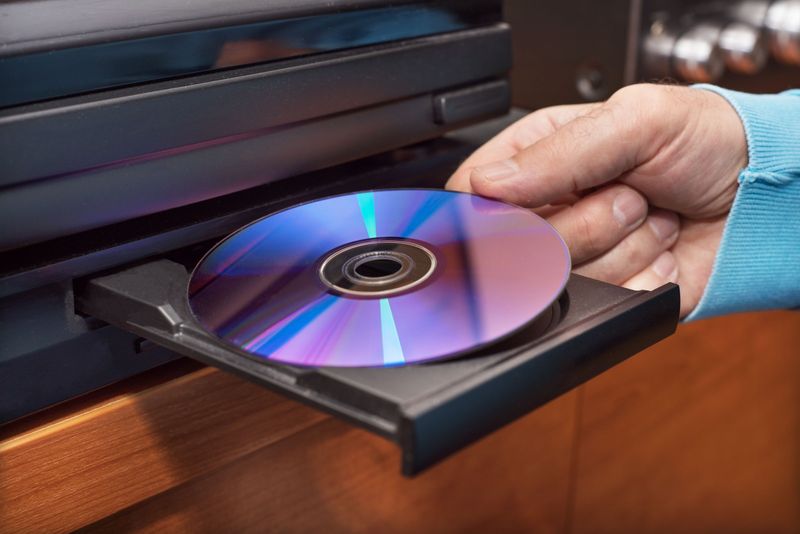
Creating the perfect party mix CD was basically an art form that required serious dedication and excellent musical taste.
You’d spend hours selecting songs that would keep the energy high, carefully arranging them in the perfect order to maintain the party vibe.
The process involved burning tracks from various sources onto a blank CD using your computer, which sometimes took forever if your technology was slow.
Then came the fun part: decorating the CD with permanent markers, creating custom labels, and designing the jewel case insert.
Some people went full artist mode, drawing elaborate designs or printing professional-looking covers.
The mix CD became a snapshot of that moment in time, capturing the songs everyone loved right then.
Guests would often take home copies as party favors, and those CDs would end up in car stereos for months afterward.
Making a mix CD for someone showed you really cared because it required time, thought, and genuine effort.
You couldn’t just hit shuffle on a streaming service and call it a day.
Each song choice mattered, and the order could make or break the party atmosphere.
Though streaming has replaced CDs, nothing beats the personal touch of a handcrafted music compilation.
18. Vinyl Record Themed Invitations
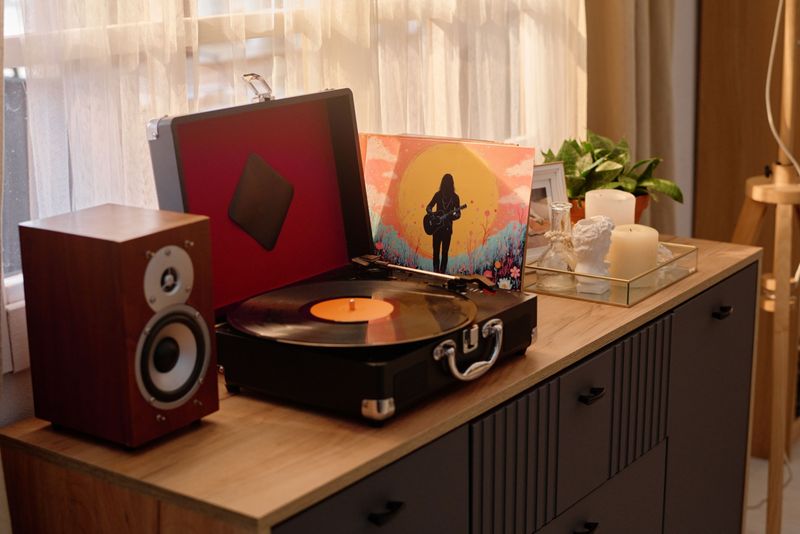
For music lovers and their families, vinyl record themed invitations hit all the right notes when it came to setting a groovy party tone.
These invitations featured illustrations of classic records, complete with the distinctive circular grooves and center labels that made vinyl so iconic.
Some creative parents even made actual miniature records out of cardstock, cutting them into circles and adding authentic-looking labels with party details.
The design often included retro fonts reminiscent of album covers from the fifties through the eighties, adding extra vintage flair.
Music notes, treble clefs, and phrases like “Spin into my birthday party” made these invitations instantly recognizable.
They perfectly captured the essence of rock and roll celebrations where dancing and singing were guaranteed activities.
Kids receiving these invitations knew they were in for a party with an awesome soundtrack.
Parents appreciated the nostalgic nod to their own childhoods when vinyl records were the primary way to enjoy music.
These invitations often came in sleeves that mimicked album covers, complete with track listings that were actually party activities.
Collecting vintage-style music invitations became a hobby for some enthusiasts who saved them in scrapbooks.
If you wanted your party to rock before it even started, vinyl record invitations were the way to go.
17. Decade Themed Parties
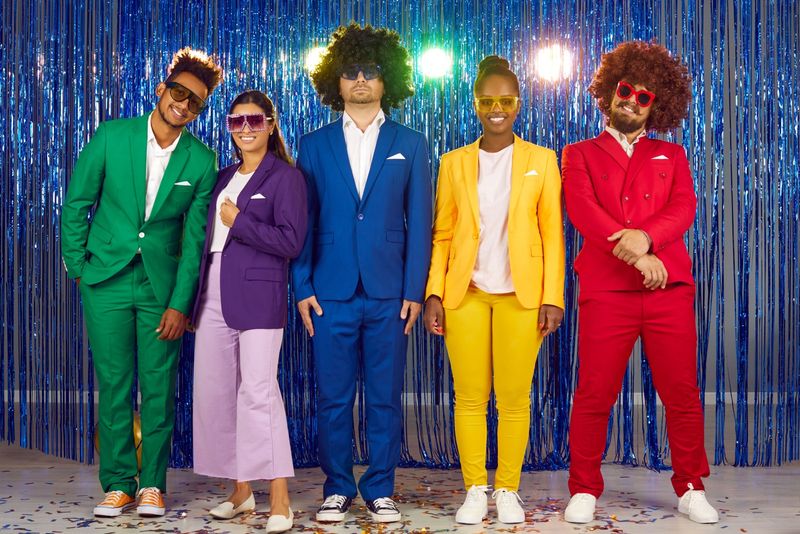
Throwing a party themed around a specific decade let guests time travel without needing a DeLorean or a phone booth.
The fifties brought sock hops, poodle skirts, leather jackets, and milkshakes that made everyone feel like they stepped into Grease.
Sixties parties featured psychedelic colors, peace signs, flower power, and groovy tunes that celebrated love and freedom.
Seventies celebrations glowed with full-on disco magic, bell bottoms sweeping the floor, platform shoes keeping rhythm, and mirror balls scattering light like cosmic glitter.
Eighties gatherings burst with high-voltage color, where sky-high hair, leg warmers, arcade buzz, and pulsing synth beats transformed ordinary rooms into neon wonderlands.
Nineties bashes brought back flannel shirts, scrunchies, boy bands, and the early days of internet culture.
Each decade offered unique fashion, music, and cultural touchstones that made decorating and planning incredibly fun.
Guests loved dressing up in period-appropriate costumes, often raiding thrift stores or their parents’ closets for authentic pieces.
The music playlist practically wrote itself since each era had distinctive sounds that everyone recognized.
Games and activities reflected what kids actually did during those times, from hula hoop contests to video game tournaments.
Decade parties proved that looking backward could create forward-thinking fun that everyone enjoyed regardless of age.
16. Disposable Cameras
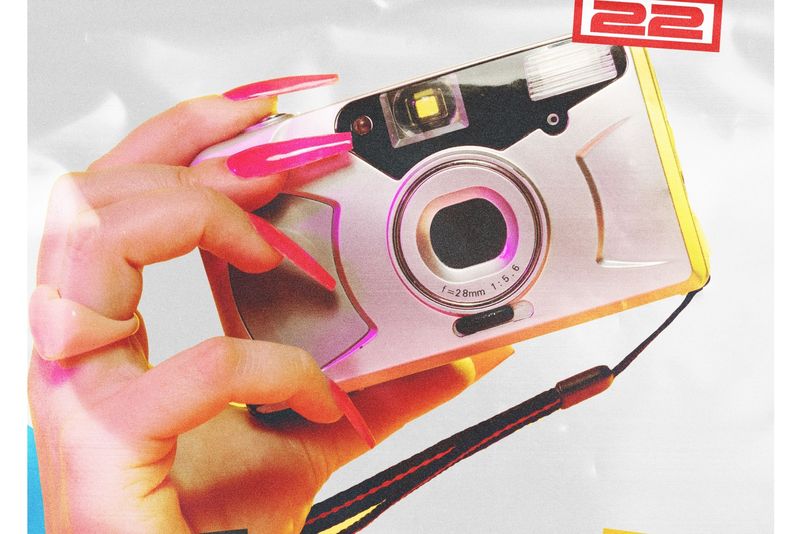
Handing out disposable cameras to party guests turned everyone into a photographer and created wonderfully unpredictable memories.
These simple plastic cameras came preloaded with film, usually 24 or 27 exposures, and required no technical knowledge whatsoever.
Kids would snap away at whatever caught their attention, from silly faces to candid moments that professional photographers might miss.
The real magic happened weeks later when the film got developed and you finally saw what everyone captured.
You’d get doubles made and mail copies to guests, extending the party fun long after the celebration ended.
Half the photos might be blurry, off-center, or feature someone’s thumb, but that imperfection added charm and authenticity.
Unlike today’s digital photos that get deleted instantly if they’re not perfect, every disposable camera shot was precious.
You couldn’t preview, delete, or retake pictures, so what you shot was what you got.
This limitation actually encouraged creativity and spontaneity rather than endless posing and filtering.
Kids loved the satisfying click and manual winding of the film advance wheel between shots.
Those physical photos ended up in albums and frames, creating lasting mementos that didn’t require charging or cloud storage.
15. Polaroid Photos
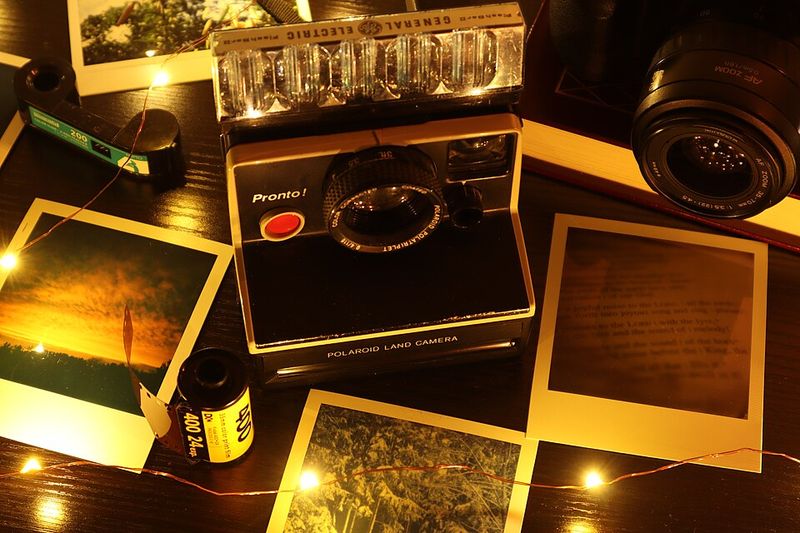
Polaroid cameras brought instant gratification to party photography in a way that seemed almost magical to kids and adults alike.
You’d snap a picture, and within minutes, a physical photograph would develop right before your eyes.
Guests gathered around to watch the image slowly appear, shaking the photo even though you technically weren’t supposed to.
The distinctive white border and square format of Polaroids became instantly recognizable symbols of fun times and spontaneous moments.
Party hosts often set up Polaroid stations with props like silly hats, oversized glasses, and signs for guests to use.
Each guest could take home their Polaroid as a party favor, giving them an immediate keepsake from the celebration.
Some creative hosts created guest books where people stuck their Polaroids and wrote birthday messages next to them.
The photos had a vintage quality even when they were brand new, with slightly faded colors that added nostalgic warmth.
Unlike digital photos that live on phones and computers, Polaroids demanded to be displayed on refrigerators or bulletin boards.
Film cartridges were expensive, so each shot counted, making people think carefully before pressing the button
However, that scarcity made each photo more valuable and meaningful than the thousands of digital images we snap today.
14. Lava Lamps And Disco Balls
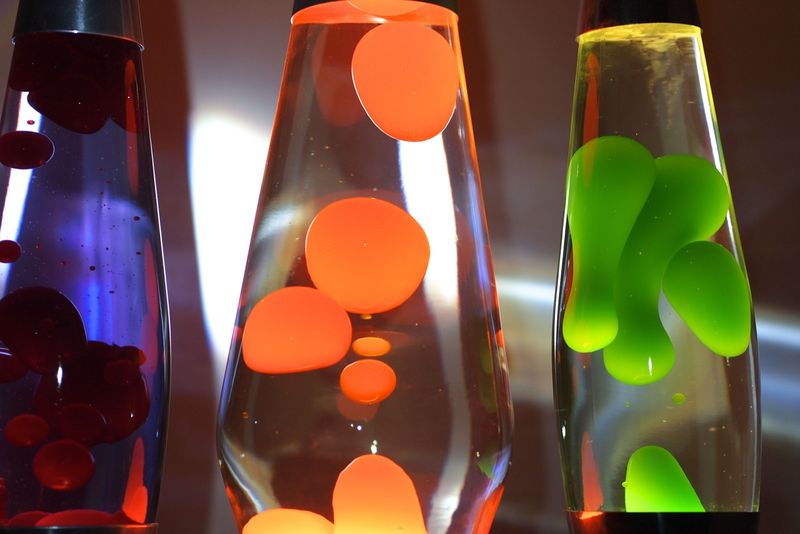
Nothing said “retro party” quite like the hypnotic glow of lava lamps and the sparkling reflections from a spinning disco ball.
Lava lamps, with their slowly rising and falling blobs of colored wax, created a groovy ambiance that transported guests straight to the seventies.
Watching those waxy globs float up and down was oddly mesmerizing, especially when you had several lamps in different colors.
Disco balls hanging from the ceiling transformed ordinary rooms into dance clubs, scattering tiny light spots across walls and dancers.
When combined with colored spotlights, disco balls created a dazzling effect that made everyone want to bust out their best moves.
These decorations required minimal effort but delivered maximum impact in setting a retro mood.
Kids who had never experienced the disco era suddenly understood why their parents talked about Studio 54 and Saturday Night Fever.
The decorations worked for multiple decades too, fitting perfectly with fifties, sixties, or seventies themes depending on what else you included.
Some creative hosts combined lava lamps with blacklights to create an even trippier atmosphere that glowed in the dark.
These items were often borrowed from attics or basements where they’d been stored since the original disco era.
Bringing them back for birthday parties gave these classic decorations a second life and introduced new generations to their retro charm.
13. Cassette Tape Party Favors
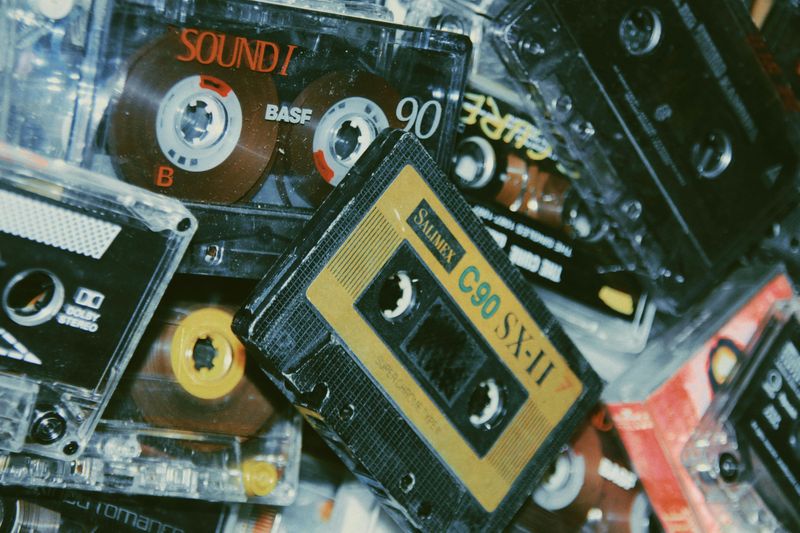
Before USB drives and digital downloads, cassette tapes were the portable music format that fit perfectly in pockets and boom boxes.
Giving guests cassette tapes as party favors showed serious dedication because creating them required recording songs in real time.
You couldn’t speed up the process; if you wanted a 60-minute tape, you spent 60 minutes recording it.
Each cassette could be customized with handwritten labels featuring the birthday child’s name and party date.
Some creative hosts designed miniature album covers that slid into the clear plastic cases, making each tape look professional.
The mix might include popular songs from the party playlist or tracks that held special meaning for the birthday celebration.
Kids loved getting these because they could play them on their Walkmans during bus rides or while doing homework.
The physical nature of cassettes made them feel more valuable than digital files that could be copied infinitely without effort.
You had to rewind them with a pencil if the tape player ate them, which was annoying but somehow added to their charm.
Collecting cassettes became a hobby, and party favor tapes often ended up in carefully organized cases.
Though technology has moved on, cassette party favors represented a time when music was something tangible you could hold and treasure.
12. Jukeboxes And Record Players

Setting up a jukebox or record player at a birthday party created an authentic auditory experience that digital speakers just can’t replicate.
Jukeboxes, with their glowing lights and mechanical selection systems, became interactive entertainment as guests chose their favorite songs.
Dropping a coin or pushing buttons to select tracks made playing music feel like an event rather than background noise.
Record players brought the warm, rich sound of vinyl that audiophiles still swear sounds better than any digital format.
Watching the needle drop onto a spinning record and hearing that distinctive crackle before the music started was pure magic.
Kids who had only known digital music were fascinated by the physical process of playing records, including flipping them to hear side B.
Parents enjoyed sharing their old record collections, playing songs from their own childhoods and explaining why each album was special.
The large album covers became part of the decoration, displayed around the party space like artwork.
Record players required gentle handling and careful operation, teaching kids to respect and care for music equipment.
Some parties featured record-themed games where guests guessed songs from the first few seconds of scratchy vinyl playback.
Though less convenient than streaming, jukeboxes and record players added authenticity and nostalgia that made retro parties genuinely feel transported through time.
11. Pinball And Arcade Games
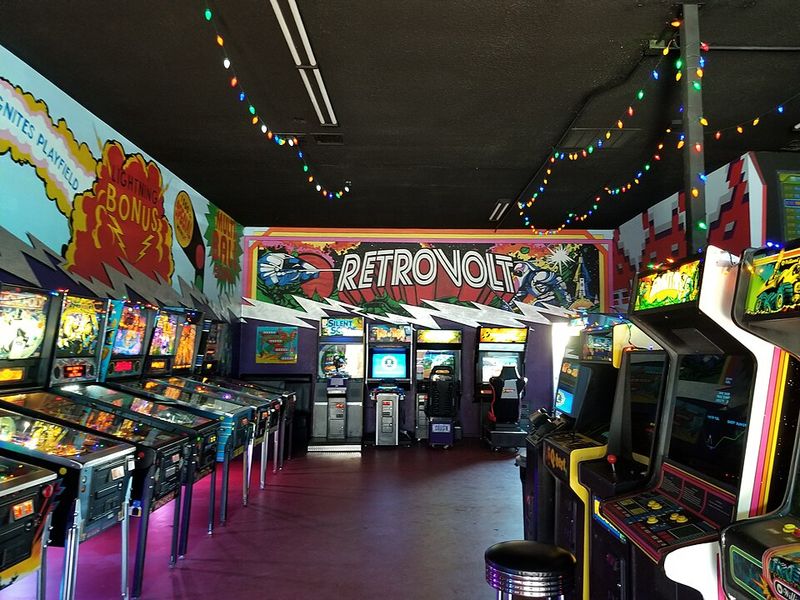
Before home gaming consoles dominated entertainment, pinball machines and arcade games were the ultimate party attractions that kept guests engaged for hours.
Pinball required actual physical skill, with players using flippers to keep metal balls bouncing around colorful playfields filled with bumpers and targets.
The mechanical sounds of bells, buzzers, and clicking score reels created a symphony of retro gaming that no digital effect could match.
Arcade cabinets featuring classics like Pac-Man, Space Invaders, or Donkey Kong turned birthday parties into mini gaming tournaments.
Kids lined up quarters on the machine’s edge to claim their turn, creating an organized system without adult supervision needed.
High score competitions emerged naturally, with players writing their initials in three letters when they achieved top rankings.
Renting or borrowing these machines for parties was expensive but created unforgettable experiences that guests talked about for years.
Some lucky kids had parents who owned actual arcade machines, making their birthdays the most anticipated events of the year.
The games were simple enough for anyone to understand but challenging enough to keep experienced players engaged.
Watching someone else play was almost as fun as playing yourself, with crowds gathering to cheer or groan at near-misses.
These games brought generations together since parents could show off skills they’d developed in their own youth.
10. Slumber Party Traditions

Slumber parties transformed regular birthdays into epic overnight adventures filled with staying up way too late and eating way too much junk food.
Guests arrived with sleeping bags, pillows, and overnight bags packed with pajamas and toothbrushes they might not actually use.
The evening kicked off with pizza delivery, followed by cake, ice cream, and enough sugary snacks to fuel a small army.
Classic activities included truth or dare, prank calls, makeovers, and telling scary stories with flashlights under blankets.
Movies played until early morning hours, with kids gradually falling asleep in sleeping bags scattered across the living room floor.
Someone always stayed awake the longest, earning bragging rights for outlasting everyone else.
Parents eventually gave up trying to enforce bedtime, resigning themselves to a house full of giggling, whispering, overly energized children.
Breakfast the next morning involved pancakes, cereal, and kids who suddenly couldn’t remember why staying up all night seemed like a good idea.
These parties strengthened friendships through shared secrets, inside jokes, and bonding experiences that happened after midnight.
Though exhausting for hosts, slumber parties created core memories that participants treasured long into adulthood.
If you survived a slumber party, you knew you’d made friends for life through the power of sleep deprivation and sugar rushes.
9. Classic Board Games
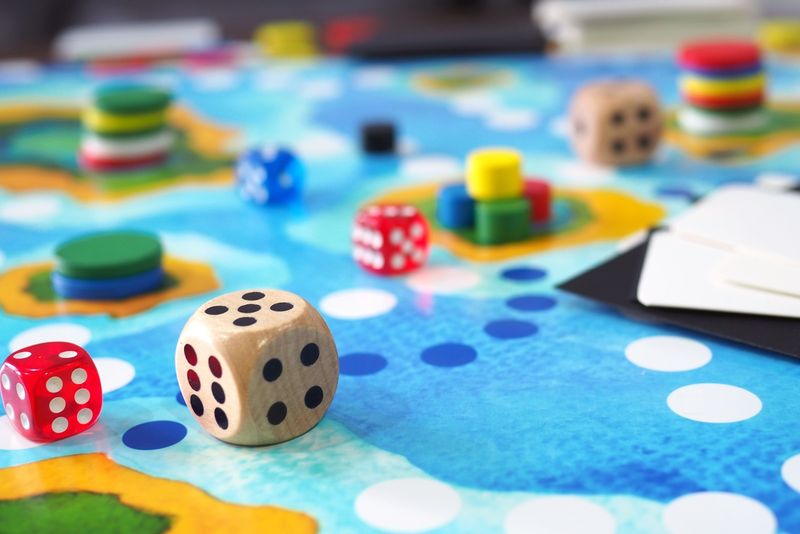
When video games weren’t an option or everyone needed a break from screens, classic board games provided entertainment that brought people together face-to-face.
Monopoly games could last for hours, with players buying properties, building hotels, and sometimes ending friendships over Park Place rent.
Clue turned guests into detectives solving murders with candlesticks in conservatories, teaching deductive reasoning through gameplay.
Twister transformed players into human pretzels as they contorted themselves to place hands and feet on colored circles.
Life simulated adulting through spinning wheels, career choices, and filling station wagons with pink and blue.
These games required no batteries, no internet connection, and no updates, just the box, the pieces, and willing participants.
Playing board games taught valuable skills like counting money, following rules, taking turns, and accepting both victory and defeat gracefully.
The social interaction was the whole point, with conversation and laughter happening naturally throughout gameplay.
Worn boxes and missing pieces showed how much love these games received over years of birthday parties and family game nights.
Though modern gaming has evolved tremendously, classic board games remain timeless party activities that never go out of style.
8. Pin The Tail On The Donkey
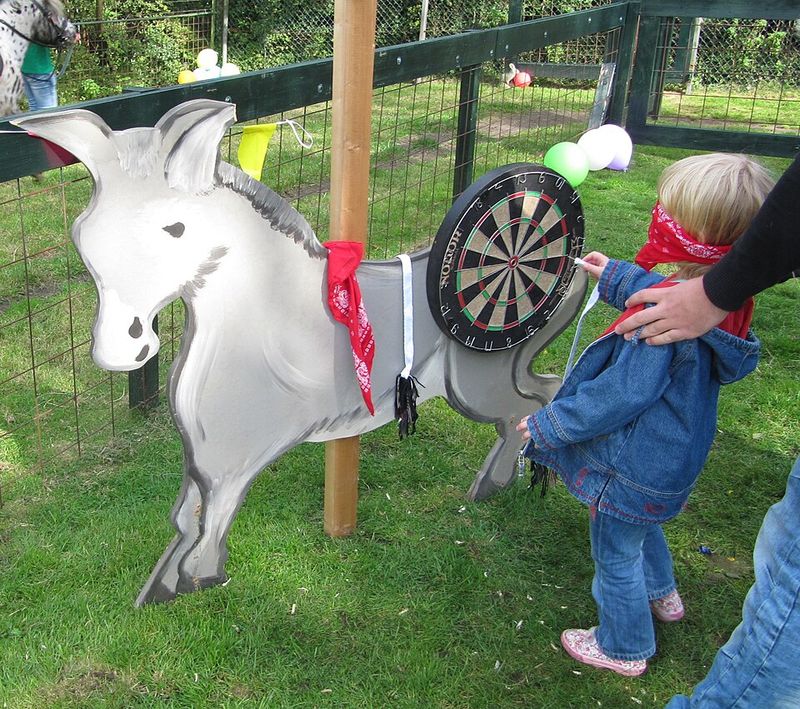
Few party games achieved the iconic status of Pin the Tail on the Donkey, where blindfolded kids stumbled around trying to attach a paper tail to a poster.
The game required minimal equipment: a large donkey poster, paper tails with tape or pins, and a blindfold to disorient participants.
Watching blindfolded friends wander in completely wrong directions while everyone else shouted contradictory instructions was hilarious entertainment.
Some tails ended up on the donkey’s ear, others on the wall three feet away, and occasionally someone nailed the perfect placement.
Variations included pinning noses on clowns, stars on flags, or themed items matching the party’s overall concept.
The game worked for all ages, from toddlers who needed gentle guidance to teenagers who played ironically but still enjoyed it.
Spinning participants around three times before releasing them added extra disorientation and comedy to the proceedings.
Winners received small prizes, but honestly, the real prize was watching everyone else’s attempts and laughing together.
Parents appreciated how this simple game kept large groups entertained without requiring elaborate setup or expensive equipment.
The game taught spatial awareness, following directions, and good sportsmanship when your tail ended up nowhere near the target.
Though it seems old-fashioned now, Pin the Tail on the Donkey remains a symbol of innocent childhood fun from simpler times.
7. Musical Chairs
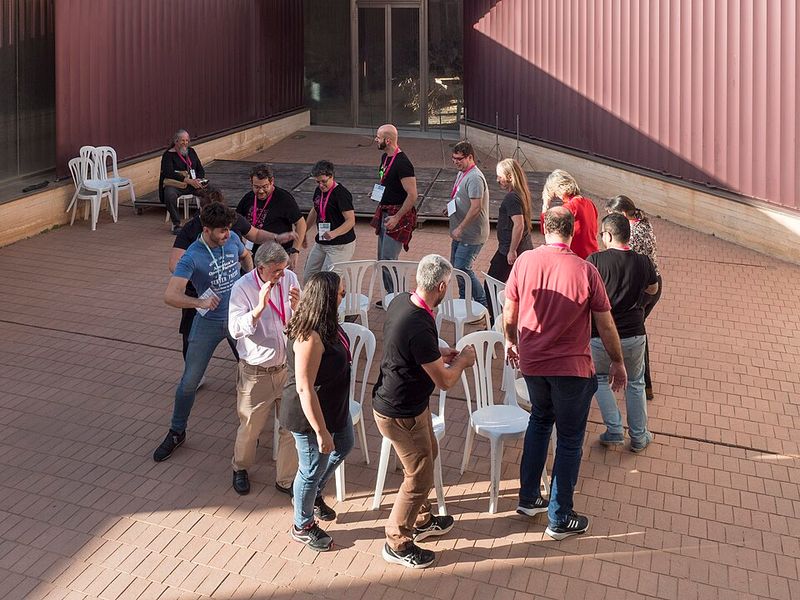
Musical Chairs combined music, movement, and mild chaos into a competitive game that got everyone’s heart racing and adrenaline pumping.
Setting up required arranging chairs in a circle with one fewer chair than participants, creating built-in elimination from the start.
When music played, kids walked around the chairs, building anticipation for the moment the music would suddenly stop.
The scramble for seats when the music cut out resulted in diving, pushing, and occasionally two kids claiming the same chair.
Eliminated players became spectators, cheering for friends still competing and watching the tension build as chairs disappeared.
The game required quick reflexes, strategic positioning, and sometimes a willingness to gently nudge slower competitors out of the way.
Parents operating the music controlled the pace, sometimes faking stops to test players’ reflexes before actually cutting the sound.
As the game progressed and fewer chairs remained, the competition intensified until only two players circled one final chair.
Victory went to whoever had the quickest reaction time and best spatial awareness during that final music stop.
Though simple, Musical Chairs provided excitement, exercise, and entertainment that kept kids engaged throughout the party.
Bruised shins and disputed seating were small prices to pay for the glory of being the last person sitting when the music stopped.
6. Piñatas
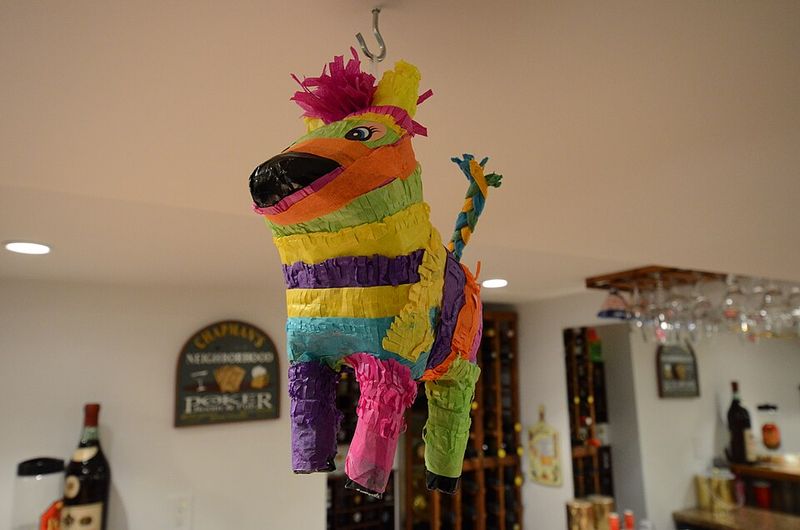
Piñatas brought a thrilling element of destruction to birthday parties, letting kids whack a candy-filled creation with sticks until treasure exploded everywhere.
Traditional piñatas were handmade from paper mache, shaped like donkeys, stars, or characters, and filled with candy and small toys.
The piñata hung from a tree branch or ceiling beam, swaying tantalizingly out of reach until someone landed a solid hit.
Blindfolded participants took turns swinging a stick while spun around three times to ensure maximum disorientation and entertainment.
Other kids stood at a safe distance, shouting encouragement or warnings depending on the swinger’s aim and proximity.
Some piñatas proved surprisingly durable, withstanding dozens of hits before finally cracking and releasing their sugary contents.
When the piñata finally burst, kids dove for candy like it was a Black Friday sale, stuffing pockets and bags with as much loot as possible.
Parents often imposed rules like “take only ten pieces” to prevent candy hoarding and ensure everyone got a fair share.
The tradition came from Mexican culture but became a universal birthday staple that crossed cultural boundaries through pure fun.
Watching the piñata swing, hearing the stick whoosh through empty air, and seeing candy rain down created unforgettable party moments.
Though messy and chaotic, piñatas delivered excitement and satisfaction that few other party activities could match.
5. Homemade Birthday Cakes
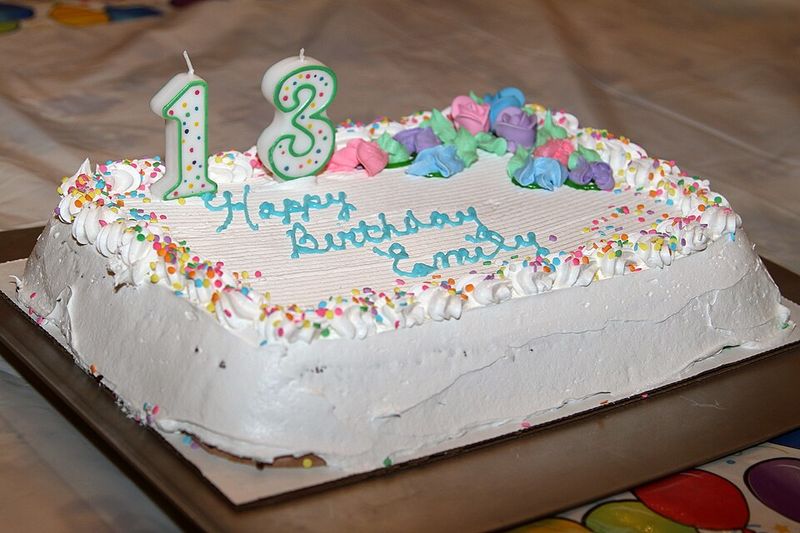
Store-bought cakes were convenient, but homemade birthday cakes carried love, effort, and personality that no bakery could replicate.
Moms, dads, or grandparents spent hours baking layers, mixing frosting, and decorating cakes that might not look professional but tasted amazing.
Box mixes like Duncan Hines or Betty Crocker made the process easier, but the decoration was where creativity really shined.
Some ambitious bakers created elaborate shapes like trains, castles, or cartoon characters using special pans and strategic frosting techniques.
Others kept it simple with sheet cakes covered in colorful frosting and decorated with plastic figurines or candy.
The birthday child’s name appeared in frosting letters, often slightly wobbly but written with care and intention.
Candles got counted carefully to match the age, with one extra for good luck in some families’ traditions.
Lighting the candles, singing the birthday song, and watching the birthday kid make a wish before blowing them out was the party’s emotional centerpiece.
Everyone scrutinized whether all candles got extinguished in one breath, which supposedly determined if the wish would come true.
Cutting and serving the cake meant revealing the layers inside, hoping they’d baked evenly and looked as good inside as outside.
Homemade cakes proved that imperfect creations made with love beat perfect store-bought versions every single time.
4. Party Hats And Noisemakers

Party hats and noisemakers were the unofficial uniform and soundtrack of retro birthday celebrations, instantly identifying participants and creating cheerful chaos.
Cone-shaped hats made from shiny paper came in bright colors with elastic strings that went under your chin and sometimes irritated your skin.
Some hats featured pompoms on top, while others had fringe, glitter, or printed designs that matched the party’s theme.
Putting on your party hat marked the official transition from regular kid to party guest, even if the hat sat crooked or kept sliding off.
Noisemakers came in various forms, from simple paper horns that unrolled when you blew them to plastic ones that made honking sounds.
The best noisemakers created maximum noise with minimum effort, letting kids announce their presence and excitement with every blow.
During the birthday song, everyone would blow their noisemakers in a cacophony that probably annoyed parents but delighted children.
Some parties provided tambourines, maracas, or other simple instruments that turned singing into a full musical production.
These accessories were cheap, disposable, and slightly tacky, but they served their purpose of making everyone feel festive and included.
Group photos always featured kids wearing their hats at various angles, creating perfectly imperfect snapshots of celebration.
Though simple, party hats and noisemakers symbolized the joy and silliness that made childhood birthdays magical and memorable.
3. Goodie Bags

Goodie bags transformed party guests into treasure hunters who eagerly anticipated what treats they’d take home when the celebration ended.
These bags, usually made from colorful paper or plastic, got stuffed with candy, small toys, stickers, and other inexpensive trinkets.
Hosts spent hours assembling identical bags to ensure no child felt shortchanged or jealous of someone else’s loot.
Common contents included lollipops, candy necklaces, bouncy balls, temporary tattoos, mini puzzles, and plastic rings or bracelets.
Sometimes theme-specific items appeared, like toy cars for a racing party or plastic insects for a bug-themed celebration.
The bags themselves often featured birthday designs with balloons, cakes, or “Thank You” messages printed on them.
Kids clutched their goodie bags protectively while saying goodbye, already planning when they’d dig into their candy stash at home.
Parents appreciated goodie bags because they gave kids something to focus on besides begging to stay longer.
Assembling the bags became a pre-party ritual where the birthday child helped stuff and organize each one.
Though the contents were mostly disposable junk, goodie bags represented gratitude for attending and sharing the special day.
Receiving a goodie bag meant you were part of the celebration, carrying a piece of the party home with you.
2. Backyard Party Games
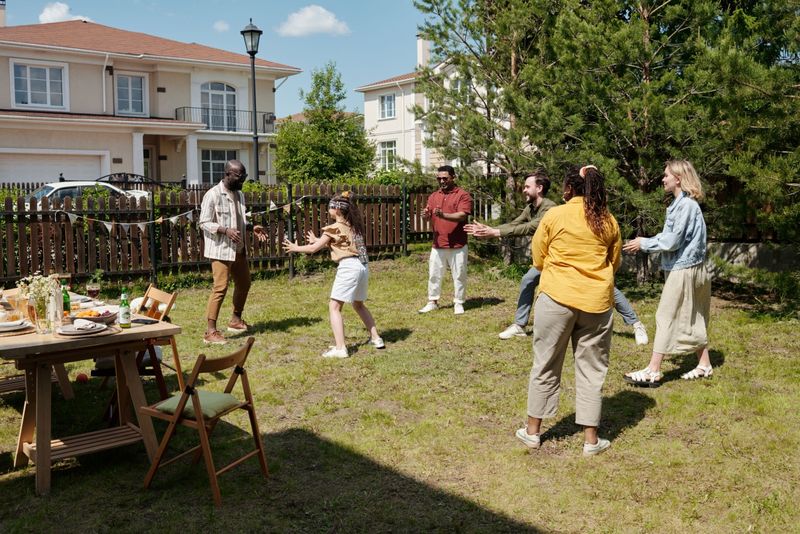
When weather cooperated, backyard party games transformed outdoor spaces into competition zones filled with laughter, friendly rivalry, and occasional grass stains.
Sack races had kids hopping frantically in burlap bags, trying not to fall while racing toward the finish line.
Three-legged races paired kids together with one leg tied, requiring coordination and teamwork that usually resulted in tumbling and giggles.
Egg and spoon races tested balance as participants carefully carried eggs on spoons without dropping them, with some sneaky kids using hard-boiled eggs.
Water balloon tosses became increasingly tense as partners stepped farther apart with each successful catch, knowing the balloon would eventually explode.
Tug-of-war divided guests into teams pulling opposite ends of a rope, with the losing side often ending up in a pile.
Relay races featured various challenges like running backwards, crab-walking, or balancing objects while moving quickly.
These games required minimal equipment but provided maximum entertainment for participants and spectators alike.
Winners received ribbons, small prizes, or just the satisfaction of being crowned champion of the backyard.
Everyone ended up sweaty, dirty, and exhausted, which parents considered a sign of a successful party.
Backyard games taught sportsmanship, physical coordination, and the valuable lesson that winning isn’t everything but having fun definitely is.
1. VHS Party Recordings
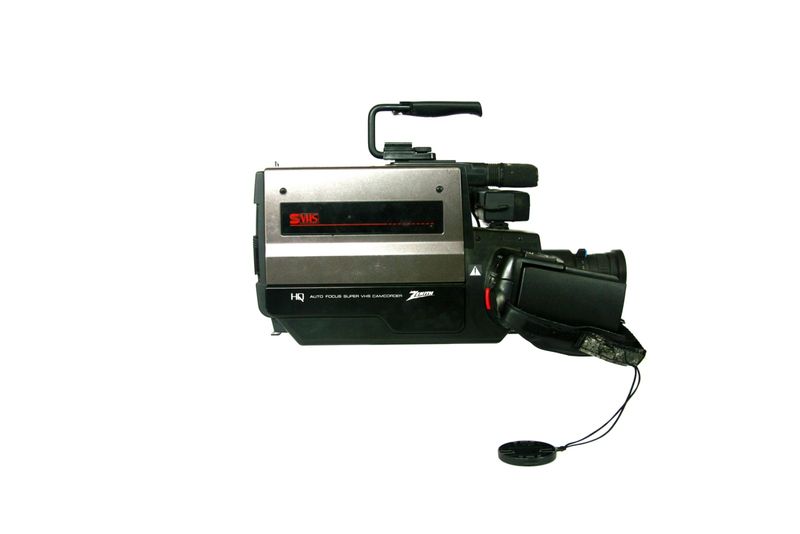
Before smartphones put video cameras in everyone’s pockets, VHS camcorders were the technology that captured birthday parties for posterity and future embarrassment.
These bulky devices sat on shoulders, requiring one person to sacrifice party participation to become the designated videographer.
Usually Dad got stuck with this job, filming everything while providing running commentary that seemed funny then but sounded dorky when rewatched years later.
The video quality was grainy, colors were oversaturated, and the audio picked up every background noise including the camcorder’s own mechanical whirring.
Timestamps in the corner marked the exact date and time, becoming unexpectedly emotional when viewed decades later.
Kids performed for the camera when they noticed it, waving exaggeratedly or making faces, while others tried desperately to avoid being filmed.
The tapes captured authentic moments that posed photos missed: candid conversations, kids playing naturally, and the genuine chaos of celebrations.
Families would gather later to watch the party video on their TV, fast-forwarding through boring parts and rewinding favorite moments.
These tapes lived in entertainment centers for years before getting moved to basements where they slowly degraded.
Now, families scramble to digitize old VHS tapes before they completely deteriorate, racing to preserve these precious analog memories.
Though technology has improved dramatically, VHS party recordings captured childhood in a authentic way that overproduced modern videos sometimes miss.