14 Funny Phrases Celebs Tried to Trademark And Accidentally Made Even Funnier
Celebrities love a moment, but some take it a step further and try to own the moment itself. Viral phrases end up living rent free in everyone’s head, then suddenly show up in trademark filings like they are ready for a business meeting. The U.S.
Patent and Trademark Office has seen it all, from iconic one liners to phrases that feel like they should come with their own theme song. Some land and turn into merch empires, others flop and fade into internet lore, but every attempt adds extra drama to the story.
What makes it so entertaining is how a casual phrase can level up into something bigger, suddenly dressed in legal paperwork and treated like the next big move. It is part hustle, part humor, part “wait, that actually happened” energy.
Even the misses stick around in pop culture, proving not every phrase needs to win to still make waves. Keep scrolling and find the catchphrases that almost got the ultimate glow up, then decide which one deserves a comeback moment.
1. Paris Hilton’s ‘That’s Hot’
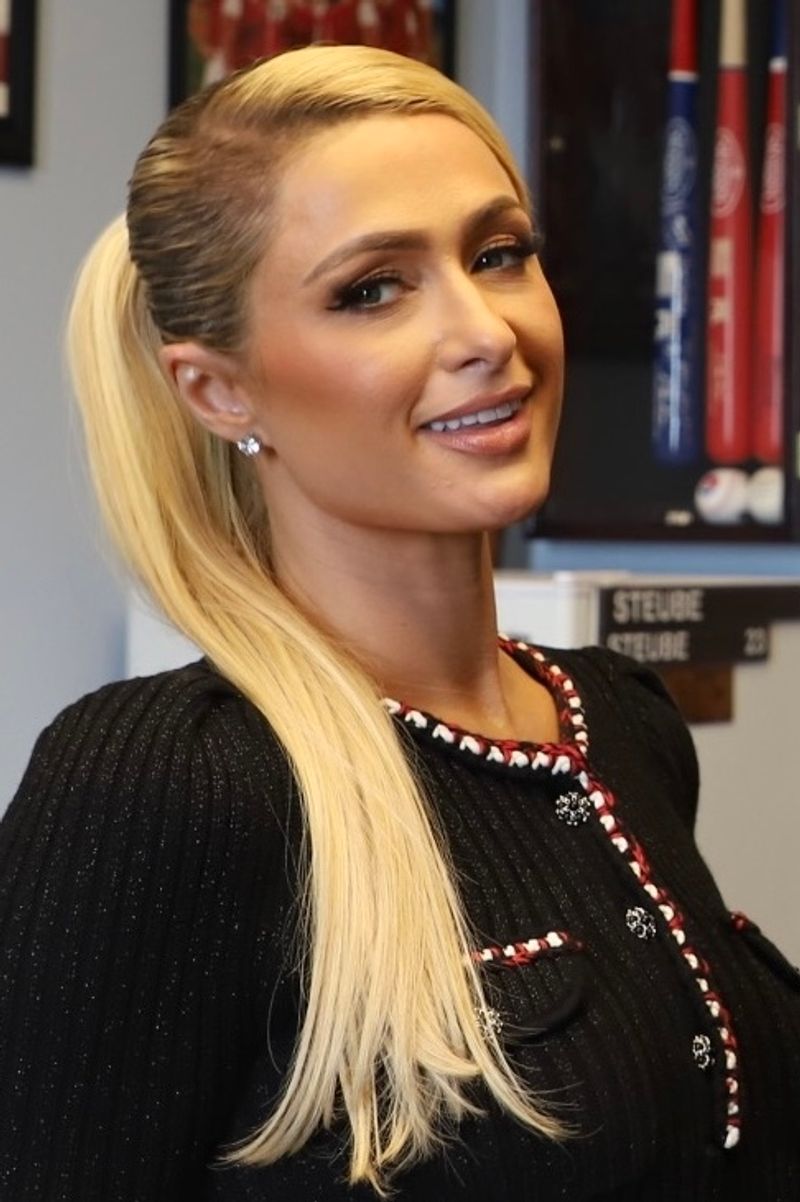
Oh, the time! Way back in 2007, Paris Hilton made legal history by successfully trademarking her signature catchphrase “That’s Hot,” covering everything from clothing lines to electronics.
If you ever wondered whether a two-word phrase could fund an empire, wonder no more.
Hilton even sued Hallmark Cards after the company printed the phrase on a greeting card featuring her likeness. She won the lawsuit, proving the trademark had real legal muscle behind it.
The irony? A phrase meant to sound casually cool became one of the most seriously enforced celebrity trademarks ever filed.
Hot, indeed.
2. Taylor Swift’s ‘The Old Taylor Can’t Come to the Phone Right Now’
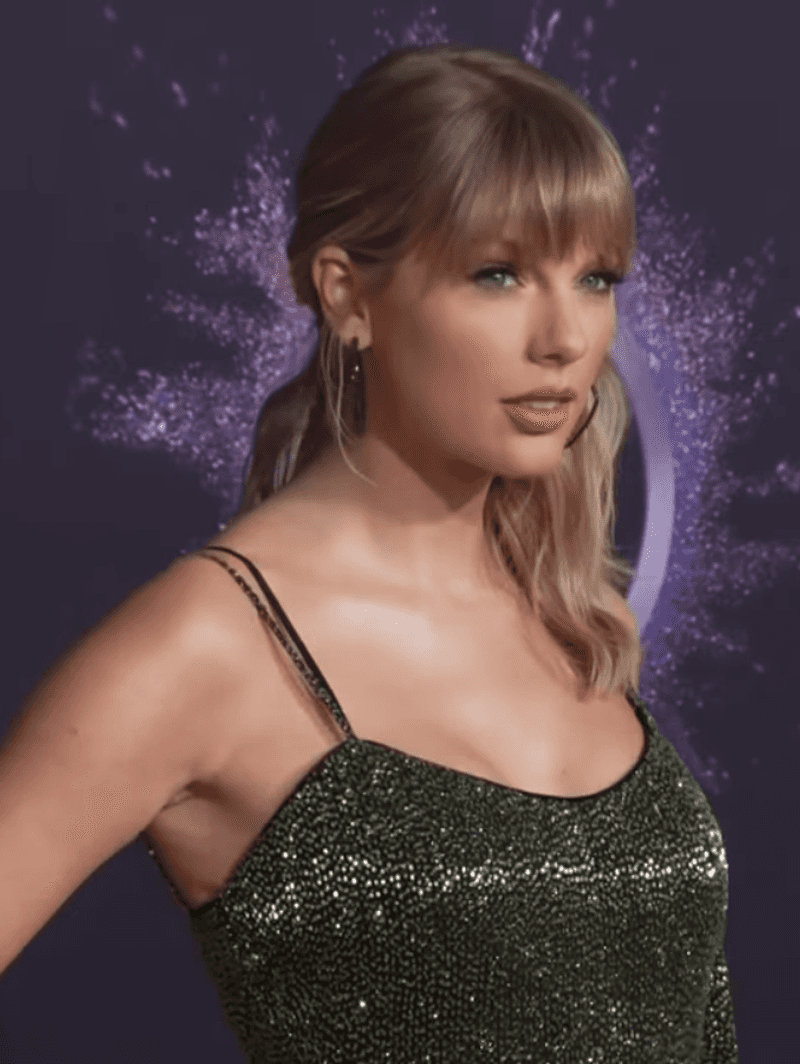
In 2017, Taylor Swift filed paperwork to own the phrase “The old Taylor can’t come to the phone right now,” lifted directly from her song “Look What You Made Me Do.” Just saying, most people quote song lyrics for fun, not for federal trademark protection.
Swift’s legal team was clearly playing 4D chess while the rest of us were playing checkers. The move was designed to lock down merchandise rights tied to her Reputation album era.
How many artists have literally trademarked a line about themselves being unavailable? Exactly one.
Points for creativity, Taylor.
3. Cardi B’s ‘Okurrr’
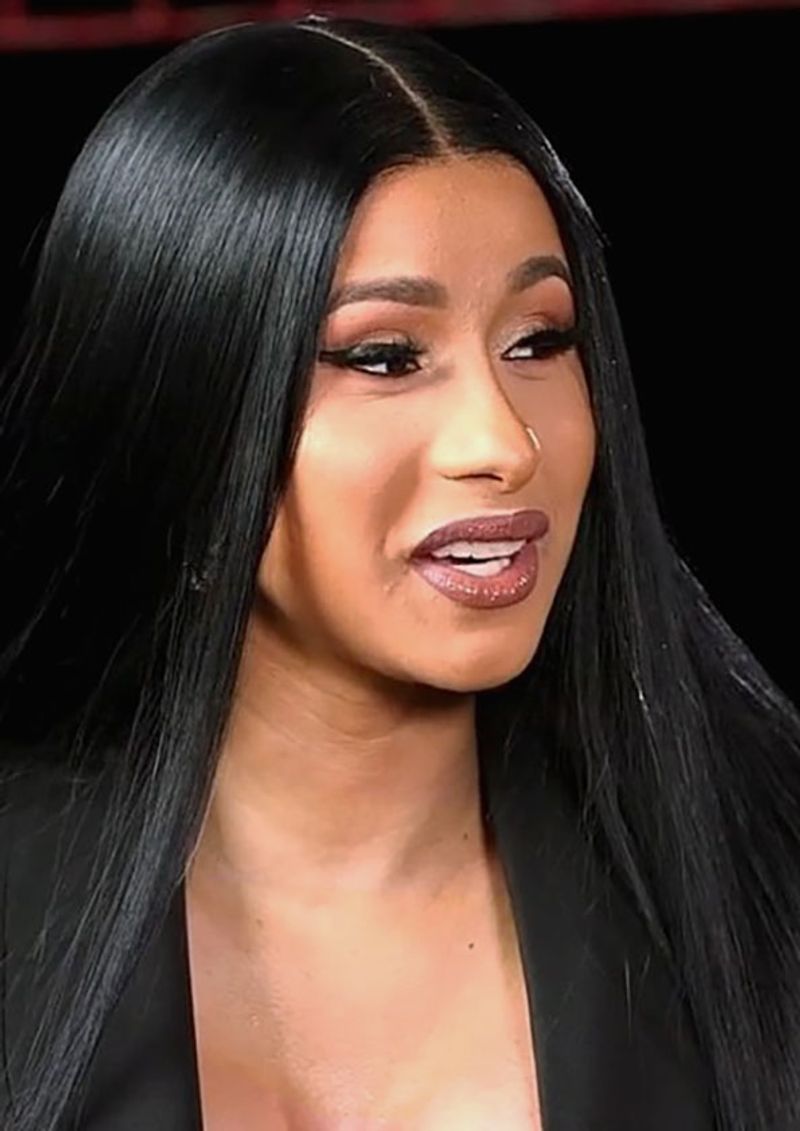
Few sounds in pop culture history have been as instantly recognizable as Cardi B’s rolling, triple-R “Okurrr.” So naturally, she tried to make it legally hers in 2019. The U.S.
Trademark Office had other plans.
Officials rejected the application, ruling the phrase was already too widely used in everyday public conversation to be exclusively owned by one person. Cardi B responded publicly, and honestly, her reaction was just as entertaining as the original attempt.
If a sound effect can generate a trademark lawsuit, we truly live in fascinating times. The phrase lives on, royalty-free and rolling strong.
4. Kylie Jenner’s ‘Rise and Shine’
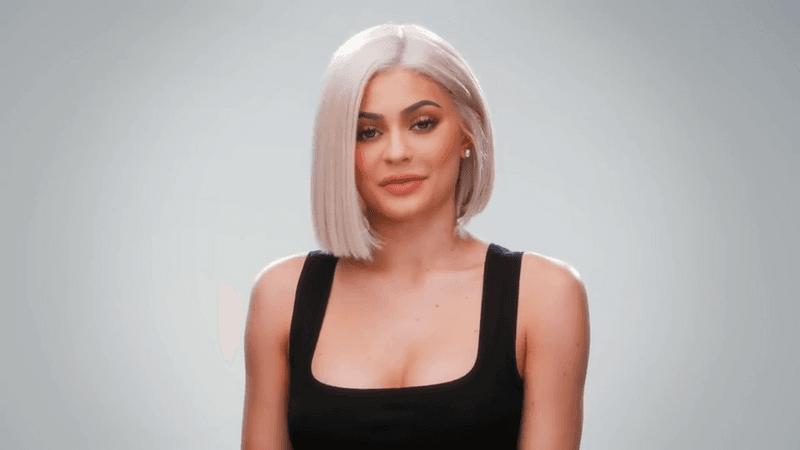
One morning in 2019, Kylie Jenner sang a soft, slightly off-key “Rise and Shiiine” to wake up her daughter during a YouTube tour of her office. The internet exploded.
Memes multiplied faster than anyone could count.
Riding the viral wave, Jenner quickly filed to trademark the phrase for merchandise. However, the application hit a wall because trademark officials considered “Rise and Shine” far too common a phrase for any one person to own.
How common? Morning alarm clocks everywhere would have had to pay royalties.
The failed application somehow made the whole moment even more legendary.
5. Michael Buffer’s ‘Let’s Get Ready to Rumble’
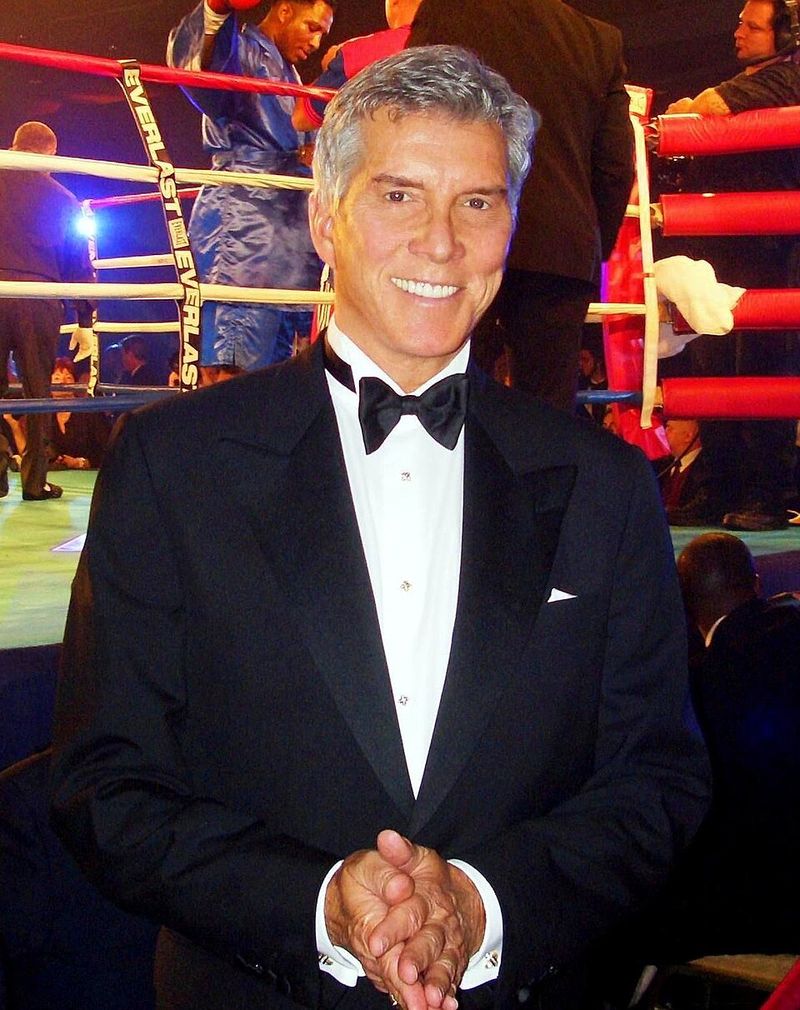
Michael Buffer, the legendary boxing announcer, trademarked “Let’s get ready to rumble!” back in 1992, and the move turned out to be one of the smartest business decisions in sports entertainment history. Licensing that phrase reportedly earned him over 400 million dollars over the years.
If you have ever heard it boom through a stadium speaker, you know exactly why it works. The phrase carries electric energy, and Buffer protected every volt of it.
Video games, movies, TV shows, and live events all paid to use it. Not every trademark story ends in laughs, but the dollar amount is pretty funny on its own.
6. Kim Kardashian’s ‘Kimono’
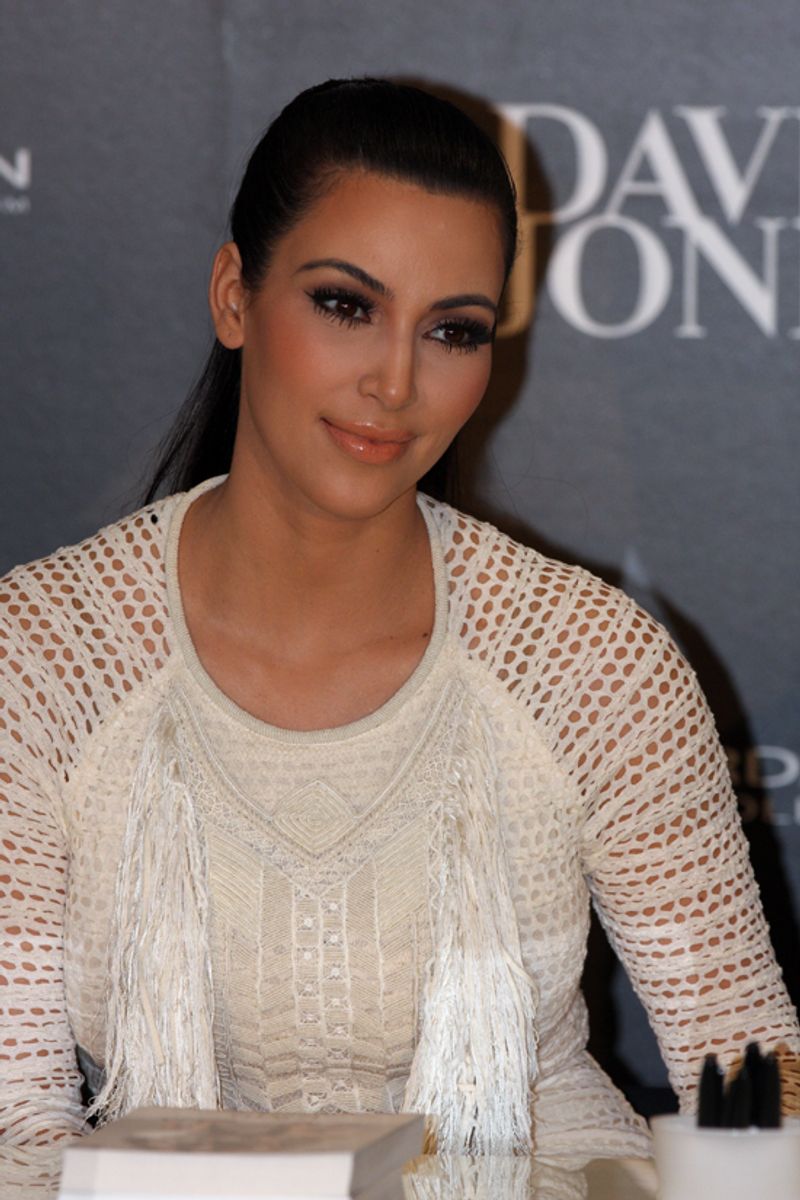
When Kim Kardashian announced her shapewear line would be called “Kimono” in 2019, the backlash arrived faster than a trending hashtag. People across Japan and beyond pointed out that a kimono is a deeply meaningful traditional Japanese garment, not a brand name for a business venture.
Even the Mayor of Kyoto formally wrote a letter requesting she reconsider. She did.
The brand was renamed SKIMS, which became wildly successful. Technically, the trademark was more insensitive than funny, but the speed of the public correction and the official mayoral letter made the whole saga feel like a sketch comedy episode.
7. Donald Trump’s ‘You’re Fired’
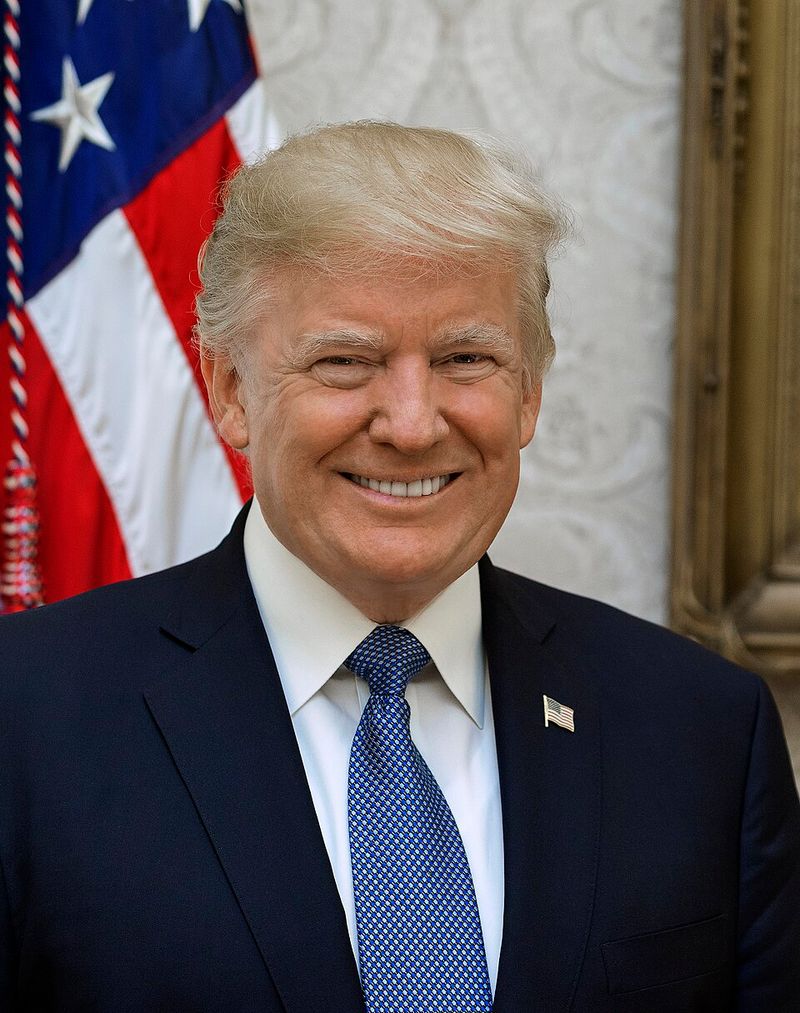
Long before politics, Donald Trump ruled reality television as the host of “The Apprentice,” and his weekly sign-off “You’re fired!” became a cultural phenomenon. Naturally, he moved to trademark it, filing applications to protect the phrase for merchandise and entertainment use.
The trademark attempts faced complications because the phrase had already saturated pop culture well beyond any single person’s control. Greeting cards, novelty items, and Halloween costumes had all adopted it freely.
Owning “You’re fired” legally proved trickier than firing contestants on TV. Somehow, the more seriously it was pursued, the funnier the whole situation became to everyone watching.
8. Beyonce’s ‘Blue Ivy’
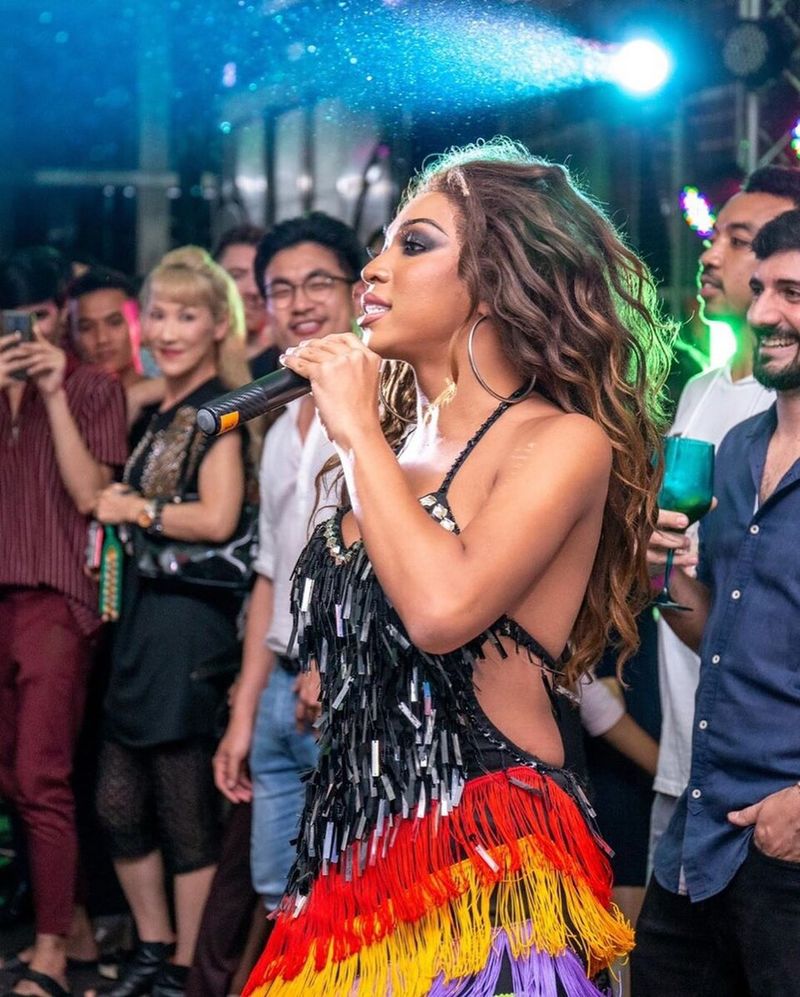
Shortly after Blue Ivy Carter was born in 2012, Beyonce and Jay-Z filed to trademark the name “Blue Ivy Carter” for entertainment and merchandise purposes. A small wedding planning company in Massachusetts called Blue Ivy Events pushed back hard.
The legal dispute stretched on for years, which is remarkable considering the company had been operating under a similar name before the baby was even born. Eventually, the trademark was granted in 2022 after a long review process.
The funniest part? Blue Ivy herself won a Grammy at age nine before the trademark battle even wrapped up.
Life moves fast.
9. Ariana Grande’s ‘7 Rings’ Tattoo Trademark Disaster
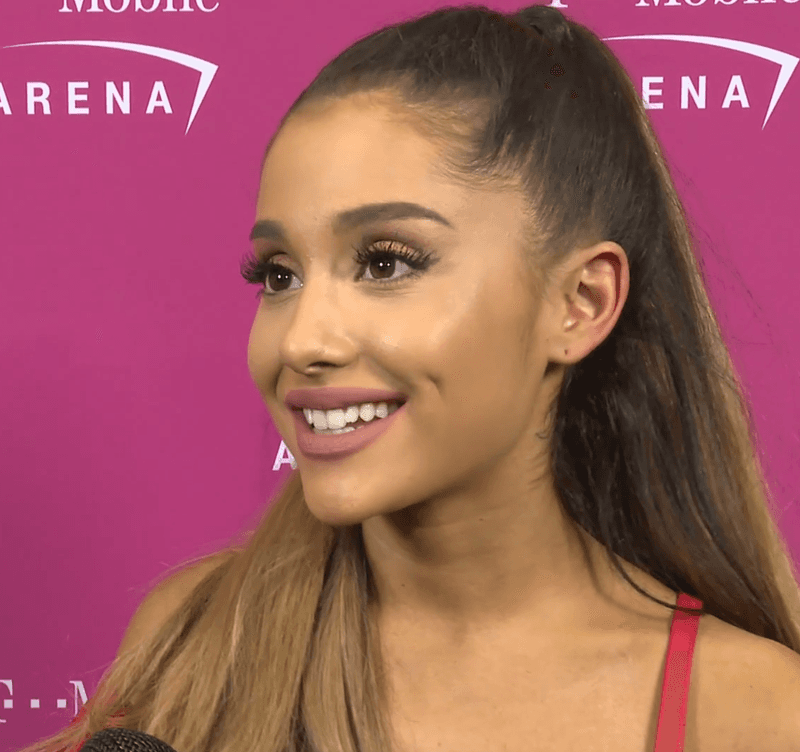
Okay, so the tattoo situation was not exactly a trademark attempt, but it fits perfectly in any conversation about celebrity phrase fails. After releasing “7 Rings,” Ariana Grande got the song title tattooed on her palm in Japanese characters.
Except the kanji actually read “small charcoal grill.”
She later added more characters to fix the meaning, but the corrected version roughly translated to “Japanese BBQ finger.” If a phrase is going to be permanently attached to your body, accuracy matters. The internet had an absolute field day, and Grande handled it with good humor.
Bonus points for transparency.
10. Floyd Mayweather’s ‘TBE’ (The Best Ever)
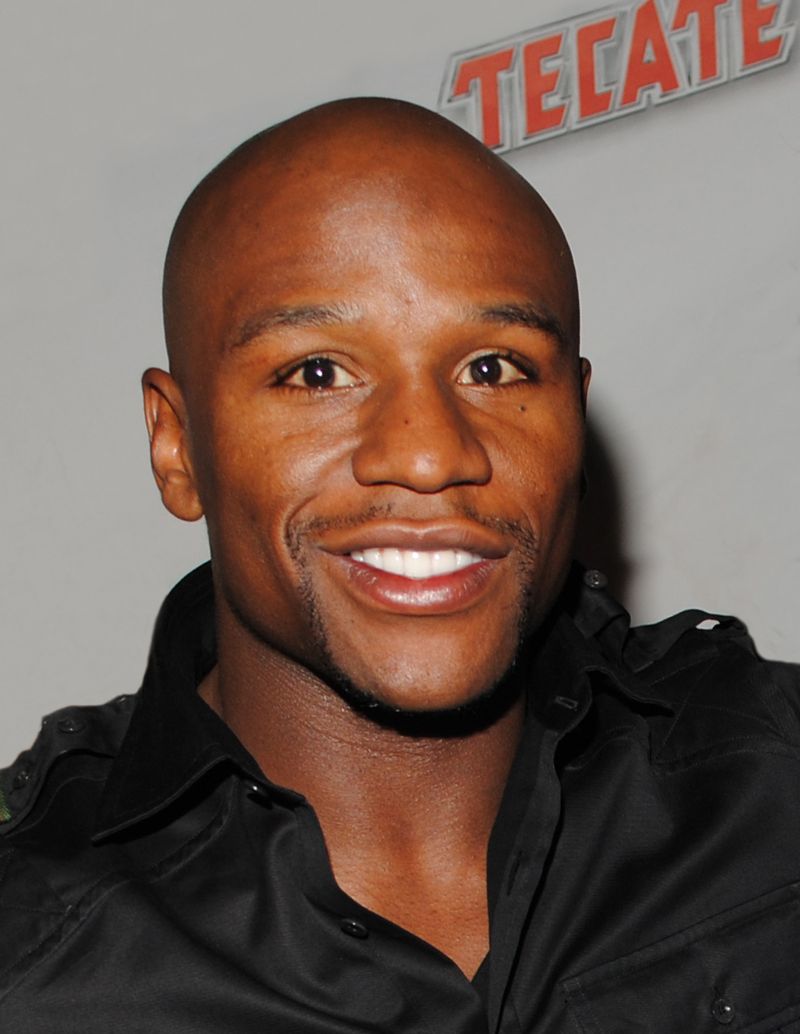
Floyd Mayweather, who never exactly struggled in the confidence department, attempted to trademark “TBE,” short for “The Best Ever,” as part of his personal brand. Modest?
Not exactly. Strategic?
Absolutely.
However, trademark offices were not particularly impressed by self-declared superlatives. Claiming to be the best ever is one thing on social media, but making it an exclusive legal trademark is a whole different arena.
The applications faced significant hurdles because such broad, boastful phrases are notoriously difficult to protect. Mayweather may have won 50 professional boxing matches, but TBE as an owned trademark?
Still on the judges’ scorecards.
11. Lebron James’s ‘Taco Tuesday’
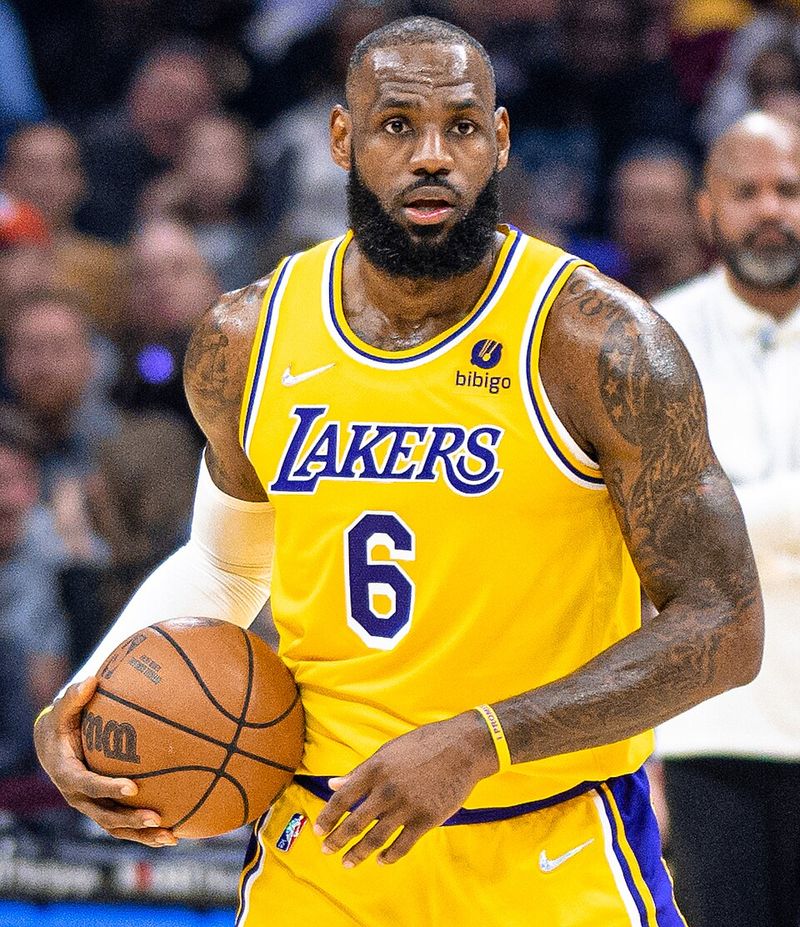
Every Tuesday, LeBron James posted enthusiastic “Taco Tuesday!” videos on social media, turning the weekly tradition into a beloved fan moment. Riding the momentum, he filed to trademark the phrase in 2019 for use in entertainment and podcasting.
The application was denied almost immediately. Officials pointed out that “Taco Tuesday” had been in common use across restaurants, social media, and pop culture long before any NBA superstar claimed it.
A Wyoming taco chain had even trademarked a version of it decades earlier. So the King of the court could not become the king of tacos, at least not officially.
Still a champion of Tuesdays, though.
12. Selena Gomez’s ‘Rare’
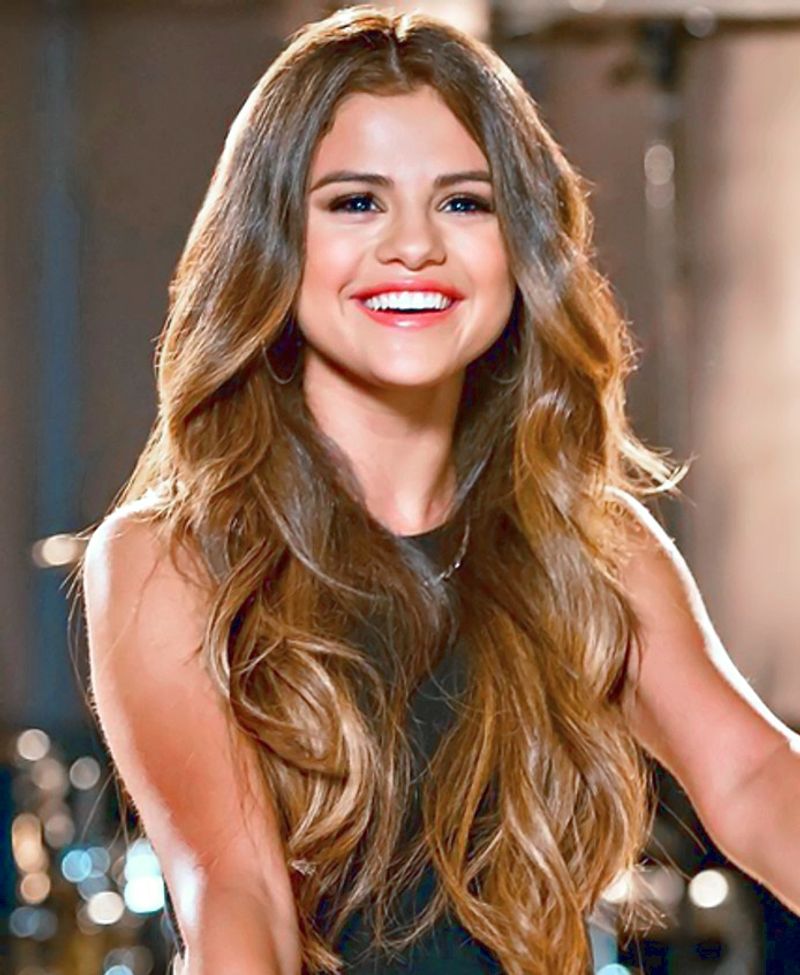
When she launched her beauty brand Rare Beauty in 2020, Selena was inspired by her 2020 album also titled “Rare.” Trademarking the word for cosmetics use seemed straightforward enough, until other brands and artists pointed out how broadly the word is used across industries.
Navigating trademark conflicts for a single common adjective turned out to be surprisingly complicated legal territory. However, Rare Beauty ultimately succeeded and became one of the most celebrated celebrity makeup brands on the market.
Sometimes the funny part is not the failure but the sheer audacity of trying to own a word like “Rare.” Bold and beautiful, simultaneously.
13. Kanye West’s ‘Yeezy’
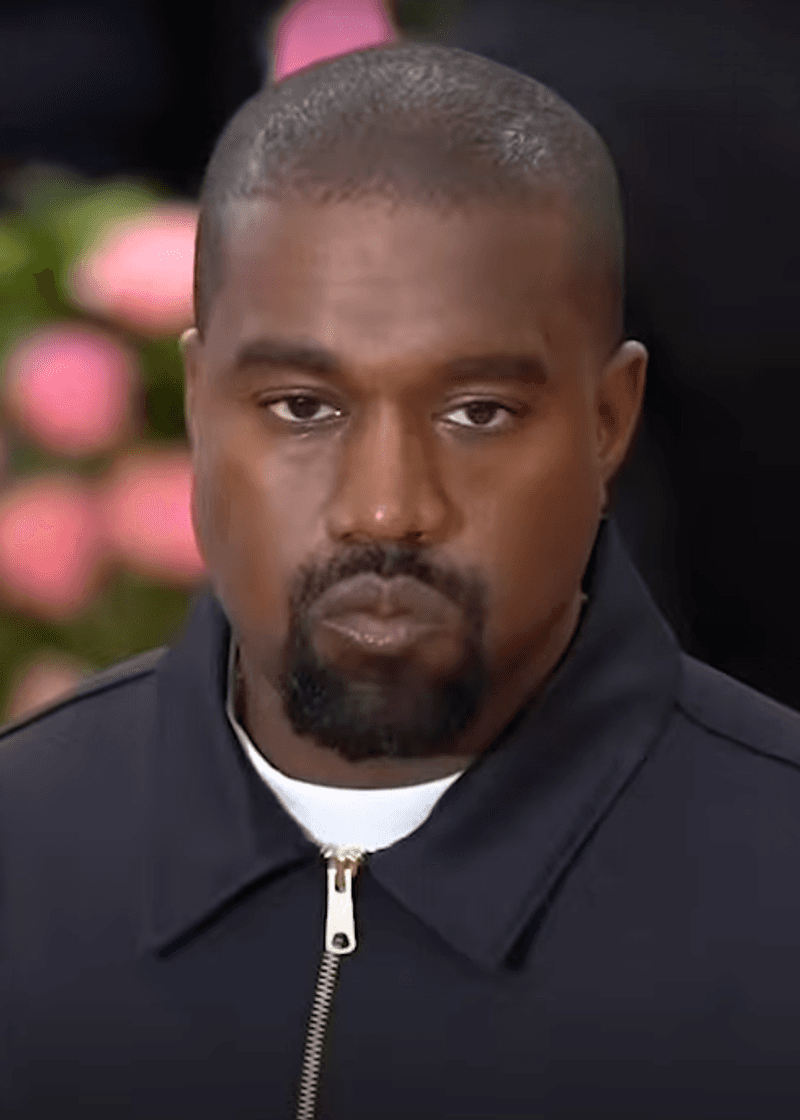
Kanye West built an entire fashion and footwear empire around the name “Yeezy,” and protecting it legally became an enormous ongoing legal operation. Multiple trademark disputes erupted over the years, including conflicts over who owned what after his split from Adidas in 2022.
The brand name itself sparked lawsuits involving multiple companies claiming rights to various Yeezy-related trademarks. A name so simple, just six letters, ended up generating some of the most complicated celebrity trademark litigation in recent memory.
Somewhere in a law library, an entire shelf is devoted exclusively to Yeezy paperwork. Fashion has never been so legally exhausting.
14. DJ Khaled’s ‘Another One’
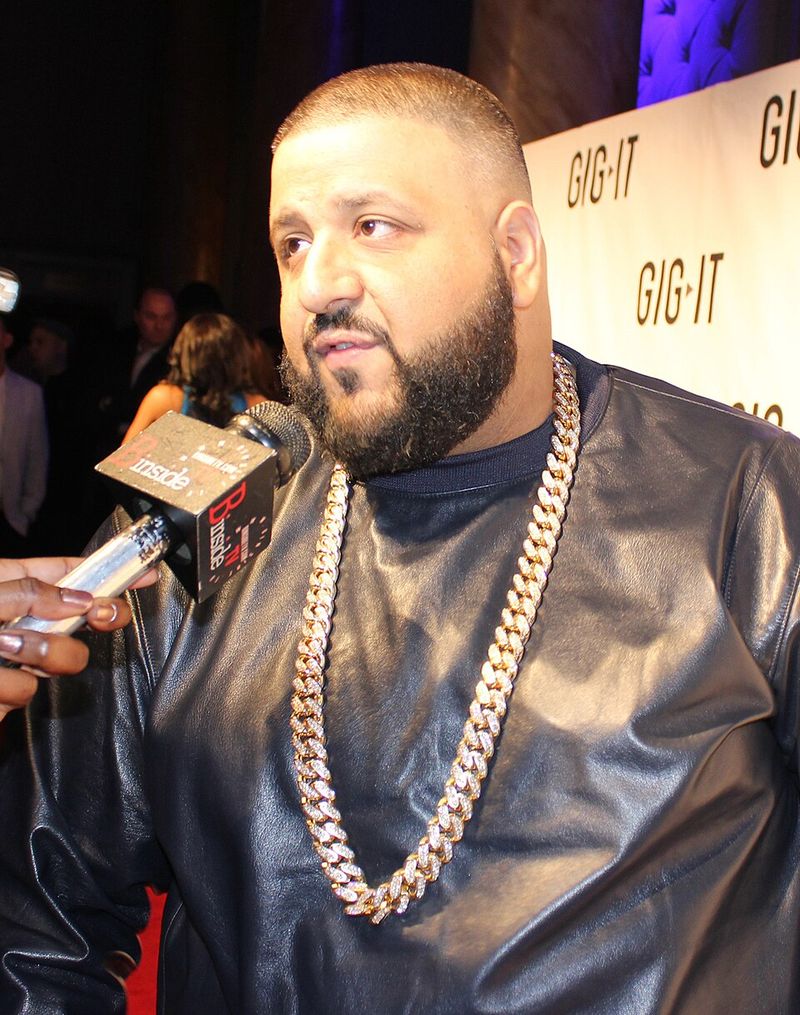
A catchphrase rarely lands as hard as “Another one,” echoed across interviews, social clips, and live appearances until it became a meme in its own right. The phrase spread everywhere, eventually leading to a trademark attempt that only fueled its legend.
Trademark officials were unmoved by the enthusiasm. The phrase was simply too common and too widely used to be locked down by one person, no matter how many hit albums backed the claim.
How do you trademark a phrase meaning “one more of the same thing”? Apparently, you cannot.
Khaled kept saying it anyway, royalties or not, and honestly, the phrase is funnier for being legally free.