10 Gay Actresses On The Demands And Dynamics Of Their Profession
Bright lights and big breaks don’t tell the whole story for many gay actresses working in Hollywood.
Beyond auditions and screen tests, they’ve often had to navigate public expectations, industry pressures, and the risk of being boxed into limiting roles.
Their journeys show how identity and career choices intertwine, shaping not only their own paths but also the broader conversation about representation in entertainment.
Note: This article discusses public statements and widely reported accounts from well-known performers about career pressure, privacy, and representation in the entertainment industry.
10. Ellen DeGeneres
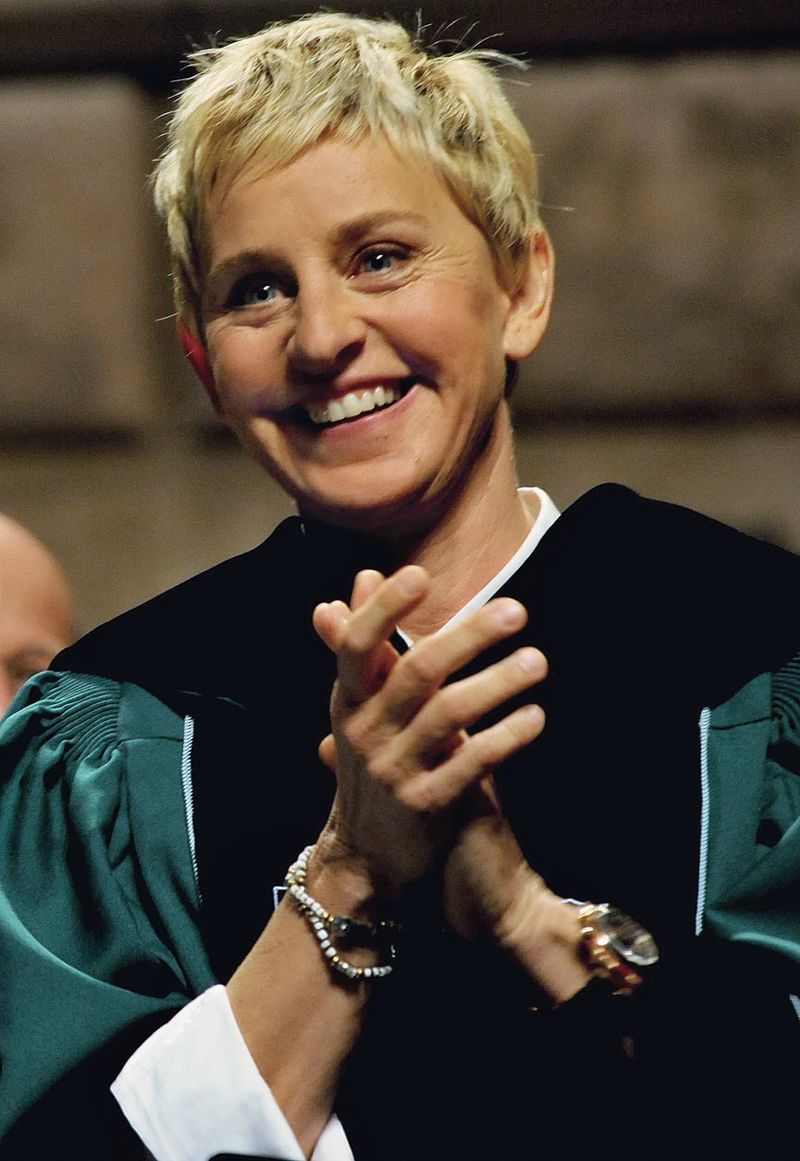
Coming out on national television while leading a network sitcom feels brave now, yet in 1997 it carried enormous professional risk.
Ellen DeGeneres made history by playing the first openly gay lead character on an American network television series.
Backlash arrived quickly, some advertisers pulled back, and the series ended the following season amid ratings pressure and controversy.
Hollywood’s response amounted to years of professional distance, showing how costly authenticity could be at the time. Later success in daytime television proved resilience, yet those early setbacks revealed how the industry often treated performers who chose honesty over silence.
9. Kate McKinnon
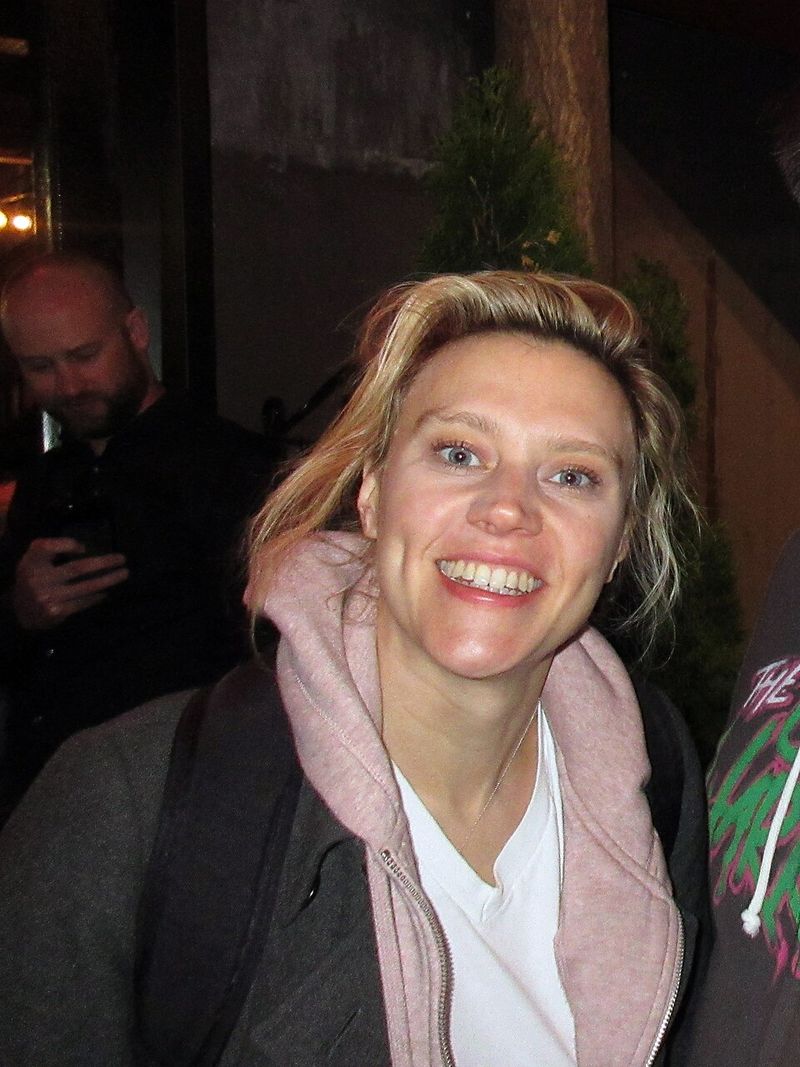
Saturday Night Live has launched countless careers, but when Kate McKinnon joined in 2012, she became the show’s first openly lesbian cast member and the first openly gay woman hired for the cast. Visibility matters in comedy because audiences connect with performers who feel real and relatable.
McKinnon has talked openly about how representation changes who feels welcome in the business.
Young comedians watching from home suddenly saw someone like them succeeding on the biggest stage in sketch comedy.
Her fearless characters and spot-on impressions proved that talent transcends labels, even as her openness made space for others to follow.
8. Cynthia Nixon
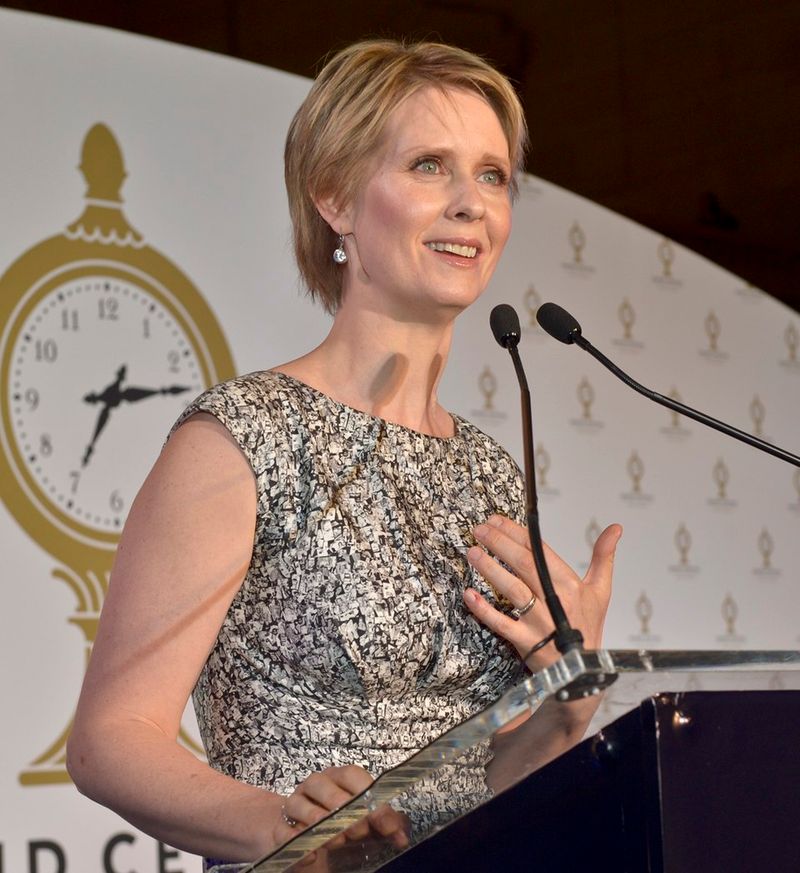
Labels can feel restrictive when everyone wants you to explain yourself instead of just letting you work.
Cynthia Nixon, known for playing Miranda on Sex and the City, has spoken about how public conversations can fixate on labels and personal identity. Audiences and journalists often demand detailed explanations about sexuality, as if actors owe the world a dissertation on their personal lives.
Meanwhile, straight performers rarely get asked about their orientation at all.
Nixon has pushed back against this double standard, insisting that the work should speak louder than any label ever could.
7. Kristen Stewart
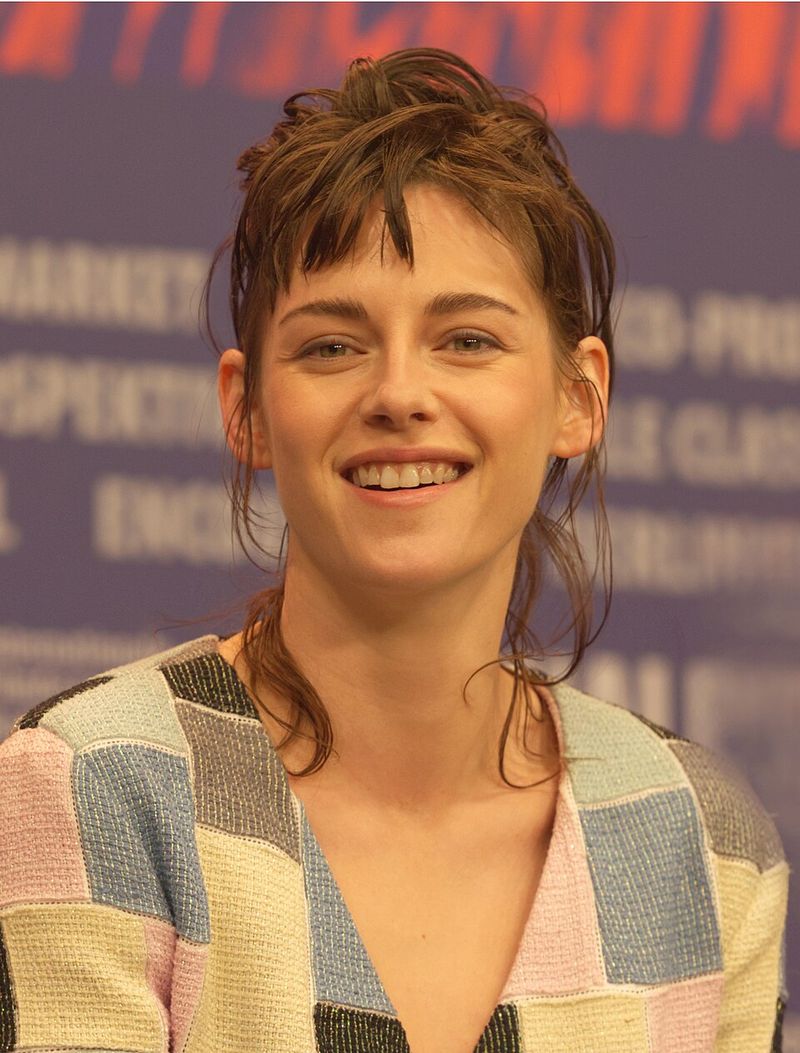
Plenty of interviews have put the focus on labels and personal life rather than craft. Kristen Stewart has described feeling intense pressure to define her sexuality publicly, as if her career depended on giving the world a neat answer.
That pressure to represent an entire community can distort an actor’s day-to-day work, turning auditions and press tours into political statements.
Stewart has pushed back, refusing to let labels dictate her choices. Her honesty about fluidity has helped shift conversations away from rigid categories.
6. Jodie Foster
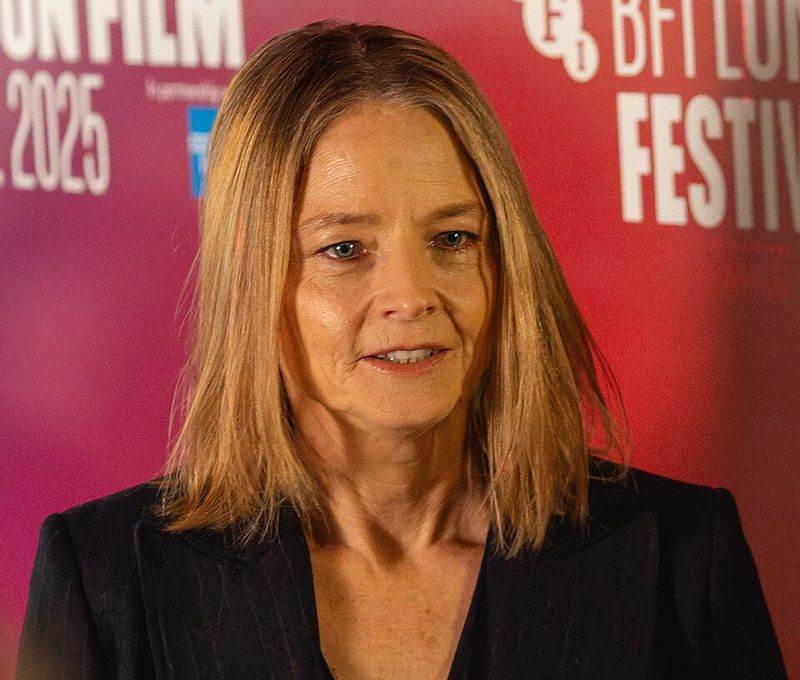
Privacy turns into a rare luxury once fame enters the picture, and Jodie Foster spent decades navigating Hollywood with carefully drawn personal boundaries.
She has spoken about how intense industry attention shaped those limits, especially in an era when studios and media often treated actors like public property.
Later in her career, she addressed privacy and personal life in a Golden Globes speech that many viewers interpreted as a public coming-out moment. Her path highlights how many performers from earlier generations felt forced to weigh authenticity against career survival.
Hollywood has evolved in some ways, yet those earlier pressures still shape ongoing conversations about visibility and personal control.
5. Sarah Paulson
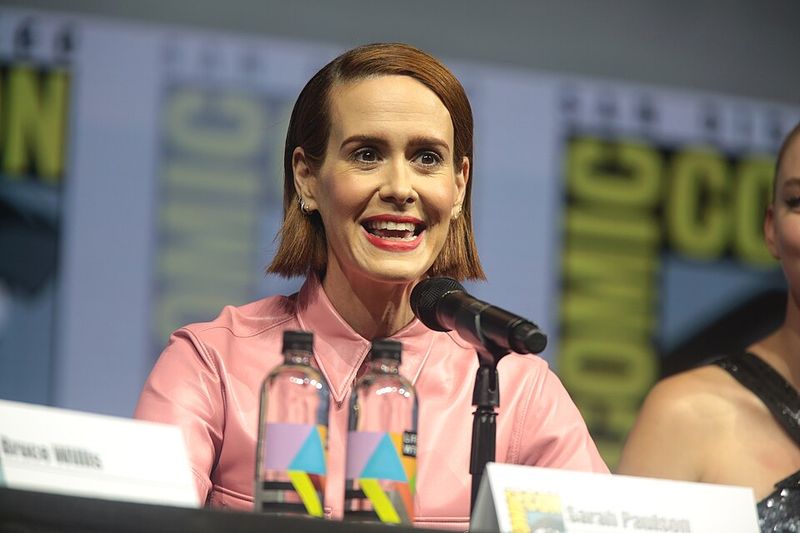
What happens when audiences and media expect you to fit into fixed categories, but your life doesn’t cooperate?
Sarah Paulson has spoken candidly about how labeling and public framing create professional pressure, especially when people demand simple answers to complicated questions. Public attention around her relationship with Holland Taylor also fueled label-focused coverage.
Paulson has resisted the urge to over-explain, insisting that love is love and that’s enough.
Her approach highlights how performers can reclaim their narratives without sacrificing authenticity or privacy.
4. Samira Wiley
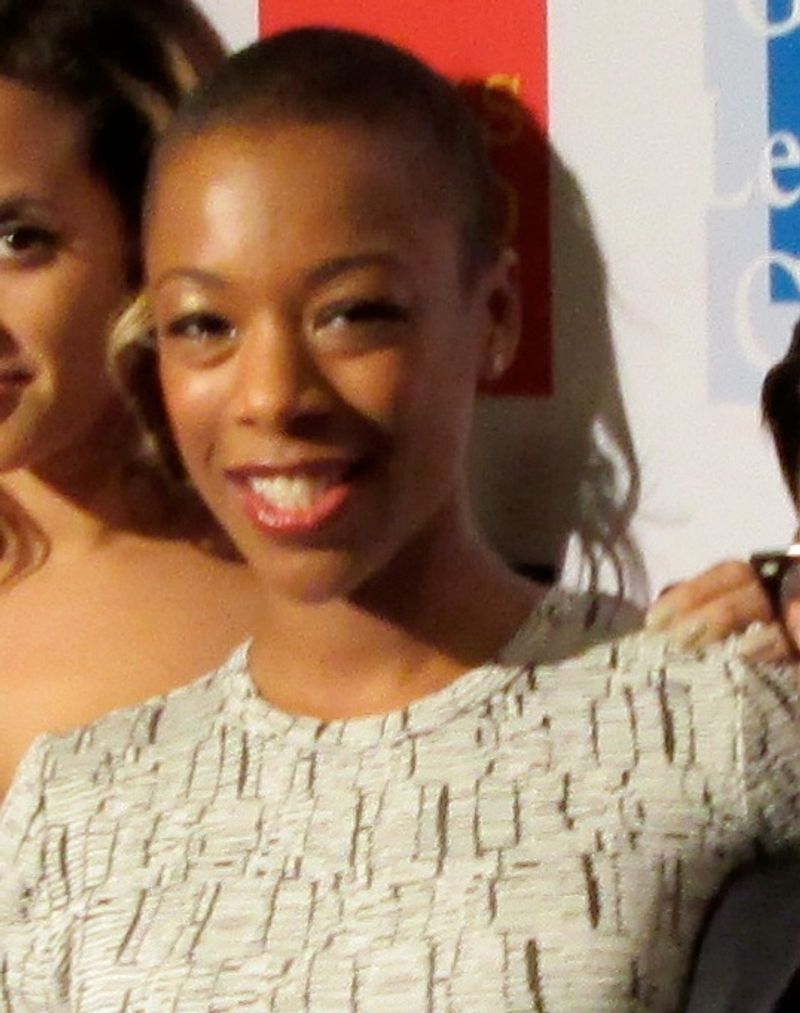
Casting directors sometimes fall into the trap of assuming LGBTQ performers should only play queer roles, as if identity limits acting range.
Samira Wiley, recognized for work in Orange Is the New Black and The Handmaid’s Tale, has spoken about resisting that narrow expectation.
Actors train to step into all kinds of lives, not just ones that mirror their own experiences. Typecasting based on sexuality restricts opportunities and reinforces stereotypes that hold the industry back.
Her career shows that talent and versatility matter far more than checking a box that matches a character’s identity.
3. Wanda Sykes
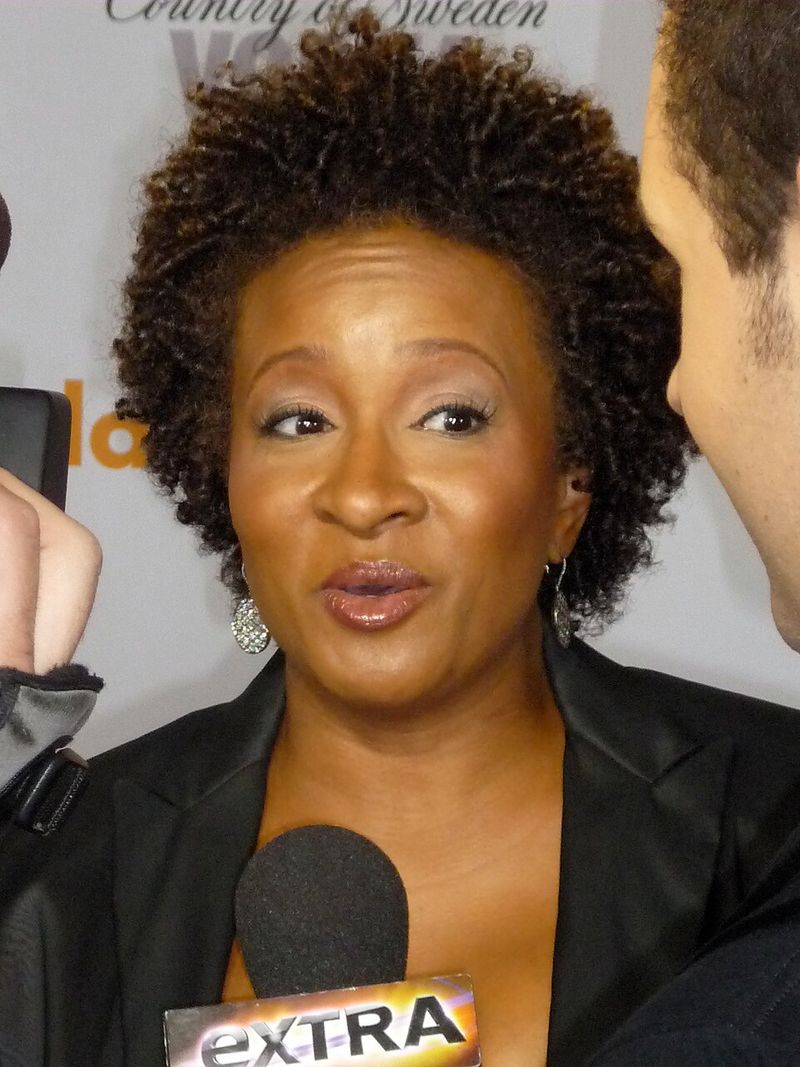
Discrimination in entertainment doesn’t always look like a slammed door; sometimes it’s a door that never opens in the first place.
Wanda Sykes has discussed the added industry friction that comes with being openly gay, particularly as a Black woman in comedy.
Visibility can change how rooms respond, and she has spoken about the added scrutiny that can come with being openly gay. Sykes has been vocal about how identity affects treatment and access in Hollywood, from stand-up stages to sitcom writers’ rooms.
Her honesty has helped younger performers understand the landscape they’re entering and fight for fairer treatment.
2. Portia De Rossi
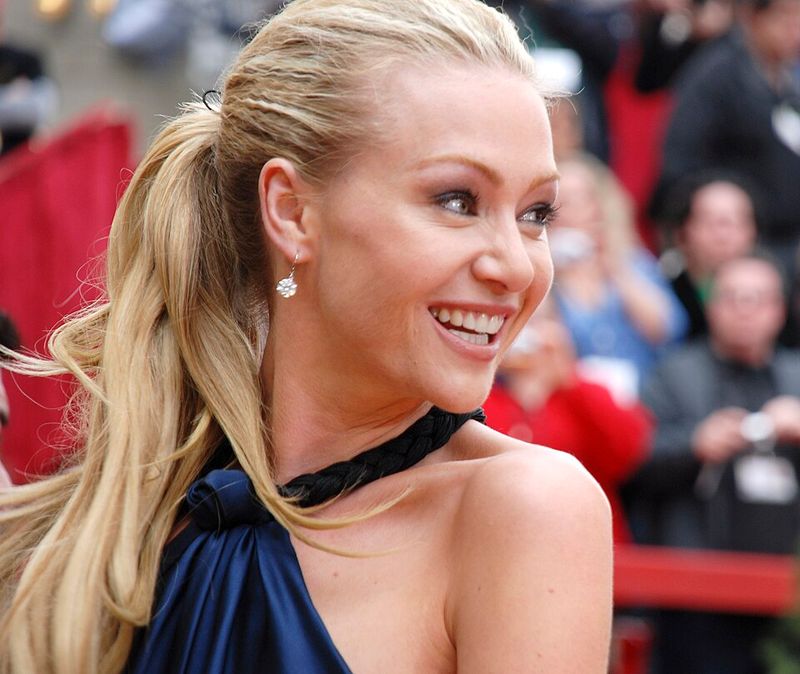
Fear can shape an entire career when honesty feels like it might cost everything.
Portia de Rossi spent years closeted early on, worried that being openly gay would limit opportunities in Hollywood.
Watching others get sidelined or narrowly typecast only deepened that anxiety, and staying silent took a heavy toll on her well-being. Finding the courage to live openly brought relief, yet those early years of hiding left lasting emotional marks.
Her experience shows how industry bias can create psychological pressures that many straight performers never have to face.
1. Lily Tomlin
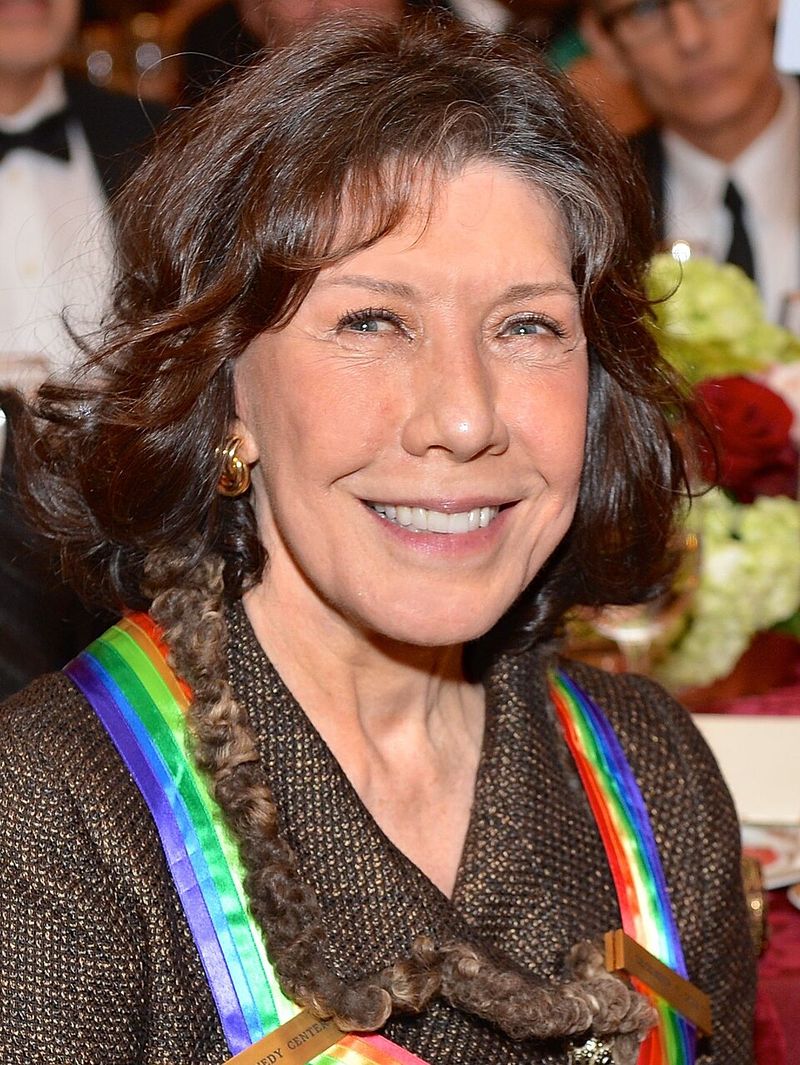
Lily Tomlin built a lasting career in comedy and acting long before Hollywood made public commitments to diversity. She has spoken openly about being gay while working in an industry that often favored performers who fit tidy, marketable expectations.
She has spoken about building a long career while keeping parts of her private life guarded in an industry that often pushed tidy narratives. A body of work shaped on her own terms proved that staying authentic can sustain a career for decades.
Her legacy stands as a reminder that the industry ultimately makes room for performers who refuse to make themselves smaller.