11 Gene Hackman Performances That Defined Key Moments In His Filmography
How did one glare, one shrug, and half a sentence make Gene Hackman more imposing than many on-screen villains? Gene Hackman mastered the art of sounding unimpressed while completely stealing the scene.
Cops, villains, and authority figures marked by impatience or detachment – he played them like he’d already read the ending. Decades later, that blunt, no-nonsense approach remains effective without relying on overt dramatics.
Note: This article reflects widely documented film credits, release information, and critical reception associated with Gene Hackman’s filmography. Role selections are based on historical significance, awards recognition, and lasting cultural impact rather than subjective ranking alone.
11. Bonnie And Clyde (1967) – Buck Barrow
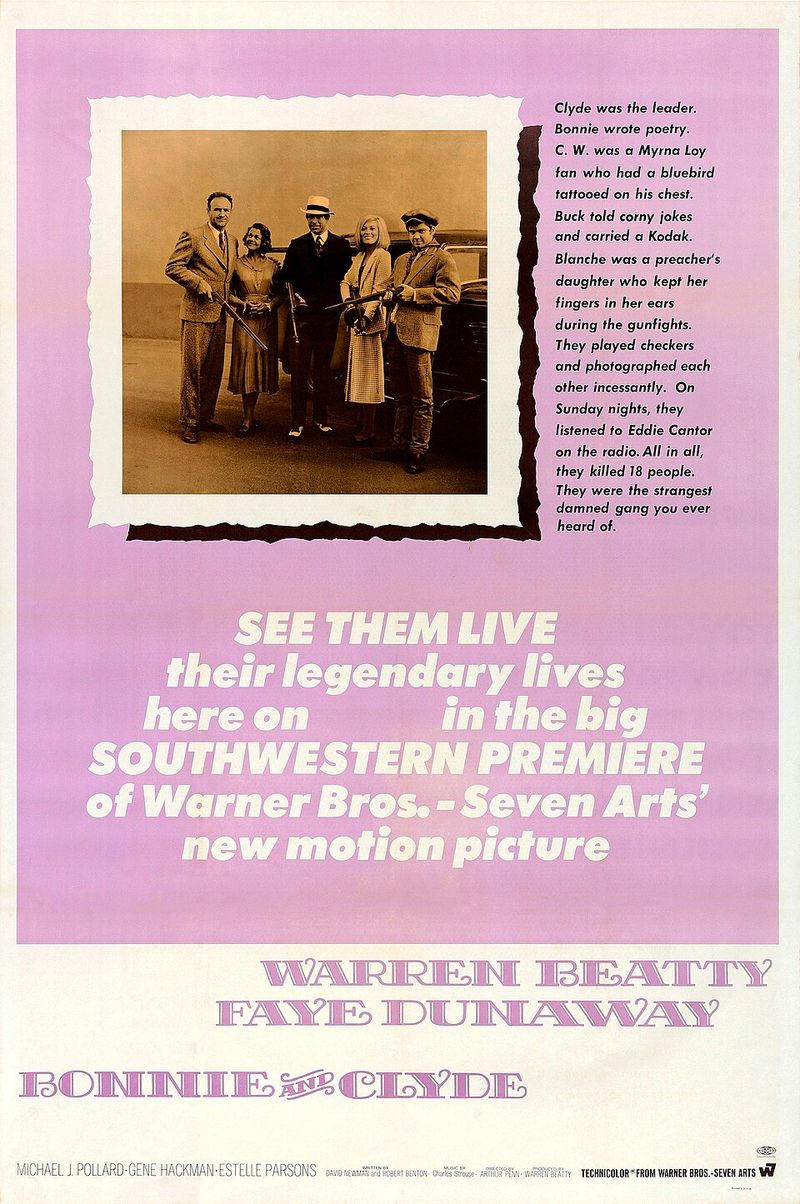
Jittery energy bursts onto the screen through Buck Barrow, landing as both dangerous and oddly sympathetic. Lived in desperation comes through as Hackman elevates a role that could have faded into background noise.
Vivid presence takes shape instead, filled with warmth and volatility that mirrors a rebellious spirit running through the film.
Early career momentum helped define New Hollywood’s grittier storytelling, proving supporting performances can steal scenes without stealing focus.
10. Marooned (1969) – Ted Dougherty
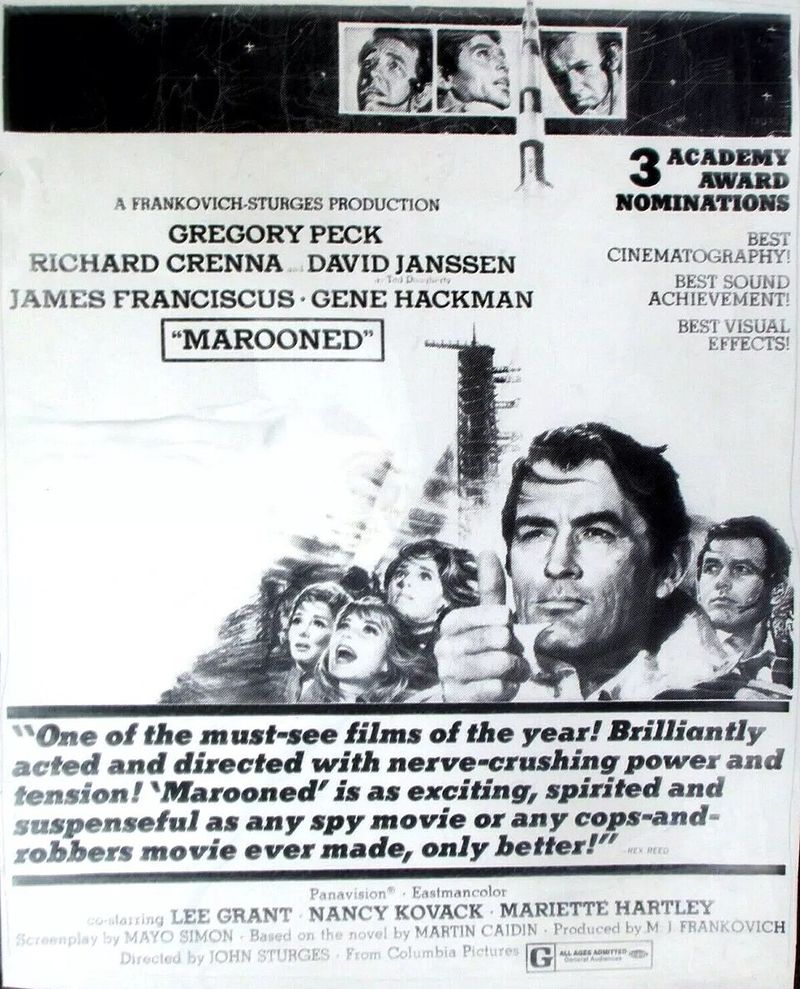
Calm authority radiates from a console as pressure tightens across the room.
Into that space, a confident cadence settles, hinting at instincts later roles would sharpen into something legendary for Hackman. Procedural rhythm finds its anchor where competence and pressure share the same oxygen.
In practiced hands, competence turns into a quiet form of charisma. Studio craftsmanship marks a key step toward bigger, bolder roles waiting just ahead.
9. The Poseidon Adventure (1972) – Rev. Frank Scott
Moral conviction turns into pure forward motion.
Hackman plays Frank Scott as a man whose intensity and leadership instincts propel the entire film. His drive feels inspiring and intimidating at once, cementing his 1970s star persona as someone who could carry an action-packed disaster epic on sheer willpower.
The character’s certainty becomes the film’s heartbeat. The performance shows that leading roles do not rely on charm alone.
8. Superman II (1980) – Lex Luthor

A stylized form of villainy defines Hackman’s approach in Superman II, landing playful yet sharp edged at every turn. With theatrical charm turned up, Hackman pushes the character into full global blockbuster mode.
Franchise scale arrives as a persona proves it can reach worldwide audiences, reshaping Lex into a brainy showman whose schemes feel like performances worth watching.
7. Hoosiers (1986) – Norman Dale
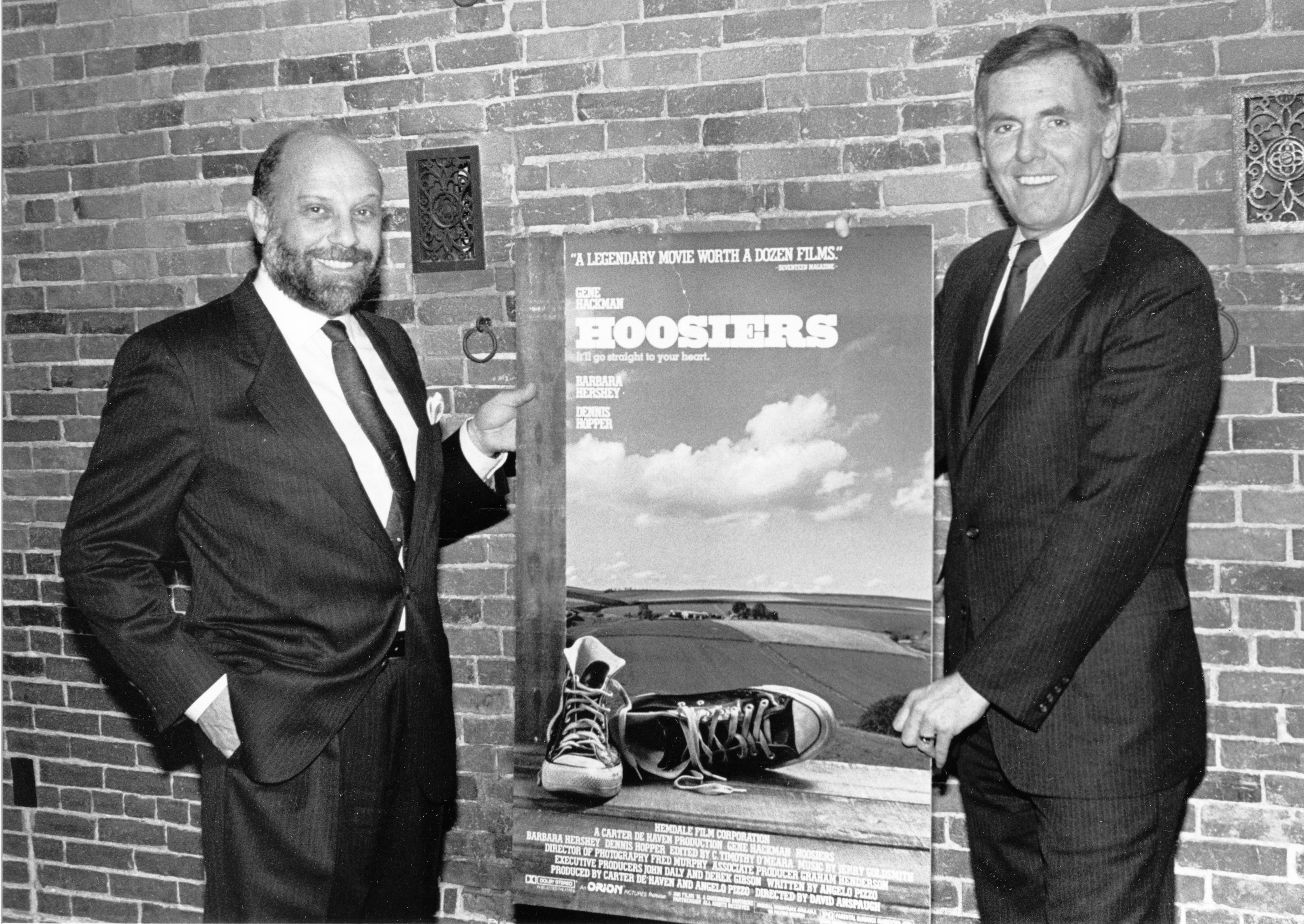
Norman Dale stands in a gym that smells like old leather and second chances.
Hackman plays discipline, regret, and belief without turning the coach into a speech machine.
Small choices carry the emotional weight – a glance, a pause, a quiet correction. The performance defines mentor roles in 1980s American cinema, grounding inspiration in lived experience rather than Hollywood polish.
The arc presents redemption as gradual rather than overtly stated.
6. Mississippi Burning (1988) – Agent Rupert Anderson

Charm and controlled intensity coexist within Rupert Anderson, a folksy FBI agent whose moral line hardens scene by scene. Warm exterior balances against controlled rage as Hackman leans on persuasion until that approach finally stops working.
Turning point arrives when authority itself becomes the performance rather than a simple character trait.
Steel forming under pressure captures the evolution, with screen command achieved through sheer presence and tactical restraint.
5. The Firm (1993) – Avery Tolar
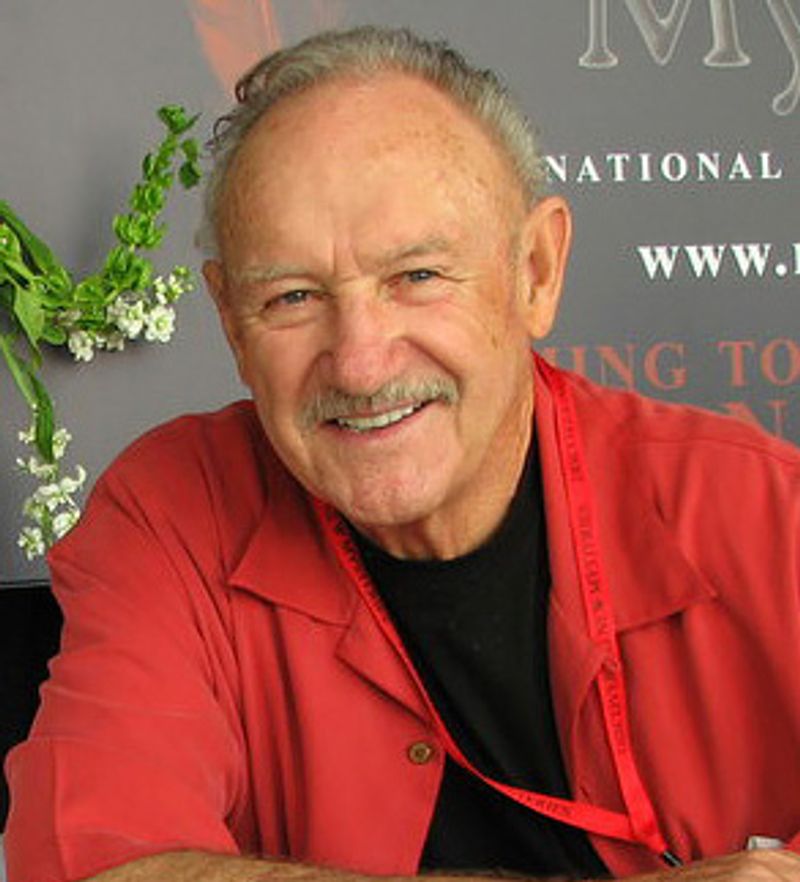
Ownership fills every entrance as Avery Tolar moves through scenes like the room, building, and city block already belong to him. Charisma shifts into a pressure system, revealing how power dominates through calm persuasion rather than raised volume.
Sleek 1990s energy marks a pivot that proves a thriller can be commanded without ever raising a voice.
Controlled charm functions as a strategic tool throughout the film.
4. The Royal Tenenbaums (2001) – Royal Tenenbaum

Abrasive charm mixes with oddly tender timing as Royal Tenenbaum shuffles back into family life.
Through pauses, rhythm, and a loose lived in cadence, Hackman makes Royal funny, frustrating, and unexpectedly human all at once. Rarely does late career reinvention feel this natural or this complete.
Adaptability shines as Wes Anderson’s stylized world gets embraced without losing an individual voice, turning Royal into a character study wrapped in comedy.
3. Superman (1978) – Lex Luthor
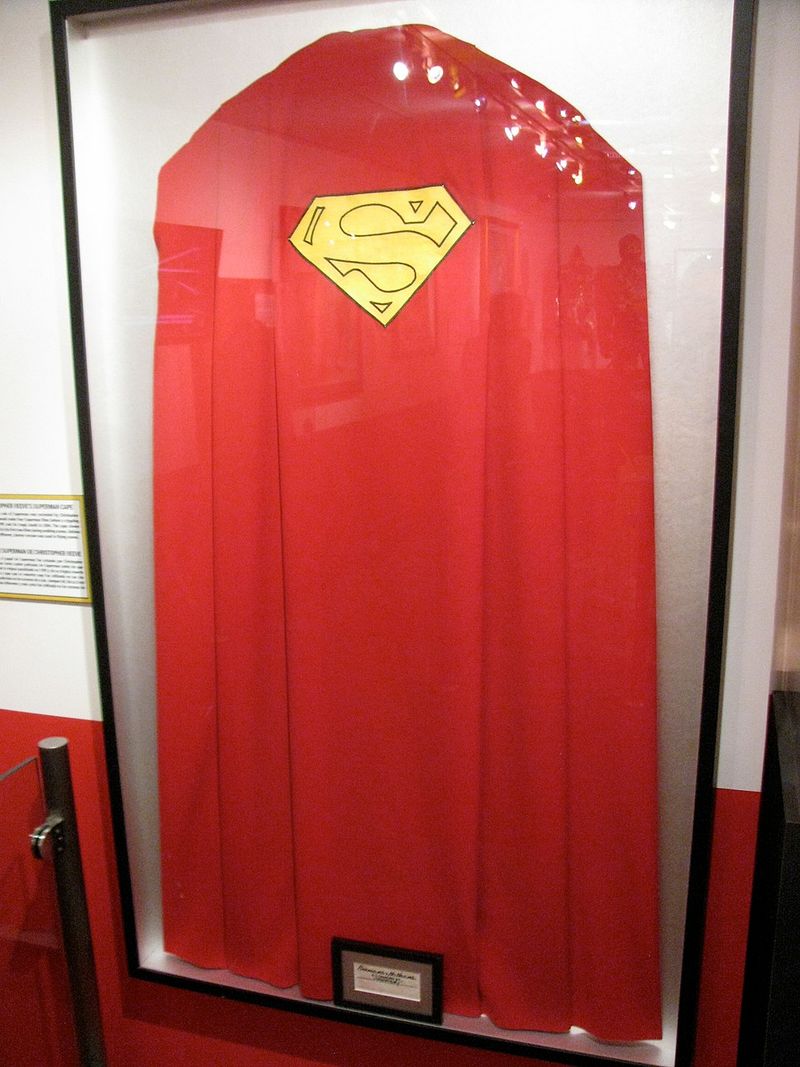
Showman energy with a sharp mind drives a villain who feels theatrical while still grounded in undeniable star power.
That interpretation helped define modern blockbuster antagonists as clever, commanding, and unmistakably charismatic. More than a simple threat, Lex registers as a personality, a force, and a constant presence.
Villainy turns into performance art, with every scheme feeling worth the price of admission.
2. The Conversation (1974) – Harry Caul
Surrounded by humming equipment, a man sits still as paranoia seeps through every careful gesture.
Built on inward tension and deliberate withholding, the performance turns isolation into something physical rather than merely psychological.
Routine hardens into posture, and posture solidifies into armor. Methodical control defines the role, making it one of the most quietly devastating studies in restraint and fracturing certainty.
1. The French Connection (1971) – Jimmy ‘Popeye’ Doyle (Best)
Film history shifted when raw physicality collided with moral ambiguity, creating a character that still fuels debate. Awards followed, yet greater impact came from reshaping expectations for how a cop could exist on screen, flawed, driven, and morally slippery.
Few performances define careers so completely, as intensity transformed into something closer to art.
Relentless pursuit fused character and cinematic signature into one unforgettable package.