15 Great Black Actors Who Often Land In Poorly Reviewed Movies
Talent does not come with a critic-proof shield. Even the most magnetic Black actors sometimes end up stuck in movies reviewers seemed personally offended by.
Charisma shows up, effort shows up, and the reviews still show no mercy.
It’s unfortunate, sure, but it also exposes how timing, studio choices, and questionable scripts can turn great performers into innocent bystanders of cinematic chaos.
Disclaimer: This article is intended for general informational and entertainment purposes, summarizing public-facing critical reception trends and widely reported career highlights.
1. Forest Whitaker
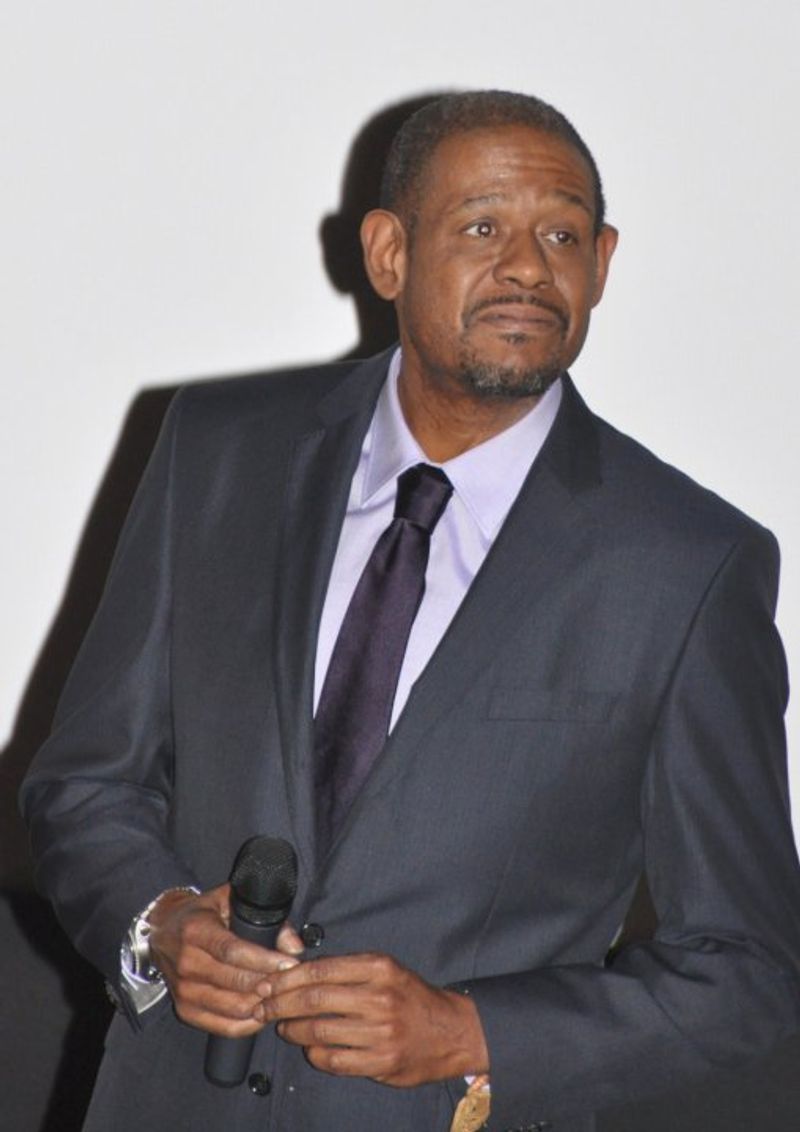
Career choices raise eyebrows despite an Academy Award win for The Last King of Scotland, with Forest Whitaker moving between prestige and puzzling detours.
Reputation took a hit with Battlefield Earth, now remembered as a high-profile misfire that failed critically and commercially.
Follow-up work sometimes drifted into low-profile thrillers that arrived quietly and vanished just as fast. Commitment never wavers, however, and even when material falls short, performance quality remains steady, proving professionalism can outshine uneven scripts.
2. Jamie Foxx
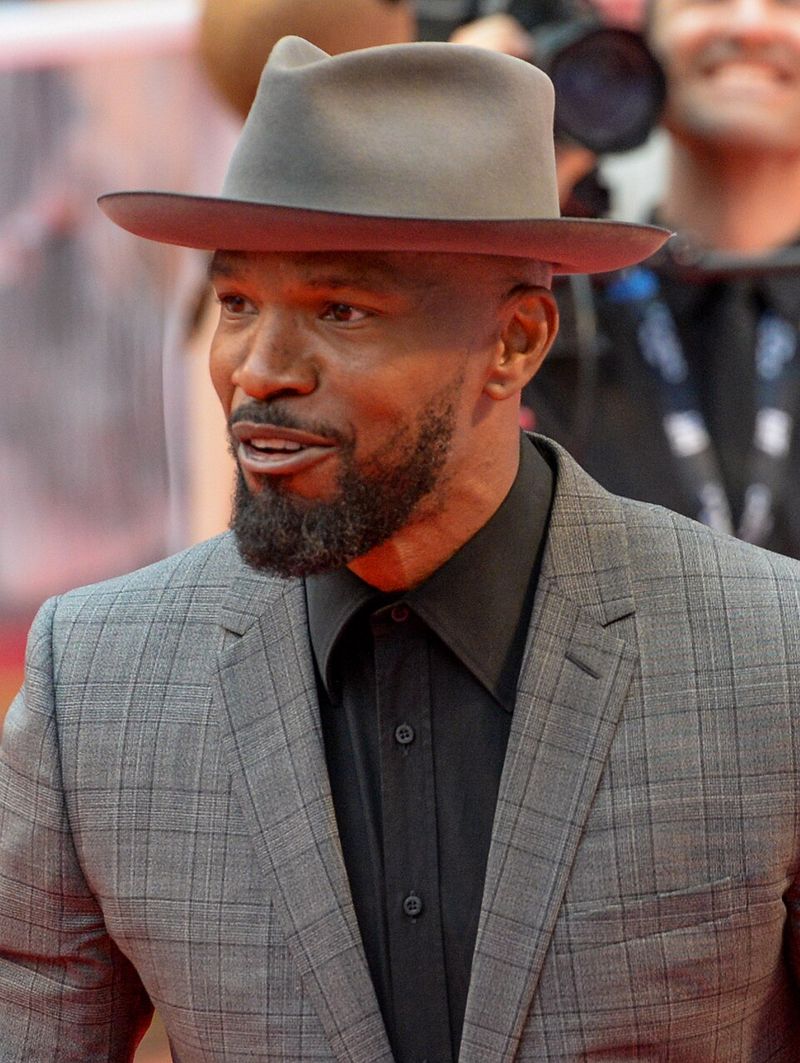
Ray earned him an Oscar, but Foxx’s resume includes puzzling detours.
Stealth flopped as a military action thriller with dated CGI and wooden dialogue. Sleepless got panned for generic plotting despite his efforts to inject energy into every scene.
He balances music, comedy, and drama, sometimes picking projects that sound fun rather than critically bulletproof. Versatility means exploring different genres, and not every experiment succeeds with reviewers or audiences.
3. Eddie Murphy
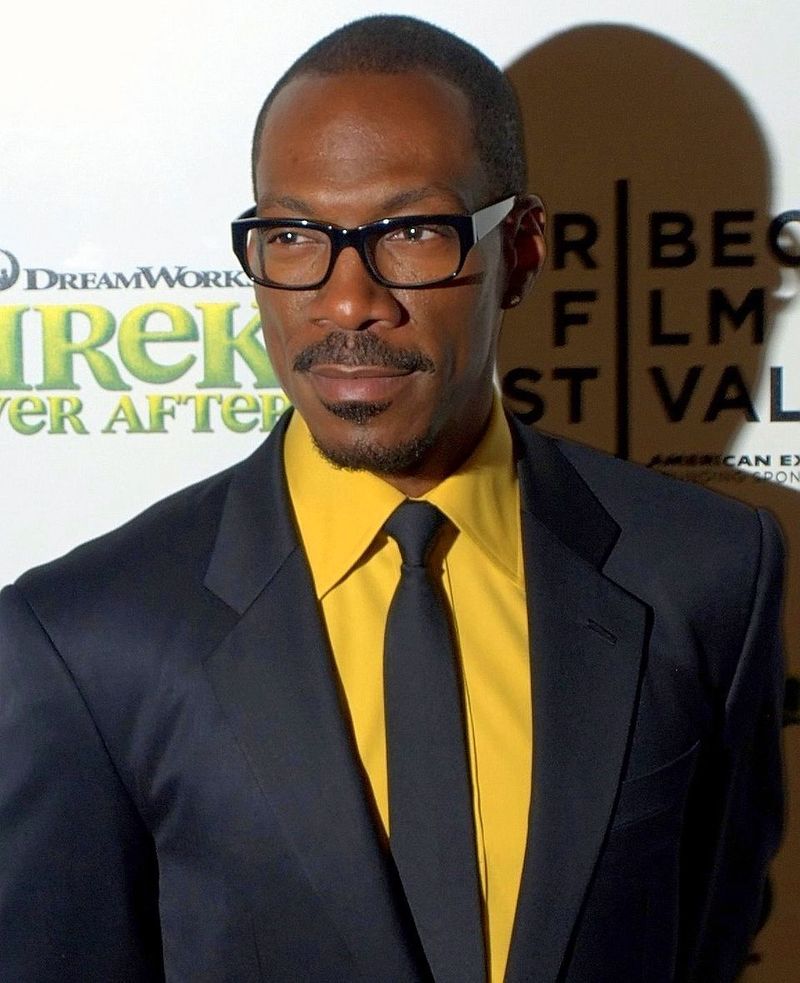
Early triumphs like Raw and Delirious established Eddie Murphy as a comedic force, which makes later missteps feel even more jarring. Infamy followed with The Adventures of Pluto Nash, which grossed about $7.1 million worldwide against an estimated $100 million budget.
Whiplash continued when Norbit earned Razzie attention the same year Dreamgirls nearly delivered an Oscar, highlighting extremes few careers experience so close together.
Family-oriented turns and multi-character showcases kept coming, yet even Murphy’s undeniable commitment and technical skill couldn’t always rescue scripts that lacked the spark of his best work.
4. Martin Lawrence
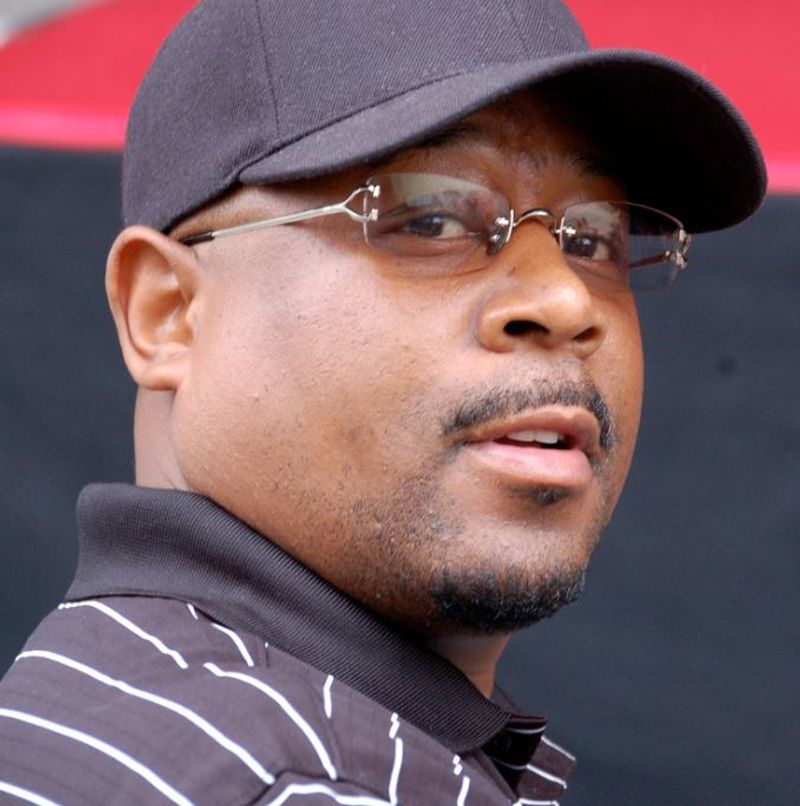
Sitcom stardom translated to movie deals, but quality varied wildly.
Big Momma’s House sequels earned diminishing returns with critics while maintaining modest box office. College Road Trip and Rebound landed with thuds despite Lawrence’s physical comedy skills.
Family-friendly pivots often sacrifice edge for broader appeal, resulting in forgettable comedies.
His Bad Boys partnership with Will Smith proved lightning rarely strikes twice outside that franchise.
5. Kevin Hart
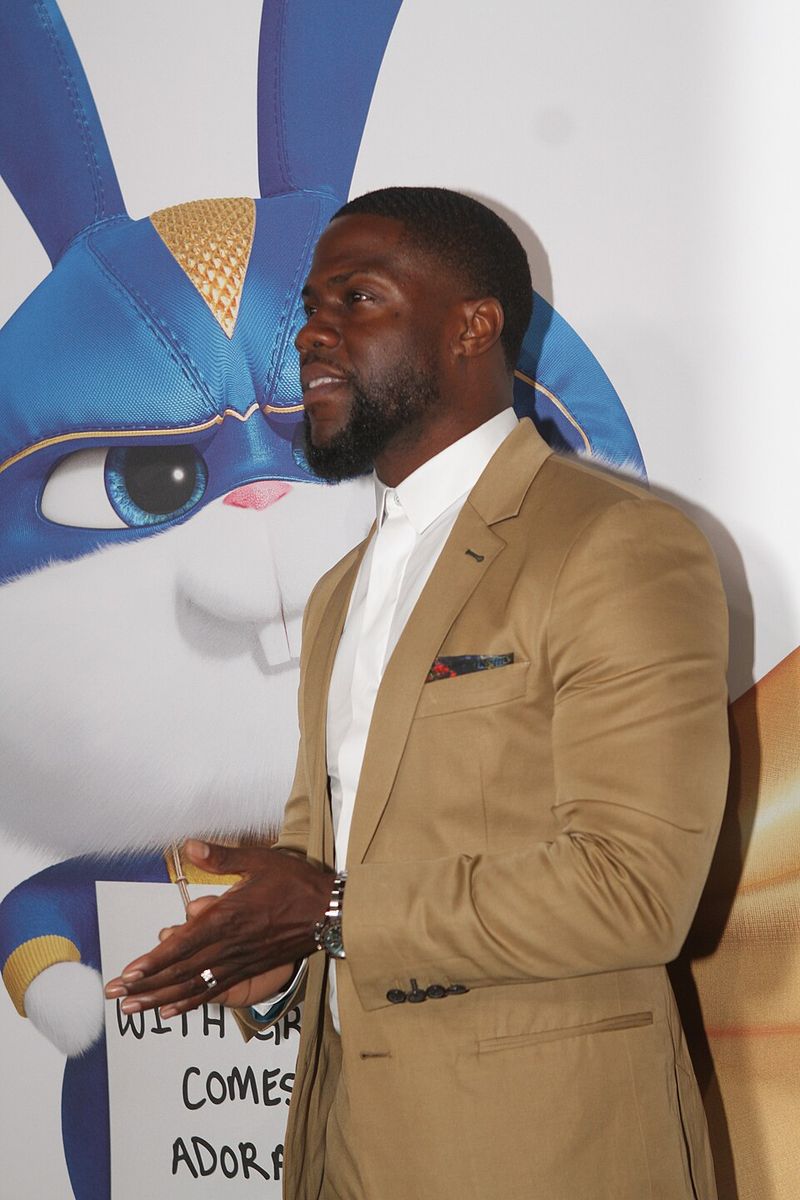
Stand-up momentum pushed Kevin Hart into Hollywood at breakneck speed, turning arena laughs into a nonstop film pipeline. Projects like Ride Along sequels and Night School leaned hard into manic energy, even as critics brushed them off as familiar and formula-driven.
Studio confidence increasingly ties to social media reach and built-in audiences rather than the strength of any single script.
Relentless output all but guarantees uneven results, yet tireless work ethic and fiercely loyal fans keep him bankable even when reviews trend sharply negative.
6. Chris Rock
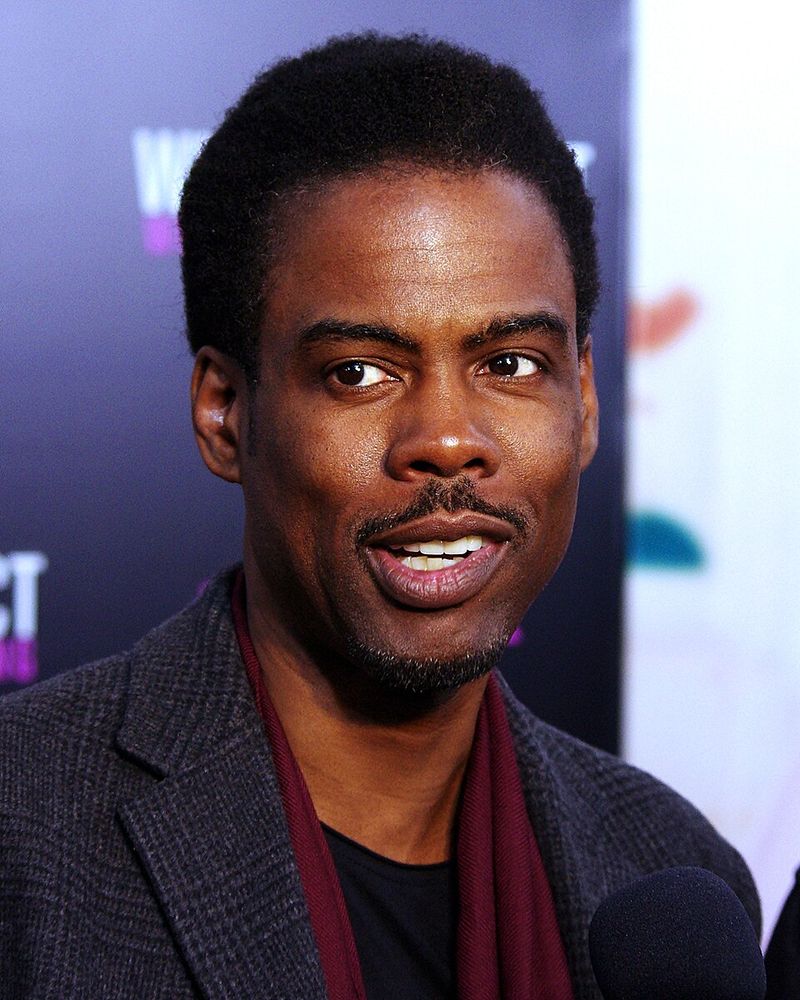
Sharp social insight fueled Chris Rock’s stand-up success, yet that edge rarely translated cleanly to the big screen. Films like Head of State and I Think I Love My Wife aimed for thoughtful commentary but struggled to land their ideas with consistency.
Revisiting a classic through Down to Earth removed much of the original charm without offering a strong new angle.
Studio efforts to smooth sharper material for mass appeal often left both critics and longtime fans wanting something bolder.
7. Will Smith
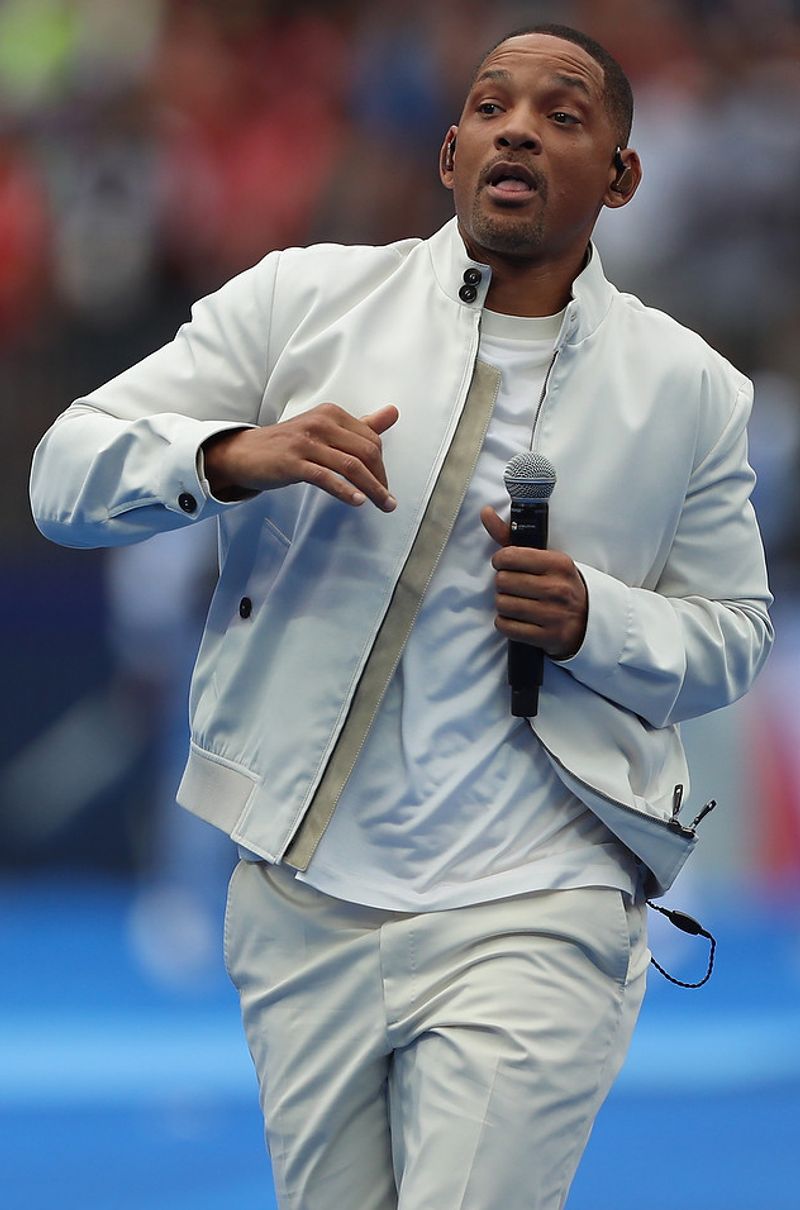
From Fresh Prince to blockbuster royalty, Smith’s journey hit speed bumps.
After Earth tanked with critics and audiences, drawing criticism that often centered on its concept and execution. Wild Wild West earned Razzie nominations despite its massive budget and special effects.
His instinct for crowd-pleasers occasionally leads him toward high-concept projects that sound better in pitch meetings than on screen. Box office muscle kept him afloat through rough patches that would sink lesser stars.
8. Tyrese Gibson
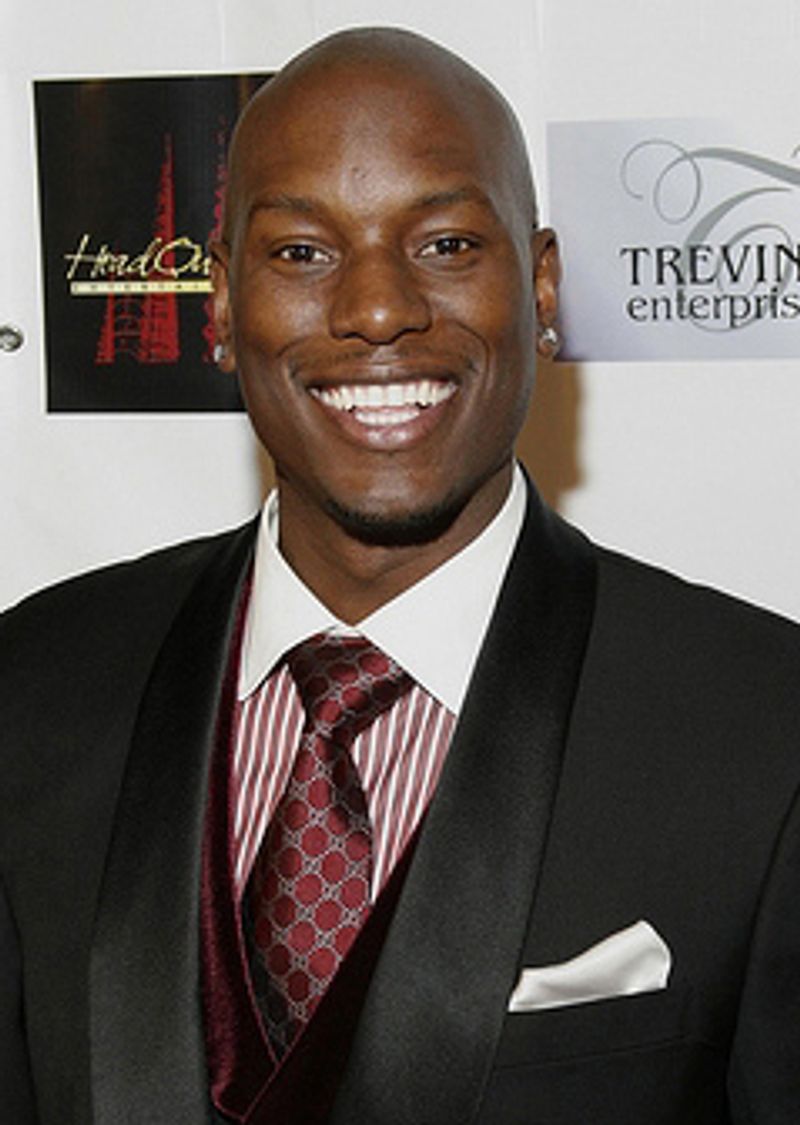
Franchise momentum from Fast & Furious never translated into universal critical respect elsewhere.
Titles like Waist Deep and Annapolis struggled with reviewers despite earnest effort and action-ready physicality from Tyrese Gibson. Role selection often circles familiar tough-guy territory, causing performances to blur together inside otherwise forgettable action vehicles.
Music commitments and long-running franchise obligations leave limited space for prestige detours, yet loyal fans continue showing up for consistency even when critics call the work predictable.
9. Denzel Washington
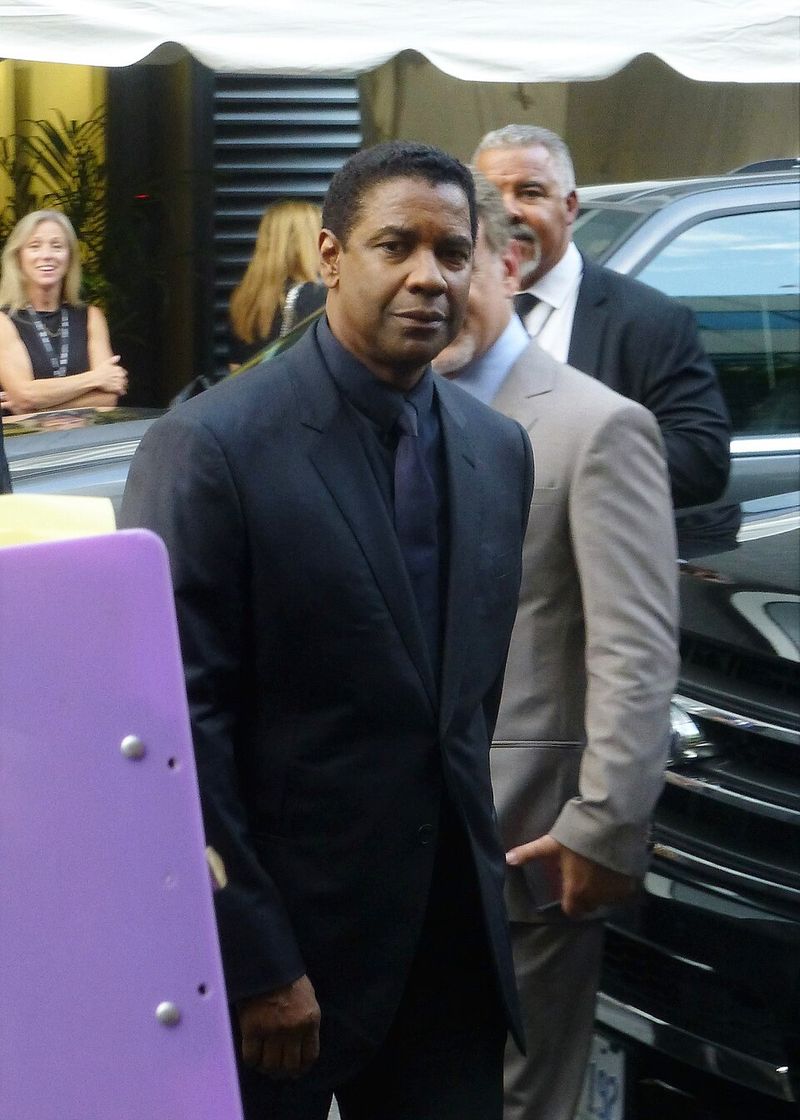
Two Oscars sit on the mantle, yet even legends stumble. Washington starred in Virtuosity and The Bone Collector, films that left critics cold despite his electric performances.
He chooses projects based on directors and character depth rather than guaranteed critical darlings.
When a script speaks to him, he commits fully even if the final product doesn’t land. That artistic courage sometimes means appearing in movies that don’t match his talent level.
10. Ice Cube
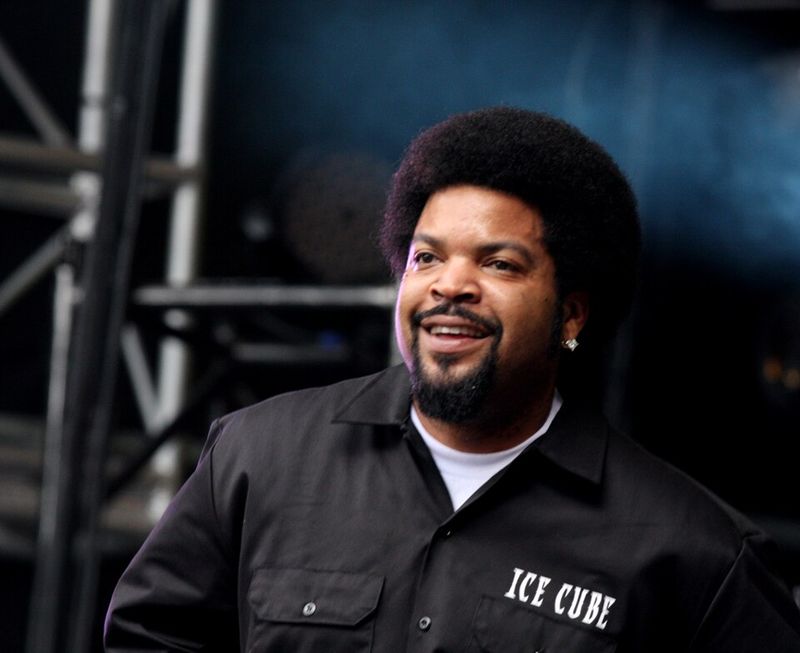
NWA legend turned actor, Cube built a second career in Hollywood with mixed results.
Are We There Yet? spawned a critically panned franchise trading on family comedy tropes. The Janky Promoters and First Sunday disappeared quickly despite his producing involvement and star power.
Balancing street credibility with family-friendly content creates tonal confusion that leaves nobody fully satisfied. Friday sequels couldn’t recapture the original’s lightning, though fans still quote them religiously.
11. Wesley Snipes
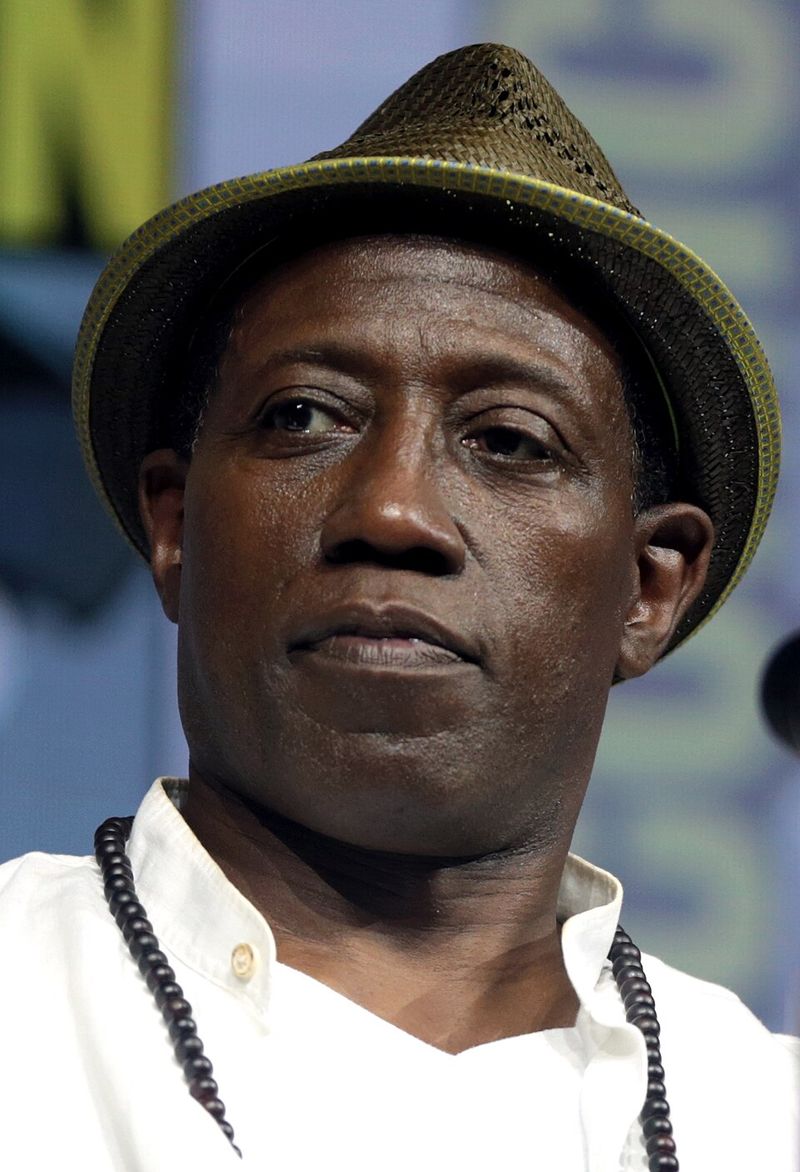
Franchise credibility arrived with the Blade trilogy, proving that Wesley Snipes could carry slick action built on real martial arts skill and presence.
Momentum faded when follow-ups like Passenger 57 sequels and Gallowwalkers skipped theaters and shifted into lower-profile releases, including titles that did not receive wide theatrical exposure.
Legal and tax troubles derailed timing at the worst possible moment, interrupting a career just as Hollywood action formulas were shifting. Career momentum slowed during a period of legal trouble, and the later comeback faced a different studio landscape.
12. Idris Elba
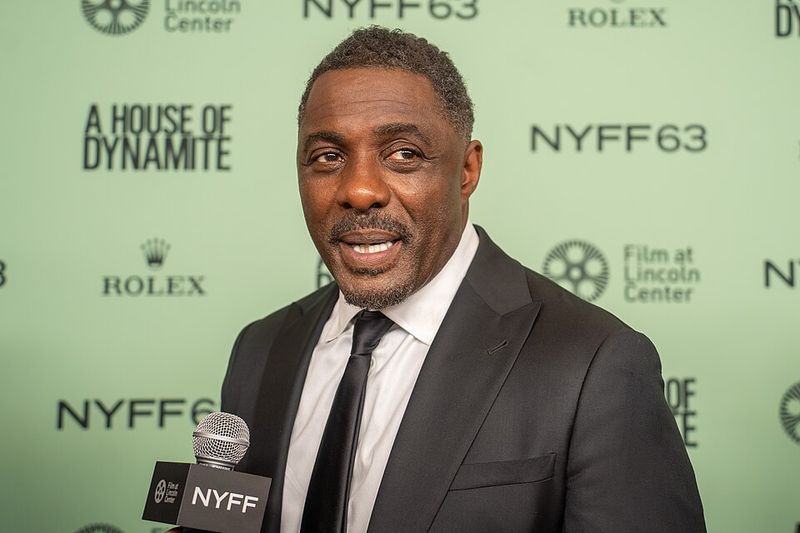
British charm and dramatic chops made Elba a fan favorite across continents.
Yet he appeared in The Dark Tower, a Stephen King adaptation that collapsed under studio interference. Ghost Rider: Spirit of Vengeance wasted his villain potential on CGI chaos and incoherent plotting.
Franchise opportunities sometimes trap talented actors in projects rewritten during production.
His magnetic screen presence elevates even the weakest material, though critics still pan the films themselves.
13. Samuel L. Jackson
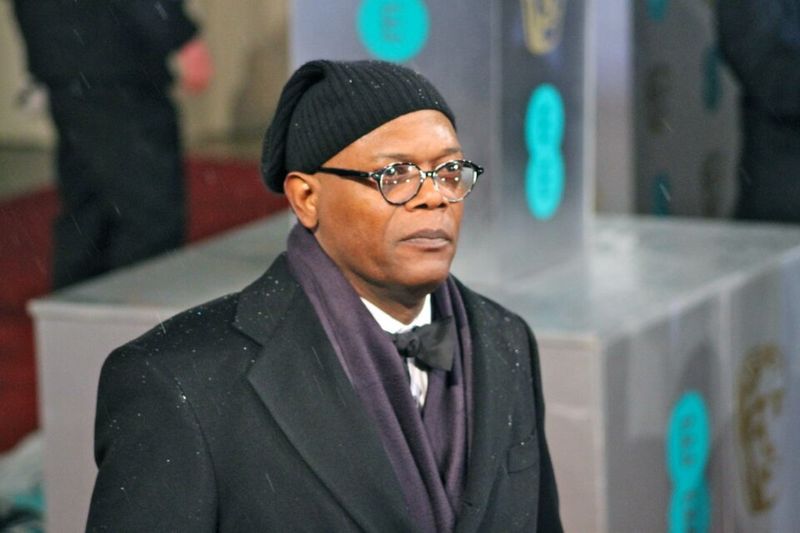
Commercial success doesn’t always align with glowing reviews, even at the highest level.
Often ranked among the highest-grossing actors ever, Samuel L. Jackson still has misfires like Snakes on a Plane and The Spirit mixed into an otherwise towering résumé.
Studio confidence rests on name recognition that sells tickets on its own, often outweighing concerns about script quality.
Career balance swings between major franchise work and smaller passion projects, a freedom that invites both inspired choices and occasional misses.
Audience loyalty remains unwavering, with fans showing up early regardless of critical consensus.
14. Cuba Gooding Jr.
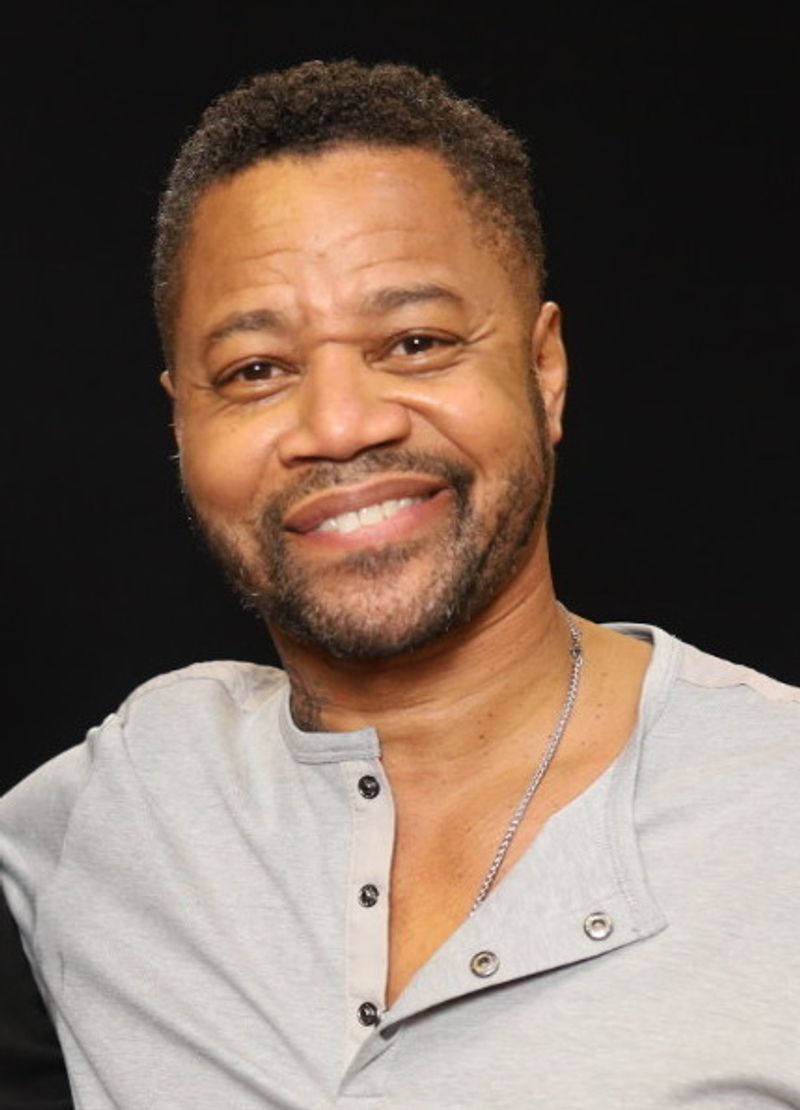
Show me the money turned into show me better scripts after Jerry Maguire glory faded fast. Snow Dogs and Daddy Day Camp represented career lows that puzzled industry observers watching Oscar winner potential evaporate.
Later credits included many smaller thrillers that received less attention than his earlier studio hits.
Child star energy that charmed audiences eventually felt dated as roles failed to mature alongside him. Public scrutiny also became part of the conversation around his career during later years.
15. Michael Jai White
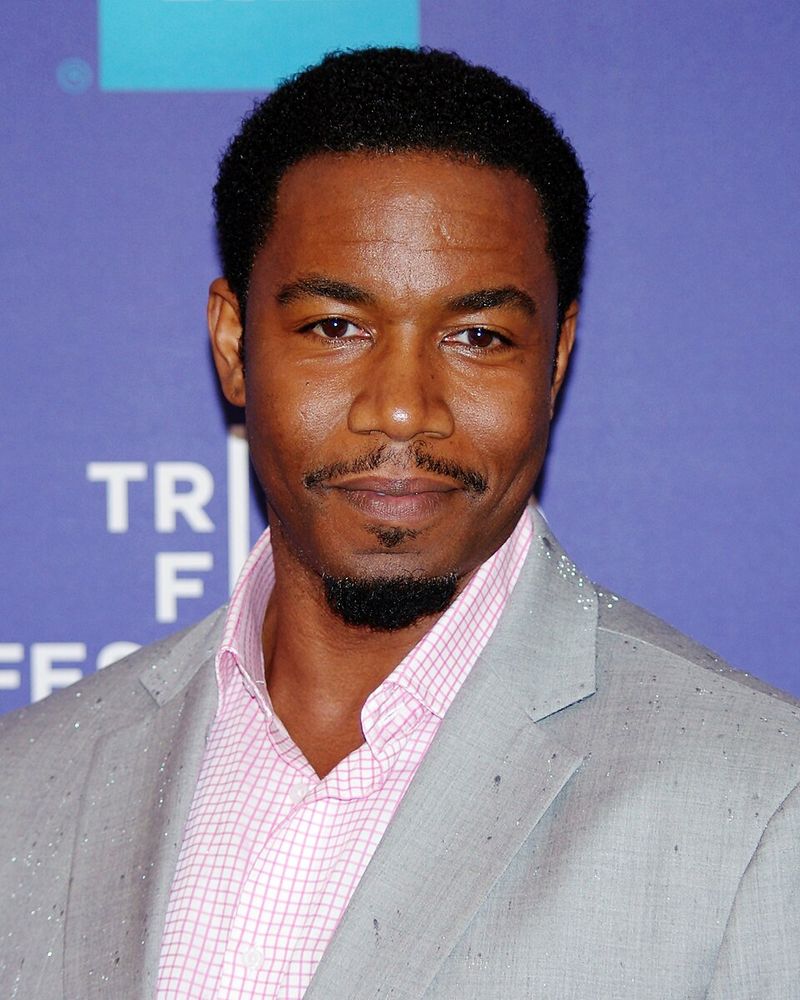
Martial arts mastery paired with commanding screen presence turned Michael Jai White into a cult favorite among action fans worldwide.
Early promise surfaced in Spawn, yet momentum never translated into sustained A-list opportunities despite undeniable physical skill. Career paths drifted toward direct-to-video releases, where tight budgets capped ambition and familiar scripts blurred together.
Commitment to real fight choreography remains clear, deserving vehicles that match discipline and ability rather than settling for low-budget limitations.