Movies From 1971 That Grew Into Classics Over Time
1971 did not announce itself as a future goldmine with a flashy little sign, a lot of those films had to earn their reputation the slower, more satisfying way.
Time passed and certain titles kept looking better, stranger, smarter, or more influential every time a new generation stumbled across them.
That kind of glow-up is always fun to watch.
A movie can arrive to solid attention, mixed reactions, or barely enough noise at all, then spend years quietly building the kind of legacy no opening weekend could fully predict.
1. The French Connection
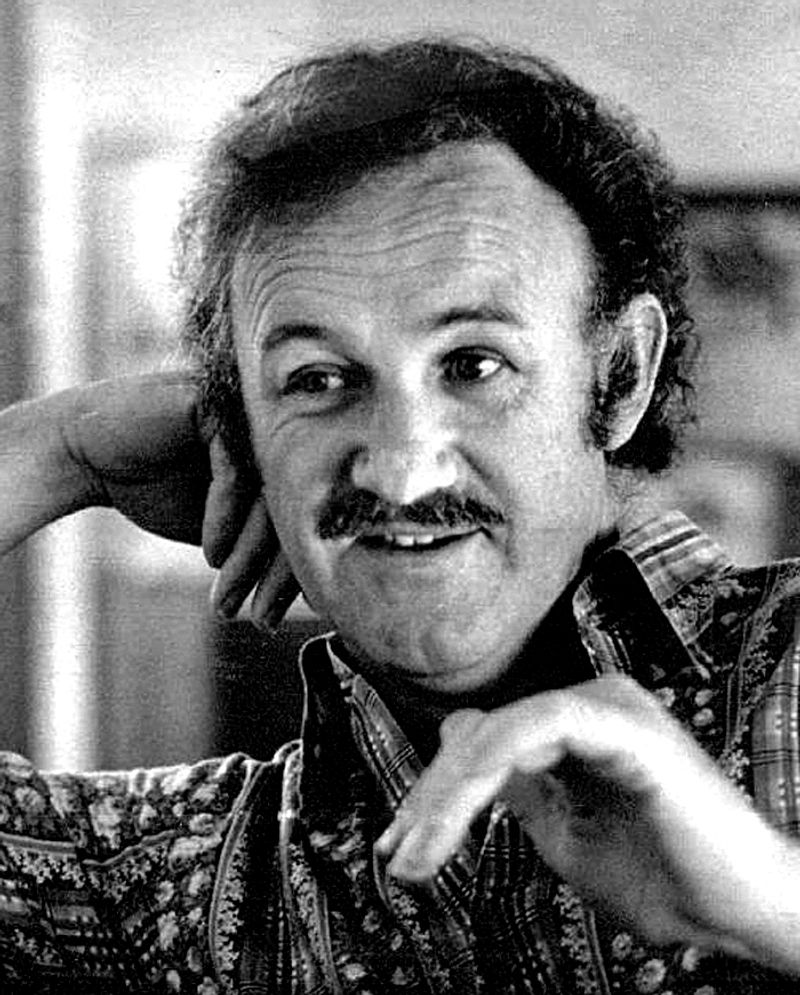
Few car chases in movie history hit as hard as the one in this film.
Directed by William Friedkin, The French Connection follows Detective Jimmy “Popeye” Doyle, played by Gene Hackman, as he hunts down a massive smuggling operation linked to France.
Hackman won the Oscar for Best Actor, and the film took home Best Picture too.
Shot on the real streets of New York City, every frame feels like you are right there in the chaos. If you have never seen it, buckle up.
2. A Clockwork Orange
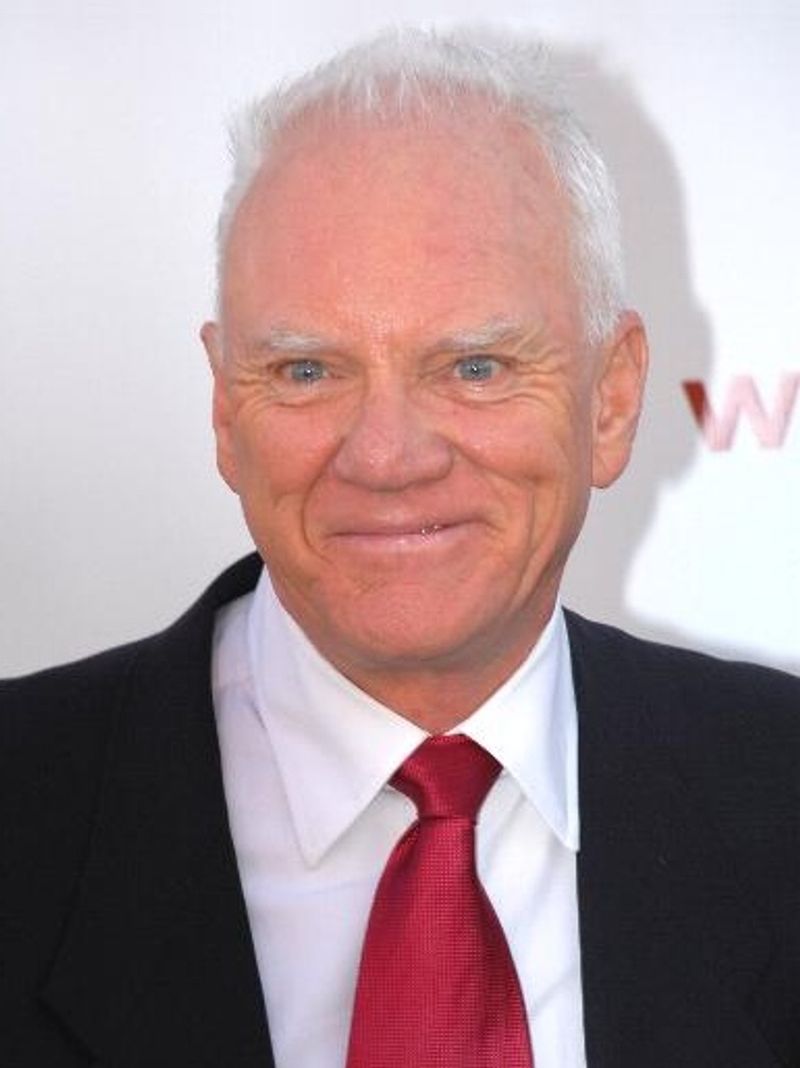
Stanley Kubrick was never one to play it safe, and this film proves exactly that.
Based on Anthony Burgess’s novel, A Clockwork Orange follows Alex DeLarge, a teenage criminal living in a nightmarish future Britain who undergoes a controversial behavior modification program.
Malcolm McDowell’s performance is absolutely unforgettable.
Though the film was banned in several countries after its release, it has since become one of the most studied and admired films in cinema history.
3. The Last Picture Show
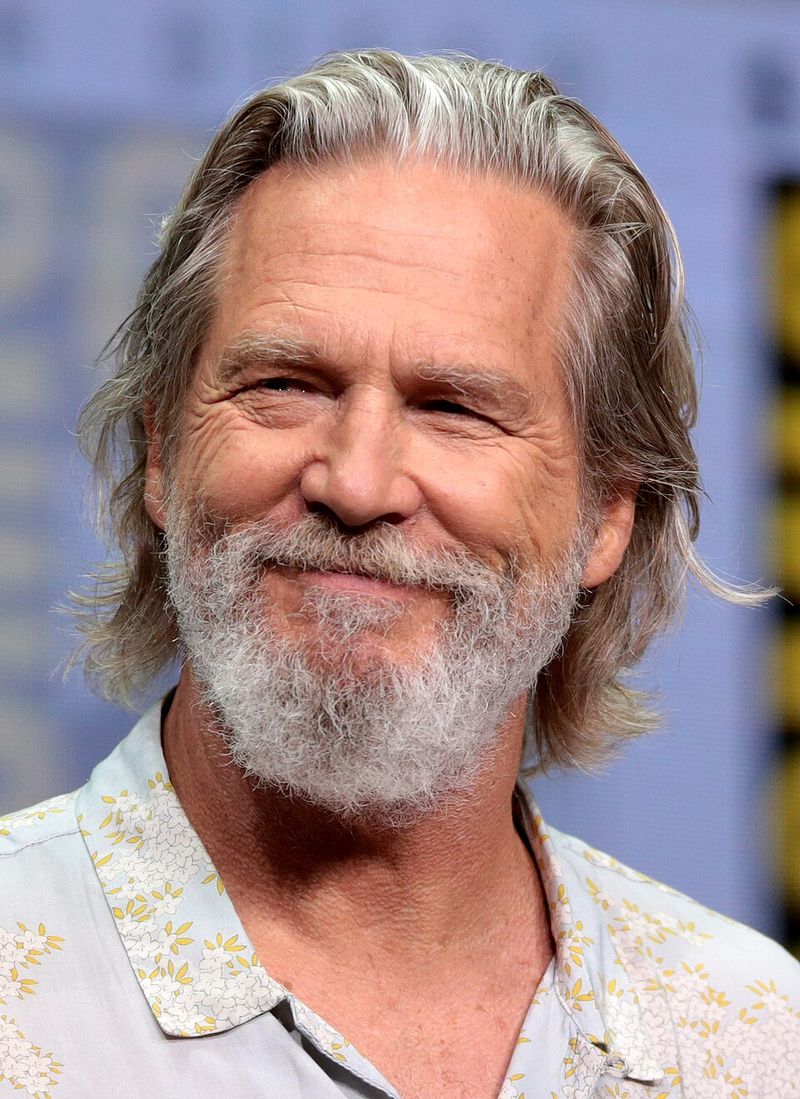
Shot entirely in black and white, this Peter Bogdanovich masterpiece captures the slow decay of a small Texas town in the early 1950s.
Young actors like Jeff Bridges, Cybill Shepherd, and Timothy Bottoms brought incredible depth to their roles as teenagers navigating heartbreak and big dreams in a place that felt like the world had already moved on without them.
Two Academy Awards went to supporting actors Cloris Leachman and Ben Johnson.
Critics at the time called it one of the best American films ever made.
4. Willy Wonka & the Chocolate Factory
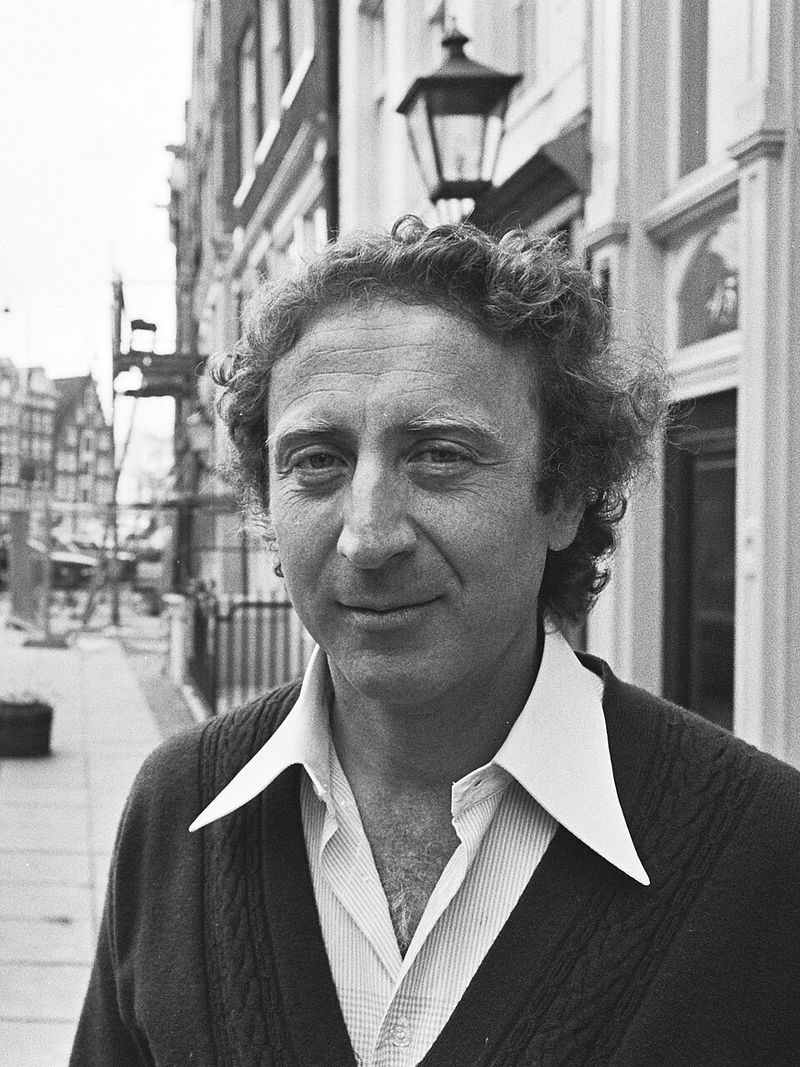
Gene Wilder did not just play Willy Wonka – he became Willy Wonka. From that unforgettable slow walk with a cane that suddenly turns into a cartwheel, Wilder owned every single second of this film.
Based on Roald Dahl’s beloved novel, the story follows young Charlie Bucket, who wins a golden ticket to tour the most magical factory ever imagined.
Fun fact: Dahl himself was reportedly unhappy with the final film. However, audiences disagreed entirely.
5. Harold and Maude
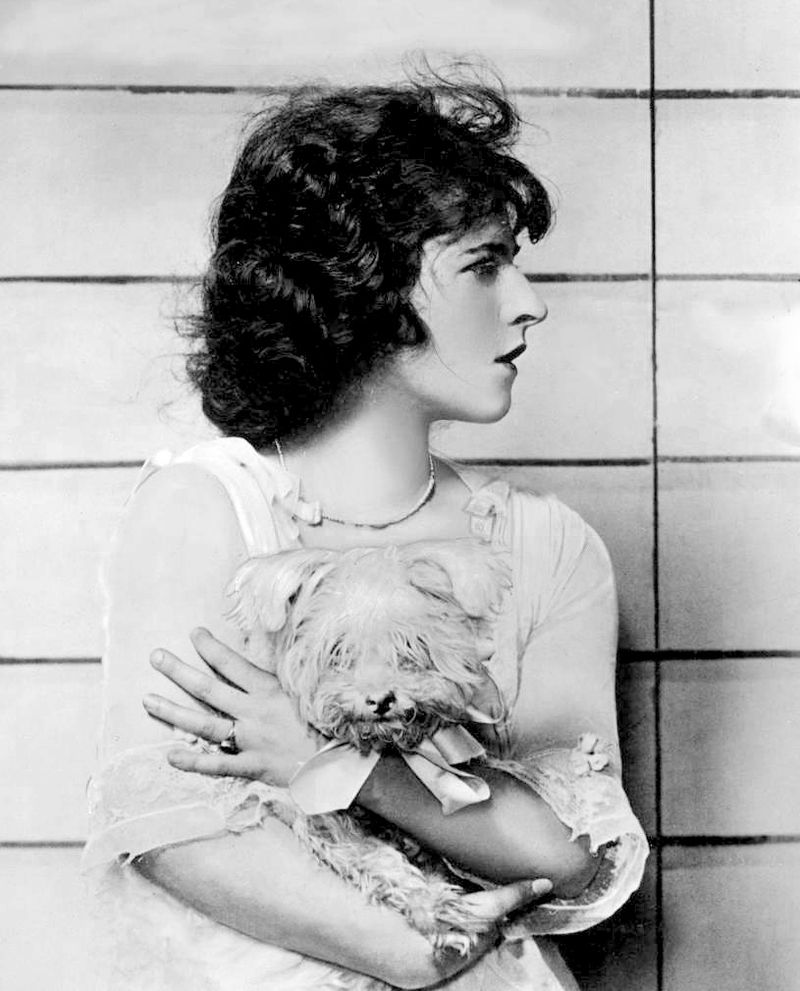
Here is a movie that flopped at the box office in 1971 and then somehow became one of the most beloved cult classics of all time.
Harold and Maude tells the story of a gloomy 20-year-old obsessed with mortality who befriends a wildly joyful 79-year-old woman named Maude. Together, they discover that life is worth celebrating.
Ruth Gordon as Maude is an absolute force of nature. Cat Stevens wrote and performed the entire soundtrack, which gives the film a warm, folky soul.
6. Dirty Harry
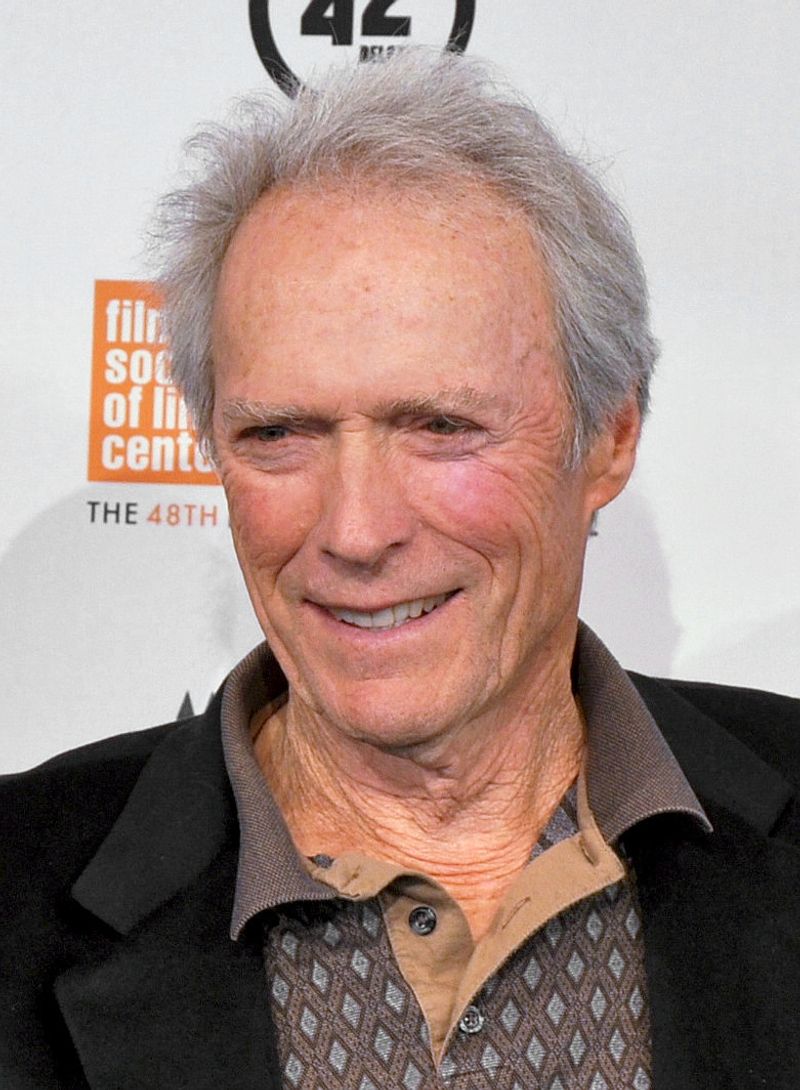
“Do you feel lucky? Well, do ya, punk?” Clint Eastwood delivered one of the most quoted lines in film history with this gritty crime thriller.
Playing Inspector Harry Callahan, a no-nonsense San Francisco cop hunting a criminal called Scorpio, Eastwood created a character so iconic that four sequels followed.
Director Don Siegel gave the film a raw, documentary-like energy that made it feel dangerously real.
Critics debated whether Harry was a hero or a cautionary tale, and honestly, that tension is exactly what makes the film so compelling.
7. McCabe & Mrs. Miller
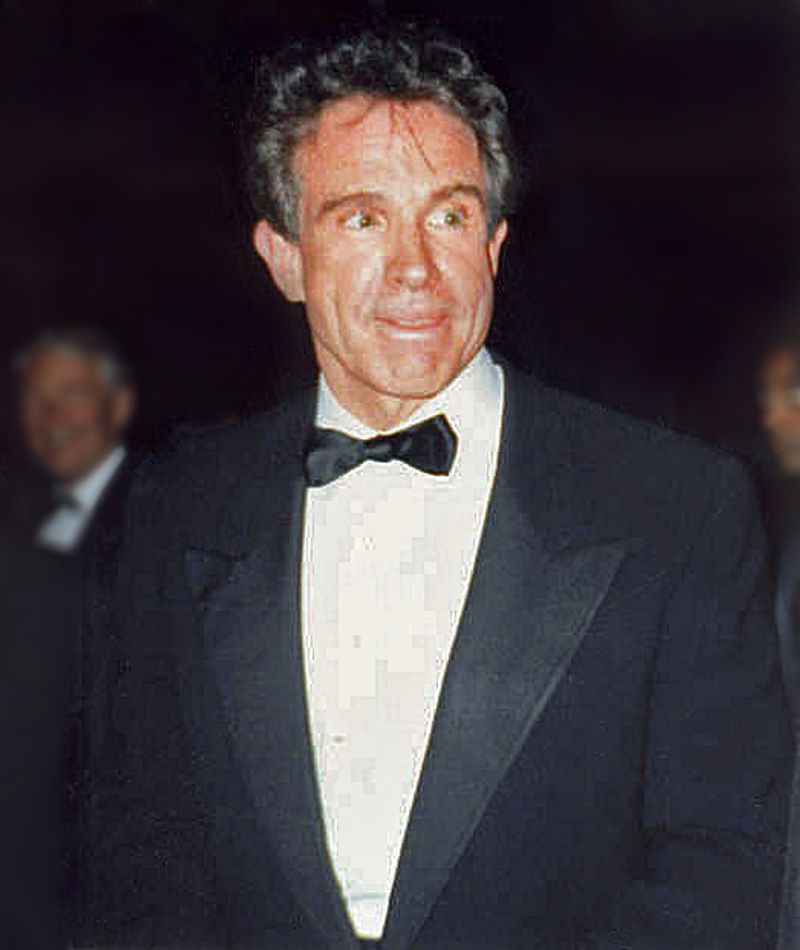
Robert Altman flipped the Western genre completely upside down with this atmospheric, melancholy masterpiece.
Warren Beatty plays John McCabe, a small-time gambler who teams up with the sharp and savvy Mrs. Miller, played by Julie Christie.
Leonard Cohen’s haunting music fills the film with a sadness that feels almost poetic. Unlike typical Westerns where heroes win and ride off into the sunset, McCabe ends on a note that feels painfully real.
8. Klute
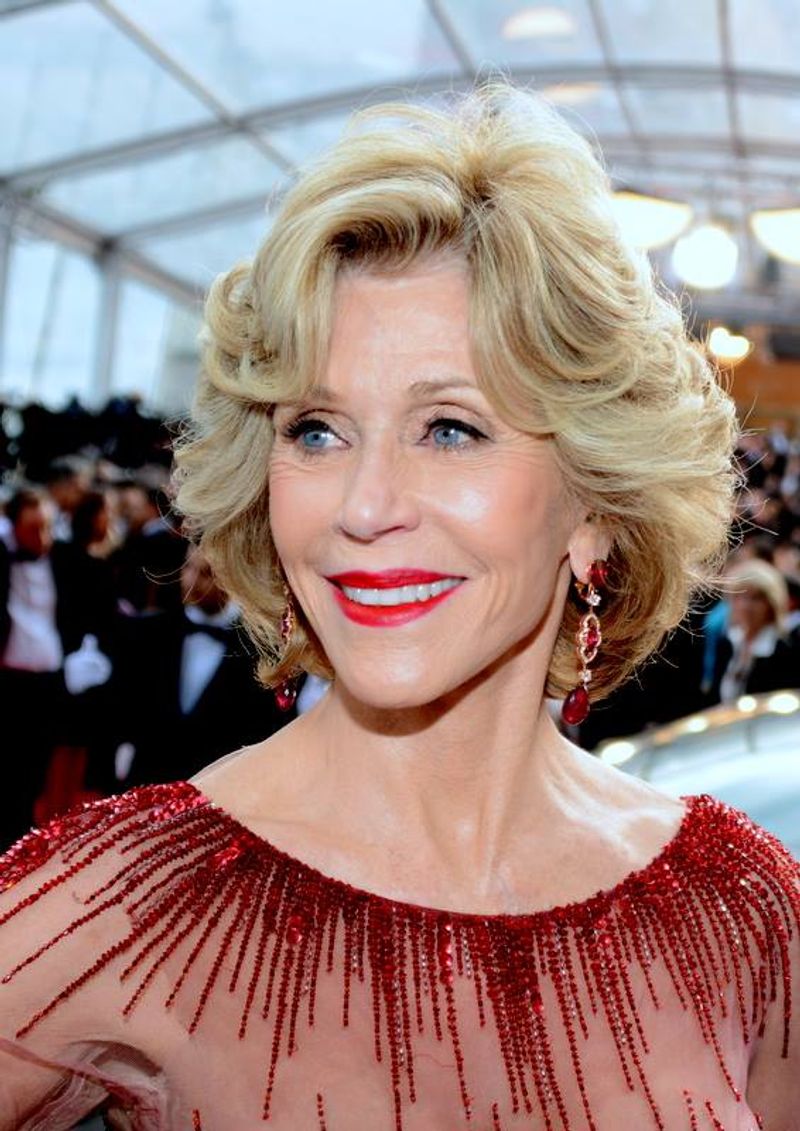
Jane Fonda gave the performance of her career here, winning the Academy Award for Best Actress for her role as Bree Daniels, a call girl in New York City caught up in a dangerous missing person investigation.
Donald Sutherland plays the quiet, determined detective Klute who is trying to protect her while she tries to figure out her own complicated life.
What makes this thriller special is how deeply it focuses on character rather than just plot. Fonda reportedly visited real social workers to prepare for the role.
9. The Devils
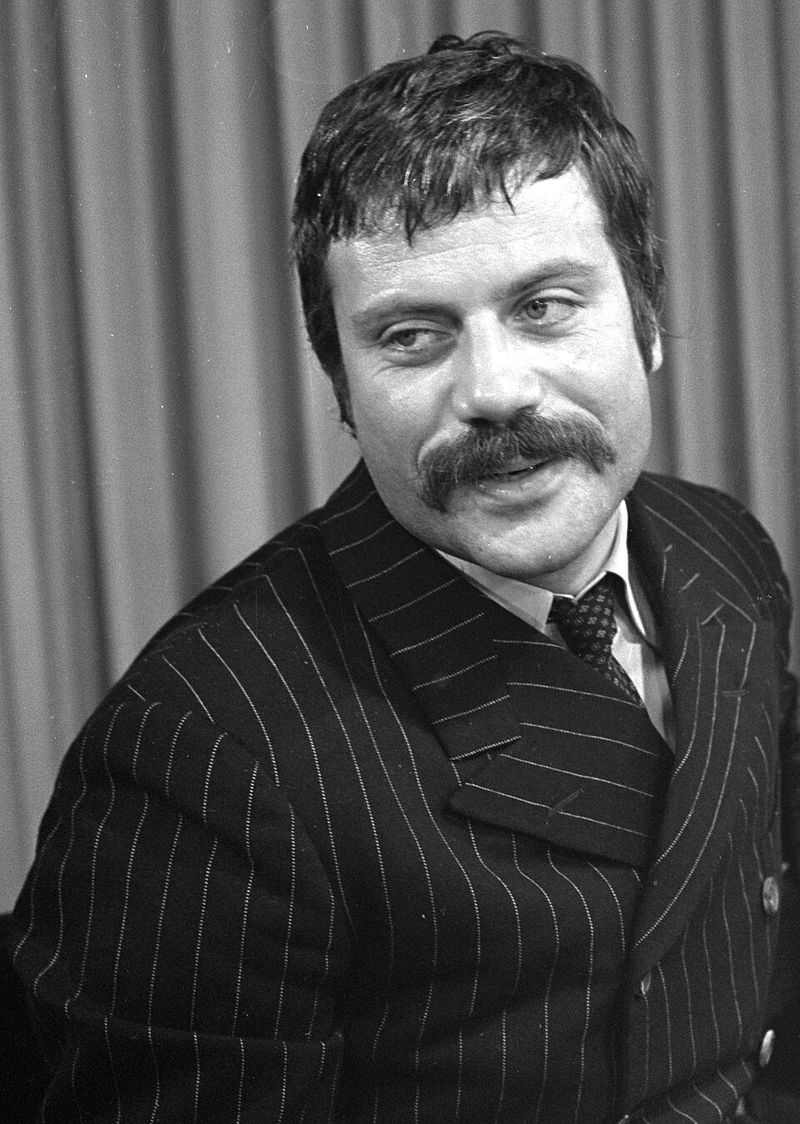
Ken Russell’s most controversial film is also arguably his most powerful.
Set in 17th-century France, The Devils tells the true story of Urbain Grandier, a charismatic priest accused of witchcraft and consorting with the devil by power-hungry church and government officials.
Though heavily censored and banned in many countries, the film has slowly been recognized as a bold and important work of cinema. Its themes about political manipulation and the abuse of religious authority feel startlingly relevant today.
10. Shaft
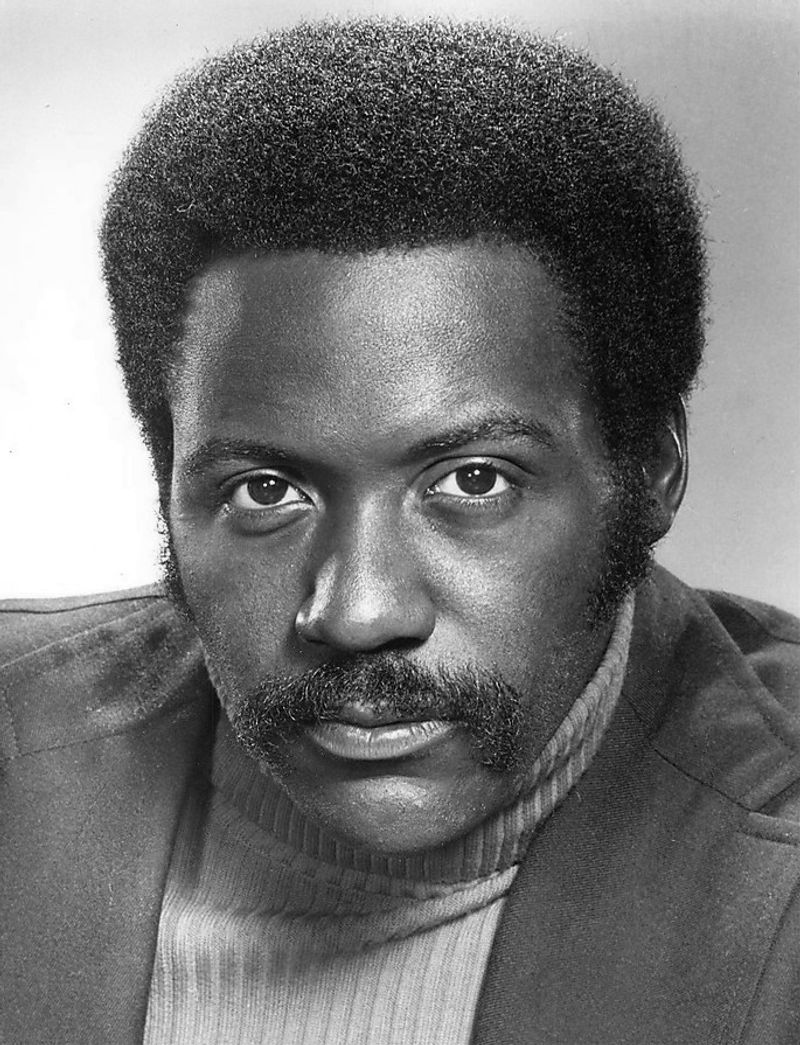
Cool does not even begin to cover it. Richard Roundtree stepped into history as John Shaft, a sharp and street-smart private detective working out of Harlem, and the film became an instant cultural landmark.
Isaac Hayes wrote and performed the iconic theme song, winning an Academy Award for Best Original Song in the process.
Gordon Parks directed with a style and energy that made Hollywood take notice of Black cinema in a whole new way.
11. Wake in Fright
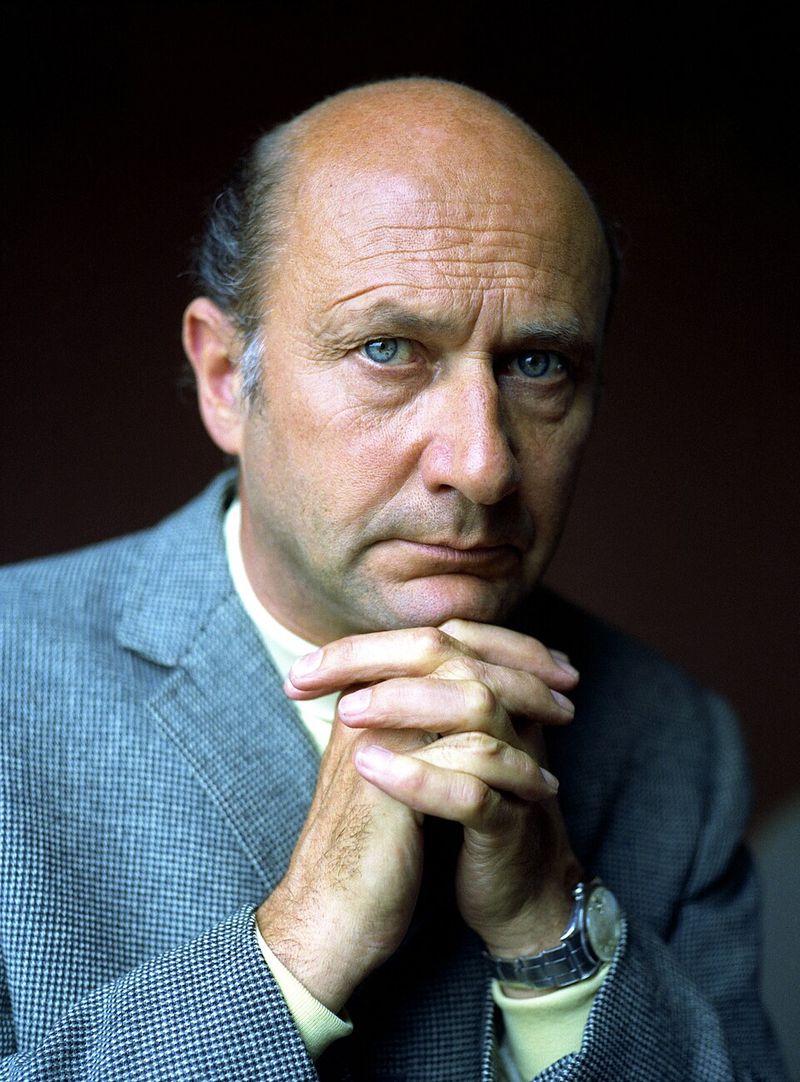
If you have not heard of this one, prepare to be shaken.
Wake in Fright, an Australian film directed by Ted Kotcheff, follows a young schoolteacher named John Grant who gets stranded in a rough, isolated outback town called Bundanyabba and slowly loses himself to its brutal, lawless culture.
The film was considered lost for decades before a restored print was discovered and re-released to critical acclaim. Donald Pleasence delivers a memorably unhinged supporting performance.
12. Vanishing Point
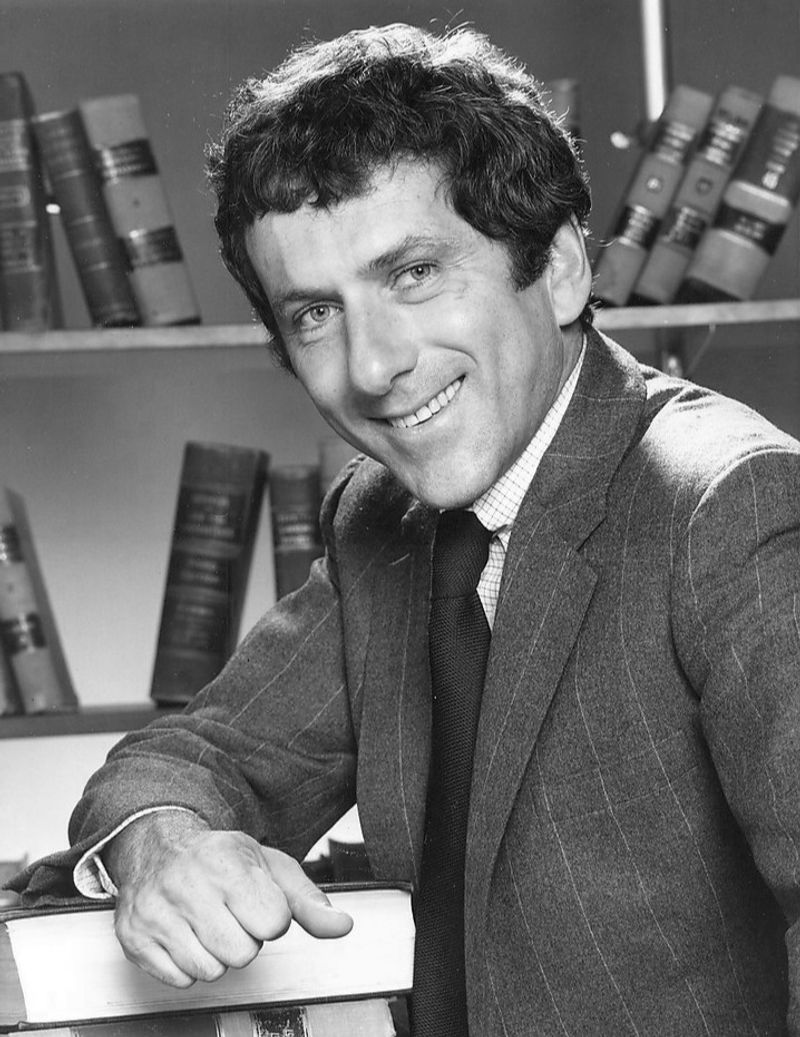
Few films capture the spirit of American freedom and rebellion quite like this one. Kowalski, played by Barry Newman, is hired to deliver a white 1970 Dodge Challenger from Denver to San Francisco.
Instead of a simple road trip, what unfolds is a high-speed chase across the American Southwest that becomes a kind of spiritual journey.
The film became a counterculture legend almost immediately, celebrated for its raw energy, its killer soundtrack, and its deeply ambiguous ending that still sparks debate.