17 Harry Potter Book Scenes That Were Impossible To Film
Books and movies tell stories differently, and when Hollywood brought Harry Potter to life, some magical moments had to stay on the page.
Visual effects budgets, runtime limits, and storytelling flow forced filmmakers to make tough choices.
Many beloved scenes from J.K. Rowling’s books never made it to theaters because they were too complex, too expensive, or simply didn’t fit the movie’s pace.
1. Peeves Causing Constant Chaos at Hogwarts
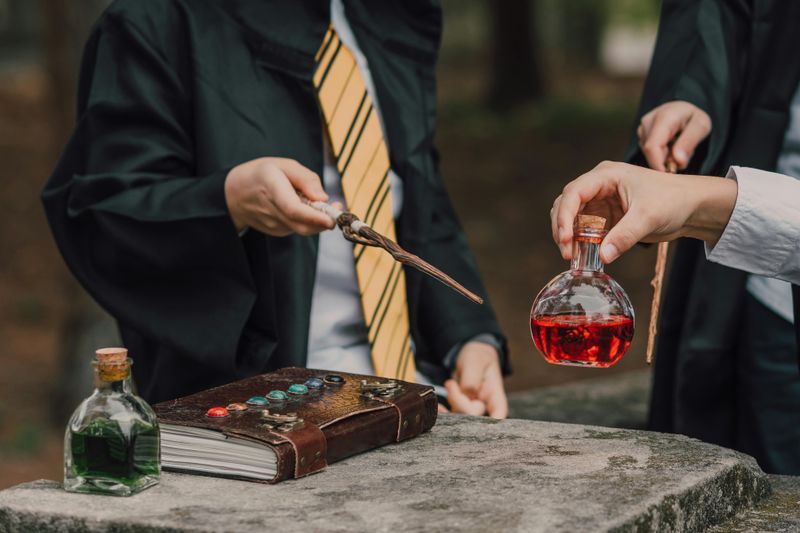
Imagine a character who exists solely to throw water balloons at professors and sing rude songs during serious moments.
That’s Peeves, the poltergeist who haunted every Hogwarts hallway in the books but vanished before the movies began.
Though actor Ric Mayall filmed scenes as Peeves, the filmmakers realized his constant pranks would derail the story’s momentum and require endless visual effects work for a character who didn’t advance the plot.
2. The Full Deathday Party with Nearly Headless Nick
Picture a birthday party, but everyone’s been dead for centuries and the food is moldy on purpose.
Nearly Headless Nick’s 500th Deathday Party was a creepy, atmospheric scene in Chamber of Secrets that would have needed massive set design and ghost effects.
Filmmakers skipped it because dedicating ten minutes to a spooky ghost party would have slowed the main mystery about the Chamber itself.
3. Hermione Forming S.P.E.W. and the House-Elf Storyline
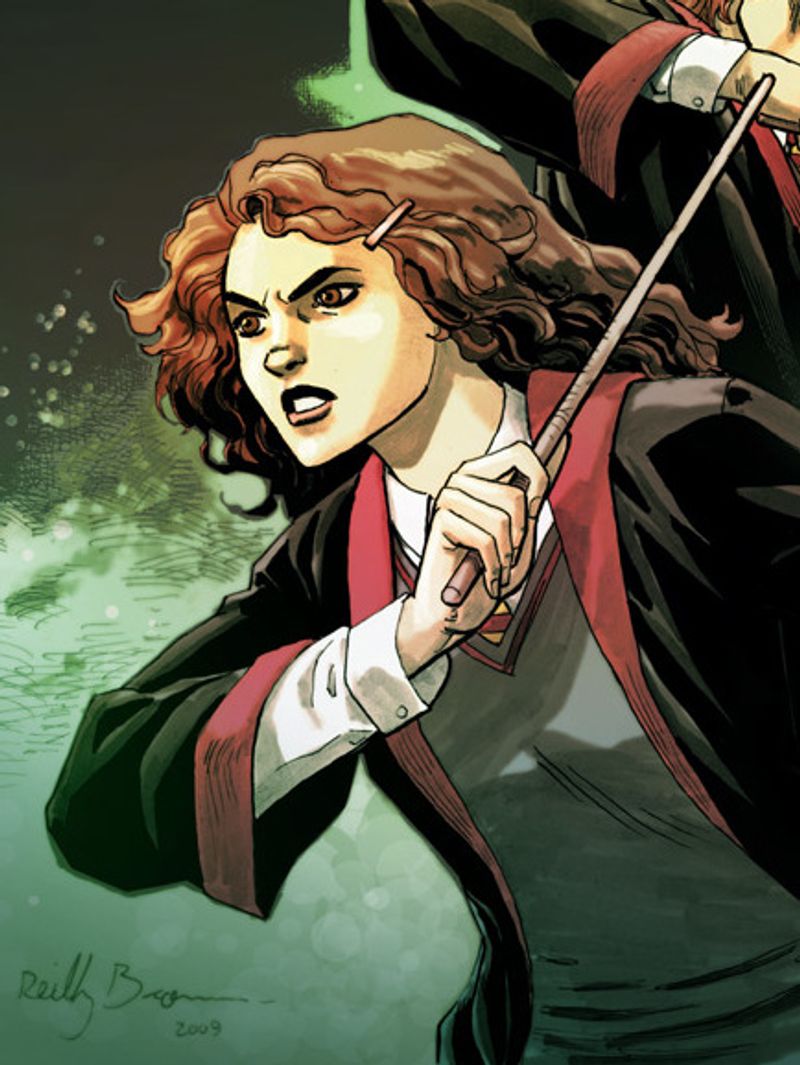
Hermione didn’t just care about grades; she launched a full-blown civil rights campaign for magical creatures.
Her Society for the Promotion of Elfish Welfare involved knitting hats, heated debates, and ongoing tension with her friends.
However, this political subplot required too much screen time and character development to fit into films already bursting with Voldemort’s return and tournament drama.
4. The Hogwarts Kitchens with Hundreds of House-Elves Working

Below the Great Hall lies a kitchen buzzing with hundreds of house-elves preparing feasts fit for wizards.
Showing this scene would mean creating an entirely new location and animating a small army of CGI creatures, each with unique movements and personalities.
The cost and time required made it impossible, especially since the kitchen visit didn’t drive the central story forward in Goblet of Fire.
5. The Marauders’ Full Backstory Explained in Depth
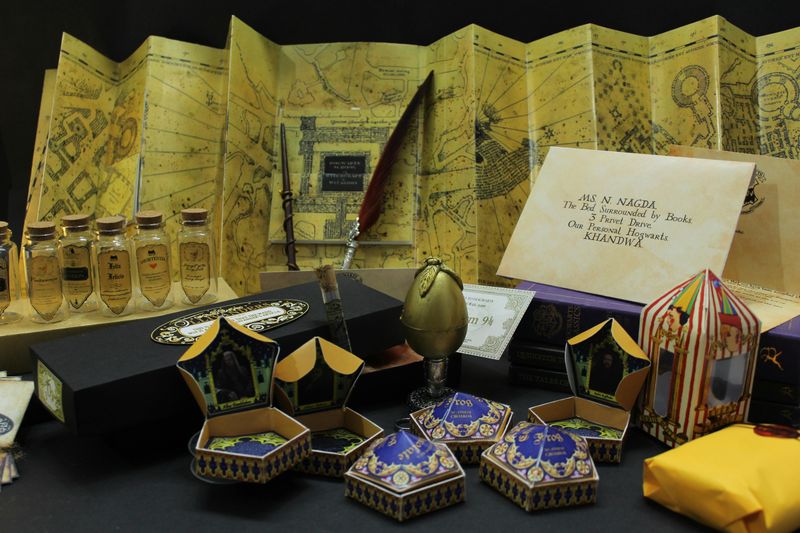
James, Sirius, Remus, and Peter weren’t just Harry’s dad and his friends – they were illegal shape-shifters who created the Marauder’s Map.
Their complete story involved years of friendship, secret transformations, and betrayal that would need extensive flashbacks.
Movies gave us glimpses, but showing their entire journey from students to tragedy would have required a film of its own.
6. The Quidditch World Cup Match Itself
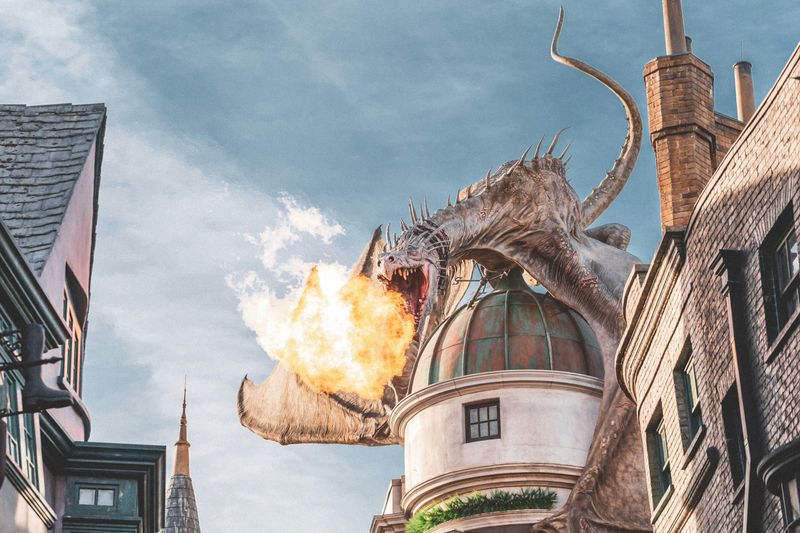
What’s more epic than the Super Bowl?
A flying broomstick championship watched by 100,000 wizards from around the globe.
The actual Ireland versus Bulgaria match was described in thrilling detail in the books, but filming it would have cost a fortune in CGI and eaten up precious runtime.
Instead, the movie jumped straight to the Dark Mark aftermath, saving millions.
7. Bagman’s Gambling and the Ludo Bagman Thread
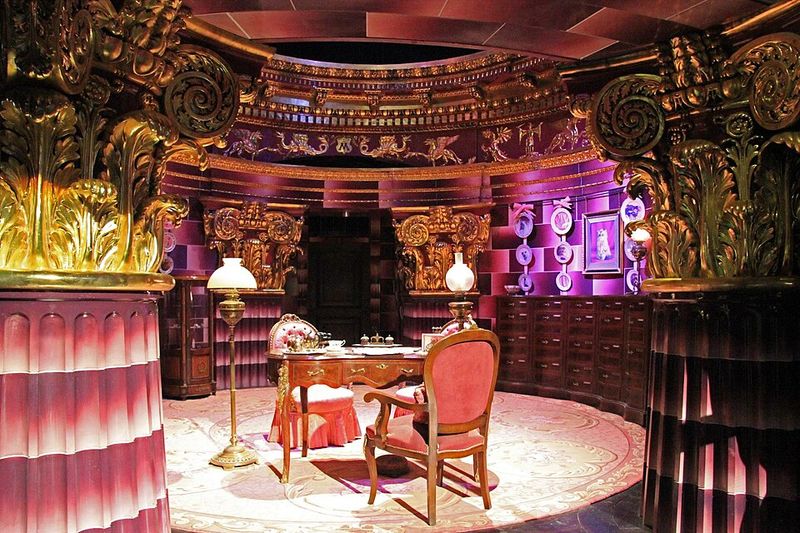
Ludo Bagman seemed like a cheerful sports hero, but he was drowning in gambling debts to angry goblins.
His storyline wove through Goblet of Fire, connecting to Fred and George’s bet and creating tension beyond the tournament.
Films cut him entirely because his arc didn’t serve the main Voldemort plot, and explaining his financial troubles would confuse casual viewers.
8. The Maze at the Triwizard Tournament Packed with Creatures
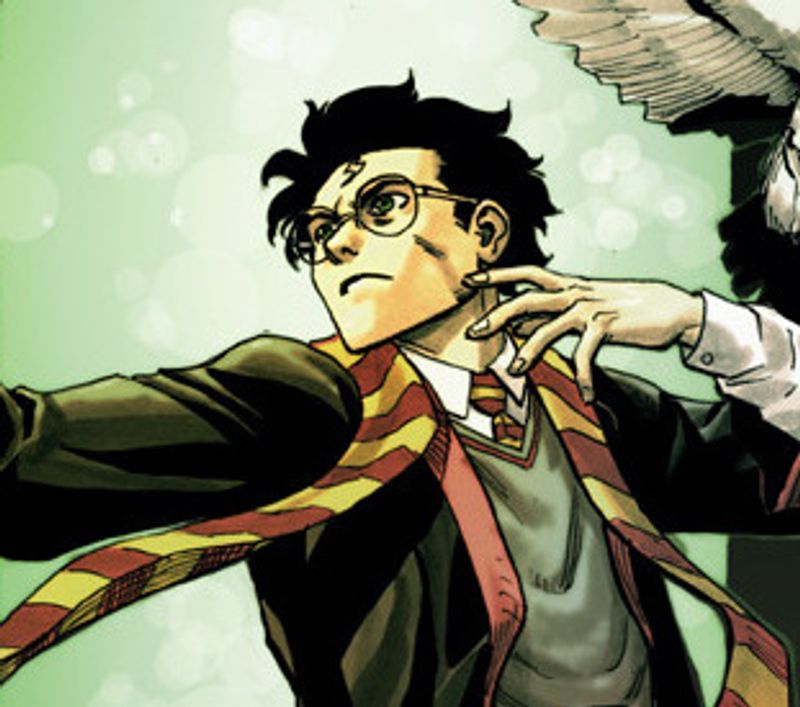
In the book, the maze wasn’t just hedges and mist – it was a gauntlet of monsters and magical puzzles.
Harry and the champions faced sphinxes asking riddles, blast-ended skrewts shooting fire, and an upside-down world spell.
Creating each creature and obstacle would have turned the third task into a visual effects nightmare, so the film simplified it to creepy hedges.
9. St. Mungo’s Visit with the Long Ward Scenes

St. Mungo’s Hospital for Magical Maladies wasn’t just a quick stop – it was where Harry saw Neville’s parents, victims of the Cruciatus Curse.
The extended scenes added emotional weight to Neville’s character and showed the war’s lasting damage.
However, building an entire new location with multiple characters and tragic backstories didn’t fit Order of the Phoenix’s already massive scope.
10. The Gaunt Family Memories in Detail
Voldemort’s grandfather was a violent pure-blood fanatic who lived in squalor, abusing his daughter Merope until she fled.
These memories painted a tragic picture of how Tom Riddle came to exist and why he despised his heritage.
Multiple scenes across different time periods would have been visually dark and narratively heavy, slowing Half-Blood Prince’s momentum considerably.
11. Voldemort’s Early-Life Threads Beyond Key Memories
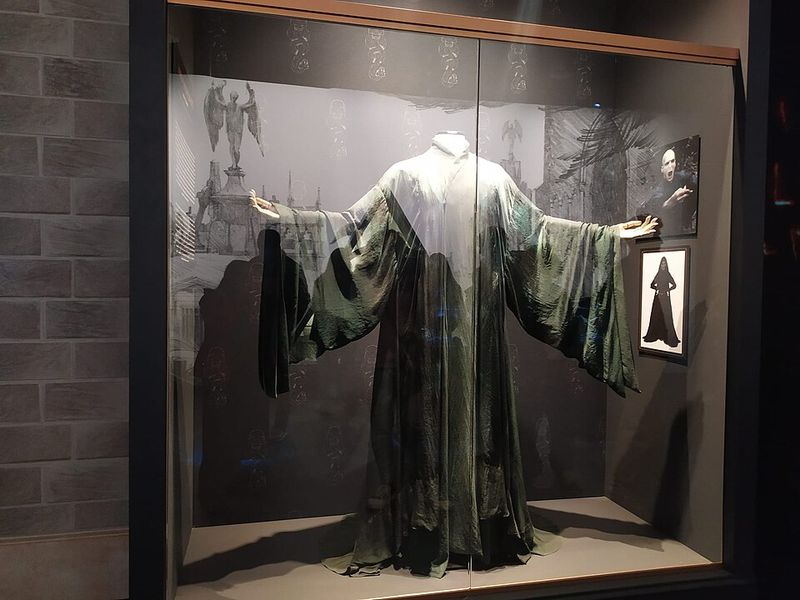
Tom Riddle’s transformation into Voldemort wasn’t instant – it happened across decades of choices and dark magic experiments.
The books explored his time at the orphanage, his Hogwarts years, his travels, and his gradual physical corruption.
Filming all these separate eras would mean casting multiple actors, building period sets, and dedicating enormous runtime to backstory instead of present action.
12. The Extended Hogwarts Under New Management Year
While Harry hunted Horcruxes, Hogwarts became a nightmare under Death Eater control.
Neville led daily resistance, students faced torture as punishment, and Dumbledore’s Army reformed in secret.
Showing this parallel story properly would have required a whole film’s worth of material, so Deathly Hallows Part 2 condensed months of oppression into brief flashbacks and dialogue.
13. The Full Battle of the Astronomy Tower Aftermath
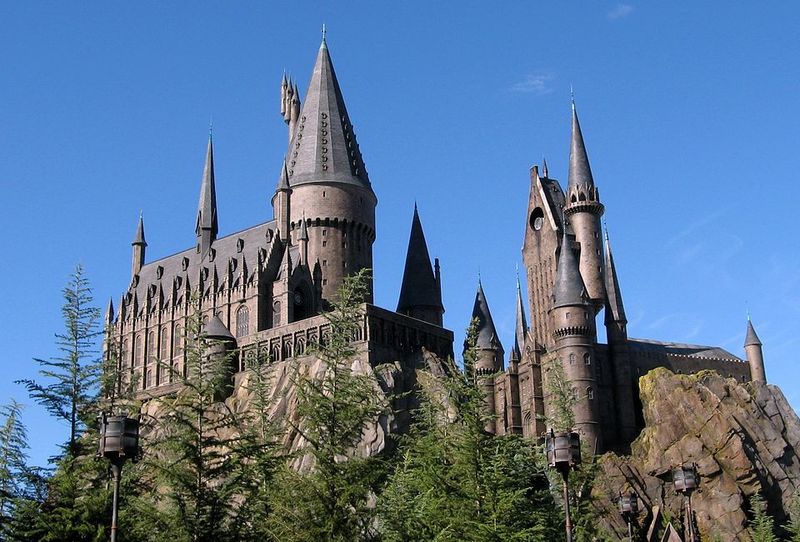
Dumbledore’s death wasn’t the only tragedy that night – Death Eaters battled Order members throughout the castle.
Bill Weasley was mauled by Fenrir Greyback, and multiple storylines converged in chaotic violence.
The film focused tightly on Harry and Dumbledore’s emotional core, trimming the surrounding battle because including every moving part would have diluted the heartbreaking main event.
14. The Full Hogwarts Battle Structure with Smaller Duels
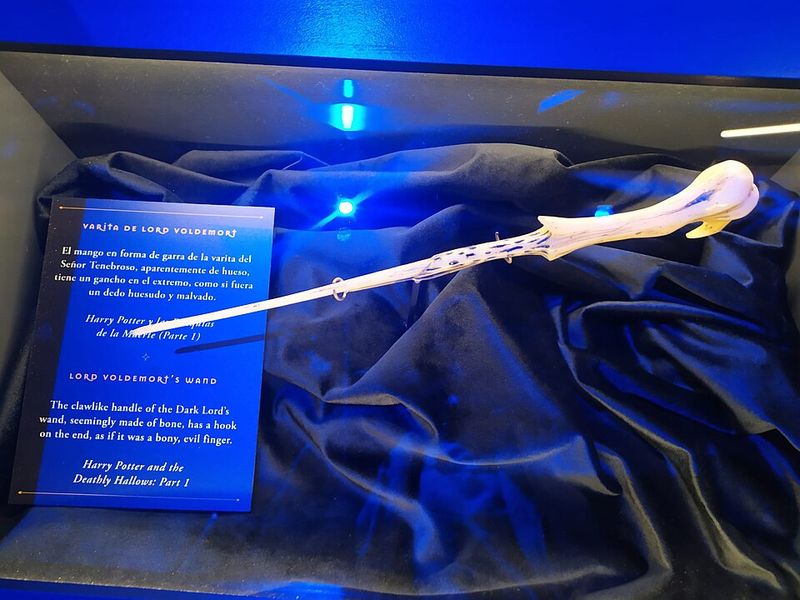
The final battle wasn’t just Harry versus Voldemort – it was dozens of personal duels happening simultaneously across the castle.
Neville killed Nagini, Molly defeated Bellatrix, and countless others fought their own desperate fights.
Though the film showed spectacular action, capturing every tactical beat and character moment from the book would have required three hours just for the battle itself.
15. The Centaur Politics and Forest Tensions Subplot

Centaurs weren’t just background creatures – they had complex politics, territorial disputes, and deep resentment toward wizards treating them as beasts.
Firenze’s decision to teach Divination created tension within the herd that simmered across multiple books.
However, integrating this ongoing subplot would have required regular forest scenes and CGI centaur conversations that didn’t advance Harry’s main quest.
16. The Detailed Post-Battle Wrap-Up and Reunions
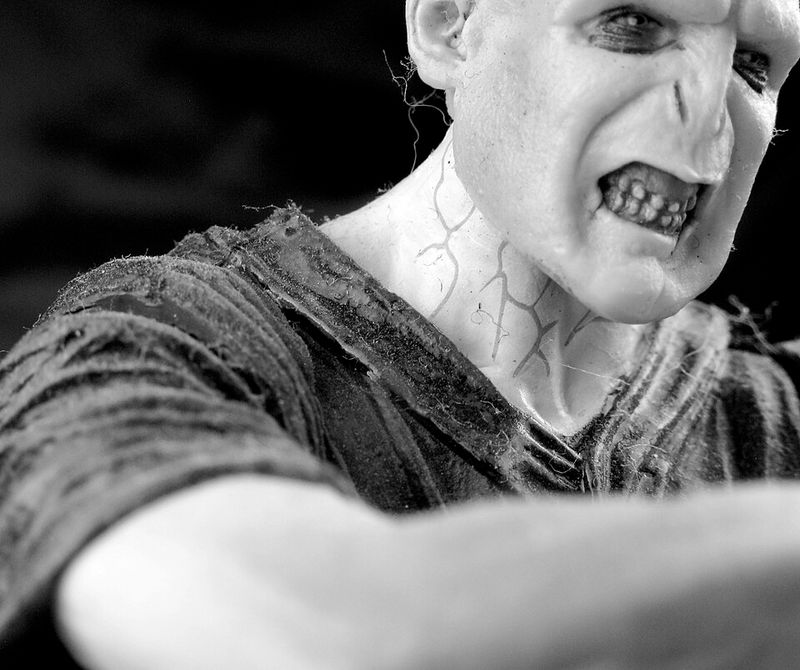
After Voldemort fell, the book took time to show grief, healing, and emotional reunions among survivors.
Harry spoke with Nearly Headless Nick about death, returned the Elder Wand, and processed everything he’d lost.
Films typically end quickly after the pinnacle to maintain emotional momentum, so these quieter reflective moments were compressed into brief scenes and dialogue.
17. The Epilogue with Everyone’s Detailed Future
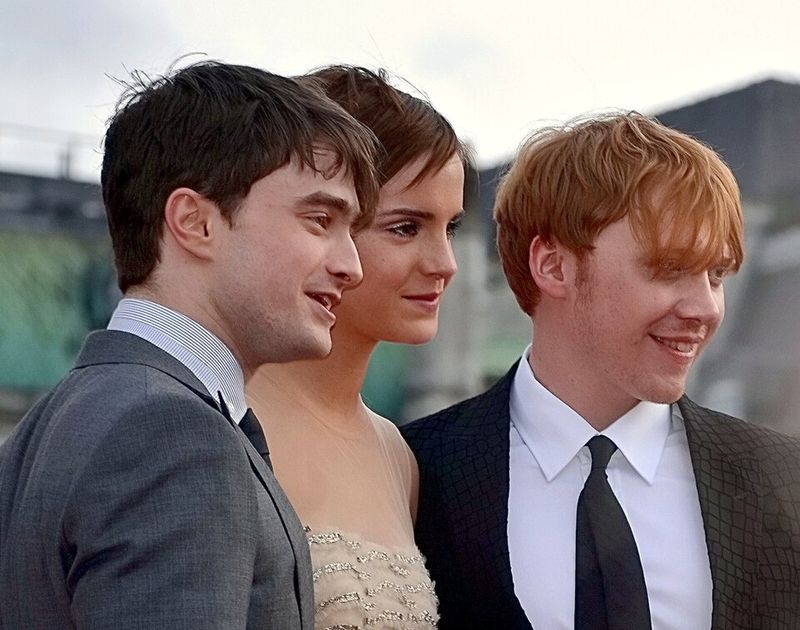
Nineteen years later, the book epilogue revealed where everyone ended up – jobs, marriages, kids, and healing.
We learned about Neville teaching Herbology, Luna’s adventures, and how the wizarding world rebuilt itself.
The film showed the core trio sending their kids to Hogwarts but couldn’t dedicate screen time to every character’s future without turning the ending into an extended documentary.