Hats That Left A Mark On Pop Culture
Not every hat is just there to block the sun and mind its business.
Well-placed brims walk in like they have top billing, stealing scenes before anyone even opens their mouth.
Some designs stick around so long they stop being accessories and start acting like celebrities with their own fan base.
Note: This article is a subjective editorial roundup of hats that became unusually recognizable through film, music, television, politics, and popular culture.
Charlie Chaplin’s Bowler Hat
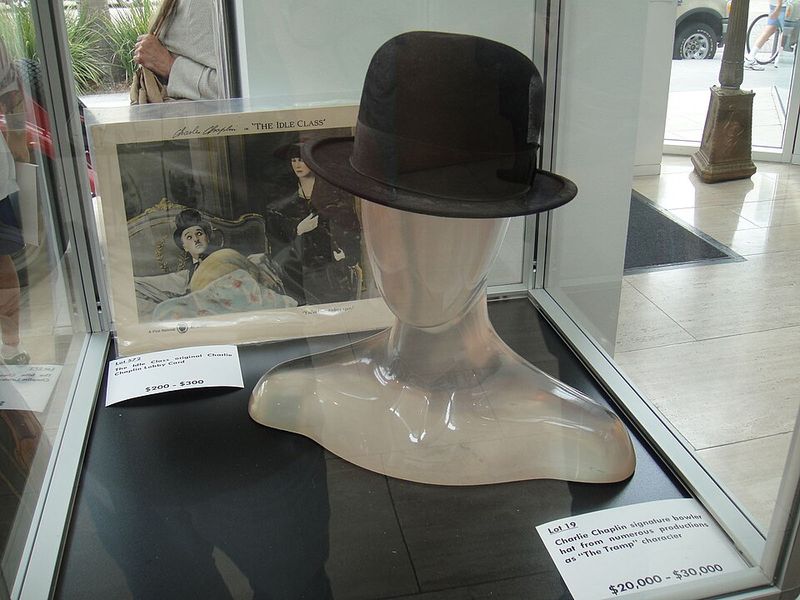
Tiny black bowler tilts slightly on a man’s head, and instantly the whole world knows who he is.
Chaplin’s Tramp wore it like a secret language, speaking dignity, humor, and heartbreak without a single word.
Every gesture and stumble was amplified by that one modest hat. One small accessory.
Endless personality. The bowler found its perfect ambassador.
Carmen Miranda’s Fruit Hat
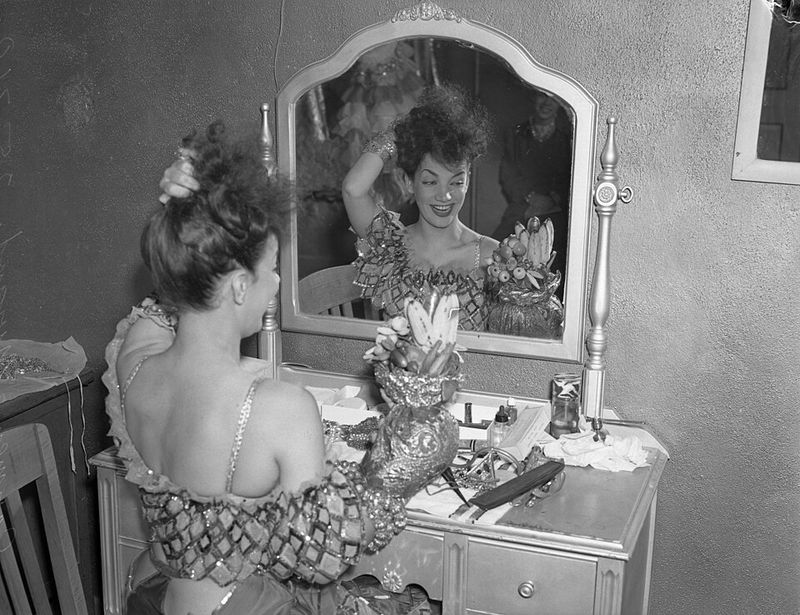
Bananas on your head? Only Carmen Miranda could make that a legitimate fashion statement and pull it off with absolute confidence.
Her towering fruit hat became the centerpiece of a wild, joyful style that old Hollywood had never quite seen before. Audiences couldn’t look away, and costume designers everywhere took notes.
It was outrageous, unforgettable, and completely, brilliantly her own.
Sherlock Holmes’ Deerstalker
Arthur Conan Doyle never explicitly named a deerstalker in the original stories, but later illustrations and adaptations fixed the hat to Holmes permanently.
Illustrators and stage actors pushed the look into the spotlight, and the image clung on like a clue nobody could shake. Spot that silhouette on a stranger, and one word lands instantly: mystery.
Indiana Jones’ Fedora
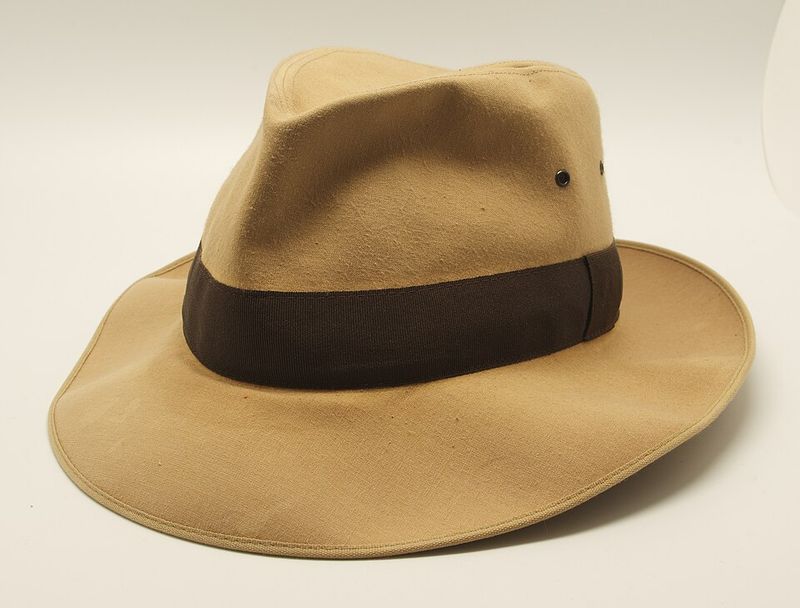
Before the whip cracked or the boulder rolled, audiences already knew something thrilling was about to happen the moment that brown fedora filled the screen.
Harrison Ford’s hat became shorthand for adventure itself, a rugged, no-nonsense accessory that survived jungles, deserts, and one very memorable refrigerator.
Honestly, that fedora deserves its own stunt double and a credit in every film.
Michael Jackson’s White Fedora From Smooth Criminal
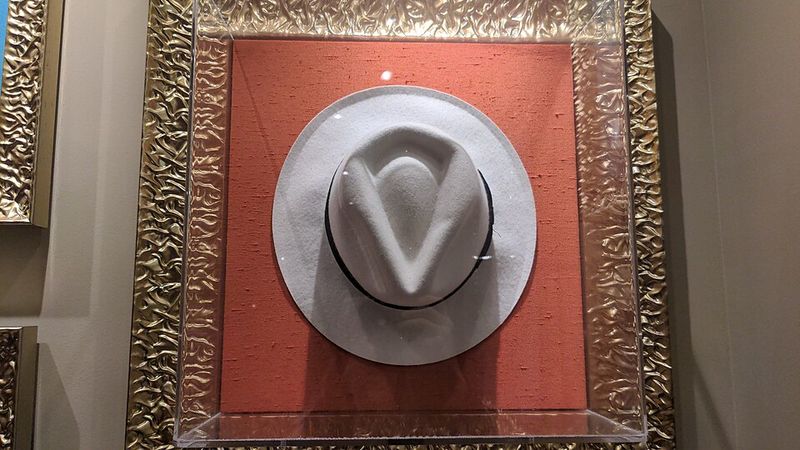
The moment that white fedora tilted at that impossible angle, every person watching knew the next few minutes of music history were going to be something special.
Jackson used the hat as a prop, a punctuation mark, and a mood all rolled into one sharp-dressed moment. “Smooth Criminal” gave the world the lean, and the hat gave the lean its crown.
Pharrell Williams’ Vivienne Westwood Mountain Hat
Umbrella-sized, yet somehow perfectly effective. Enormous Vivienne Westwood hat appeared on Pharrell at the 2014 Grammy Awards, sparking a thousand memes before meme culture had fully caught up.
Hat earned its own Twitter account, Arby’s made a joke, and the internet collectively lost its mind.
Pharrell just smiled, clearly aware of exactly what he was doing.
Slash’s Top Hat
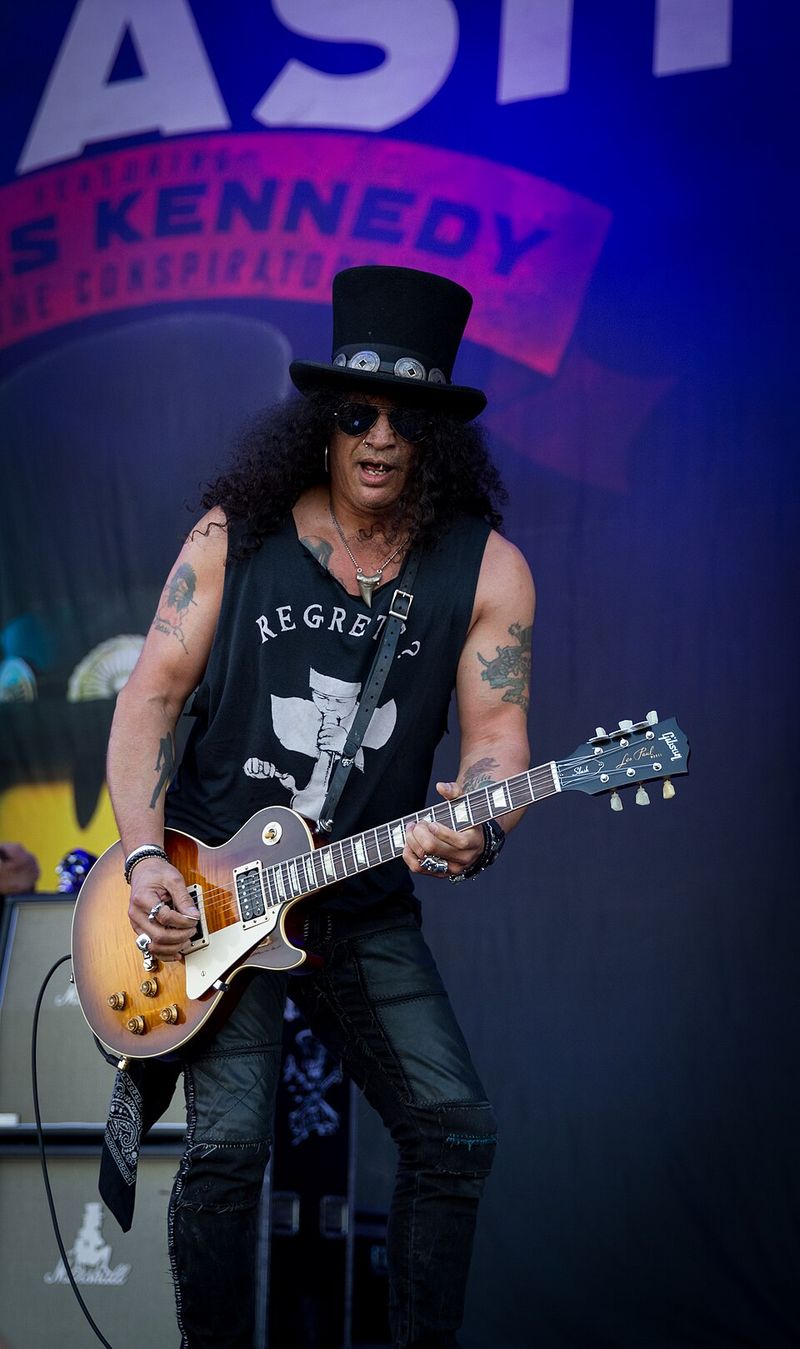
Most rock guitarists let the music do the talking, but one towering top hat joined the conversation and refused to stay quiet.
Worn low and a little battered, that black silhouette became inseparable from the Guns N’ Roses sound, right alongside “Sweet Child O’ Mine.”
Pull one on at any costume party and someone will immediately start air-guitaring. Every time.
Che Guevara’s Black Beret
Famous photograph taken by Alberto Korda in 1960 sent the black beret from Cuban revolution to college dorm posters worldwide within a decade.
Beret crossed political lines and landed squarely in fashion, appearing on T-shirts, murals, and album covers across every continent. Few hats have carried so much history on such a small piece of fabric.
Jacqueline Kennedy’s Pillbox Hat
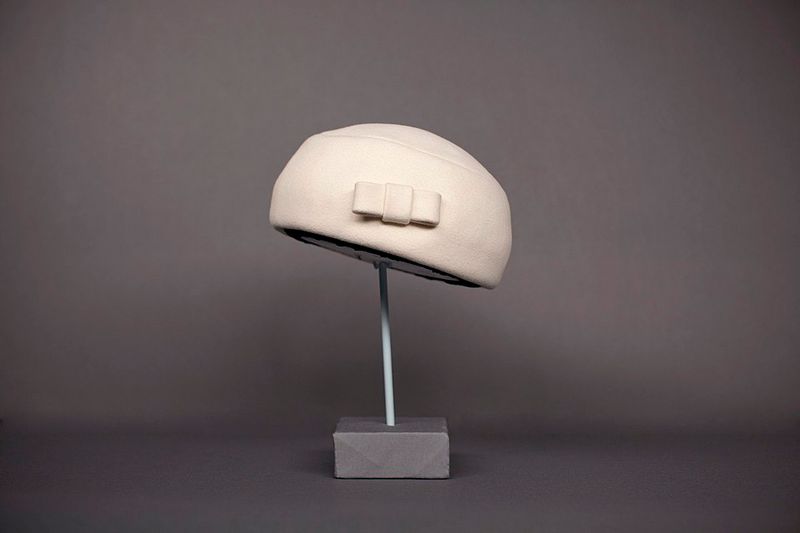
On Inauguration Day 1961, Jackie Kennedy stepped out in a pillbox hat designed by Halston.
Women across the country wanted that same polished, effortless look, and milliners could barely keep up with demand. The hat felt modern, confident, and quietly powerful all at once.
Style rarely makes history that cleanly, but that hat absolutely did.
Buster Keaton’s Pork Pie Hat
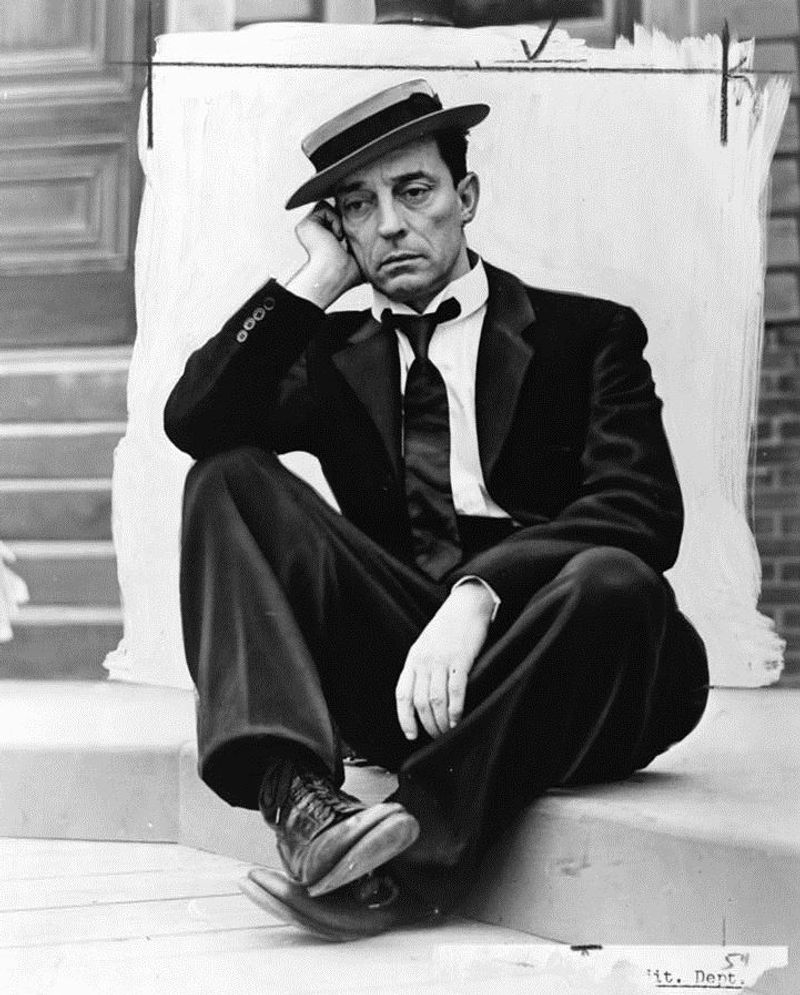
Buster Keaton kept a straight face on screen, while his pork pie hat seemed to understand the joke before anyone else.
Flat-crowned and no-nonsense, that hat matched the stone-faced persona perfectly, turning into a visual signature audiences recognized before a single title card appeared.
Through pratfalls, train chases, and impossible stunts, the hat never lost its place.
Level brim, chaos everywhere else. Respect.
Marlene Dietrich’s Top Hat In Morocco
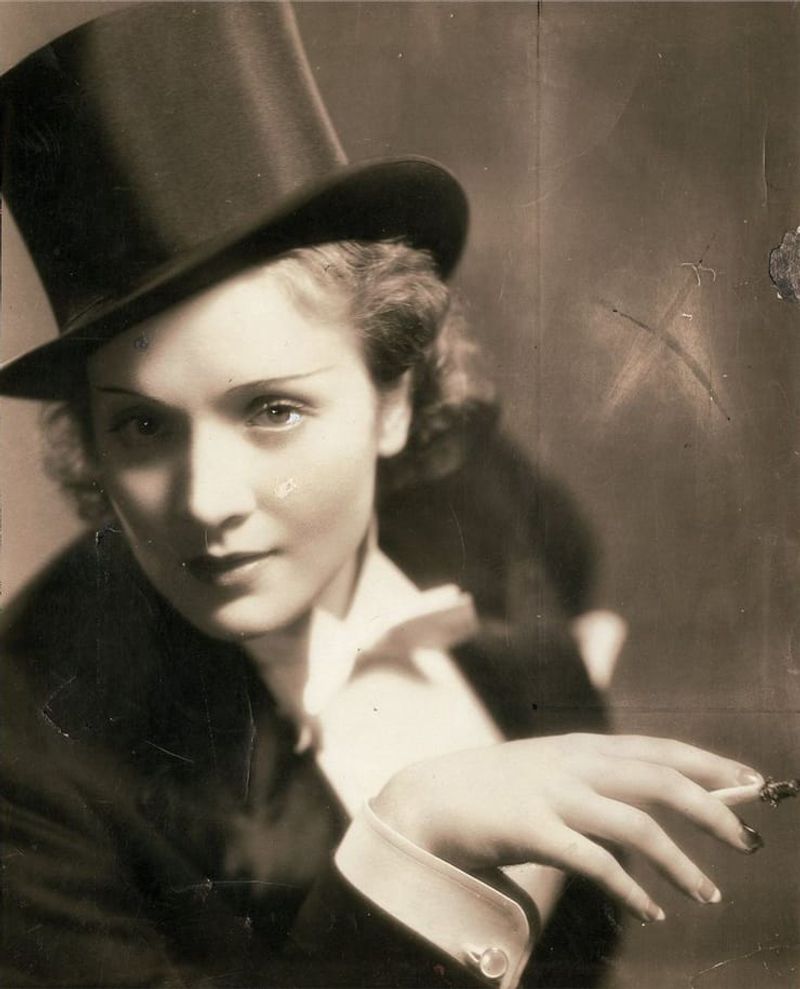
In 1930, Marlene Dietrich walked onto a cabaret stage in Morocco wearing a top hat and a tuxedo, and Hollywood’s idea of glamour quietly rearranged itself.
The look was daring, boundary-pushing, and effortlessly cool in a way that felt decades ahead of its time. Directors and costume designers studied that scene for years afterward.
One hat. One scene. A permanent place in cinema history.
Oddjob’s Steel-Rimmed Bowler Hat From Goldfinger
Bowler hats are meant to be respectable and boring, which makes Oddjob’s razor-edged version brilliantly unsettling.
In Goldfinger, the steel-rimmed hat becomes a weapon capable of decapitating a stone statue, leaving every cinema-goer eyeing their own wardrobe with mild suspicion. Bond villains have wielded countless gadgets, but none as memorably unhinged as this accessory.
The Mouseketeer Ears Cap
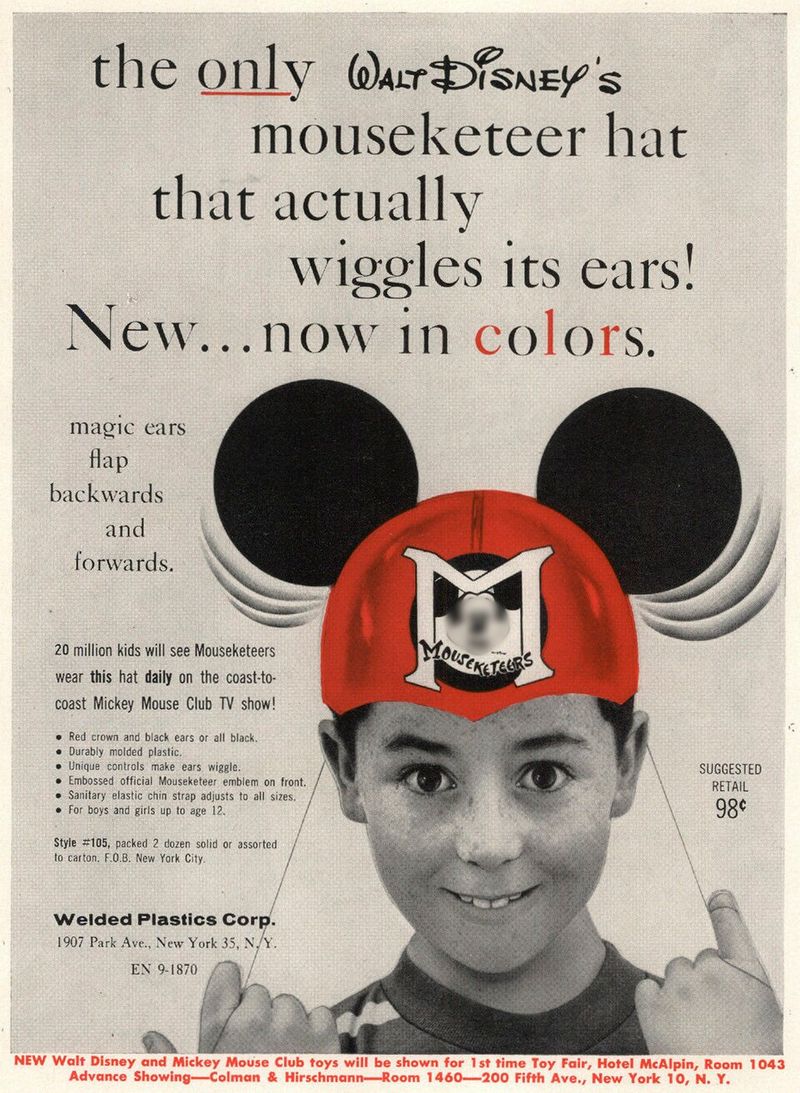
Saturday mornings felt different with black ears perched on your head, even while sitting on the living room carpet and turning the TV into a stage.
The Mouseketeer cap from The Mickey Mouse Club grew into one of Disney’s most enduring merchandise symbols, worn by generations who never even saw the original broadcast.
Two round ears. Instant magic.
Simple math, still working perfectly.
The Wicked Witch Of The West’s Pointed Black Hat
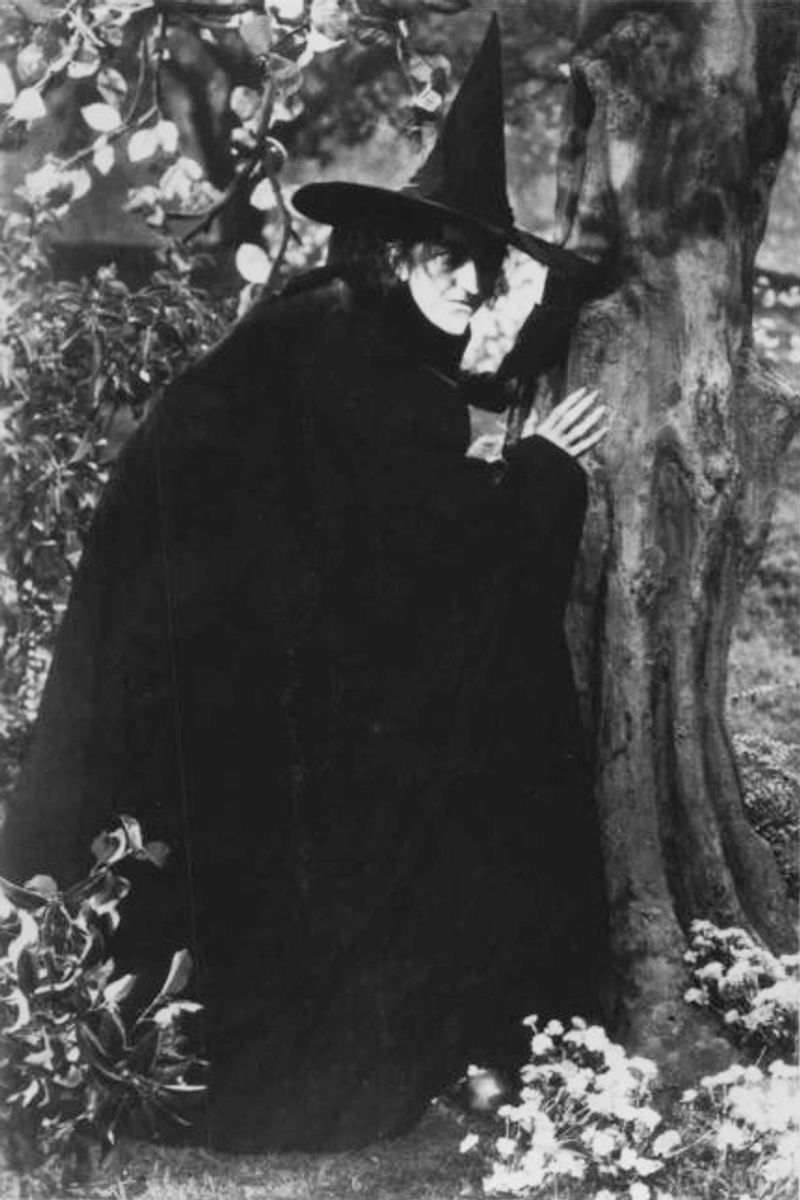
Every October, millions of pointed black hats appear on porches, in classrooms, and at front doors, and nearly all of them owe something to one very memorable performance in 1939.
Margaret Hamilton’s Wicked Witch burned that silhouette into the collective imagination so thoroughly that the hat now signals “villain” faster than almost any other costume piece.
Later reinterpretations may have changed the character, but the hat’s silhouette still signals the same classic image immediately. That is staying power.