Musicians Who Have Spoken Openly About Hearing Problems
Live music can be magic, yet it comes with a hidden price tag that doesn’t show up on the ticket.
Loud stages, booming monitors, years of rehearsals, and constant touring can all add up, and plenty of musicians have talked openly about what that wear and tear can do to their hearing.
Conversations like these land because they cut through the glamour. A hit song might sound effortless, but the job often means living in a world of volume, night after night, for years.
What also stands out is how differently artists describe the experience. Stories like these can shift how fans think about concerts too, not as a warning sign, but as a reminder that long careers usually come with real trade-offs behind the scenes.
Disclaimer: Artist examples and framing reflect editorial judgment based on public interviews and widely reported accounts, and individual experiences can vary by tour era, venue conditions, and personal health factors; the content is provided for general informational and entertainment purposes only and is not medical or other professional advice.
1. Pete Townshend (The Who)
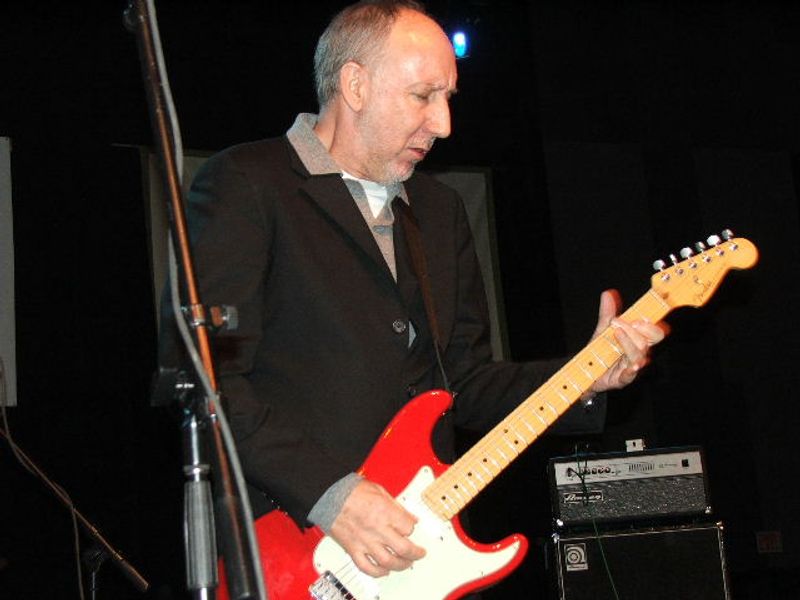
Windmilling guitar riffs might look cool, but they come with a price.
For decades, the iconic guitarist has been one of the most vocal advocates about the dangers of loud music exposure.
His tinnitus became so severe that he’s had to adjust how he performs and records.
Townshend’s honesty has helped countless musicians realize that protecting your hearing isn’t just smart – it’s essential for a long career in music.
2. Chris Martin (Coldplay)
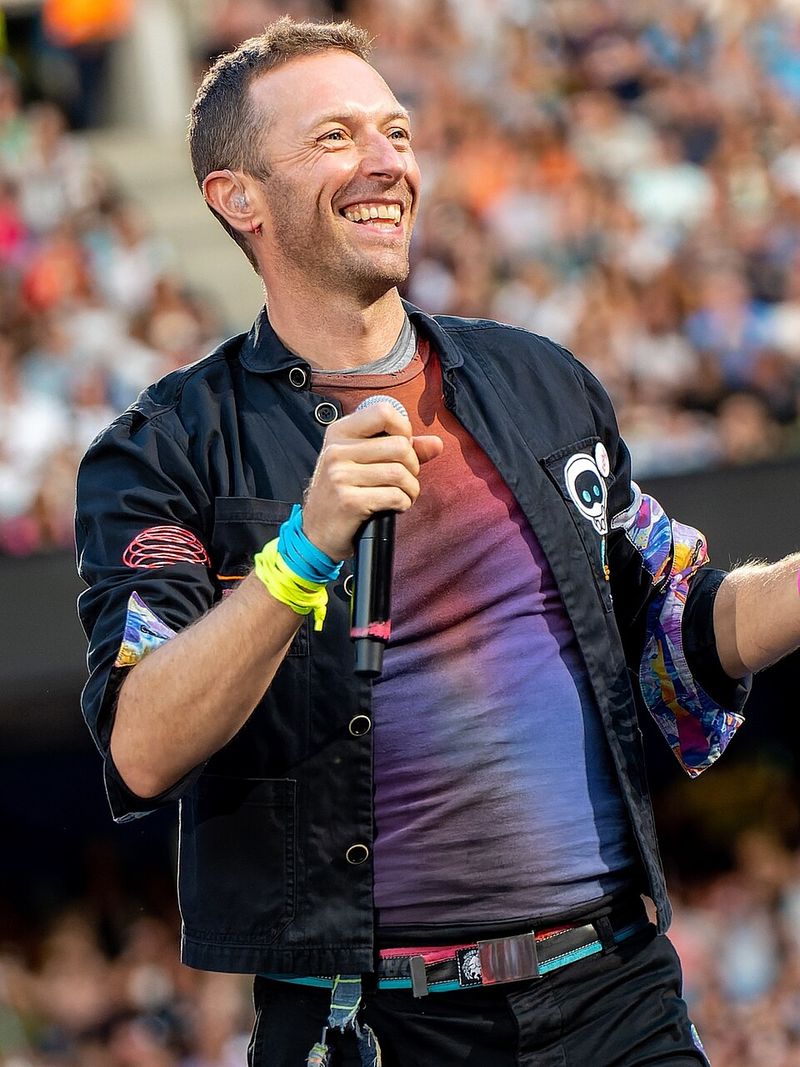
Even pop-rock superstars aren’t immune to hearing damage.
The Coldplay frontman has been refreshingly open about his constant battle with tinnitus, describing it as a persistent ringing that never really goes away.
What’s admirable is how he’s turned his struggle into activism, regularly encouraging fans and fellow musicians to wear earplugs at concerts.
Sometimes the coolest thing you can do is protect your future self, right?
3. Eric Clapton
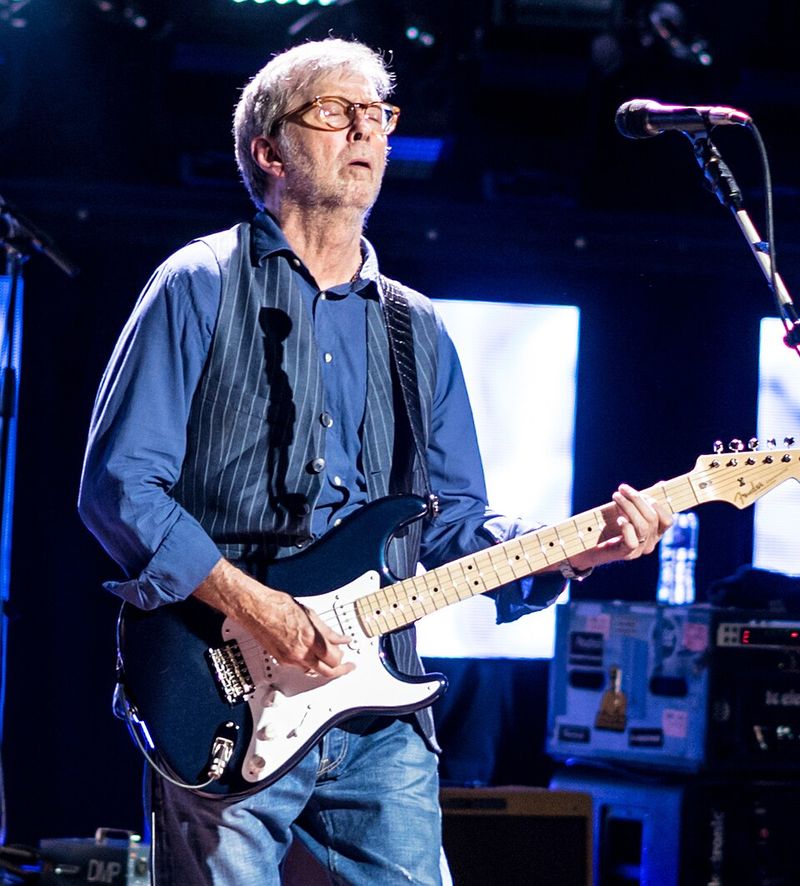
Slowhand himself has faced one of a guitarist’s worst nightmares: progressive hearing loss coupled with relentless tinnitus.
The legendary bluesman has spoken candidly about how these conditions have affected his ability to perform and enjoy music.
Imagine creating some of rock’s most beautiful guitar tones, only to struggle hearing them clearly later in life.
4. Neil Young
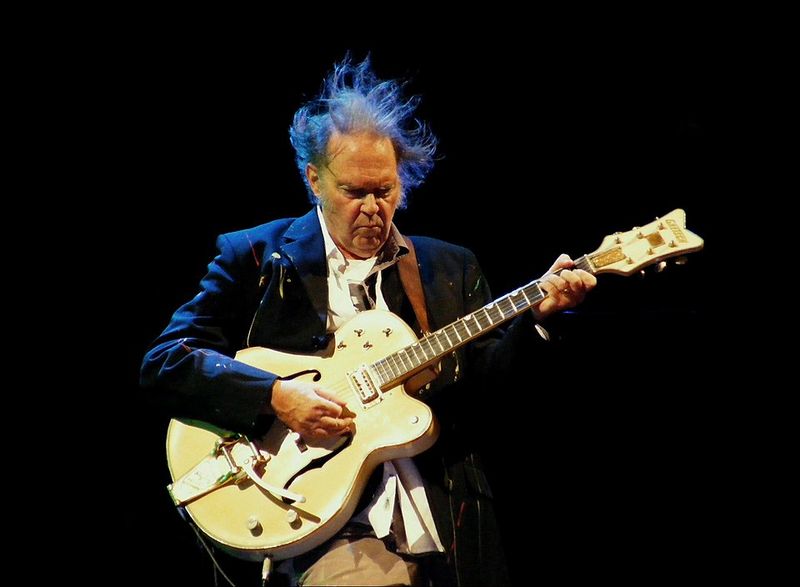
The Canadian rock icon has never been one to sugarcoat reality.
Young has directly blamed certain recording sessions – particularly his loud, feedback-heavy album “Weld” – for damaging his hearing in the early 1990s.
Interestingly, he followed up with the much softer “Harvest Moon” partly because he needed a break from sonic assault.
When a rock legend changes his entire creative direction because of hearing damage, that’s a wake-up call worth hearing.
5. Dave Grohl (Foo Fighters)
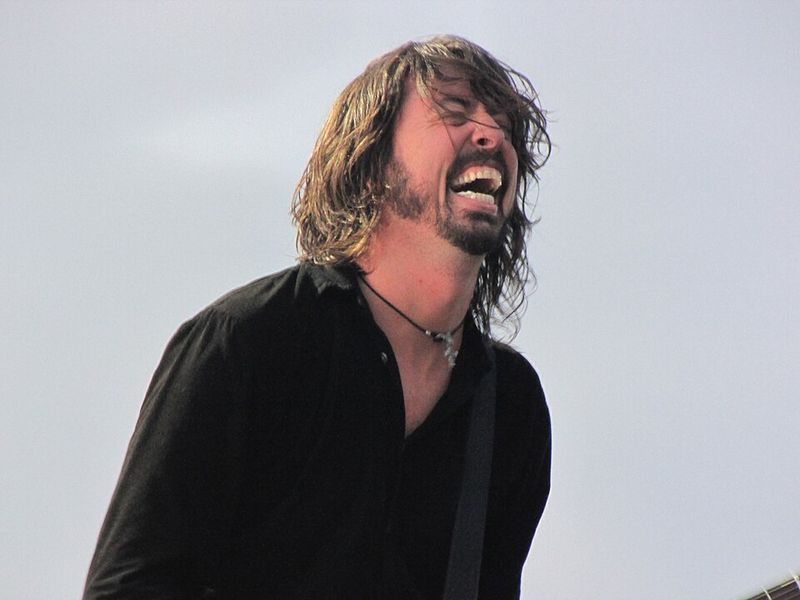
From Nirvana’s drum kit to fronting Foo Fighters, this rock powerhouse has spent decades surrounded by stadium-level volume.
Unsurprisingly, Grohl has developed both hearing loss and tinnitus, conditions he discusses with characteristic humor and honesty.
He’s mentioned how these issues have influenced his performance style and made him more conscious about volume levels.
6. Sting
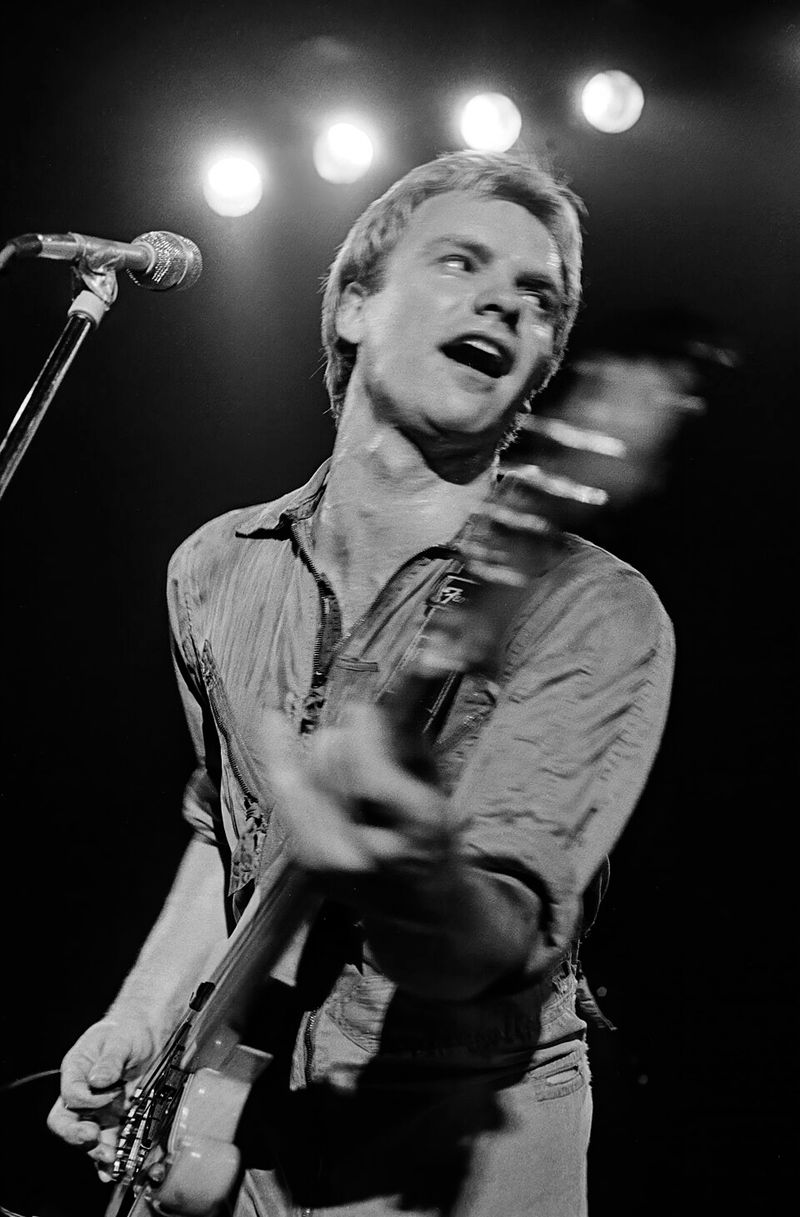
The former Police frontman has acknowledged being hard of hearing in multiple interviews over the years.
Decades of touring and recording have taken their toll on his auditory system, though he’s managed to continue performing at high levels.
What’s fascinating is how he’s adapted his approach to live performances and studio work to accommodate his hearing challenges.
7. Huey Lewis
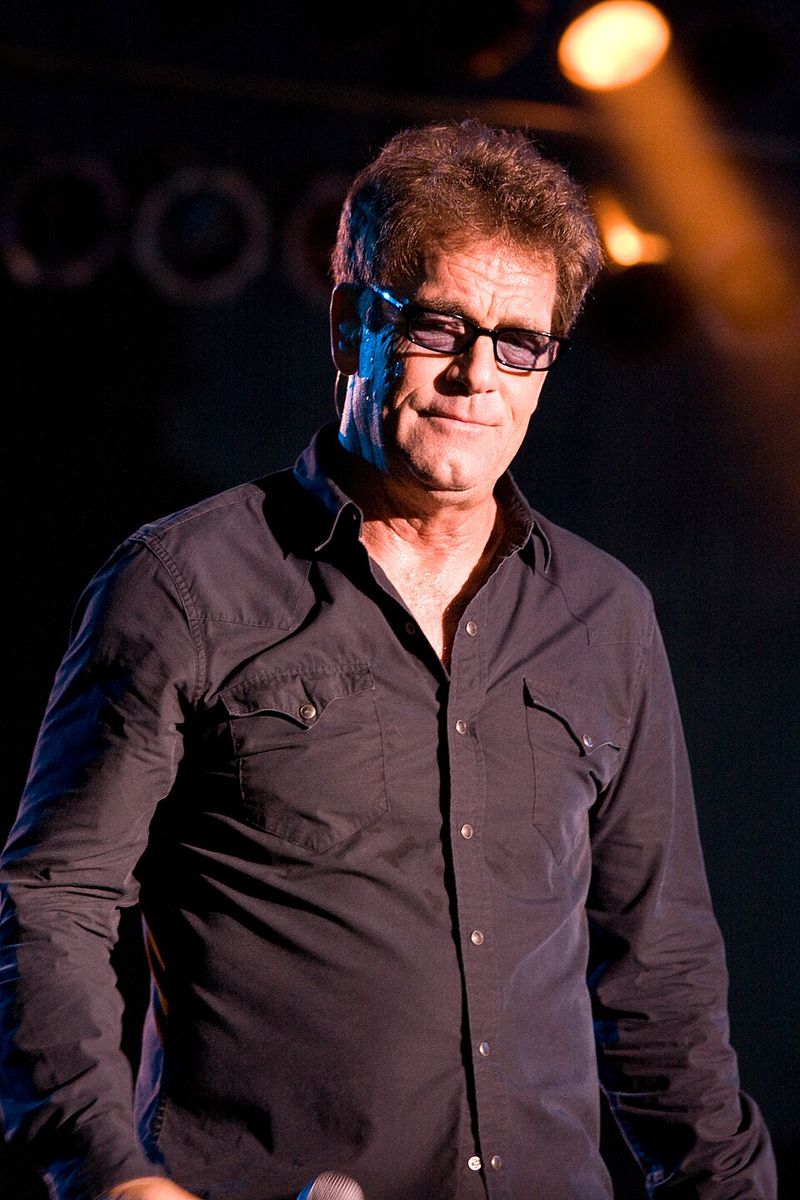
In 2018, the “Power of Love” singer delivered heartbreaking news: Ménière’s disease had essentially ended his ability to tour.
This inner ear disorder causes unpredictable hearing loss, vertigo, and balance problems that make singing nearly impossible.
Lewis has described how the condition can suddenly distort pitch and volume, making him unable to hear whether he’s singing in tune.
His courage in discussing such a career-ending diagnosis has brought much-needed attention to this devastating condition.
8. Paul Simon
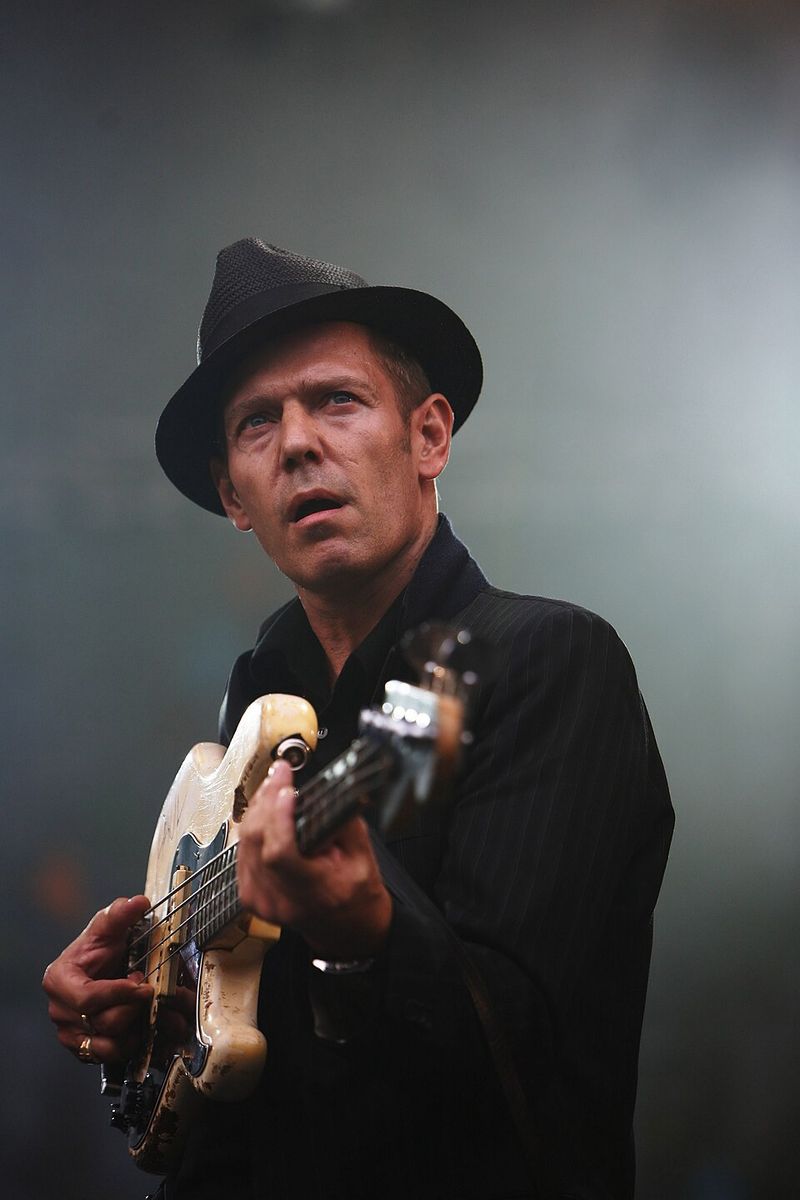
One half of Simon & Garfunkel has experienced significant hearing loss in his left ear, a development that fundamentally changed how he approaches live performances.
Losing stereo hearing affects everything from mixing to spatial awareness on stage.
Simon has spoken about how this condition influenced his performance choices and even his retirement from touring.
9. KT Tunstall
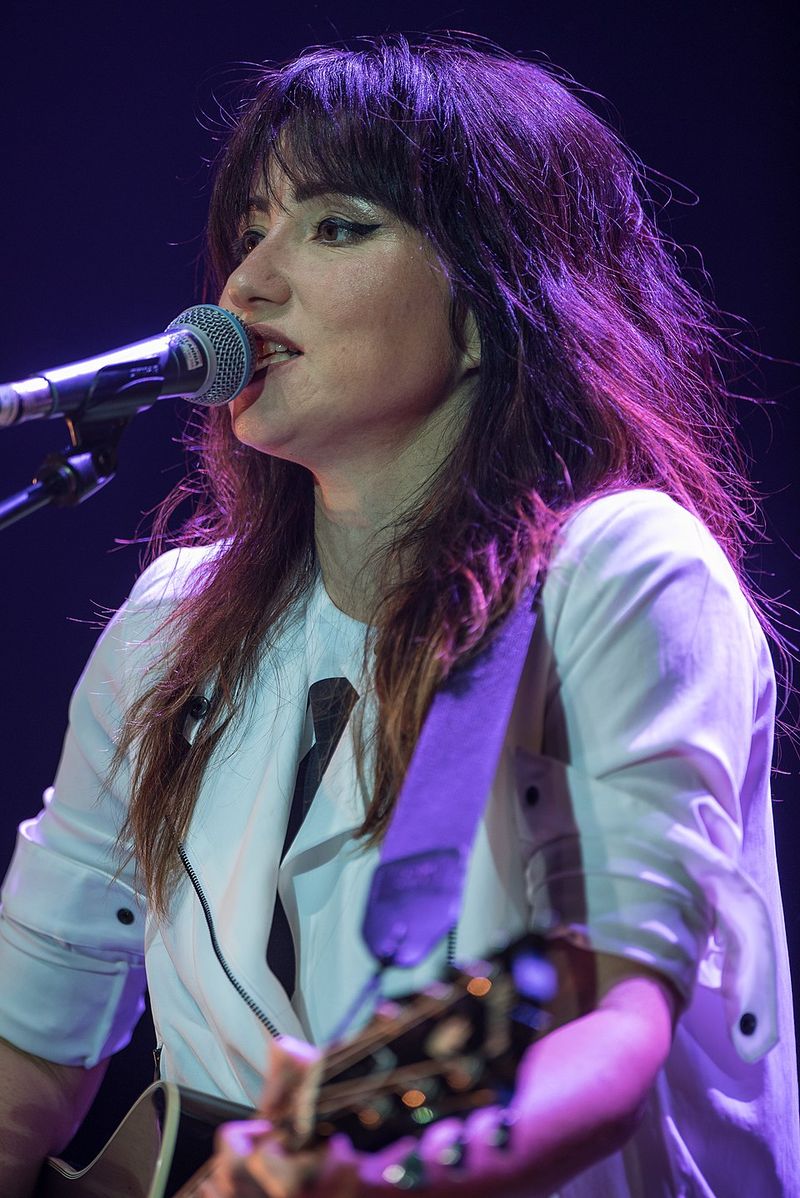
The Scottish singer-songwriter behind “Black Horse and the Cherry Tree” has become an advocate for tinnitus awareness after developing the condition herself.
She’s been remarkably open about her experiences, helping to destigmatize hearing issues among younger musicians.
Tunstall has participated in awareness campaigns and discussed how tinnitus affects her daily life and creative process.
10. Brian Wilson (The Beach Boys)
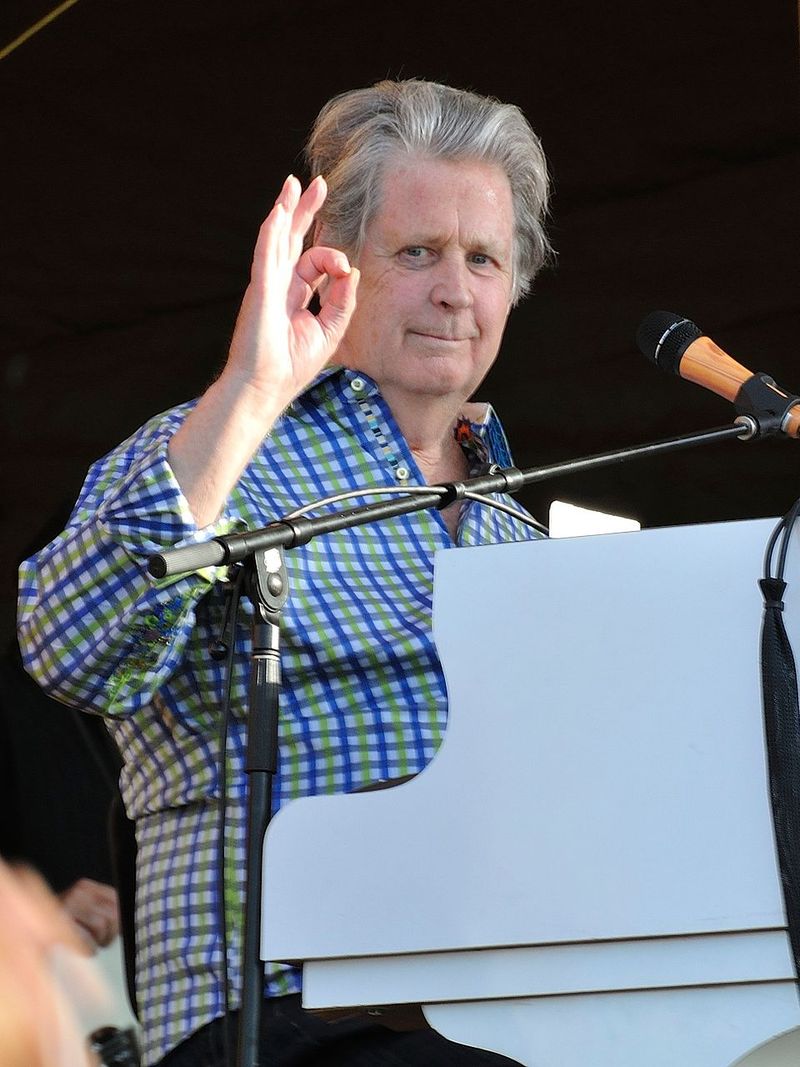
The brilliant mind behind Pet Sounds has been deaf in his right ear since childhood, reportedly due to an injury inflicted by his abusive father.
This profound hearing loss actually shaped how Wilson heard and created music throughout his career.
Working with essentially monaural hearing, he still produced some of pop music’s most sophisticated arrangements and harmonies.
Wilson’s story is both tragic and inspiring, showing how artists can adapt to and even transcend physical limitations to create timeless art.
11. will.i.am (Black Eyed Peas)
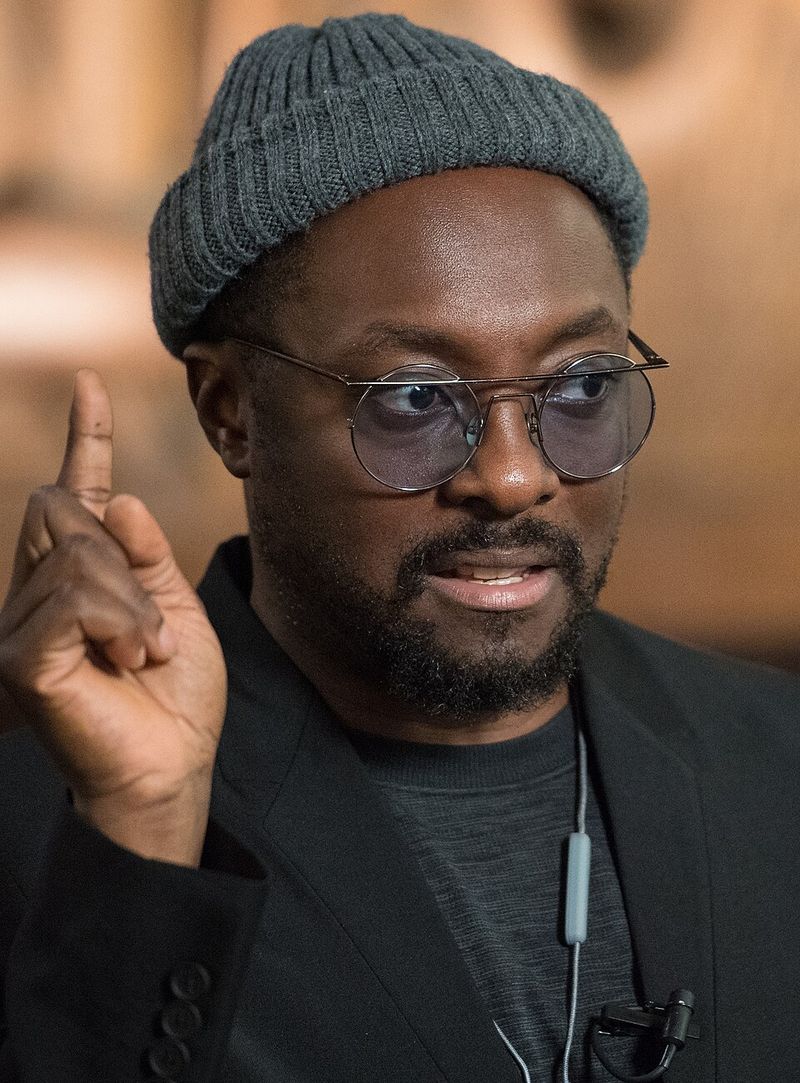
The hip-hop producer and Black Eyed Peas frontman has spoken publicly about living with tinnitus, bringing awareness to hearing issues in the hip-hop and electronic music communities.
His openness is particularly important given the genre’s emphasis on bass-heavy production and loud club environments.
will.i.am has discussed how the condition affects both his production work and daily life.
When someone who literally produces beats for a living warns about hearing damage, that’s advice worth listening to.
12. Moby
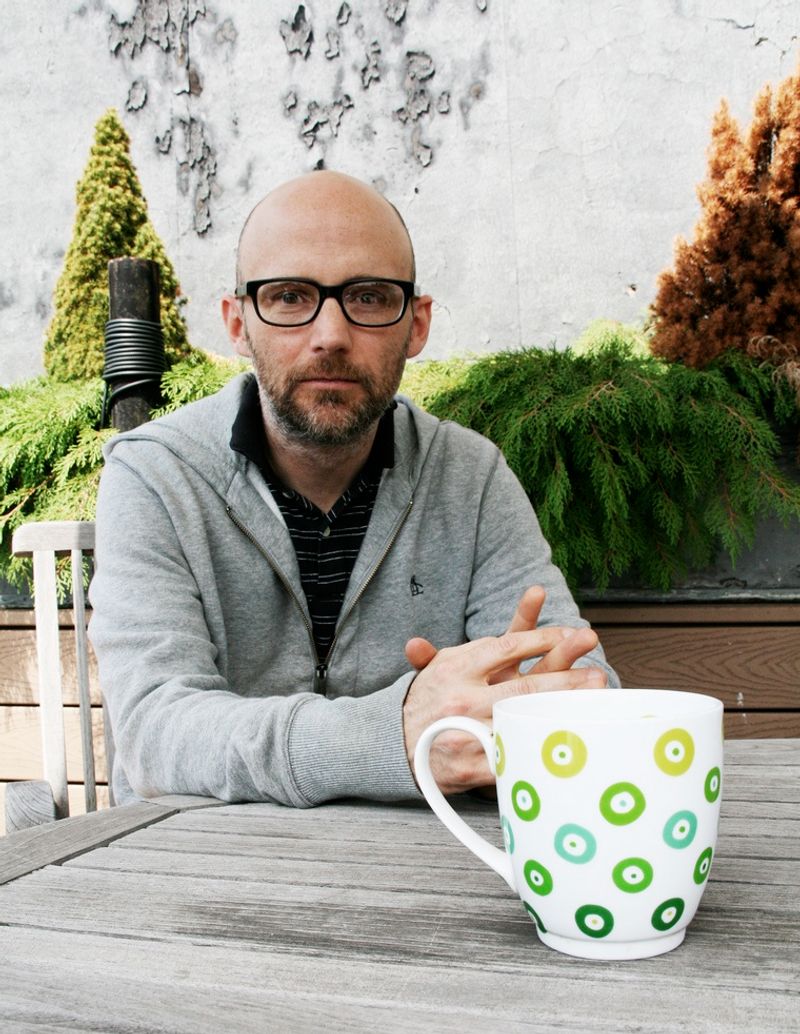
The electronic music pioneer has been candid about his tinnitus and hearing damage, consequences of years spent in loud clubs and studios.
However, what makes his story particularly instructive is how he’s changed his behavior in response.
Moby now consistently uses hearing protection and has become an advocate for safer listening practices in electronic music.
13. Anthony Kiedis (Red Hot Chili Peppers)
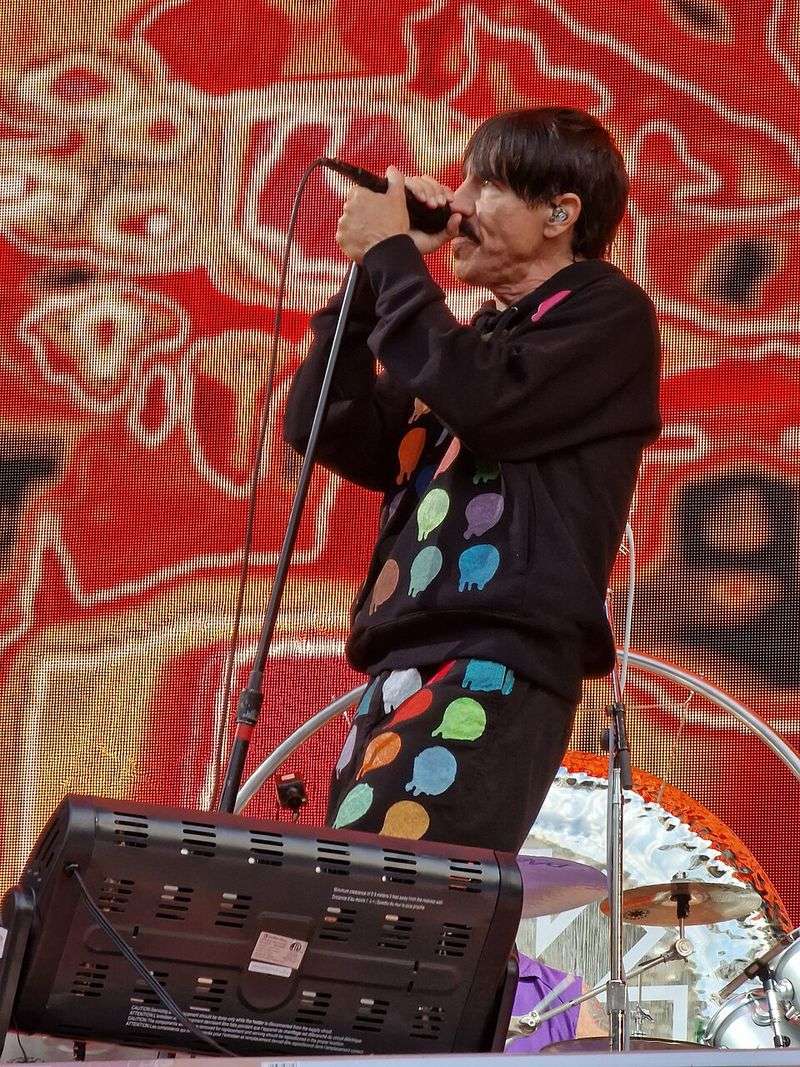
Decades of high-energy performances with one of rock’s loudest bands have left the Chili Peppers frontman with tinnitus.
Reports indicate he developed the condition during years of relentless touring, though he’s been less publicly vocal about it than some others on this list.
The physical intensity of Red Hot Chili Peppers shows, combined with stage volume, creates a perfect storm for hearing damage.
14. Danny Elfman
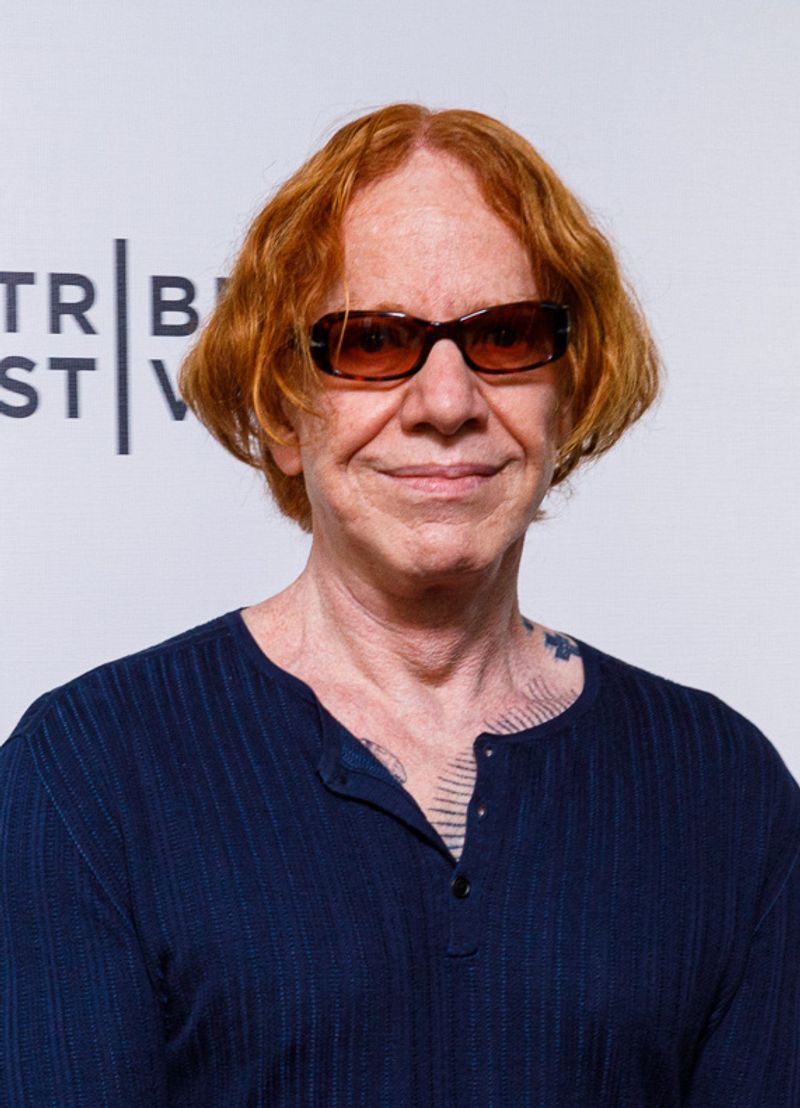
Before becoming Hollywood’s go-to composer for Tim Burton films, Elfman fronted the new wave band Oingo Boingo.
As his hearing began to deteriorate from years of loud performances, he made a strategic pivot toward film composition and orchestral work.
This career shift allowed him to continue creating music while protecting his remaining hearing.