Historic Food Brands That Have Survived Centuries And Still Thrive
Some food brands have been around so long, they’ve become legends in our kitchens and hearts.
These companies started centuries ago, yet somehow they’re still going strong today, filling our pantries and making meals delicious.
Their secret?
Quality, tradition, and the ability to change with the times while staying true to what made them special in the first place.
1. Twinings Tea
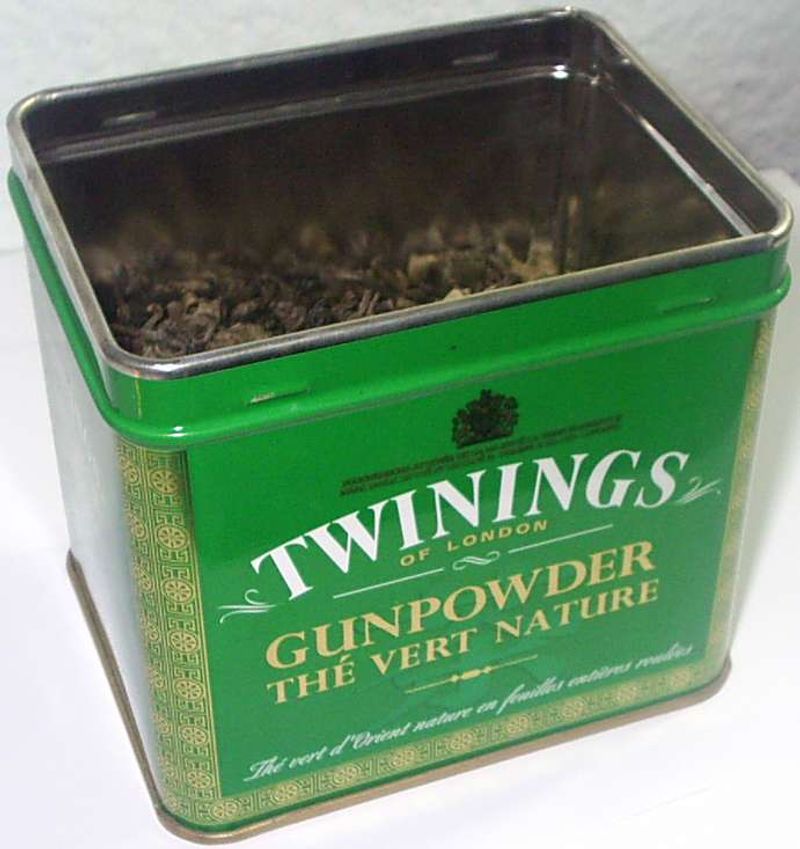
Founded way back in 1706, Twinings holds the record as the world’s oldest tea company still brewing today.
Thomas Twining opened a shop in London, and it became so popular that even the royal family couldn’t resist.
Over 300 years later, you can still grab a box at your local grocery store.
The brand survived wars, economic crashes, and countless competitors by sticking to quality leaves and creative blends.
Pretty impressive for a drink that started in one tiny shop!
2. Colman’s Mustard
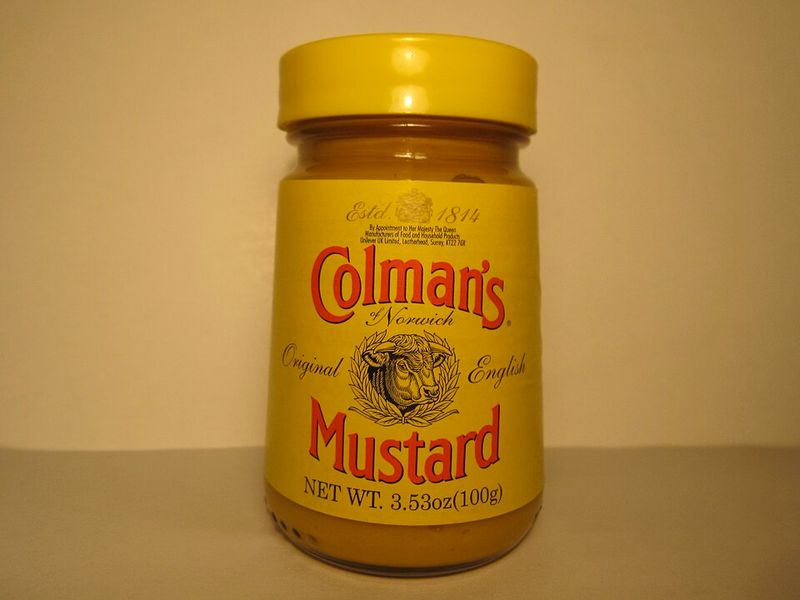
Jeremiah Colman kicked off his mustard empire in 1814 in Norwich, England, and boy, did he nail the recipe.
That bright yellow tin has been a kitchen staple for over two centuries.
British families have passed down their love for this tangy condiment through generations.
The secret lies in the perfect blend of brown and white mustard seeds that creates that signature kick.
It’s wild how one condiment can stay relevant for that long!
3. Tabasco Sauce
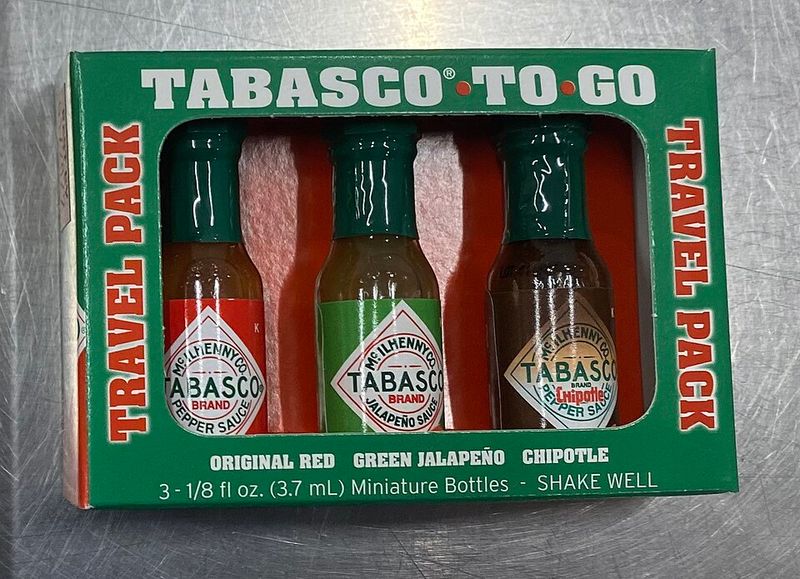
Edmund McIlhenny created this fiery sauce in 1868 on Avery Island, Louisiana, and the recipe hasn’t changed since.
The peppers still ferment in oak barrels for three years before becoming that addictive red sauce.
What started as a family experiment now appears on restaurant tables worldwide.
Soldiers even carried mini bottles during wars to spice up bland rations.
That little bottle packs over 150 years of heat and history into every drop!
4. Heinz Ketchup
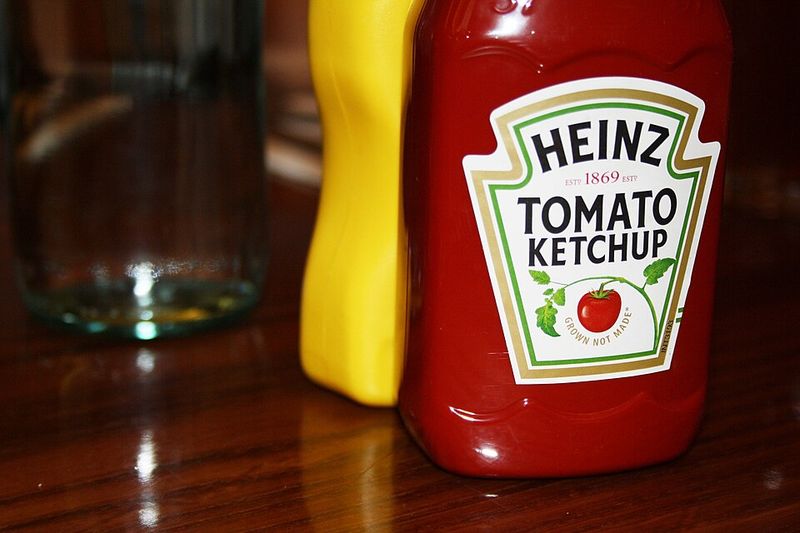
Henry Heinz started his company in 1869, and honestly, can you imagine burgers without Heinz ketchup?
That famous “57 varieties” slogan became one of the most recognized phrases in food history.
The brand revolutionized food safety by using clear glass bottles so customers could see the quality.
Generations have grown up squeezing that thick, tomatoey goodness onto everything from eggs to meatloaf.
It’s basically the king of condiments at this point!
5. Hershey’s Chocolate
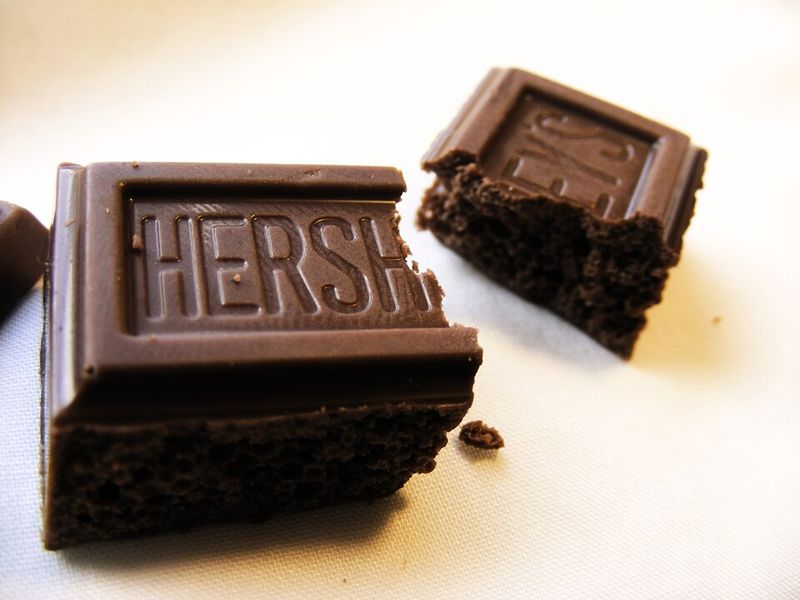
Milton Hershey launched his chocolate empire in 1894 and basically invented the American chocolate bar as we know it.
Before Hershey’s, chocolate was a luxury only rich folks could afford.
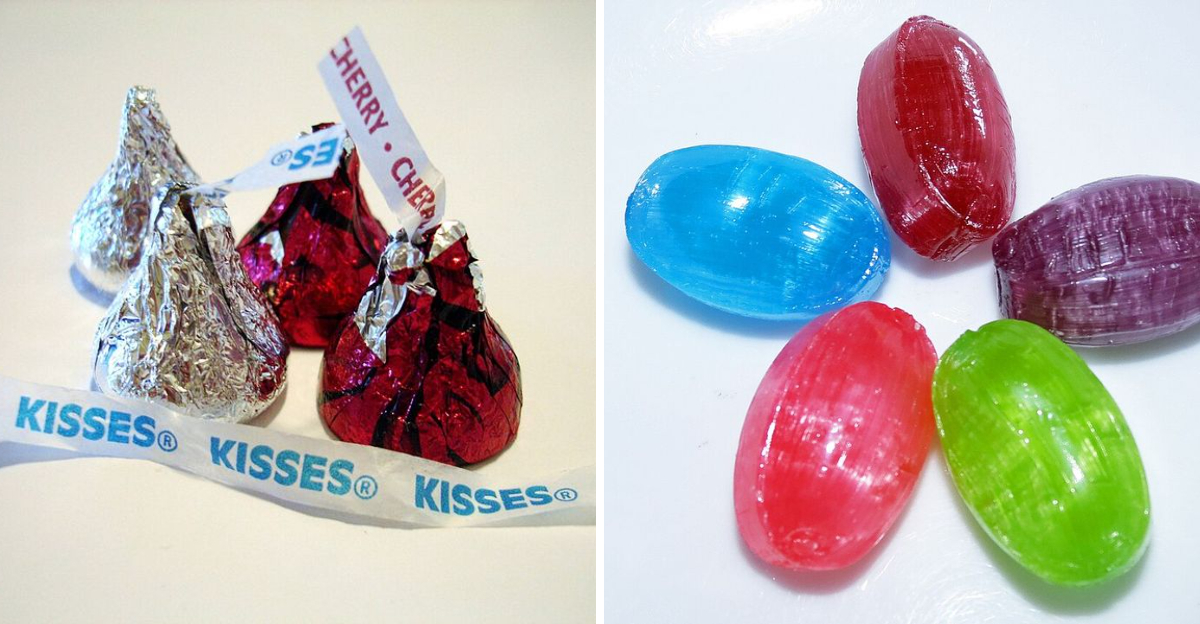
He made it affordable and delicious, creating everything from the classic bar to those adorable Kisses.
The town of Hershey, Pennsylvania, even smells like chocolate thanks to the factory.
Now that’s commitment to the chocolate game for over 130 years!
6. Kikkoman Soy Sauce
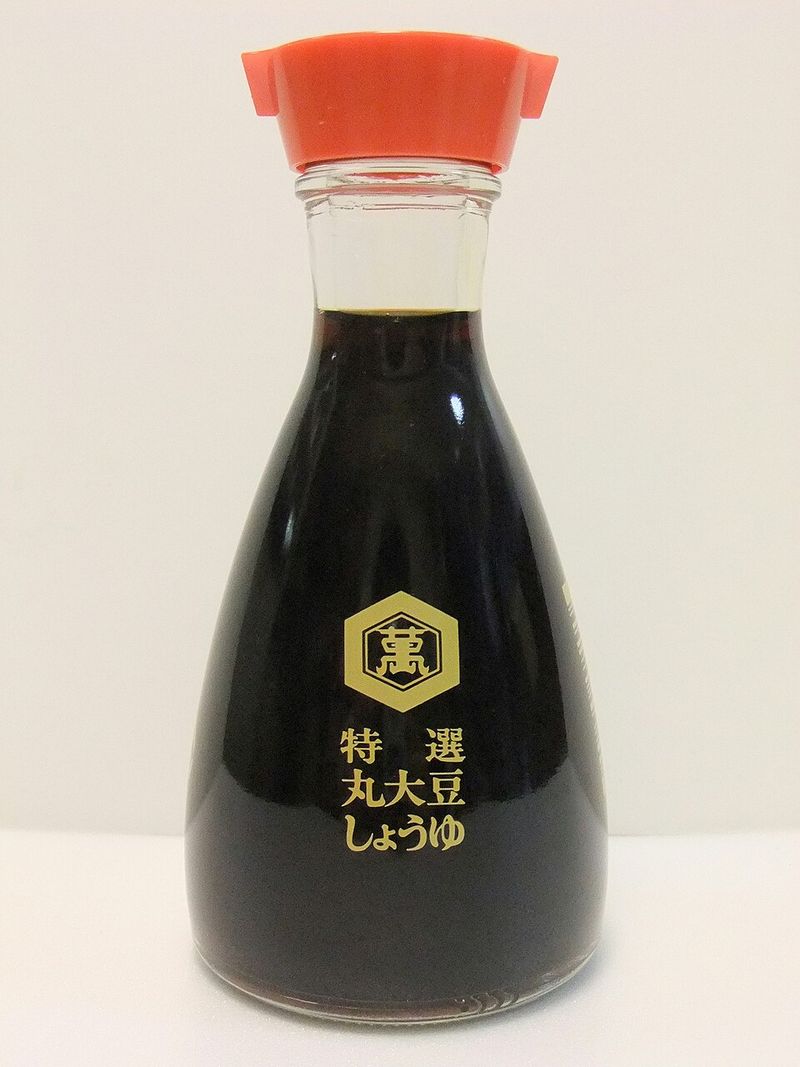
This Japanese powerhouse traces its roots back to 1603, making it older than most countries.
The Mogi family perfected the art of fermenting soybeans into that rich, salty sauce we can’t live without.
Kikkoman didn’t just stick to Japan—it conquered kitchens across every continent.
That distinctive bottle with the red cap has become synonymous with authentic flavor.
Four centuries later, it’s still the go-to sauce for stir-fries, sushi, and so much more!
7. Parmigiano Reggiano

Monks in Italy started making this cheese around 1200 AD, and the process hasn’t really changed much since medieval times.
Only cheese made in specific Italian regions can legally wear the Parmigiano Reggiano name.
Each wheel takes at least 12 months to age, with some going for three years or more.
The result is that nutty, crystalline perfection that makes pasta sing.
Talk about a recipe that’s stood the ultimate test of time!
8. Lea & Perrins Worcestershire Sauce
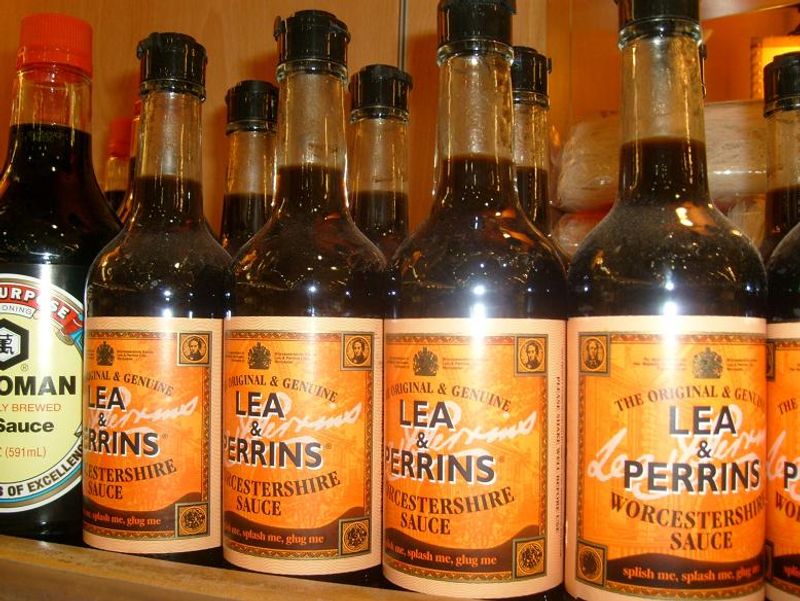
Two chemists accidentally created this sauce in 1837 when a customer’s recipe went horribly wrong—or wonderfully right.
They stored the failed batch in a basement barrel and forgot about it.
Months later, they tasted it and discovered pure magic.
That complex, savory flavor comes from anchovies, tamarind, and a secret aging process.
Nearly 200 years later, it’s still the mystery sauce that makes everything from Bloody Marys to marinades absolutely incredible!
9. Guinness Beer
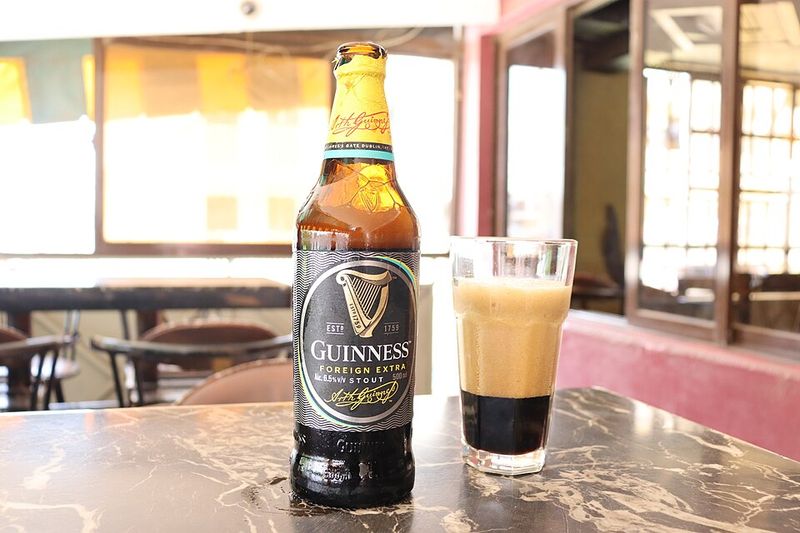
Arthur Guinness signed a 9,000-year lease on a Dublin brewery in 1759—talk about confidence in your product.
That dark, creamy stout became Ireland’s liquid ambassador to the world.
The brand survived everything from prohibition to world wars while maintaining its distinctive taste.
Those clever marketing campaigns with toucans and “Guinness is Good for You” became advertising legends.
After 265 years, it’s still the stout everyone measures themselves against!
10. Toblerone Chocolate
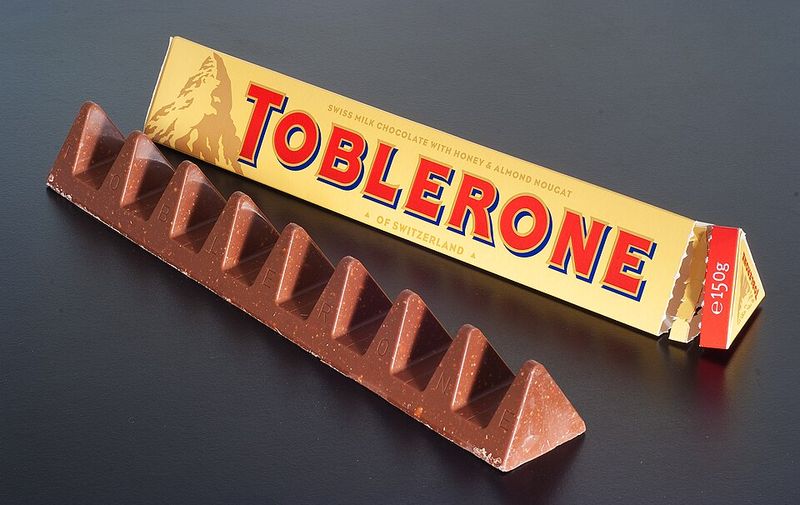
Theodor Tobler created those distinctive triangular bars in Switzerland back in 1908.
The shape supposedly mimics the Matterhorn mountain, though some say it was inspired by a Paris cabaret show.
Either way, that honey-almond nougat mixed with Swiss chocolate became instantly recognizable worldwide.
The unique shape also makes it fun to break apart and share—or not share, we won’t judge.
Over a century later, those peaks still stand tall in airport duty-free shops everywhere!
11. Angostura Bitters
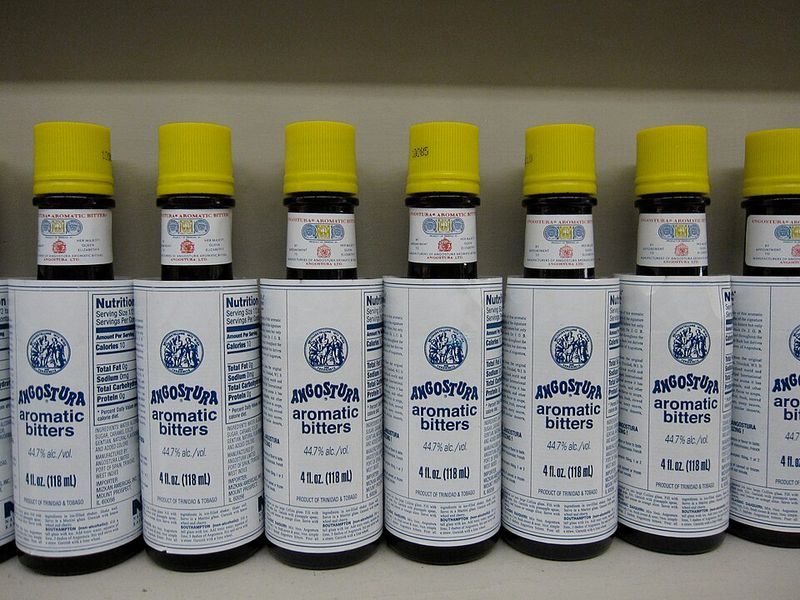
A German doctor created this medicinal tonic in 1824 in Venezuela to treat stomach ailments for soldiers.
Turns out it works way better in cocktails than as medicine.
That oversized label wrapping the tiny bottle happened by accident when the printer messed up, but they kept it.
Bartenders worldwide can’t make a proper Old Fashioned or Manhattan without a few dashes.
Nearly 200 years on, those mysterious botanicals remain a closely guarded family secret!
12. Carr’s Table Water Crackers
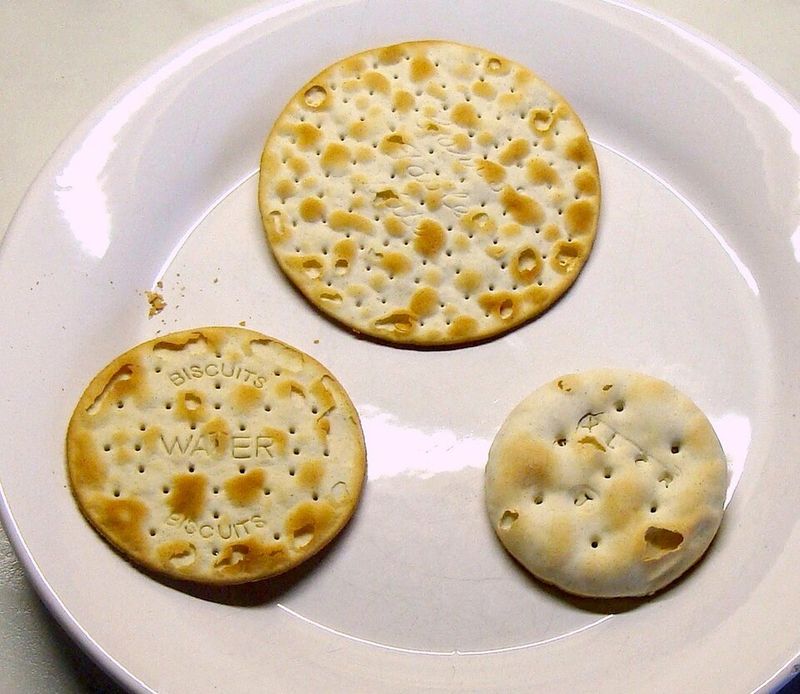
Jonathan Carr started baking these crispy crackers in 1831 in Carlisle, England, using leftover dough from bread making.
He invented a special machine to create those perfectly uniform crackers that snap just right.
Queen Victoria herself gave the brand a royal warrant, which is basically the ultimate food endorsement.
They’re still the fancy cracker you bring out when you want your cheese plate to look sophisticated.
Almost two centuries of crunch proves simple done well never goes out of style!
13. Bahlsen Biscuits

Hermann Bahlsen opened his bakery in Hanover, Germany, in 1889 and named his butter biscuits after philosopher Leibniz.
Those 52 teeth around each cookie’s edge supposedly represent good craftsmanship.
The brand survived two world wars and kept Germans (and later the world) supplied with quality cookies.
That buttery, slightly sweet taste pairs perfectly with afternoon coffee or tea.
After 135 years, they’re still baking up those perfectly crispy, golden treats!
14. Campari Liqueur
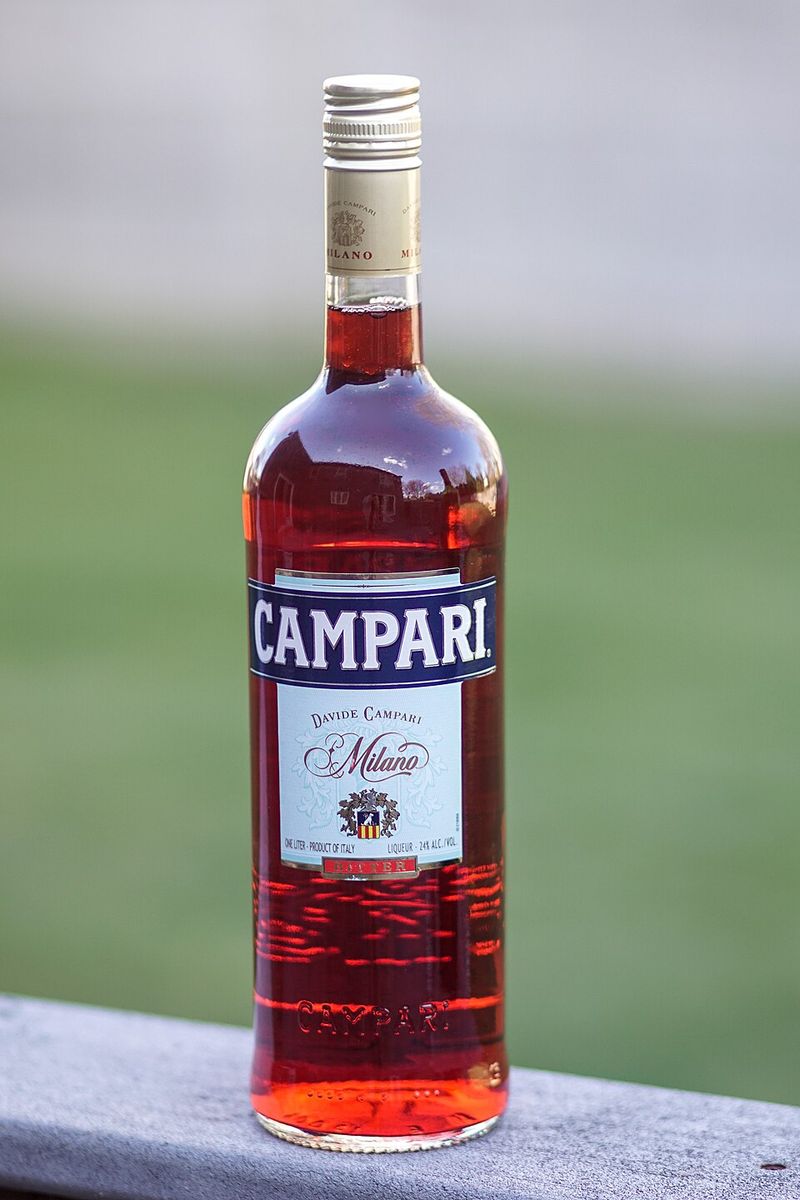
Gaspare Campari invented this brilliantly red bitter liqueur in 1860 in Milan, Italy.
The exact recipe involves over 60 ingredients and remains locked in a family vault.
That distinctive bitter-sweet flavor became the backbone of classic cocktails like the Negroni and Americano.
The vibrant red color originally came from crushed insects, but thankfully they switched to artificial coloring.
More than 160 years later, aperitivo hour just wouldn’t be the same without it!
15. McVitie’s Digestive Biscuits
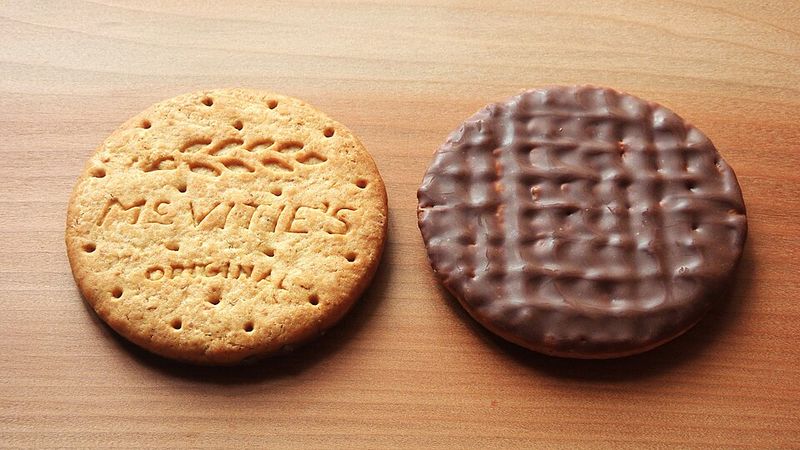
Alexander Grant developed these wholesome biscuits in 1892 in Scotland, believing they’d aid digestion—hence the name.
While the digestive claims were questionable, the taste was undeniably perfect.
That slightly sweet, wheaty flavor with a hint of malt became a British tea-time essential.
The chocolate-covered version launched later and became even more popular than the original.
Over 130 years on, they’re still the biscuit Brits dunk in their tea without shame!