15 Historical Epic Movies That Left The Biggest Mark Over The Last 50 Years
Historical epics do not believe in thinking small, they arrive with ambition and enough scale to make ordinary movies look like they forgot to leave the house.
Still, size alone does not earn a lasting mark.
A real giant in this genre sticks because the spectacle lands and at least one scene burns itself into film memory with full confidence it will be discussed for decades.
That is why these movies stand apart.
They turned history into something thunderous and impossible to shrug off, giving audiences battles, betrayals, power struggles, and larger-than-life figures.
Disclaimer: This article is intended for general informational and entertainment purposes only. Assessments of historical epic films, their cultural impact, and their lasting significance reflect editorial perspective, and individual viewers may disagree on which titles left the biggest mark.
1. Barry Lyndon (1975)
Forget everything you think you know about period dramas, because Stanley Kubrick’s Barry Lyndon plays by its own rules entirely.
Filmed using actual candlelight and specially modified NASA lenses, this movie looks more like a moving painting than a film. Every single frame could hang in an art museum.
Based on William Makepeace Thackeray’s 1844 novel, it follows an Irish rogue clawing his way up through 18th-century European society. Though it ran over three hours, critics eventually called it a masterpiece.
2. Reds (1981)
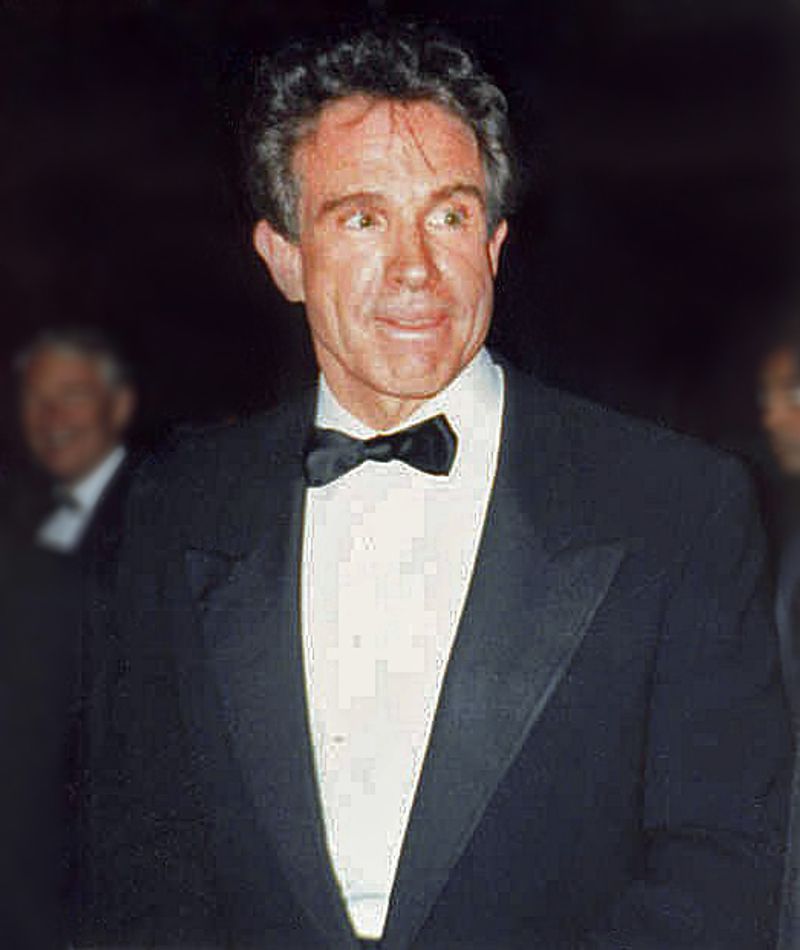
Warren Beatty directed, produced, and starred in this massive political epic, which makes it one of Hollywood’s most ambitious solo undertakings ever.
Reds tells the true story of journalist John Reed, who witnessed and documented the 1917 Russian Revolution firsthand. That’s right, a Hollywood love story wrapped inside an actual world-changing revolution.
The film ran over three hours and featured real-life historical witnesses called “witnesses” sharing their memories on camera.
3. The Last Emperor (1987)
Bernardo Bertolucci’s The Last Emperor holds a record that still stands today: it’s the only Western film ever granted permission to shoot inside Beijing’s Forbidden City.
That alone should make your jaw drop. The story follows Puyi, who became Emperor of China at just three years old in 1908.
Watching a toddler inherit an empire and then lose everything is genuinely heartbreaking.
The film swept the Academy Awards, winning all nine categories it was nominated for. Nine out of nine!
4. Dances with Wolves (1990)
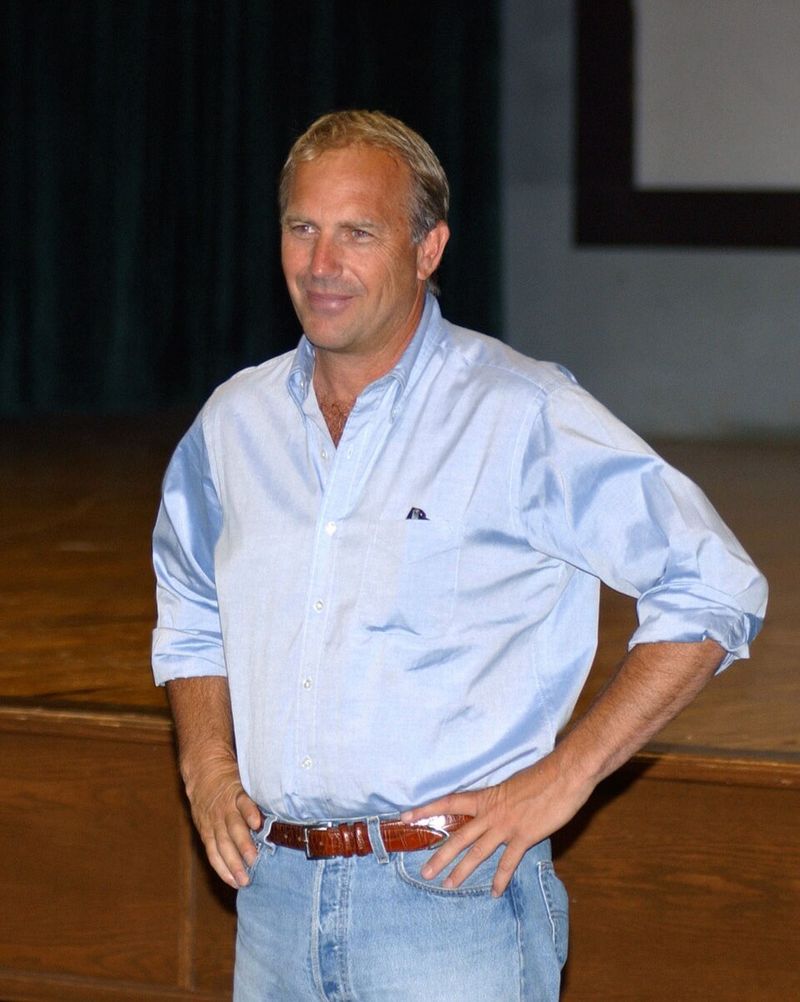
Kevin Costner bet big on this one, directing and starring in a nearly four-hour western epic that Hollywood insiders were calling “Costner’s Waterloo” before it even released.
Spoiler alert: they were spectacularly wrong. Dances with Wolves won seven Academy Awards including Best Picture, shutting down every single doubter.
The film tells the story of a Union soldier who befriends a Lakota Sioux tribe during the 1860s. Remarkably, large portions of dialogue are spoken entirely in the Lakota language with subtitles.
5. JFK (1991)
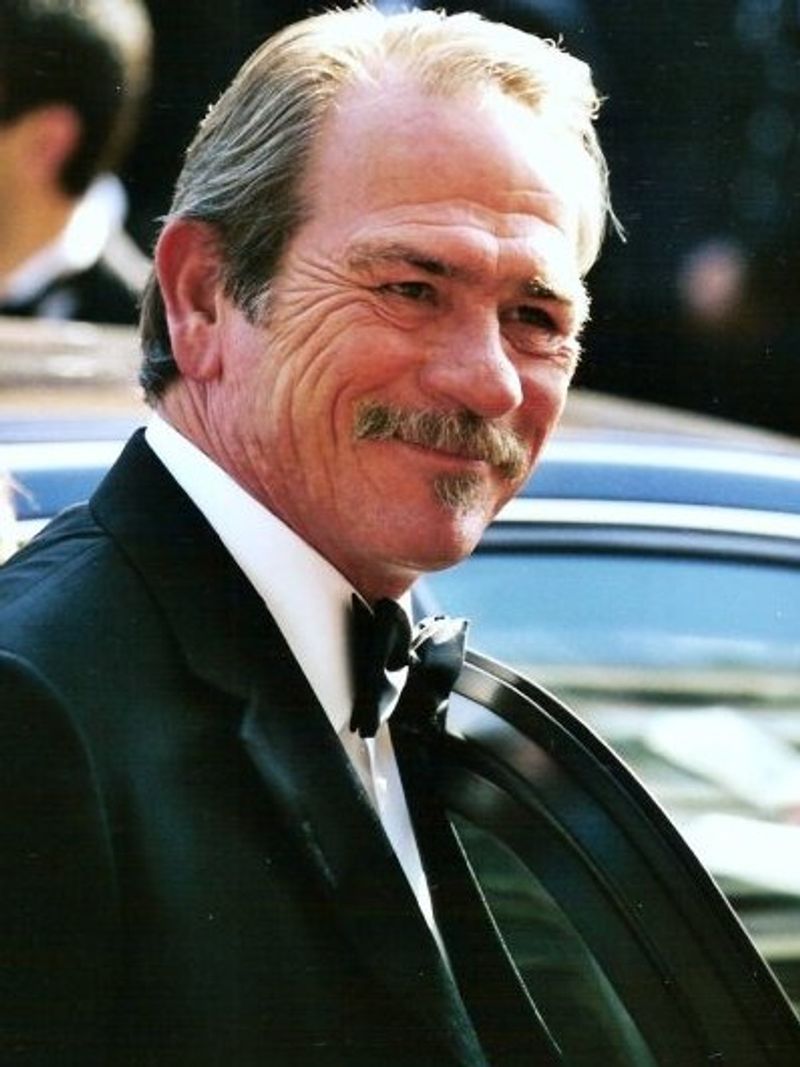
The cinematic equivalent of pulling a loose thread until the whole sweater unravels is Oliver Stone’s JFK.
It follows New Orleans District Attorney Jim Garrison, played brilliantly by Kevin Costner, as he investigates President Kennedy’s 1963 assassination.
Stone blended documentary footage with dramatic recreation so seamlessly that viewers genuinely couldn’t always tell them apart.
The film was so controversial that it actually pushed the U.S. Congress to pass the JFK Records Act of 1992, releasing thousands of classified documents.
6. Schindler’s List (1993)
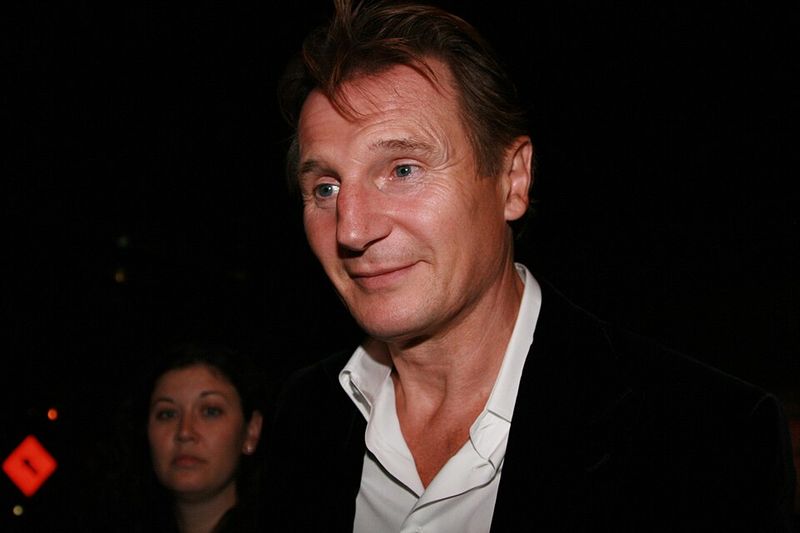
Based on the true story of Oskar Schindler, a German businessman who saved over 1,100 Polish Jews during World War II, this film is genuinely one of cinema’s most important achievements.
Spielberg reportedly couldn’t watch his own dailies without breaking down.
The film won seven Academy Awards including Best Picture.
If you’ve never seen it, clear your schedule, grab tissues, and prepare to be changed. Permanently.
7. Braveheart (1995)
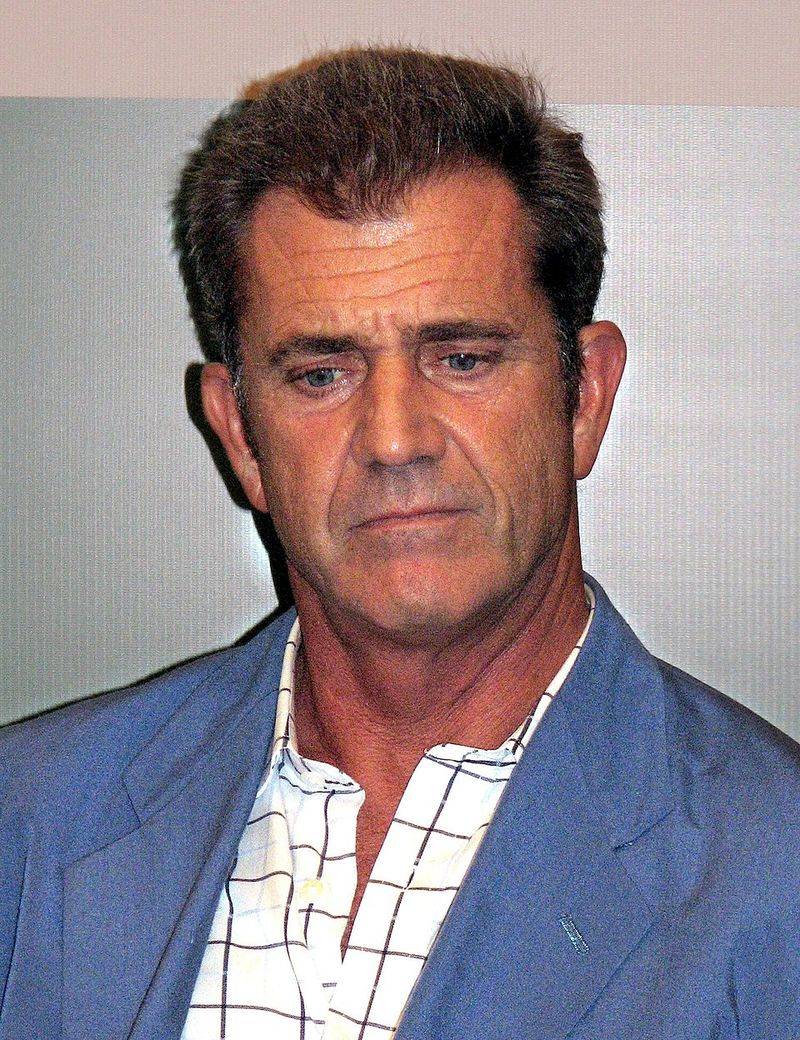
Mel Gibson’s Braveheart opens with a haunting Scottish bagpipe melody and never really lets go of your emotions from that moment forward.
The film tells the story of William Wallace, a Scottish warrior who led a rebellion against English King Edward I in the late 13th century. Gibson directed and starred, going full method on both fronts.
Though historians love to point out its many inaccuracies (Wallace probably didn’t wear a kilt), the emotional core hits like a freight train every single time.
8. Titanic (1997)
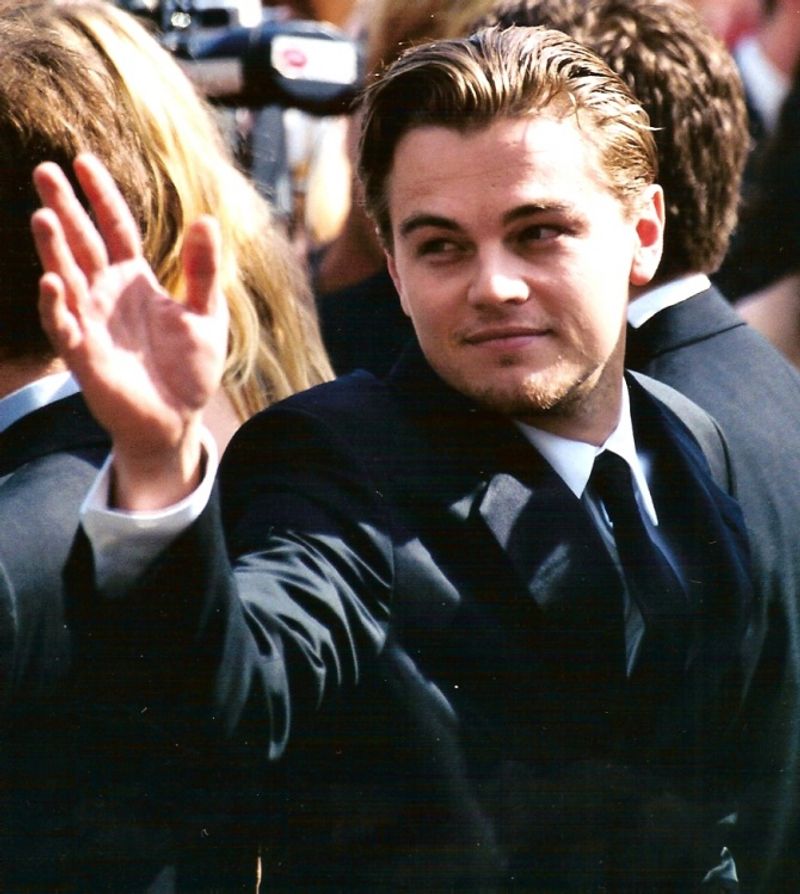
Studio executives were reportedly told by James Cameron that Titanic would cost more than the actual ship.
They thought he was joking – he wasn’t. At $200 million, it was the most expensive film ever made at the time, and it earned every single penny back plus mountains more.
Titanic became the first film to gross over one billion dollars worldwide, and it won 11 Academy Awards, tying Ben-Hur’s all-time record.
Beyond the spectacle, the love story between Jack and Rose gave audiences a reason to care deeply about a disaster they already knew the ending to.
9. Elizabeth (1998)

At just 28 years old, Cate Blanchett played Queen Elizabeth I and absolutely owned every second of it.
Elizabeth follows the early reign of England’s most iconic monarch as she navigates political betrayal, dangerous romance, and the constant threat of assassination.
Blanchett received her first Academy Award nomination for this role, launching one of cinema’s most celebrated careers.
The movie reminded audiences that history’s most powerful figures were also deeply human.
10. Gladiator (2000)
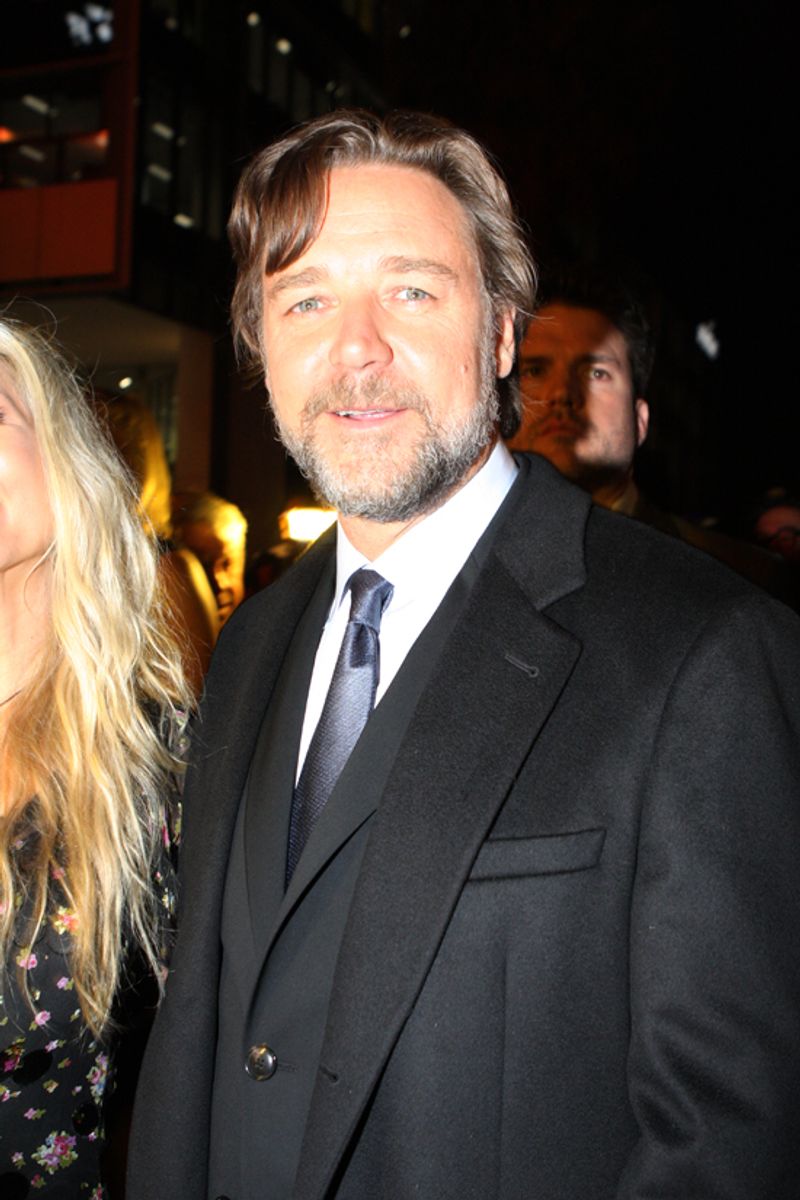
Are you not entertained?! If there’s one line that defines an entire era of cinema, it’s Russell Crowe bellowing those four words inside a packed Roman Colosseum.
Ridley Scott’s Gladiator follows Maximus Decimus Meridius, a betrayed Roman general who becomes a gladiator seeking revenge against the emperor who murdered his family.
The film won five Academy Awards including Best Picture and revived the ancient world epic genre almost single-handedly.
Fun fact: much of Maximus’s dialogue was improvised on set.
11. Hotel Rwanda (2004)
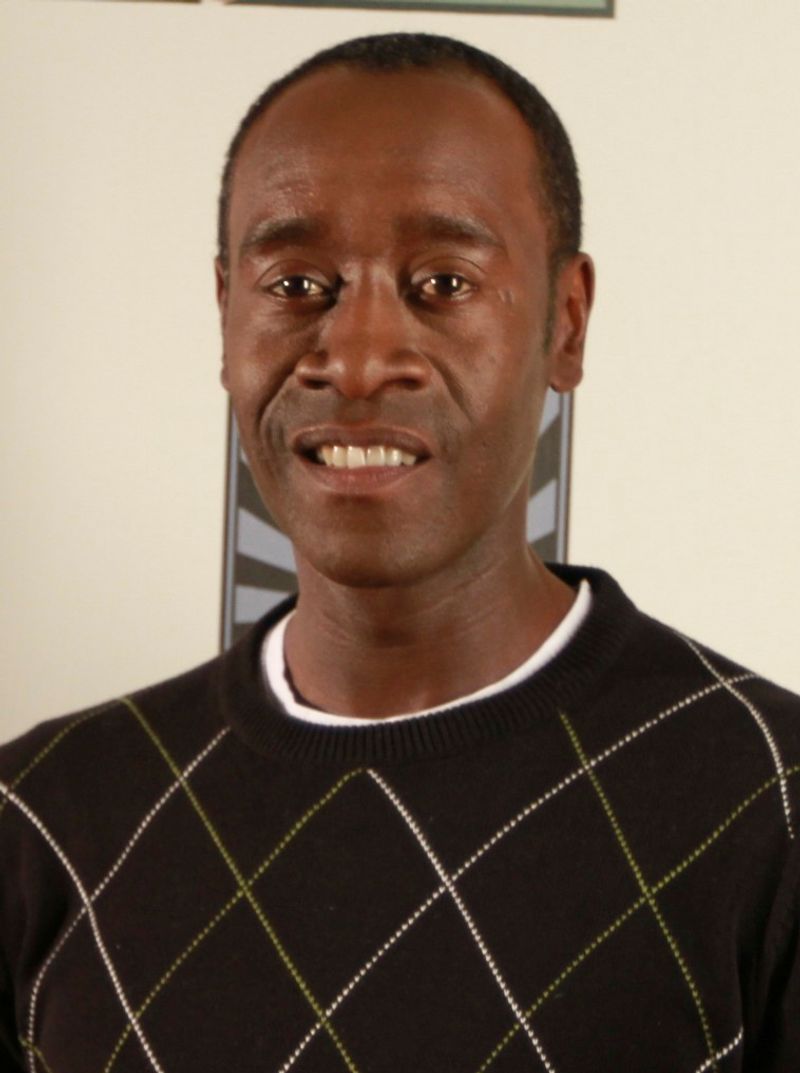
Based on an almost unbelievable true story, Hotel Rwanda follows Paul Rusesabagina, a hotel manager who sheltered over 1,200 Tutsi refugees during Rwanda’s devastating 1994 genocide.
Don Cheadle’s performance is quietly heroic, carrying enormous emotional weight without ever overplaying a single moment.
The film brought global attention to a tragedy that much of the world had looked away from.
Though the real Rusesabagina’s legacy later became complicated, the film’s depiction of ordinary courage in extraordinary horror remains deeply powerful.
12. Kingdom of Heaven (2005)
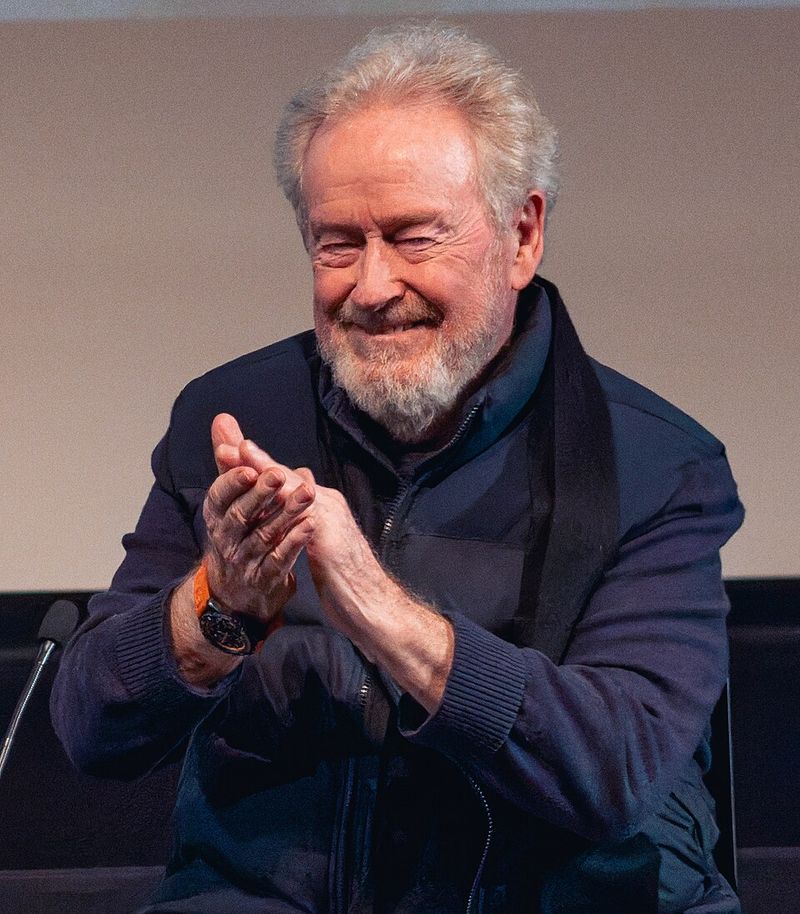
Ridley Scott returned to ancient epic territory with Kingdom of Heaven, a sweeping Crusades story set in 12th-century Jerusalem.
Orlando Bloom plays Balian, a blacksmith who rises to defend Jerusalem against Saladin’s forces.
The theatrical cut was considered average, but the director’s cut, which added 45 minutes of footage, is considered a completely different and far superior film.
Scott’s attention to historical detail is remarkable here, portraying Saladin with genuine dignity and complexity rather than as a simple villain.
13. Apocalypto (2006)
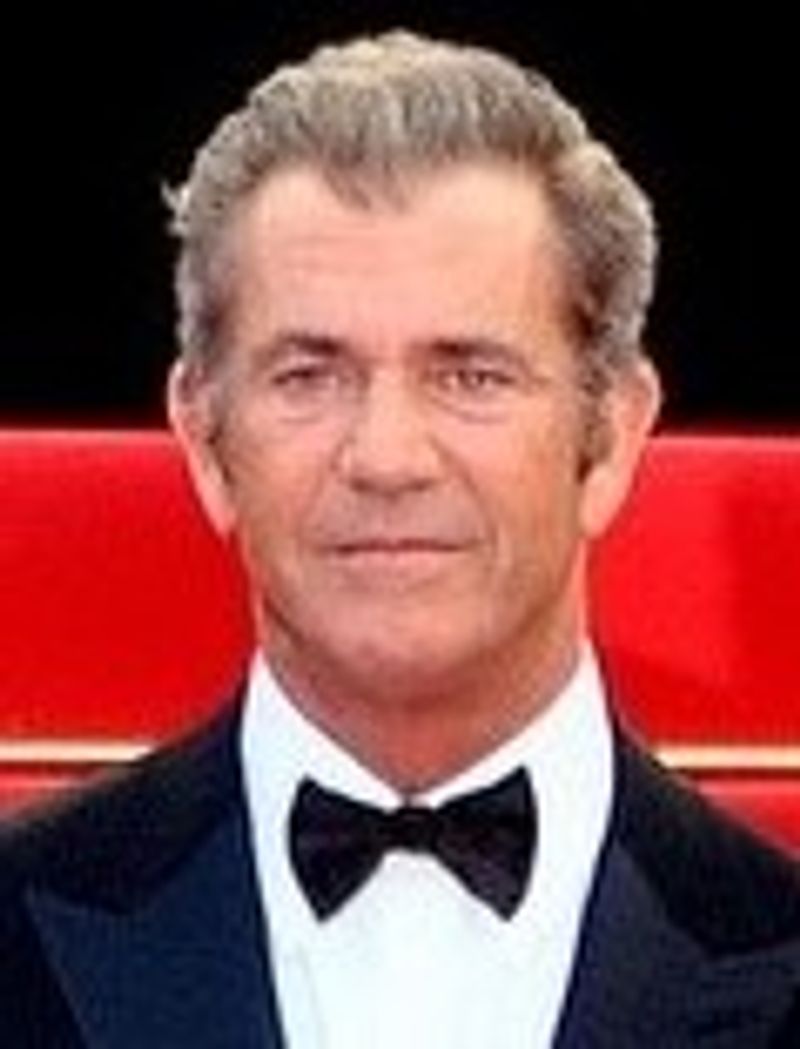
Set in the declining years of the Mayan civilization, the film follows Jaguar Paw, a young hunter who escapes capture and races to save his pregnant wife and child.
Every line of dialogue was spoken in the ancient Yucatec Maya language, making it one of the boldest language choices in Hollywood history. Critics were stunned by its visceral energy and visual authenticity.
Gibson may be controversial, but nobody can deny Apocalypto is an absolutely ferocious cinematic experience.
14. There Will Be Blood (2007)
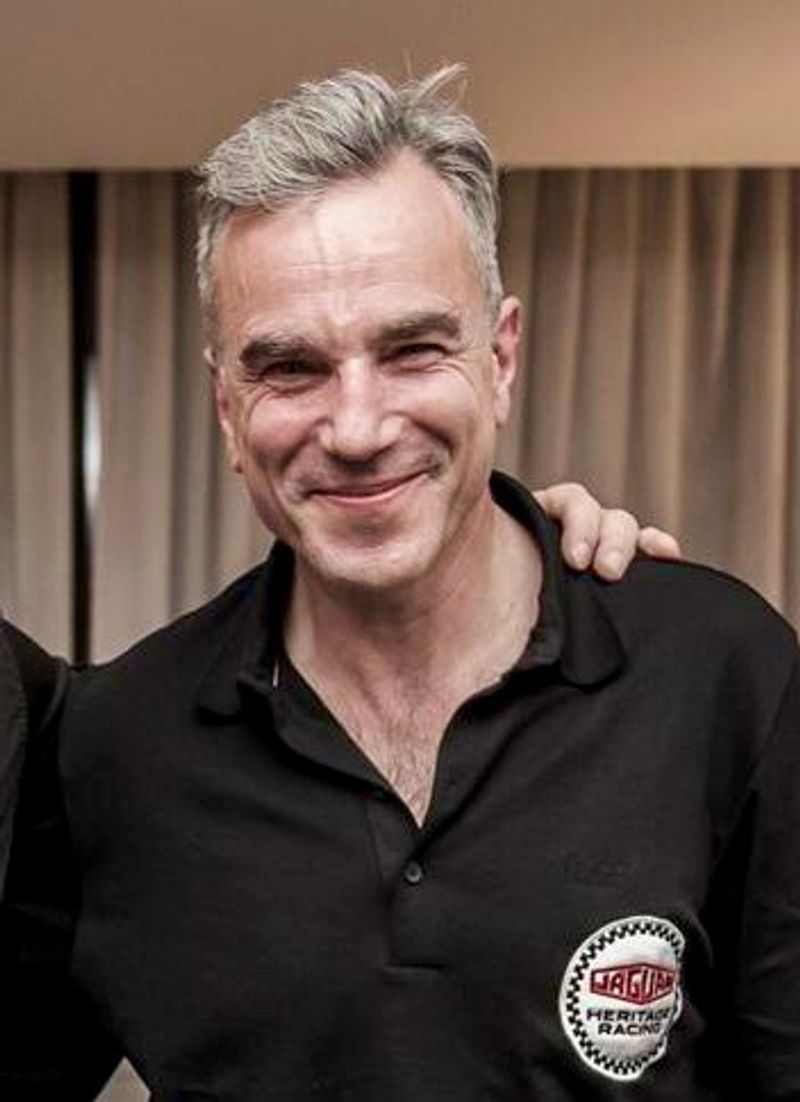
There Will Be Blood is based loosely on Upton Sinclair’s 1927 novel Oil! and directed by Paul Thomas Anderson with extraordinary precision.
The film explores greed, religion, and ambition colliding in America’s frontier capitalism.
Day-Lewis won his second Academy Award for Best Actor, and the final scene featuring a bowling alley became instantly legendary.
I drink your milkshake! became one of cinema’s most quoted lines. Weird and absolutely brilliant.
15. Selma (2014)
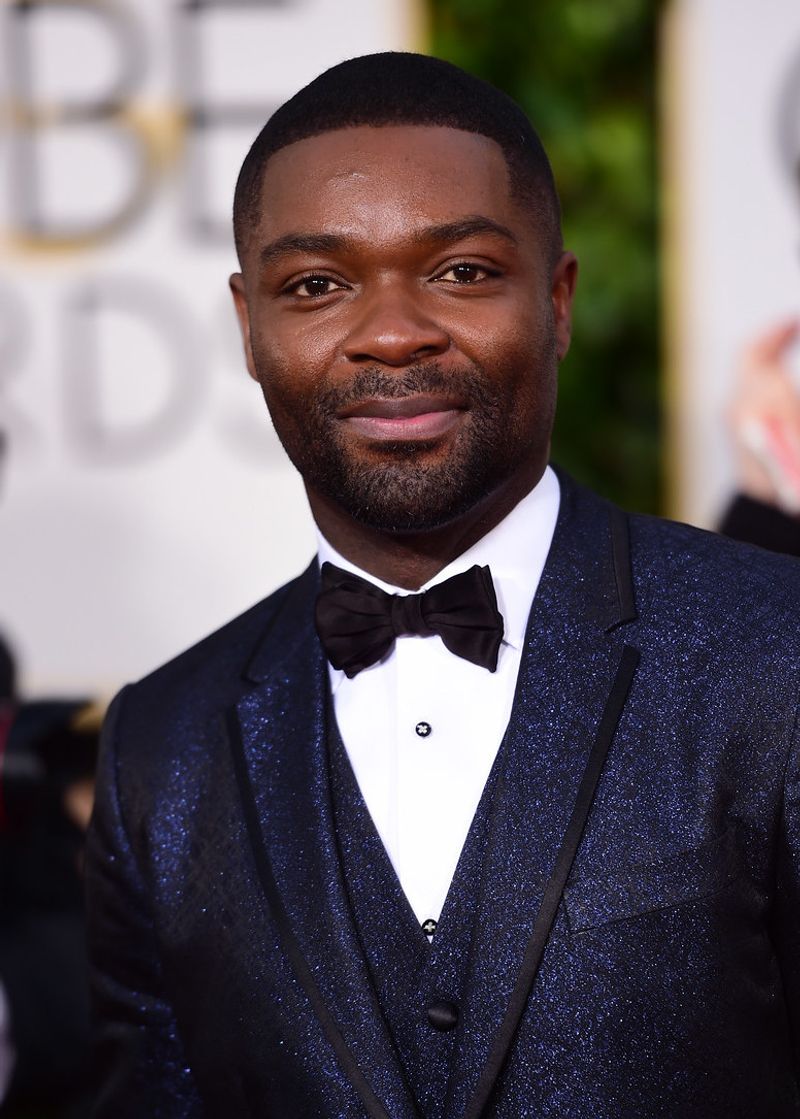
Ava DuVernay directed Selma with such fierce clarity that watching it feels like standing on the Edmund Pettus Bridge yourself.
The film focuses on the 1965 Selma to Montgomery voting rights marches led by Dr. Martin Luther King Jr., played powerfully by David Oyelowo in a role that should have earned him an Oscar nomination.
Selma makes you feel why those marchers kept walking despite everything thrown at them. The film won the Academy Award for Best Original Song with John Legend and Common’s Glory.
Deeply moving and urgently relevant.