17 ’60s Hits That Divided Listeners
Music has a strange power to bring people together or tear them apart, and the 1960s proved this better than any other decade.
While some songs became instant classics, others sparked heated debates at dinner tables, on radio stations, and even in Congress.
These 17 tracks made listeners either fall in love or reach for the dial, creating cultural battles that still echo today.
Disclaimer: All selections and descriptions are based on cultural reaction and opinion rather than any objective or absolute measure of musical value or reception.
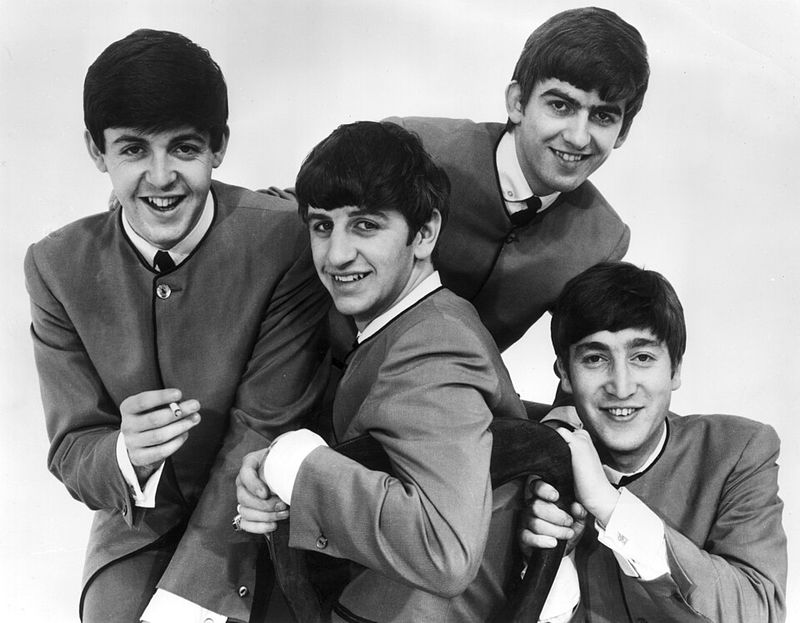
1. Revolution 9, The Beatles
Imagine opening a Christmas gift expecting chocolate and finding Brussels sprouts instead.
That’s how many Beatles fans felt when they first heard this eight-minute sound experiment tucked at the end of The White Album.
John Lennon crafted this avant-garde collage using tape loops, random voices, and sound effects that felt more like a fever dream than music.
Critics called it genius or garbage with zero middle ground.
2. Like a Rolling Stone, Bob Dylan
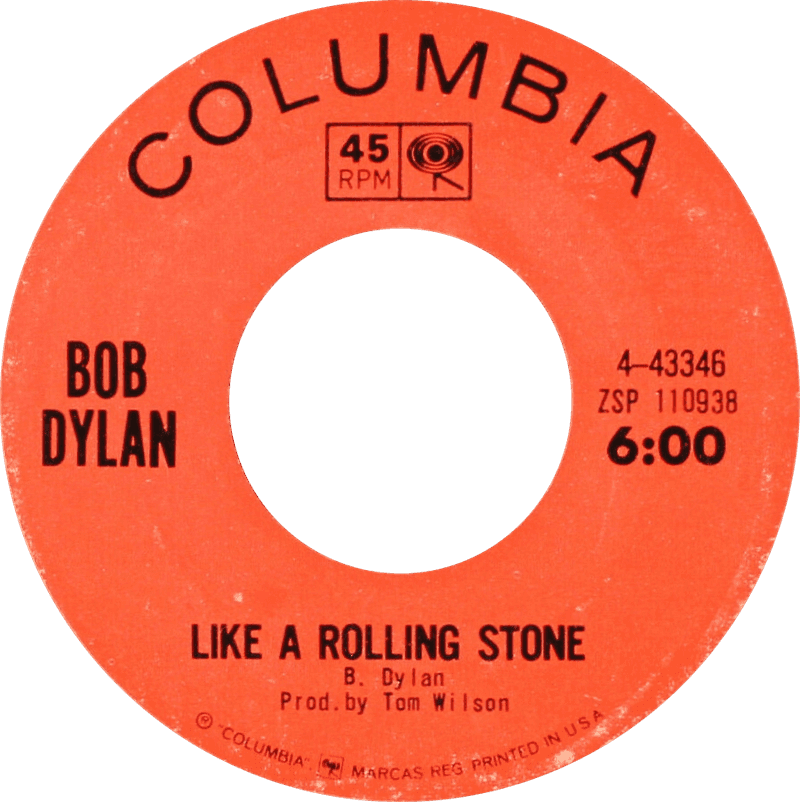
When Dylan plugged in his electric guitar at the Newport Folk Festival, folk purists practically threw their acoustic guitars in protest.
This six-minute anthem broke every radio rule in the book with its length and sneering lyrics about a fallen socialite.
Traditional folk fans felt betrayed, calling Dylan a sellout who abandoned his roots for commercial rock sounds.
However, younger listeners heard liberation and raw honesty that spoke to their generation.
3. Sympathy for the Devil, The Rolling Stones
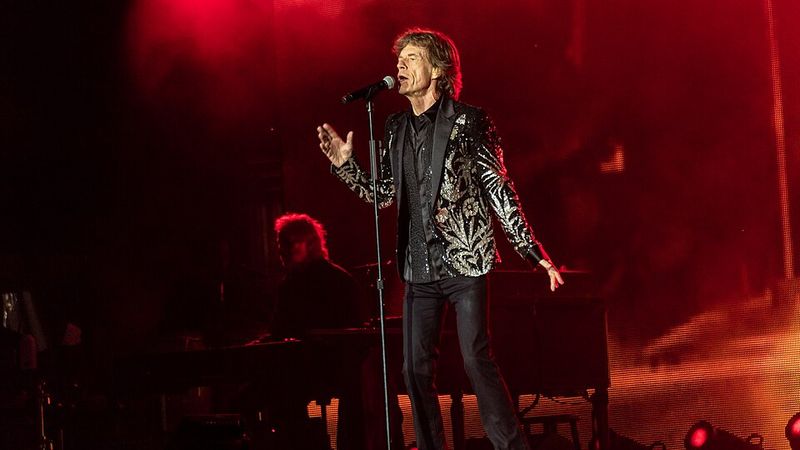
Mick Jagger singing from Satan’s perspective was about as subtle as a brick through a church window.
Religious groups condemned the track immediately, claiming it promoted devil worship and moral decay among impressionable teenagers.
The samba-influenced rhythm and provocative lyrics painted a picture of evil throughout history that made parents everywhere nervous.
Youth loved the rebellion while authorities saw dangerous influence.
4. Brown Eyed Girl, Van Morrison
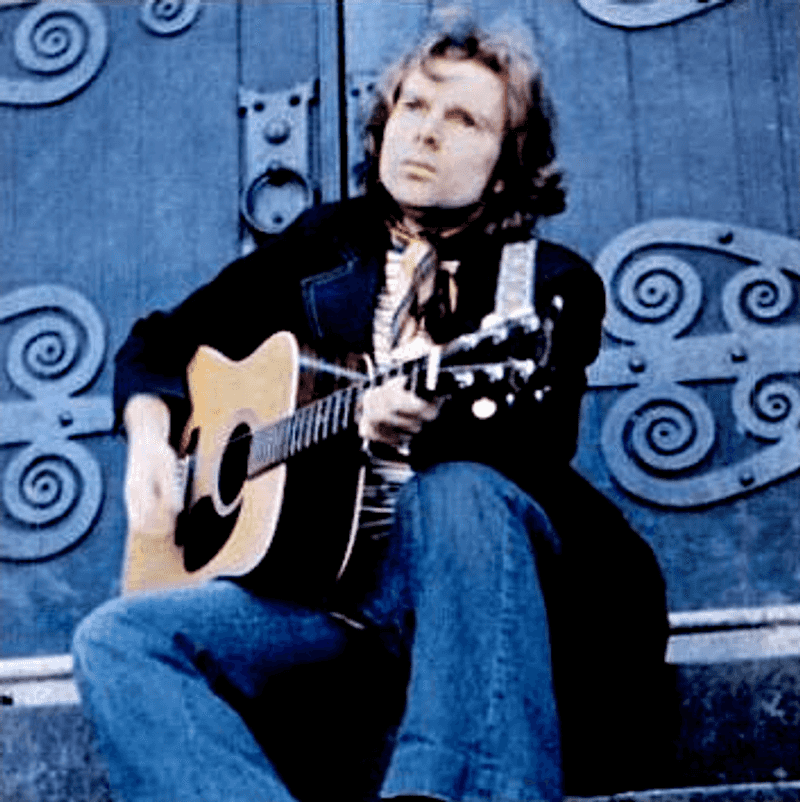
On the surface, this seemed like an innocent nostalgic love song perfect for summer radio play.
However, careful listeners noticed the original lyrics mentioned making love in the green grass, which radio stations quickly censored.
Some critics dismissed it as overly commercial and simple compared to Morrison’s more complex work.
Others argued it was too suggestive for teenage audiences despite its cheerful melody.
5. Mrs. Robinson, Simon & Garfunkel
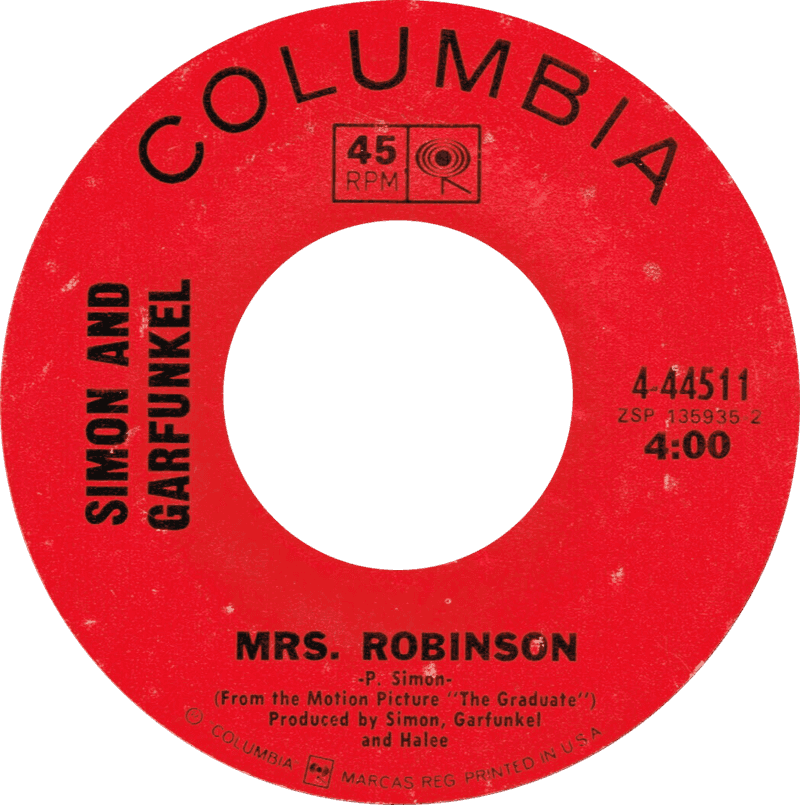
Thanks to The Graduate movie, this song became forever linked with seduction and generational confusion.
Conservative listeners were uncomfortable with lyrics referencing Jesus and celebrating a character who seduces a younger man.
The mysterious Mrs. Robinson represented everything traditional values fought against during the decade’s cultural upheaval.
Folk music purists questioned whether the duo had gone too commercial and Hollywood.
6. All Along the Watchtower, Bob Dylan
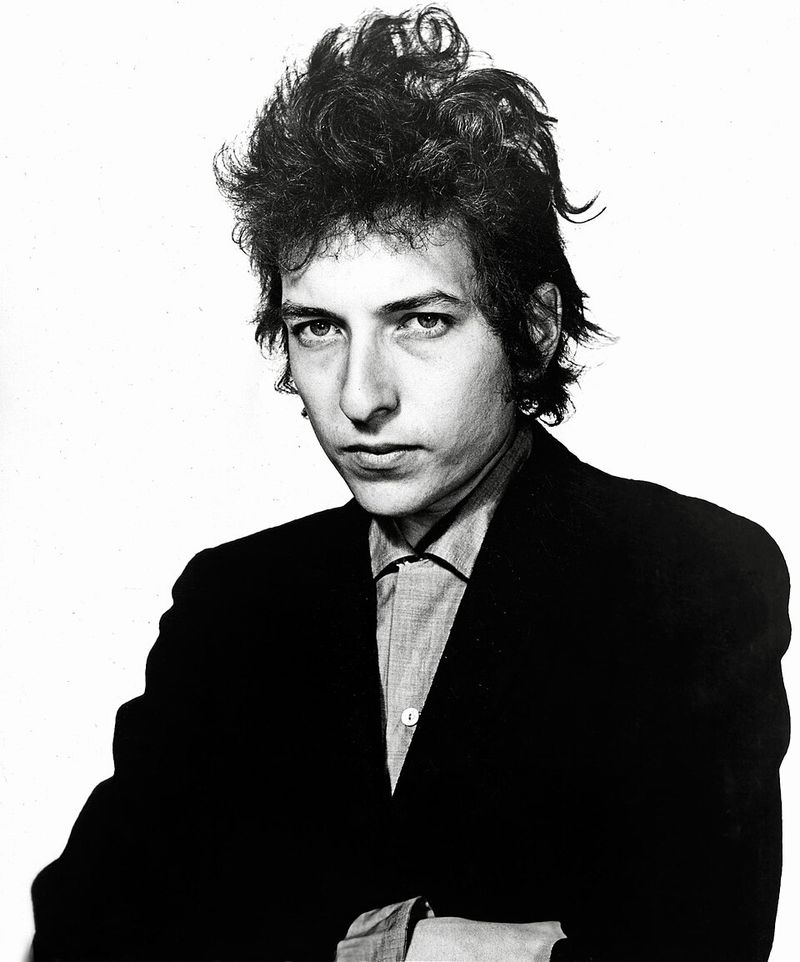
Dylan’s cryptic, almost biblical imagery left listeners scratching their heads and arguing about meanings for decades.
The song felt incomplete, like walking into a movie halfway through without context or resolution.
When Jimi Hendrix covered it with electric fury, debates raged about which version captured the true spirit.
Some appreciated the mysterious, poetic quality while others found it pretentious and unnecessarily obscure.
7. White Rabbit, Jefferson Airplane
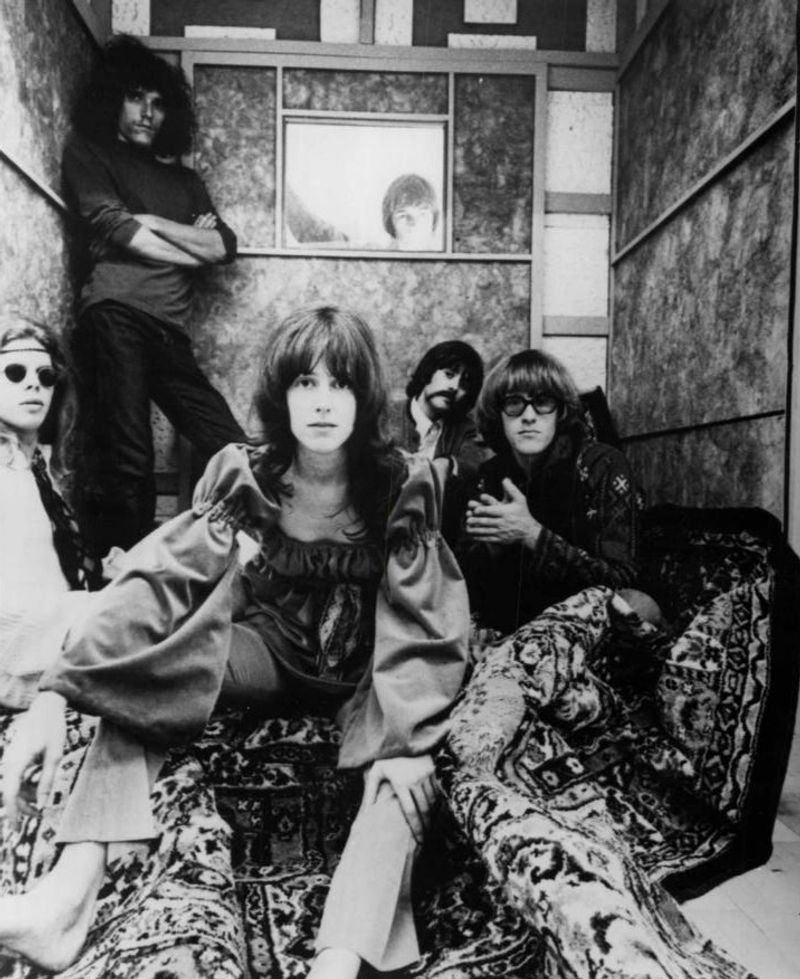
Grace Slick’s Alice in Wonderland references seemed innocent until you realized every line hinted at drug experiences.
Parents and politicians saw this as blatant drug propaganda disguised as children’s literature references.
Counterculture youth heard it as an anthem for consciousness expansion and questioning reality.
8. Good Vibrations, The Beach Boys
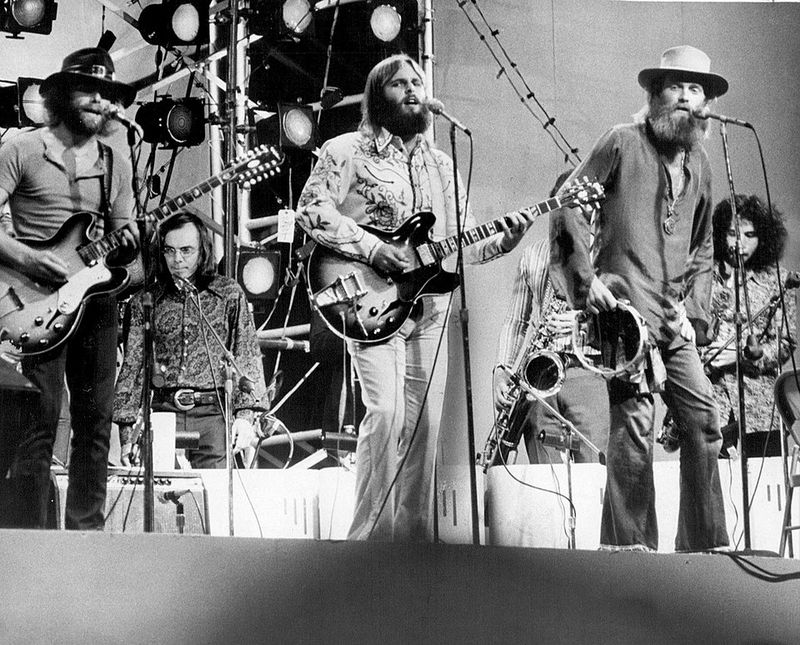
Brian Wilson spent months and thousands of dollars creating this pocket symphony that confused traditional Beach Boys fans.
Where were the simple surf harmonies and car songs everyone expected and loved?
Instead, they got theremin sounds, cello breaks, and bizarre structure changes that felt more like classical music than pop.
Critics split between calling it a revolutionary masterpiece or an overproduced mess that lost the band’s original charm.
9. Light My Fire, The Doors
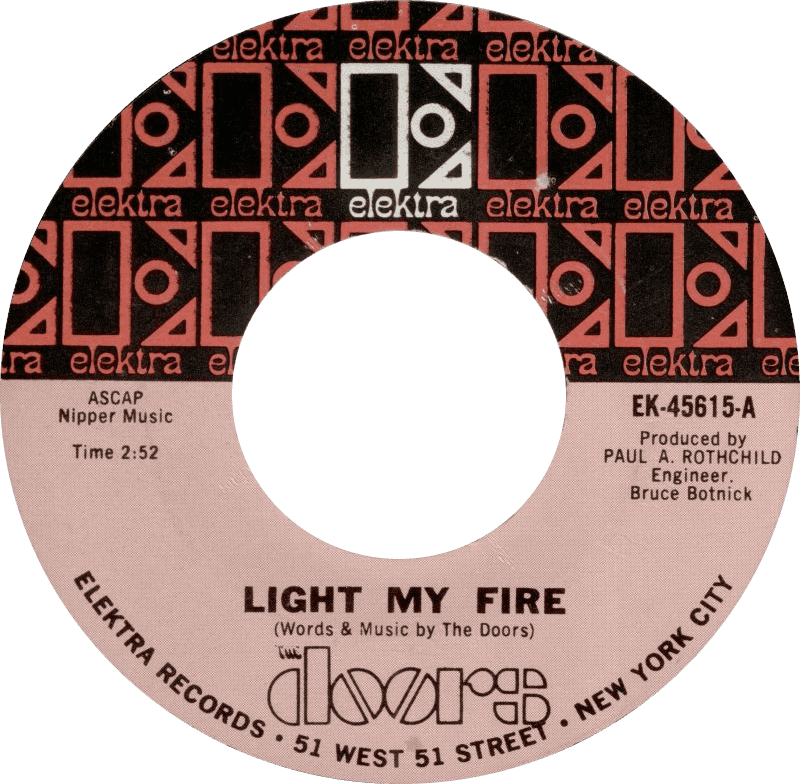
Jim Morrison’s sultry vocals combined with Ray Manzarek’s hypnotic organ created something that felt dangerously seductive for 1967 radio.
The song’s extended instrumental breaks were revolutionary but frustrated listeners who wanted traditional three-minute pop structures.
When Morrison refused to change a controversial line on The Ed Sullivan Show, it sparked nationwide debate.
10. Street Fighting Man, The Rolling Stones
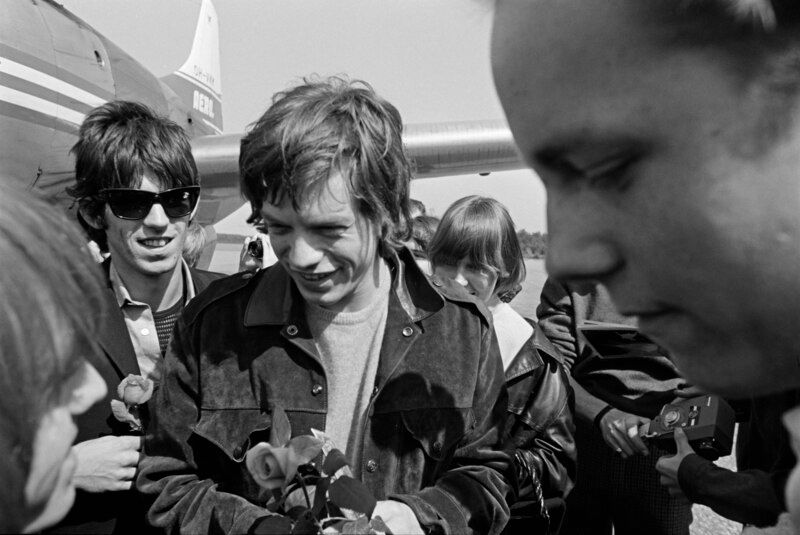
Released during a year of riots and protests, this song arrived like gasoline near an open flame.
Radio stations in Chicago banned it entirely, fearing it would incite violence during the Democratic National Convention chaos.
The Stones claimed it was actually about the futility of revolution, but the aggressive title suggested otherwise to nervous authorities.
11. My Generation, The Who
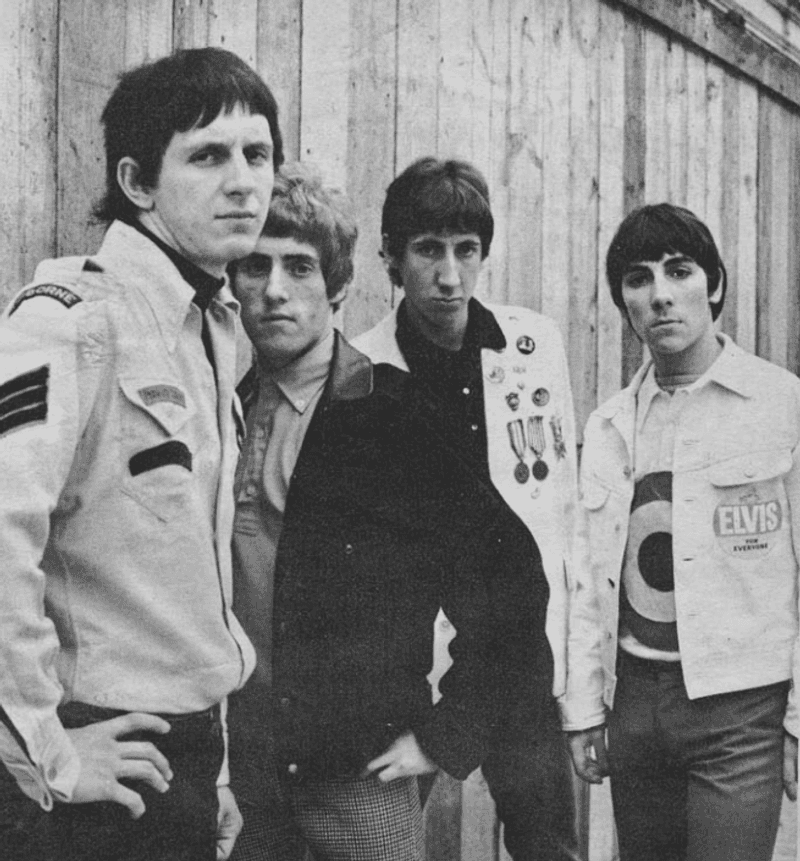
Roger Daltrey’s stuttering vocals and lyrics about hoping to die before getting old horrified the older generation.
Parents saw it as nihilistic and disrespectful, promoting a dangerous disregard for life and wisdom.
The aggressive sound and Pete Townshend’s guitar-smashing antics seemed like pure rebellion without purpose.
However, teenagers heard their frustration perfectly captured in three explosive minutes of raw energy.
12. Hey Jude, The Beatles
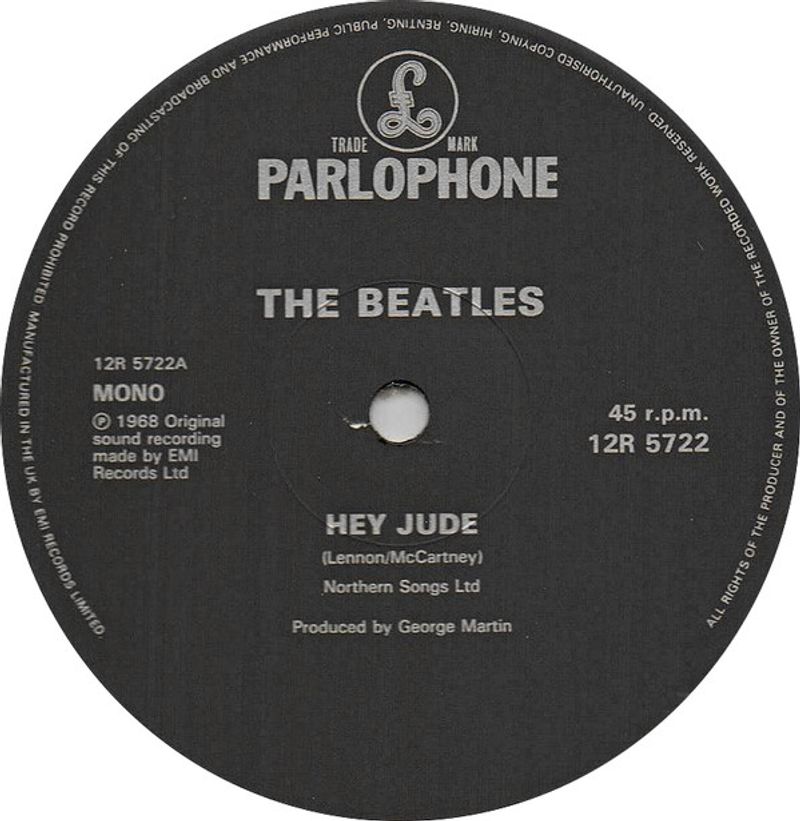
Radio programmers nearly had heart attacks when they received a seven-minute single that refused to fade out quickly.
The extended na-na-na chorus that lasted over four minutes seemed indulgent and repetitive to traditional listeners.
Some called it a masterpiece of emotional build-up while others found it tedious and self-important.
Though written as comfort for John Lennon’s son during his parents’ divorce, some heard hidden meanings everywhere.
13. Turn! Turn! Turn!, The Byrds
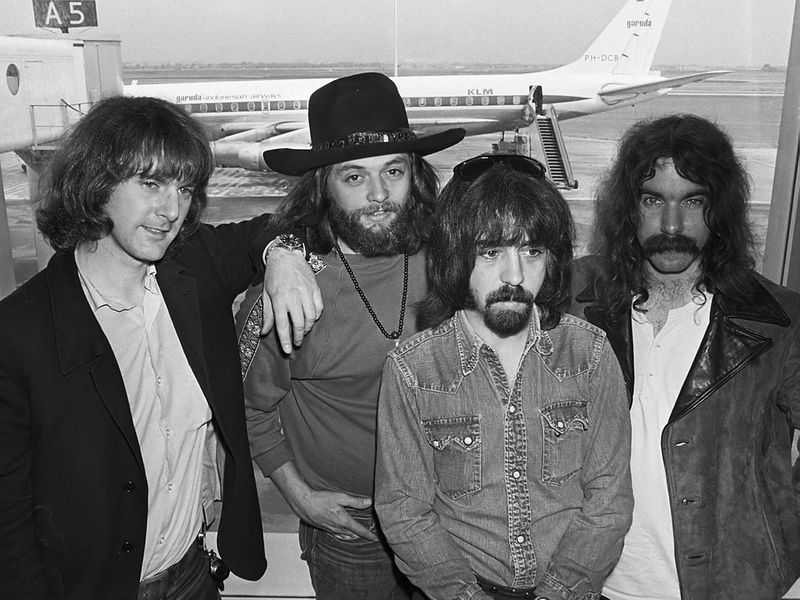
How controversial could a song be when its lyrics came almost entirely from the Book of Ecclesiastes?
Surprisingly controversial, as it turned out, when set to jangling folk-rock during the Vietnam War era.
Some heard it as a peace anthem protesting war, while others embraced it as a spiritual message about divine timing.
Conservative religious listeners questioned whether sacred scripture should be turned into pop music entertainment.
14. Aquarius/Let the Sunshine In, The 5th Dimension
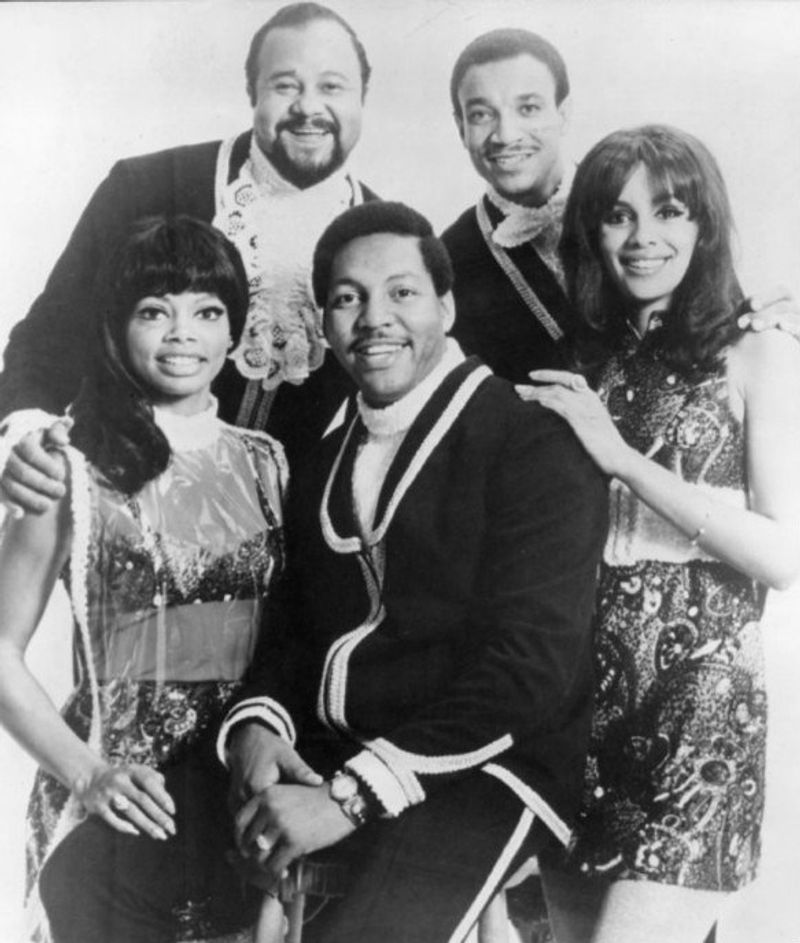
Taken from the controversial hippie musical Hair, this medley brought counterculture directly into mainstream living rooms.
The Age of Aquarius message about harmony and understanding sounded like hippie nonsense to conservative listeners.
References to the moon being in the seventh house and Jupiter aligning with Mars seemed like astrological foolishness.
15. These Boots Are Made for Walkin’, Nancy Sinatra
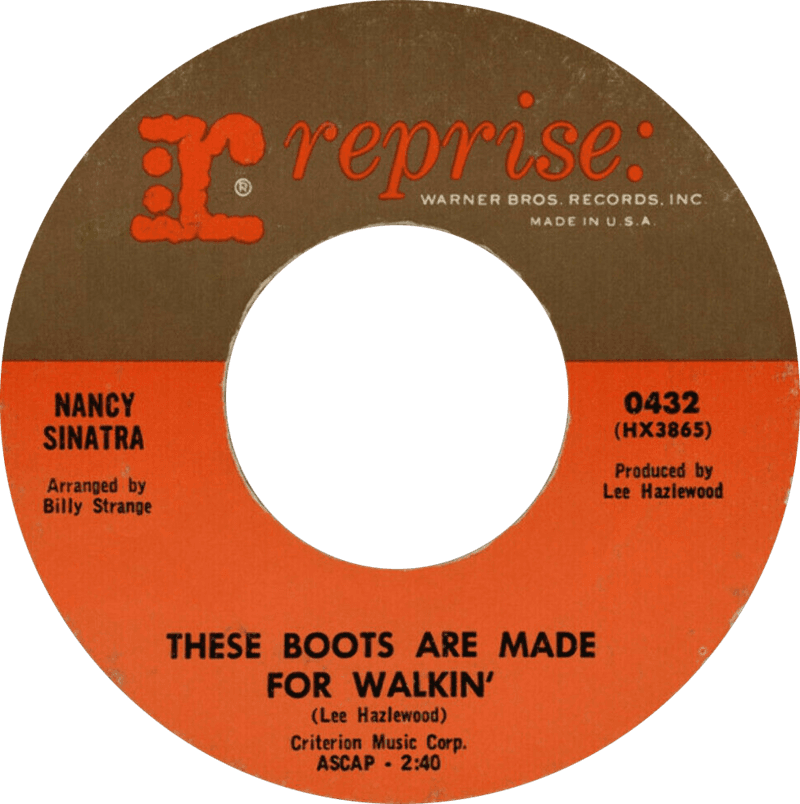
Nancy Sinatra strutting in go-go boots while threatening to walk all over a cheating man shocked traditional listeners.
Women weren’t supposed to be that assertive or threatening in popular music back then.
Some celebrated it as female empowerment and liberation from passive love songs.
Others found it aggressive, unfeminine, and inappropriate for young girls to hear.
16. Eve of Destruction, Barry McGuire

This apocalyptic protest song hit radio like a punch to the face with its litany of social problems.
Many radio stations banned it outright for being too negative and unpatriotic during wartime.
Supporters saw it as brave truth-telling while critics called it defeatist propaganda undermining American values.
The song forced listeners to confront uncomfortable realities or angrily reject its pessimistic worldview entirely.
17. MacArthur Park, Richard Harris

At over seven minutes long with bizarre lyrics about melting cake left out in the rain, this song baffled millions.
Some heard it as ambitious, poetic brilliance pushing the boundaries of what pop music could express.
Others heard pretentious nonsense that took itself way too seriously with overwrought orchestration and incomprehensible metaphors.
The image of someone devastated about a ruined cake recipe became either deeply moving or utterly ridiculous.