12 Hollywood Celebrities Who Have Pushed Back Against AI In Entertainment
Hollywood is not exactly whispering when it comes to artificial intelligence. Voices, faces, and creative work suddenly feel a lot less protected, and that has people speaking up fast and very loudly.
Lines are being drawn, opinions are getting sharper, and this conversation is not slowing down anytime soon.
1. Scarlett Johansson
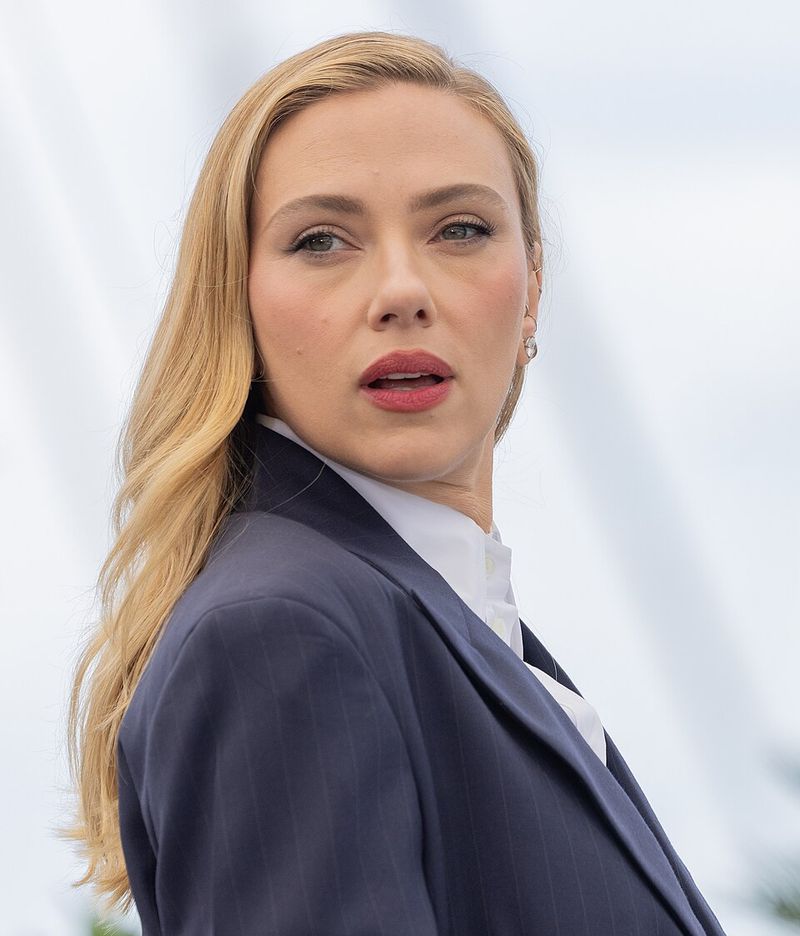
A notification arrives announcing that a major tech company launched an AI voice that sounds exactly like your own, even after a clear refusal. Scarlett Johansson faced that exact scenario in 2024 when OpenAI introduced a voice she described as “eerily similar” to hers, despite her earlier decision to decline a collaboration.
Her legal team responded quickly, and the dispute became one of the clearest flashpoints in Hollywood’s debate over AI voice rights.
2. Tom Hanks
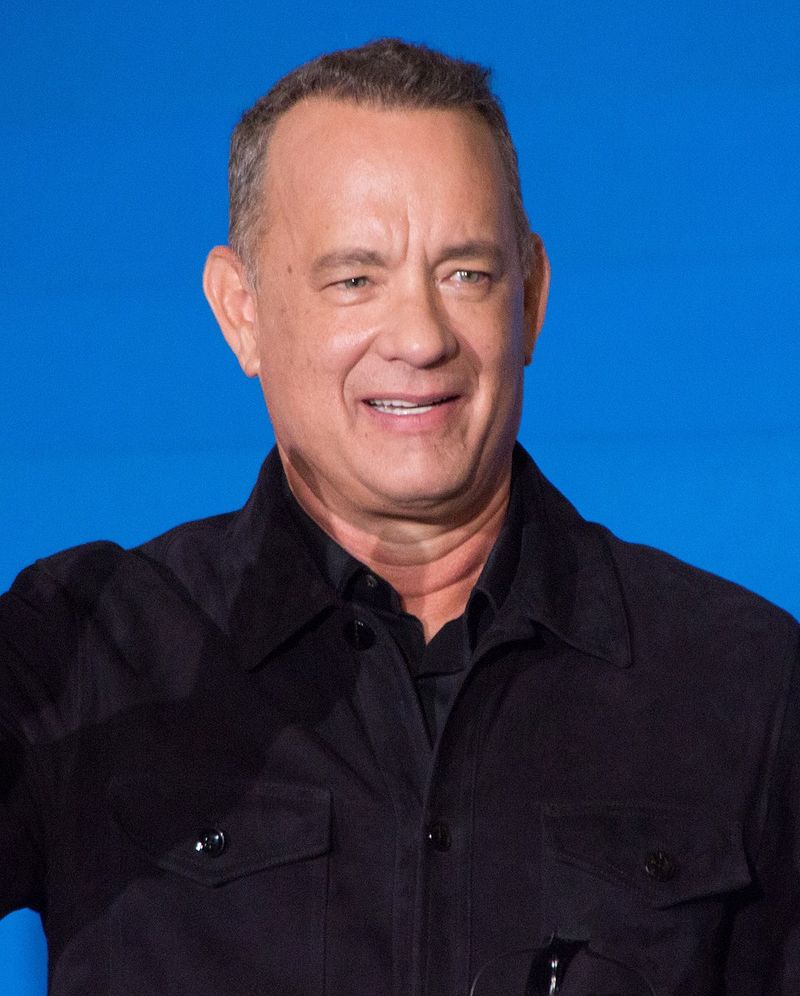
Scrolling through a feed on a lazy Tuesday morning can suddenly reveal a convincing ad featuring Tom Hanks, even when he never filmed it.
Exactly that kind of unauthorized AI-generated video was flagged by Hanks, with a clear warning for fans not to trust every familiar face appearing online.
Open conversations from him have highlighted how digital cloning could allow studios to generate performances long after an actor retires or passes away. Give him a gavel, and he starts to resemble a one-man courtroom on the issue.
3. Keanu Reeves
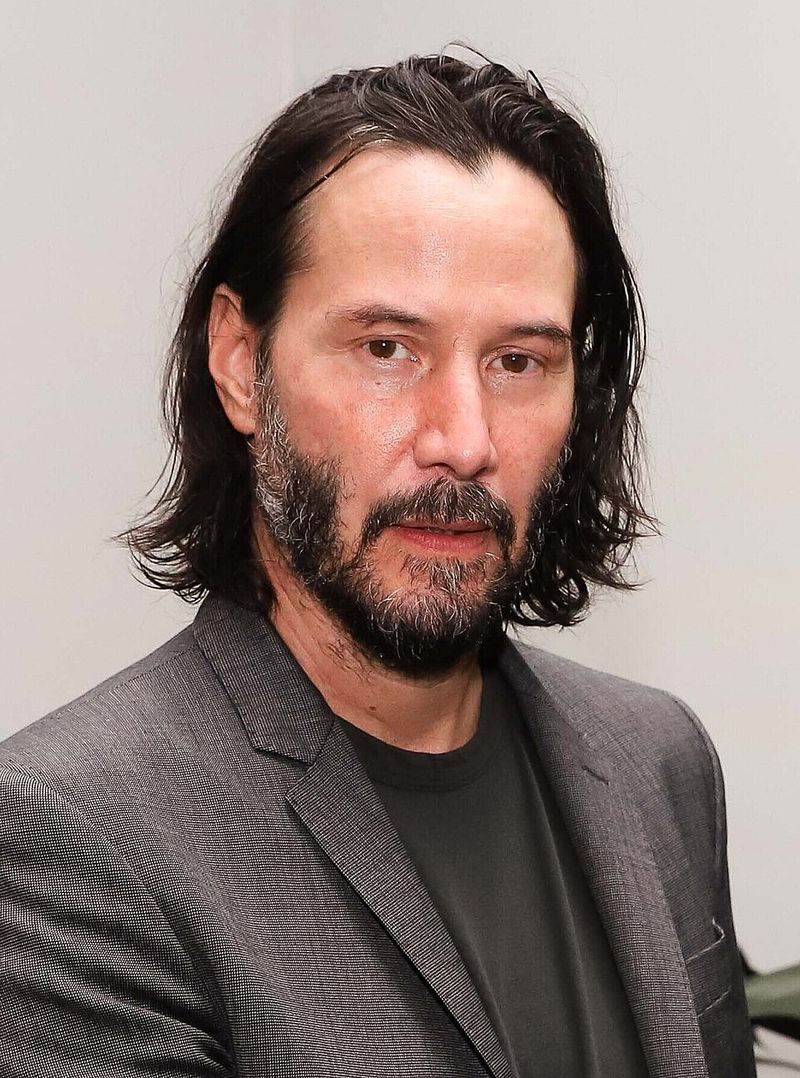
Action roles may define his screen presence, yet Keanu Reeves also pushes back offscreen, especially when it comes to unauthorized digital manipulation of his performances.
Concerns about deepfake technology led him to call it “scary” while also shaping contract language that prevents studios from altering his work without permission, a level of fine-print awareness rarely seen in an industry where stars often sign first and ask questions later.
That concern has extended beyond interviews and into the contract language surrounding his performances.
4. Nicolas Cage
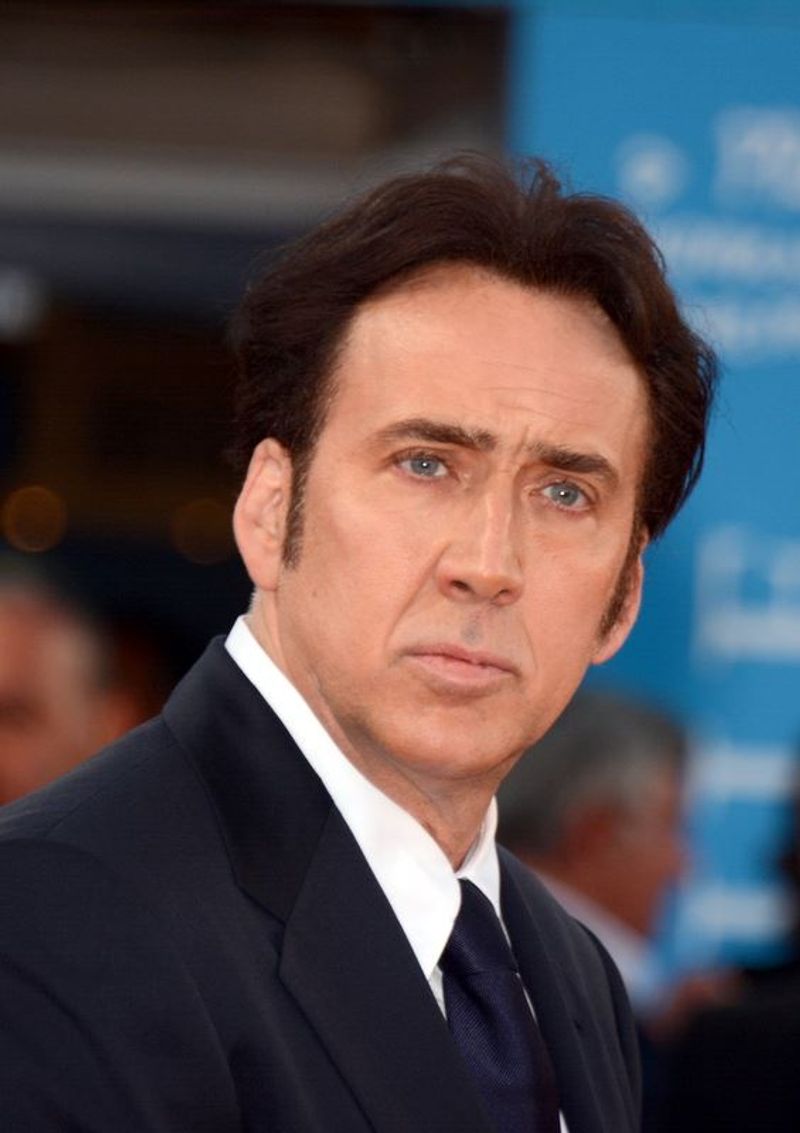
Few actors wear their emotions as openly as Nicolas Cage, so when he says something scares him, it lands differently than most celebrity warnings.
Cage has spoken forcefully about AI in acting, warning that performers should not let automated systems replace the human side of the craft. A busy day on a film set, he argues, cannot be replicated by an algorithm.
Art needs a heartbeat, full stop.
5. Justine Bateman
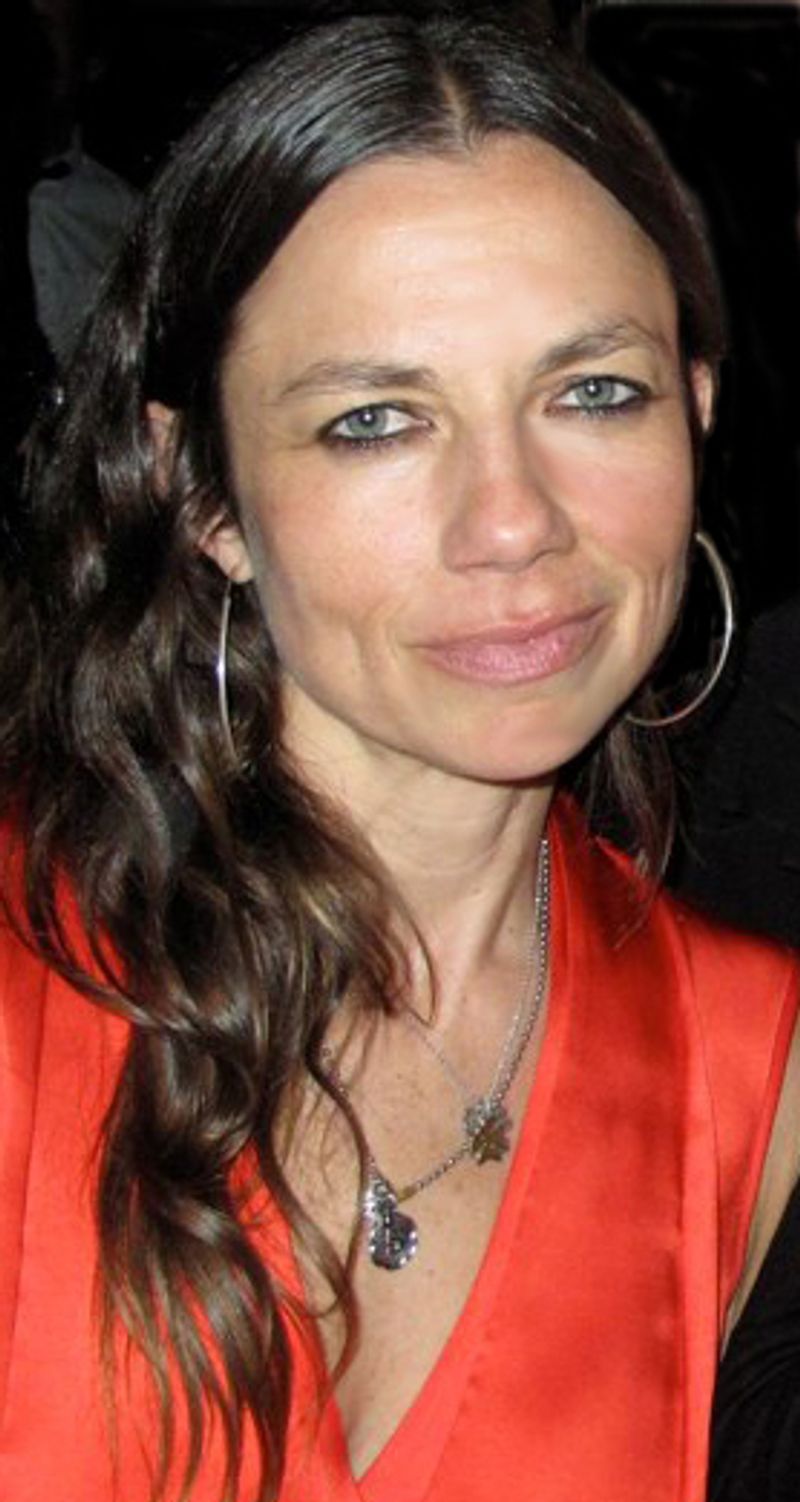
Well ahead of most of Hollywood catching up, concern about generative AI replacing on-set human labor was already being raised by Justine Bateman.
One of the earliest and most persistent critics in the industry, she has argued that generative AI threatens jobs, artistic standards, and the long-term health of creative communities.
Calendar reminders in her world probably read “fight AI” while others were still asking what a large language model even was. Pioneer energy comes through clearly, no question.
6. Joseph Gordon-Levitt
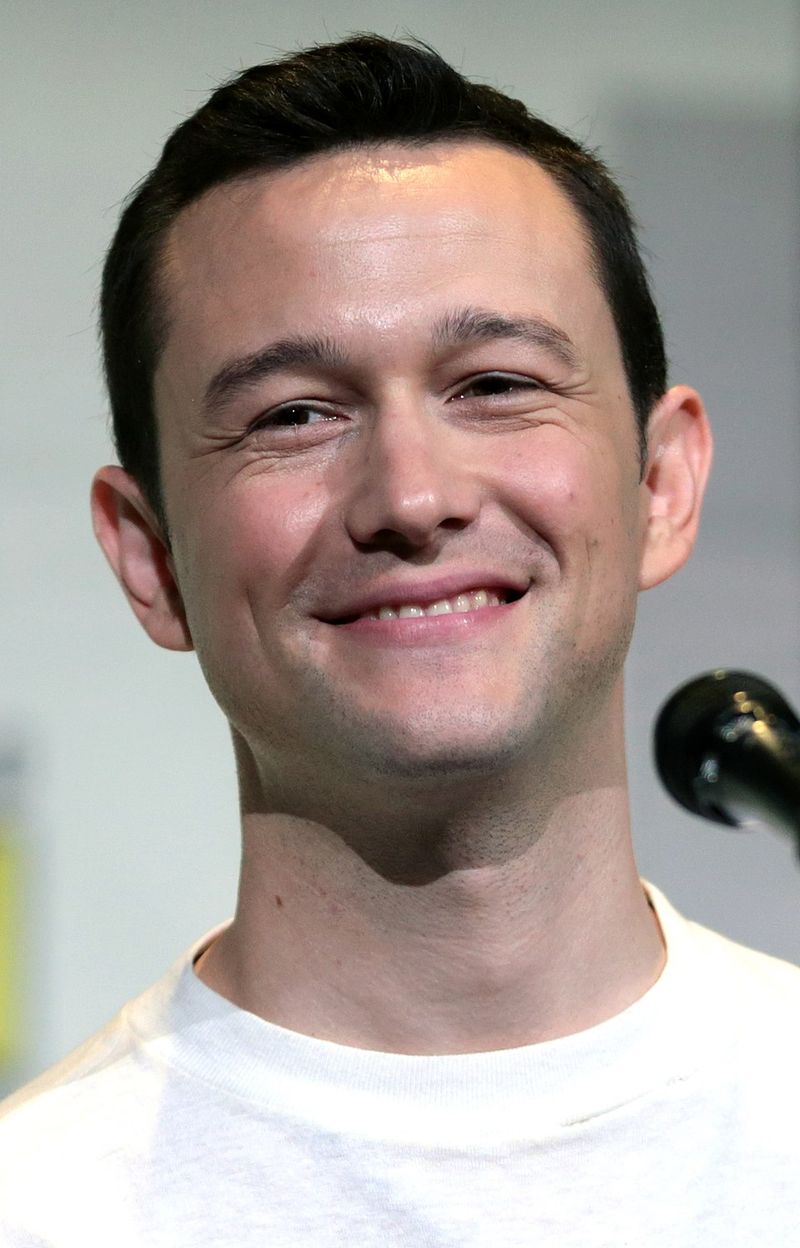
Joseph Gordon-Levitt tackles the AI debate like a sharp editor cleaning up a messy script, bringing precision and zero patience for anything unfair.
Clarity defines his argument. If your creative work was used to train an AI model, you deserve to be compensated for it, full stop.
Current AI training practices come across as a quiet form of misuse unfolding in plain sight while many creators scroll past it on their phones.
7. Natasha Lyonne
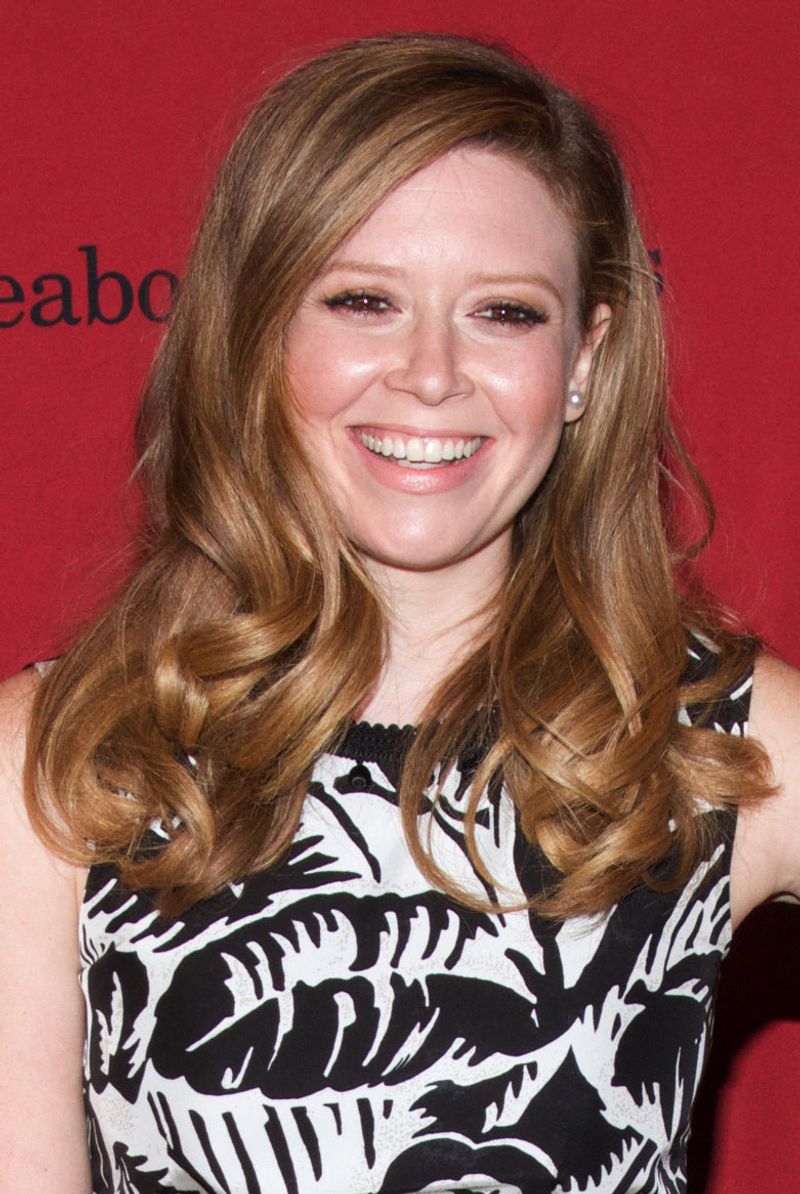
In 2025, Natasha Lyonne helped lead a major Hollywood open letter urging the U.S. government to preserve copyright protections in the AI era.
Lawmakers were urged in the letter to resist weakening copyright protections that could effectively hand AI companies free access to creative work built over lifetimes.
Unapologetic energy shapes her advocacy with the same force and clarity she brings to every role she takes on. Straight-to-the-point momentum defines the whole thing, with no softness around where she stands.
8. Ben Stiller
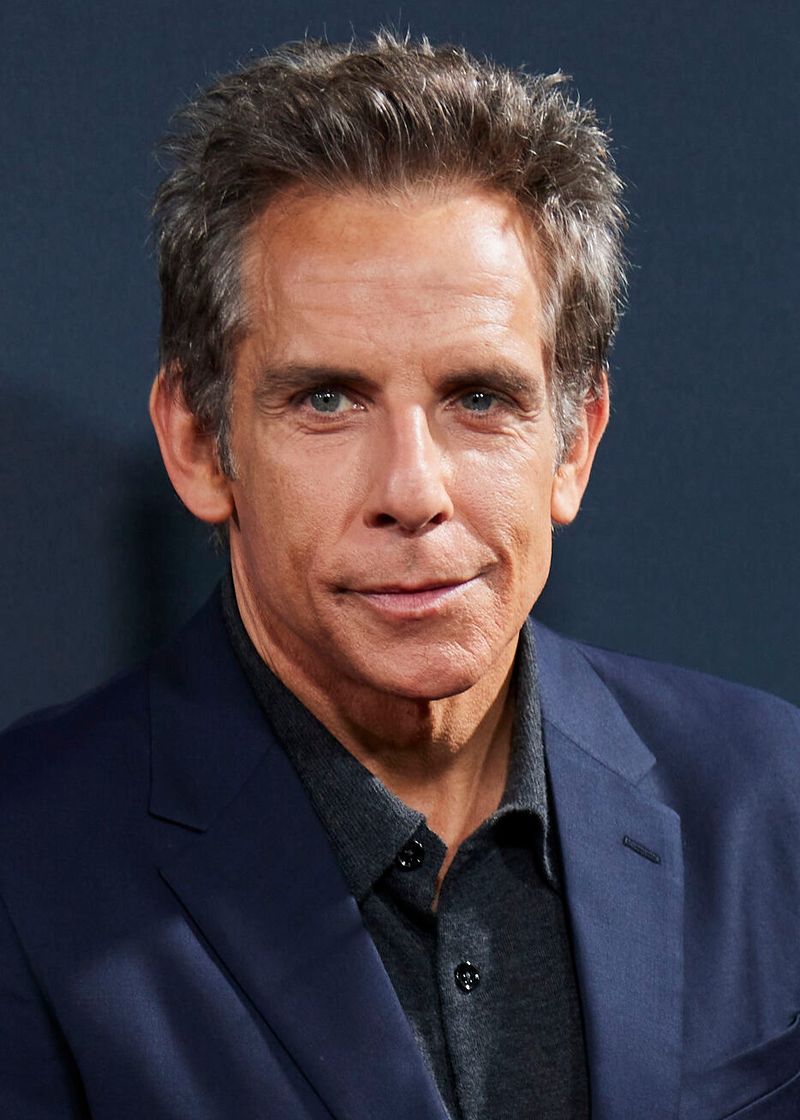
Ben Stiller joined a major 2025 industry letter opposing efforts to weaken copyright protections for AI training.
Business took priority as he joined a prominent Hollywood push demanding that AI firms secure proper licensing before using copyrighted material instead of scraping creative work without consent.
By the door sits a packed bag, and the message comes through clearly, with the industry prepared to walk if the rules do not change. Not every move from Stiller arrives with a punchline.
9. Aubrey Plaza
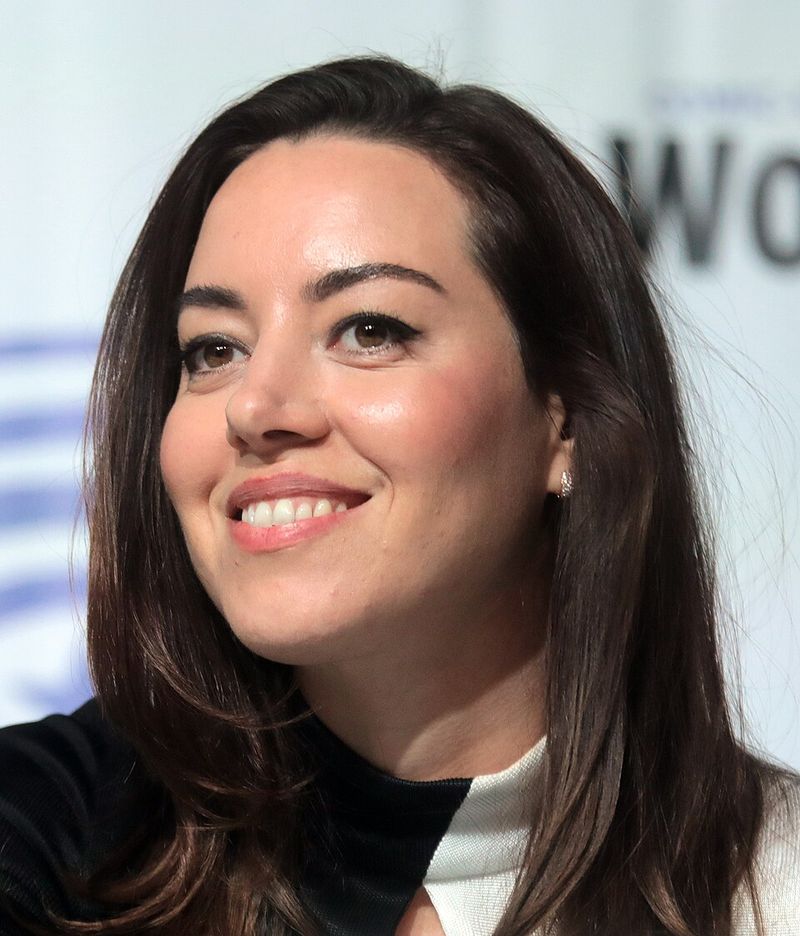
Plenty of absurd situations have met Aubrey Plaza’s trademark dry stare, yet AI companies raiding Hollywood’s creative catalog without permission might top the list.
Among the signatories was Plaza, who supported Hollywood’s effort to stop AI companies from using copyrighted work without proper licensing.
One calm morning spent reading the fine print apparently proved enough to land her name on the dotted line. Her inclusion showed how wide the concern had become across the industry.
10. Cate Blanchett
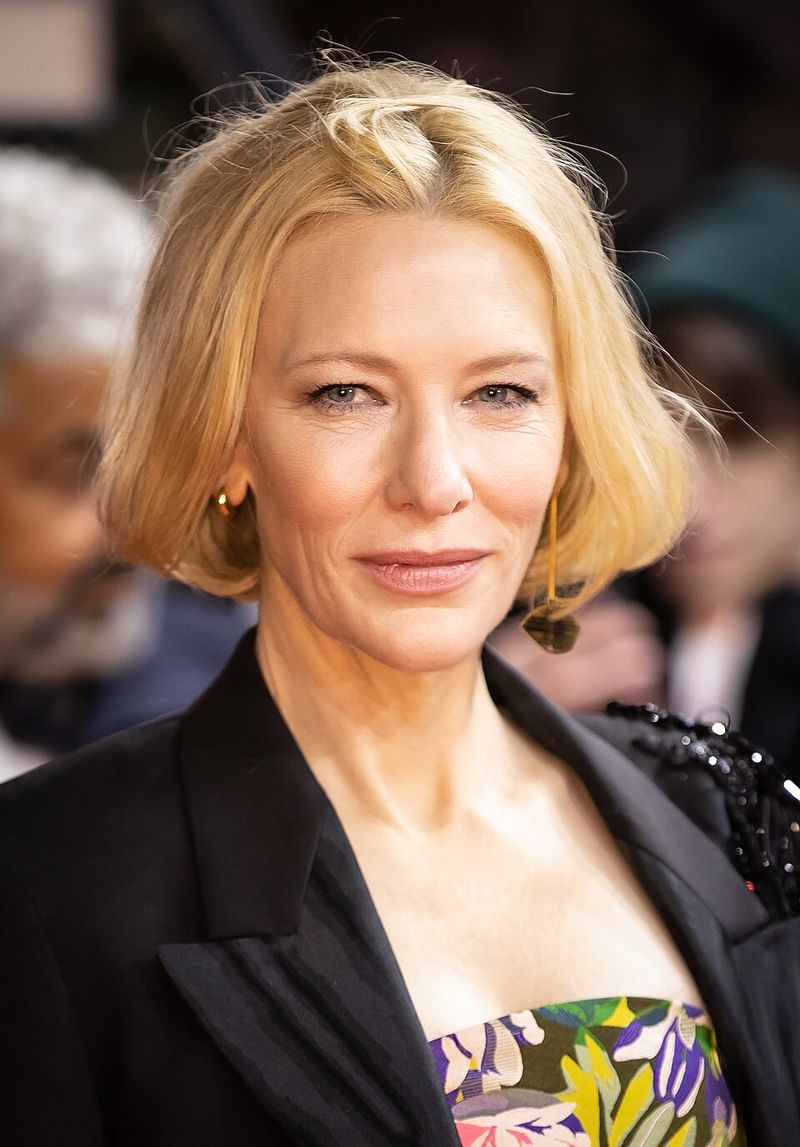
Cate Blanchett carries a quiet authority that makes every position she takes feel like the final word on the matter.
Blanchett was among the high-profile signatories opposing efforts to relax copyright rules for AI training, and she later appeared in broader campaigns criticizing unlicensed use of creative work. Her support carries weight in a conversation where star power genuinely moves political needles.
When Blanchett adds her name to something, rooms go still and people listen.
11. Mark Ruffalo
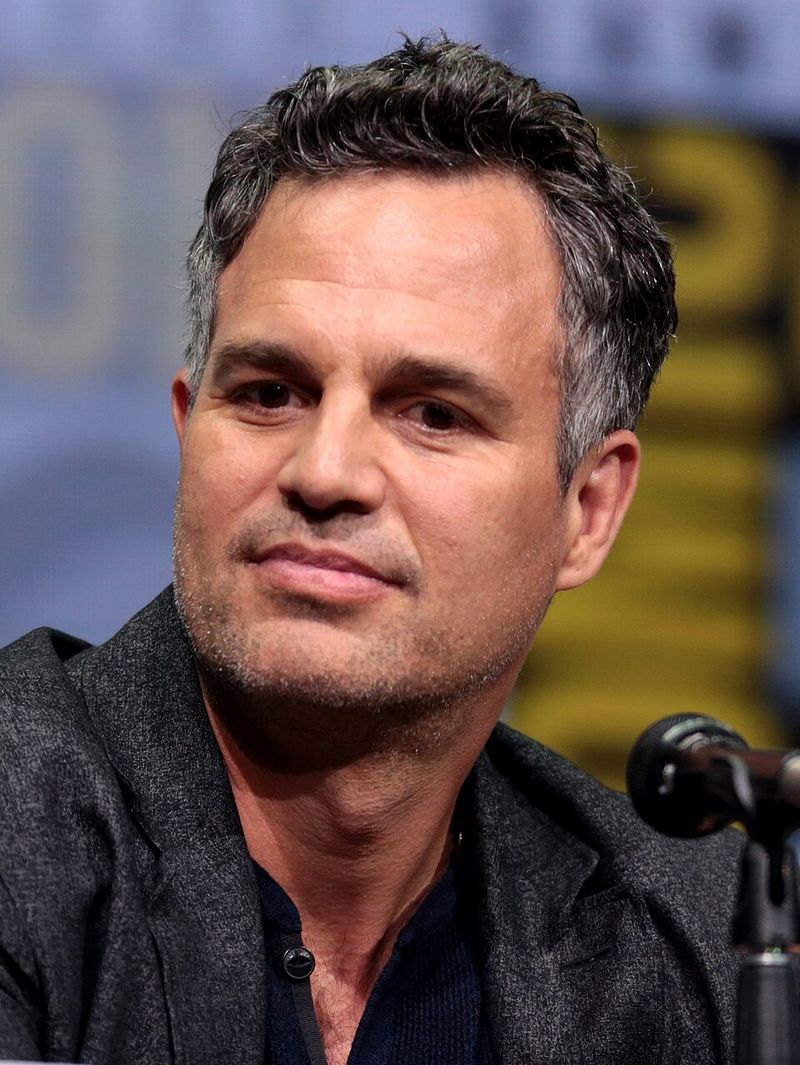
Standing up for the underdog has long been part of Mark Ruffalo’s public persona, both on screen and beyond, and the AI copyright fight fits right into that pattern.
Among the notable Hollywood signatories, his name appeared in opposition to AI companies accessing copyrighted material without negotiated permission.
Daily life already balances activism with acting, so adding support to a creator-rights petition feels as natural as a morning coffee ritual. The Hulk may smash things, but Ruffalo signs the ones that matter.
12. Ava DuVernay
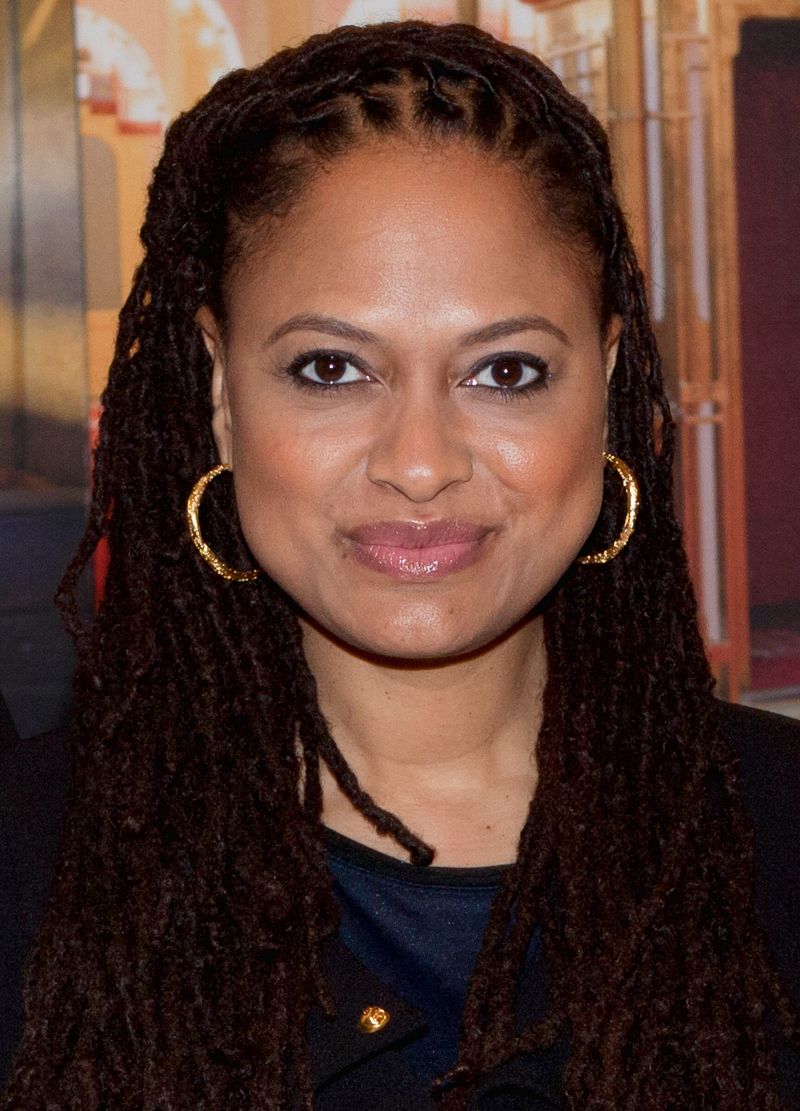
Building a career around stories others overlooked makes protecting the integrity of storytelling from AI exploitation deeply personal for Ava DuVernay. Signing the 2025 Hollywood letter, she called on the U.S. government to keep copyright protections firmly in place against AI training demands.
Every morning, her calendar reminder likely pushes the same message: protect the work, protect the workers, protect the future.
Stories are not data sets, and she continues to make that point clear.
Note: This article reflects publicly reported statements, interviews, and industry actions related to artificial intelligence in entertainment. In several cases, the individuals listed objected to specific AI uses, such as unauthorized voice imitation, digital likeness misuse, or unlicensed training on copyrighted work, rather than opposing all AI technology in every context.
The content is provided for general informational and entertainment purposes.