20 Hollywood Moments That Sparked Debate About Racism
Hollywood loves holding up a mirror, even when the reflection is super awkward.
Think racist casting, cringey award show moments, and epic who-gets-to-tell-whose-story fights. Some changed the industry.
Others left lasting controversy and a lot of unresolved debate.
1. The Birth Of A Nation (1915)
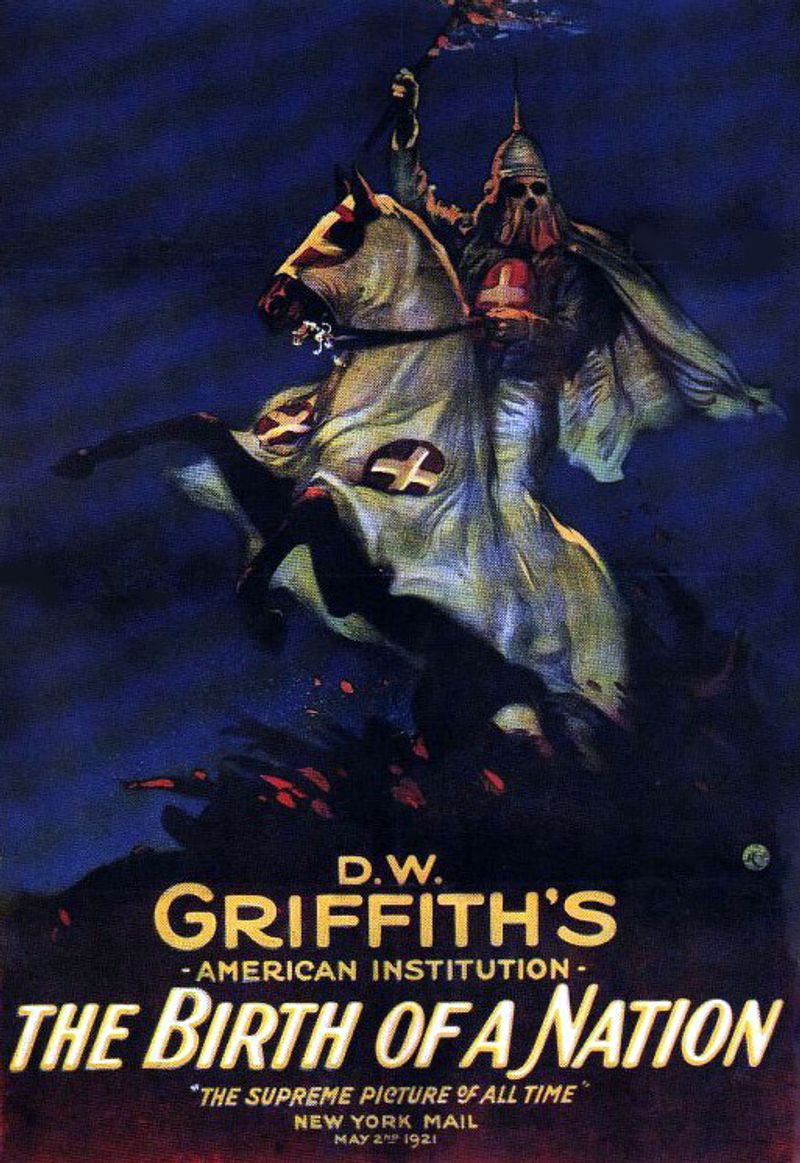
Modern cinema practically got invented by one film, which also lit one of America’s longest-burning controversies. From 1915 comes D.W. Griffith’s silent epic, portraying Black Americans through vicious stereotypes while presenting the Ku Klux Klan as heroic.
Protests across the country were organized by the NAACP, and outright bans came from several municipalities.
A famous line often attributed to President Woodrow Wilson described it as being like ‘writing history with lightning,’ though historians have long debated the quote’s reliability.
Unfortunately, history agreed with the film, but not in the way Wilson meant.
2. Hattie McDaniel’s Oscar Night For Gone With The Wind (1940)
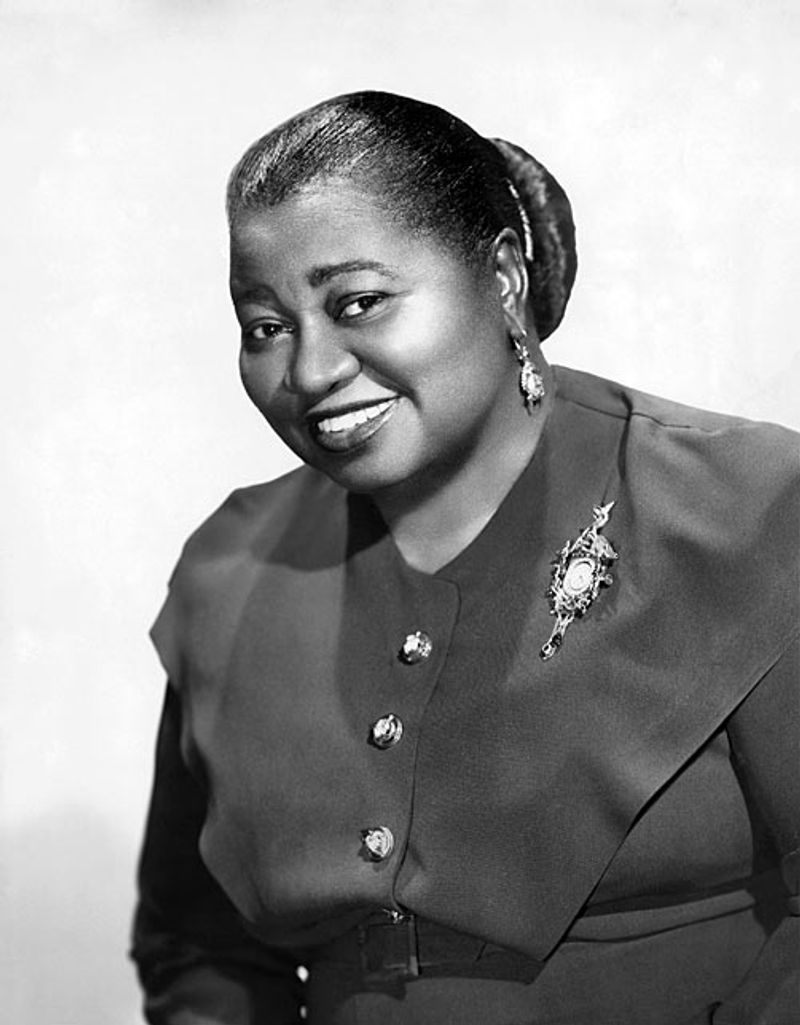
Hattie McDaniel made history on February 29, 1940, becoming the first Black person ever to win an Academy Award.
On that night, the win felt monumental, but the ceremony itself told a much different story.
Seated at a separate table away from her white castmates, McDaniel experienced the Ambassador Hotel’s practice of segregation firsthand. One gold statuette, one segregated seat, and a night that was both a ceiling shattered and a floor still firmly in place.
3. Mickey Rooney’s Mr. Yunioshi In Breakfast At Tiffany’s (1961)
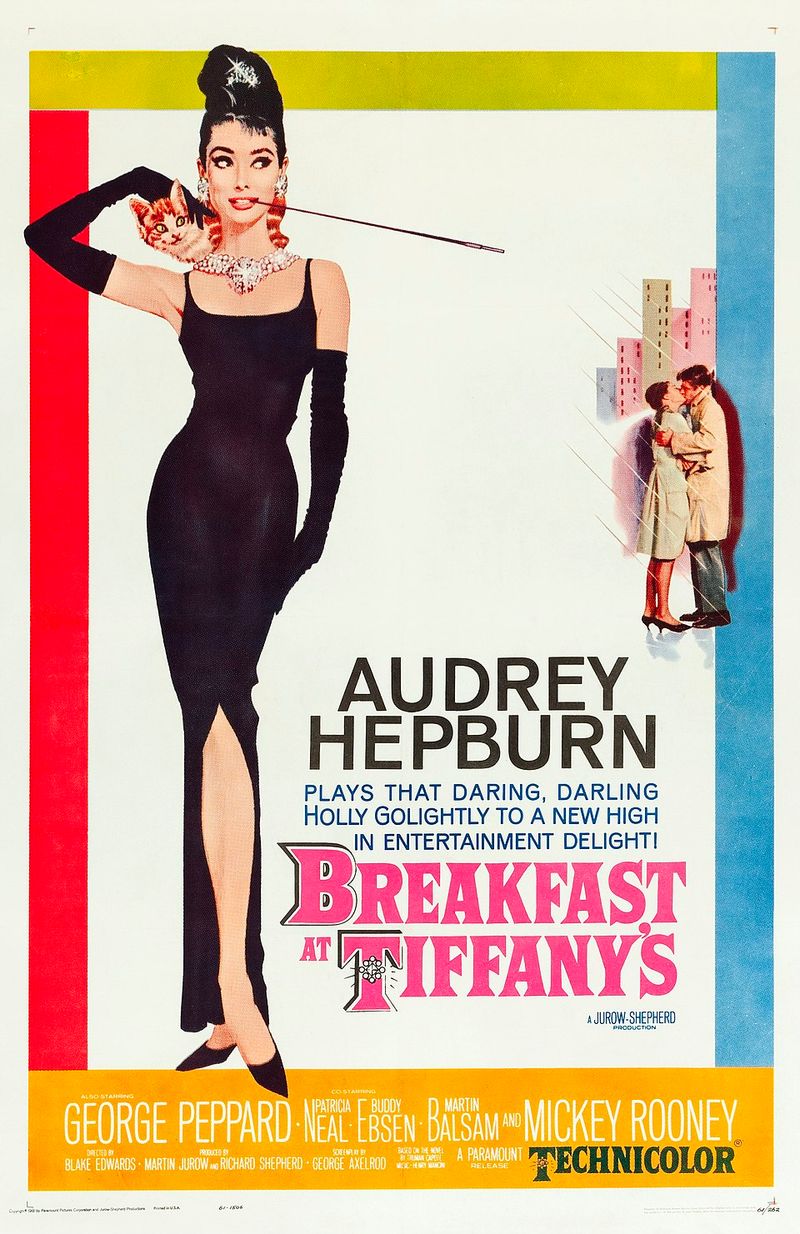
With exaggerated makeup, prosthetics, and an accent played for comedy, Mickey Rooney’s Mr. Yunioshi remains one of Hollywood’s most criticized examples of yellowface.
The character was played entirely for laughs, reducing an entire ethnicity to a slapstick punchline in an otherwise beloved romantic classic. Rooney later said that if he had known people would be so offended, he would not have done it.
Even Audrey Hepburn’s little black dress couldn’t distract audiences forever from that elephant in the room.
4. Sacheen Littlefeather Refusing Marlon Brando’s Oscar (1973)
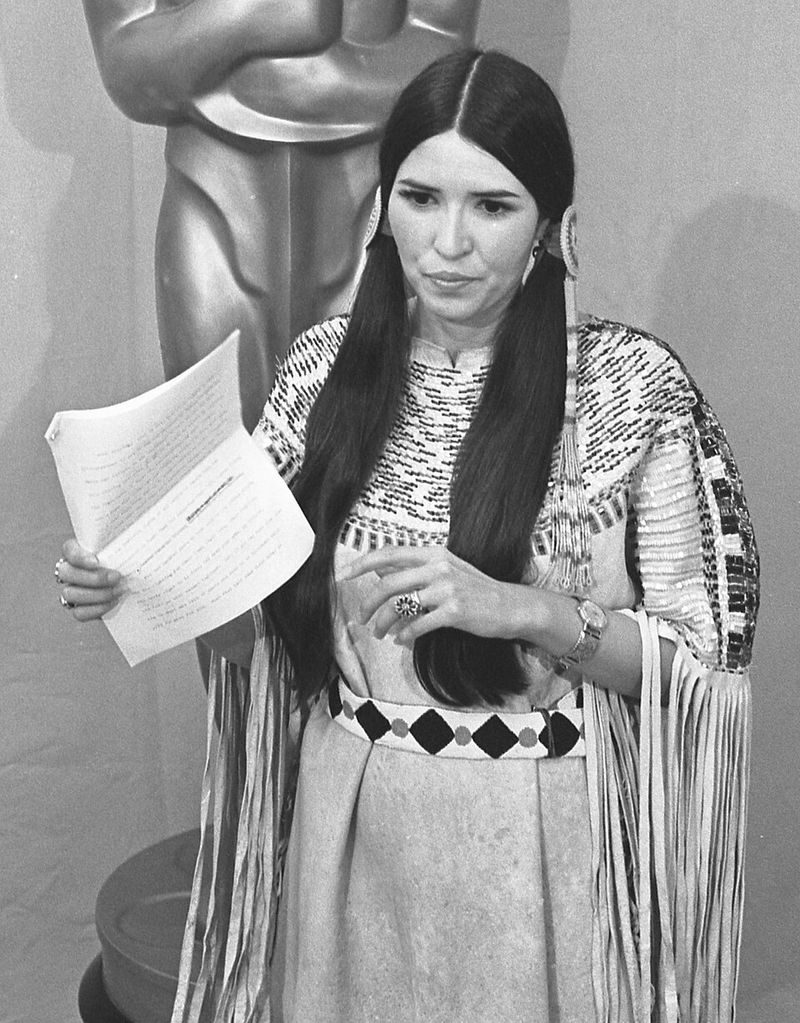
Best Actor for The Godfather went to Marlon Brando, but Apache activist Sacheen Littlefeather was sent to the stage in his place. She declined the Oscar on Brando’s behalf and delivered a statement protesting Hollywood’s treatment of Native Americans.
The audience responded with a mix of boos and applause, and later reports said John Wayne had to be restrained backstage.
Louder than any acceptance speech could have echoed that single quiet refusal, and nearly fifty years later, formal apology to Littlefeather came from the Academy.
5. Soul Man (1986)
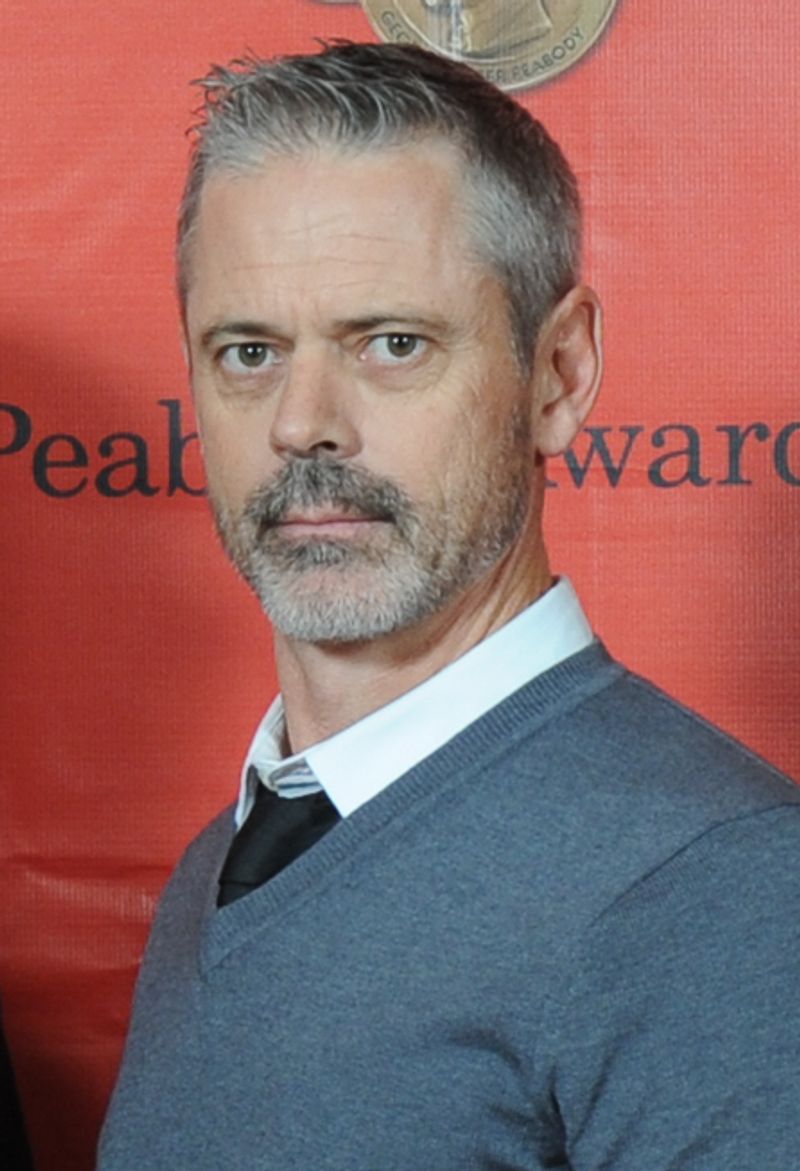
Imagine a white prep-school kid slathering on bronzer and an Afro wig to steal a scholarship meant for a Black student. Center of Soul Man’s actual plot sits right there.
Immediate protests followed, with the NAACP and Black student groups criticizing the film’s racial impersonation premise.
Studios defended the movie as satire, while critics pointed out the “lesson” still centered the white character’s growth. Sometimes a punchline lands, and sometimes it just lands wrong.
6. Do The Right Thing Underrecognized By The Oscars (1990)
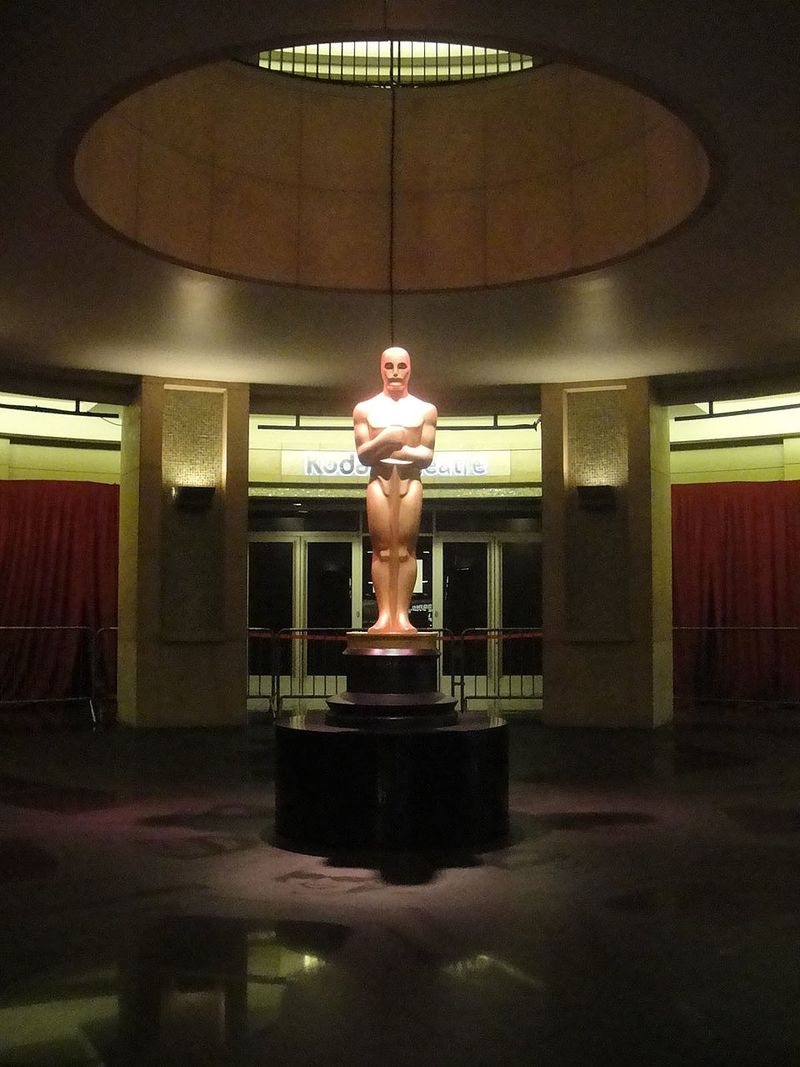
Late-1980s cinema rarely felt as combustible as a story unfolding on a Brooklyn block under relentless summer heat, with a spark ready to catch at any moment. Praise poured in from critics, yet the film received only two Oscar nominations and was left out of the Best Picture lineup, while Driving Miss Daisy went on to win the top prize.
What looked like simple oversight quickly hardened into Exhibit A for a decades-long debate over which stories the Academy viewed as worthy of top recognition.
7. Driving Miss Daisy Winning Best Picture (1990)
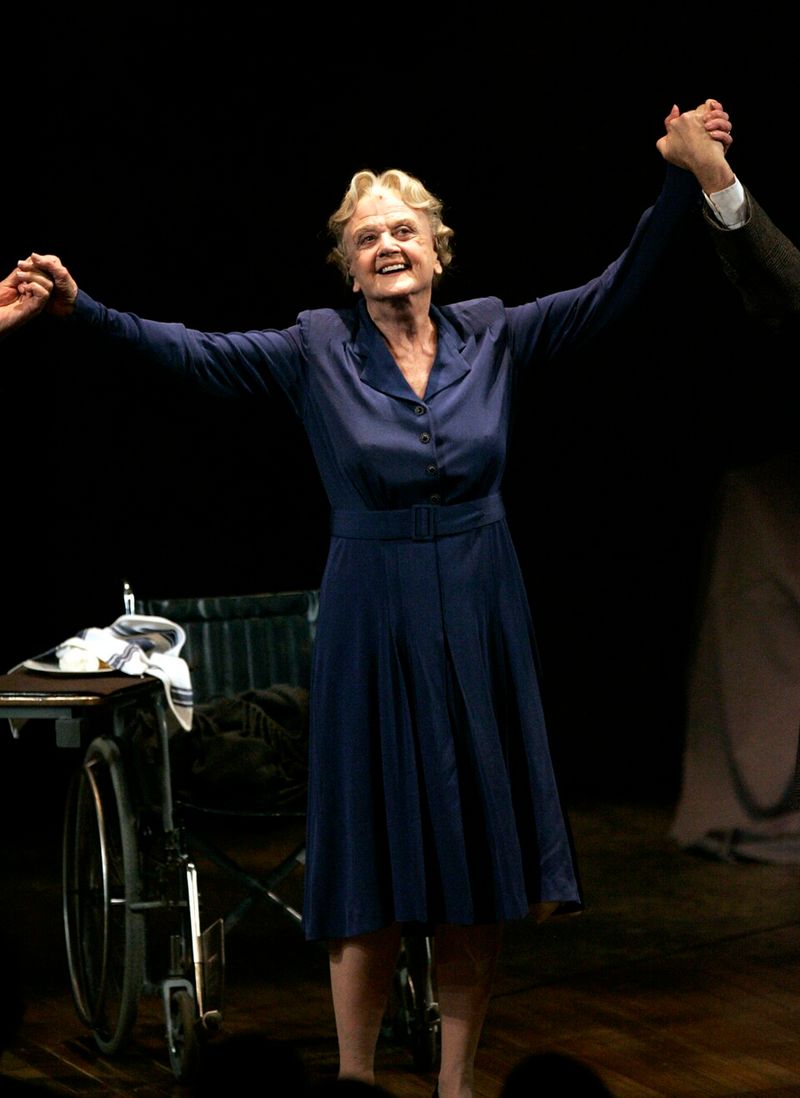
Two films about race in America competed for cultural attention in 1989, and the Academy picked the one where a white woman slowly warms to her Black chauffeur.
Driving Miss Daisy was well-made and well-acted, yet its Best Picture win over Do the Right Thing felt to many critics like Hollywood choosing comfort over truth.
Resulting contrast became a textbook example of “safe” race storytelling being rewarded. Old habits, as they say, drive hard.
8. Aladdin Lyric Controversy (1992-1993)

Opening song for Aladdin introduced a fictional Middle Eastern setting with a catchy line claiming they would “cut off your ear if they don’t like your face.”
Pushback arrived quickly from the American-Arab Anti-Discrimination Committee, and Disney later altered the lyric for home video.
Broader criticism remained, pointing to exaggerated accents, darker-coded villains, and a flattened carnival-style portrayal of Arab culture. Even a flying carpet struggles to rise above a stereotype built on such thin characterization.
9. Tropic Thunder (2008)
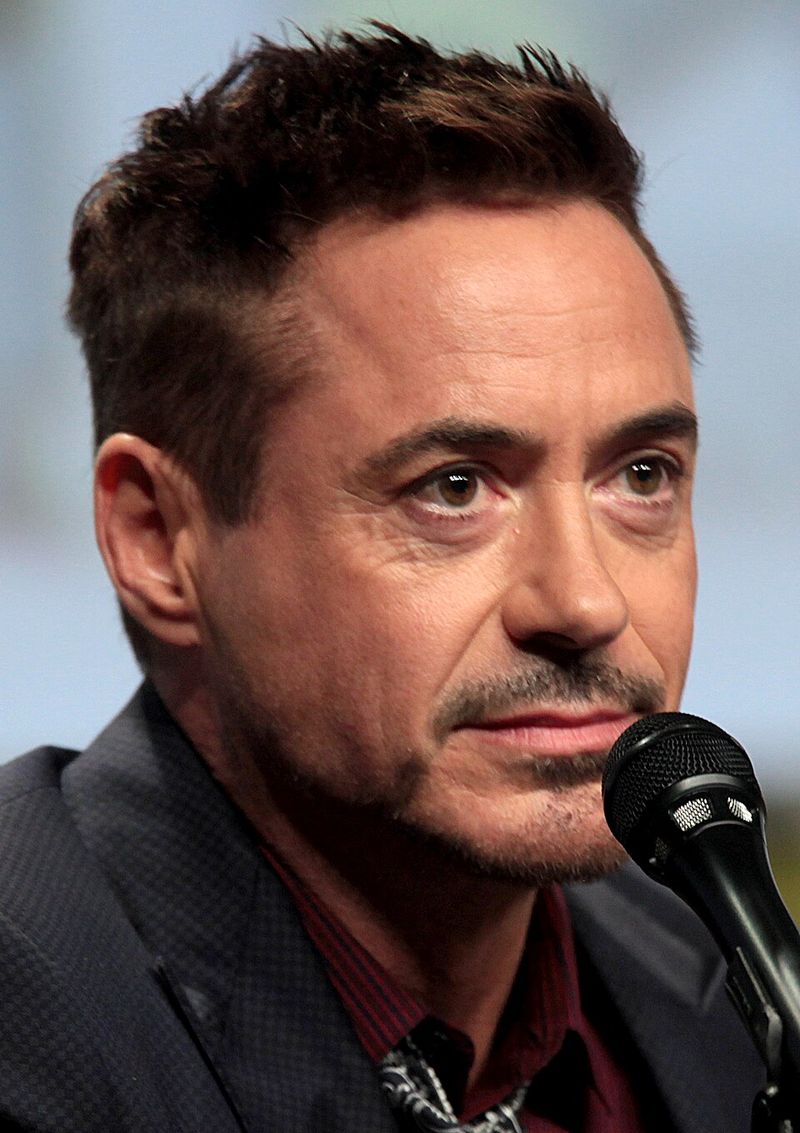
Robert Downey Jr. played a white Australian method actor who surgically darkens his skin to play a Black soldier. On paper, it’s a satire of Hollywood ego.
In practice, audiences and critics disagreed sharply on whether the joke landed or just recycled the very imagery it claimed to mock. The film won awards and sparked op-eds in equal measure.
Satire is a razor, and Tropic Thunder left plenty of people checking for cuts.
10. The Last Airbender Casting Backlash (2010)

Worldbuilding rooted in East Asian and Inuit influences made casting choices in The Last Airbender feel like a sharp bait and switch. Heroic leads went largely to white and light-skinned South Asian actors under the direction of M.
Night Shyamalan, while darker-skinned performers appeared primarily in villain roles.
Letter-writing campaigns formed across fan communities, and the film quickly became a widely cited example of whitewashing.
Patience ran out among viewers who had followed the original series, and silence was never part of the response.
11. Prince Of Persia: The Sands Of Time (2010)
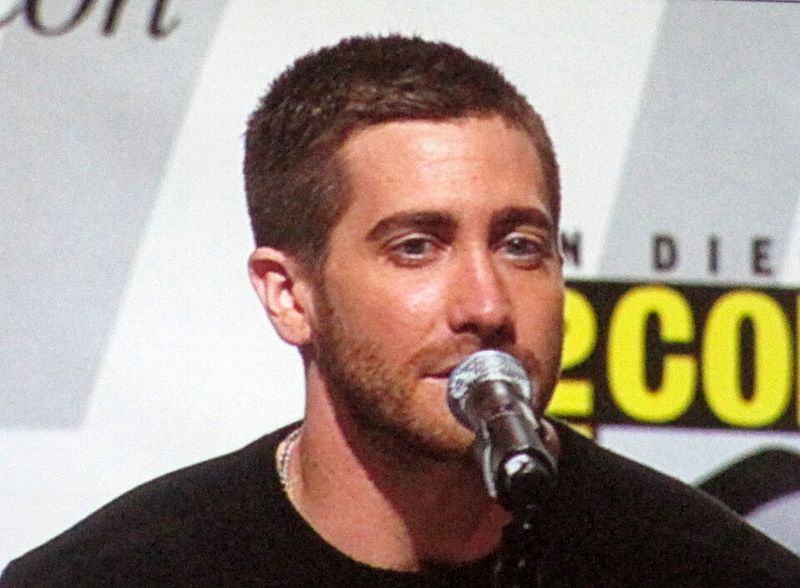
Raised eyebrows arrived the moment the trailer dropped, with Jake Gyllenhaal playing a Persian prince using a British accent and a spray tan.
Disney’s big-budget adaptation of the beloved video game was set in ancient Persia, yet the film’s lead casting drew criticism for sidelining Middle Eastern representation in a story set in ancient Persia. Critics noted Middle Eastern actors were, once again, available and overlooked.
No room existed in that sandbox epic for the actual people from that part of the sandbox.
12. Aloha (2015)
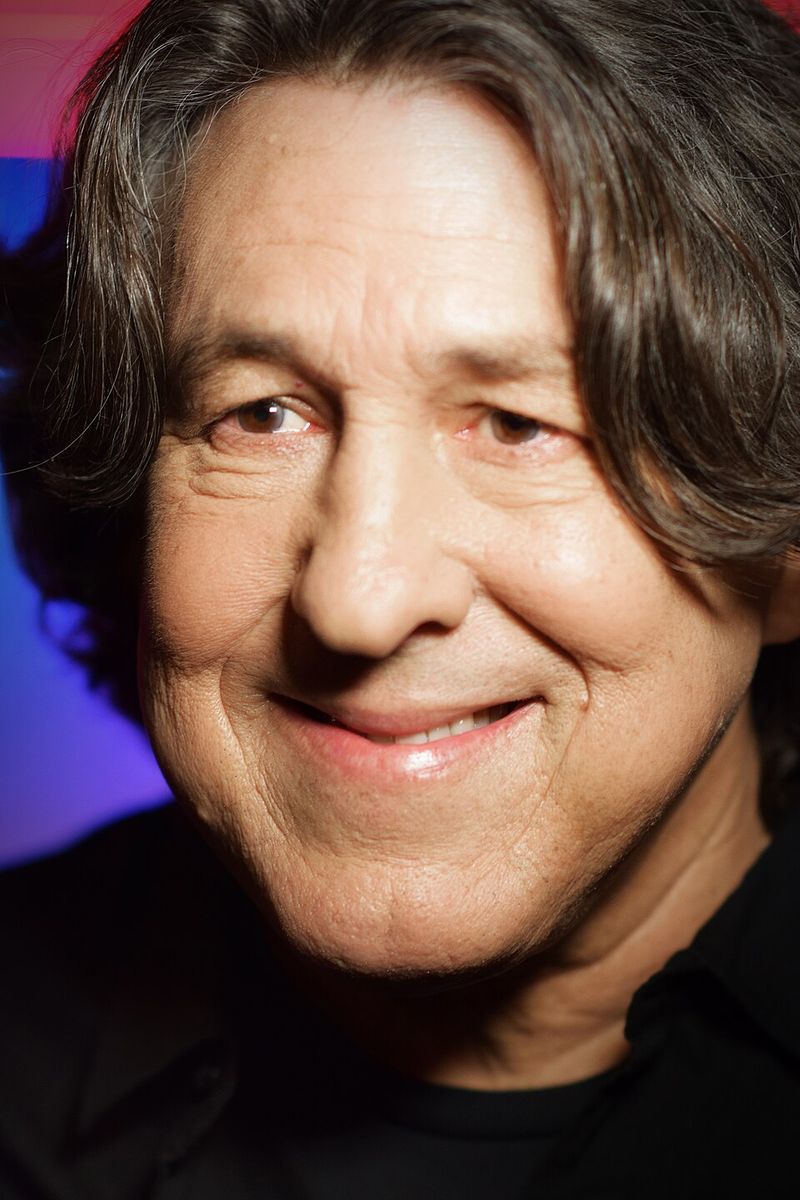
Romantic storyline set in Hawaii drew scrutiny when Aloha introduced Allison Ng, written as part Hawaiian and part Chinese, yet played by Emma Stone.
Reaction intensified as advocacy groups noted Hawaii’s deep racial diversity, making the casting decision harder to justify.
Public apology eventually followed from director Cameron Crowe after criticism spread. Meaning of “aloha” covers both hello and goodbye, and audiences delivered both at once.
13. The 87th Academy Awards (2015)
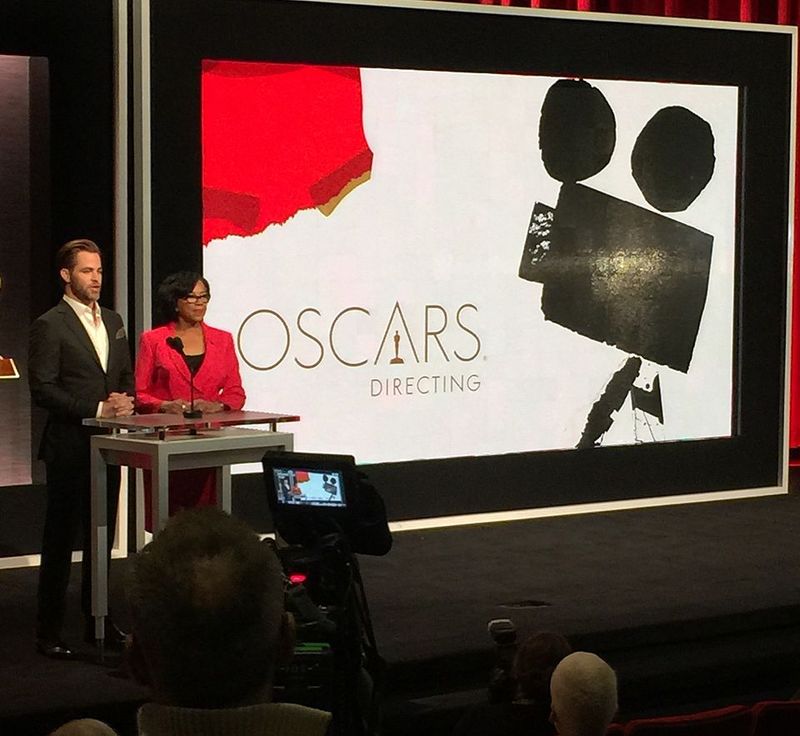
Activist April Reign sent one tweet on January 15, 2015, and it rewired the entire awards conversation: “#OscarsSoWhite they asked to touch my hair.”
Every single acting nominee that year was white, despite a year that included strong performances from actors of color in widely seen films. The hashtag spread like a phone buzz that wouldn’t stop, and suddenly diversity in Hollywood was front-page news.
One tweet. Twenty letters. One very long overdue conversation.
14. The 88th Academy Awards And #OscarsSoWhite Backlash (2016)
Lightning struck twice, and nobody could pretend it was an accident anymore. Second consecutive year of all-white acting nominees in 2016 pushed the #OscarsSoWhite movement from trending hashtag to institutional crisis.
Public boycotts followed, with Jada Pinkett Smith and Spike Lee skipping the ceremony while the Academy announced sweeping changes to its membership rules in response.
Hosting duties fell to Chris Rock, who addressed the controversy directly throughout the ceremony.
15. Doctor Strange And The Ancient One Casting Debate (2016)
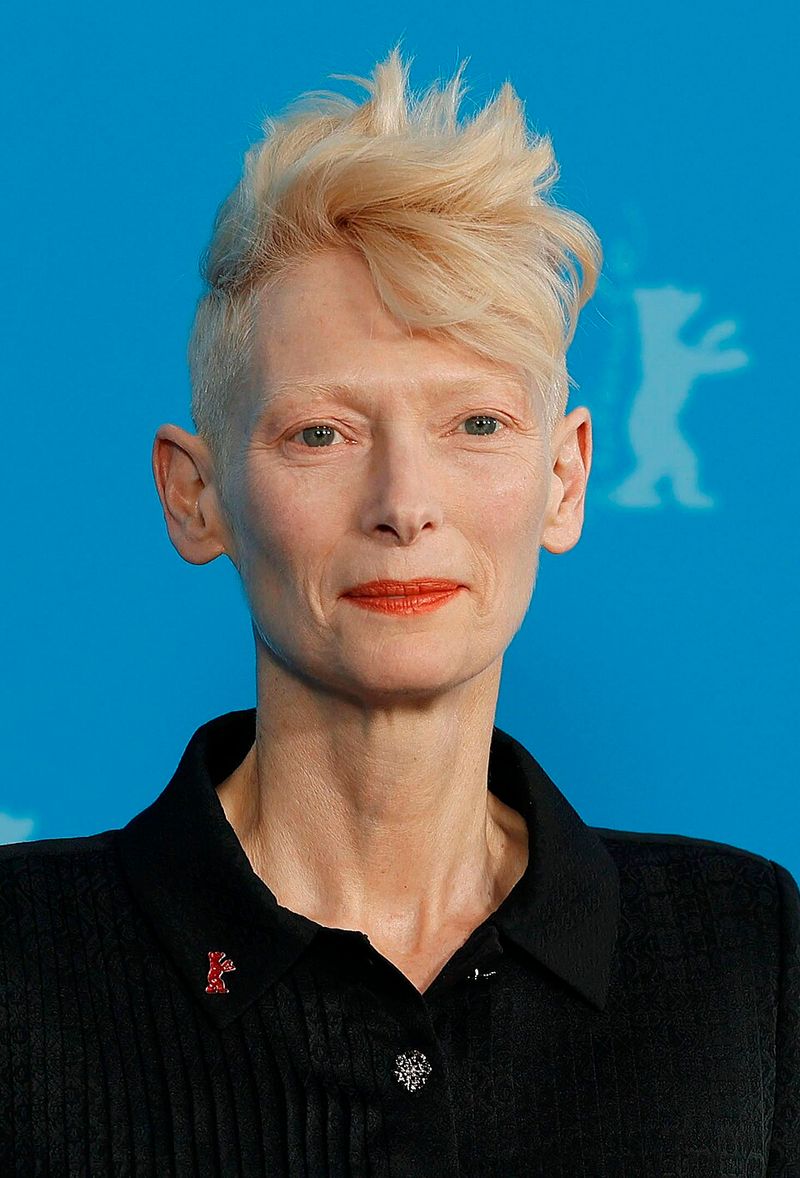
Original portrayal in Marvel Comics described the Ancient One as a Tibetan man, yet Marvel Studios cast Tilda Swinton and framed the change as avoiding another stereotype in Doctor Strange.
Critics argued the explanation sidestepped the issue, saying replacing one representation problem with another did not move anything forward.
Later comments from C. Robert Cargill acknowledged the Tibet connection raised concerns about international distribution, particularly in China.
Ancient wisdom proved easier to rewrite than the paper trail behind the decision.
16. Ghost In The Shell (2017)

Ghost in the Shell is one of Japan’s most celebrated animated properties, and when Hollywood adapted it, the lead went to Scarlett Johansson.
The backlash was swift and loud, with Asian American advocacy groups calling it a textbook case of whitewashing a Japanese story and character. Box office returns were poor, and many analysts linked the controversy directly to audience reluctance.
Sometimes the ghost in the machine is the casting spreadsheet itself.
17. Green Book Winning Best Picture (2019)
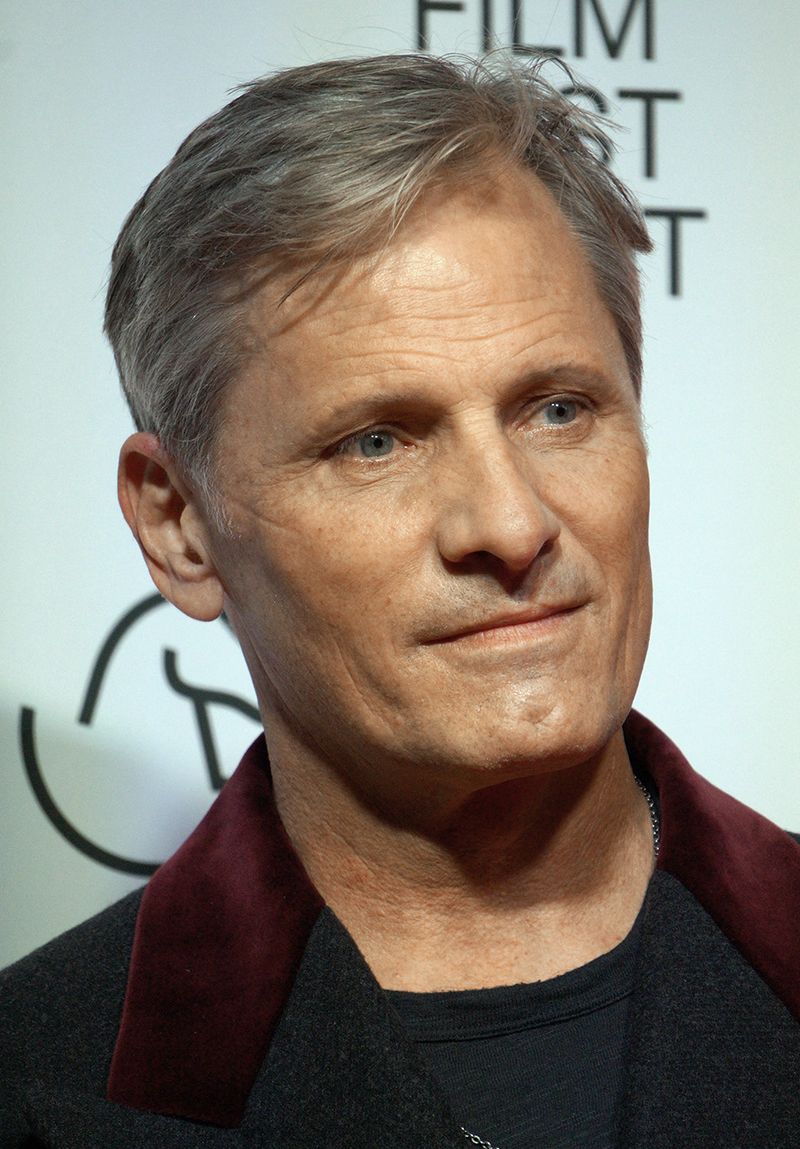
Green Book told the story of a Black classical musician and his white driver navigating the Jim Crow South, and it won Best Picture while the Black director of BlacKkKlansman went home empty-handed.
Critics called it a “white-centered racial narrative” dressed in a tuxedo, noting the story centered the white character’s emotional journey more than the Black man’s dignity. The musician’s family publicly objected to the film’s portrayal.
Hollywood loves a road trip, especially when the white guy does most of the driving.
18. Gone With The Wind Removed, Then Restored With Context (2020)
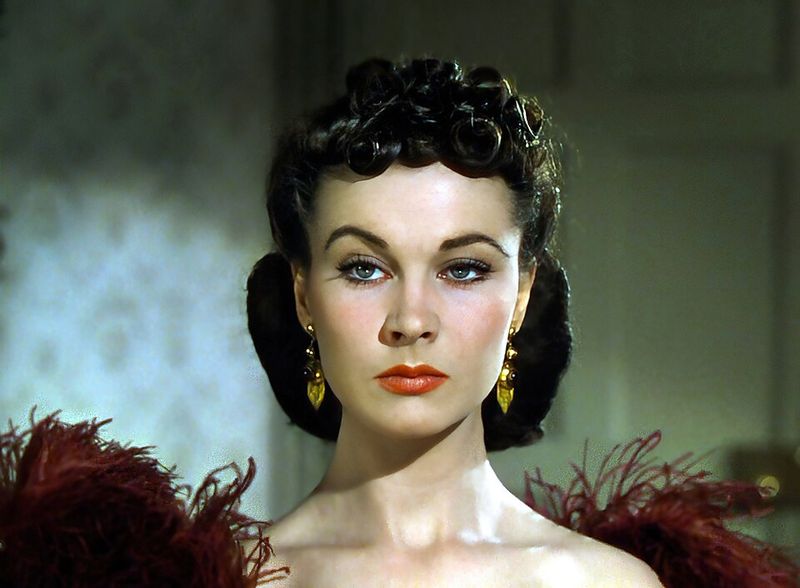
Removal of Gone with the Wind from HBO Max followed protests after the killing of George Floyd, and the internet quickly split into two loud camps. Return came within days, now paired with a contextual introduction from scholar Jacqueline Stewart addressing the film’s racially offensive depictions.
Praise framed the move as honest engagement, while critics argued any disclaimer landed either too lightly or too heavily.
Three-hour runtime met a three-day removal, and debate has stretched back to 1939 ever since.
19. Minari Placed In Golden Globes Foreign-Language Category (2020–2021)
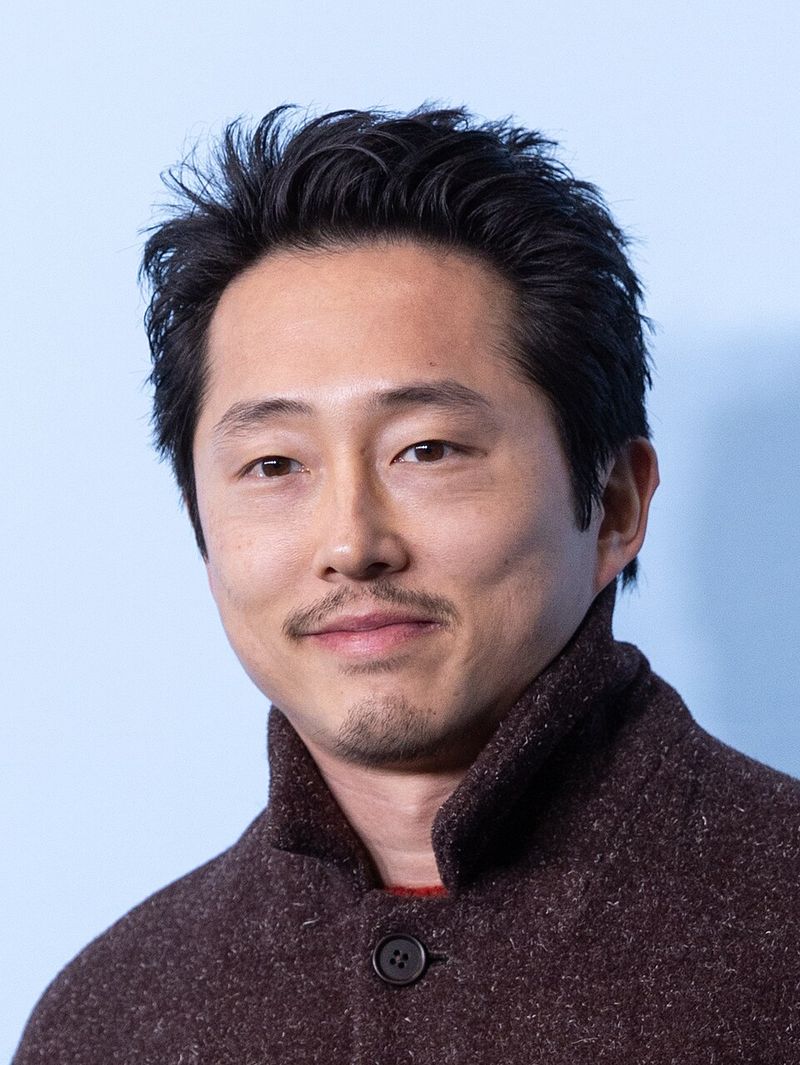
Rural Arkansas fields and a Korean American family chasing stability define Minari, with every frame rooted firmly in American soil. The Hollywood Foreign Press Association ruled it ineligible for Best Picture because more than half its dialogue is in Korean, shuffling it into the foreign-language category instead.
Critics pointed out no such rule had ever stopped English-language films set abroad from competing for the top prize.
Apparently, America only counts if everyone in it speaks English at the dinner table.
20. Racist Backlash To Halle Bailey In The Little Mermaid (2022-2023)
When Disney released the first trailer for its live-action Little Mermaid with Halle Bailey as Ariel, millions of viewers cried happy tears. Then came the comments section.
Review-scrutiny, viral outrage, and online harassment followed the casting announcement, and later research examined how racially charged backlash spread across online spaces.
A girl with a tail and a voice that stopped rooms cold, and some people still couldn’t see past the color of her scales.
Important: This article covers widely documented moments in film and awards history involving race, representation, and public backlash.
Dates, titles, and major historical details were reviewed against reputable reference and reporting sources available at the time of writing, while descriptive wording was adjusted where needed for clarity, tone, and suitability.