16 Horror Movies That Lean On Visual Style More Than Scares
Loud jump scares tend to get the fame, but some horror movies know real mischief happens when the camera starts acting possessed. Silent classics and later black-and-white chillers understood that style could carry as much unease as any plot twist.
That is what makes these films so memorable: fear arrives through the eyes first, then settles in for the evening.
Disclaimer: This article is a subjective editorial roundup of horror films selected for their visual style, atmosphere, and lasting cinematic influence.
1. The Cabinet Of Dr. Caligari (1920)
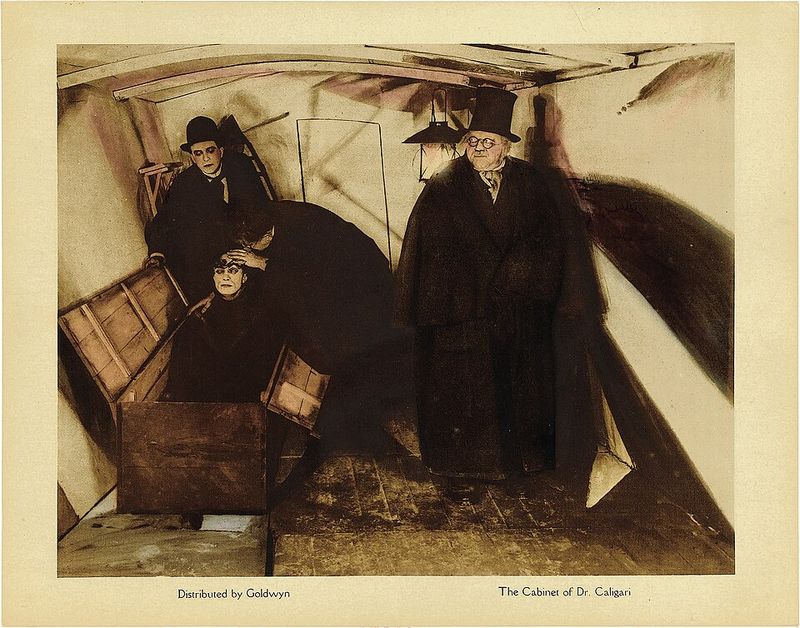
Distorted architecture and breathing shadows announce immediately that reality will not behave normally here.
German silent classic The Cabinet of Dr. Caligari abandoned realistic sets and filled the screen with sharp angles and hand-painted distortions. Every scene resembles a fever dream drawn by a very stressed art student.
Influence from that design helped shape the visual language many horror films still borrow today.
2. Nosferatu (1922)
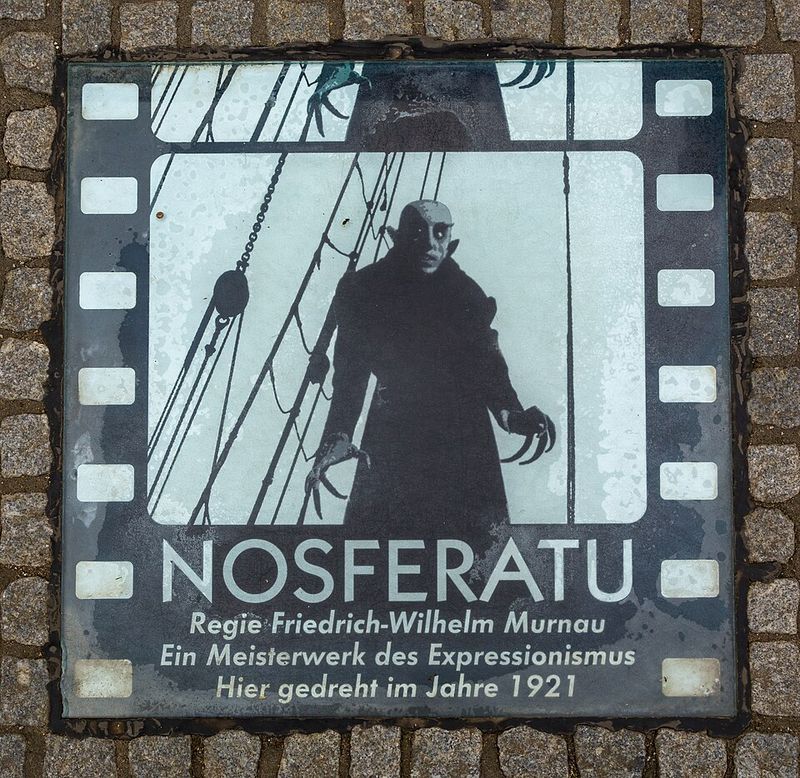
Count Orlok does not glide into a room so much as haunt it, all sharp fingers and sunken eyes.
The shadows in this film do half the acting, stretching across walls in ways that feel genuinely wrong. Director F.W.
Murnau turned light and shadow into the film’s most memorable tools.
No soundtrack, no color, no problem. The imagery alone still makes people uneasy a full century later.
3. Vampyr (1932)
Fog hangs so thick you could lose your keys in it, while shadows shift when nothing should be moving.
Carl Theodor Dreyer gave the film a deliberately soft, dreamlike visual texture.
Plot details barely matter because the visuals carry every ounce of dread. Watching it feels like reading a poem written in smoke.
4. Dracula (1931)
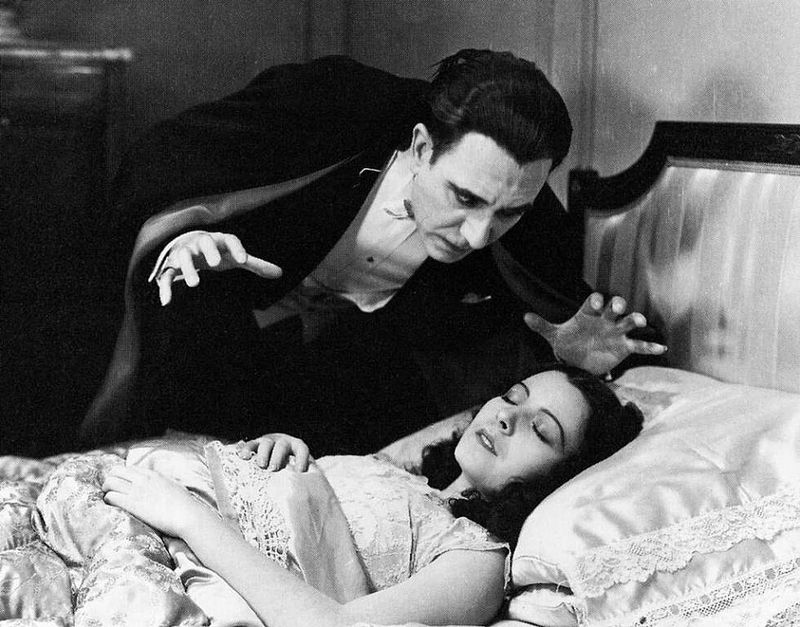
Hypnotic stare from Bela Lugosi carried enough menace to fill a room before a single word left his lips.
Universal’s landmark Dracula leaned heavily on theatrical staging and pools of shadowy light to create its atmosphere. Castle sequences often resemble stage productions more than traditional films.
That theatrical quality somehow makes the tension feel even more eerie. Style leads the way in nearly every scene rather than sudden shocks.
5. Bride Of Frankenstein (1935)
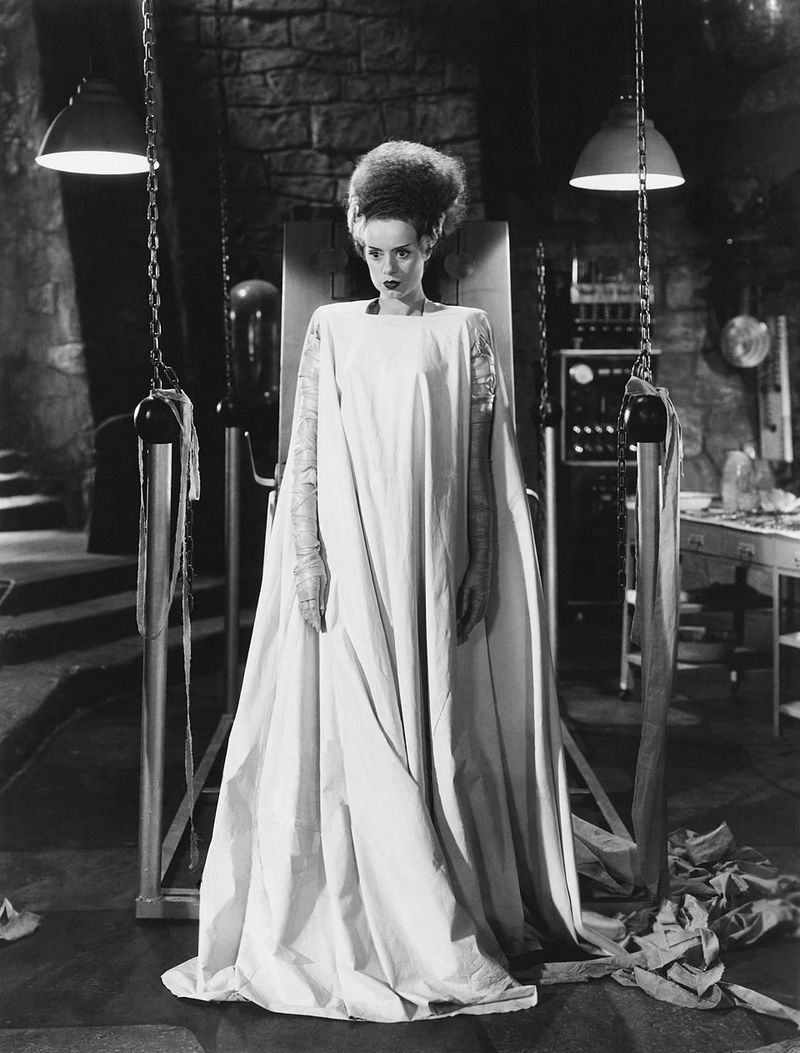
Lightning-bolt hair iconic enough to fill an entire Halloween costume aisle.
James Whale packed the sequel with gothic grandeur, eccentric side characters, and lighting so dramatic it practically casts shadows on the shadows. The Bride appears for only a few minutes but burns into memory like a brand.
It plays as visual theater as much as horror.
6. Cat People (1942)
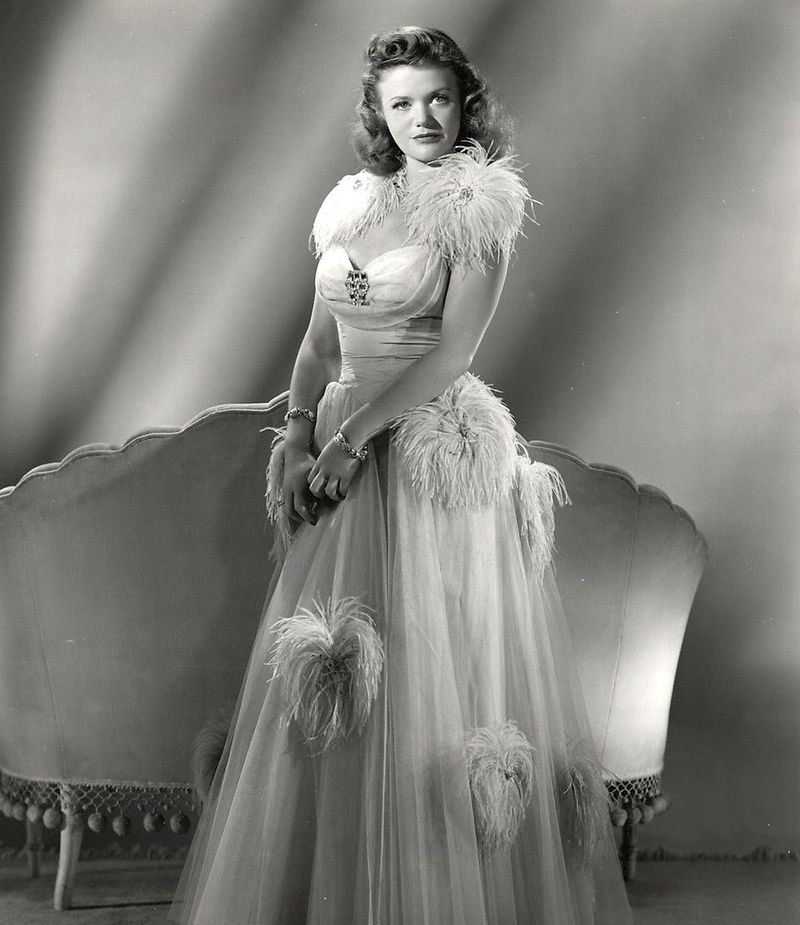
Dark water, a silent pool, and a scene built almost entirely on what the audience cannot see create one of the film’s most unnerving moments.
Producer Val Lewton and director Jacques Tourneur built tension by trusting imagination more than visible effects. The threat is rarely shown directly on screen.
Shadow, sound, and suggestion carry the suspense instead. Minimalism becomes the entire horror strategy, executed with remarkable elegance.
7. The Night Of The Hunter (1955)
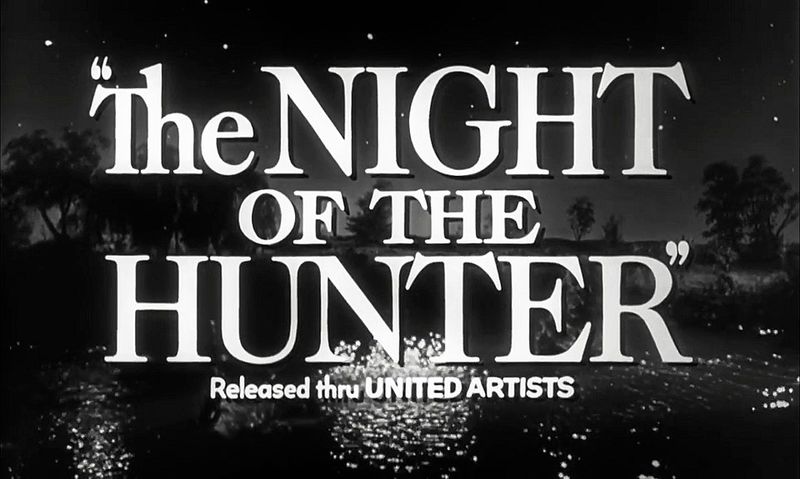
Robert Mitchum turns threat into an art form here, smiling through every scene with unnerving calm. Charles Laughton directed this only once and left behind something that looks unlike anything else in film history.
Underwater shots, silhouettes against enormous moons, and storybook compositions fill every frame.
Among the era’s dark films, this one remains visually unforgettable.
8. House On Haunted Hill (1959)
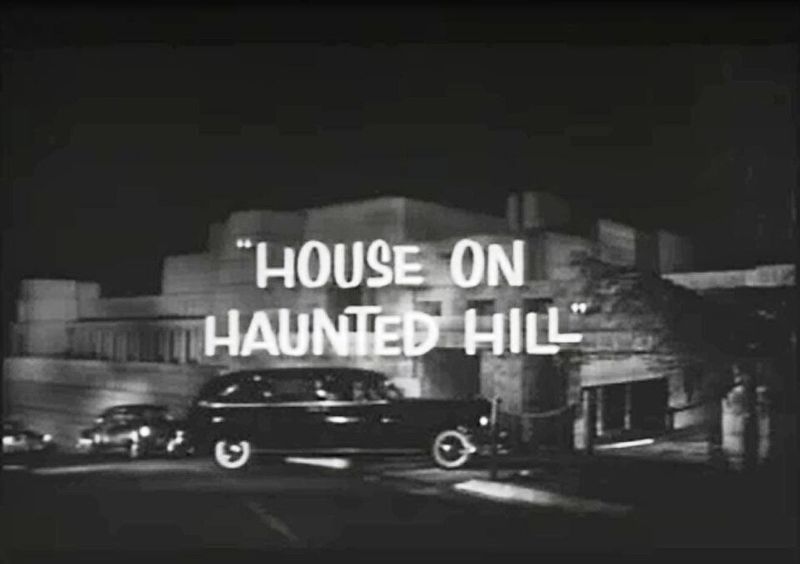
Vincent Price throwing a haunted house party is the kind of sentence that deserves its own calendar reminder.
William Castle directed this gleefully theatrical chiller with a showman’s eye, using stark black-and-white contrast and dramatic staging over genuine terror. The skeletal props and acid vat set pieces are pure visual spectacle.
Campy? Absolutely. Stylish? Without question.
9. House Of Usher (1960)
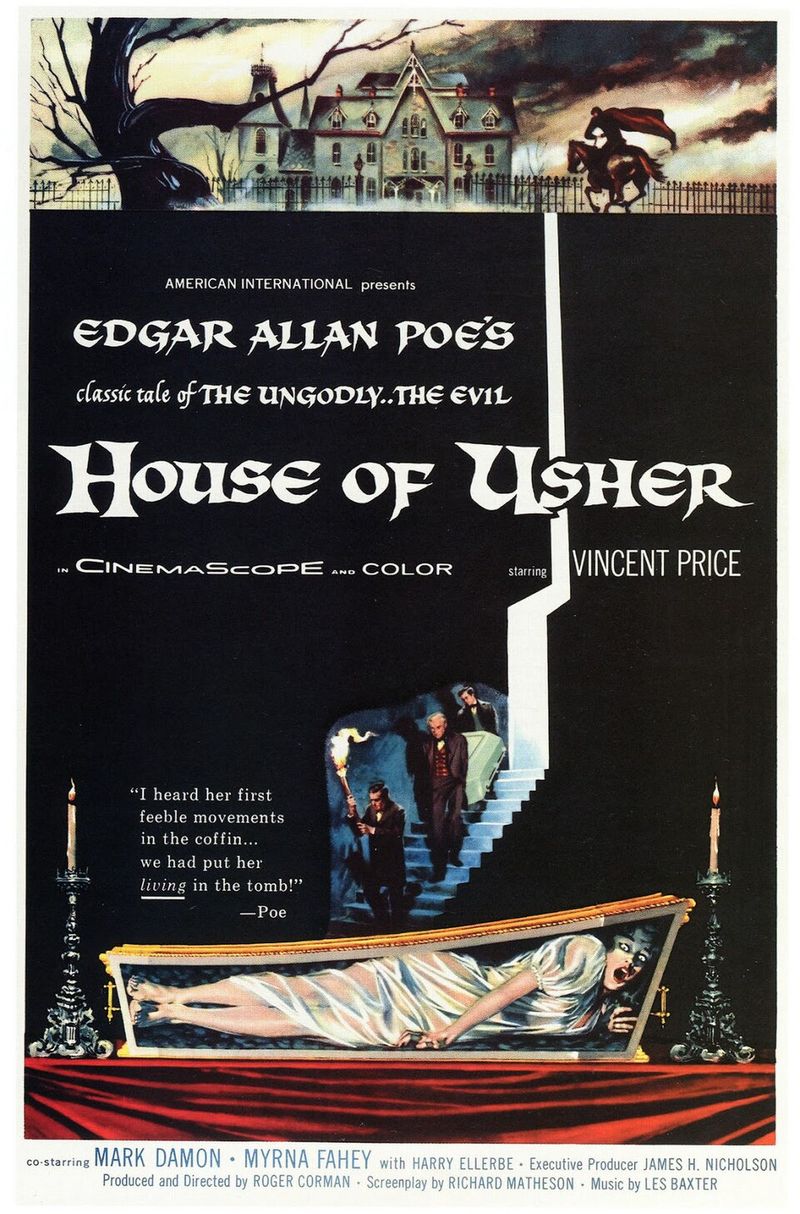
Edgar Allan Poe’s House of Usher becomes a swirl of lush, smoldering color under Roger Corman’s direction. Rotting rooms glow in amber, crimson, and sickly green, turning decay into something strangely beautiful.
Vincent Price hardly needs to move because the set design performs right alongside him.
Entire house behaves like a character with a terrible mood and excellent taste in curtains.
10. Black Sunday (1960)
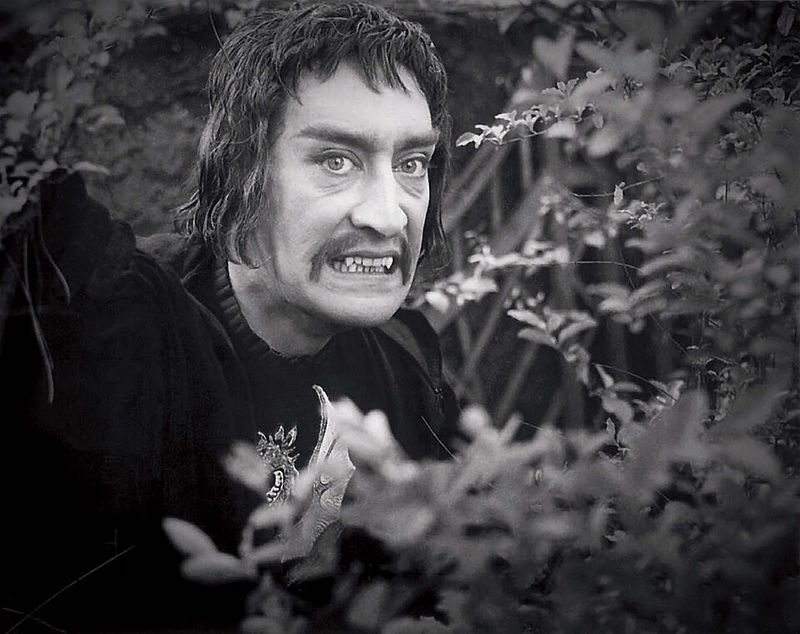
Black-and-white photography so rich it almost feels three-dimensional defines this Italian gothic nightmare directed by Mario Bava. For many years, the film’s foggy graveyards and Barbara Steele’s massive eyes served as the visual model for European horror.
Few opening moments linger like the opening scene involving a spiked mask, an image more disturbing than what many modern horror films manage in two hours.
11. Eyes Without A Face (1960)
Elegant white mask with hollow eye holes turns into an image that feels both frightening and unexpectedly sad.
Georges Franju gives the film a strange mix of elegance and clinical precision.
Clinical laboratory scenes carry a chilling calm. Dreamlike garden moments drift in the opposite direction.
Beauty and unease weave together seamlessly throughout the film.
12. The Innocents (1961)
As the camera lingers as though it knew something she doesn’t, a lady looks over a foggy lake.
Deep-focus black-and-white photography from Freddie Francis gives the ghost story an eerie clarity, with details tucked into corners and reflections that reward obsessive rewatching. Nothing in the film needs to shout.
Every chill arrives quietly, like a cold draft under a closed door.
13. Carnival Of Souls (1962)
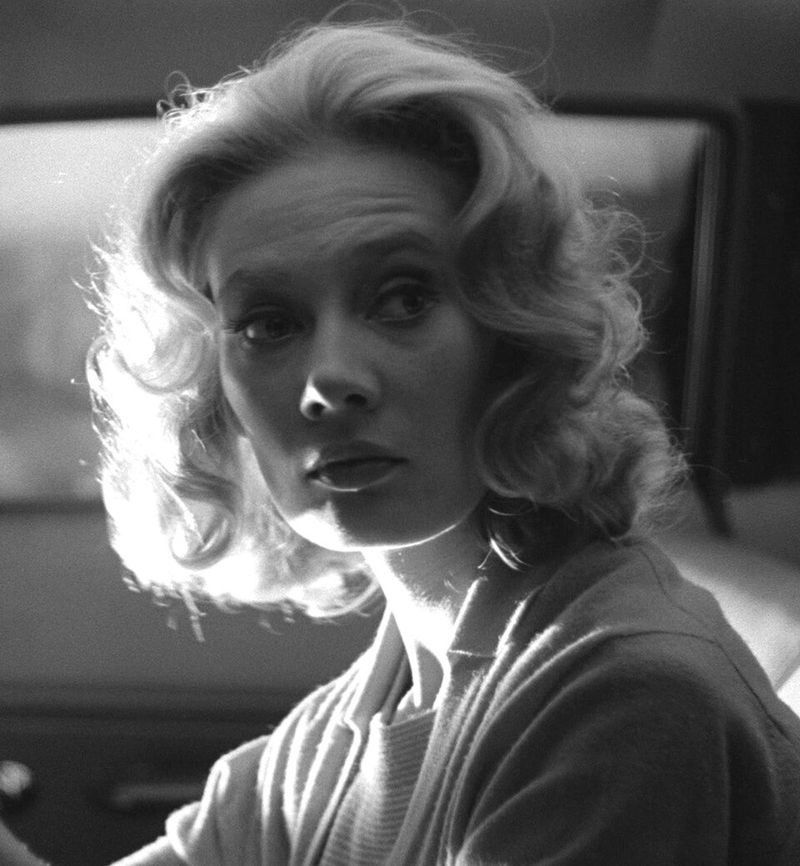
Filming in Kansas on a shoestring budget gives the movie the strange feeling of something pulled straight out of an unsettling dream. Director Herk Harvey used real abandoned locations, including a quietly eerie lakeside pavilion, to build tension without relying on expensive effects.
Ghostly figures drift through scenes without explanation. Long stretches of silence deepen the unease.
Minimal spending somehow delivers maximum atmosphere.
14. Blood And Black Lace (1964)
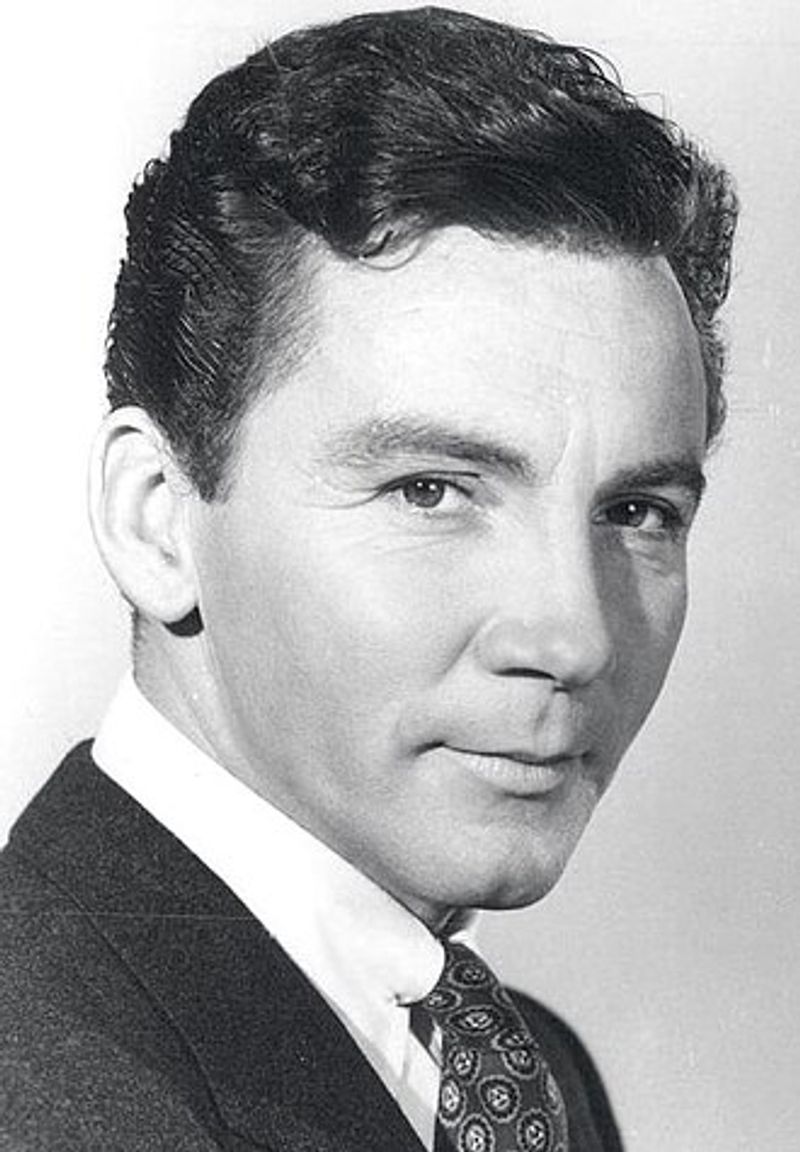
Mario Bava staged its violent set pieces in colors so saturated they look like fashion spreads gone catastrophically wrong.
This giallo landmark turned visual stylization into its central appeal, using candy-colored lighting and elegant staging to create something deeply unsettling. Every set piece is framed with the polish of a fashion spread.
It basically invented the visual grammar of the slasher genre while wearing an extremely stylish coat.
15. Black Sabbath (1963)
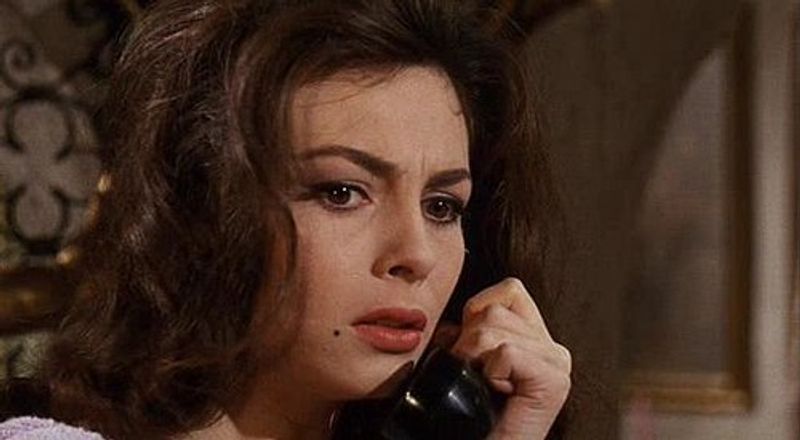
Three stories unfold under Mario Bava’s direction, wrapped in a color palette that makes every frame glow like a candle inside a jewelry box.
Fog closes in around Boris Karloff on horseback during the Wurdalak segment, so thick it feels almost solid.
Visual storytelling drives the entire anthology, with Bava treating horror as something expressed through images more than words.
16. Eraserhead (1977)
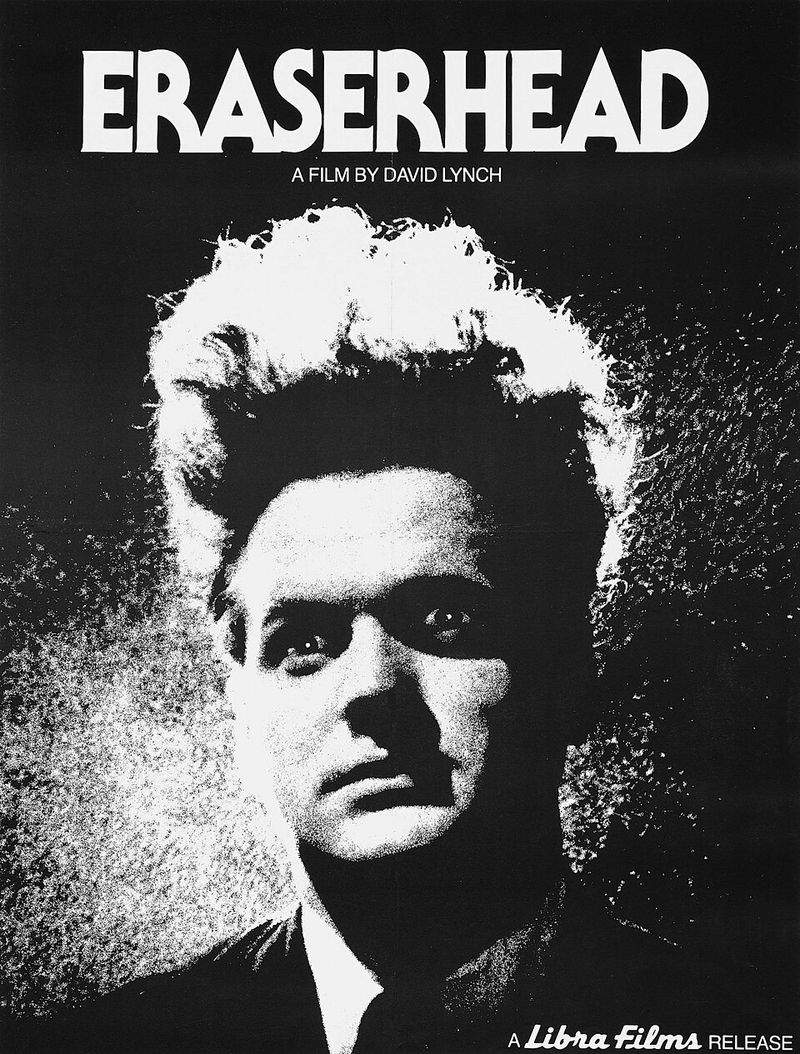
Extensive production shaped Eraserhead into a singular surreal nightmare.
David Lynch even built parts of the film while living and working out of a makeshift space that reportedly included a converted chicken coop.
Industrial wastelands, an infant that defies easy description, and a mysterious radiator world pile together into pure surrealist dread. Dream logic replaces ordinary storytelling.
Watching the film feels less like being scared and more like being transported somewhere deeply unsettling.