14 Iconic Retro Mobile Phones We Secretly Miss
Before touchscreens ruled every pocket, a golden era of mobile phones shaped how we talked, texted, and even played games on tiny pixelated screens. Phones back then had real personality.
A chunky keypad, a satisfying flip, or a glowing antenna could make anyone feel like the coolest kid on the block. Some of those legendary devices still hold a special place in our hearts, like old friends we never quite forgot.
Scrolling through contacts meant pressing a button twelve times just to get the letter Y, and somehow, we loved every second of it. Revisiting these classic phones is a trip down memory lane, reminding us how simple designs sparked joy, inspired creativity, and made staying connected feel fun, personal, and unforgettable.
These retro mobiles prove style, charm, and innovation can live in the palm of your hand.
1. Nokia 3310 (2000)
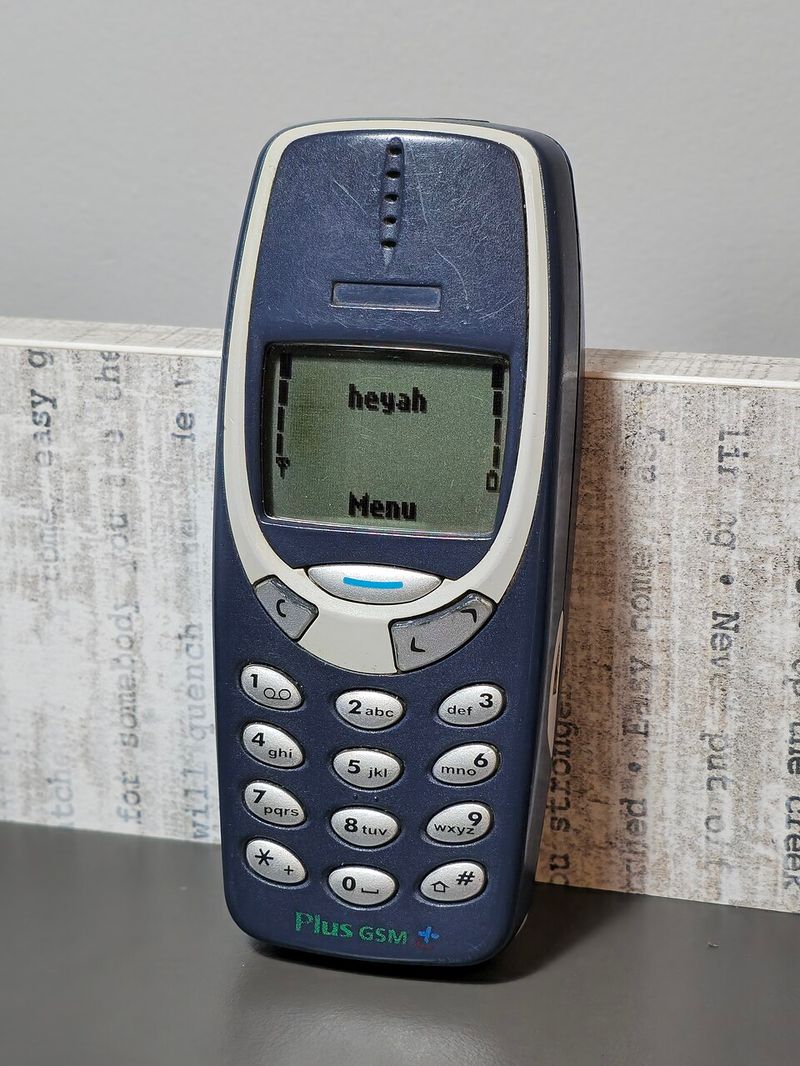
Almost no phone has ever earned the legendary status of the Nokia 3310. Launched in 2000, it quickly became one of the best-selling mobile phones ever, moving over 126 million units worldwide.
Its battery lasted for days, sometimes an entire week, which felt almost magical compared to modern smartphones.
How could anyone forget Snake II? Hours disappeared into that tiny screen, dodging walls and chasing dots.
Swapping colorful Xpress-On covers was basically a fashion statement back then. If your phone survived a fall down three flights of stairs without a scratch, it was definitely a Nokia 3310.
2. Motorola Razr V3 (2004)
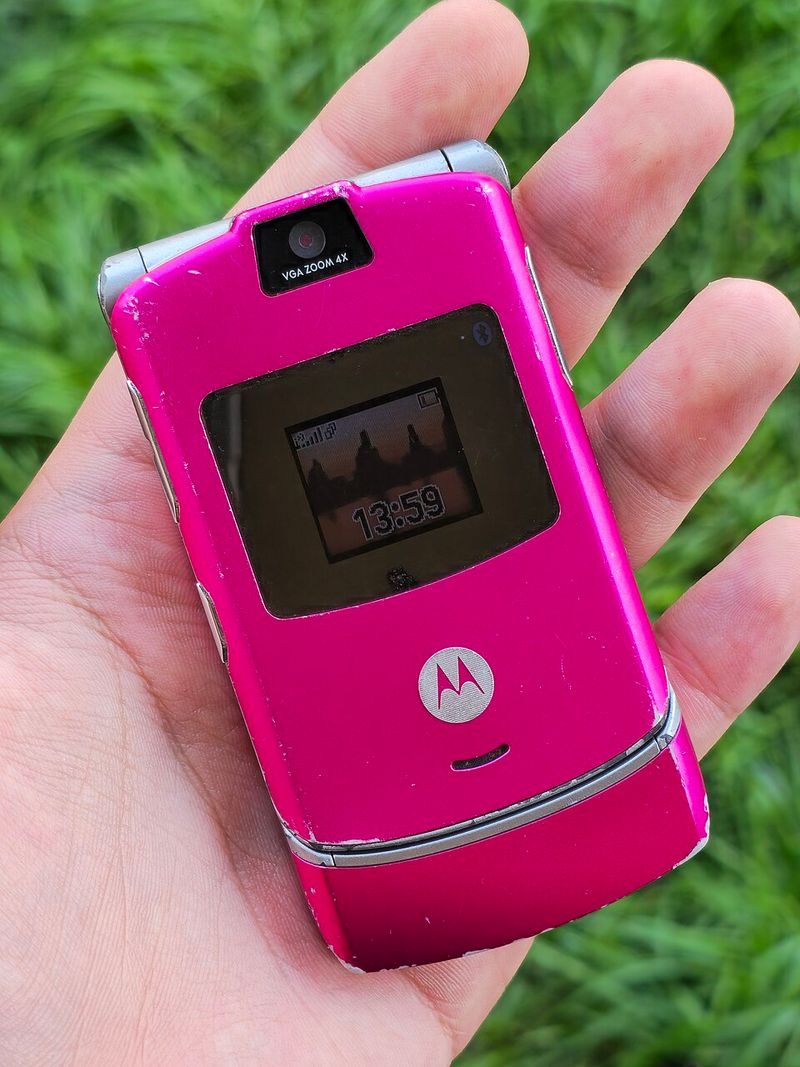
Cool, slim, and impossibly stylish, the Motorola Razr V3 walked into 2004 like a celebrity arriving at a red carpet. Its razor-thin aluminum body made every other phone look bulky and outdated overnight.
Snapping it shut after a call felt satisfying in a way no touchscreen swipe ever could.
Over 130 million units were sold globally, cementing its status as a pop culture icon. Celebrities carried it, TV characters used it, and millions of regular folks felt genuinely glamorous just holding one.
If phones had a Hall of Fame, the Razr V3 would have its own wing, no question.
3. BlackBerry Bold 9000 (2008)
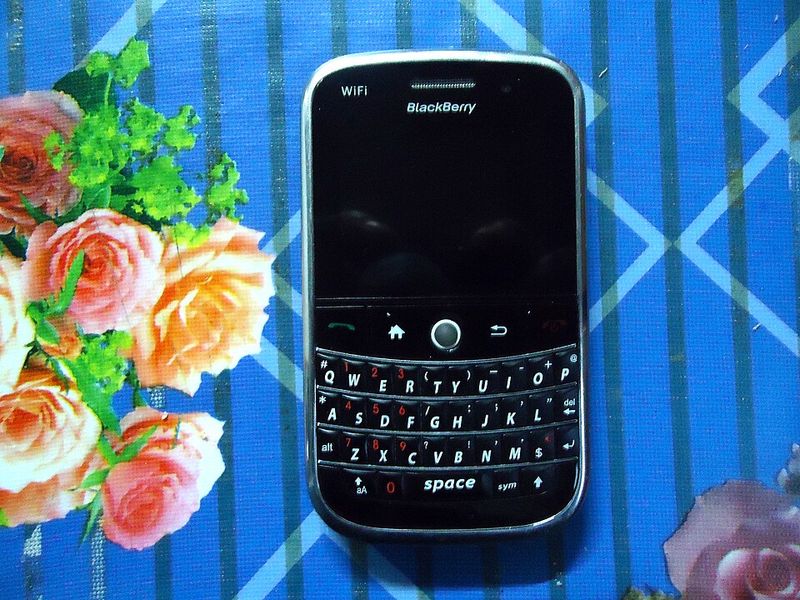
Typing on a BlackBerry Bold 9000 felt like playing a tiny piano, every key had a satisfying click that made emails feel important. Launched in 2008, it became the go-to device for business professionals, politicians, and anyone who took messaging seriously.
Sending a perfectly formatted email from a pocket-sized device was genuinely revolutionary at the time.
Barack Obama was famously attached to his BlackBerry during his presidency, which tells you everything about its credibility. The Bold 9000 also introduced a stunning high-resolution screen for its era.
Bold by name, bold by nature, this phone meant serious business in every sense.
4. Sony Ericsson W800 (2005)
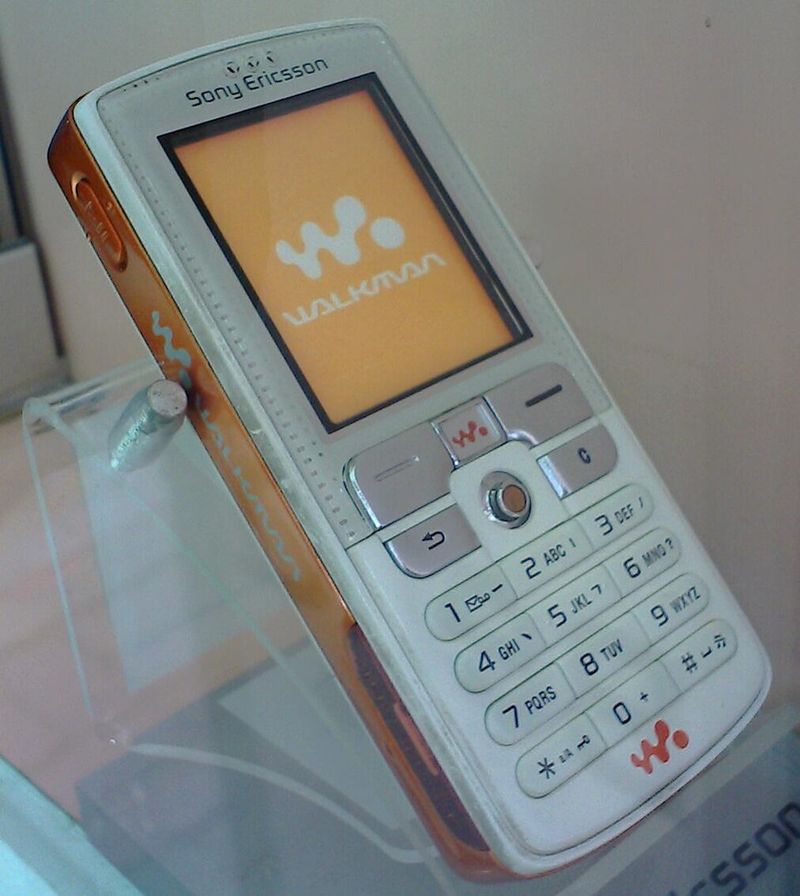
Music lovers in 2005 had a reason to celebrate when Sony Ericsson launched the W800, the first phone to carry the legendary Walkman branding. Crisp stereo sound through bundled earphones made it feel like a proper music player, not just a phone pretending to be one.
A dedicated music button on the side let users jump straight into playlists without unlocking anything.
Storing up to 512MB of music on a Memory Stick Duo felt enormous back then. Its bold orange-and-white design stood out in any crowd.
For a generation raised on CD players, having a Walkman phone was basically a superpower tucked into a shirt pocket.
5. Nokia 8110 (1996)
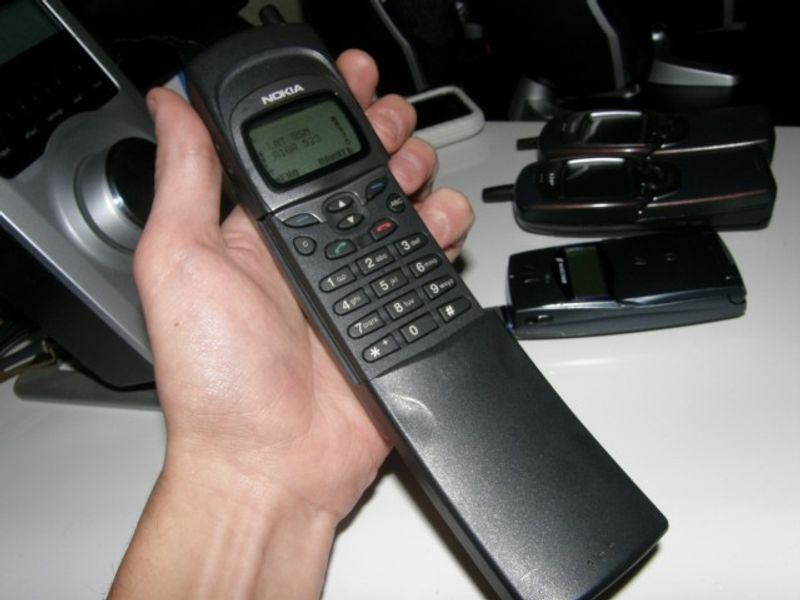
Nicknamed the banana phone for its satisfying curved shape, the Nokia 8110 became a cultural icon even before most people owned a mobile device. Its sliding cover mechanism felt futuristic and fun, like something out of a spy movie.
Speaking of movies, Neo used one in The Matrix in 1999, launching the phone straight into pop culture history.
Originally released in 1996, it featured an internal antenna, a major design step forward at the time when antennas typically stuck out awkwardly. Holding one felt like holding the future.
Nokia even relaunched a modernized version in 2018, proving some designs are simply timeless and too cool to retire.
6. Motorola StarTAC (1996)
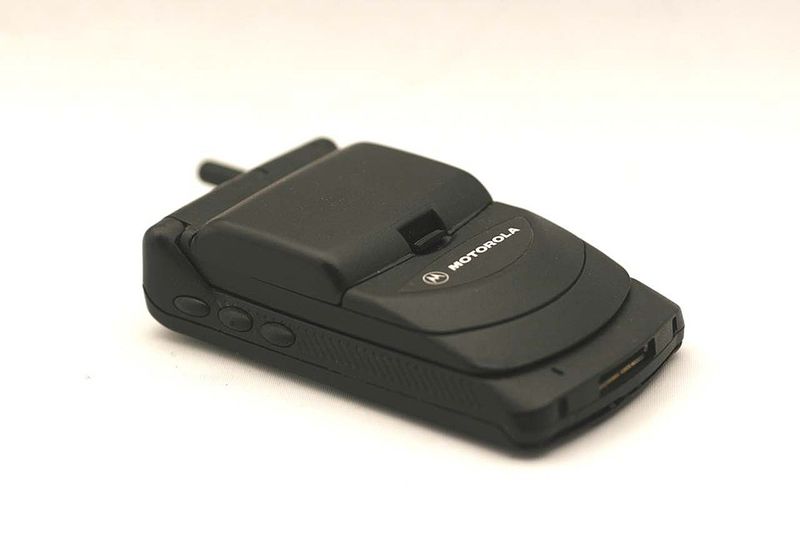
Back in 1996, Motorola dropped the StarTAC and essentially invented the modern flip phone concept. Weighing just 88 grams, it was shockingly light for its time and fit comfortably in any pocket.
Flipping it open to answer a call felt like performing a mini magic trick every single time.
Named after Star Trek communicators, the StarTAC was genuinely inspired by science fiction, and it showed. Celebrities and executives snapped it up quickly, making it one of the first truly aspirational mobile phones.
Over 60 million units were sold worldwide. Sometimes the classics are classics for a reason, and the StarTAC proves exactly that.
7. Nokia N95 (2007)
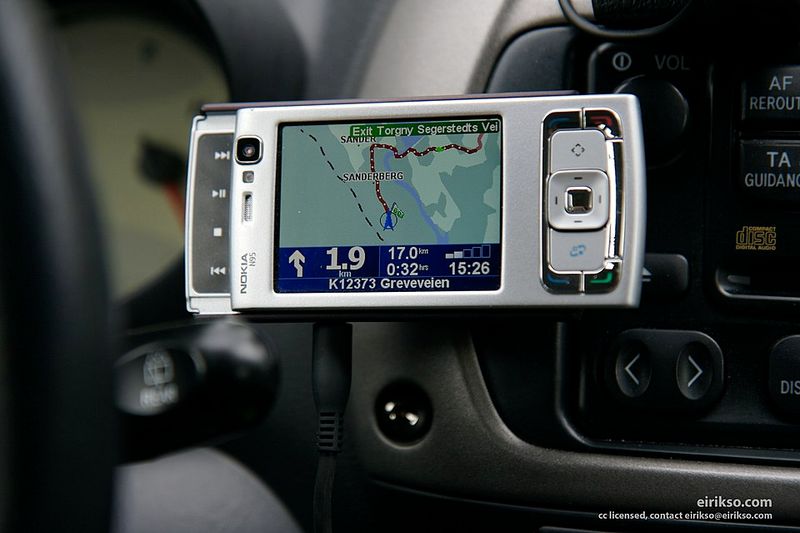
Released in early 2007, the Nokia N95 arrived like a Swiss Army knife disguised as a phone. A 5-megapixel camera, GPS navigation, Wi-Fi connectivity, and a music player were all packed into one sleek sliding device.
For its era, it was jaw-dropping technology that made other phones look underpowered.
Its dual-slide mechanism was genuinely clever. Sliding up revealed the keypad, while sliding down opened media controls.
Nokia called it a multimedia computer rather than a phone, and honestly, the label fit. Though the iPhone launched the same year and eventually changed everything, the N95 held its ground as one of the smartest pre-smartphone-era devices ever made.
8. Samsung SGH-T100 (2002)
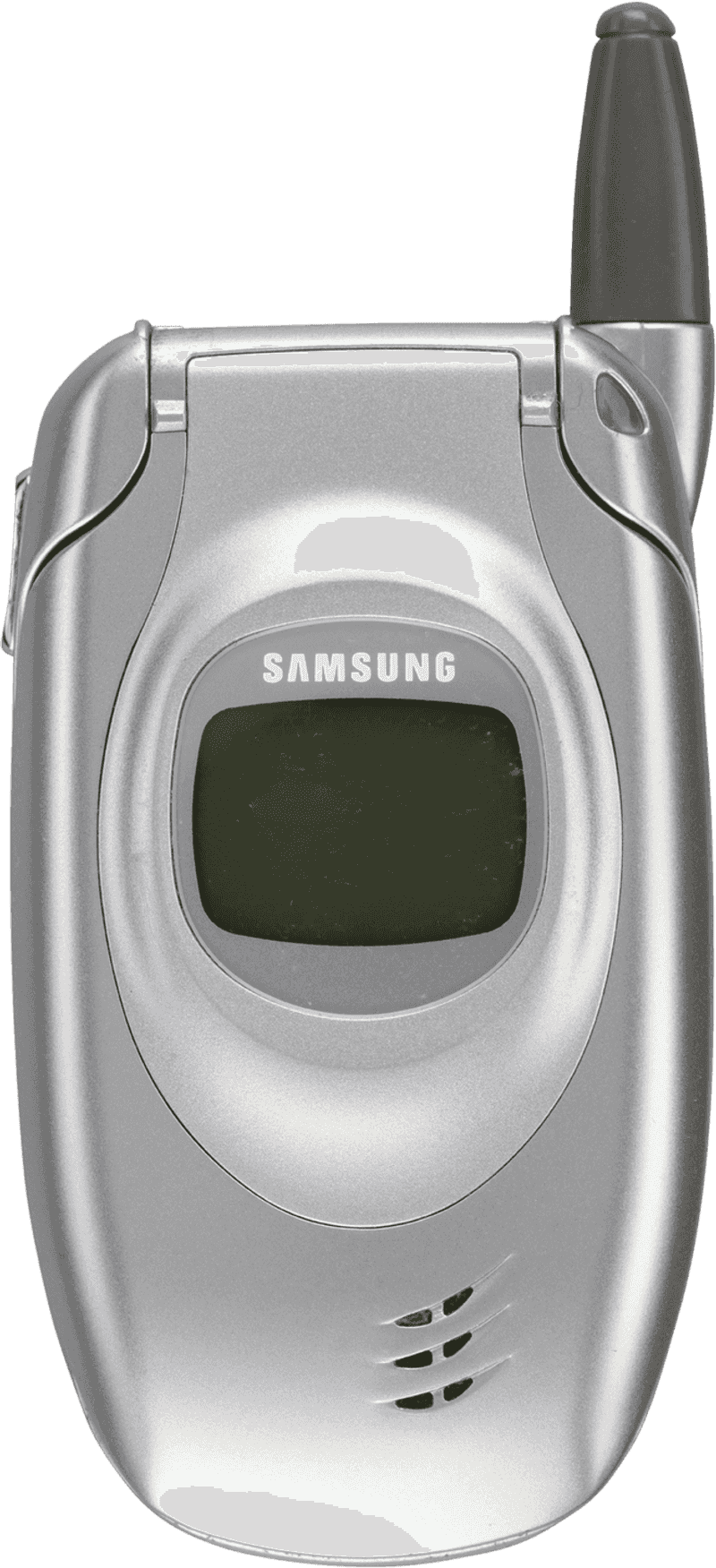
Samsung made a bold statement in 2002 when it launched the SGH-T100, one of the first phones to feature a full color TFT display. Seeing vibrant colors on a phone screen for the first time genuinely felt like upgrading from black-and-white TV to full HD.
Suddenly, wallpapers and menus looked alive in a way nobody had experienced before.
Its sleek clamshell design also turned heads wherever it went. Selling over 10 million units, it helped Samsung establish credibility as a serious player in mobile design.
If you carried one of these in school, you were automatically considered cutting-edge. Samsung never looked back after this one.
9. Siemens S55 (2002)
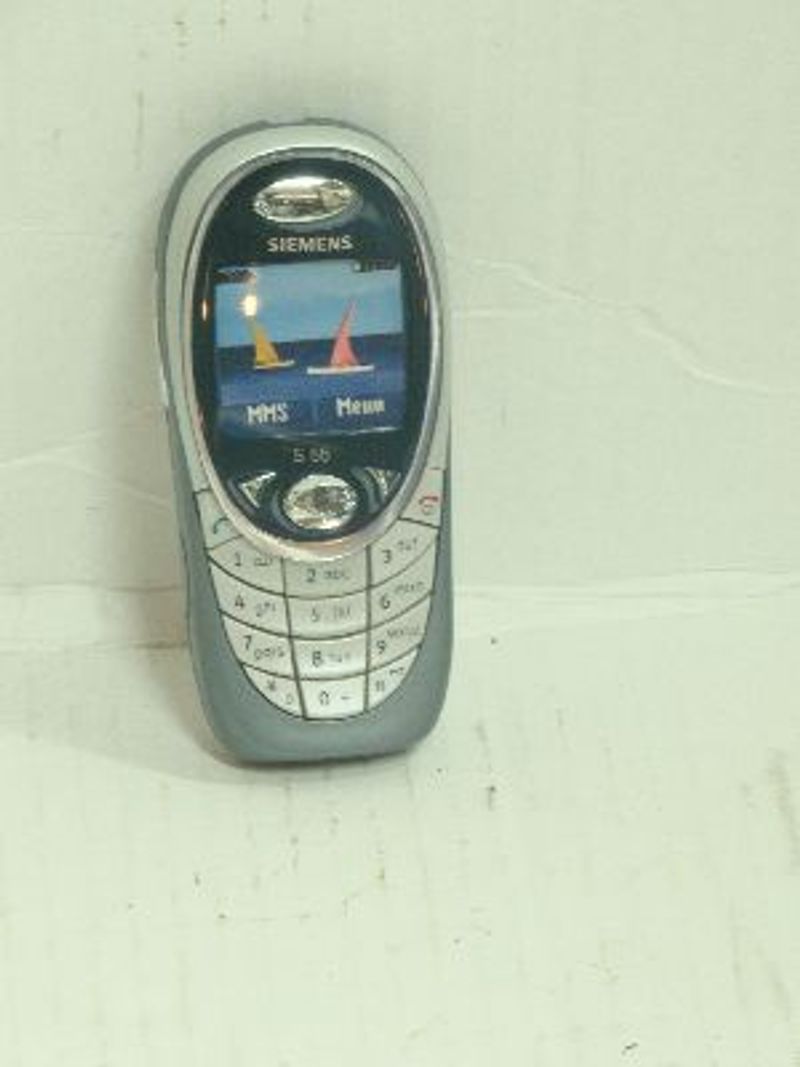
Siemens brought serious style to 2002 with the S55, a compact candy bar phone that packed a color display and polyphonic ringtones into a genuinely attractive package. Polyphonic tones were a massive deal then, turning boring default beeps into recognizable melody snippets that echoed through every classroom and cafeteria imaginable.
Beyond its good looks, the S55 supported Java games, meaning downloadable entertainment was suddenly a real possibility. Bluetooth was also included, making wireless file sharing feel like actual witchcraft.
Siemens may have exited the mobile market in 2005, but fans of the S55 still remember it fondly as a phone that punched well above its weight class.
10. LG Chocolate (2006)
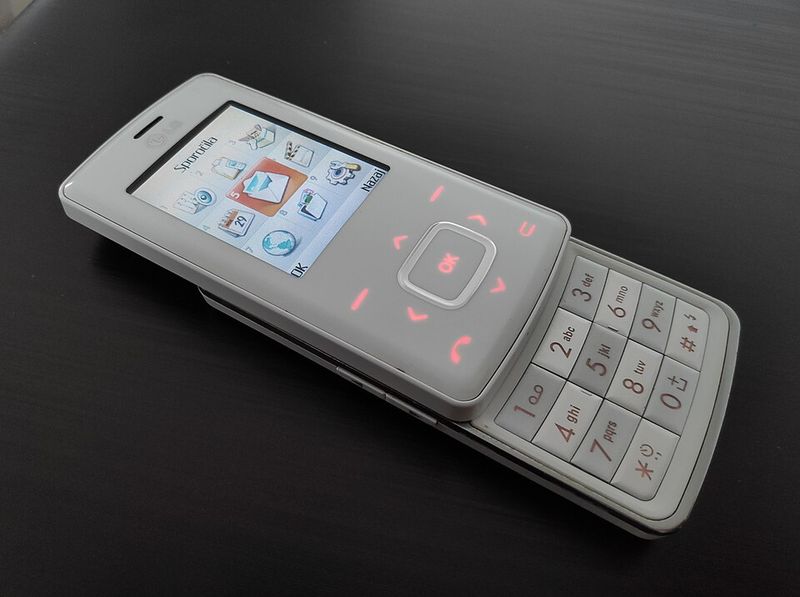
Smooth, dark, and irresistibly stylish, the LG Chocolate arrived in 2006 looking like no phone anyone had seen before. Its glossy black finish and touch-sensitive front panel gave it an almost futuristic appearance that stood out dramatically on store shelves.
Swiping a finger across the music controls felt surprisingly satisfying for a pre-touchscreen era device.
Marketed heavily as a music phone, it came bundled with solid audio features and a sleek slide mechanism. Over 7 million units sold in the United States alone, making it a genuine commercial hit.
How did LG manage to make a phone look edible? Nobody complained, everyone just wanted one.
11. Nokia 7650 (2002)
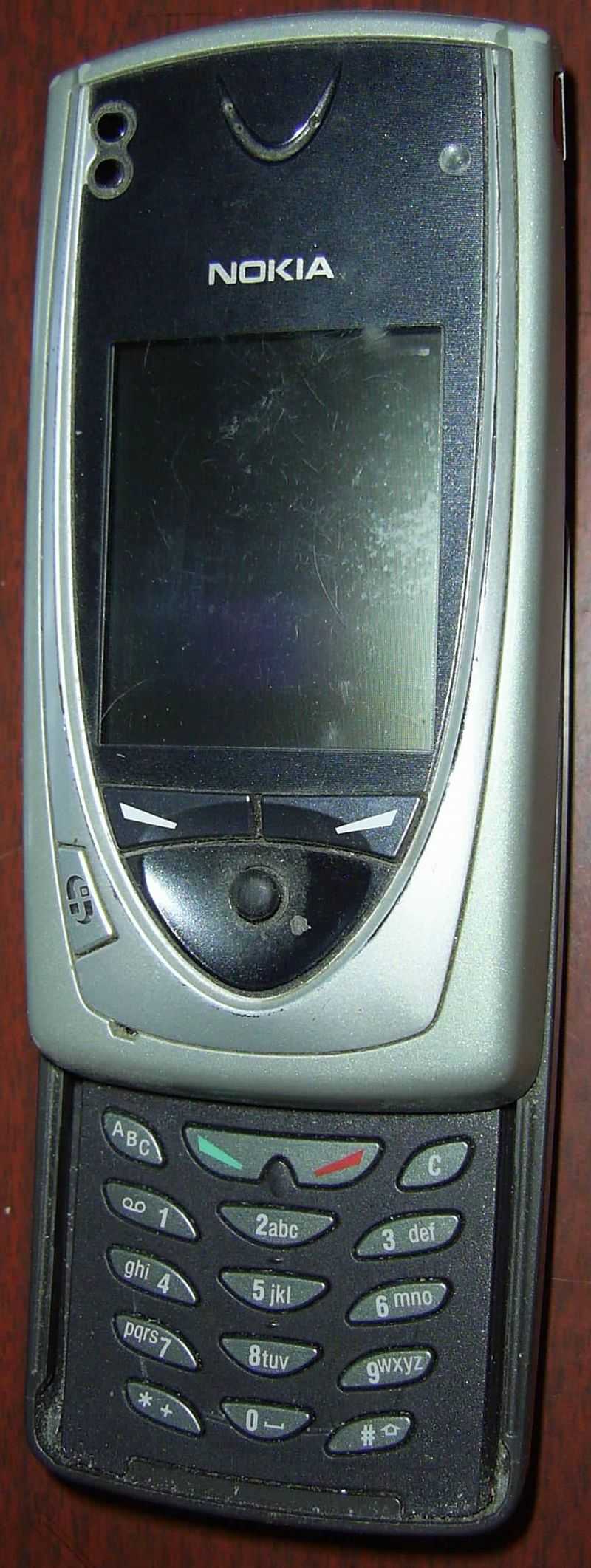
Nokia changed everything in 2002 by releasing the 7650, the very first Nokia phone to feature a built-in camera. Snapping a photo and sending it to a friend felt like living inside a science fiction novel.
Suddenly, capturing spontaneous moments no longer required carrying a separate camera everywhere you went.
Running the Symbian OS, it was also one of the earliest true smartphones, supporting downloadable apps years before app stores became a thing. Its sliding keyboard design added a fun tactile element that set it apart visually.
If smartphones had a family tree, the Nokia 7650 would sit comfortably near the very top as a founding ancestor.
12. Palm Treo 650 (2004)
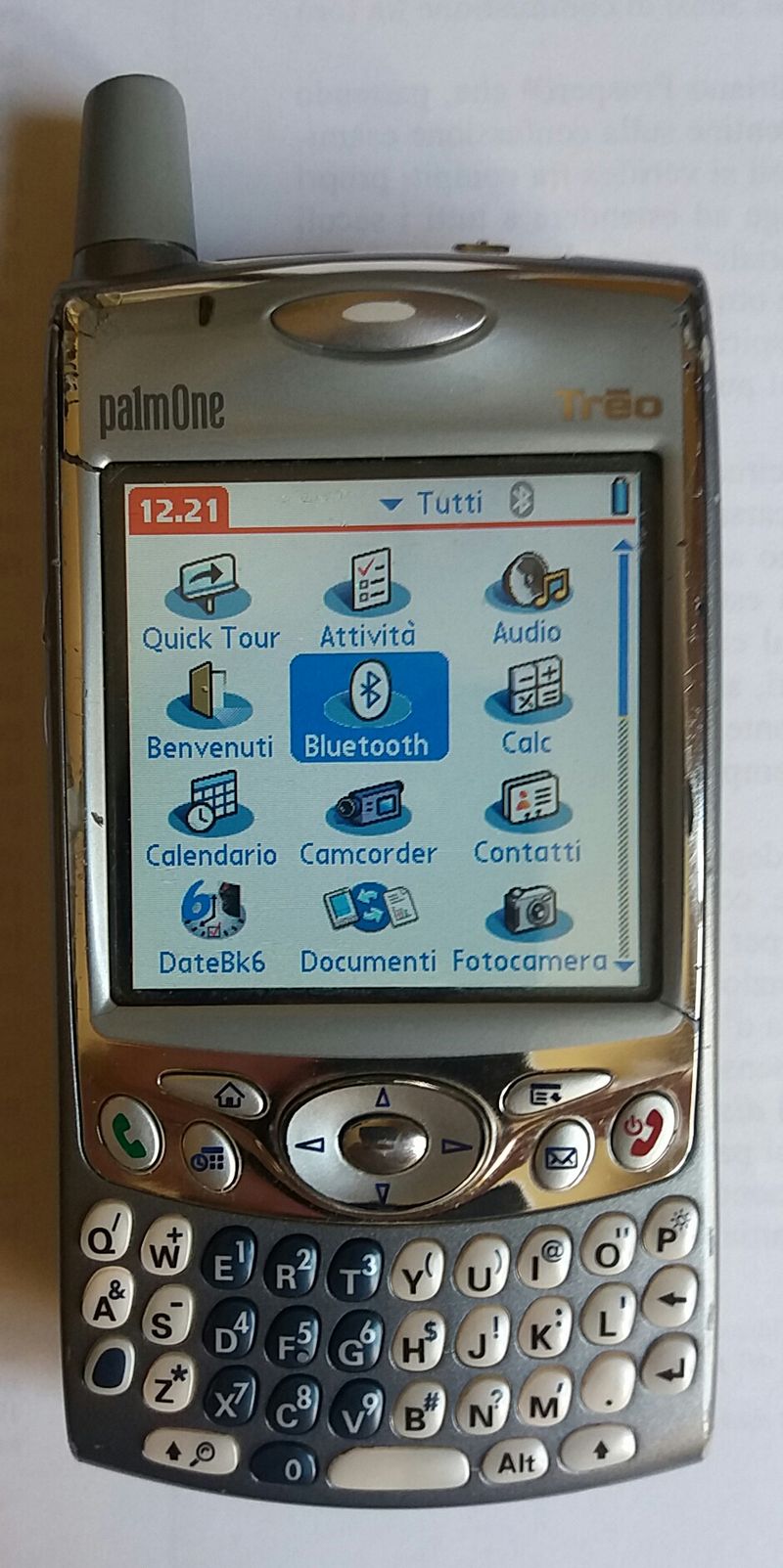
Long before iPhones made touchscreen browsing mainstream, the Palm Treo 650 was already delivering a full smartphone experience in 2004. A physical QWERTY keyboard sat below a sharp color screen, making email, web browsing, and calendar management genuinely practical on a handheld device.
Businesspeople and tech enthusiasts absolutely loved it.
Running Palm OS, it supported thousands of third-party apps, which felt almost unbelievable at the time. Syncing contacts and schedules wirelessly was a game-changer for productivity.
If the Treo 650 had a motto, it would be: serious work, serious style. It laid important groundwork for every touchscreen productivity device that followed years later.
13. Ericsson T28 (1999)
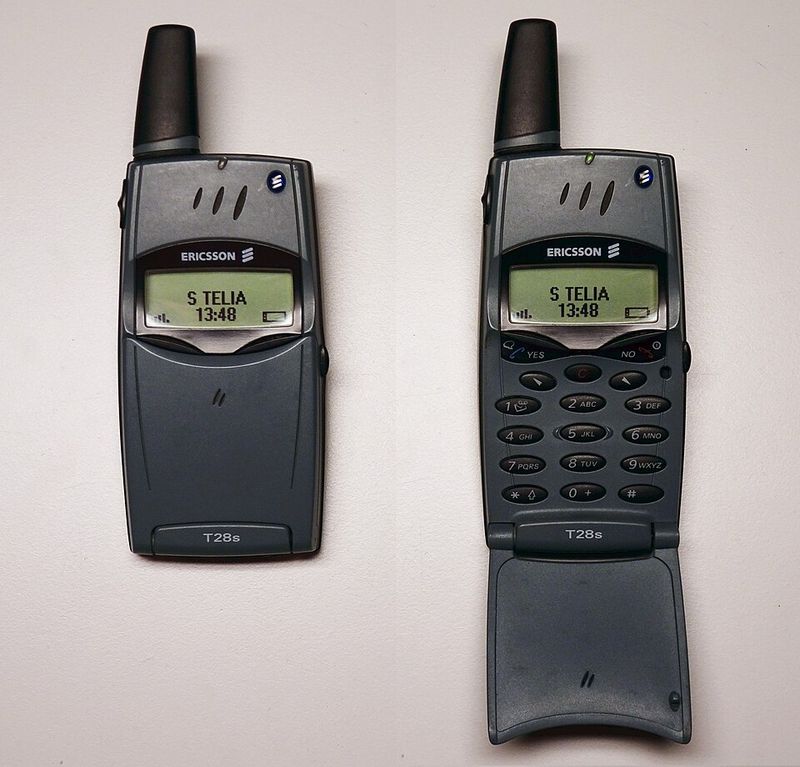
Measuring just 14 millimeters thin, the Ericsson T28 arrived in 1999 looking almost impossibly slender for a working mobile phone. Engineers at Ericsson essentially performed a miracle of miniaturization, squeezing a functional phone into a profile thinner than most pencils.
Holding one felt like holding a secret gadget from a spy thriller.
Its flip cover protected the microphone and added a satisfying snap when opening for calls. Despite its tiny size, it delivered solid call quality and a respectable battery life.
Years before ultra-thin became a marketing buzzword for every tech brand, the T28 was already living that life quietly and confidently.
14. HTC Dream (T-Mobile G1) (2008)
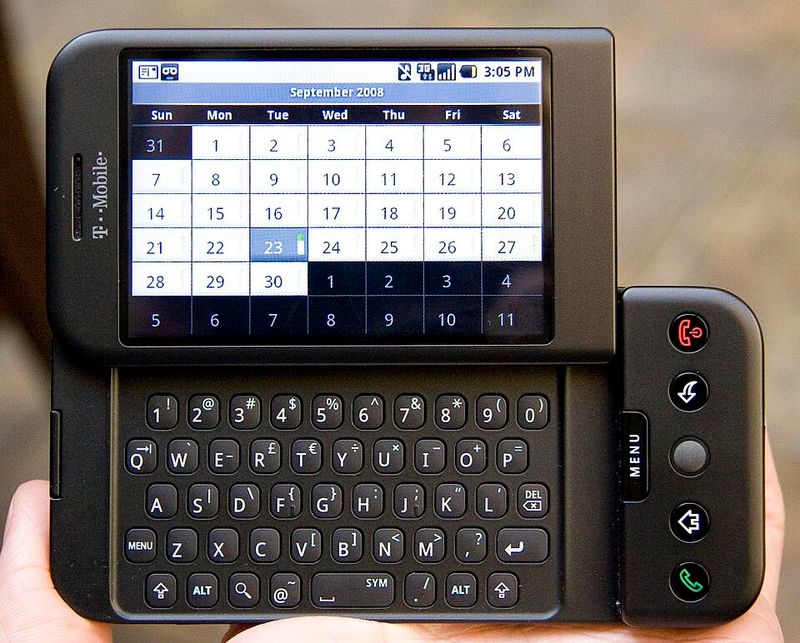
Every revolution needs a starting point, and for Android, it was the HTC Dream, sold in the United States as the T-Mobile G1. Released in October 2008, it was the very first commercially available Android smartphone, a fact that makes it historically priceless for any tech fan.
Sliding out its physical keyboard felt like unlocking a new chapter in mobile history.
Running Android 1.0, it introduced features like a dedicated app marketplace, Gmail integration, and Google Maps navigation. Rough around the edges?
Absolutely. Historically important?
Without a doubt. Owning a G1 in 2008 meant being part of something genuinely new, a mobile operating system that would eventually run billions of devices worldwide.