6 Ways To Identify Antique And Vintage Ceramics And The 10 Pieces Worth The Most
Antique ceramics hold a certain magic – the weight of history, the craftsmanship in every glaze, and the quiet stories told through delicate cracks and marks.
But telling a true treasure from a clever reproduction takes a careful eye.
Knowing how to spot age, maker’s marks, and authentic wear can make all the difference for collectors and curious shoppers alike.
Once you learn the signs, the hunt becomes half the fun. Here are 6 ways to identify antique and vintage ceramics – and 10 pieces that are worth the most.
1. Maker’s Marks Or Backstamps
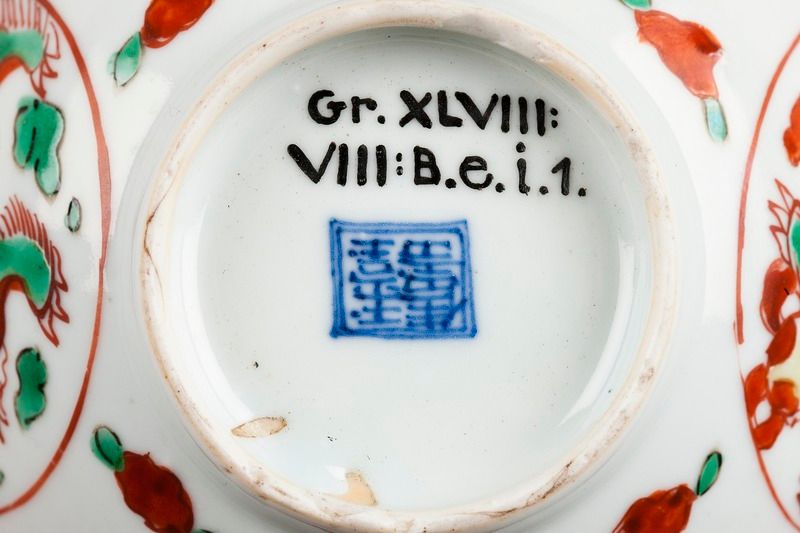
Flip your ceramic piece over and you might discover a tiny signature that unlocks its entire history. These stamps, symbols, or handwritten marks tell you who made the piece and often when it was created.
Manufacturers left their calling cards on the bottom, and collectors use reference books to decode these mysterious symbols. Not every old piece has a mark, but finding one is like discovering a birth certificate for your treasure.
2. Glaze Crazing Or Age Cracks
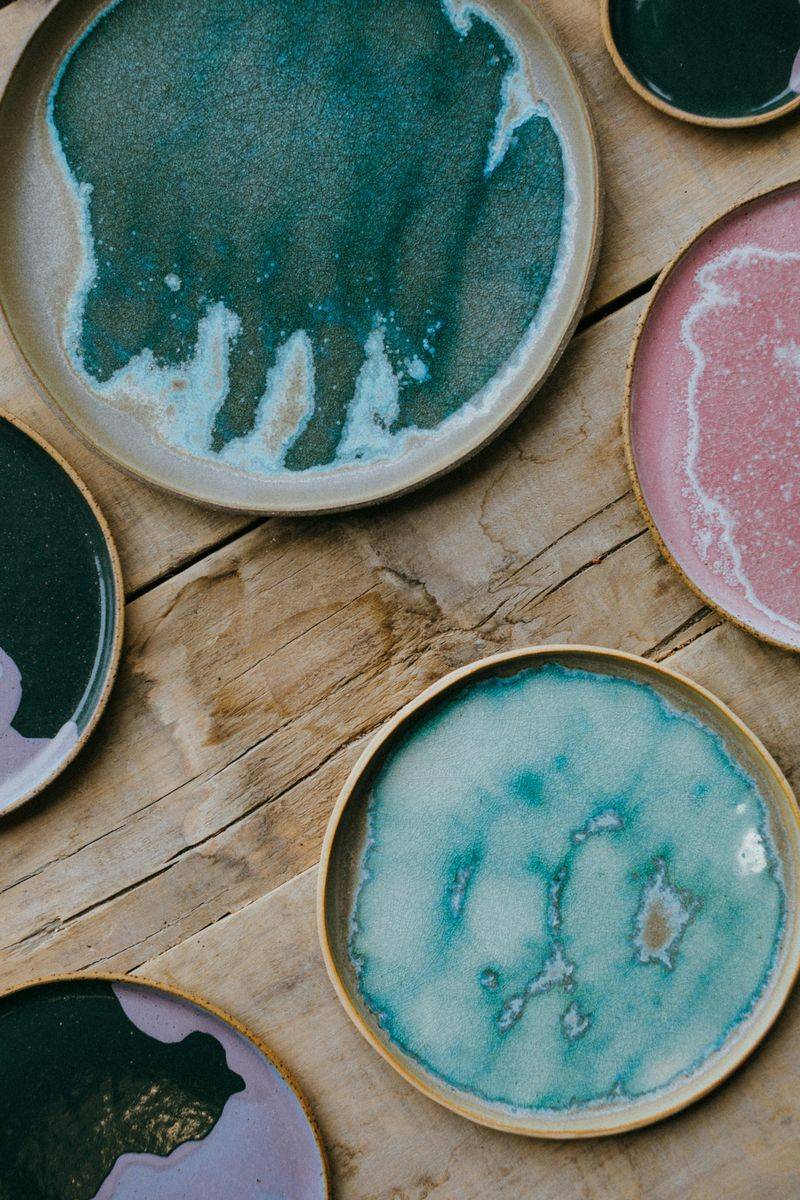
Those spiderweb-like lines crisscrossing the surface aren’t damage – they’re proof of age! Crazing happens when glazes expand and contract differently from the clay beneath them over decades.
Think of them as wrinkles that prove authenticity. Modern reproductions rarely show this natural aging pattern, making crazing a helpful clue when you’re trying to separate the real antiques from clever fakes.
3. Hand-Painted Details
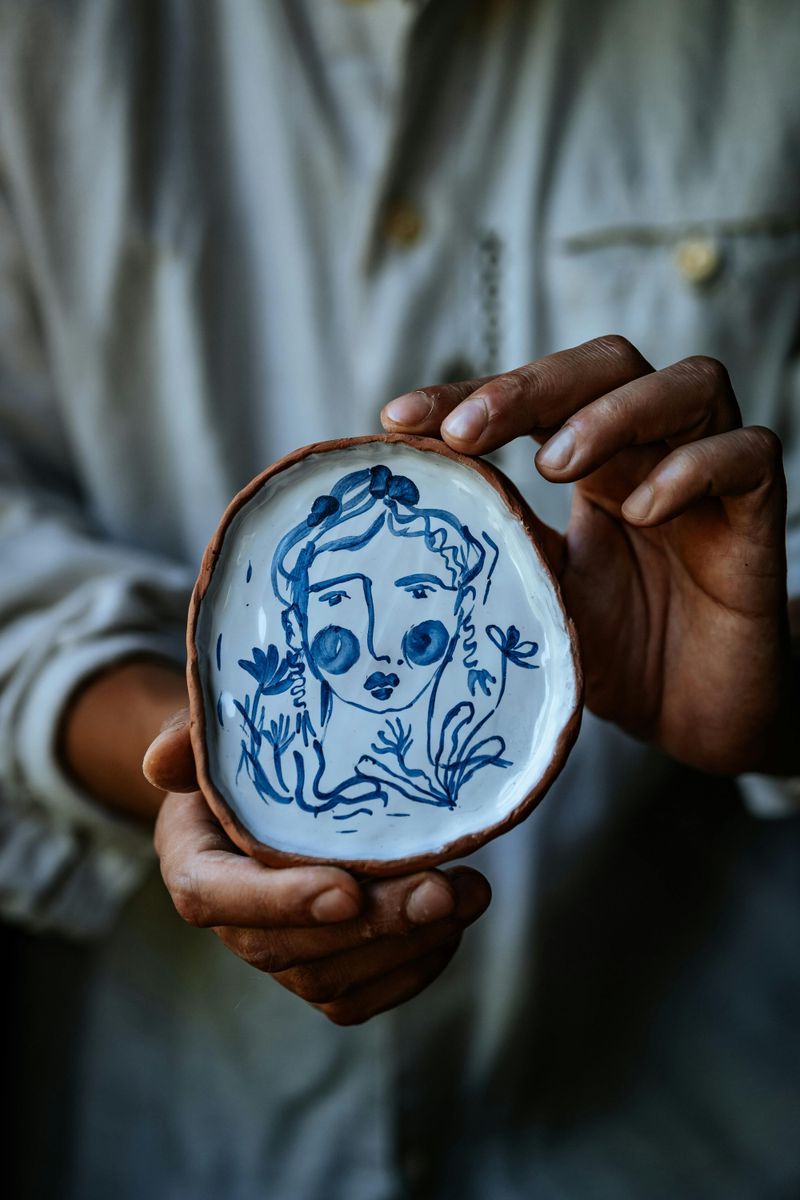
Grab a magnifying glass and examine the decorations closely – you’ll notice something magical about genuine hand-painted work.
Brush strokes have personality, with slight variations in pressure and tiny imperfections that machines can’t replicate.
Colors might bleed slightly beyond their boundaries, and patterns won’t be absolutely identical on matching pieces. This human touch adds character and significantly increases value for serious collectors.
4. Clay Color And Texture

Peek at any chips or the unglazed base to investigate what’s hiding beneath the pretty surface.
Different regions and time periods used distinctive clay types – some creamy white, others grayish or even reddish-brown.
The clay’s texture and weight provide important clues about origin and age.
Modern ceramics often use standardized commercial clays, while antiques showcase the natural materials available to craftspeople in their specific location and era.
5. Weight And Translucency
Hold a piece up to bright light and watch for that magical glow – fine porcelain becomes almost see-through! This translucency separates true porcelain from heavier earthenware or stoneware.
Weight matters too; older pieces often feel surprisingly hefty because craftspeople used thicker walls for durability.
Modern reproductions sometimes feel suspiciously lightweight or lack that luminous quality when backlit, revealing their recent birth despite vintage-looking decorations.
6. Historical Design Style References
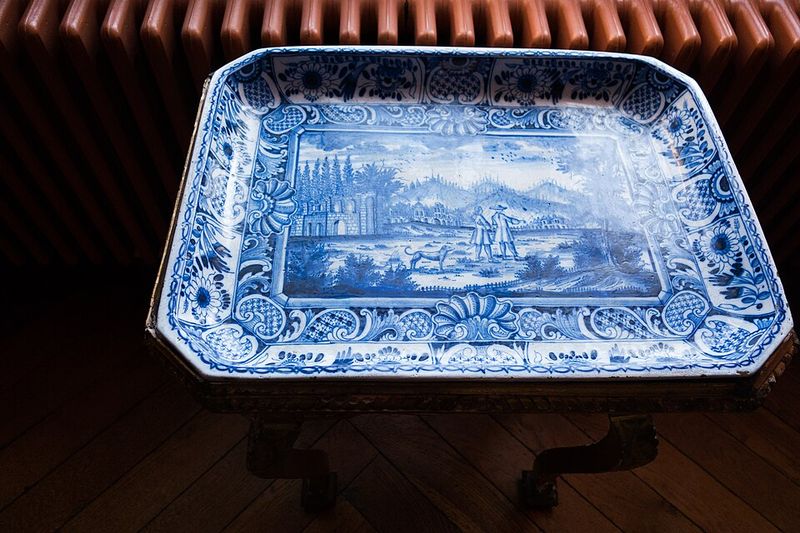
Every era had its favorite decorative trends, from Victorian floral overload to Art Deco’s geometric boldness. Recognizing these style signatures helps you date pieces even without marks.
Rococo curves dominated the 18th century, while Arts and Crafts embraced simpler forms in the early 1900s.
Study design history books or museum collections to train your eye, and you’ll start spotting anachronisms that expose reproductions pretending to be something they’re not.
1. Chinese Ming Or Qing Dynasty Porcelain
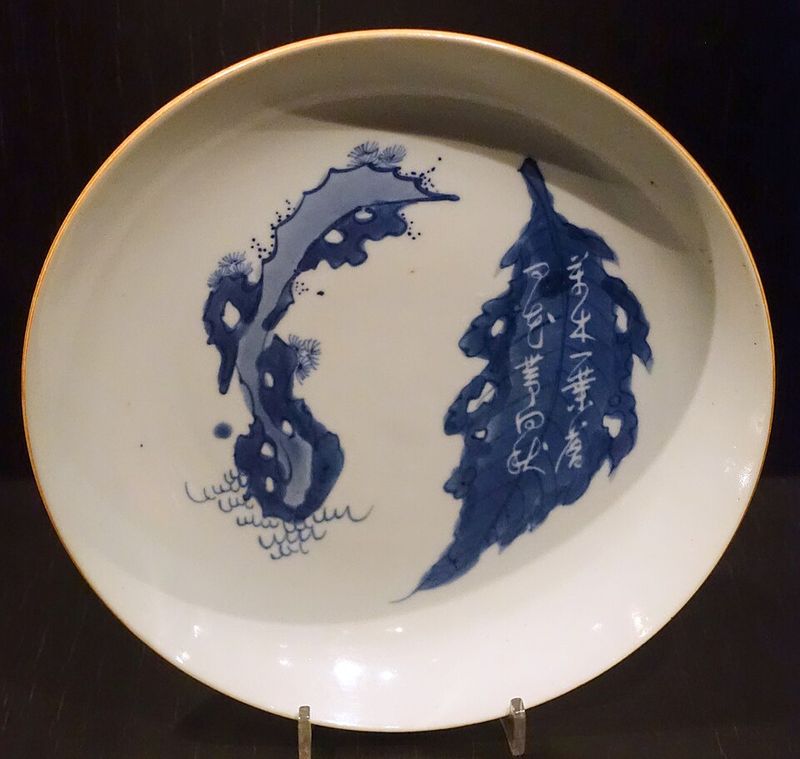
When it comes to jaw-dropping auction prices, nothing quite compares to imperial Chinese porcelain from these legendary dynasties.
Ming pieces (1368-1644) and Qing treasures (1644-1912) fetch millions when authenticated properly.
Their cobalt blue decorations, eggshell-thin walls, and imperial quality craftsmanship represent the absolute pinnacle of ceramic artistry.
Even damaged examples command respect and substantial prices because of their historical significance and breathtaking beauty.
2. Wedgwood Jasperware
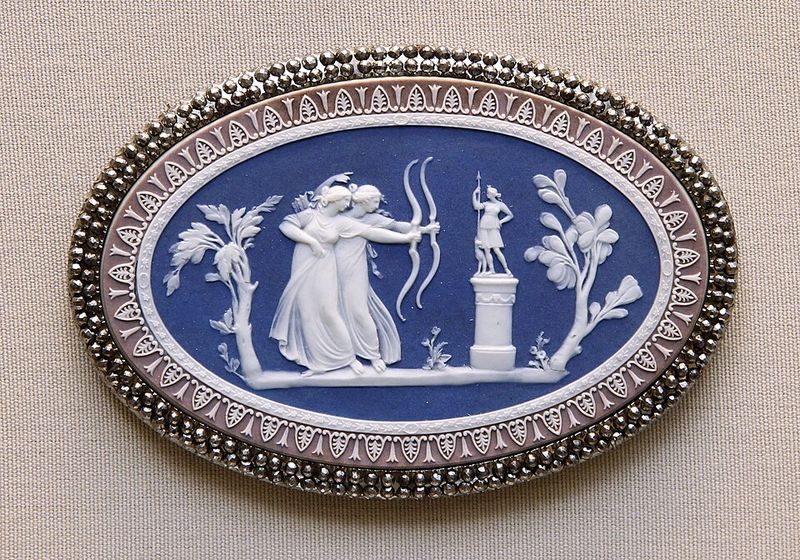
Josiah Wedgwood revolutionized pottery in the 1770s with his dreamy jasperware featuring white classical figures on colored backgrounds.
That iconic pale blue version has become synonymous with refined British taste and elegance.
Collectors hunt for rare colors like lilac or sage green, and early pieces with crisp detail command premium prices.
Condition matters enormously – chips or repairs drastically reduce value, so mint examples become increasingly precious as time marches forward.
3. Meissen Figurines
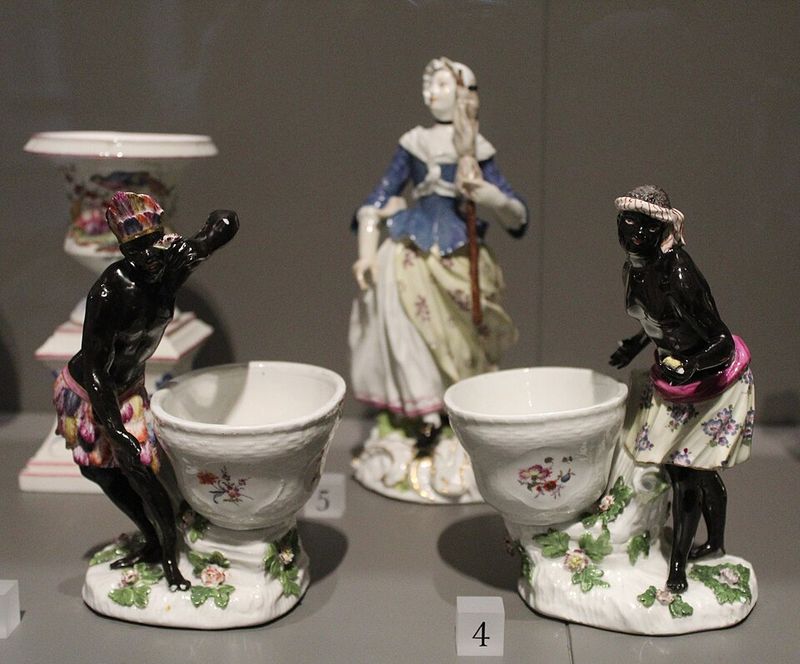
Germany’s Meissen factory practically invented European porcelain in 1710, making their figurines the aristocrats of ceramic collecting.
Those adorable shepherdesses, musicians, and romantic couples showcase extraordinary modeling skills and delicate hand-painting.
Look for the famous crossed swords mark on the base, though be warned – it’s heavily forged!
Genuine 18th and 19th-century examples sell for thousands, with rare subjects or large groupings reaching stratospheric prices at specialized auctions.
4. Royal Doulton Character Jugs
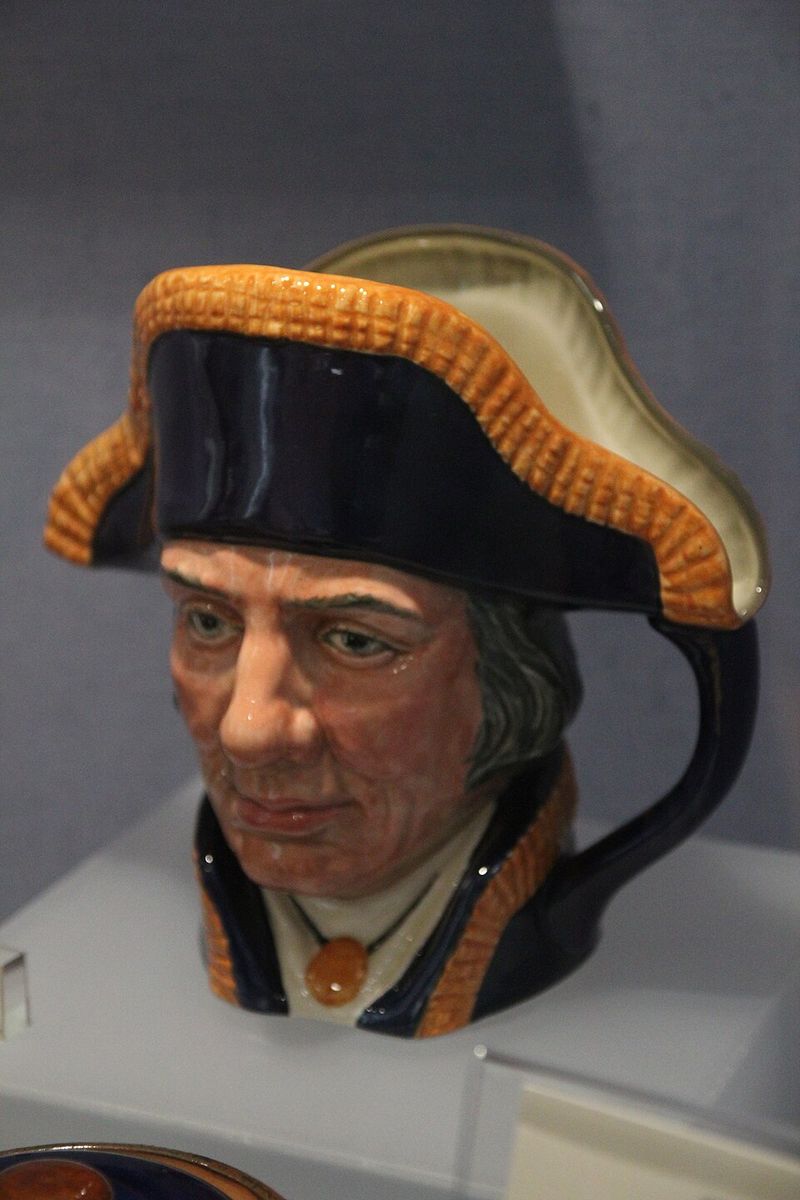
These whimsical jugs shaped like famous faces became wildly popular starting in the 1930s, and certain rare characters now sell for eye-popping amounts.
Collectors obsess over variations in size, color, and production years.
Limited editions or prototypes that never entered full production become Holy Grails worth thousands.
Even common characters hold value because Royal Doulton’s quality and charm never goes out of style among ceramic enthusiasts worldwide.
5. Delft Blue Pottery
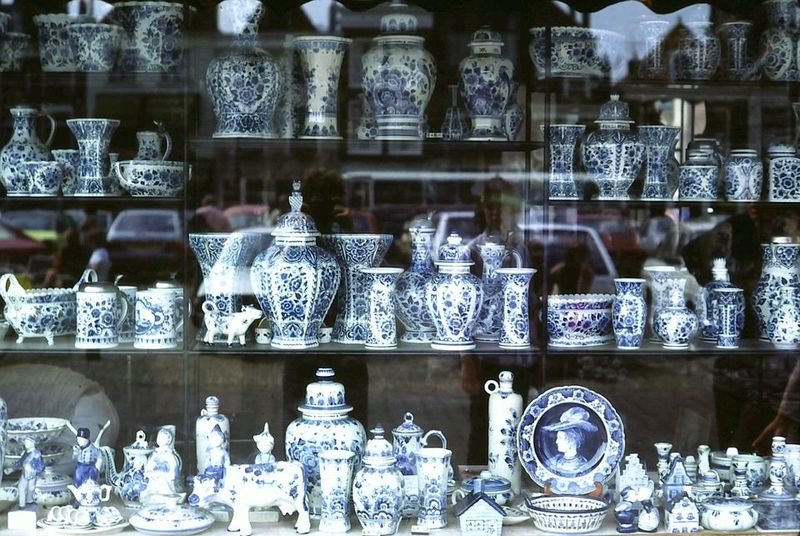
Holland’s answer to Chinese porcelain, Delftware captured hearts with its cheerful blue-and-white tin-glazed earthenware starting in the 1600s.
Windmills, tulips, and pastoral scenes dance across plates, tiles, and vases with charming naivety.
Authentic pieces from the Golden Age command serious money, while 19th-century examples remain affordable for newer collectors.
Check for hand-painting irregularities and proper aging signs, since reproductions flood tourist shops throughout Amsterdam and beyond.
6. Limoges Porcelain

France’s Limoges region became synonymous with luxurious porcelain perfection during the 19th century, producing pieces for royalty and wealthy families.
The pure white kaolin clay from local deposits created an unmatched luminous quality.
Elaborate hand-painted decorations, often featuring romantic scenes or lavish gold trim, make these pieces instantly recognizable.
Complete tea sets, ornate vases, and artist-signed plaques bring top dollar, especially when bearing marks from prestigious Limoges factories.
7. Early Staffordshire Figurines

England’s Staffordshire region churned out charming figurines during the 1800s that captured everyday life with delightful folk-art simplicity.
Spaniels, shepherds, and famous personalities stood proudly on Victorian mantels everywhere.
Their naive painting style and flat backs (designed for shelf display) give them unmistakable character.
Rare subjects like specific historical figures or unusual animals command premium prices, while condition issues like paint loss significantly impact value for these beloved collectibles.
8. Rookwood Pottery Pieces
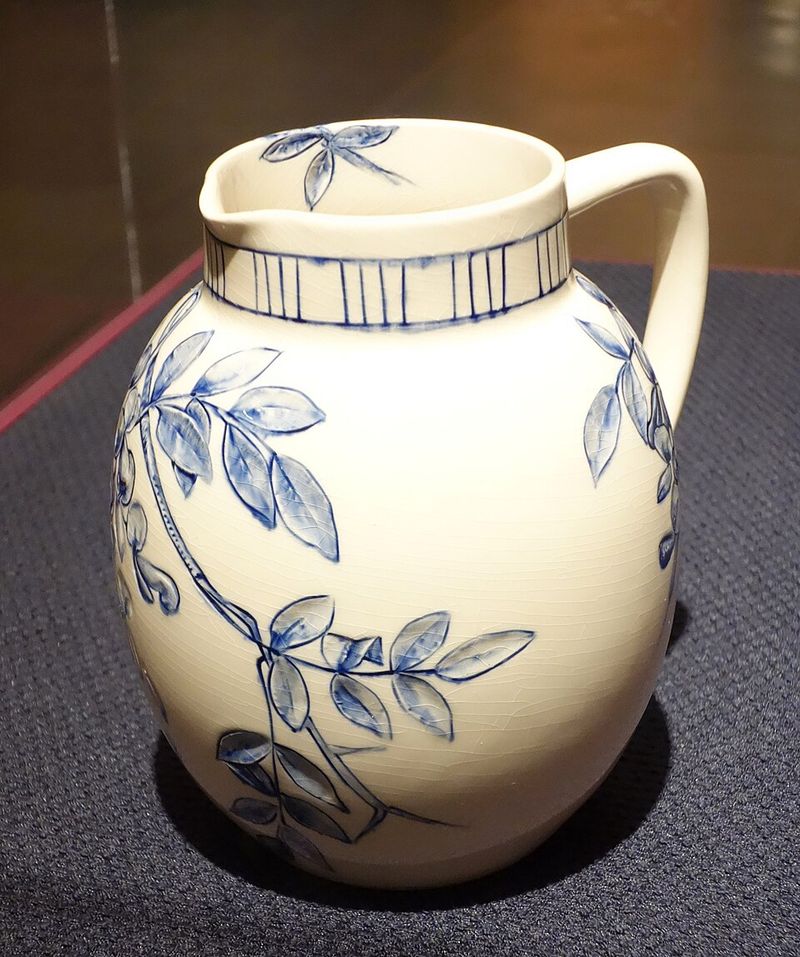
Cincinnati’s Rookwood Pottery elevated American ceramics to fine art status starting in 1880, with luscious glazes and artistic designs rivaling anything from Europe.
Their nature-inspired motifs and innovative glaze techniques created pieces that glow with inner fire.
Artist signatures increase value dramatically, as does unusual glaze work or large scale.
Condition is critical—even small damage tanks prices because collectors demand perfection when investing in these American treasures.
9. Roseville Art Pottery
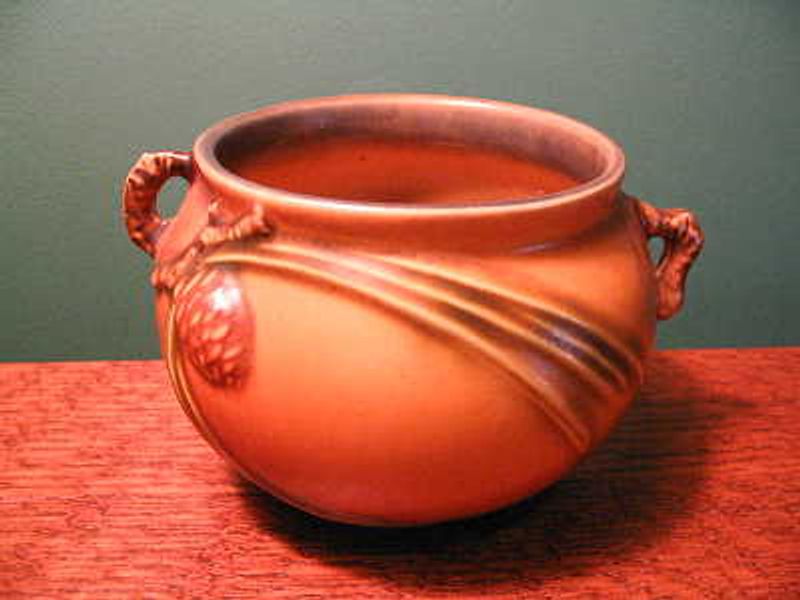
Another American pottery powerhouse, Roseville produced affordable beauty for middle-class homes from the 1890s through 1954.
Their molded relief patterns featuring flowers, fruits, and nature themes showcase Arts and Crafts sensibilities with commercial appeal.
Rare patterns like Della Robbia or Fudji command thousands, while common designs remain accessible for beginning collectors.
Check carefully for repairs and reproductions, which unfortunately plague this popular collectible category in today’s market.
10. Art Nouveau Or Art Deco Vases By Moorcroft Or Clarice Cliff
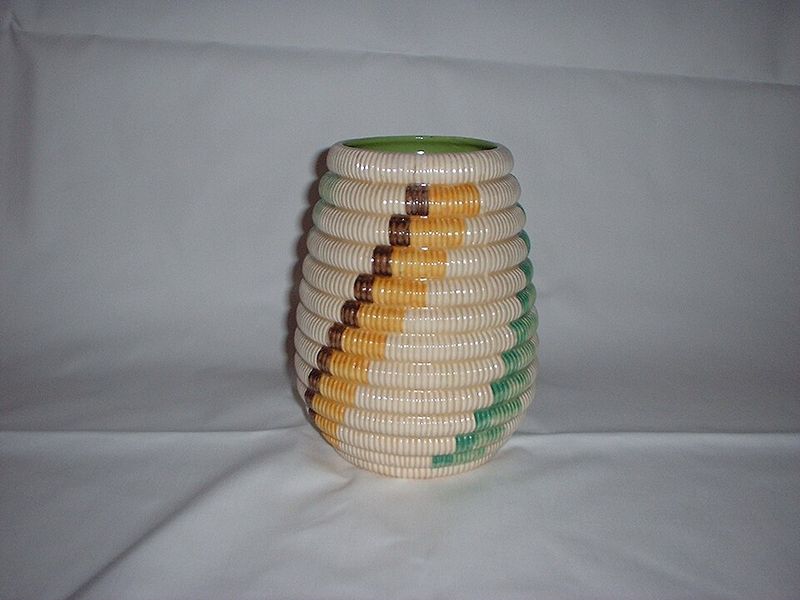
British designers Moorcroft and Clarice Cliff revolutionized decorative pottery in the early 20th century with bold, modern aesthetics.
Moorcroft’s flowing Art Nouveau florals contrast brilliantly with Cliff’s geometric Art Deco explosions of color.
Signature pieces from both artists sell for thousands, with rare patterns or perfect condition examples reaching five figures.
Their work bridges the gap between functional pottery and collectible art, making them eternally popular with decorators and serious collectors alike.