16 Indie Film Classics That Belong On Any Watchlist
Independent films tend to find their audience in a different way.
Someone brings one up in conversation. A late-night watch turns into a recommendation the next morning. Years pass, and the title keeps resurfacing, not because of marketing, but because it left a mark.
What makes an indie film feel essential is not how unconventional it tries to be. It is the confidence to follow its own rhythm.
Stories unfold without rushing. Characters get space to be messy, quiet, or unresolved. The choices can feel risky, personal, and refreshingly unconcerned with pleasing everyone.
A watchlist starts to feel richer once those kinds of films enter the mix. They challenge taste, shape perspective, and reward curiosity with repeat viewings that reveal more each time.
Disclaimer: This list reflects editorial opinion and viewing taste, not definitive fact or universal consensus about which independent films count as essential classics.
1. Slacker (1991)
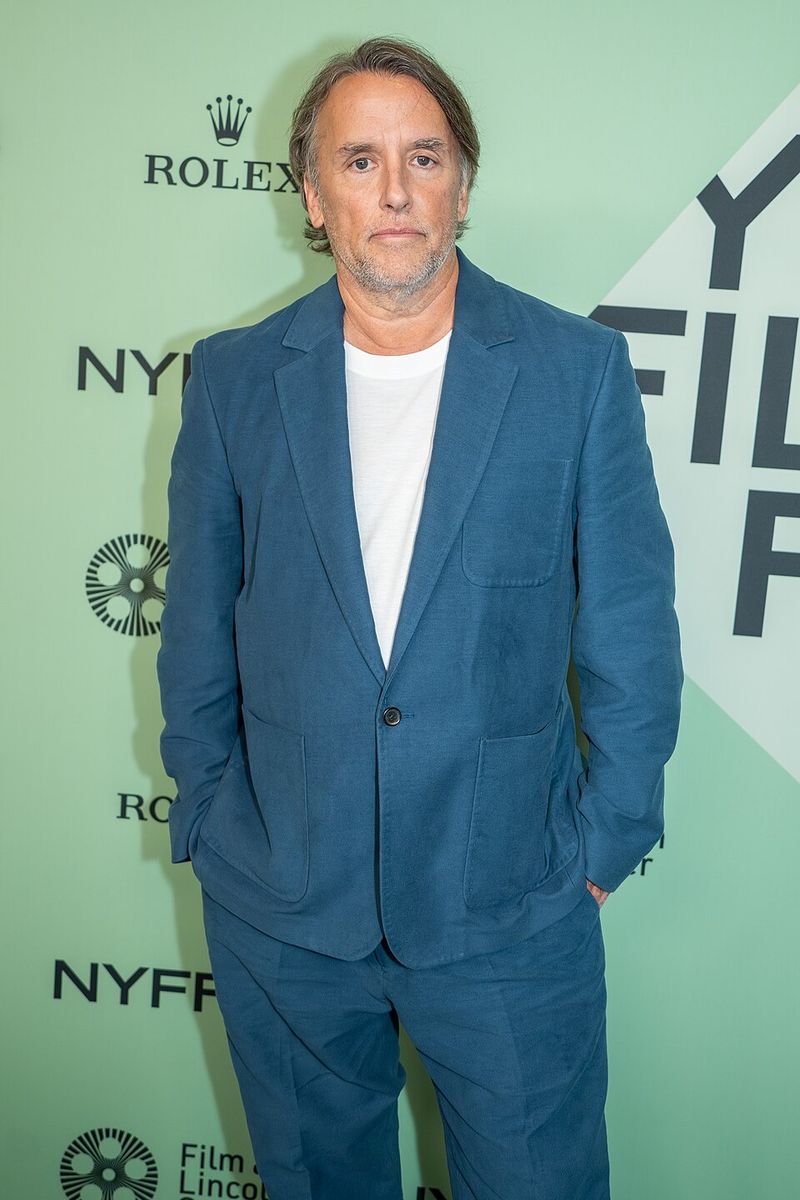
Richard Linklater basically grabbed a camera and followed random people around Austin, Texas, creating something totally unique.
There’s no main character, no real plot, just a camera drifting from one eccentric conversation to another.
It’s like channel-surfing through people’s lives, and somehow it works beautifully.
The film captured Generation X’s vibe before anyone really had a name for it.
Every few minutes, we meet someone new: conspiracy theorists, artists, philosophers, weirdos.
Though it sounds chaotic, the movie flows like a dream, showing how connected we all are even when we feel totally isolated.
2. Clerks (1994)
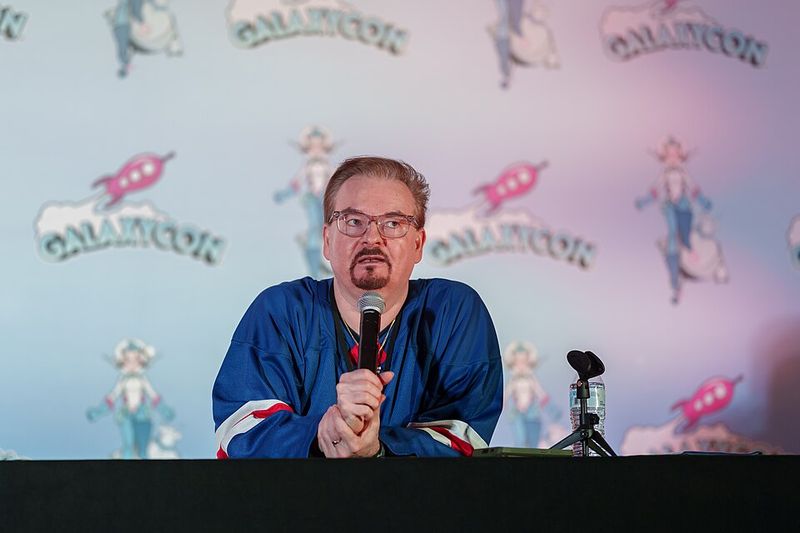
After maxing out his credit cards, Kevin Smith filmed the comedy in the very convenience store where he worked nights, turning a roughly $27,000 budget into something that felt like pure movie magic.
Two retail workers spend their day dealing with annoying customers, playing hockey on the roof, and having hilariously philosophical debates about everything from relationships to Star Wars.
The black-and-white cinematography wasn’t an artistic choice, it was a money-saving trick, but it gave the film a timeless quality.
3. Reservoir Dogs (1992)
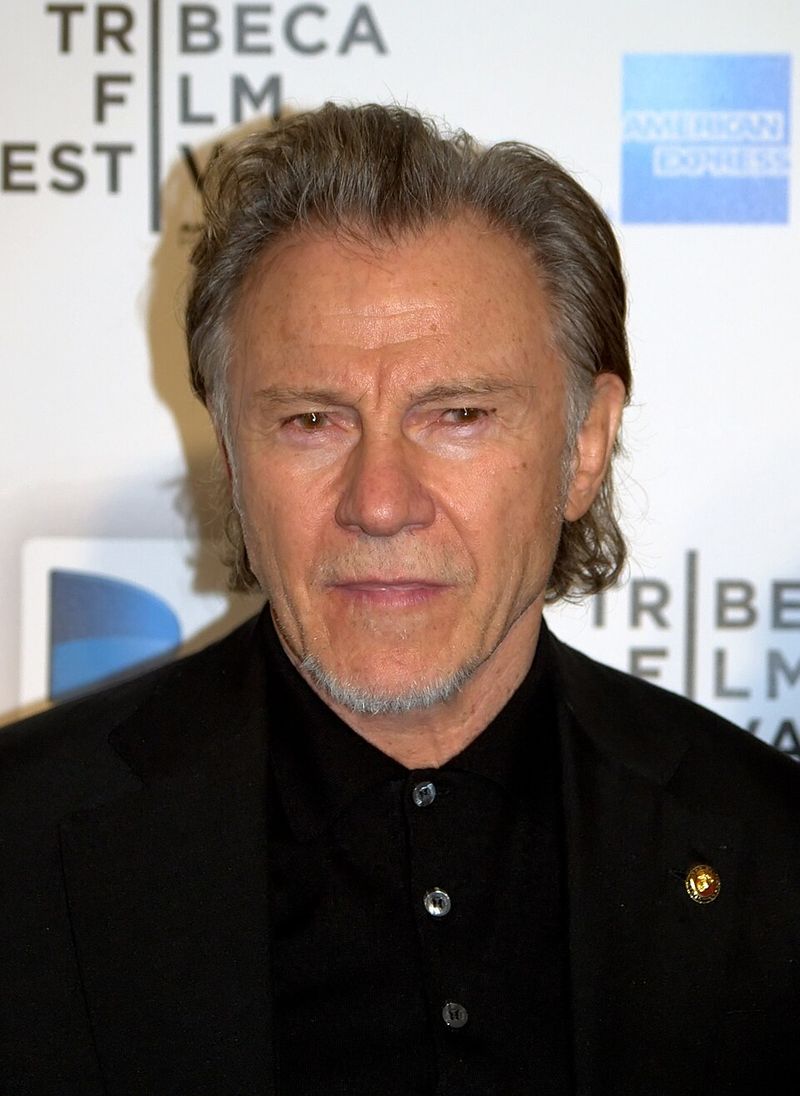
Before Quentin Tarantino became a household name, he exploded onto the scene with this crime thriller about a jewelry heist gone horribly wrong.
We never actually see the robbery, which is genius! Instead, we watch the aftermath as the surviving criminals try figuring out who betrayed them, tensions rising with every passing minute.
The film’s non-linear storytelling, razor-sharp dialogue, and perfectly curated soundtrack changed independent cinema forever.
Shot for around $1.2 million, it made Tarantino an instant legend and inspired countless filmmakers to take bigger creative risks with genre storytelling.
4. Before Sunrise (1995)

Two strangers meet on a train heading to Vienna and decide to spend one night exploring the city together before parting ways forever.
That’s literally the entire plot, yet it’s absolutely captivating!
Ethan Hawke and Julie Delpy walk, talk, and gradually fall for each other through conversations that feel refreshingly real and unscripted.
Director Richard Linklater stripped away typical movie romance clichés, focusing entirely on genuine human connection.
5. The Blair Witch Project (1999)
Three film students vanish while investigating a local legend in the Maryland woods, leaving behind only their terrifying footage.
This guerrilla-style horror film cost around $60,000 but earned nearly $250 million worldwide, basically inventing the found-footage genre as we know it today!
The marketing campaign was brilliant, with websites suggesting the footage was real and the students actually missing. Audiences genuinely didn’t know what to believe.
6. Being John Malkovich (1999)
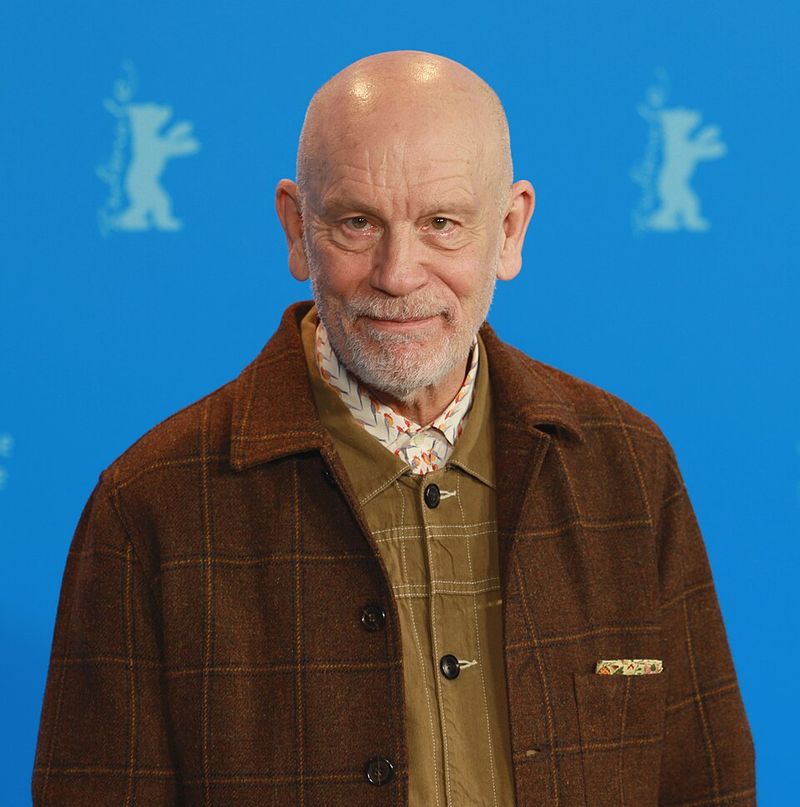
What if you discovered a secret portal leading directly into actor John Malkovich’s mind?
Charlie Kaufman’s screenplay is absolutely bonkers in the best possible way, and director Spike Jonze brings it to life with perfect deadpan weirdness.
The film follows a struggling puppeteer who finds this portal behind a filing cabinet at work.
Every twist gets stranger and more philosophical, exploring identity, consciousness, and celebrity obsession.
Malkovich himself plays along with incredible good humor, appearing as both himself and various versions filtered through other people’s perspectives.
7. Memento (2000)
Christopher Nolan’s breakthrough thriller tells its story backwards, mirroring the protagonist’s condition: he can’t form new memories.
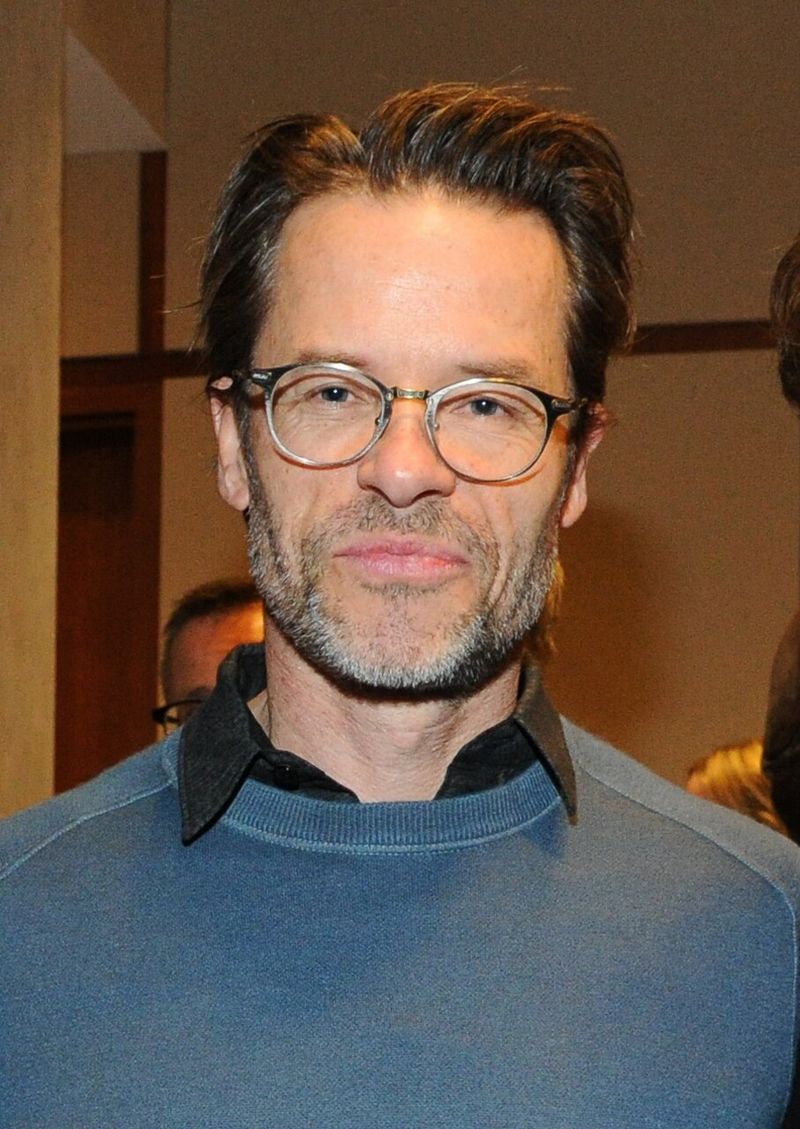
Guy Pearce plays a man hunting his wife’s killer using polaroids, notes, and tattoos to remember crucial information. However, nothing is quite what it seems!
The reverse chronology isn’t just a gimmick, it puts viewers inside the main character’s confused, paranoid headspace. Each scene peels back another layer of mystery while raising new questions.
8. Requiem for a Dream (2000)
Fair warning: this film hits harder than a freight train and stays with you for weeks.
Darren Aronofsky crafts a devastating portrait of four people whose lives spiral downward through various addictions.
The editing, sound design, and Clint Mansell’s haunting score combine to create something viscerally powerful and deeply unsettling.
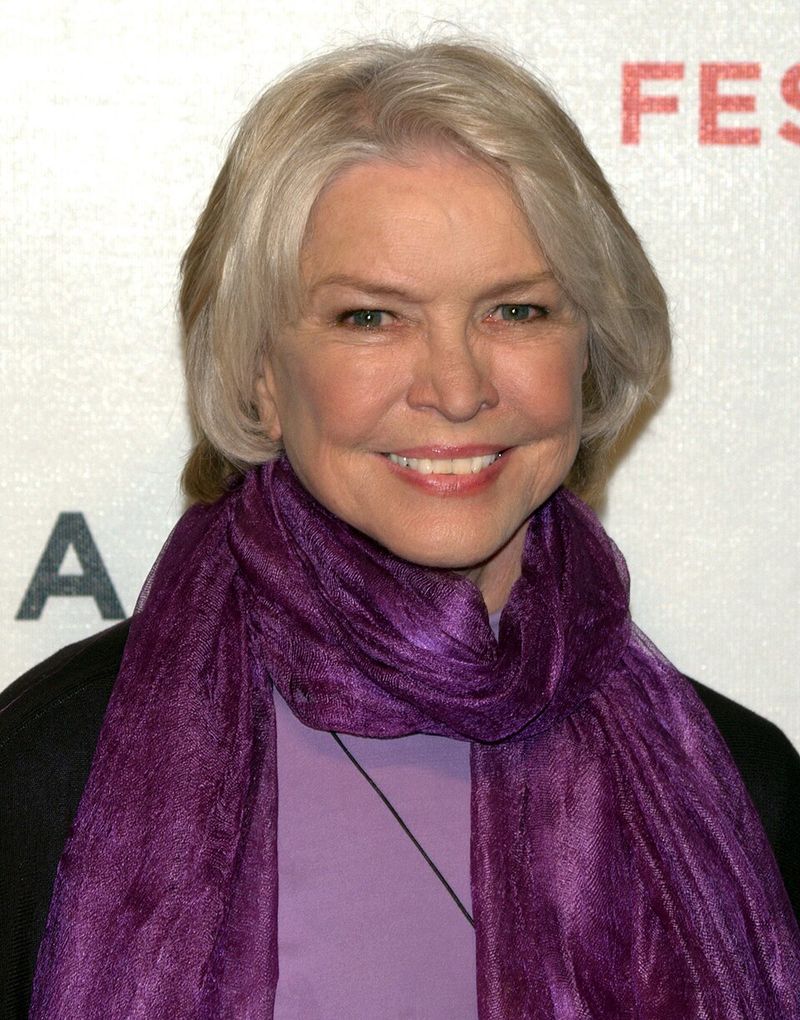
Ellen Burstyn delivers a heartbreaking performance as a mother losing touch with reality while obsessing over appearing on television.
9. Donnie Darko (2001)
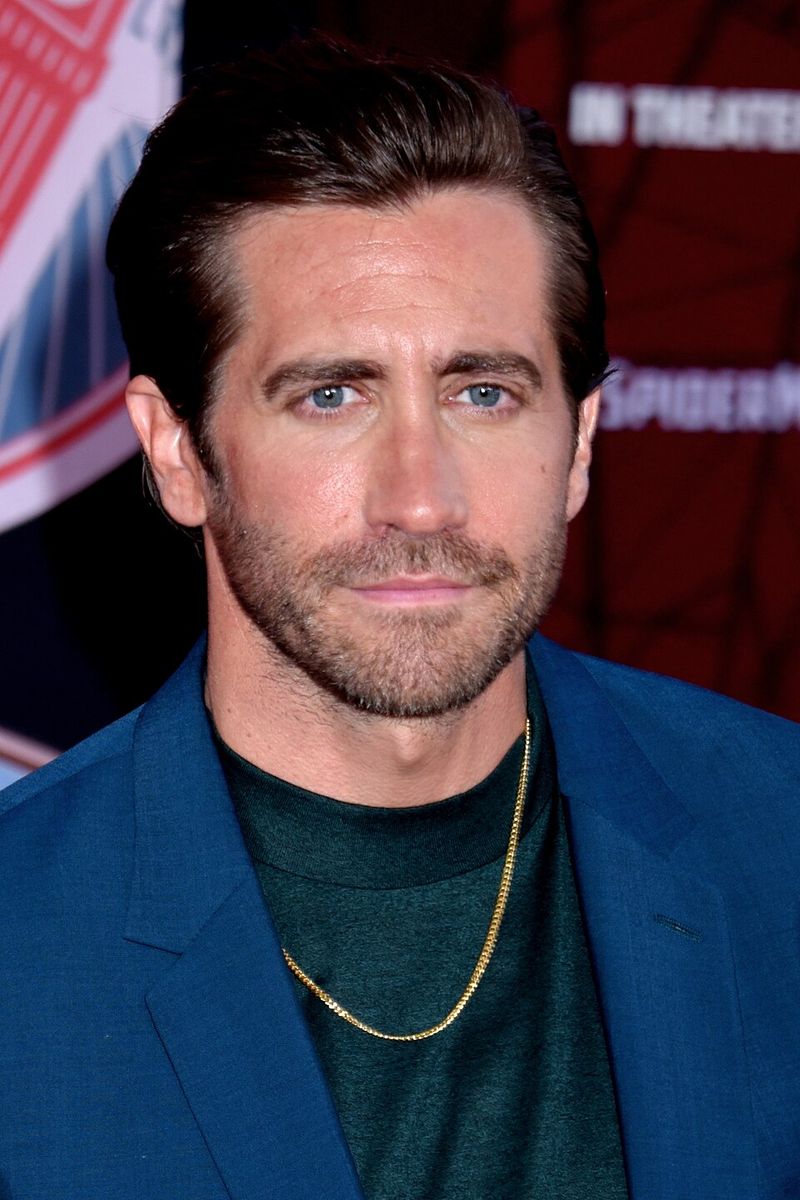
A troubled teenager starts seeing a creepy six-foot rabbit who tells him the world will end in 28 days. Yeah, it’s that kind of movie!
Richard Kelly’s debut blends teen angst, time travel, and suburban darkness into something genuinely strange and endlessly rewatchable, even if you’re not entirely sure what just happened.
Jake Gyllenhaal gives a magnetic performance as Donnie, balancing vulnerability with unsettling intensity.
The film flopped initially but found its audience on DVD, becoming a generation-defining cult classic.
10. Lost in Translation (2003)

Sofia Coppola captures the strange loneliness of being far from home in this gentle, melancholy romance between an aging actor and a young newlywed, both adrift in Tokyo.
Bill Murray and Scarlett Johansson have incredible chemistry, conveying entire conversations through glances and small gestures rather than exposition dumps.
The film’s dreamy cinematography transforms Tokyo into a character itself, all neon lights and quiet hotel rooms.
11. Eternal Sunshine of the Spotless Mind (2004)
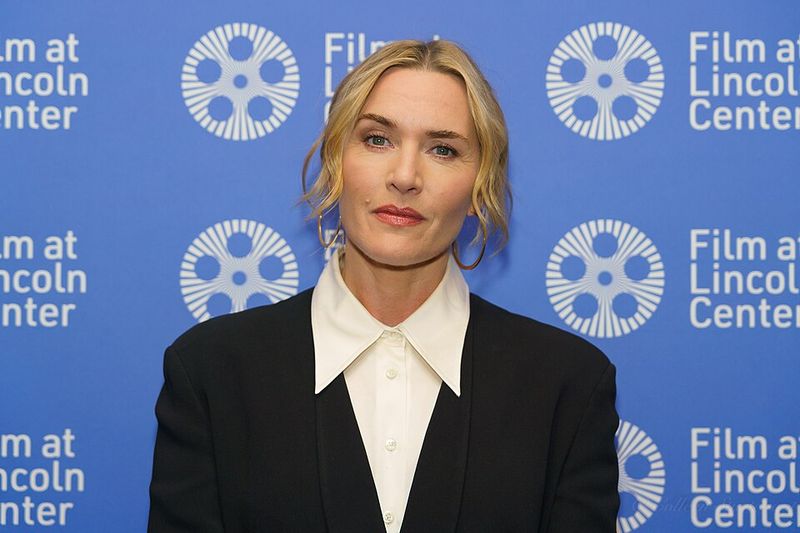
What if you could erase someone completely from your memory after a painful breakup?
Charlie Kaufman’s brilliant screenplay explores this premise through Joel and Clementine, ex-lovers who undergo a procedure to forget each other.
However, midway through the erasure, Joel realizes he wants to keep the memories, even the painful ones!
Director Michel Gondry uses practical effects and inventive camera tricks to visualize memories dissolving in real-time.
Jim Carrey and Kate Winslet deliver career-best performances, finding humor and heartbreak in equal measure.
12. Pan’s Labyrinth (2006)

Guillermo del Toro weaves together brutal historical reality and dark fairy tale fantasy in this haunting masterpiece set during Spain’s Civil War.
Young Ofelia escapes her harsh reality by entering a mysterious labyrinth where a faun gives her three dangerous tasks to prove she’s an immortal princess.
The creature designs are absolutely stunning, mixing beauty and horror in del Toro’s signature style.
It’s visually breathtaking, emotionally devastating, and completely unforgettable, earning three Academy Awards for its technical brilliance.
13. Moonlight (2016)

This tender, poetic film follows Chiron through three chapters of his life growing up Black and gay in Miami.
Each section features a different actor playing Chiron at different ages, yet the performance feels seamlessly unified through gestures, expressions, and emotional continuity.
The cinematography bathes everything in gorgeous blues and purples, finding beauty in places often overlooked by cinema.
Winning Best Picture at the Oscars felt like a watershed moment for independent filmmaking and diverse storytelling.
14. Lady Bird (2017)
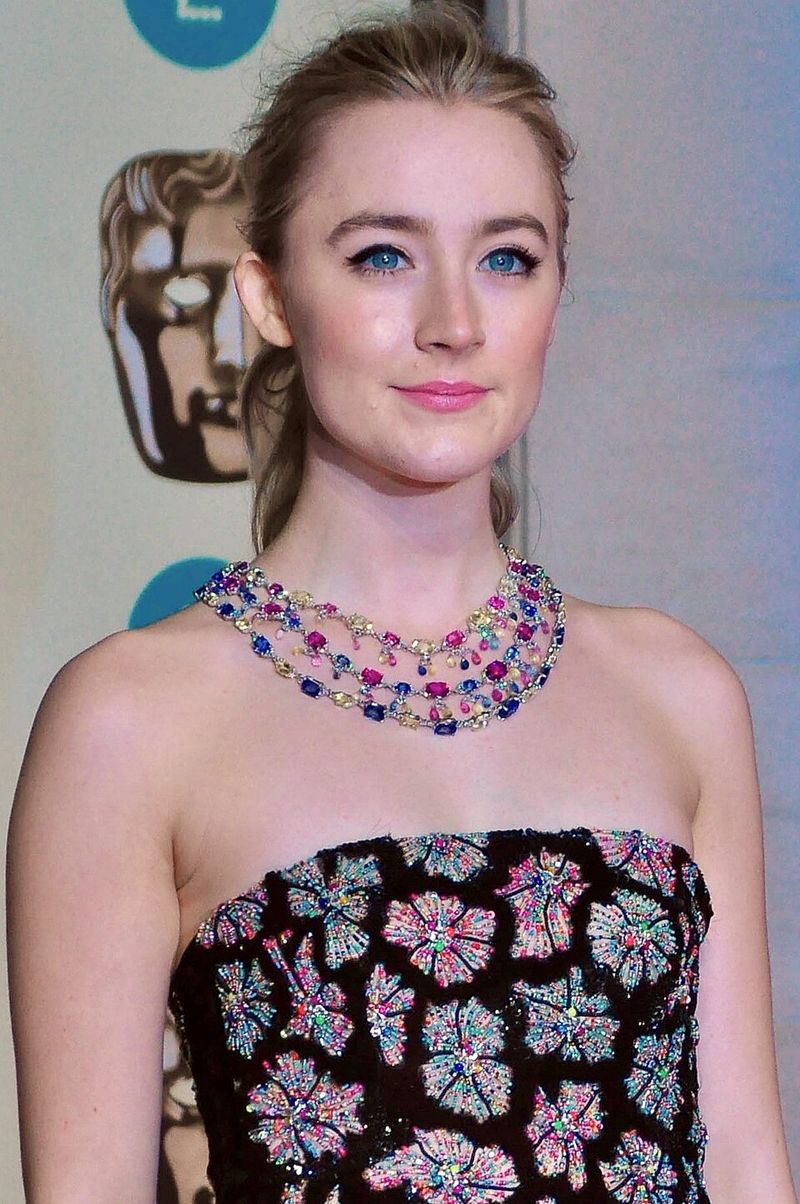
A directorial debut by Greta Gerwig feels like flipping through someone’s actual high school memories, capturing all the awkwardness, humor, and heartbreak with perfect specificity.
Saoirse Ronan plays Christine “Lady Bird” McPherson, a Sacramento teenager desperate to escape to somewhere more exciting, constantly clashing with her equally strong-willed mother.
The mother-daughter relationship forms the film’s emotional core, portrayed with rare honesty that acknowledges how much we can love someone while simultaneously driving each other absolutely crazy.
15. Get Out (2017)
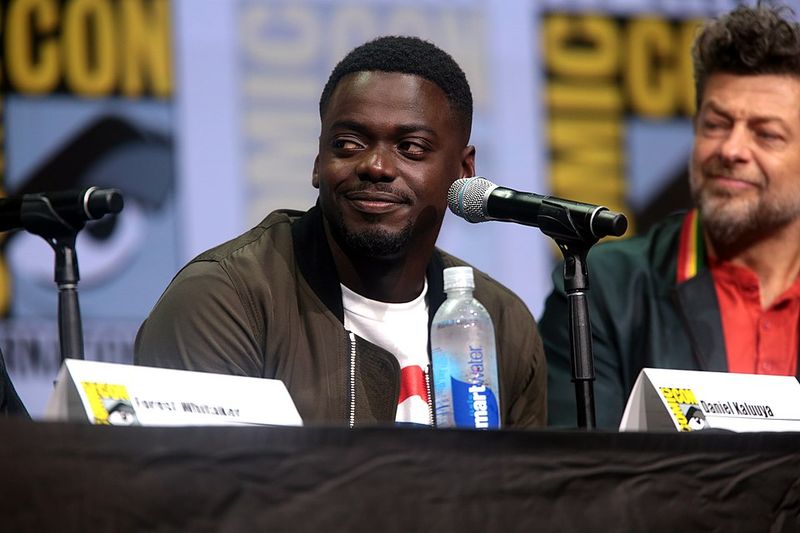
Another directorial debut on the list is the one by Jordan Peele. It disguises razor-sharp social commentary as a crowd-pleasing horror thriller, and the combination is absolutely electric.
Chris visits his white girlfriend’s family for the weekend, noticing increasingly disturbing behavior from everyone around him. What starts as awkward microaggressions escalates into full-blown nightmare territory!
The film works brilliantly as pure entertainment while also functioning as biting satire about racism, liberal hypocrisy, and cultural appropriation.
16. Past Lives (2023)

Celine Song’s stunning debut explores the Korean concept of “inyun,” the idea that relationships form through connections across many lifetimes.
Childhood friends separated when one family immigrates to America reconnect decades later, now living completely different lives. The film asks whether timing or destiny matters more in love.
Song directs with remarkable restraint, allowing silence and lingering glances to convey what words cannot. The performances feel so natural you forget you’re watching actors.
Though released quite recently, it’s entered the conversation about essential modern romance films, proving that quiet, thoughtful storytelling still resonates powerfully with audiences seeking genuine emotional connection.