25 Influential Black Women Singers Who Shaped The 1960s And 1970s Sound
The radio is turned up, the needle just dropped, and suddenly the room feels bigger. Black women are stepping up to the mic and doing more than singing, they’re testifying, test-driving new sounds, and turning heartbreak, hope, and hustle into hits that stick.
Soul is getting bolder, gospel is getting louder, and funk is arriving with swagger. These voices aren’t just climbing the charts, they’re raising the roof and letting the whole world know that this sound means something.
Disclaimer: Music history coverage can involve changing attributions, disputed firsts, and evolving cultural interpretations. Titles, nicknames, timelines, and influence claims may vary by source, and some descriptions are written in a celebratory, editorial style rather than as definitive historical judgments.
The content is provided for general informational and entertainment purposes.
1. Aretha Franklin
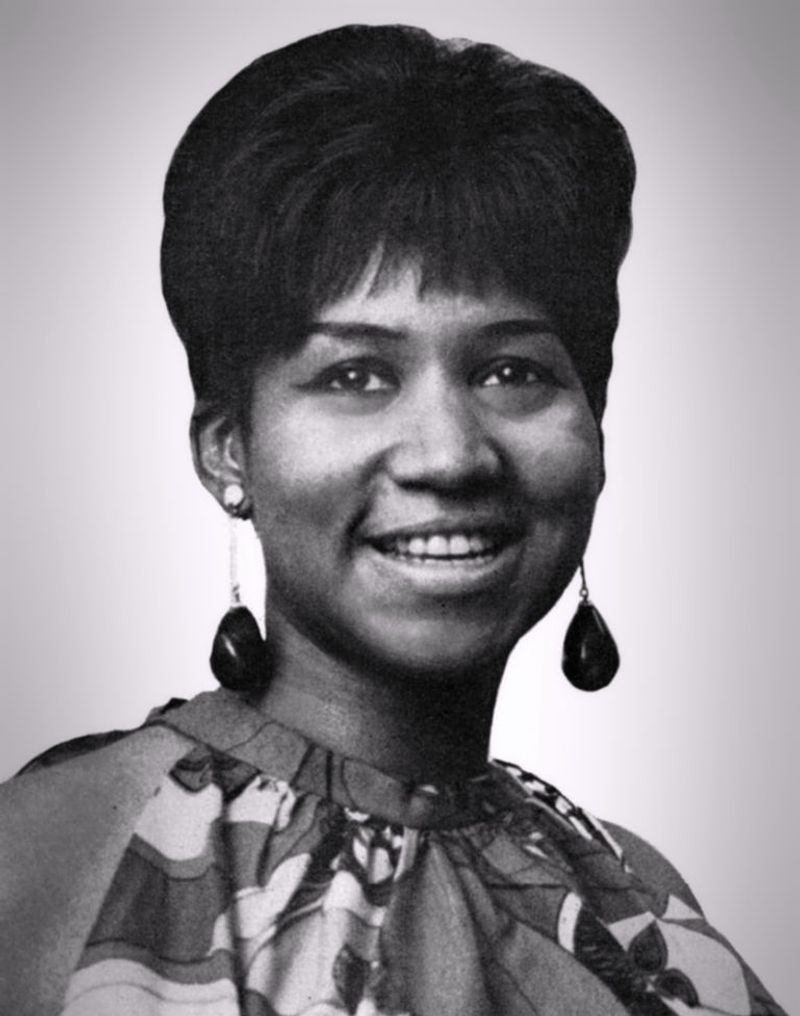
By 1967, that voice could stop a room cold the moment a record started.
Every song turns into a masterclass in vocal power and emotional depth as Franklin blends gospel roots with soul and pop in a way that feels deeply personal.
Conversation like warmth runs through the music, sounding like an old friend who always knows exactly what to say.
Respect grew beyond a hit and became a widely recognized cultural landmark. At the piano, notes fly, rooms fall silent, and hearts open wide all at once.
2. Diana Ross
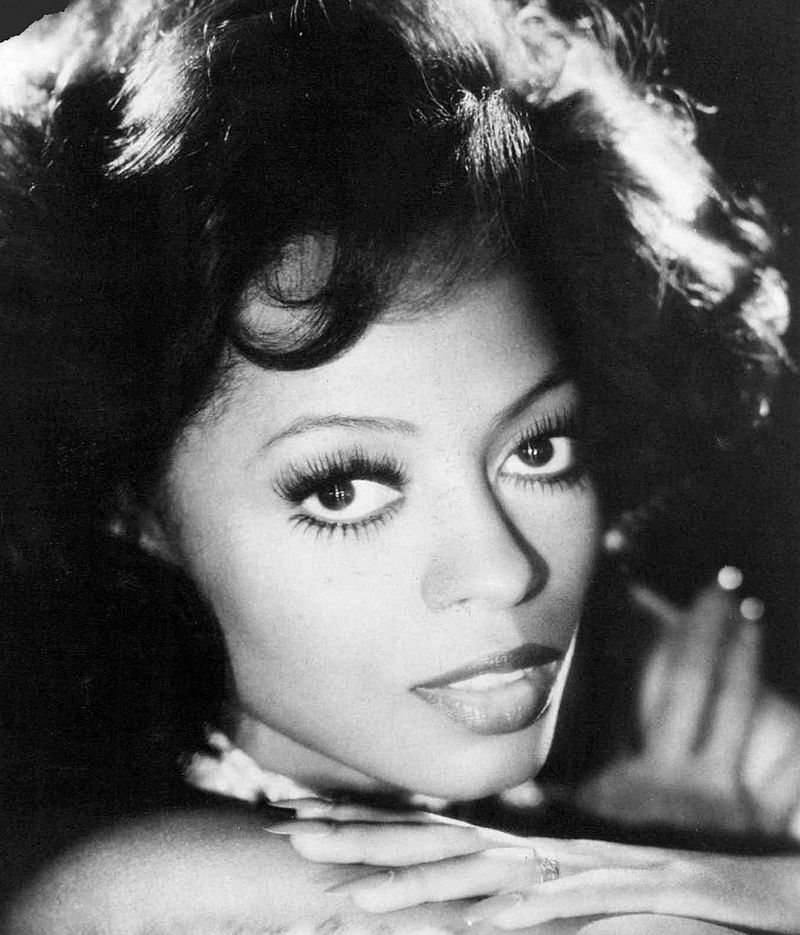
Ross helped turn Motown into a household name with a voice that felt like silk wrapped around steel. The Supremes weren’t just a girl group; they were a phenomenon that proved elegance and power could share the same stage.
Her solo career accelerated quickly.
“Ain’t No Mountain High Enough” showed everyone she could carry a song on her own shoulders. When that opening instrumental kicked in, you knew something special was about to happen, and Ross never disappointed.
3. Tina Turner
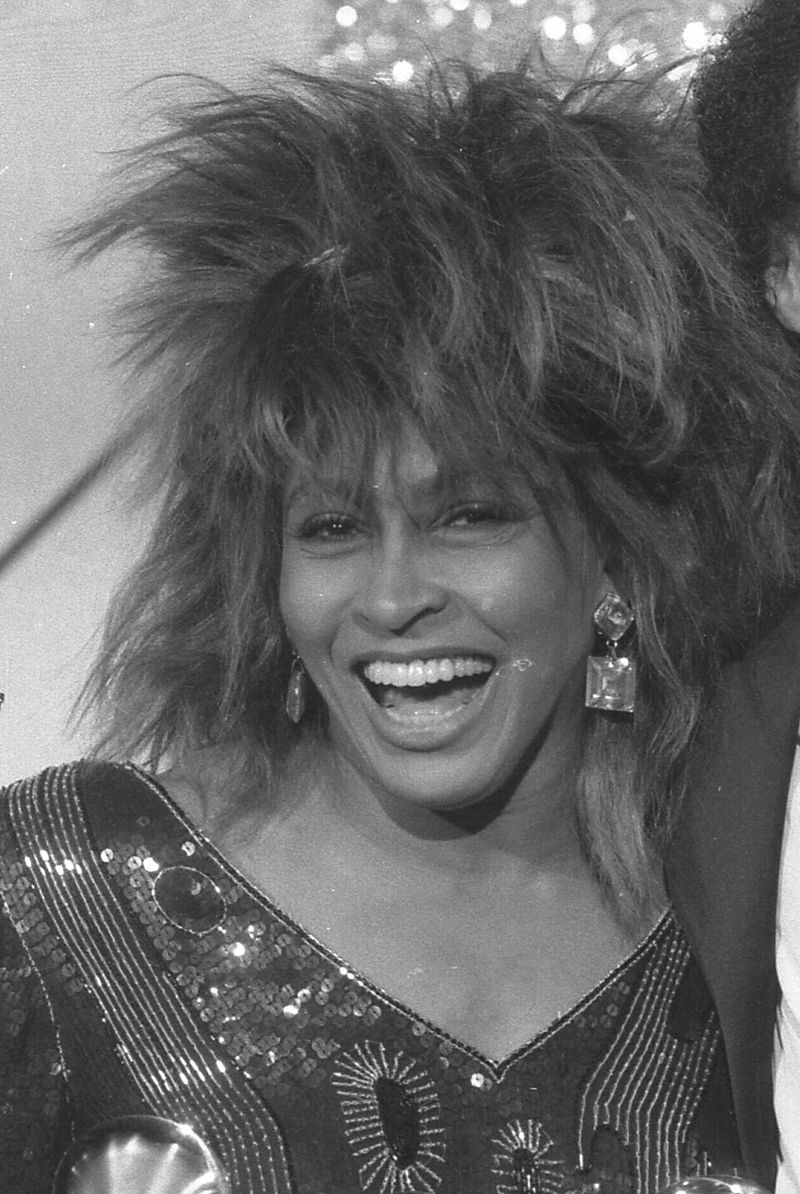
Energy poured off the stage whenever Turner performed.
She didn’t just sing; she commanded every inch of space around her with a voice that could shake walls and a presence that made you forget to blink. Her early career included major hits during her time with Ike Turner, but her talent was always her own.
“Proud Mary” became her calling card, a song that rolled like thunder and sparked like lightning. Turner proved that rock and soul could live in the same body, creating a sound nobody could replicate.
4. Nina Simone
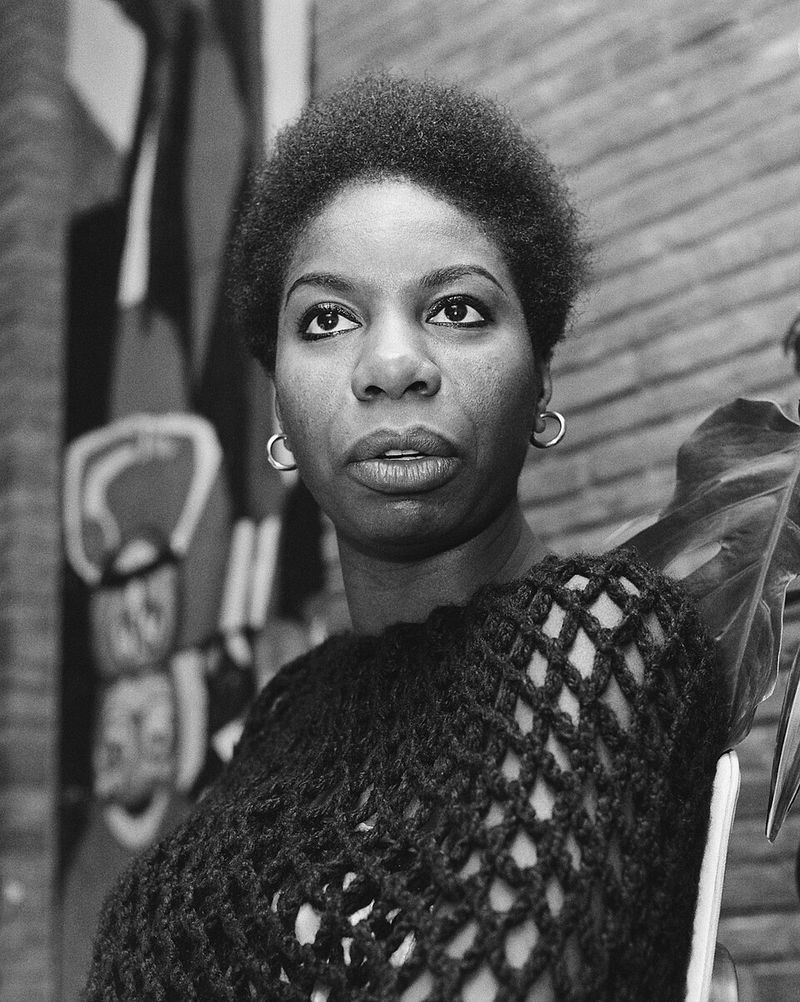
At the piano, Simone claimed every key and every silence between the notes as her own. History and hope traveled together in a voice that carried both weight and lift at the same time.
Classical training fused with raw emotion during performances that felt timeless while remaining urgently present.
Declaration of independence took melodic form in “Feeling Good,” transforming a song into a statement of self possession. Activism sounded beautiful in her hands, while beauty itself felt necessary rather than ornamental.
5. Ella Fitzgerald
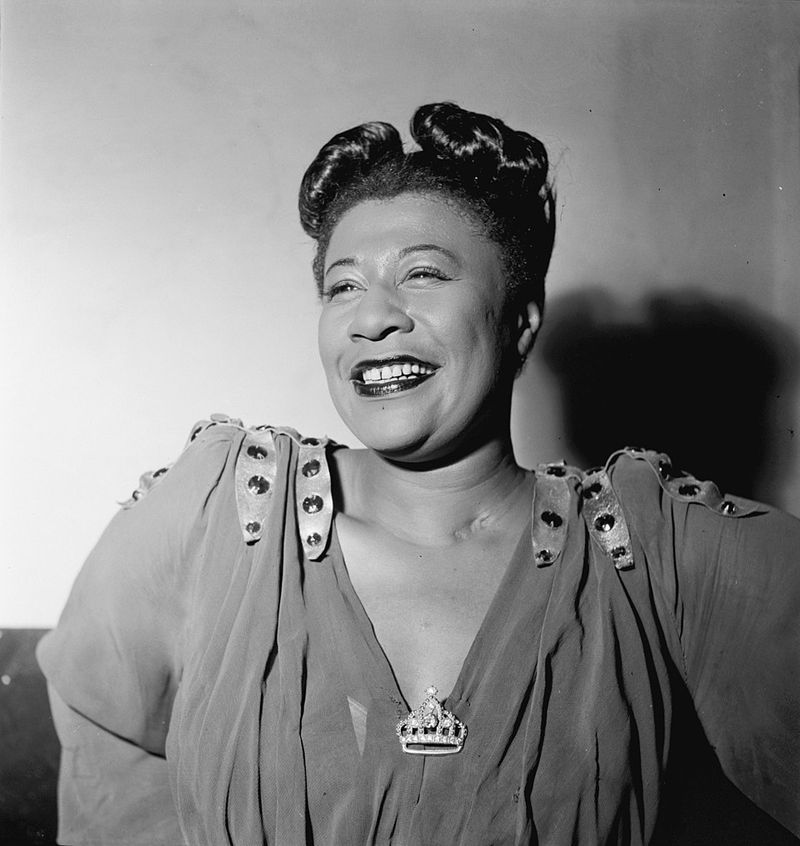
She is often called the First Lady of Song, and that title barely scratched the surface of what Fitzgerald could do with her voice. Her scat singing turned instrumental jazz solos into vocal acrobatics that left musicians shaking their heads in wonder.
Every note landed exactly where it should.
Her collaborations with jazz greats proved she could hold her own in any musical conversation. When Fitzgerald sang a ballad, time stopped, and when she swung, the whole room moved with her effortless grace.
6. Billie Holiday
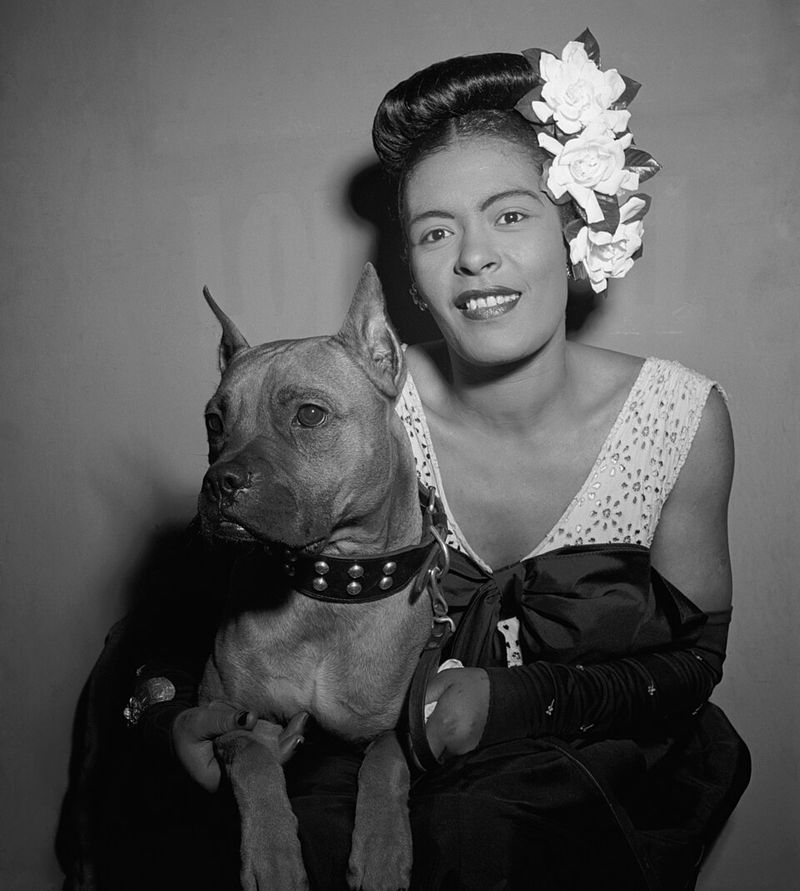
Holiday sang as if sharing secrets with a room of strangers who somehow became friends in the process. Scars and beauty lived side by side in her voice, turning every lyric into something that felt deeply confessional.
“Strange Fruit” rewrote boundaries for popular music, forcing audiences to confront injustice in ways songs rarely dared before.
Gardenias framed her hair while heartbreak shaped every phrase, making performances feel achingly honest and impossible to forget.
7. Mahalia Jackson
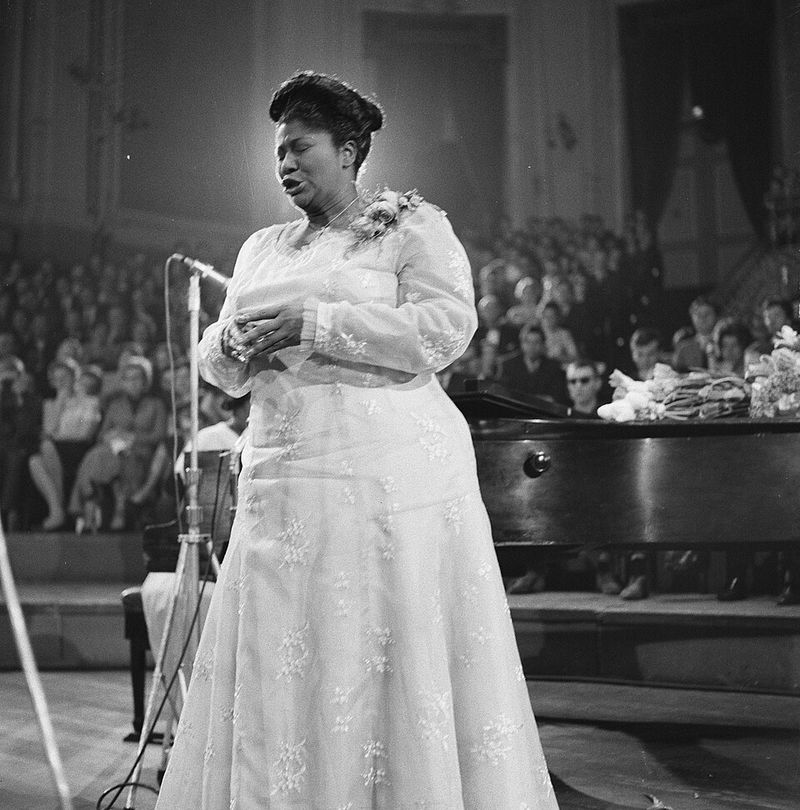
Gospel music found one of its most influential voices in Jackson, whose performances felt like prayers set to rhythm and melody.
She was widely known for declining most offers to record secular material, staying closely tied to gospel. Churches filled to capacity whenever she performed, and even non-believers found themselves moved by the pure conviction in her voice.
Move On Up a Little Higher became a major crossover success, selling over two million copies in its initial release. Jackson proved that sacred music could reach across all boundaries and touch every heart willing to listen.
8. Dionne Warwick
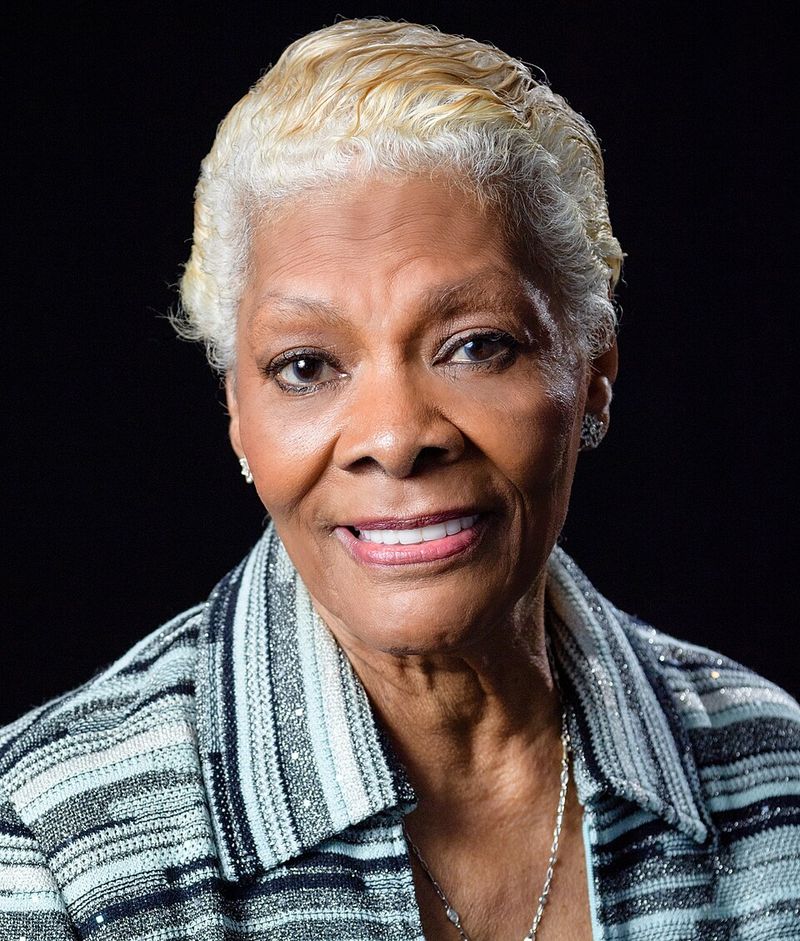
Gliding through Burt Bacharach’s complex melodies, Warwick’s voice sounded as if every phrase had been written for her alone. Sophistication paired effortlessly with accessibility in performances that made pop feel grown up without losing emotional punch.
Soundtrack status arrived for countless heartbreaks when “Walk On By” turned restraint into something universal and deeply felt.
Class entered the charts through elegance rather than excess. Precision defined every note, yet warmth softened the delivery, keeping songs inviting instead of cold and proving how rare that balance truly was.
9. Gladys Knight
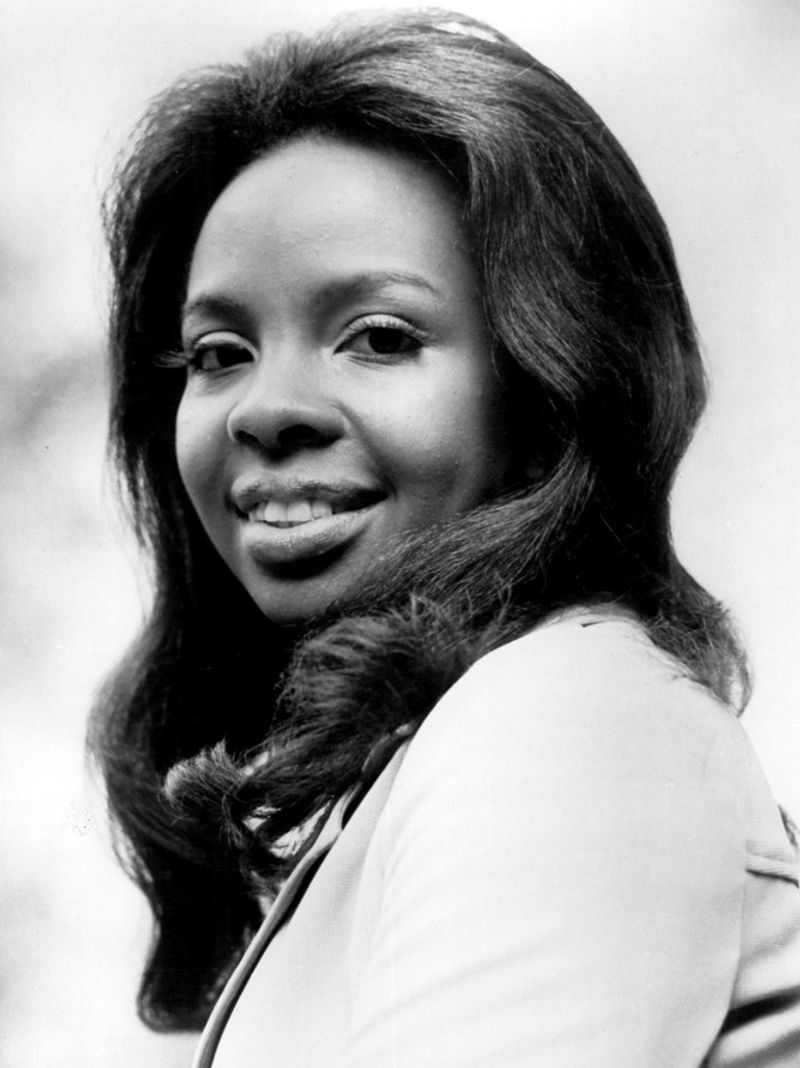
Knight led The Pips with a voice that could tell entire stories in a single verse. Her nickname, the Empress of Soul, fit perfectly because she ruled her musical kingdom with both power and grace that never wavered.
“Midnight Train to Georgia” rolled down the tracks of radio stations everywhere.
The way she delivered that song made you feel every mile of that journey. Her voice wrapped around lyrics like they were precious cargo, delivering them safely to listeners who hung on every word she sang.
10. Donna Summer
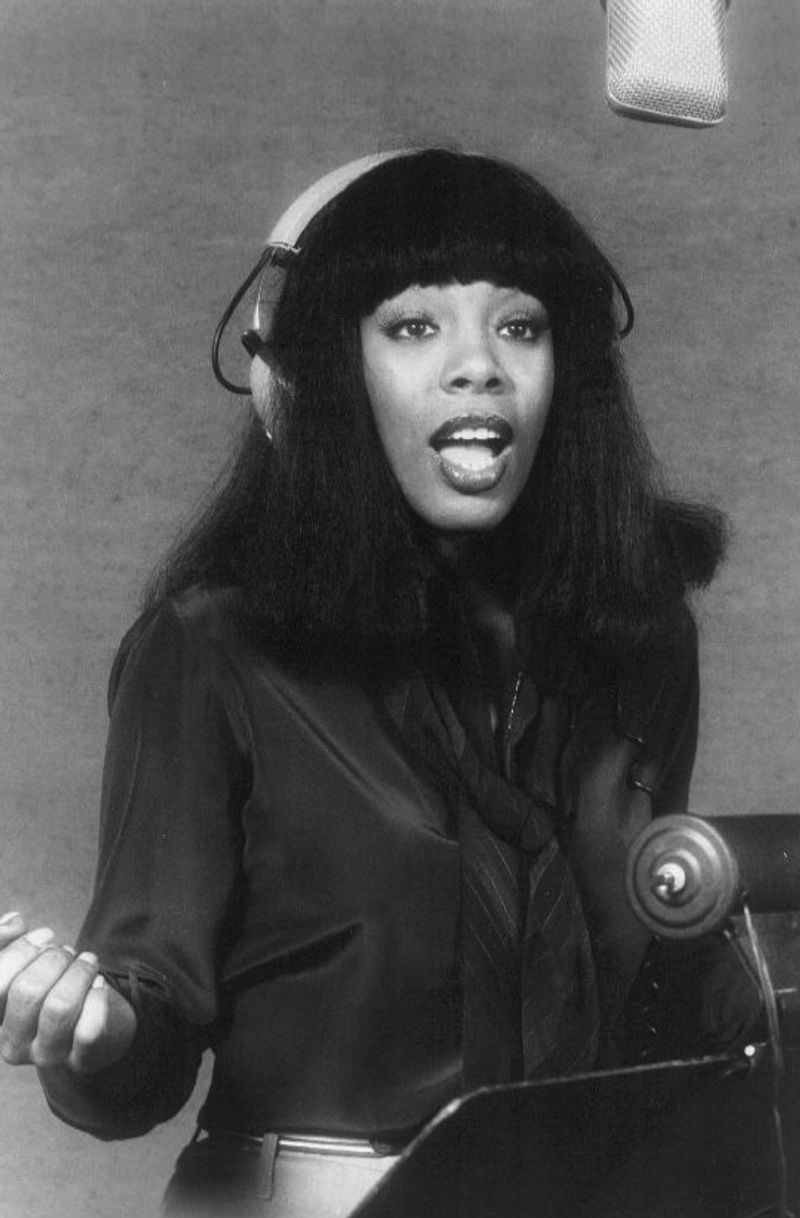
Summer helped push disco into the mainstream with performances that showcased real vocal command.
Her voice soared over electronic beats and orchestral arrangements, proving dance music could showcase real vocal talent. “Last Dance” captured the bittersweet feeling of nights ending and new chapters beginning.
She became the Queen of Disco through sheer vocal power and presence.
When Summer hit those high notes over pulsing basslines, dance floors erupted, and even many disco skeptics ended up warming to the sound.
11. Chaka Khan
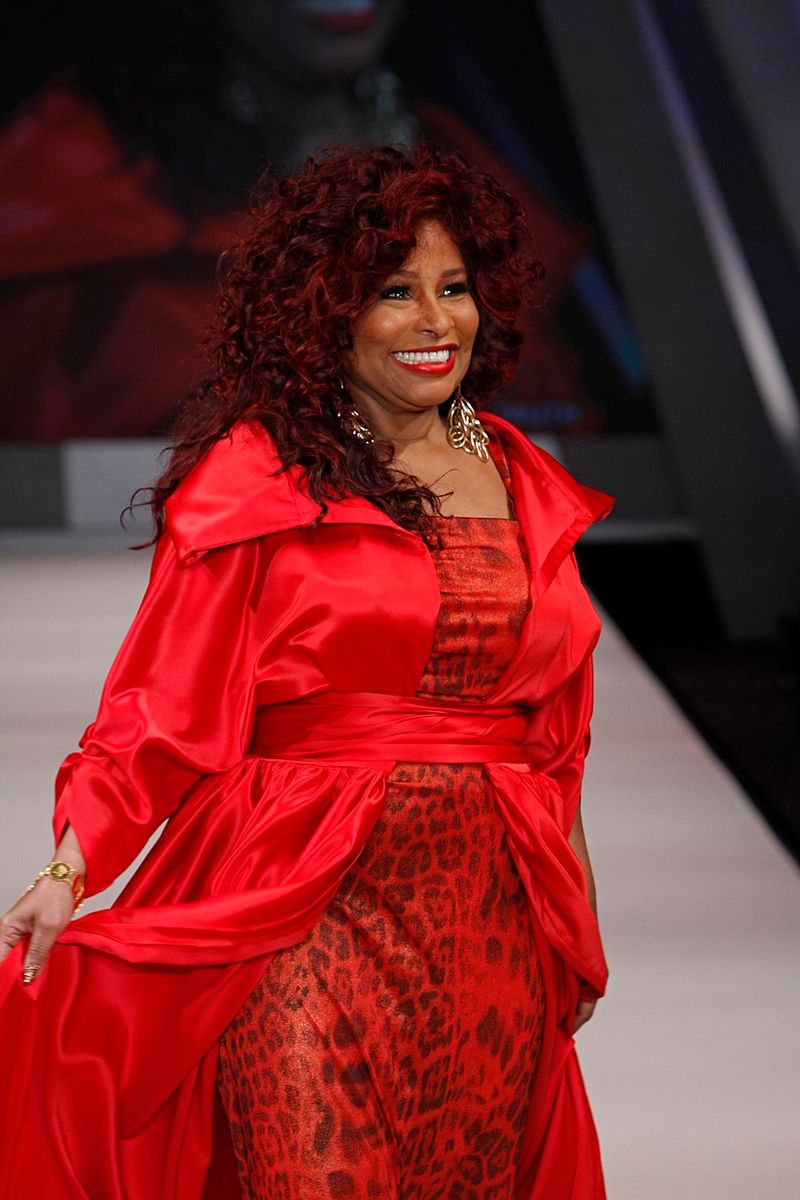
Funk came alive through a voice able to growl, soar, and whisper within the same breath.
Leading Rufus through a run of hits proved groove alone was never enough without a vocal force capable of matching that intensity. Arrival announced itself loudly with “Tell Me Something Good.”
Every performance played like a party hosted by someone determined to leave no guest untouched, with vocal runs that later generations treated as a blueprint.
12. Patti LaBelle
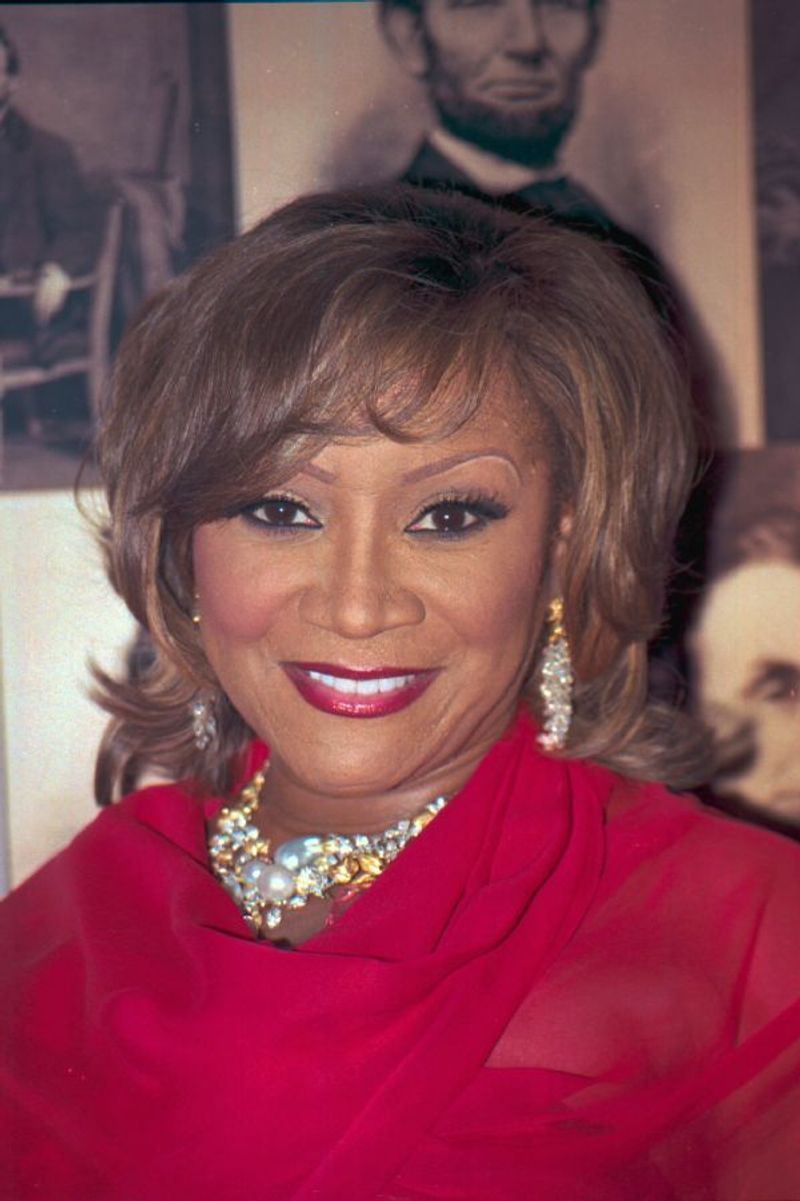
LaBelle’s voice could shatter glass or mend broken hearts, depending on what the song required.
Starting with the girl group LaBelle, she eventually stepped into the spotlight alone, bringing theatrical flair to every performance. Lady Marmalade pushed boundaries and showed how soul could be bold, theatrical, and culturally conversation-starting.
Her vocal acrobatics became legendary.
When LaBelle held a note, audiences held their breath, waiting to see just how far she could take it before bringing everyone back down to earth.
13. Roberta Flack
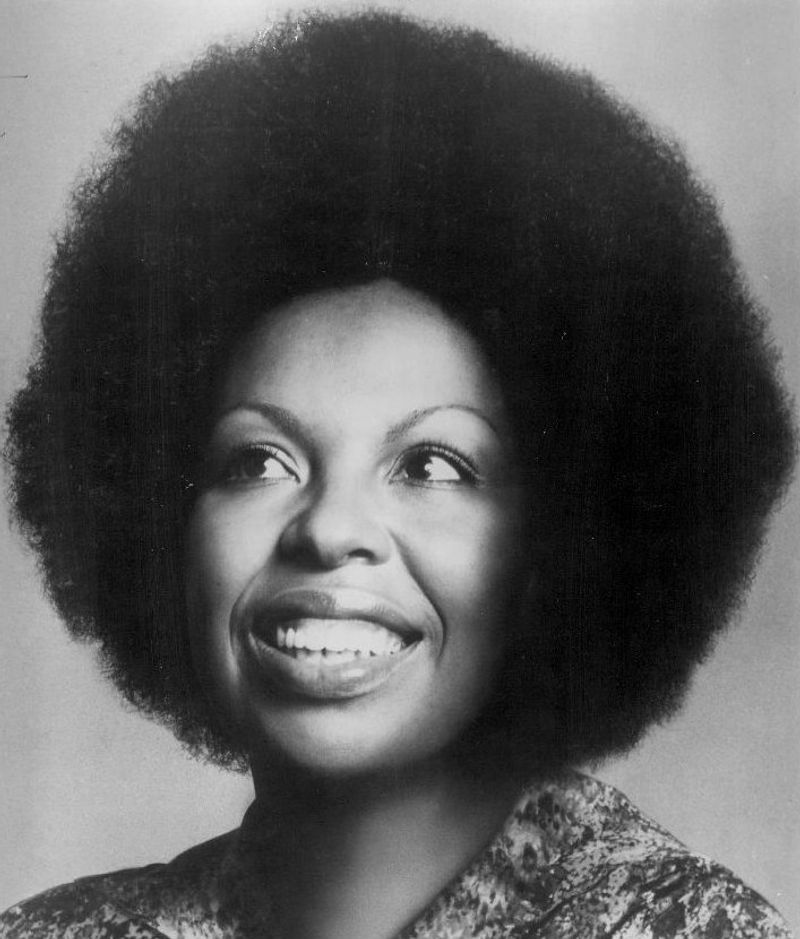
Simplicity turned into sophistication through a voice that felt like a warm conversation on a cold evening.
Piano playing complemented vocals perfectly, shaping intimate soundscapes that invited listeners into private emotional spaces they never knew they needed. “Killing Me Softly” arrived and instantly settled into classic status.
Delivery made the storytelling feel intimate and direct.
Quiet power emerged as proof that emotional restraint can move hearts just as deeply as any display of vocal fireworks.
14. Miriam Makeba
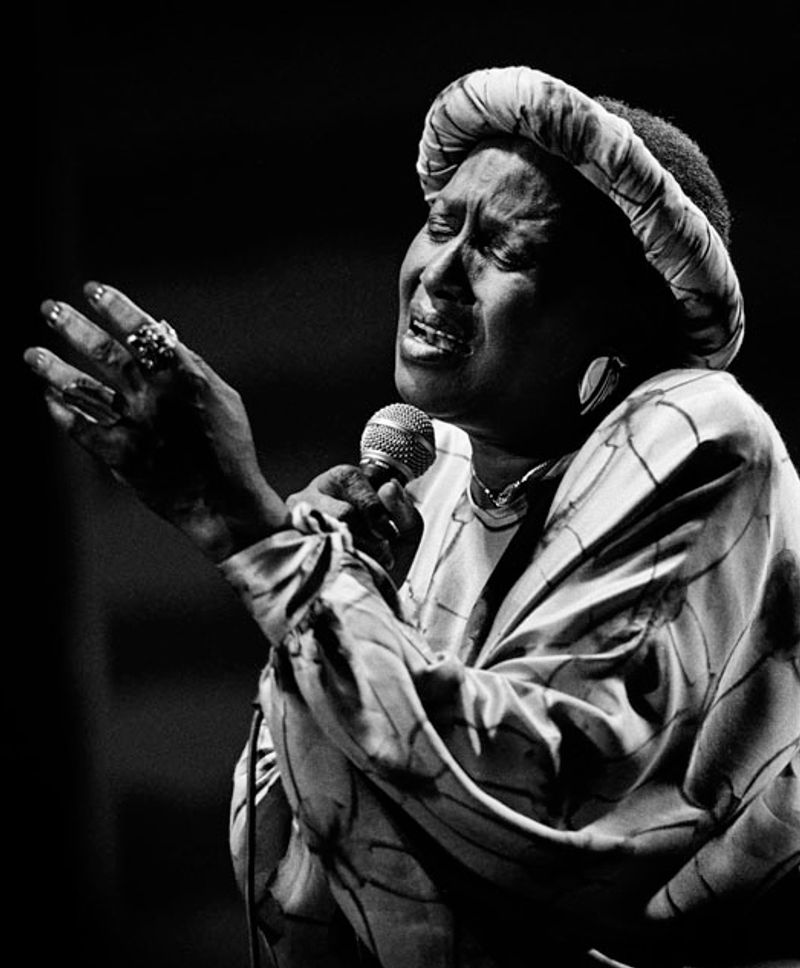
Makeba brought African music to global audiences with a voice that carried the sounds of her homeland across oceans.
Known as Mama Africa, she used music as a weapon against apartheid, proving that songs could be both beautiful and politically powerful. “Pata Pata” introduced Western listeners to rhythms they’d never heard before.
Her activism and political circumstances kept her away from South Africa for many years.
Still, Makeba kept singing, kept fighting, and kept showing the world that African music deserved respect and recognition on every stage.
15. Sarah Vaughan
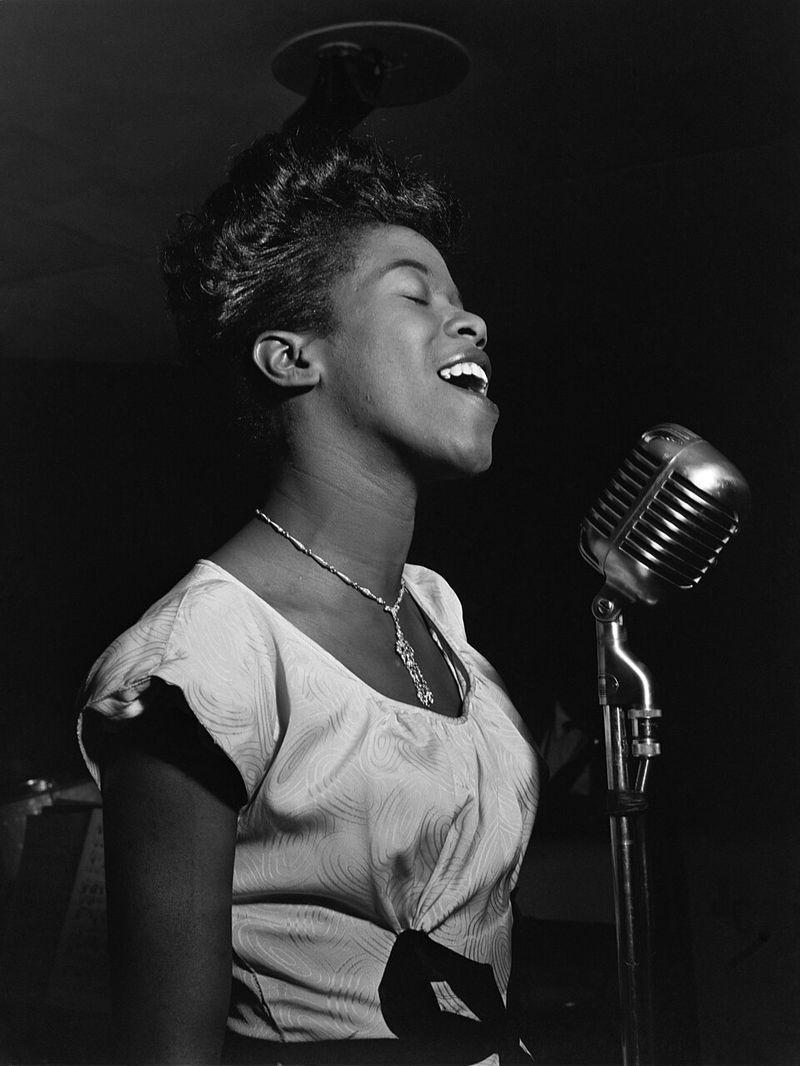
Effortless control defined a voice capable of navigating jazz’s most complex chord changes without ever sounding strained. Three octave range came paired with master craft precision, using every note to build something genuinely beautiful.
Nickname “The Divine One” stuck because accuracy met presence in a way few performers ever managed.
Personal statements emerged as familiar standards took on new shape and intention.
Emotional depths surfaced in ballads, uncovering meanings earlier interpreters missed and making well worn lyrics feel brand new again.
16. Etta James
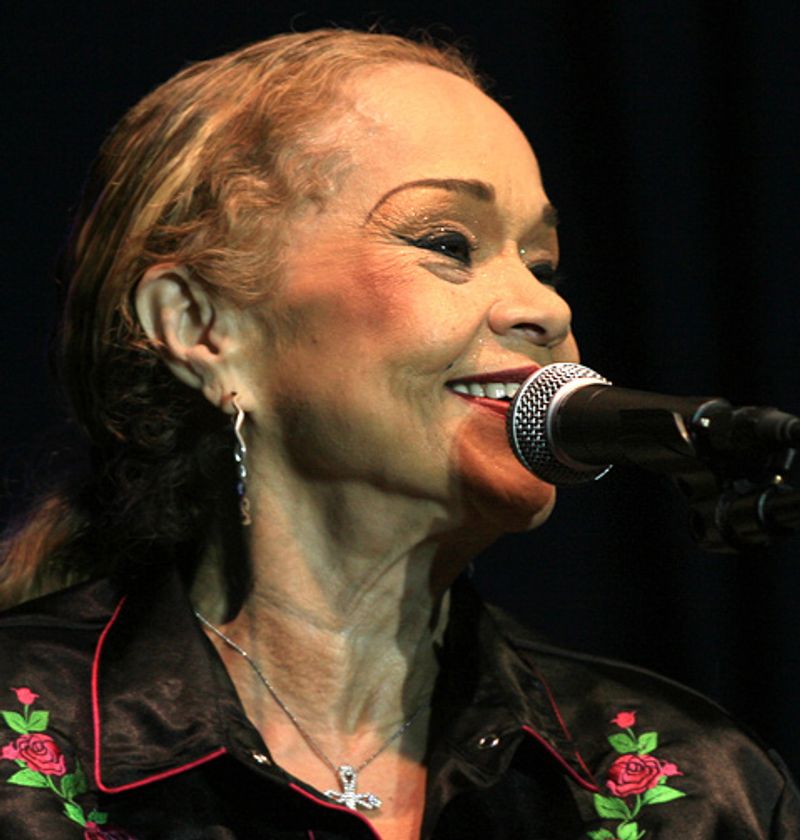
Hard luck stories poured out of every line, sung with the conviction of someone who seemed to have lived them all. Grit and grace shared space in a voice that could turn tender in one breath and unleash raw power in the next.
Wedding standard status followed for “At Last,” even as heartbreak landed just as convincingly whenever love slipped away.
Genre boundaries never mattered as movement between blues, soul, R&B, and rock felt completely natural.
Greatness showed itself by refusing confinement, proving unforgettable voices rarely fit inside neat categories or easy definitions.
17. Gloria Gaynor
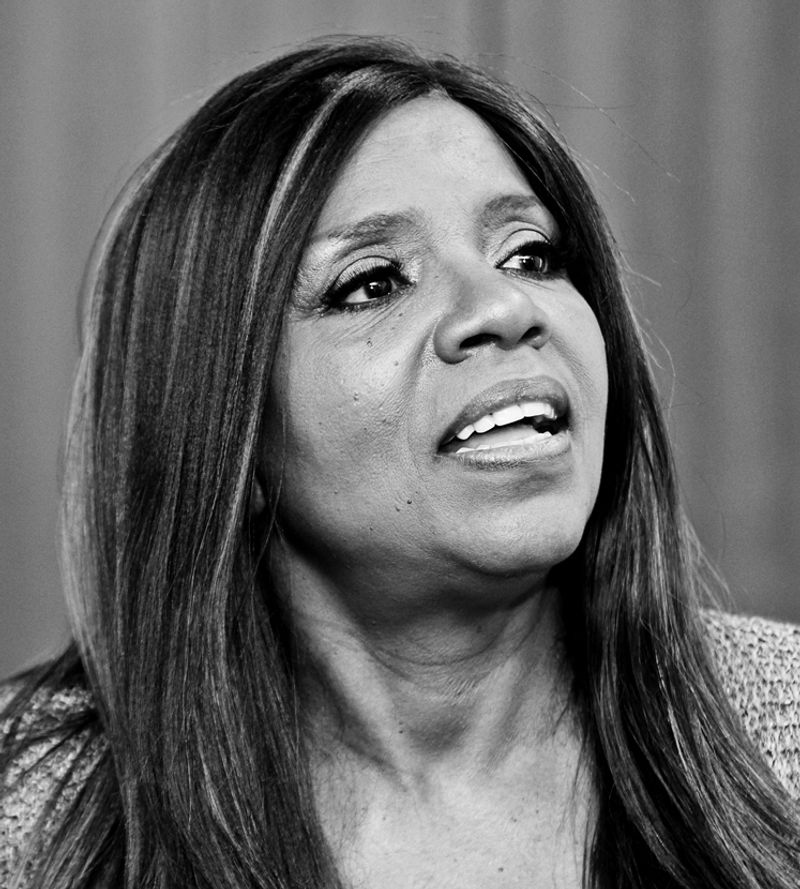
Gaynor gave the world an anthem that transcended disco and became a universal declaration of resilience.
“I Will Survive” turned personal pain into collective empowerment, proving that dance music could carry serious emotional weight. Her voice combined strength and vulnerability, making every lyric feel both personal and universal at once.
Disco’s mainstream peak passed, but the song kept finding new audiences.
Gaynor’s delivery turned a breakup song into a survival manual, and decades later, people still play it when they need a reminder of their own strength.
18. Minnie Riperton
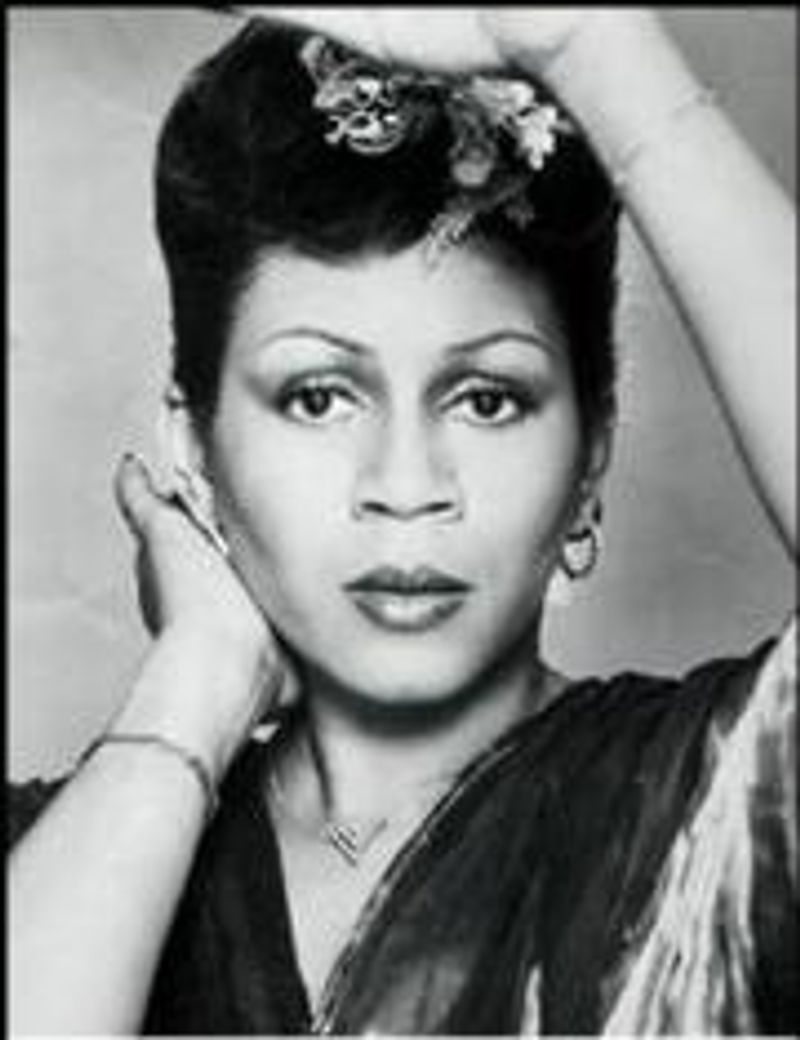
A remarkable range defined a voice capable of touching notes most singers could barely imagine.
Whistle register turned into a signature, transforming technical ability into emotion that felt otherworldly and deeply human at once. Range took center stage with “Lovin’ You,” placing that remarkable control in full view.
Floating ascent into high notes wrapped the song in the softness of a lullaby and the intimacy of a love letter.
Virtuosity served feeling rather than overpowering it, proving emotional truth can shine brightest when technique stays in service to the heart.
19. Mavis Staples
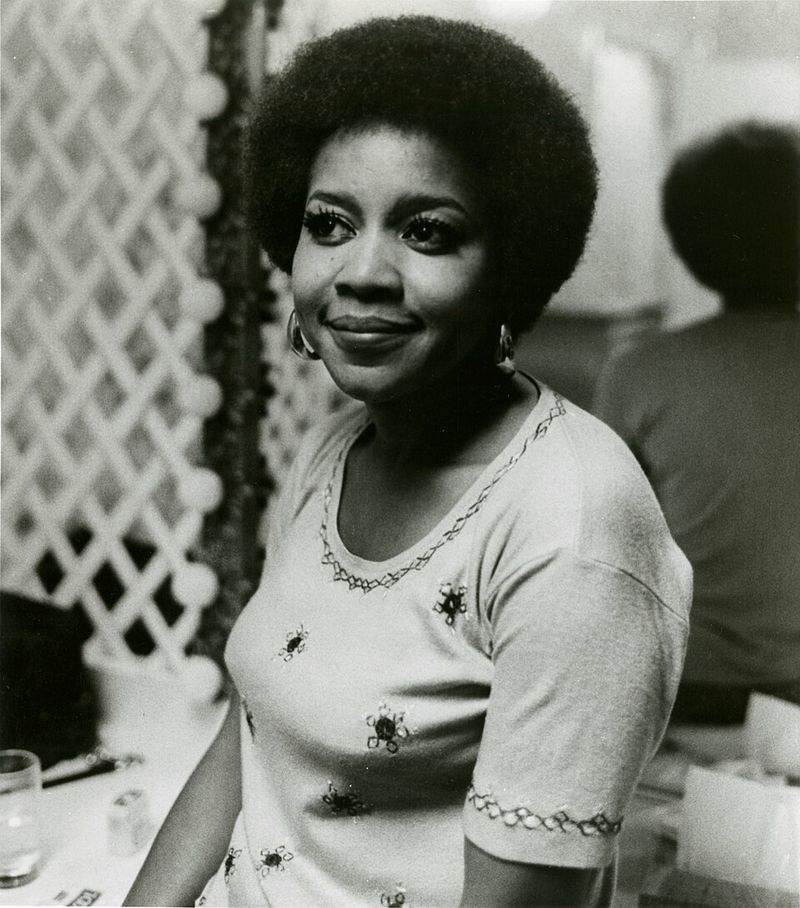
Staples grew up singing gospel with her family, and that foundation gave her voice a depth that secular music couldn’t shake.
The Staple Singers blended gospel, soul, and social commentary into something entirely their own. “I’ll Take You There” became both a spiritual journey and a dance floor favorite.
Her contralto voice rumbled with authority and warmth.
When Staples sang about hope or justice, you believed every word because her voice carried the weight of lived experience and unshakeable faith in better days ahead.
20. Martha Reeves
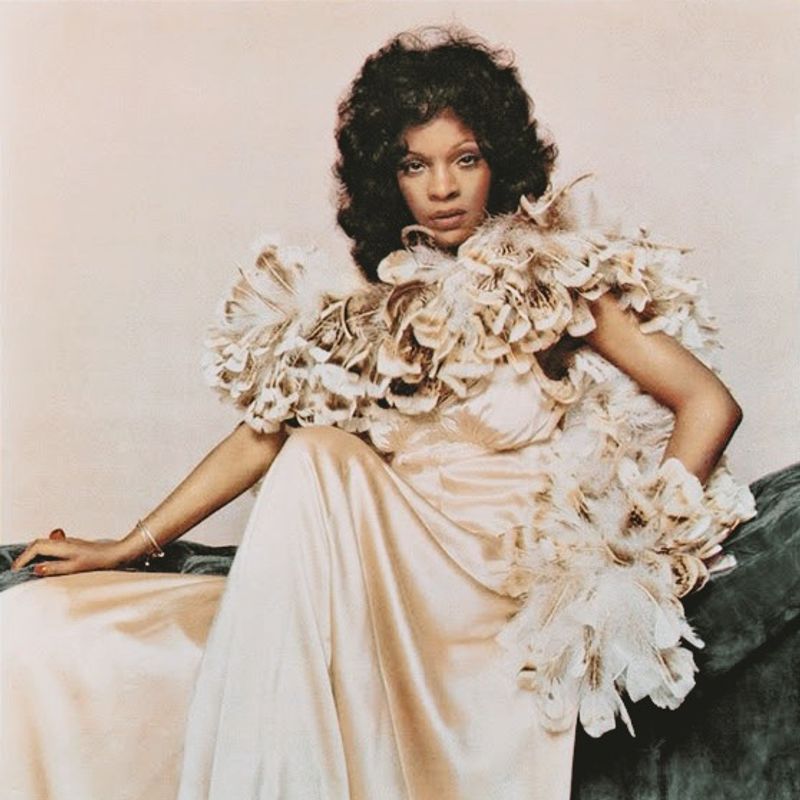
Leading Martha and The Vandellas meant driving some of Motown’s most energetic and unforgettable hits.
“Dancing in the Street” rose beyond a party anthem into a cultural touchstone that helped soundtrack moments of social change. Power and precision traveled together in a voice able to cut cleanly through arrangements already crowded with horns and rhythm.
Choreography entered the equation as vocal groups began moving as much as they sang.
Proof followed that heart-on-sleeve vocals and breath stealing dance moves could coexist, setting performance standards that shaped generations to come.
21. Thelma Houston
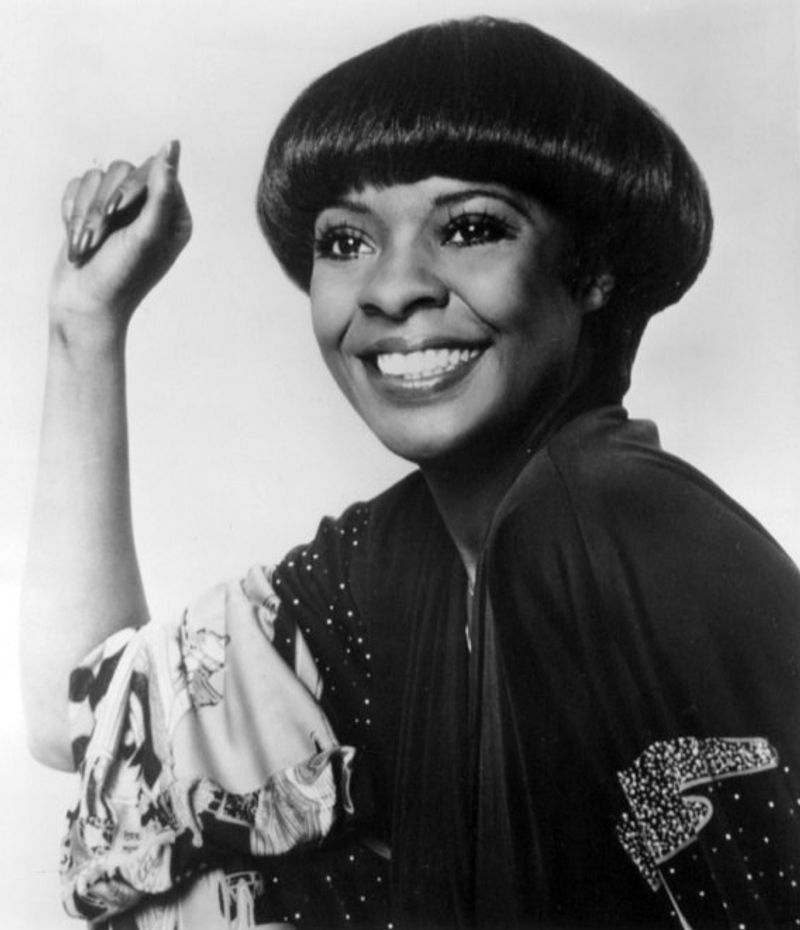
Houston took “Don’t Leave Me This Way” and turned it into a disco masterpiece that showcased her incredible vocal range. Her voice could be tender or fierce, depending on what the moment required, making her one of disco’s most versatile performers.
She started in gospel before moving to secular music.
That spiritual foundation gave her voice a depth that elevated dance music beyond its party reputation. Houston proved that disco singers could be serious vocal athletes, not just pretty voices over repetitive beats.
22. Phyllis Hyman
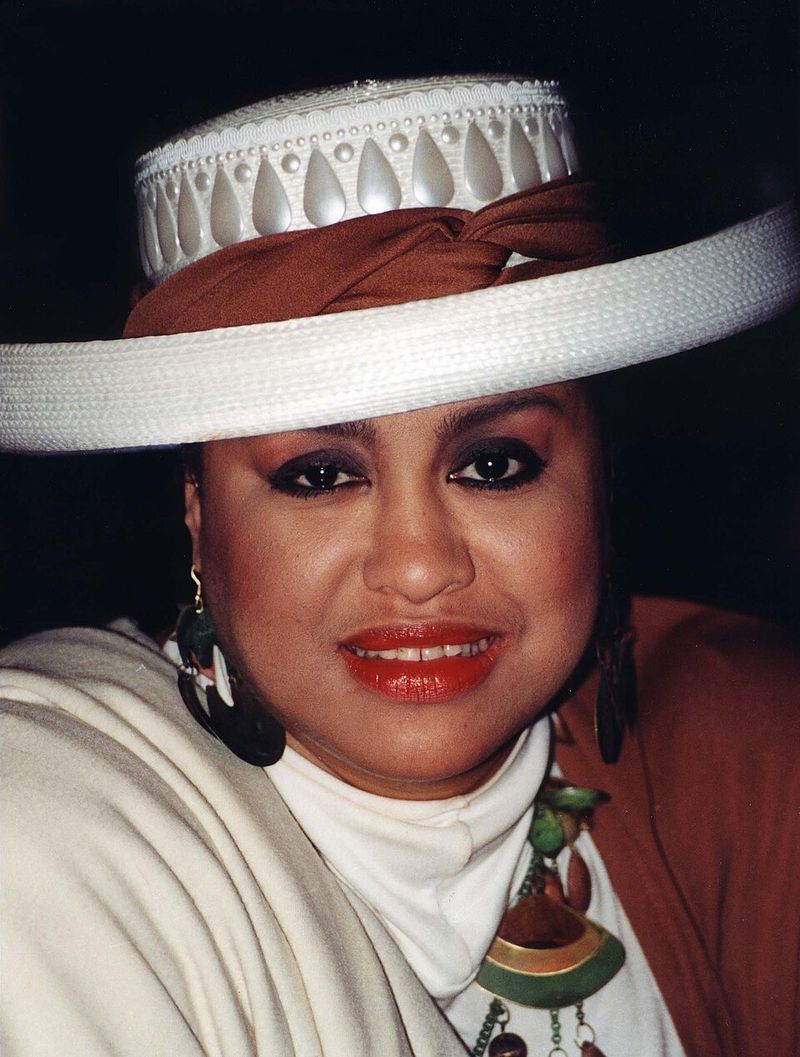
Sophisticated sound emerged from a blend of jazz, soul, and R&B that felt unmistakably personal. Late night warmth flowed through a voice carrying maturity and depth, turning each song into a conversation shared between old friends.
Subtle emotional control shines on “You Know How to Love Me,” where complex feelings come through careful vocal choices rather than excess.
Her tall, regal presence translated into natural command across every stage she stepped onto.
Presence matched voice in performances that felt intimate yet grand, proving sophistication and soul can coexist beautifully within popular music.
23. Stephanie Mills
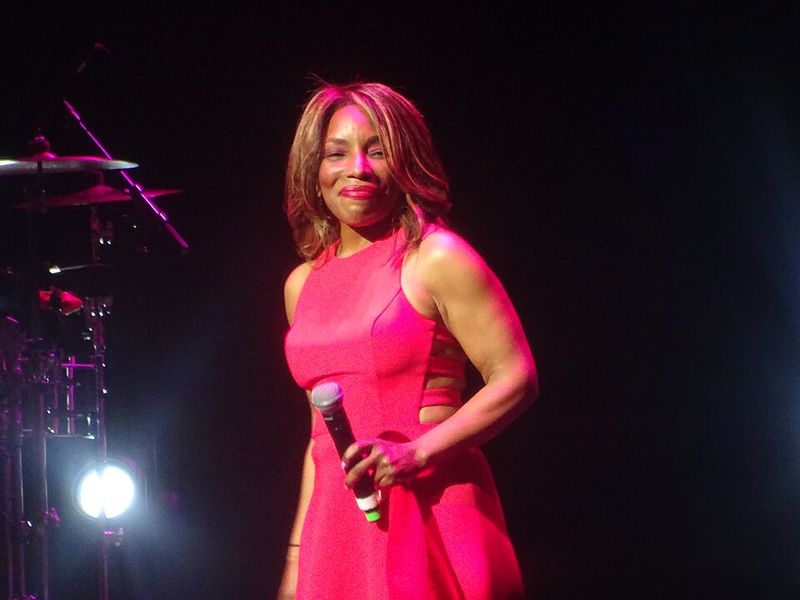
Mills brought Dorothy to life on Broadway in “The Wiz,” proving that powerhouse vocals belonged on theater stages just as much as concert halls. Her voice combined technical precision with emotional honesty, making every song feel both perfectly executed and spontaneously heartfelt.
“Home” became her signature song.
The way Mills delivered that anthem made audiences forget they were watching a performance, drawing them into Dorothy’s journey with a voice that could break hearts and mend them in the same breath.
24. Odetta
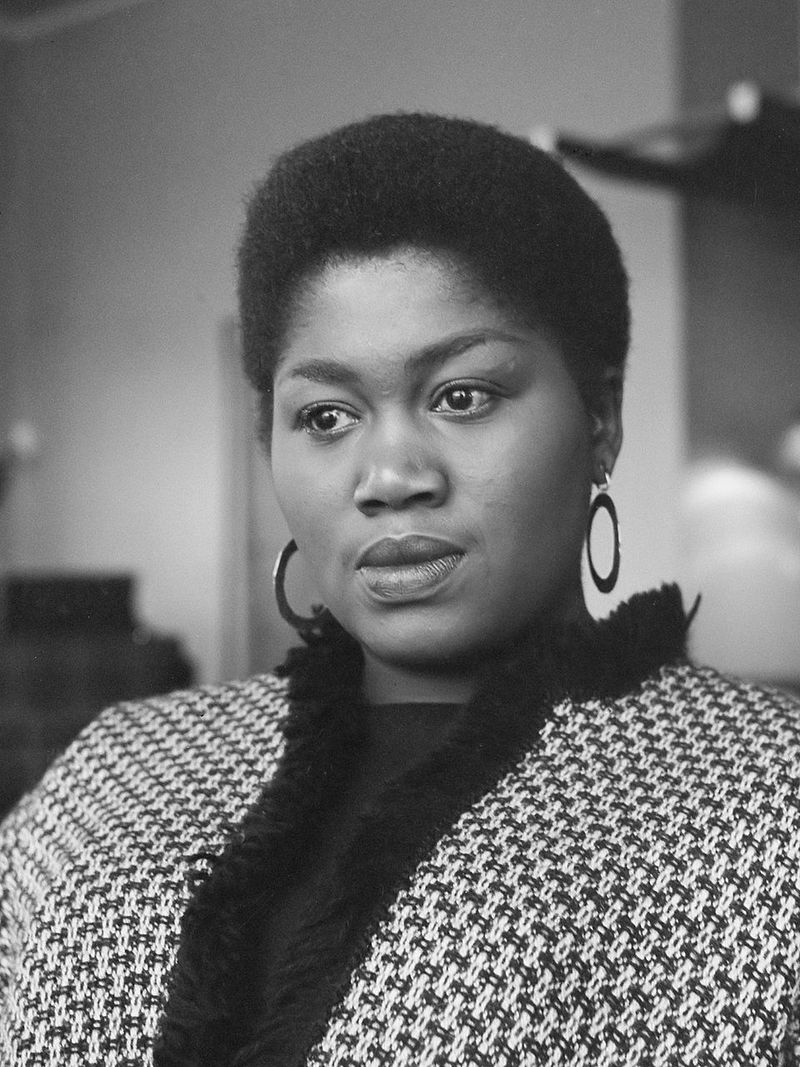
Powerful contralto vocals paired with acoustic guitar carved out a folk legacy that influenced artists ranging from Bob Dylan to Joan Baez. Traditional spirituals, work songs, and folk ballads came alive through dignity and force, pulling historical struggle straight into contemporary awareness.
History lessons emerged through music, with performances that felt instructive without ever losing emotional weight.
Recognition grew when Martin Luther King Jr. called her ‘The Queen of American Folk Music’ in 1961.
Simple arrangements and honest delivery proved more potent than elaborate production, allowing stories and feeling to speak entirely for themselves.
25. Betty Davis
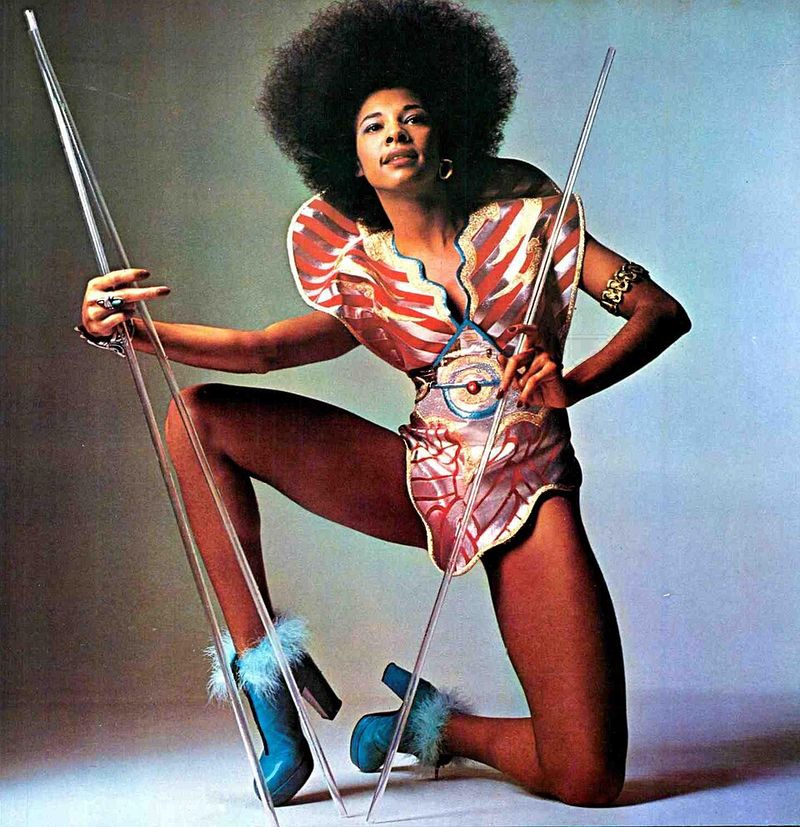
Davis brought fearless swagger and funk-rock edge to music in ways that made people uncomfortable and unable to look away. Her voice could growl, sharpen, and snap, challenging every expectation about how female singers should sound or behave on stage.
She was briefly married to Miles Davis, and writers have discussed her presence around the time his music shifted toward electric sounds.
But Betty’s own music pushed boundaries further than most were ready to accept. Decades later, her fearless approach to funk and performance inspired new generations who finally understood what she was doing all along.
Loved this slideshow? Follow us on MSN for more exclusive entertainment content.