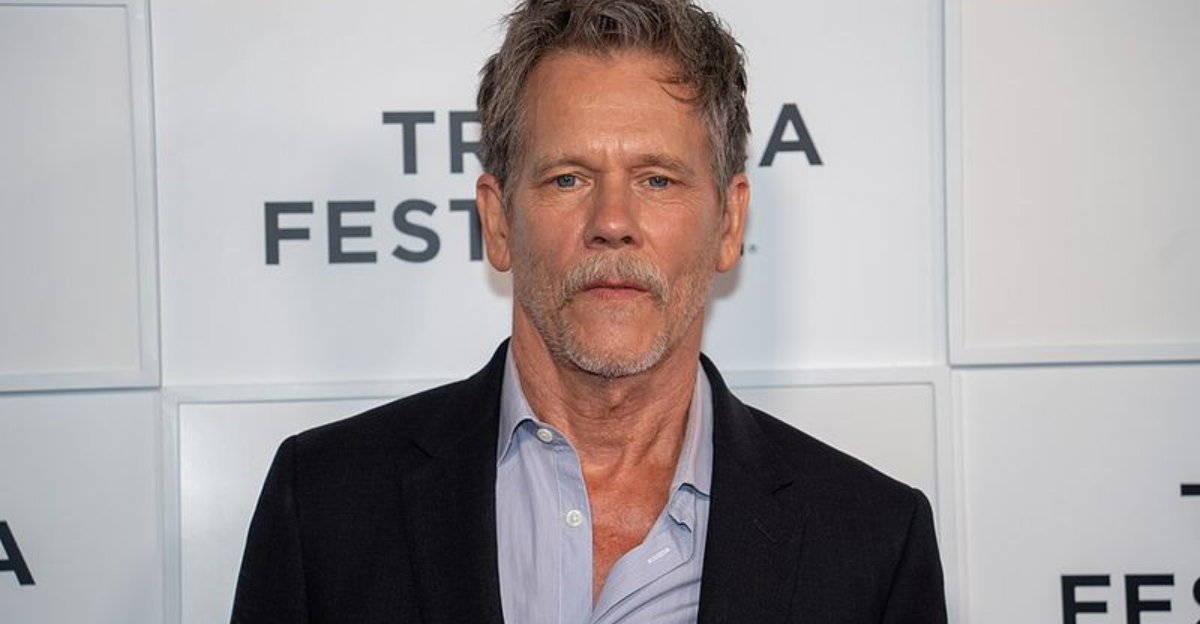
Top 15 John Fogerty Songs That Defined His Sound
Some artists spend entire careers searching for a signature sound.
John Fogerty seemed to arrive with one fully formed: swampy guitars, storytelling that felt pulled straight from dusty back roads, and a voice that could sound both rebellious and reflective in the same breath.
His songs carry an energy that feels instantly recognizable, whether blasting through car speakers on a summer drive or drifting out of a late-night radio station.
Fans often realize they know more of his music than they expected, thanks to riffs and choruses that became woven into American rock history almost by accident.
Disclaimer: This article reflects editorial opinion in ranking John Fogerty songs that best represent his distinctive musical style and cultural impact; selections are subjective and intended for entertainment and general informational purposes only.
1. Proud Mary
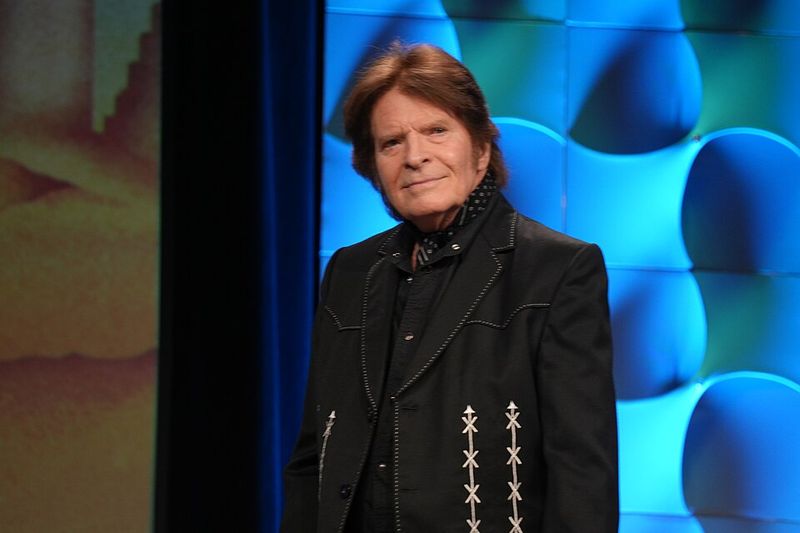
Starting slow and building into a full-throttle celebration, this track became an instant classic when CCR dropped it in 1969.
The shift from gentle verses to that explosive chorus feels like a riverboat gathering steam.
Fogerty’s storytelling paints a picture of leaving troubles behind and finding freedom on the water.
Generations have sung along, from campfires to karaoke bars, making it one of rock’s most covered songs.
Its structure broke the mold and proved that taking risks with tempo can create magic.
2. Green River
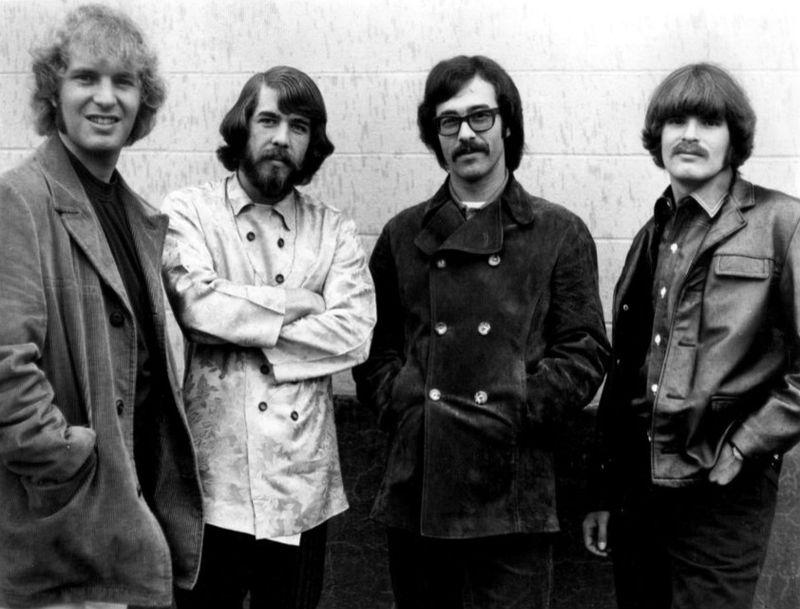
Swamp-rock doesn’t get more authentic than this 1969 single that peaked at number two on the charts.
The guitar tone snaps like branches underfoot, and Fogerty’s vocal delivery clips along with that signature rhythm.
He sings about childhood memories near a California creek, but the sound conjures Louisiana bayous and humid summer nights.
This track defined what people mean when they say “the CCR sound.”
3. Fortunate Son
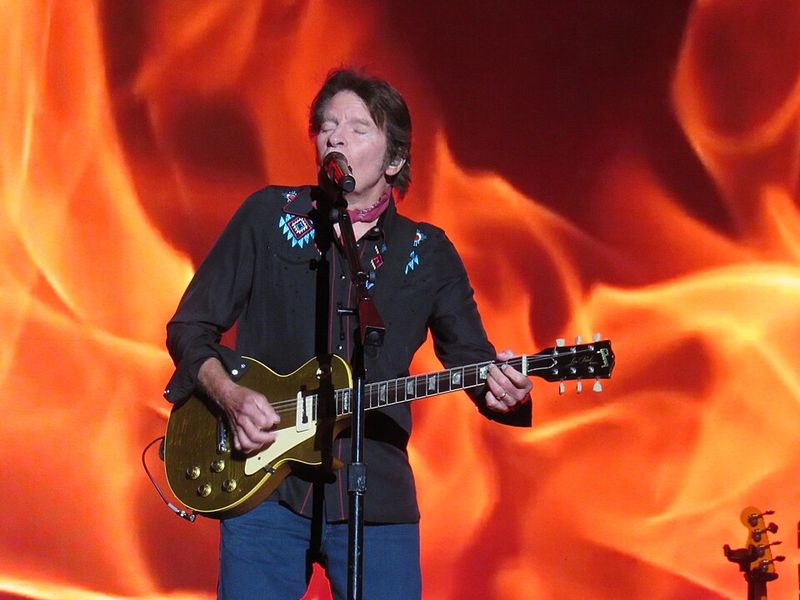
Blasting out of speakers with a riff that sounds like pure anger, this protest anthem called out privilege during the Vietnam War.
The urgency in Fogerty’s voice matched the frustration millions felt watching the wealthy dodge consequences.
Released on CCR’s 1969 album, it remains a go-to soundtrack for movies and documentaries about injustice. That opening guitar snarl grabs you by the collar and doesn’t let go.
Decades later, its message still resonates whenever inequality sparks outrage.
4. Bad Moon Rising
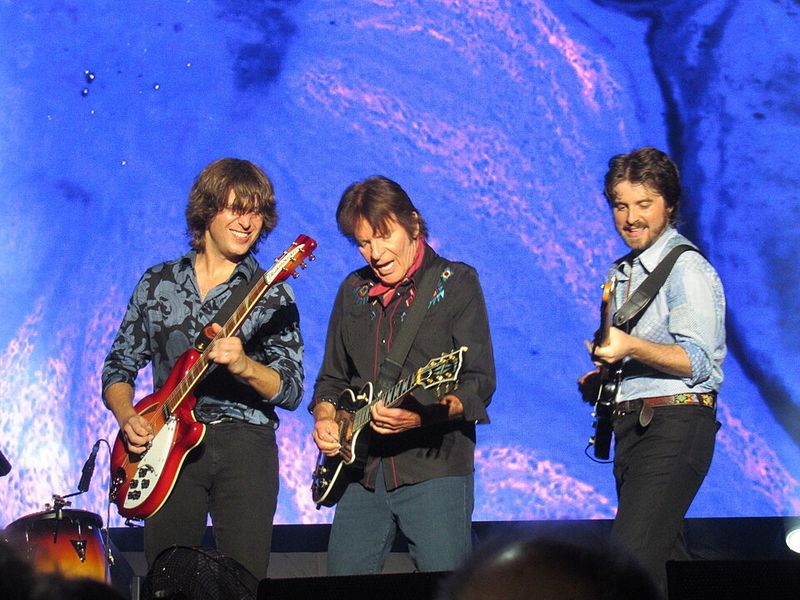
Catchy enough to whistle but loaded with apocalyptic warnings, this 1969 hit pairs sunshine melodies with doom-filled lyrics.
Fogerty crafted a song that sounds cheerful until you actually listen to what he’s saying. The guitar riff bounces along while the words predict disaster, creating a fascinating contrast.
Radio stations loved it, crowds sang it, and nobody seemed to mind the dark clouds hiding behind that bright sound.
5. Born On The Bayou
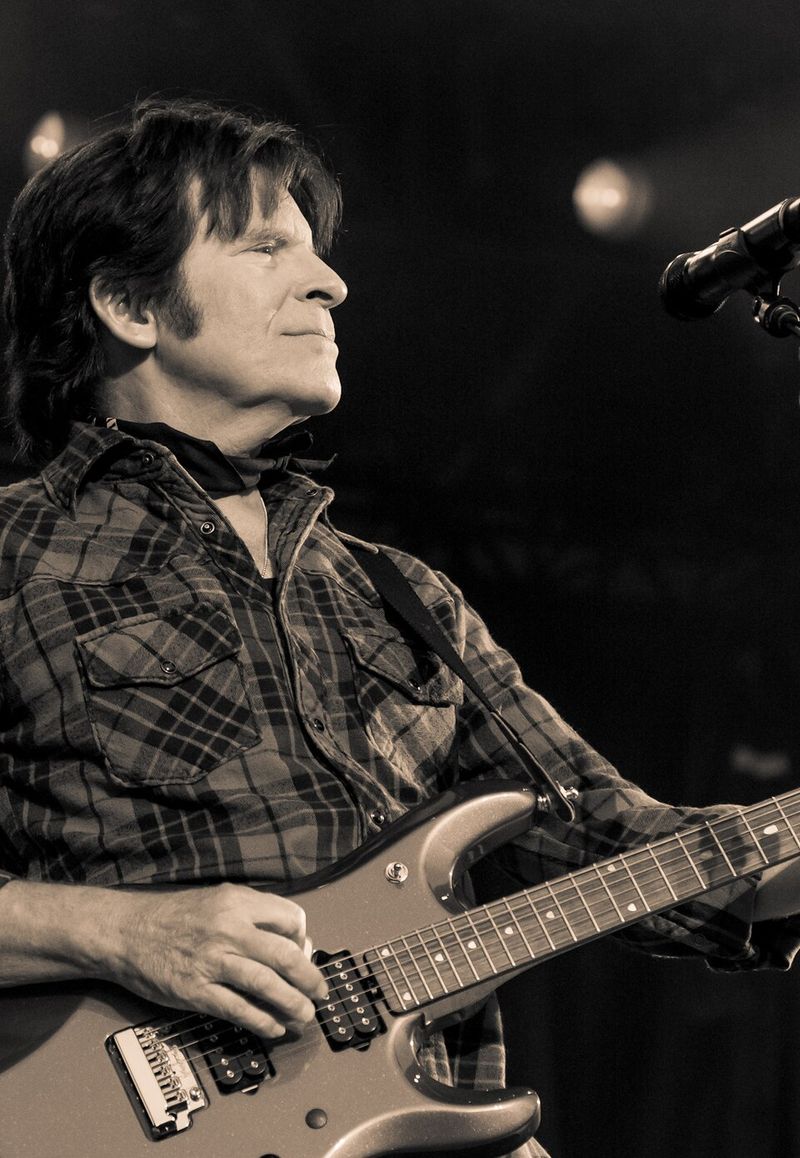
Opening with that moody, slow-burn guitar line, this track practically invented Fogerty’s swamp-rock mythology.
Released in 1969, it grooves along like a boat cutting through fog, mysterious and hypnotic.
Fogerty sings about Louisiana even though he grew up in California, proving imagination beats geography when crafting atmosphere.
Concert crowds still go wild when those opening notes echo through the venue.
6. Have You Ever Seen The Rain
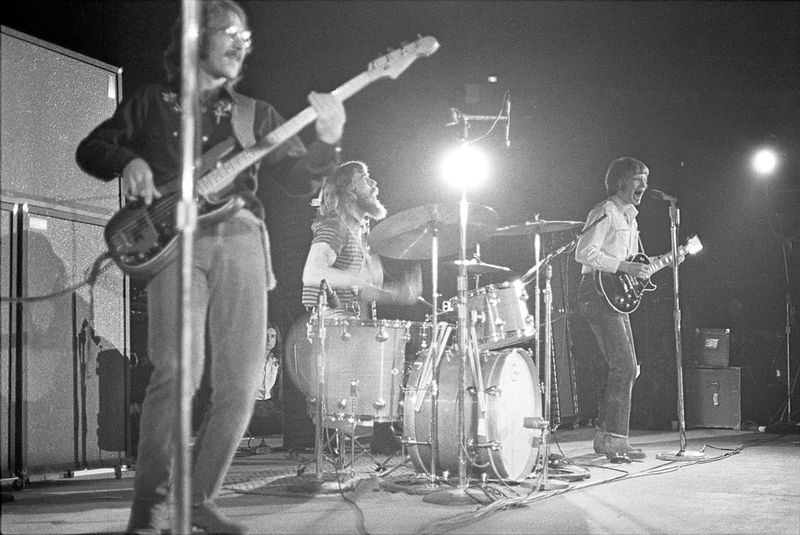
Released in 1971, this song pairs one of rock’s prettiest melodies with lyrics about confusion and sadness.
The metaphor of rain on a sunny day captures that feeling when things look fine on the surface but something’s clearly wrong.
Fogerty’s voice carries both warmth and weariness, making every word land with emotional weight. Fans have debated the meaning for decades – is it about band tensions or something deeper?
Whatever the truth, the song’s timeless hook keeps it alive across generations.
7. Run Through The Jungle
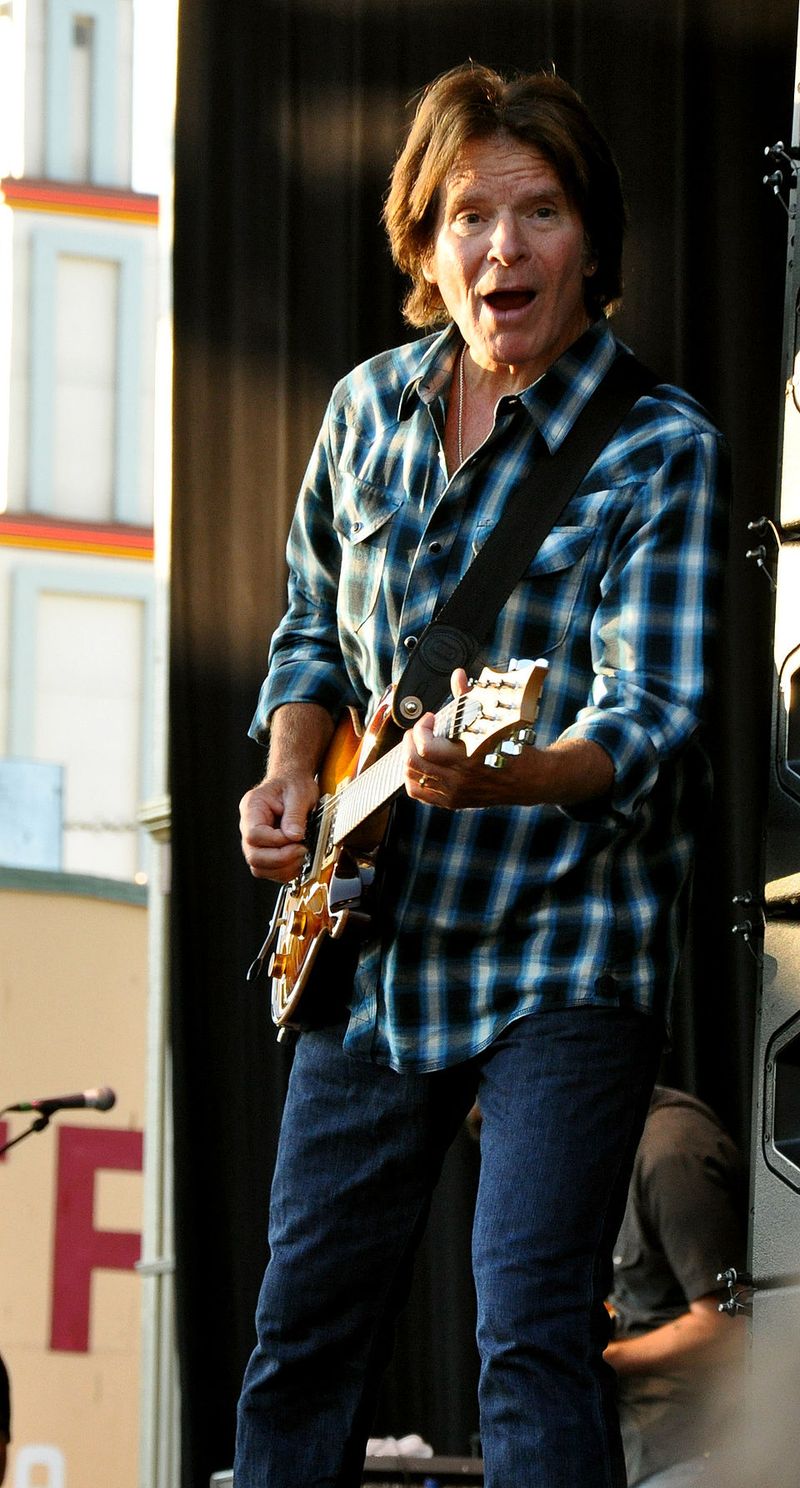
Paranoia gets a soundtrack with this 1970 track that rumbles with heavy rhythm and ominous guitar tones.
The jungle in question could be Vietnam or just the darkness inside everyone’s head during troubled times.
Fogerty’s warning-flare guitar work creates genuine unease, making listeners feel hunted. The song marches forward with military precision, drums pounding like footsteps through dangerous territory.
Anti-war without being preachy, it lets the music do the protesting through pure sonic dread.
8. Lookin’ Out My Back Door
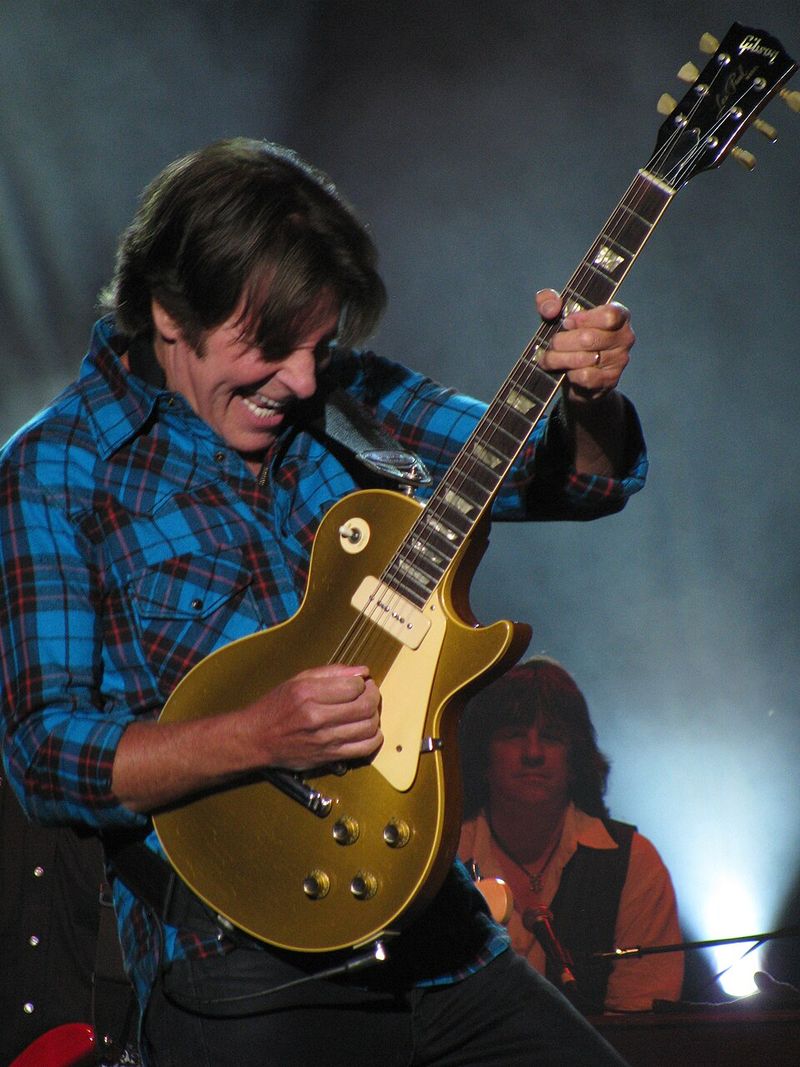
Country shuffle meets psychedelic imagery in this 1970 gem that bounces along like a carnival ride.
The bright, rolling rhythm feels effortless, showcasing Fogerty’s ability to make complex arrangements sound simple.
Lyrics about flying elephants and dancing animals sparked rumors about questionable references, but Fogerty insisted it was just playful nonsense.
The good-time vibe proved CCR could lighten up without losing their edge.
9. Up Around The Bend
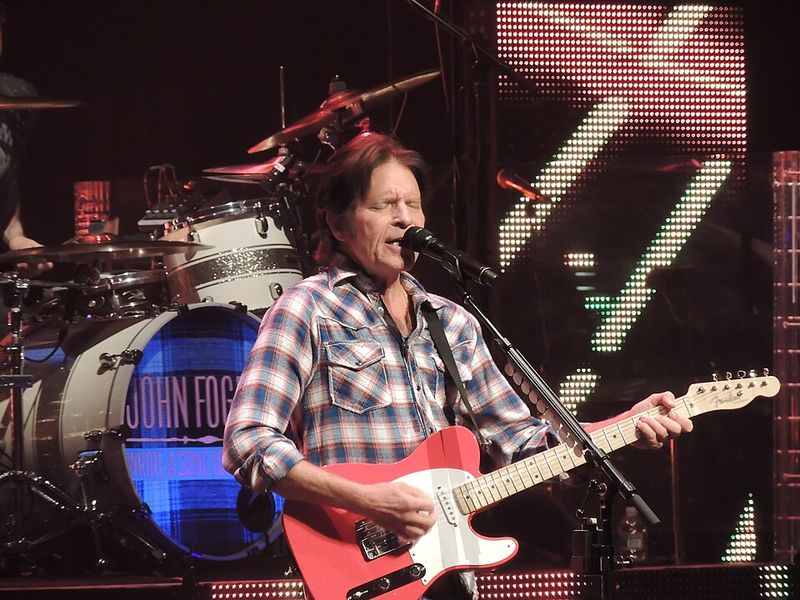
Pure momentum in musical form, this 1970 single races forward with lean, fast riffing and zero wasted motion.
The song feels like flooring the gas pedal on an empty highway, windows down and destination unknown.
Fogerty’s vocal pushes the tempo, urging listeners to leave their troubles behind and just move. The guitar work drives relentlessly, showing how simplicity executed perfectly beats complexity every time.
Radio stations loved its energy, and it remains a road-trip essential.
10. Who’ll Stop The Rain
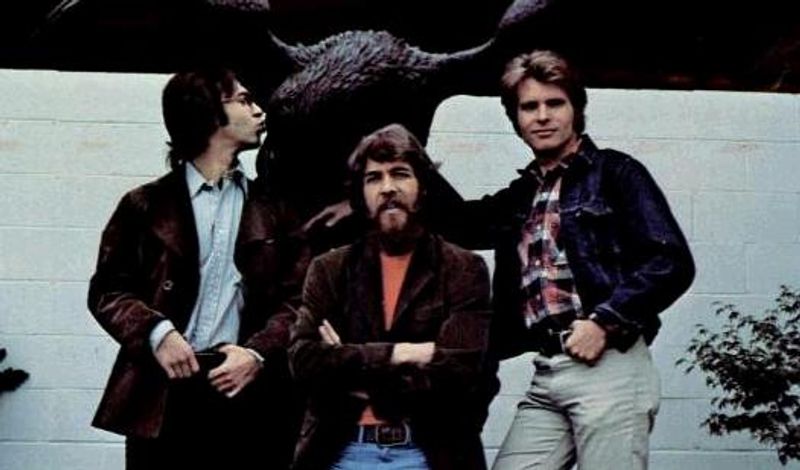
Campfire singalongs and stadium crowds both embrace this 1970 track that pairs plainspoken melody with weary wisdom.
The rain metaphor works on multiple levels – literal storms, tears, or the chaos of the era.
Fogerty’s voice carries the exhaustion of someone who’s seen too much but keeps going anyway. The arrangement stays simple, letting the message breathe without flashy distractions.
Decades later, it still feels like the perfect song for troubled times.
11. Lodi
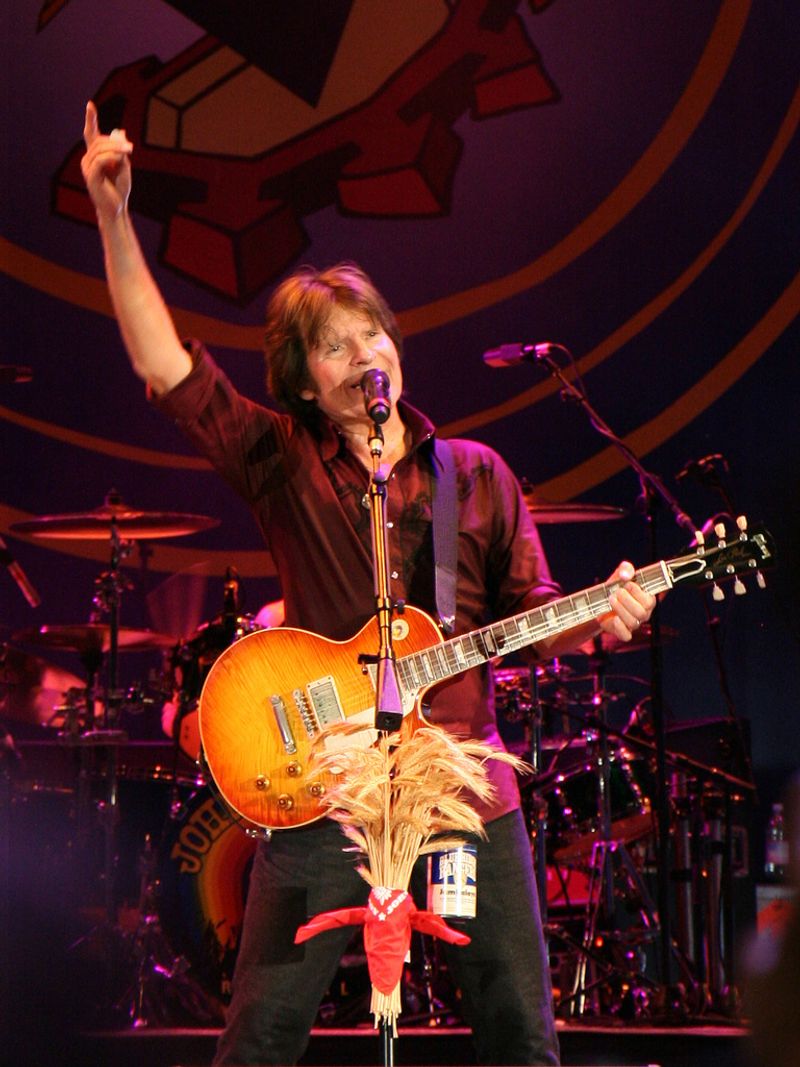
Getting stuck in a nowhere town becomes strangely catchy in this 1969 storyteller’s masterpiece. Fogerty sings about a musician trapped playing dive bars, dreams fading with each disappointing gig.
The melody bounces along cheerfully even as the lyrics describe defeat, creating that bittersweet Fogerty magic. He makes failure sound almost romantic, like there’s dignity in struggling.
Every musician who’s performed in some forgotten venue feels this song in their bones.
12. Travelin’ Band
Little Richard’s wild spirit gets filtered through Fogerty’s gritty bar-band precision in this 1970 rocker. The propulsion never lets up, drums and bass locking together while the guitar slashes through the mix.
Fogerty channels pure rock and roll joy, his voice rougher than Little Richard’s but equally committed to the energy.
The song celebrates movement, both physical and musical, capturing what it feels like when a band hits the zone.
13. Down On The Corner
Jug-band joy meets rock muscle in this 1969 celebration of street music and community.
The fictional band Willy and the Poor Boys comes alive through Fogerty’s good-time vocal delivery and that infectious groove.
Handclaps and simple percussion create a party atmosphere, proving you don’t need fancy production to make people move.
It showcases Fogerty’s range, proving he could write uplifting anthems as easily as protest songs.
14. The Old Man Down The Road
Fogerty’s 1984 comeback single distilled his swamp-rock essence into a sleeker, more modern grind. The riff bites just as hard as his CCR classics, but the production reflects the decade’s bigger sound.
Legal battles had kept him silent for years, making this return even sweeter for fans.
The song hit number ten on the Billboard Hot 100, confirming his formula still worked.
Critics noted the similarity to his earlier work, but why fix what ain’t broken, right?
15. Centerfield
Baseball and rock collide in this 1985 solo hit that became a sporting-event staple.
Fogerty’s love for America’s pastime shines through every lyric, mixing nostalgia with genuine passion for the game.
The chorus practically demands singalongs, and stadiums obliged, making it as essential as hot dogs and peanuts.
Even non-sports fans appreciate the catchy hook and the way Fogerty makes hitting a homer sound heroic.