50 Lakes That Define Natural Beauty In Every State
America is home to some of the most breathtaking lakes on the planet, each offering its own slice of natural wonder.
From crystal-clear alpine pools tucked high in mountain ranges to vast freshwater seas stretching across state lines, these watery gems showcase the incredible diversity of the country’s landscapes.
Adventurers chasing kayaking thrills and sunset chasers alike will find scenes that leave jaws dropping, highlighting what makes every corner of the U.S. uniquely spectacular.
1. Lake Clark, Alaska
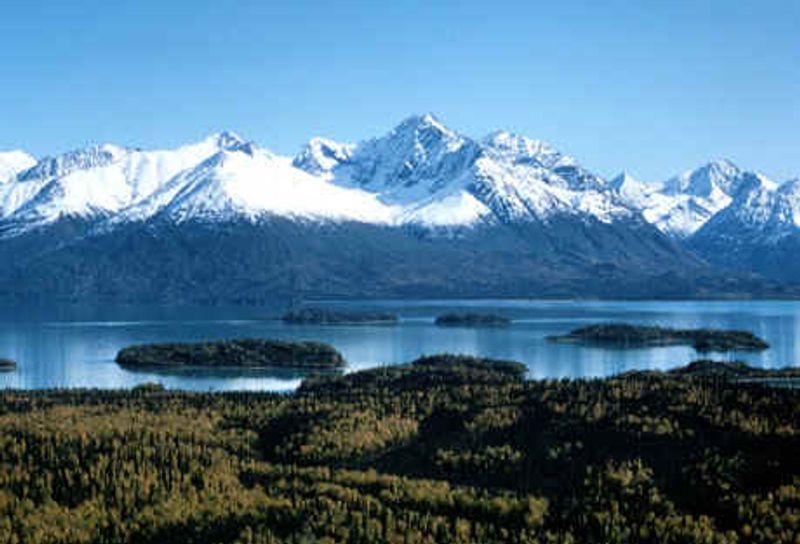
Turquoise waters shimmer like a giant aquamarine gemstone dropped into Alaska’s wilderness, making Lake Clark one of the most stunning sights you’ll ever witness. Wildlife roams freely here—think brown bears fishing for salmon, caribou wandering the shores, and eagles soaring overhead like they own the place (which, honestly, they kind of do).
Getting there requires a floatplane ride, adding an extra dose of adventure to your journey. The surrounding mountains create a dramatic backdrop that photographers dream about capturing.
2. Lake Martin, Alabama
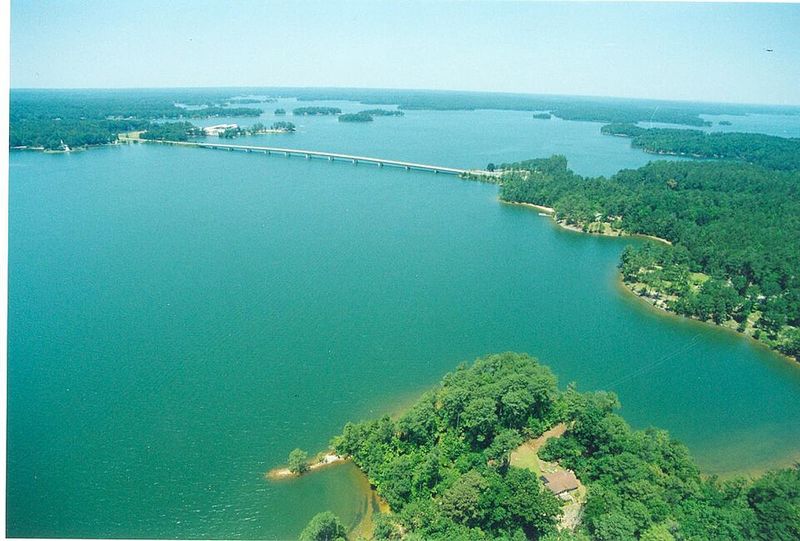
With over seven hundred miles of shoreline zigzagging through Alabama’s countryside, Lake Martin offers endless coves and inlets to explore. Families flock here during summer for water skiing, tubing, and lazy afternoons floating on inflatable unicorns (because why not?).
The lake sits on the Tallapoosa River and creates a recreational paradise that locals treasure year-round. Sunsets paint the water in shades of orange and pink that rival any Instagram filter.
Fishing enthusiasts cast lines hoping to reel in largemouth bass and crappie.
3. Lake Ouachita, Arkansas
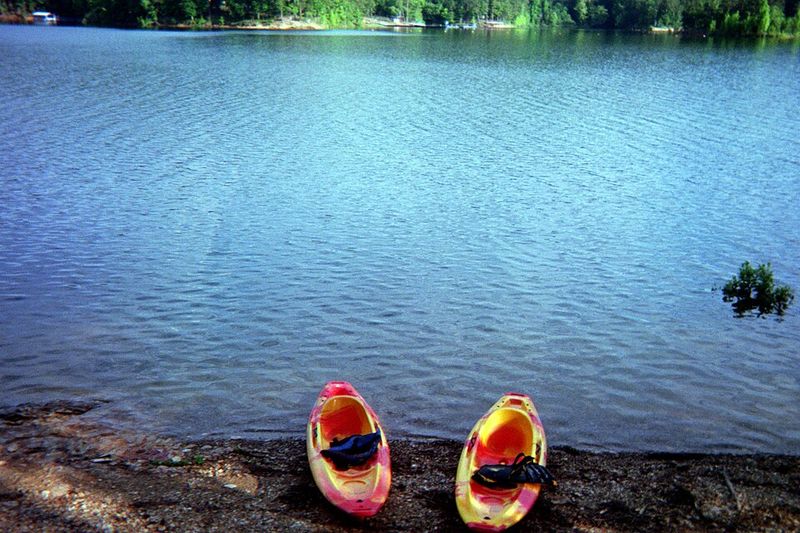
Imagine a lake so clear you can see thirty feet down into the depths—that’s Lake Ouachita showing off its incredible water quality. Nestled in the Ouachita Mountains, this reservoir spans over forty thousand acres of pristine beauty that feels worlds away from city life.
Scuba divers love exploring the underwater forests of submerged trees. Campers pitch tents at lakeside spots where stargazing reaches epic levels.
The name comes from a Native American word meaning “good hunting grounds,” and the tradition continues today.
4. Lake Powell, Arizona
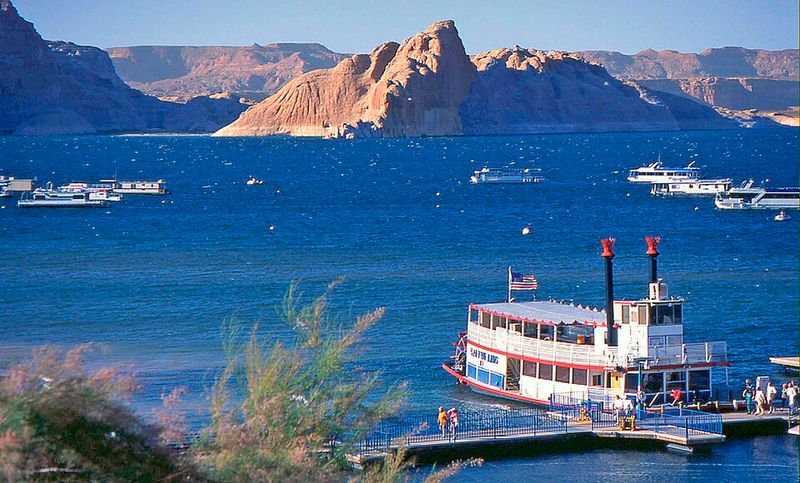
Red rock canyons tower above electric-blue waters in a landscape that looks straight out of a sci-fi movie set on Mars. Lake Powell stretches across the Arizona-Utah border, creating nearly two thousand miles of coastline filled with hidden slot canyons and sandy beaches.
Houseboating here feels like captaining your own floating hotel through an alien wonderland. Rainbow Bridge, one of the world’s largest natural bridges, stands as a must-see landmark accessible by boat.
Water sports enthusiasts find paradise for wakeboarding and kayaking adventures.
5. Mono Lake, California
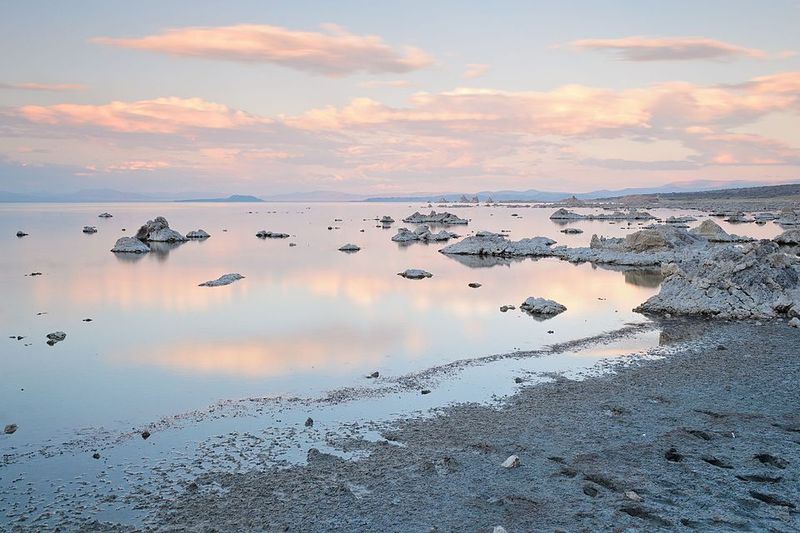
Ancient tufa towers rise from the water like nature’s own castle ruins, created over thousands of years by calcium-rich springs mixing with alkaline lake water. Mono Lake has existed for at least seven hundred sixty thousand years, making it one of North America’s oldest lakes and a window into geological history.
The super-salty water supports unique brine shrimp that feed millions of migrating birds. Photographers arrive at sunrise to capture the otherworldly landscape bathed in golden light.
Located near Yosemite, it offers a surreal side trip from mountain adventures.
6. Lake Helene, Colorado
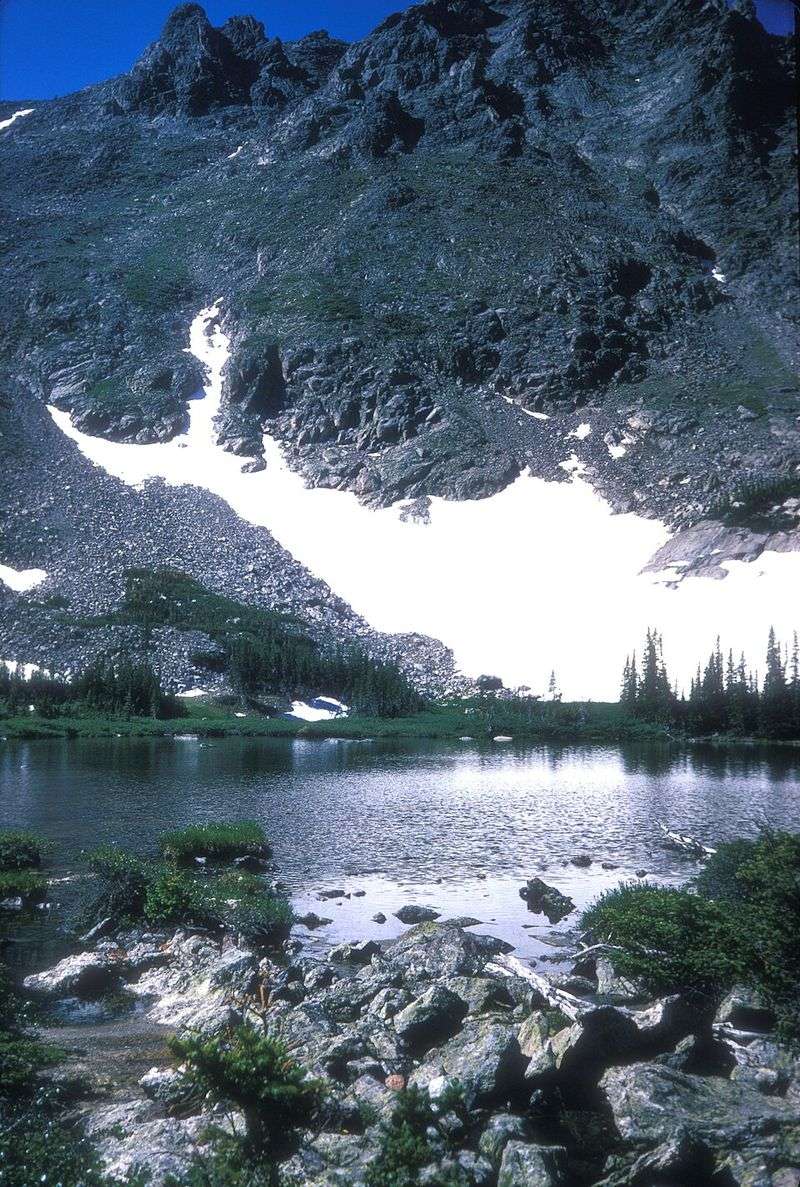
Tucked high in Rocky Mountain National Park at over ten thousand feet elevation, Lake Helene rewards hikers with alpine scenery that’ll steal your breath (though that might also be the thin air talking). The six-mile trail winds through forests and meadows before revealing this jewel nestled beneath towering peaks.
Snowfields often linger into summer, creating a winter-meets-summer vibe that’s totally unique. Wildflowers carpet the surrounding slopes during July and August.
Pack layers because mountain weather changes faster than a chameleon’s mood swings.
7. Lake Waramaug, Connecticut
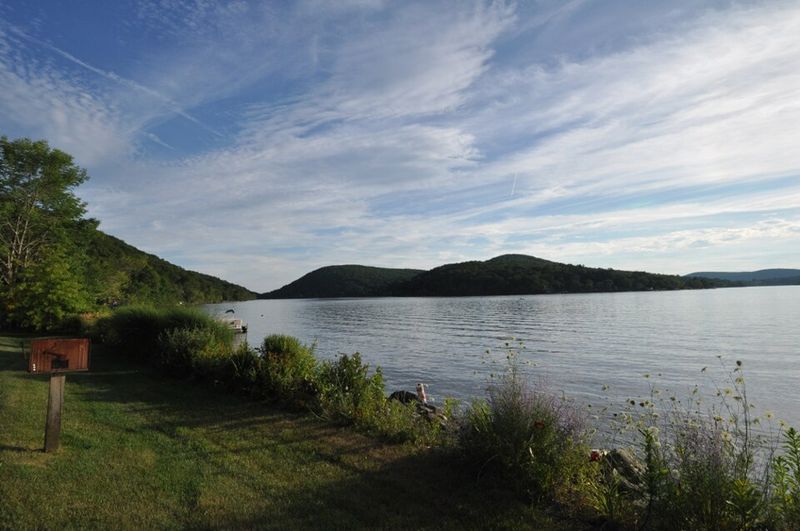
Nestled in the Litchfield Hills like a sapphire in a green velvet setting, Lake Waramaug spans six hundred fifty-six acres of New England charm. The eight-mile road circling the lake offers scenic driving with views that change with every season—fiery fall foliage, winter wonderlands, spring blooms, and summer greenery.
State park facilities provide beach access, camping spots, and boat launches for paddlers. Quaint inns dot the shoreline, offering cozy weekend getaway options.
The Native American name means “good fishing place,” still accurate today.
8. Silver Lake, Delaware
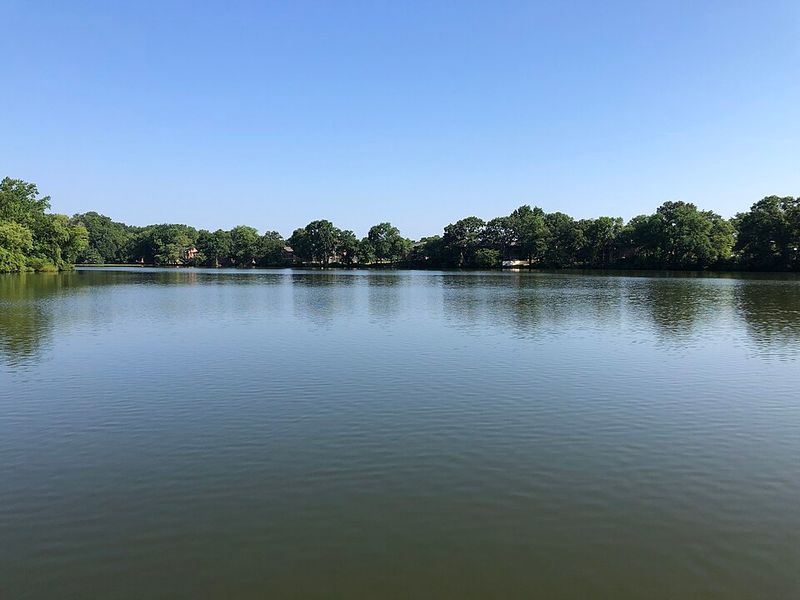
Just minutes from Rehoboth Beach, Silver Lake offers a peaceful alternative to ocean waves with calm waters perfect for kayaking and paddleboarding. This tidal pond connects to the Atlantic through a canal, creating a unique brackish environment where freshwater meets saltwater species.
Families love the gentle shoreline for teaching kids to swim and boat safely. Sunset views across the water provide Instagram-worthy moments without the beach crowds.
Local wildlife includes herons, egrets, and occasionally curious dolphins exploring from the ocean. The surrounding neighborhood features charming beach cottages.
9. Lake Okeechobee, Florida
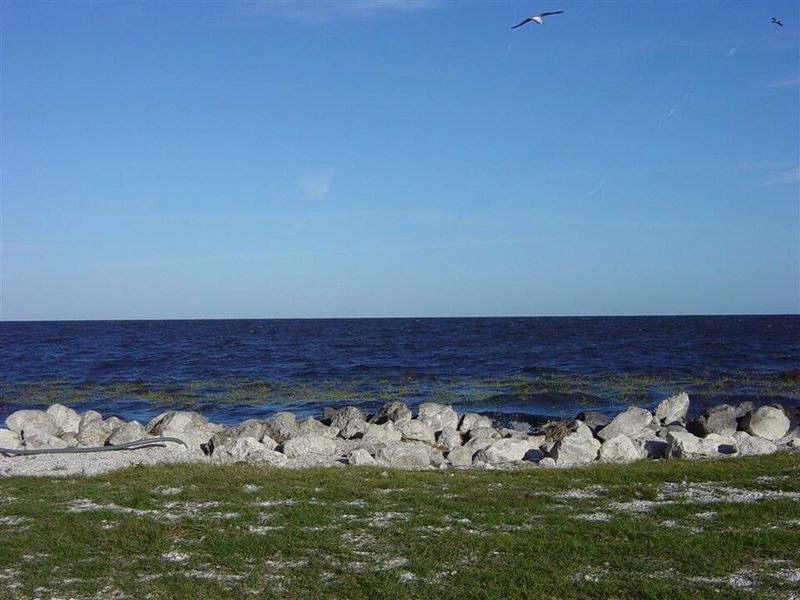
Known affectionately as “The Big O,” Lake Okeechobee sprawls across seven hundred thirty square miles, making it Florida’s largest freshwater lake and the second-largest entirely within U.S. borders. Bass fishing here reaches legendary status, with anglers traveling from across the country hoping to hook trophy-sized catches.
The lake sits at the heart of the Everglades ecosystem, playing a crucial role in South Florida’s water management. Levees surround the shoreline, creating hiking and biking trails with panoramic water views.
Bird watchers spot hundreds of species in surrounding wetlands.
10. Lake Lanier, Georgia
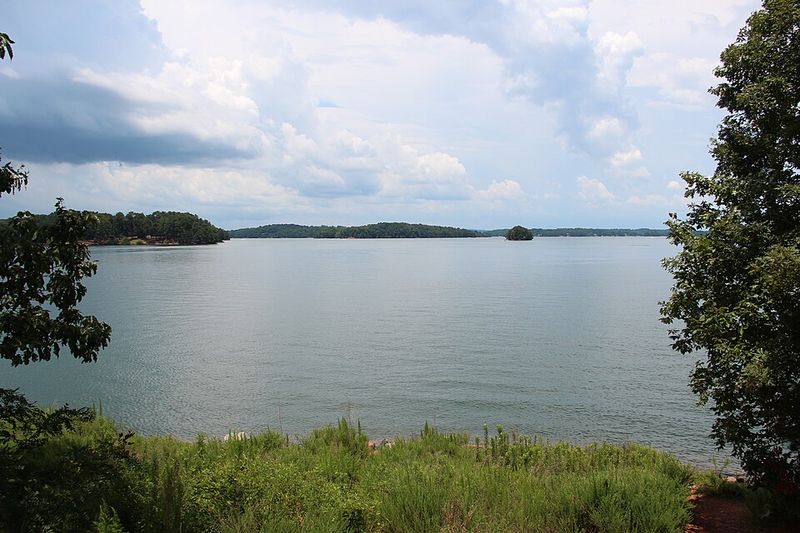
Just north of Atlanta, Lake Lanier transforms from quiet weekday retreat to bustling weekend playground when city dwellers escape for water recreation. Created in the nineteen-fifties by damming the Chattahoochee River, this reservoir now boasts six hundred ninety miles of shoreline dotted with marinas and parks.
Water skiing, wakeboarding, and tubing dominate summer activities while pontoon boats cruise at sunset. Islands scattered throughout the lake offer secluded picnic spots accessible only by boat.
The lake hosts major fishing tournaments attracting professional anglers year-round.
11. Wailua Reservoir, Hawaii
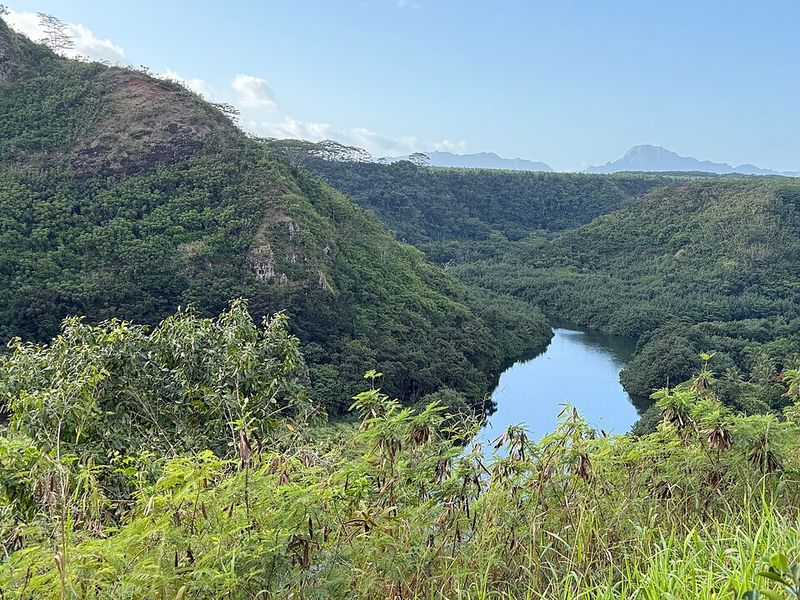
Carved into Kauai’s lush interior, Wailua Reservoir (also called Alekoko Fishpond) sits surrounded by tropical vegetation that seems to glow in impossible shades of green. The legendary Menehune Fishpond nearby adds mythical intrigue to your visit—local lore credits these mystical little people with building the ancient stone walls overnight.
Kayaking here feels like paddling through Jurassic Park’s movie set (which actually filmed nearby). Mountains draped in waterfalls create a backdrop that cameras struggle to capture fully.
Early morning mist adds ethereal beauty to the scene.
12. Redfish Lake, Idaho
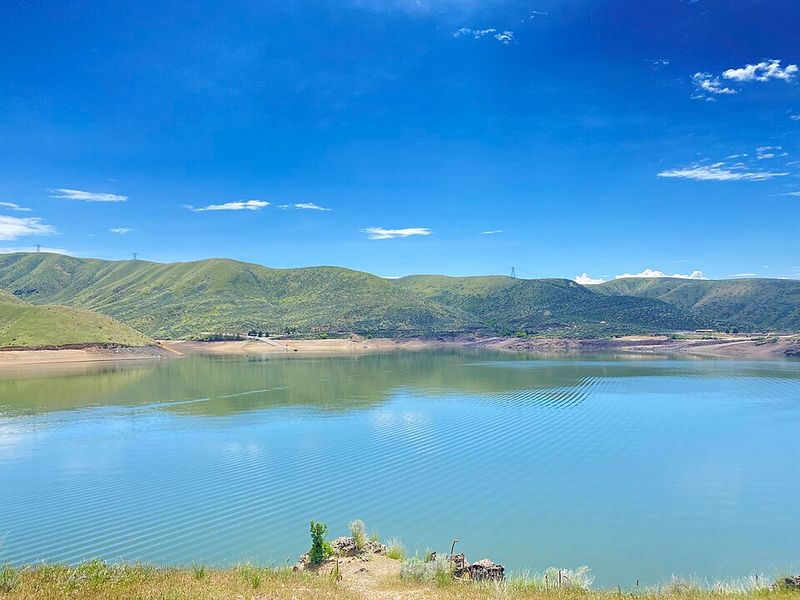
Cradled in the Sawtooth Mountains at over six thousand feet elevation, Redfish Lake dazzles visitors with water so clear and blue it rivals any tropical paradise. The name comes from sockeye salmon that once turned the lake red during spawning runs, though their numbers have sadly declined over the decades.
Mountain peaks reflected in the glassy surface create postcard-perfect scenes. Summer visitors enjoy swimming, paddling, and camping while winter transforms the area into a snowy wonderland.
Wildlife sightings include elk, deer, and the occasional black bear foraging along shores.
13. Lake Michigan, Illinois

Chicago’s stunning waterfront along Lake Michigan proves that Midwestern cities can absolutely rock beach vibes and skyline views simultaneously. This Great Lake stretches so far that standing on the shore feels like facing an ocean, with waves, beaches, and horizons that disappear into blue infinity.
Navy Pier, beaches, and lakefront trails offer endless recreation options for residents and tourists alike. Summer brings sailboats dotting the water while winter creates dramatic ice formations along the shore.
The lake moderates Chicago’s climate, though locals still joke about unpredictable weather patterns.
14. Lake Monroe, Indiana
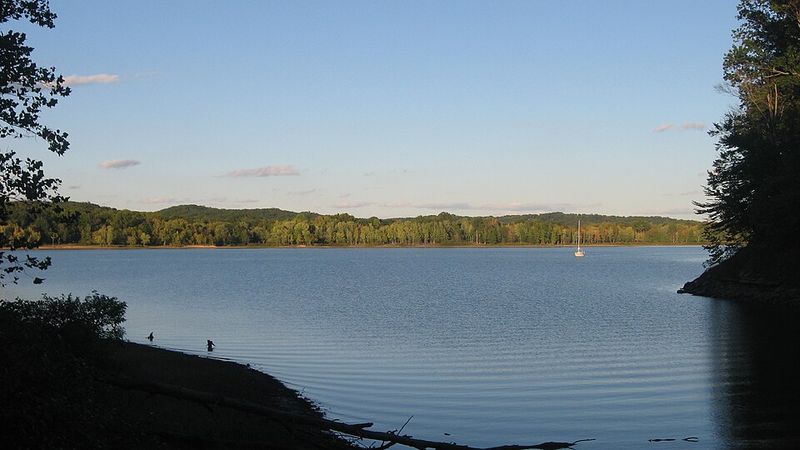
Spanning over ten thousand acres in southern Indiana’s rolling hills, Lake Monroe reigns as the state’s largest lake and a beloved recreation destination. Created by damming Salt Creek, this reservoir now hosts boaters, anglers, and nature lovers seeking escape from urban life.
Paynetown State Recreation Area provides beaches, campgrounds, and hiking trails through hardwood forests. Fall colors reflected in the water create spectacular scenery that rivals New England’s autumn displays.
Fishing for bass, catfish, and crappie keeps anglers busy throughout seasons. Bald eagles nest in surrounding trees during winter months.
15. Clear Lake, Iowa
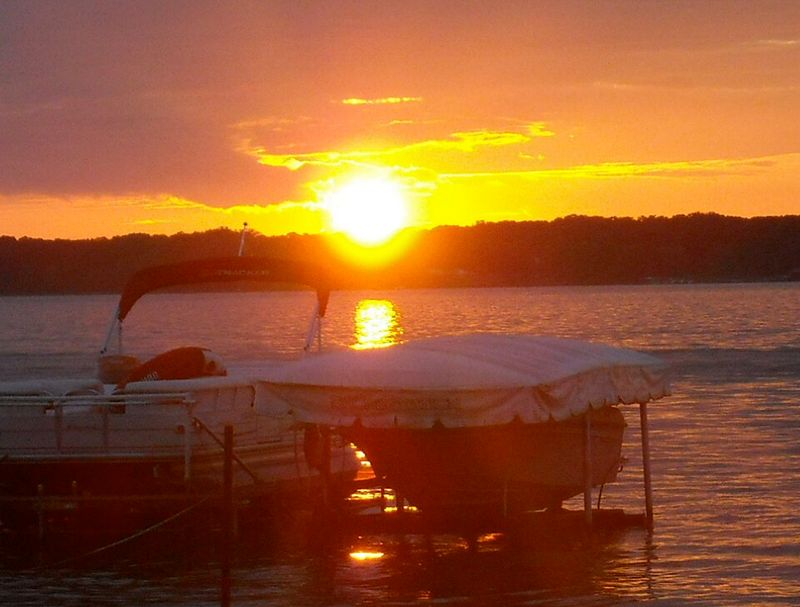
Living up to its straightforward name, Clear Lake sparkles in north-central Iowa as a natural glacial lake covering thirty-eight hundred acres. The town wrapped around its shores embraces small-town charm mixed with resort amenities that attract visitors year-round.
Buddy Holly performed his final concert here before his tragic plane crash in nineteen fifty-nine, adding poignant musical history. Summer brings festivals, water sports, and beach activities while winter ice fishing draws hardy enthusiasts.
The lake’s clarity supports excellent fishing for walleye, yellow bass, and bluegill. Bike trails circle the entire shoreline for scenic pedaling.
16. Milford Lake, Kansas
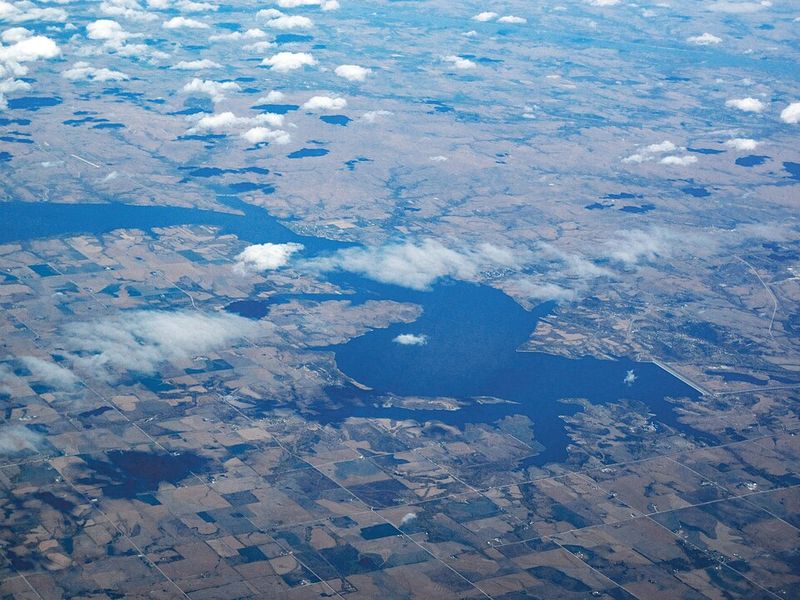
Kansas might be famous for wheat fields and tornadoes, but Milford Lake proves the Sunflower State also delivers impressive water recreation spanning over fifteen thousand acres. Rolling Flint Hills surround the reservoir, creating unexpectedly scenic vistas that surprise first-time visitors expecting flat prairies.
Multiple marinas, beaches, and campgrounds accommodate everyone from hardcore anglers to families seeking weekend getaways. Sailing regattas take advantage of Kansas winds that blow steadily across open water.
Wildlife areas surrounding the lake attract hunters and bird watchers. Sunsets over the prairie-meets-water landscape paint the sky in breathtaking colors.
17. Lake Cumberland, Kentucky
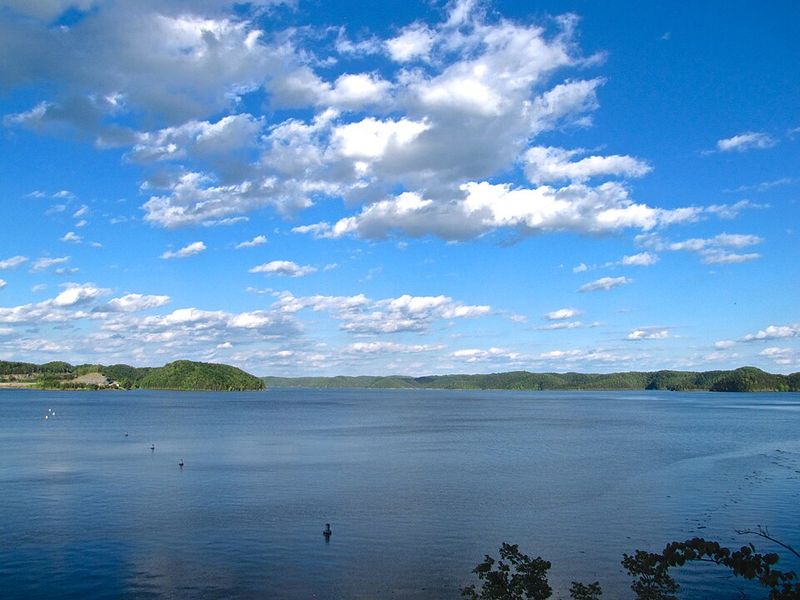
Winding through Kentucky’s hills like a giant blue snake, Lake Cumberland stretches over one hundred miles with twelve hundred miles of shoreline creating endless coves and inlets. Houseboating here has achieved legendary status, with floating vacation homes offering all the comforts while surrounded by natural beauty.
The lake reaches depths of two hundred feet in places, maintaining cool temperatures perfect for summer swimming. Waterfalls tumble into the lake at various points, accessible by boat for adventurous explorers.
Fishing tournaments target striped bass, lake trout, and walleye populations. State parks provide land-based recreation options.
18. Lake Pontchartrain, Louisiana
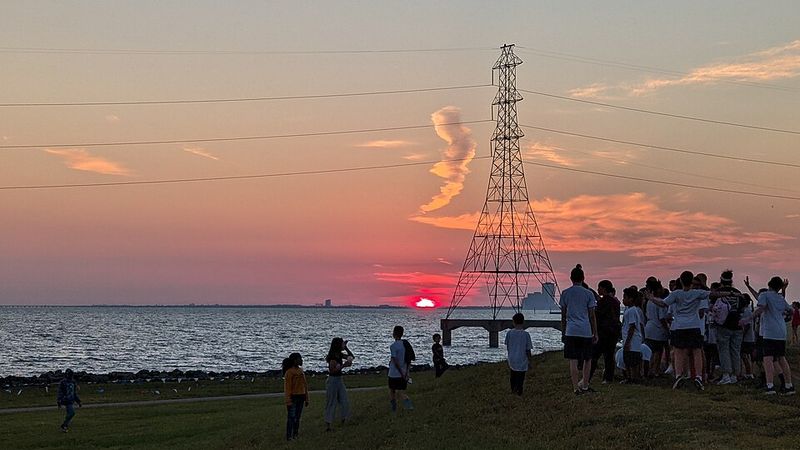
Stretching across six hundred thirty square miles north of New Orleans, Lake Pontchartrain technically qualifies as an estuary connected to the Gulf of Mexico, creating brackish waters that support unique ecosystems. The Lake Pontchartrain Causeway spans twenty-four miles as one of the world’s longest bridges, offering surreal drives over seemingly endless water.
Sailboats dot the waters while fishing boats seek speckled trout and redfish. The lake plays a crucial role in Louisiana’s culture, economy, and unfortunately, hurricane protection efforts.
Sunsets viewed from the causeway create unforgettable memories of Louisiana’s watery landscape.
19. Moosehead Lake, Maine
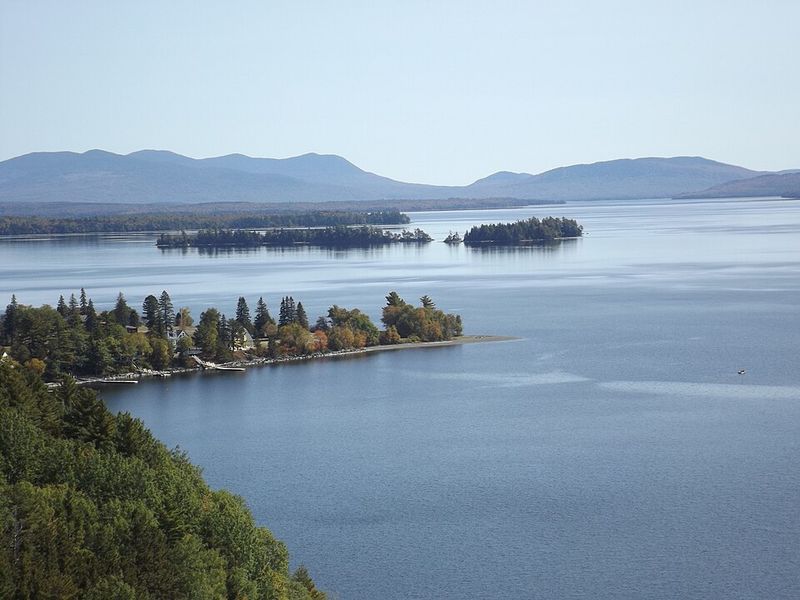
Maine’s largest lake sprawls across seventy-five thousand acres in the state’s remote north woods, offering wilderness experiences that feel genuinely wild and untamed. The name comes from its shape, which supposedly resembles a moose’s head (though you might need serious imagination to see it).
Seaplanes buzz overhead delivering guests to remote camps accessible only by water or air. Mount Kineo rises dramatically from the lake’s center, a rocky peninsula offering hiking with panoramic views.
Moose sightings happen frequently—appropriately enough—along shoreline roads. Fishing for landlocked salmon and brook trout attracts serious anglers seeking trophy catches.
20. Deep Creek Lake, Maryland
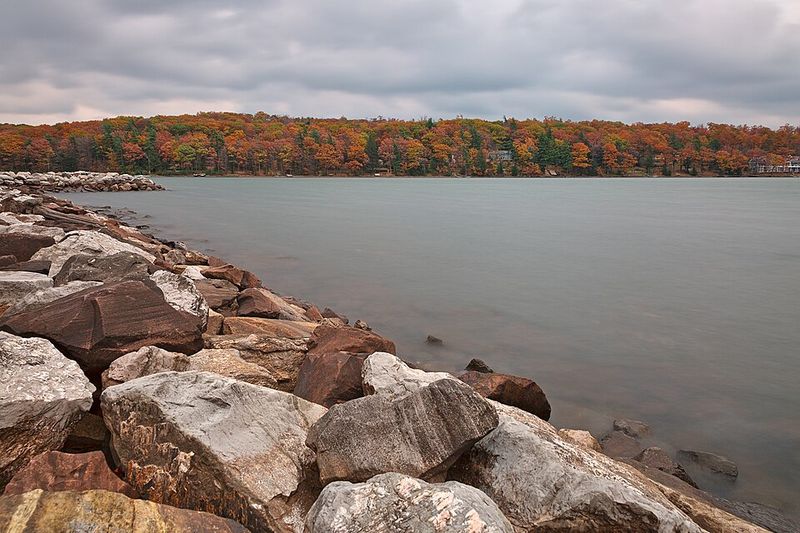
Nestled in Maryland’s Appalachian mountains, Deep Creek Lake serves as the state’s largest freshwater lake and a four-season playground for outdoor enthusiasts. Summer brings jet skis, pontoon boats, and water skiers while winter transforms the area into a snow sports destination with nearby Wisp Resort.
The lake covers thirty-nine hundred acres with sixty-five miles of shoreline offering diverse recreation options. Fall foliage reflected in the water creates stunning scenery that photographers flock to capture.
State park facilities provide camping, swimming beaches, and boat rentals. Local restaurants serve up mountain town hospitality with lakeside dining views.
21. Walden Pond, Massachusetts
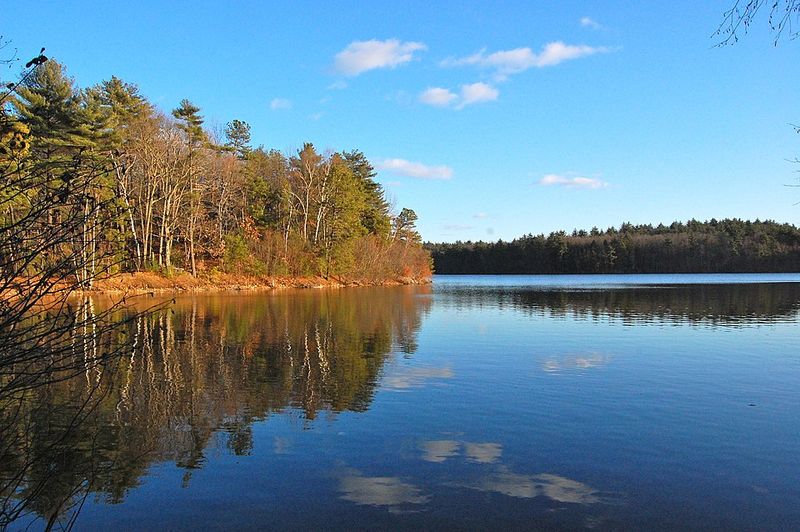
Henry David Thoreau made this sixty-one-acre pond famous by living in a cabin here and writing about simplicity, nature, and self-reliance in the eighteen-forties. Today, literary pilgrims visit to walk the same shores that inspired transcendentalist philosophy and American environmental consciousness.
The remarkably clear glacial kettle pond reaches depths of one hundred feet. Swimming beaches get crowded on summer weekends as people seek the same natural beauty Thoreau described.
A replica of Thoreau’s tiny cabin stands near the original site. Trails loop through woods where contemplation still feels appropriate and encouraged.
22. Torch Lake, Michigan
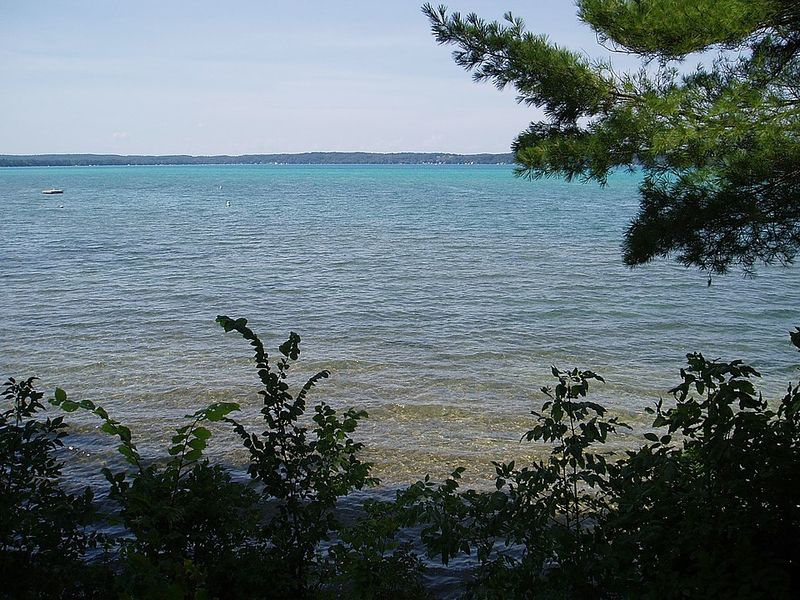
Often compared to Caribbean waters for its stunning turquoise color, Torch Lake stretches nineteen miles through northern Michigan with clarity and beauty that seem almost tropical. The color comes from the lake’s depth, limestone bedrock, and incredibly clear water combining to create that signature blue-green glow.
Sandbar gatherings on summer weekends turn into floating parties where boats anchor together in shallow areas. The lake reaches depths of three hundred feet, making it Michigan’s second deepest.
Kayakers explore quieter coves while fishing enthusiasts seek lake trout and smallmouth bass. Sunset views rival any ocean coastal display.
23. Lake Minnetonka, Minnesota
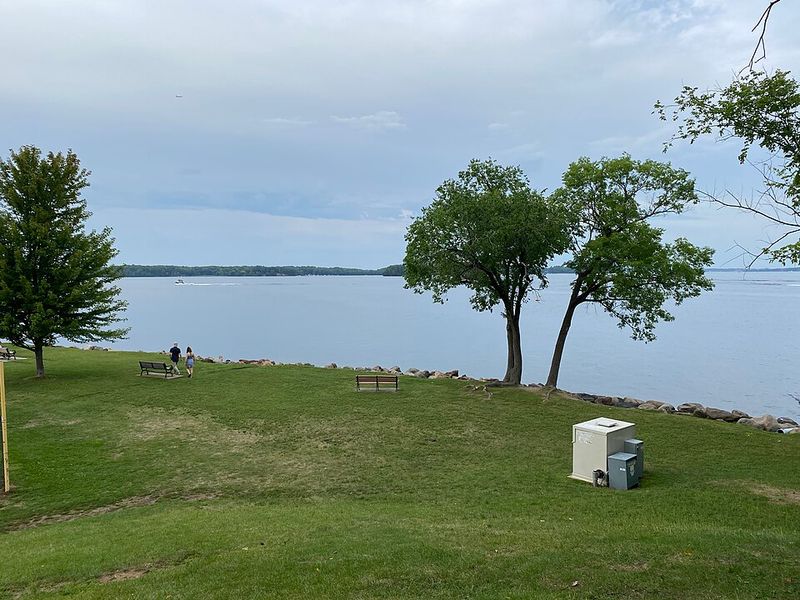
Just west of Minneapolis, Lake Minnetonka sprawls across fourteen thousand acres with countless bays, channels, and islands creating a maze-like aquatic playground. The Dakota name means “great water,” which seems like an understatement given the lake’s complexity and size.
Historic mansions line the shores alongside modern lake homes, creating architectural eye candy for boat cruisers. The Big Island sits in the lake’s center, offering parks and beaches accessible by boat or ferry.
Sailing regattas and fishing tournaments keep the competitive spirit alive. Fall colors surrounding the intricate shoreline create spectacular autumn scenery worth photographing extensively.
24. Sardis Lake, Mississippi
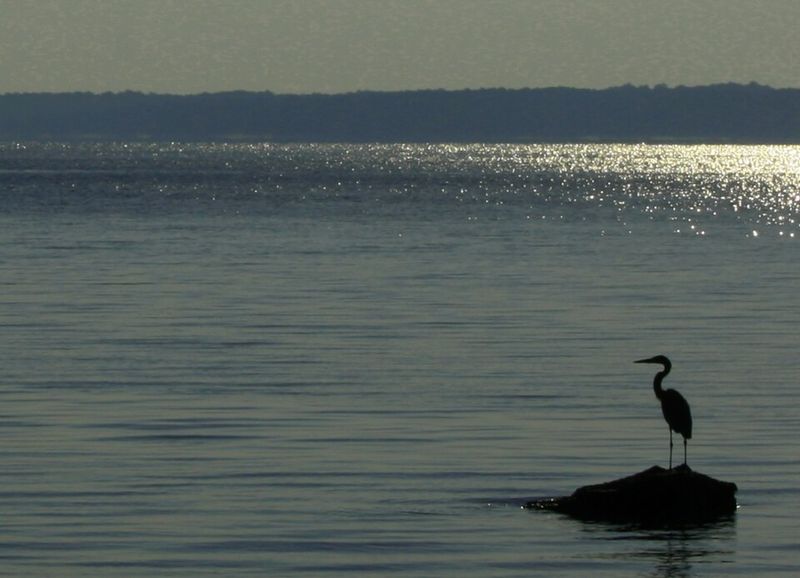
Created by the Army Corps of Engineers on the Little Tallahatchie River, Sardis Lake spans nearly sixty thousand acres in northern Mississippi’s hill country. The massive reservoir serves flood control purposes while providing outstanding recreation opportunities that draw visitors from surrounding states.
Bass fishing here ranks among the best in the South, with tournaments regularly producing trophy catches. Multiple campgrounds and day-use areas accommodate everyone from RV campers to day-tripping families.
Water skiing, tubing, and swimming fill summer days. Fall brings hunters to surrounding wildlife management areas.
The lake’s size means finding quiet coves remains possible even on busy weekends.
25. Lake of the Ozarks, Missouri
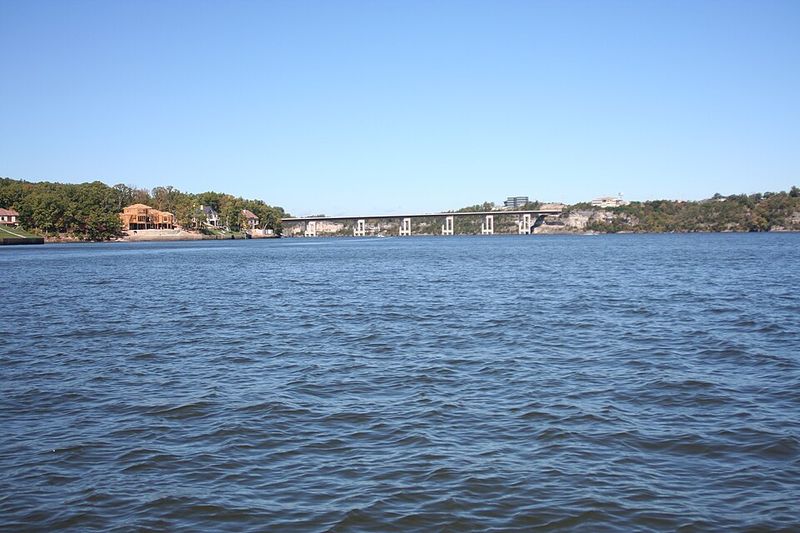
Snaking through central Missouri’s hills for ninety-two miles, Lake of the Ozarks boasts over eleven hundred miles of shoreline—more than the entire California coast! This makes it one of the largest man-made lakes in the United States and a Midwest vacation destination with resort-town energy.
The lake’s irregular shape creates countless coves and channels perfect for exploring by boat. Party Cove has achieved infamous status as a wild summer gathering spot (definitely an adults-only scene).
Golf courses, shopping outlets, and restaurants line the shores. Water sports reign supreme during warm months while fall offers peaceful scenery minus summer crowds.
26. Flathead Lake, Montana
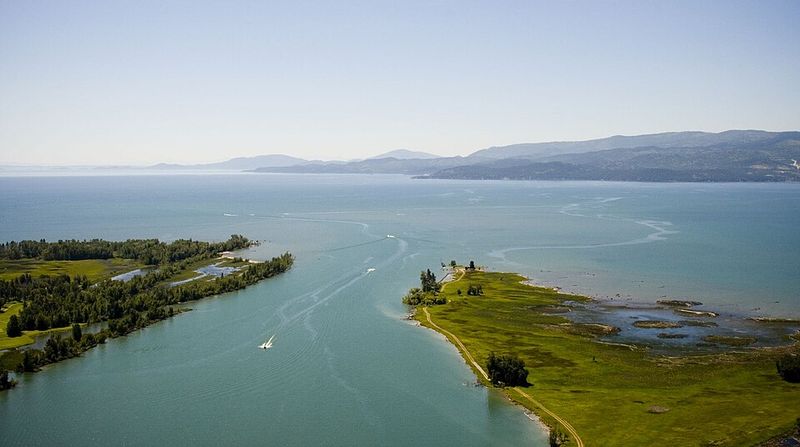
As the largest natural freshwater lake west of the Mississippi, Flathead Lake stretches across nearly two hundred square miles of northwestern Montana with the Mission Mountains providing a jaw-dropping backdrop. Cherry orchards line the southern shores, adding agricultural charm to the wilderness scenery.
Water clarity allows seeing down thirty feet in places, creating excellent conditions for kayaking and paddleboarding. Wild Horse Island sits in the lake’s center, hosting bighorn sheep, deer, and yes, occasionally wild horses.
Sailing, fishing, and swimming occupy summer visitors. Winter brings stark beauty with snow-covered peaks reflected in cold blue waters.
27. Lake McConaughy, Nebraska
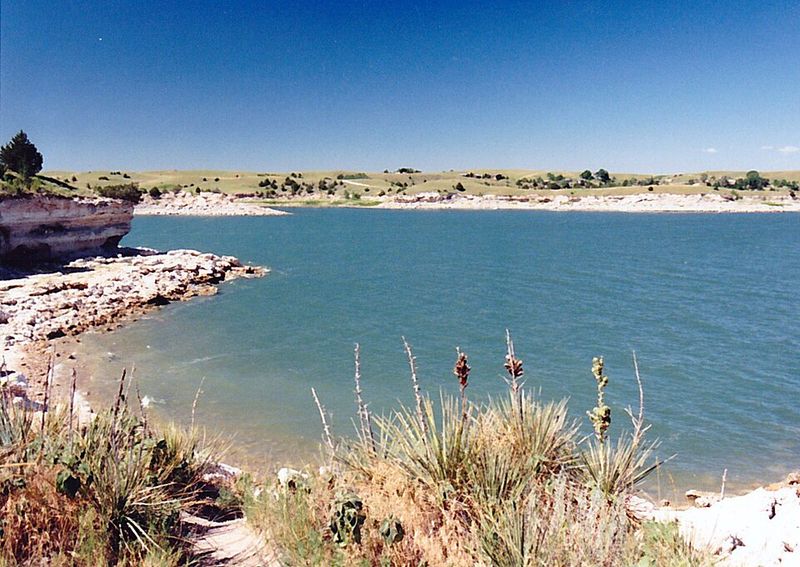
Who knew Nebraska could deliver beach vibes? Lake McConaughy (locally called “Big Mac”) stretches twenty-two miles across western Nebraska with white sand beaches that could fool you into thinking you’ve reached an ocean.
Created by damming the North Platte River, this massive reservoir covers thirty-five thousand acres. Sailboats, jet skis, and fishing boats share the waters during peak season.
The lake’s size creates wave action that actually allows surfing and windsurfing when conditions align. Campgrounds along the shore offer front-row seats to spectacular prairie sunsets.
Fishing produces walleye, white bass, and catfish catches that make anglers very happy indeed.
28. Lake Tahoe, Nevada
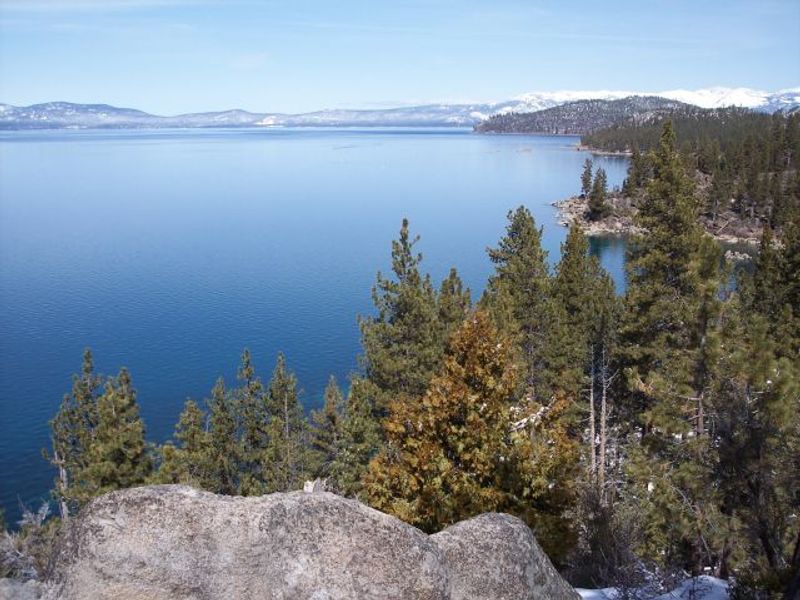
Straddling the California-Nevada border high in the Sierra Nevada, Lake Tahoe mesmerizes visitors with impossibly blue water and mountain scenery that belongs on postcards. At over sixteen hundred feet deep, it ranks as the second deepest lake in the United States and maintains remarkable clarity year-round.
Ski resorts ring the basin, making this a year-round destination switching from water sports to snow sports with the seasons. Emerald Bay stands out as the lake’s most photographed spot with its island, castle, and dramatic cliffs.
Casinos on the Nevada side add entertainment options beyond nature appreciation. Hiking trails offer panoramic lake views from surrounding peaks.
29. Lake Winnipesaukee, New Hampshire
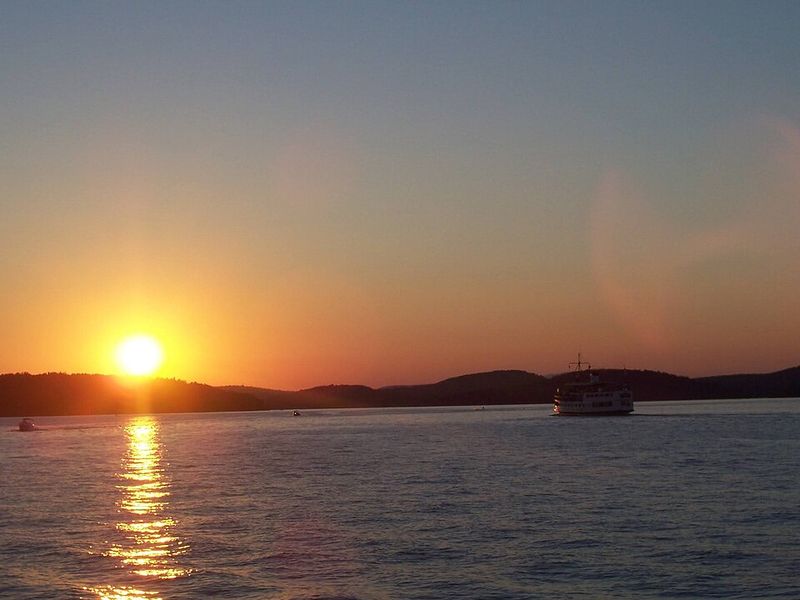
New Hampshire’s largest lake sprawls across seventy-two square miles with a name derived from Abenaki words meaning “beautiful water in a high place.” The irregular shoreline creates two hundred fifty-eight islands, from tiny rocky outcrops to larger inhabited isles with year-round communities.
Historic steamships still cruise the waters, offering old-fashioned touring experiences. The M/S Mount Washington has carried passengers since the eighteen-seventies (though not the original vessel, obviously).
Summer cottages and grand estates dot the shores. Fall foliage reflected in the water creates New England scenery at its absolute finest.
Water skiing, fishing, and simply cruising occupy warm-weather visitors.
30. Lake Hopatcong, New Jersey
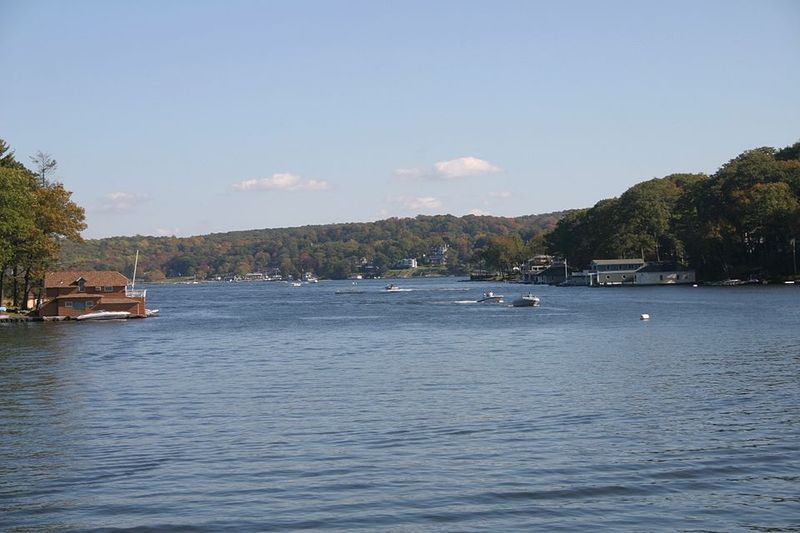
New Jersey’s largest lake covers nearly twenty-six hundred acres in the northern part of the state, offering a surprising natural escape within driving distance of major metropolitan areas. The name comes from Lenape words meaning “stone water,” referencing the rocky landscape surrounding the basin.
Victorian-era resorts once lined the shores when steamboats brought city dwellers seeking summer relief. Today, modern lake homes and marinas continue the recreational tradition with updated amenities.
Swimming, boating, and fishing keep the lake busy during summer months. State park facilities provide public access for those without private waterfront property.
The lake freezes solid enough for ice fishing during harsh winters.
31. Elephant Butte Lake, New Mexico
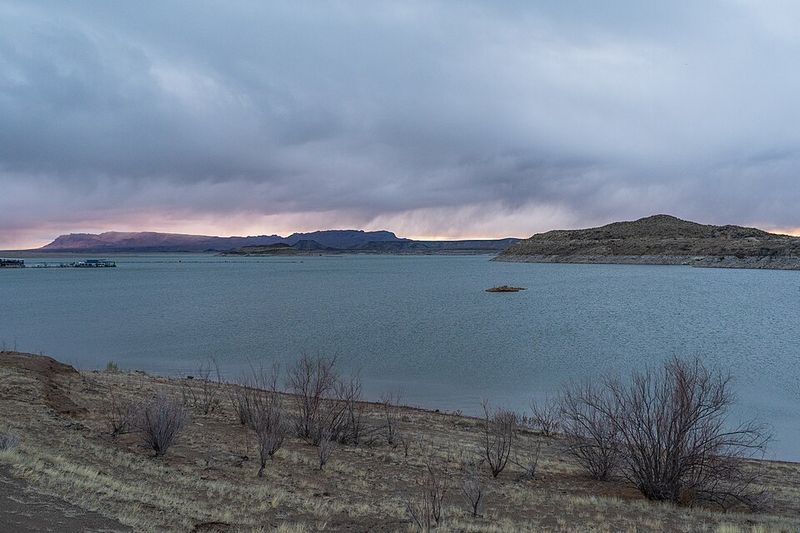
Named for a volcanic rock formation resembling an elephant’s profile, this Rio Grande reservoir stretches across southern New Mexico’s desert landscape. As the state’s largest lake, it creates a startling contrast between blue water and surrounding brown hills that seems almost surreal.
Created in nineteen-sixteen for irrigation and flood control, the lake now hosts year-round recreation despite water levels that fluctuate with drought conditions. Bass fishing attracts serious anglers hoping to land trophy catches.
Houseboating offers unique desert lake experiences. The rock formation that gives the lake its name stands prominently when water levels allow viewing.
Sunsets over desert waters paint spectacular color shows across big southwestern skies.
32. Lake George, New York

Dubbed the “Queen of American Lakes” by Thomas Jefferson (who apparently had strong opinions about water bodies), Lake George stretches thirty-two miles through the Adirondack Mountains with water so clear you can see down forty feet. The lake played significant roles in both French and Indian War and Revolutionary War battles, adding historical depth to natural beauty.
Over one hundred islands dot the lake, from tiny rocky spots to larger landmasses supporting camps and cottages. The village of Lake George at the southern end bustles with tourist attractions and family-friendly activities.
Steamboat cruises offer relaxing tours while adrenaline seekers parasail above the water. Fall foliage surrounding the lake creates absolutely stunning autumn scenery worth planning trips around.
33. Lake Norman, North Carolina
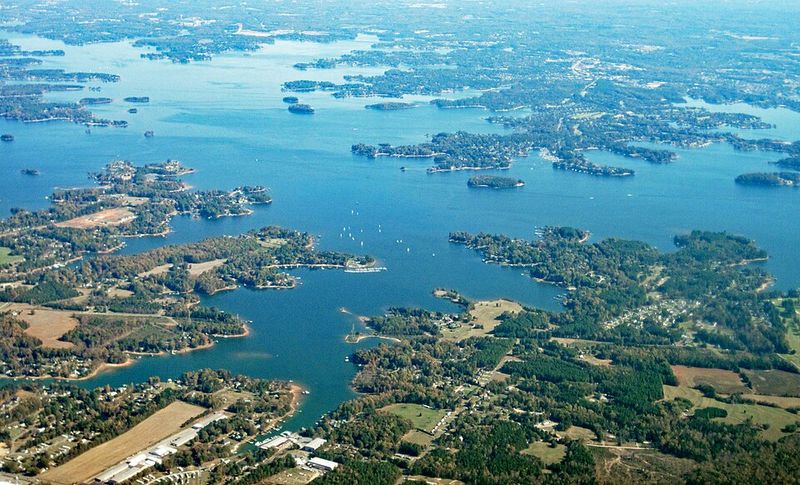
Just north of Charlotte, Lake Norman spreads across thirty-two thousand acres as North Carolina’s largest man-made lake, nicknamed “The Inland Sea” by locals who appreciate its massive size. Created by Duke Energy in the nineteen-sixties, the lake now supports thriving communities and endless recreation opportunities.
Over five hundred miles of shoreline wind through piedmont landscape with plenty of coves for exploring. Water sports dominate summer activities while fishing for bass, catfish, and crappie continues year-round.
Multiple state parks provide public access and camping facilities. Waterfront dining spots offer sunset views with your seafood.
The lake moderates local temperatures, creating a microclimate that residents absolutely love.
34. Lake Sakakawea, North Dakota
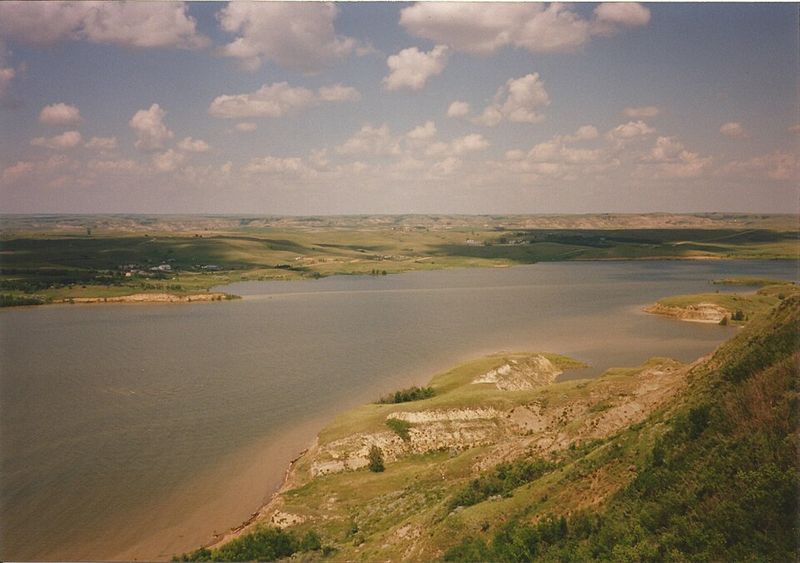
Stretching nearly two hundred miles across central North Dakota, Lake Sakakawea ranks as the third-largest man-made reservoir in the United States. Named for the Shoshone woman who guided Lewis and Clark, the lake flooded vast areas of the Missouri River valley when Garrison Dam was completed in nineteen fifty-three.
The massive size creates diverse fishing opportunities for walleye, northern pike, and chinook salmon. Multiple recreation areas provide camping and boat access along the seemingly endless shoreline.
Wide-open prairie skies stretch above the water, creating dramatic weather displays and spectacular sunsets. Winter ice fishing draws hardy souls braving North Dakota’s brutal cold for excellent catches.
35. Lake Erie, Ohio
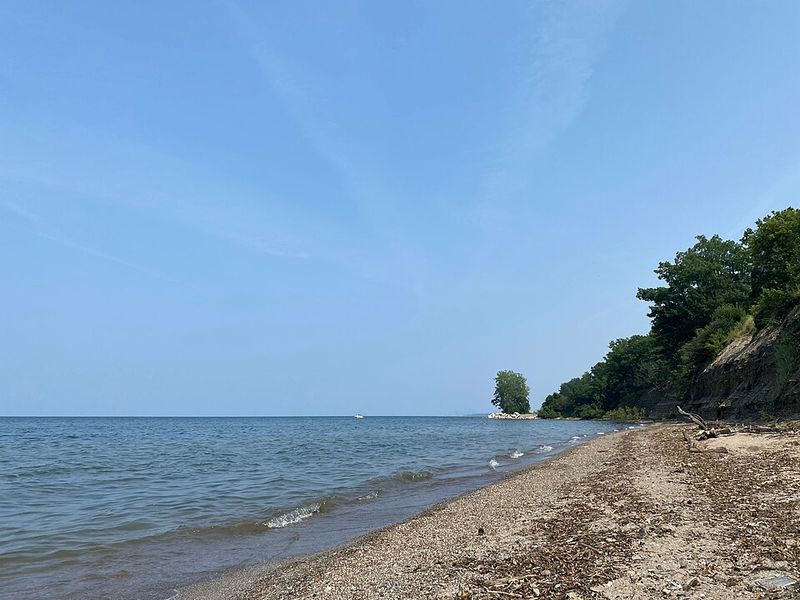
Ohio’s northern border follows Lake Erie’s shoreline for over three hundred miles, giving the state extensive Great Lakes coastline complete with beaches, islands, and maritime culture. Though the shallowest of the Great Lakes, Erie warms quickly in summer, making it perfect for swimming and water sports.
Put-in-Bay and Kelleys Island attract summer visitors seeking island getaways with ferry access. The lake supports excellent fishing for walleye, perch, and bass that drive a significant commercial and sport fishing industry.
Cedar Point amusement park overlooks the lake, combining coaster thrills with waterfront views. Lighthouses dot the coastline, offering historic charm and photo opportunities galore.
36. Lake Eufaula, Oklahoma
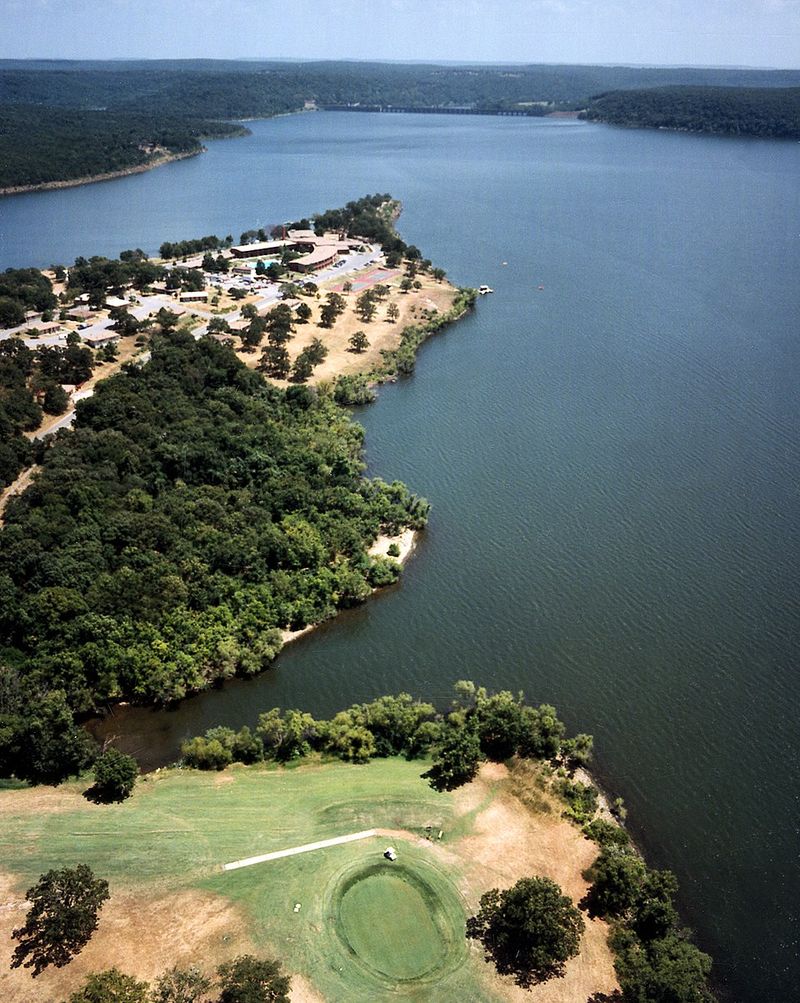
Sprawling across over one hundred thousand acres in eastern Oklahoma, Lake Eufaula reigns as the state’s largest lake with nearly eight hundred miles of shoreline. Created by damming the Canadian River, this massive reservoir provides recreation opportunities that attract visitors from surrounding states throughout the year.
Bass fishing tournaments regularly showcase the lake’s excellent fish populations. Multiple state parks offer camping, hiking, and water access for public enjoyment.
The lake’s size means finding peaceful coves remains possible even during peak seasons. Fall colors along the wooded shores create beautiful scenery.
Bird watching attracts enthusiasts seeking waterfowl and migratory species in surrounding wildlife areas.
37. Crater Lake, Oregon
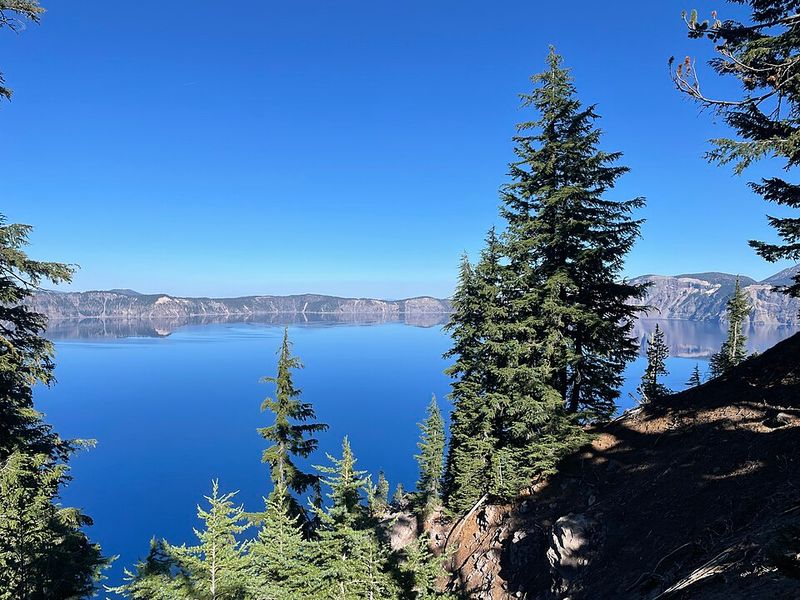
Formed nearly seventy-seven hundred years ago when Mount Mazama collapsed after a massive eruption, Crater Lake fills a volcanic caldera with the deepest water in the United States—over nineteen hundred feet at its maximum depth. The intense blue color comes from the lake’s purity and depth, creating a hue that seems almost unreal.
No rivers flow in or out, with precipitation and snowmelt being the only water sources, resulting in exceptional clarity. Wizard Island rises from the lake’s western side, a volcanic cone offering hiking for boat passengers.
Winter snow buries the rim road, but summer reveals breathtaking rim drives with countless viewpoints. The surrounding national park protects this geological wonder.
38. Lake Wallenpaupack, Pennsylvania
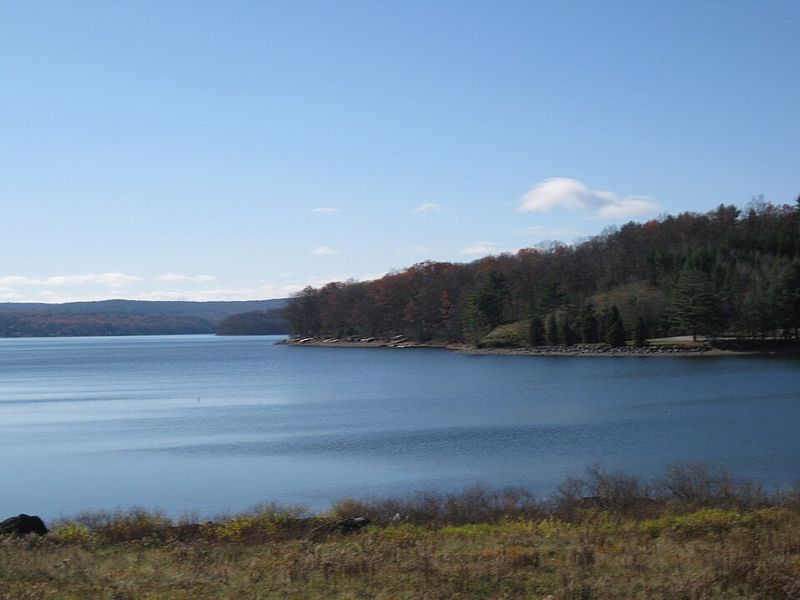
Created in nineteen-twenty-six as a hydroelectric project, Lake Wallenpaupack now serves as northeastern Pennsylvania’s premier recreation destination spanning fifty-two miles of shoreline. The Poconos Mountains surrounding the lake provide scenic beauty that changes dramatically with each season.
Summer brings boaters, water skiers, and swimmers while fall foliage creates spectacular displays reflected in the water. Multiple marinas and rental facilities make getting on the water accessible for visitors without personal boats.
Fishing for bass, walleye, and pickerel keeps anglers busy year-round. The area offers family-friendly resort amenities mixing outdoor recreation with Poconos hospitality.
Winter transforms the region into a snow sports destination with nearby skiing.
39. Worden Pond, Rhode Island
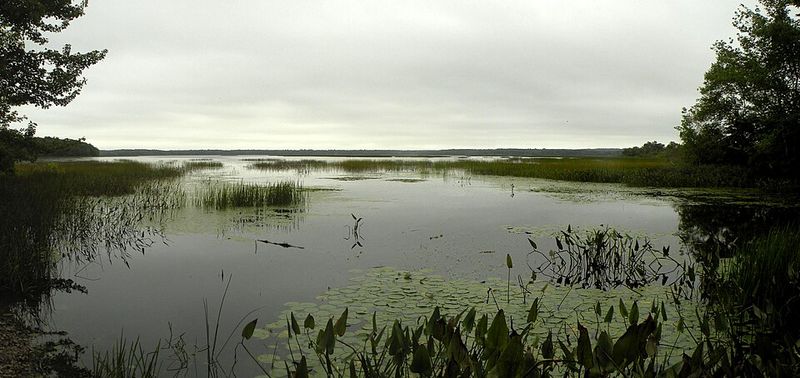
As Rhode Island’s largest natural freshwater body, Worden Pond covers over one thousand acres in the southern part of the state, offering a peaceful escape despite the state’s small size and dense population. The shallow pond reaches only about eight feet deep, creating warm water perfect for swimming during summer months.
Kayaking and canoeing reign as popular activities given the pond’s calm waters and wildlife-rich shoreline. Great Swamp Wildlife Management Area surrounds much of the pond, protecting habitat for numerous bird species.
Fishing for largemouth bass, pickerel, and panfish attracts anglers seeking quiet spots. The pond’s relatively undeveloped shoreline maintains a wild character rare in heavily populated Rhode Island.
40. Lake Jocassee, South Carolina
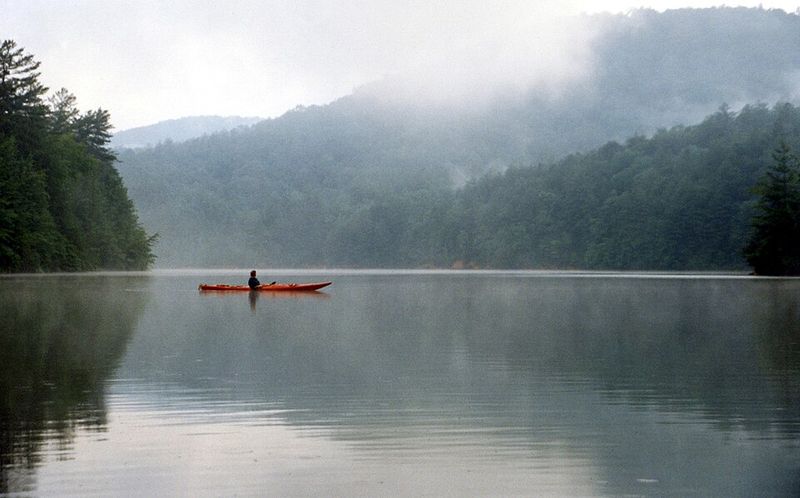
Tucked in the Blue Ridge Mountains of upstate South Carolina, Lake Jocassee dazzles visitors with incredibly clear water and dramatic mountain scenery that rivals any alpine lake. Multiple waterfalls tumble directly into the lake, accessible by boat for adventurous explorers willing to navigate to hidden coves.
The Cherokee name means “place of the lost one,” adding mysterious intrigue to the pristine waters. Scuba diving attracts enthusiasts exploring submerged forests and old lodge buildings flooded during the lake’s creation.
Rainbow and brown trout thrive in the cold, clear waters. Kayaking offers peaceful exploration of shoreline cliffs and cascades.
Devil’s Fork State Park provides camping and access to this mountain gem.
41. Lewis and Clark Lake, South Dakota
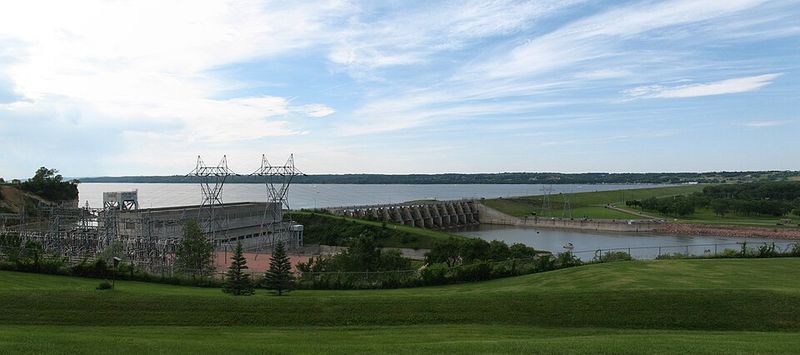
Straddling the South Dakota-Nebraska border where the Missouri and Niobrara Rivers meet, Lewis and Clark Lake honors the famous explorers who passed through this region in eighteen-oh-four. The lake created by Gavins Point Dam now offers recreation opportunities in a landscape still relatively wild and scenic.
Chalk bluffs and rolling prairie surround the water, creating distinctive scenery different from typical tree-lined lakes. Multiple recreation areas provide camping, swimming, and boat access along the shoreline.
Fishing for walleye, catfish, and northern pike attracts serious anglers. The lake’s position on the Missouri River means experiencing the waterway Lewis and Clark documented in their journals, though obviously much changed by modern development.
42. Reelfoot Lake, Tennessee
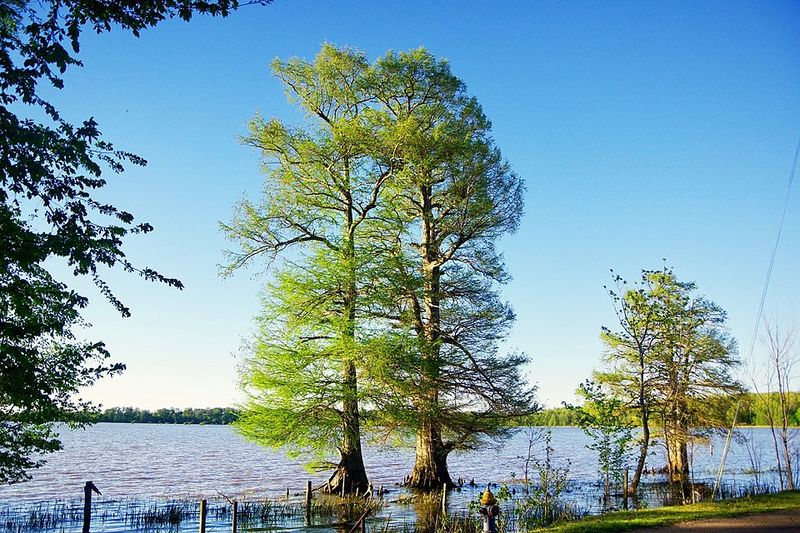
Created by massive earthquakes in eighteen-eleven and eighteen-twelve that caused the Mississippi River to flow backward temporarily, Reelfoot Lake covers over fifteen thousand acres of northwestern Tennessee with a haunting beauty all its own. Bald cypress trees draped in Spanish moss rise from shallow waters, creating an eerie southern Gothic atmosphere.
The lake averages only five feet deep, creating perfect conditions for bass, crappie, and catfish. Bald eagles winter here in impressive numbers, making it one of the best eagle-watching spots in the country.
Boat tours wind through cypress forests where great blue herons and egrets nest. The lake’s unique origin story and distinctive ecology make it unlike any other Tennessee water body.
43. Caddo Lake, Texas

Straddling the Texas-Louisiana border, Caddo Lake creates a mysterious wonderland of bald cypress trees, Spanish moss, and maze-like waterways that feel like something from a fantasy novel. The only natural lake in Texas (all others are reservoirs), Caddo supports unique ecosystems found nowhere else in the state.
Paddling through the cypress forest requires navigation skills as channels twist and turn through seemingly impenetrable vegetation. Alligators, turtles, and countless bird species call the swampy waters home.
Fishing for largemouth bass and catfish draws anglers who appreciate the lake’s wild character. The haunting beauty has inspired artists, photographers, and filmmakers seeking atmospheric southern settings.
Guided boat tours help newcomers navigate the confusing waterways safely.
44. Bear Lake, Utah

Nicknamed the “Caribbean of the Rockies” for its stunning turquoise-blue water, Bear Lake straddles the Utah-Idaho border with half its beauty in each state. The unique color comes from limestone particles suspended in the water, scattering light in ways that create that signature tropical hue.
The lake spans over one hundred square miles with sandy beaches that feel remarkably ocean-like despite the mountain setting. Local raspberry shakes have achieved legendary status as the perfect treat after swimming or boating.
Sailing, water skiing, and paddleboarding dominate summer activities. Winter transforms the area for ice fishing and snowmobiling.
State parks on both sides provide camping and beach access for public enjoyment of this mountain gem.
45. Lake Champlain, Vermont
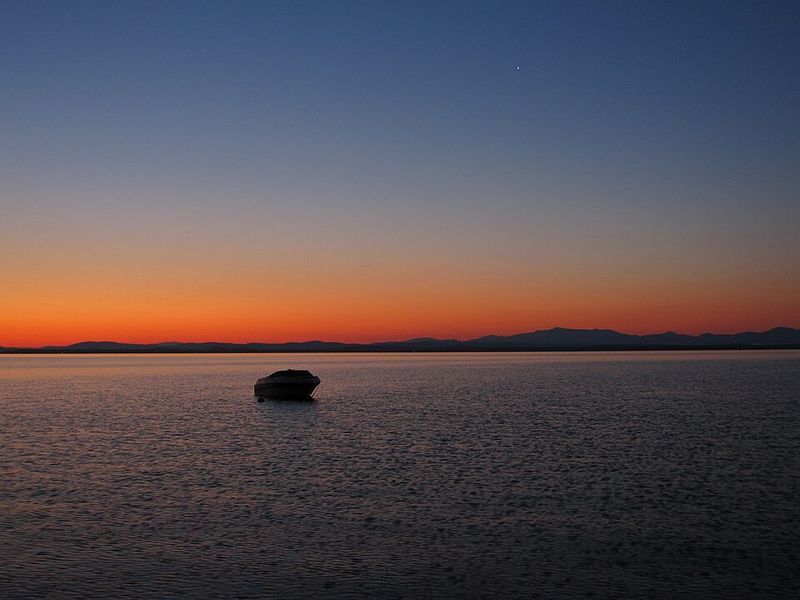
Stretching one hundred twenty miles between Vermont, New York, and Quebec, Lake Champlain ranks as one of the largest lakes in the United States and played crucial roles in both colonial and Revolutionary War history. The lake supposedly hosts “Champ,” a Loch Ness Monster-style cryptid that locals love discussing with tourists.
The Adirondacks rise dramatically on the western shore while Vermont’s Green Mountains create the eastern backdrop. Ferry crossings connect communities on both sides, offering scenic water transportation.
Sailing regattas take advantage of consistent winds. Fishing for salmon, lake trout, and bass keeps anglers busy.
Historic sites and lighthouses dot the shoreline. Burlington’s waterfront showcases the lake’s importance to Vermont’s largest city and cultural hub.
46. Smith Mountain Lake, Virginia
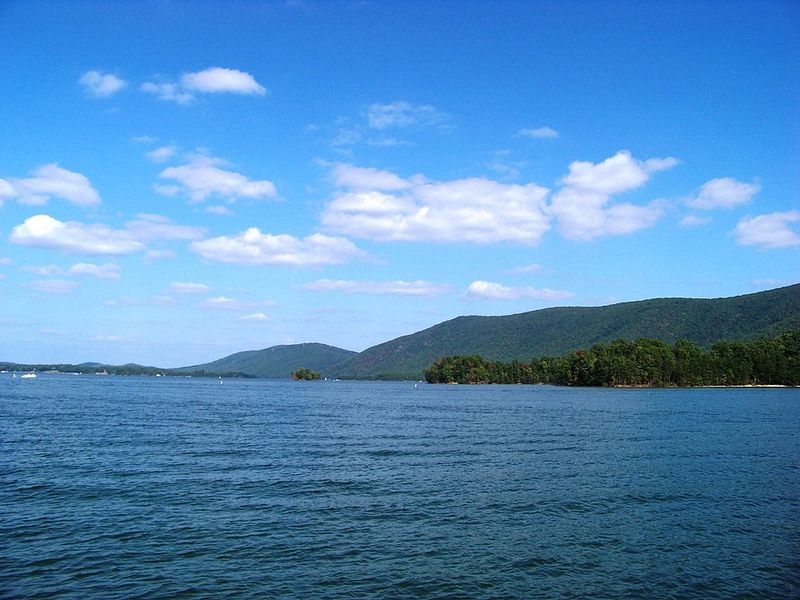
Winding through central Virginia’s rolling hills, Smith Mountain Lake covers over twenty thousand acres with five hundred miles of shoreline creating countless coves and inlets. Created in the nineteen-sixties by damming the Roanoke River, the lake now anchors a thriving vacation home community and recreation economy.
The irregular shape means finding peaceful spots remains possible even during busy summer weekends. Water skiing, wakeboarding, and tubing dominate warm-weather activities while fishing continues year-round.
Multiple marinas provide boat rentals, fuel, and supplies. Restaurants and shops cater to lake visitors seeking amenities beyond nature appreciation.
Fall foliage reflected in the water creates stunning Virginia scenery. The lake moderates local temperatures, creating a pleasant microclimate that residents cherish throughout seasons.
47. Lake Chelan, Washington
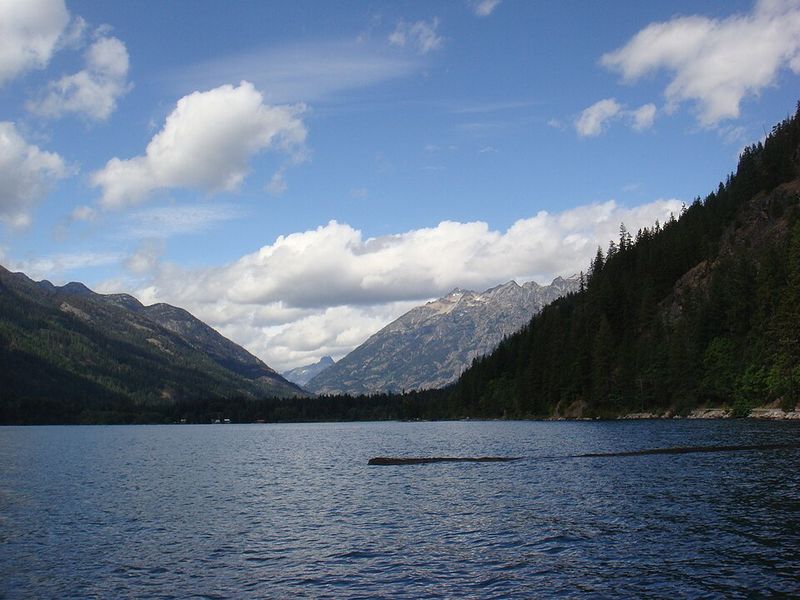
Carved by glaciers into a fifty-five-mile-long fjord-like trench, Lake Chelan stretches through Washington’s Cascade Mountains as one of the deepest lakes in the United States, reaching over fourteen hundred feet. The lake’s length creates dramatically different environments from the developed resort town of Chelan to the wilderness of Stehekin at the far northern end.
Lady of the Lake ferry boats transport visitors and supplies to Stehekin, accessible only by boat, plane, or foot. Wine country surrounds the southern end while North Cascades wilderness dominates the upper reaches.
Swimming, boating, and water sports fill summer days. Fall colors and snow-capped peaks create year-round scenic beauty.
The lake’s unique geography makes it unlike any other Washington water body.
48. Summersville Lake, West Virginia
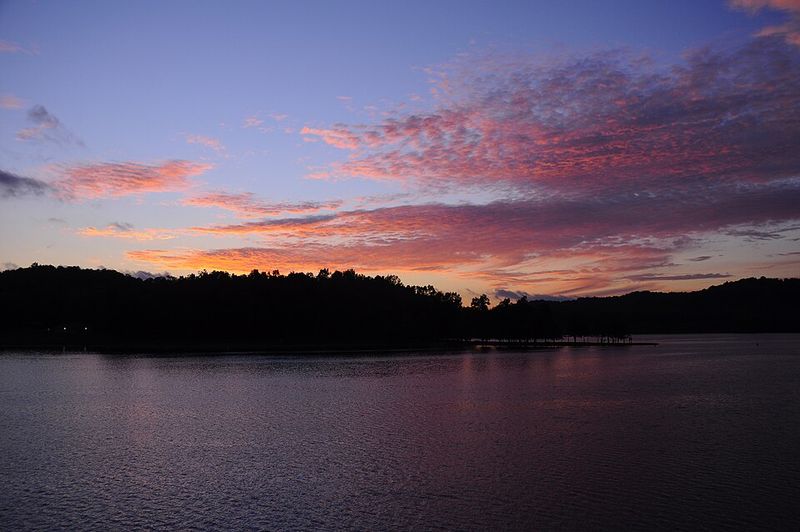
Nicknamed the “Little Bahamas of the East” for its remarkably clear blue-green water, Summersville Lake sits in West Virginia’s New River Gorge region surrounded by forested hills. The lake covers nearly three thousand acres with over sixty miles of shoreline offering diverse recreation opportunities.
Cliff jumping from designated spots attracts thrill-seekers during summer months (always check current regulations and conditions first!). Scuba diving in the clear water reveals submerged rock formations and excellent visibility.
The lake reaches depths of three hundred twenty-seven feet at the dam. Kayaking, paddleboarding, and swimming occupy warm-weather visitors.
Surrounding state forest provides hiking trails with overlooks showcasing the lake’s beauty. Fall foliage creates spectacular displays of color reflected in the pristine waters.
49. Lake Winnebago, Wisconsin
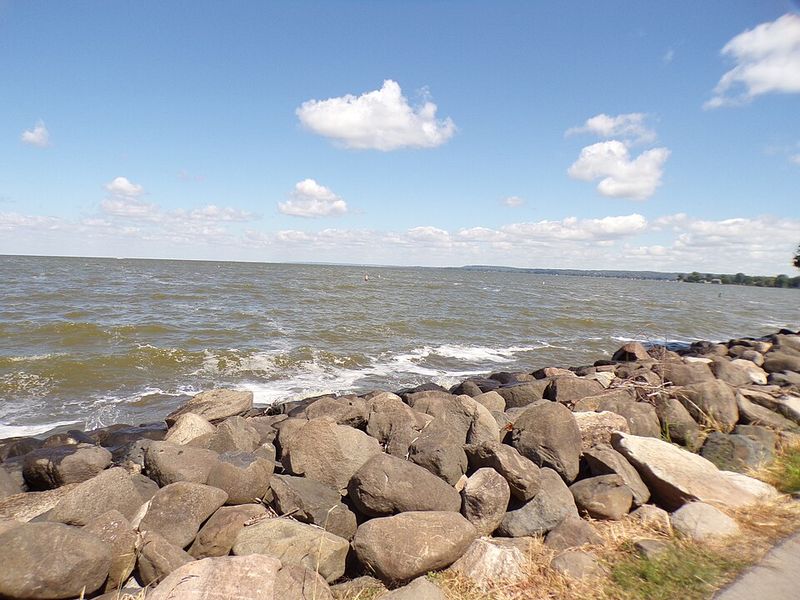
As Wisconsin’s largest lake, Lake Winnebago sprawls across over two hundred square miles in the eastern part of the state, creating a freshwater sea that freezes solid enough for massive ice fishing events during winter. The lake sits at the heart of Wisconsin’s Fox River system, playing crucial roles in both ecology and recreation.
Sturgeon spearing through the ice draws thousands of participants each February, continuing a unique Wisconsin tradition. Summer brings sailing, fishing, and boating activities across the expansive waters.
Multiple communities line the shores, with Oshkosh hosting the famous EAA AirVenture airshow each summer. The lake’s shallow depth (averaging just fifteen feet) means it warms quickly for swimming.
Walleye, perch, and white bass fishing attracts anglers throughout open-water seasons.
50. Jackson Lake, Wyoming
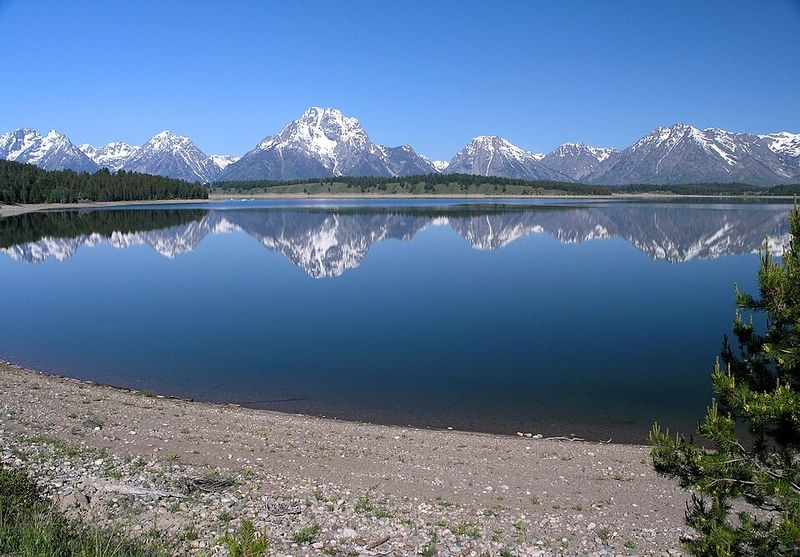
Sitting at the base of the Grand Tetons in one of America’s most iconic national parks, Jackson Lake reflects jagged mountain peaks in its clear waters with scenery that defines Rocky Mountain beauty. The lake covers over twenty-five thousand acres, created by both natural glacial processes and a dam that raised water levels.
Boating here means cruising with the Tetons as your backdrop—seriously Instagram-worthy stuff. Multiple marinas and campgrounds provide access for visitors exploring Grand Teton National Park.
Fishing for cutthroat and lake trout attracts anglers to the cold mountain waters. Elk, moose, and bears frequent the shoreline, making wildlife viewing a constant possibility.
Sunrise over the lake with the Tetons glowing pink ranks among nature’s most spectacular shows anywhere on Earth.