20 Lakes That Showcase America At Its Most Beautiful
America’s lakes have a quiet power that doesn’t need an introduction.
They reflect mountains, hold entire horizons in their stillness, and change mood with the light of the day.
One moment they feel vast and dramatic, the next calm enough to slow your breathing.
These waters shape landscapes, define local life, and create scenes that stay with you long after you leave.
Disclaimer: This article reflects subjective editorial perspectives on scenic lakes and should not be interpreted as definitive fact or universal consensus.
1. Lake Tahoe, California and Nevada
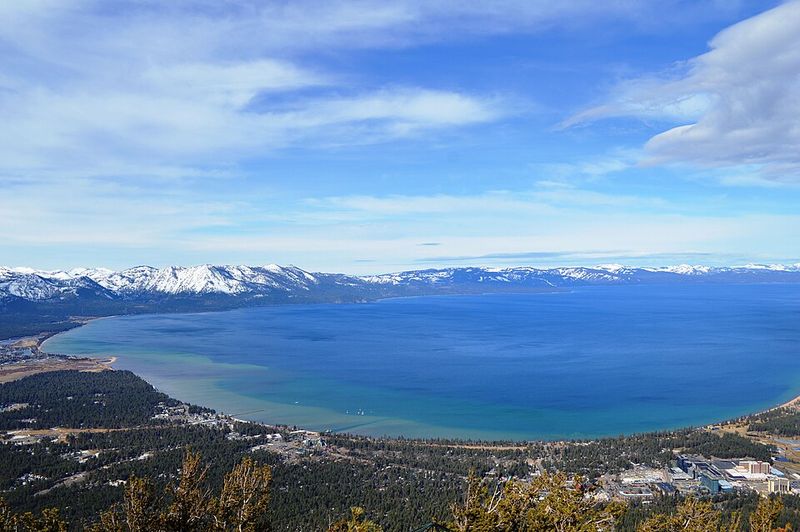
Straddling two states like a shimmering jewel, this alpine wonder boasts waters so clear you can see 70 feet down on a good day.
The Sierra Nevada mountains rise dramatically around the shoreline, creating a postcard-perfect backdrop that changes with every season.
Winter transforms the area into a snowy playground with world-class ski resorts, while summer invites kayakers, paddleboarders, and beach lovers to its sandy shores.
2. Crater Lake, Oregon
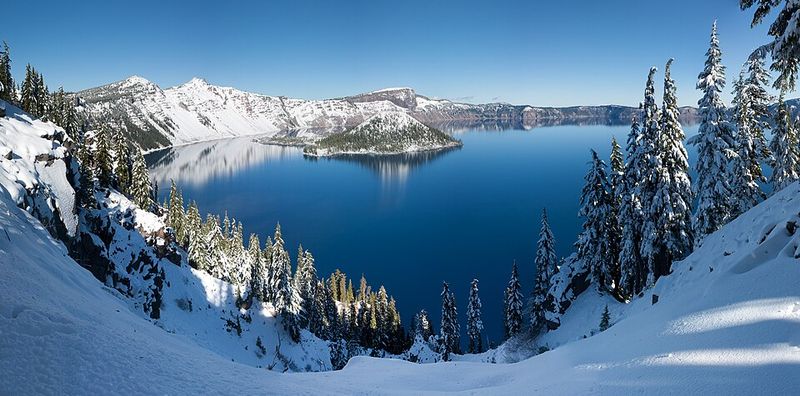
Born from volcanic fire nearly 8,000 years ago, this natural marvel holds the title of deepest lake in the United States at 1,943 feet.
No rivers feed into it, only rain and snow, which explains why the water gleams with an almost supernatural blue that seems impossible to capture on camera.
Wizard Island rises from the center like a miniature volcano, reminding visitors of the explosive past.
The rim drive offers jaw-dropping viewpoints at every turn, making it a bucket-list destination for nature enthusiasts.
3. Lake Superior, Michigan, Minnesota, and Wisconsin
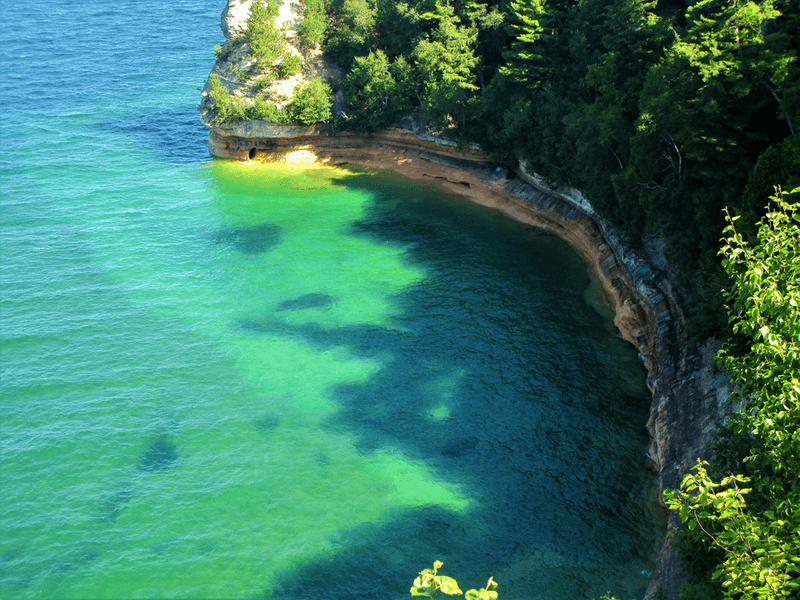
Imagine an inland sea so vast it could swallow all the other Great Lakes combined and still have room left over.
Superior lives up to its name with over 31,000 square miles of cold, clear water that sparkles under the northern sun.
Shipwrecks rest beneath its surface, telling stories of fierce storms that can rival ocean tempests.
4. Lake Powell, Arizona and Utah
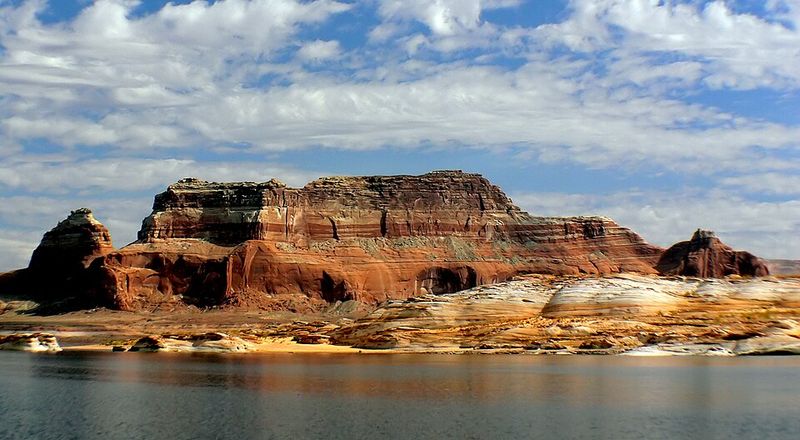
Where desert meets water, magic happens.
This reservoir snakes through crimson canyons for nearly 2,000 miles of shoreline, creating a playground that looks like Mars decided to go swimming.
Houseboats drift past towering sandstone walls that glow orange at sunset, while hidden slot canyons beckon adventurous explorers.
Rainbow Bridge, one of the world’s largest natural bridges, rises from the landscape like an ancient sculpture.
5. Flathead Lake, Montana
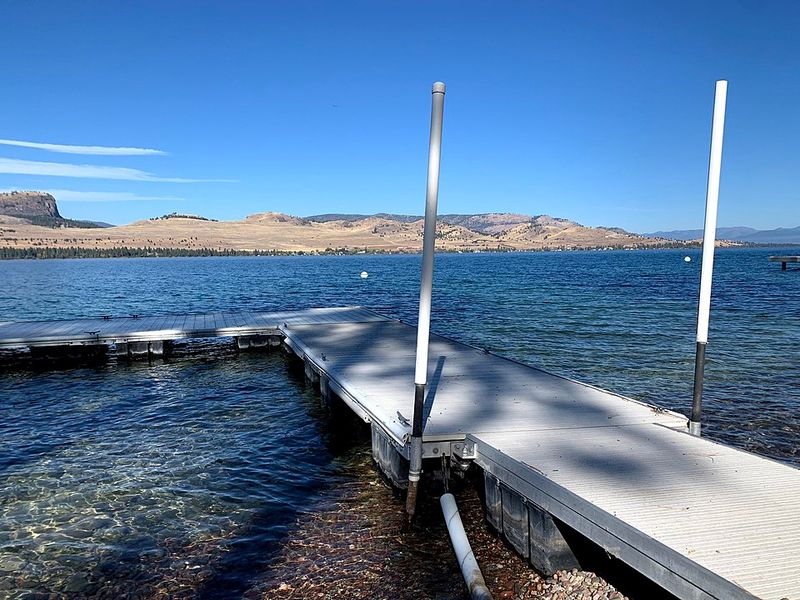
Montana’s crown jewel stretches across 200 square miles of impossibly clear water where cherry orchards line the shores and the Mission Mountains stand guard in the distance.
It’s the largest natural freshwater lake west of the Mississippi, yet somehow remains relatively unknown outside the region.
Rocks beneath the surface create a kaleidoscope of colors that make the water look tropical, despite being surrounded by mountain wilderness.
6. Lake George, New York
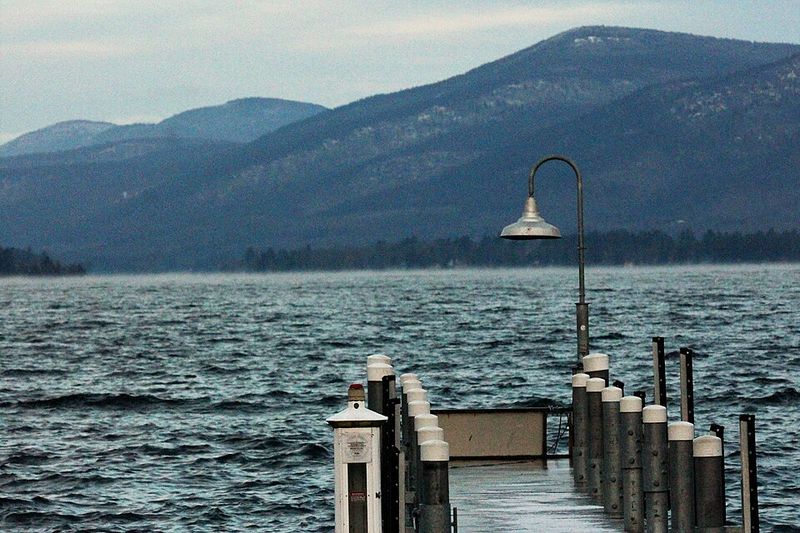
Nicknamed the Queen of American Lakes since colonial times, this 32-mile stretch of water sparkles between the Adirondack peaks like a royal necklace.
Over 150 islands dot the surface, each one more charming than the last, creating a maze of waterways perfect for kayaking adventures.
Historic steamboats still cruise these waters, echoing the elegance of a bygone era.
7. Lake Chelan, Washington
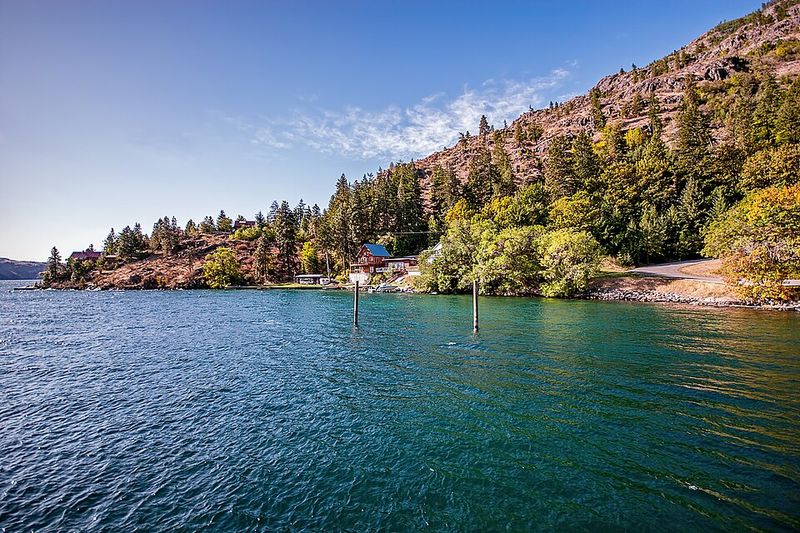
Dana Hutchinson, licensed under CC BY 3.0. Via Wikimedia Commons.
Carved by ancient glaciers into a fjord-like wonder, this 50-mile ribbon of sapphire water snakes deep into the North Cascades.
At its deepest point, the lake plunges 1,486 feet, making it the third deepest in America.
The southern end enjoys over 300 days of sunshine annually, creating a microclimate perfect for vineyards that produce award-winning wines.
The northern reaches offer remote wilderness accessible only by boat or floatplane, where Stehekin village provides a car-free escape from modern life.
8. Lake McDonald, Montana

Glacier National Park’s largest lake stretches for ten miles, cradled by mountains that tower overhead like ancient sentinels.
The water holds a secret treasure: colorful rocks worn smooth by time, visible through the crystal-clear surface in a natural rainbow display.
Red, green, and blue stones create an underwater art gallery that draws photographers from around the world.
9. Lake Havasu, Arizona and California
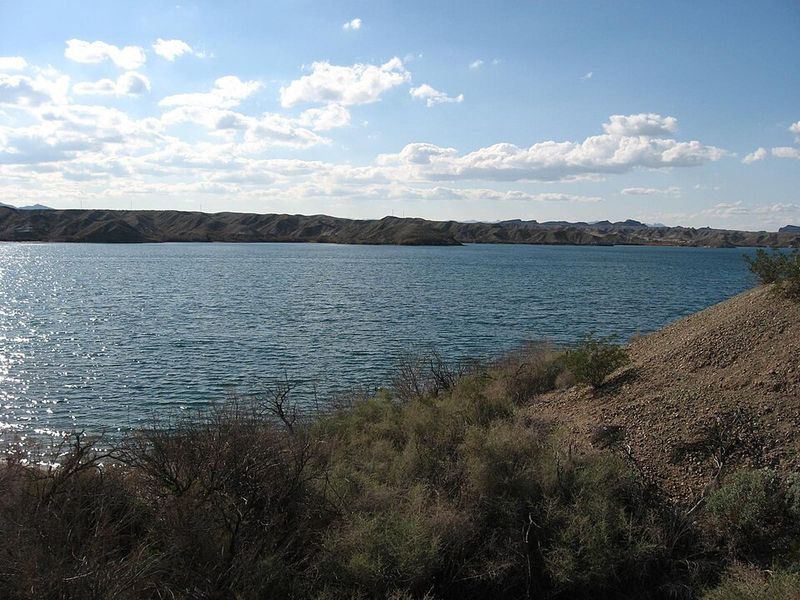
This Colorado River reservoir has become a water sports paradise where sunshine reigns supreme nearly year-round.
Spring breakers and boating enthusiasts flock here for the warm waters and endless activities, from jet skiing to paddleboarding.
The surrounding desert landscape creates a striking backdrop, especially when the mountains turn purple at sunset.
10. Lake Crescent, Washington

Tucked into Olympic National Park’s lush embrace, this glacially carved gem gleams with an ethereal blue that seems to glow from within.
Ancient forests press close to the shoreline, their reflection creating a dreamlike doubling effect on calm days.
The water is so deep and pure that it lacks nitrogen, creating conditions where visibility extends remarkably far.
11. Lake Winnipesaukee, New Hampshire

New England’s largest lake spreads across 72 square miles, studded with 264 islands that create an intricate waterway beloved by boaters and summer residents alike.
The name comes from a Native American word meaning smile of the great spirit, which seems perfectly fitting when you see it.
Fall transforms the surrounding hills into a blazing tapestry of reds, oranges, and golds that reflect spectacularly off the water.
12. Lake Okeechobee, Florida

Florida’s liquid heart beats with subtropical rhythm across 730 square miles of shallow, wildlife-rich waters.
Though not the deepest at just nine feet on average, what it lacks in depth it makes up for in ecological importance and fishing opportunities.
Bass fishermen consider it paradise, while birders delight in spotting herons, egrets, and roseate spoonbills along the marshy edges.
13. Lake Mead, Nevada and Arizona
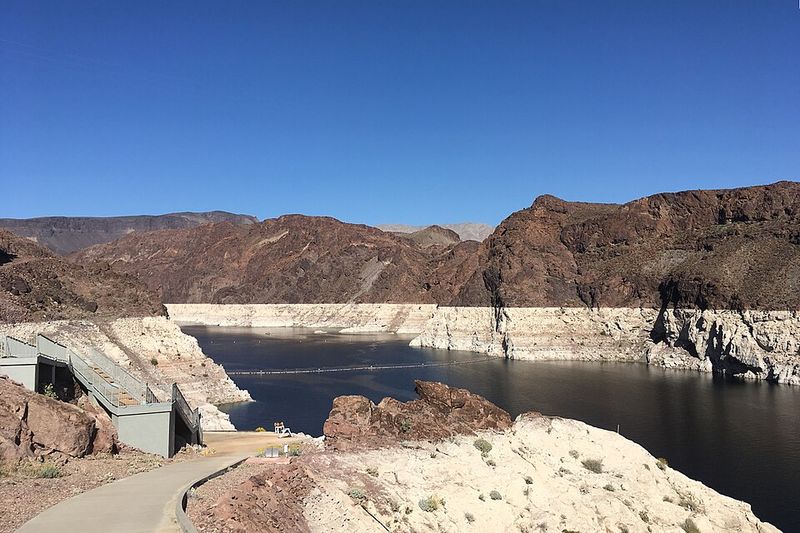
Created by the mighty Hoover Dam, this massive reservoir stretches through desert canyons where water and stone create stunning contrasts.
At full capacity, it’s the largest reservoir by volume in the United States, though drought has revealed ancient landscapes in recent years.
The stark beauty of red rock formations plunging into blue water creates an otherworldly scene that captivates visitors.
14. Lake Placid, New York
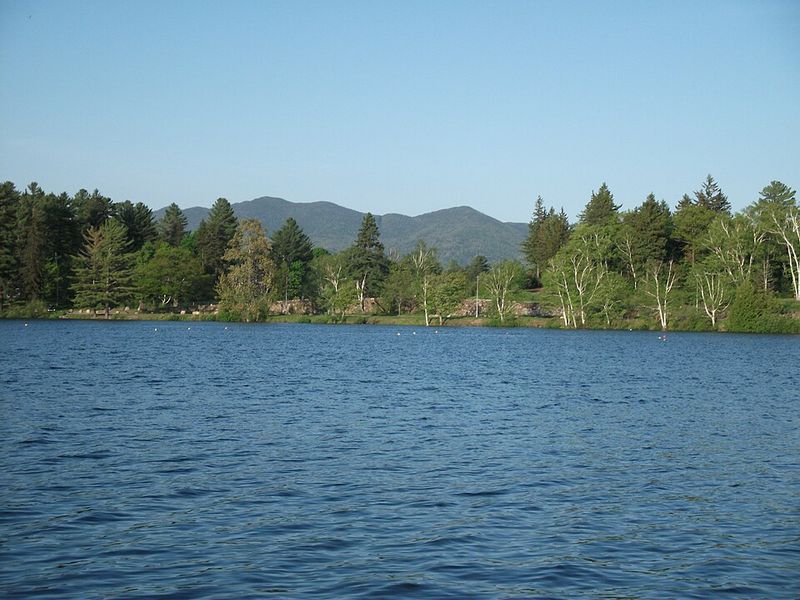
Olympic glory still echoes around this Adirondack jewel that hosted the Winter Games twice.
Mirror Lake actually sits closer to the village center, but Lake Placid itself offers stunning mountain vistas that have inspired artists and athletes for generations.
The High Peaks loom magnificently in the background, their summits often dusted with early snow while the lake remains liquid and inviting.
15. Lake of the Ozarks, Missouri
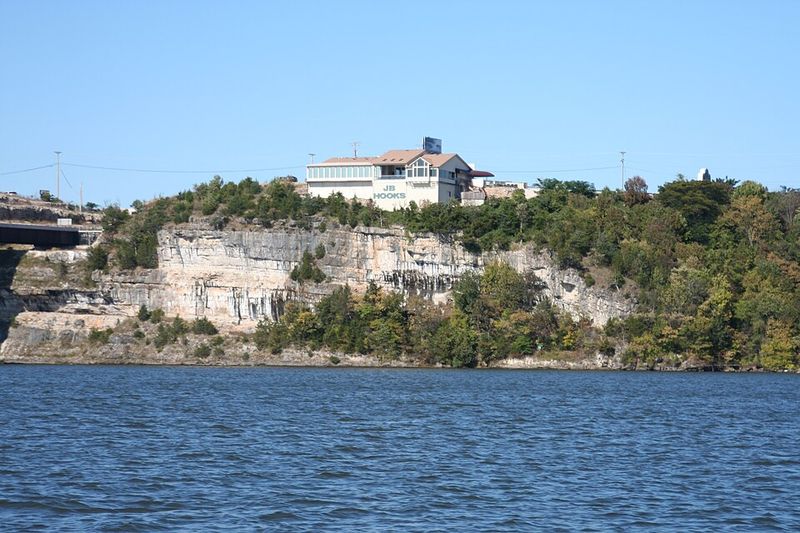
With over 1,150 miles of shoreline, this serpentine reservoir has more waterfront than California’s entire coast.
Created by damming the Osage River in 1931, it snakes through the Ozark hills in a shape that resembles a writhing dragon when viewed from above.
Countless coves and inlets create perfect hideaways for fishing, swimming, or simply escaping the summer heat.
16. Mono Lake, California
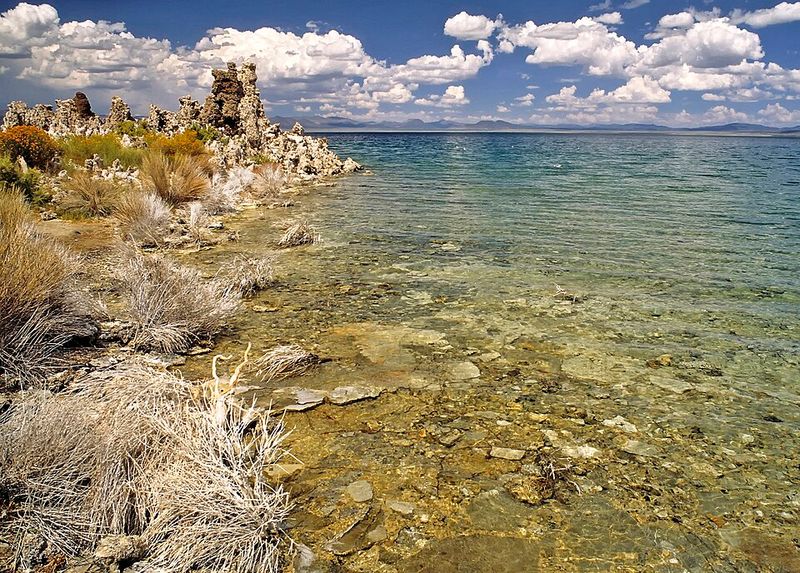
Ancient and alien, this saline lake has existed for over 760,000 years, making it one of the oldest continuously existing lakes in North America.
Tufa towers, bizarre limestone formations created by underwater springs, rise from the water like something from a science fiction film.
The highly alkaline water supports trillions of brine shrimp and alkali flies, which in turn feed millions of migratory birds.
17. Lake Champlain, New York and Vermont
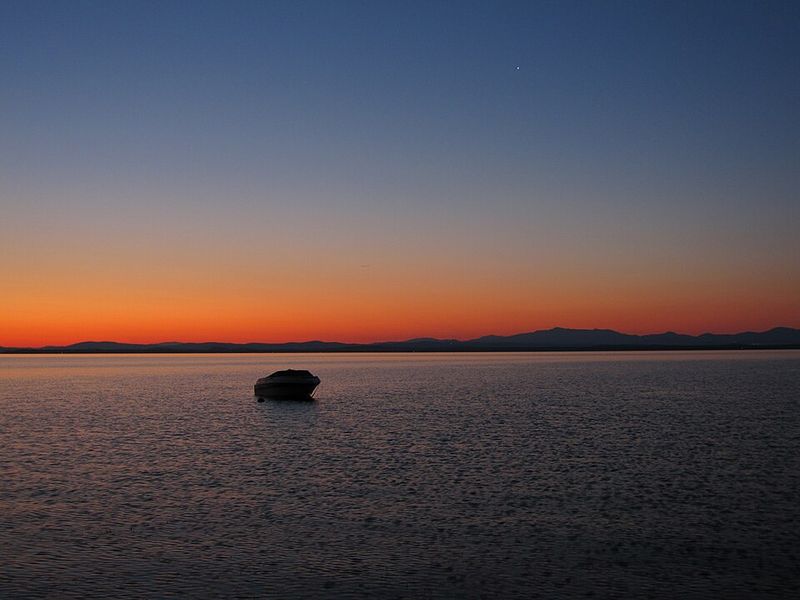
Stretching 120 miles between the Adirondacks and Green Mountains, this historic waterway has witnessed everything from Revolutionary War battles to modern sailing regattas.
Some locals jokingly call it the sixth Great Lake, and at 490 square miles, the comparison isn’t entirely unreasonable.
Ferries still cross between New York and Vermont, carrying passengers past islands and lighthouses that have guided travelers for centuries.
18. Lake Jocassee, South Carolina
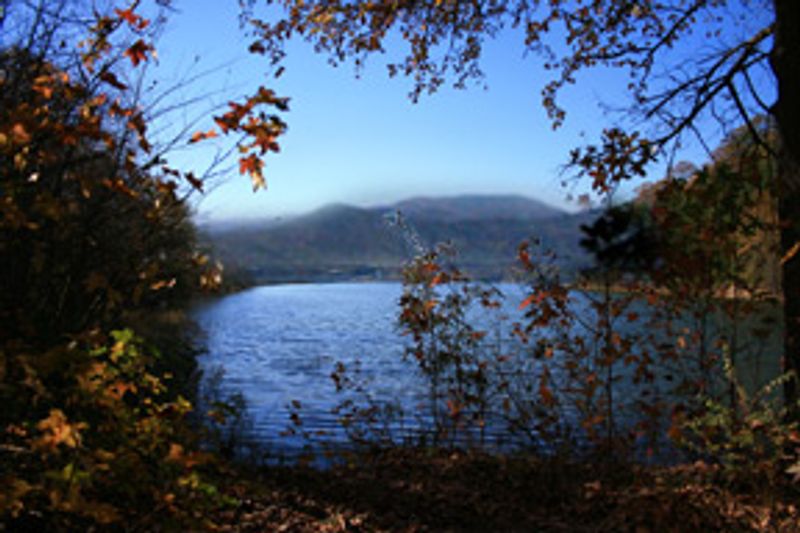
Hidden in the Blue Ridge foothills, this emerald gem surprises visitors who expect Southern lakes to be murky and warm.
Instead, Jocassee offers cool, incredibly clear water fed by mountain streams and waterfalls that tumble directly into the lake.
Several spectacular waterfalls are accessible only by boat, creating a sense of adventure as you approach cascades plunging over rocky cliffs.
19. Hanging Lake, Colorado
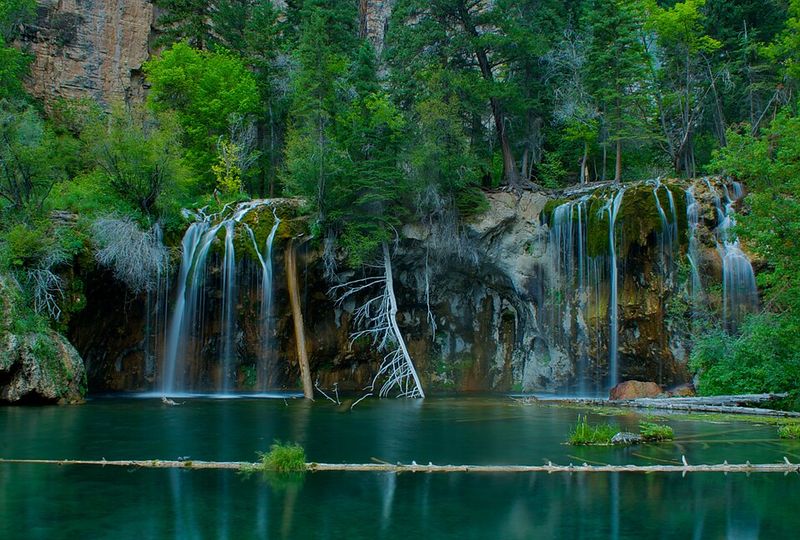
Perched impossibly on a cliff ledge in Glenwood Canyon, this tiny turquoise jewel feels like a secret garden hidden by the mountains themselves.
The lake formed on a geological fault where travertine deposits created a natural dam, resulting in water so clear and blue it barely seems real.
Getting there requires a challenging hike up steep switchbacks, but the reward is worth every breathless step.
20. Torch Lake, Michigan
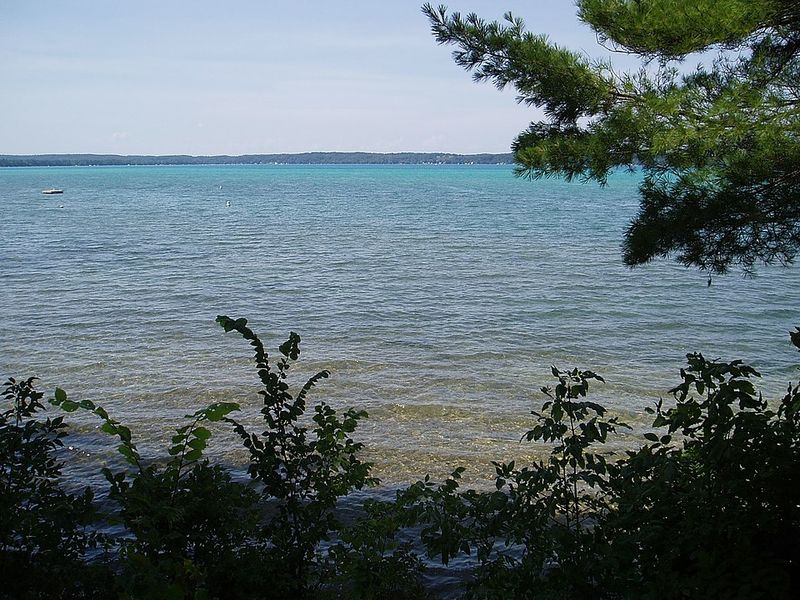
Forget the Caribbean; Michigan’s got tropical colors right here.
This 19-mile stunner boasts water so brilliantly turquoise that visitors regularly question whether the photos are edited.
They’re not; the color comes from the white limestone and calcium carbonate deposits left behind by ancient glaciers.
Sandbars create perfect spots for boat parties and swimming, while the clarity allows you to see your toes in 20 feet of water.