18 Legendary Musicians Who Retired While They Were On Top
Some artists walk away from the spotlight when they’re still riding high, leaving fans wanting more.
Walking away at the peak takes courage and confidence that most performers never find.
These legendary musicians made the bold choice to step back from their careers while they were still breaking records and selling out arenas.
Their decisions remind us that success isn’t always about staying in the game forever.
Disclaimer: This article is intended for general entertainment and music history discussion.
Song titles and artist references reflect officially released recordings and widely recognized moments in rock music history.
1. The Beatles
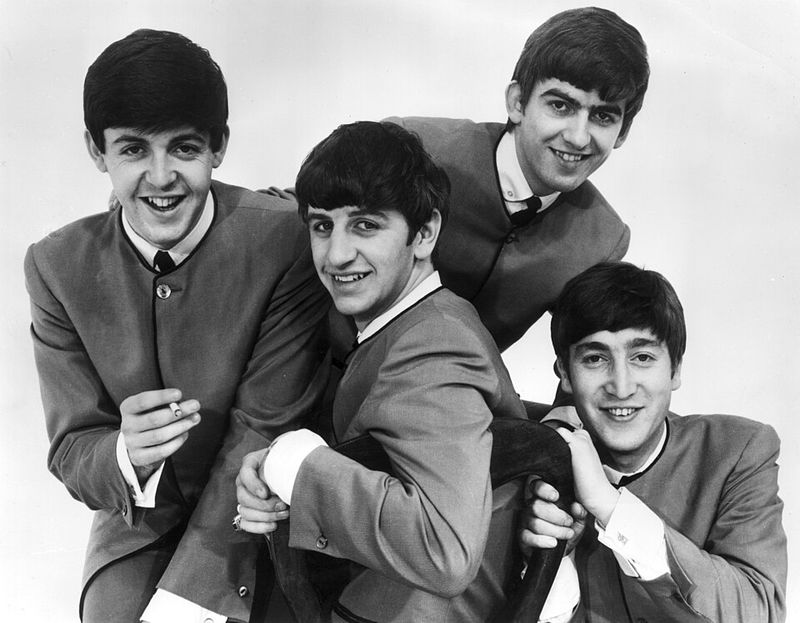
Breaking up at the absolute height of global fame seemed impossible, yet that’s exactly what happened in 1970.
The Fab Four had conquered every chart, every stadium, and every heart imaginable.
Internal tensions and creative differences pulled them apart just when the world wanted them most.
Their decision to disband created a void that no other band could fill, leaving behind a legacy that still echoes today.
Sometimes the brightest flames burn out fastest, but their light never truly fades.
2. Daft Punk
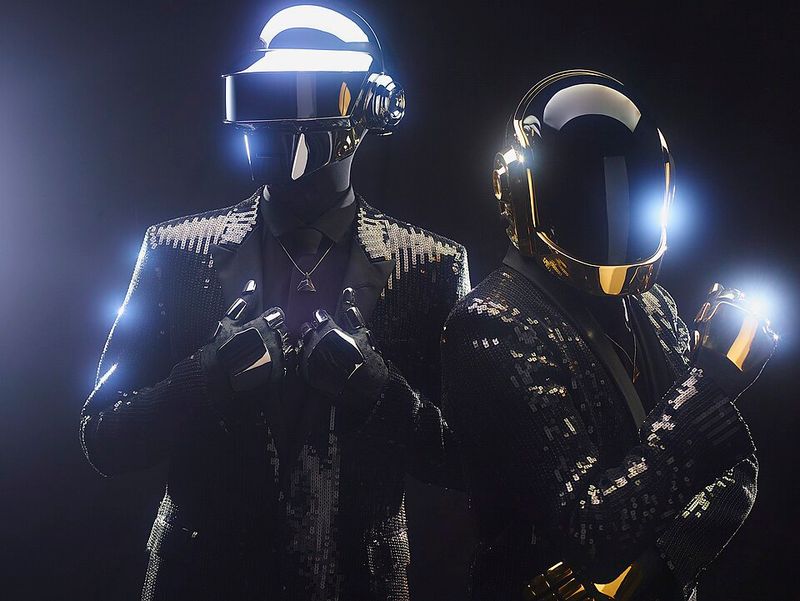
Without any announcement or farewell, the robotic duo stunned fans in 2021 by abruptly ending their partnership.
At the time of their split, their influence over electronic music remained enormous and unmistakable.
Across the globe, listeners reacted with genuine grief, knowing the era of their groundbreaking sound and legendary live performances had closed.
Behind the iconic helmets stood artists who had already rewritten the rules of dance music and no longer needed validation.
3. ABBA
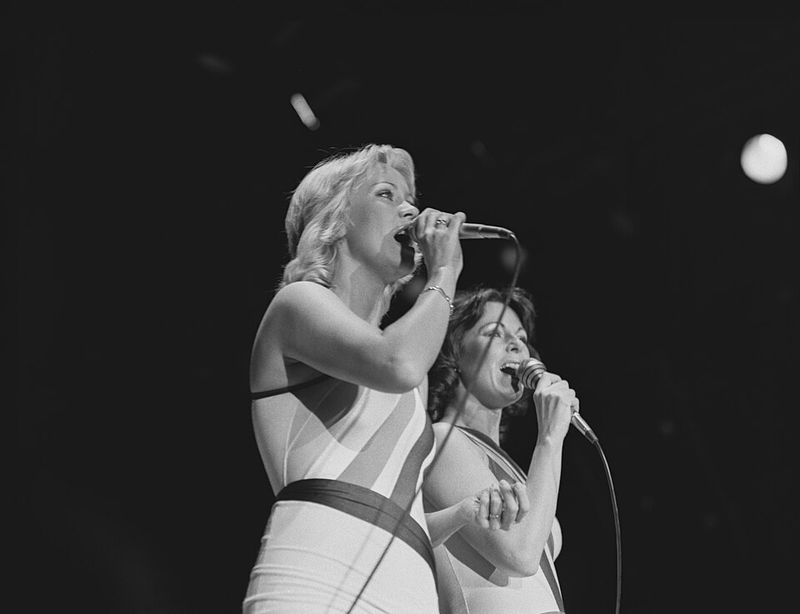
Stopping public performances in 1982 meant walking away from unprecedented international success.
Their catchy pop anthems had dominated charts across continents, making them household names everywhere.
Personal relationships within the group had shifted, making it difficult to continue as they once had.
Decades later, their music still fills dance floors and inspires new generations of fans.
Their hiatus lasted so long it became legendary, proving that absence really does make hearts grow fonder.
4. The Smiths
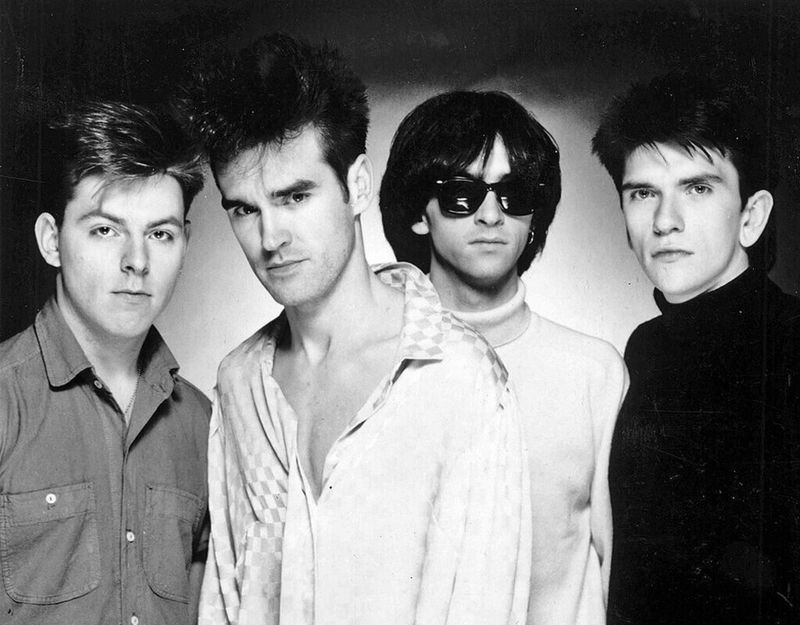
After only five years as a unit, the band walked away in 1987 while their influence was still soaring.
During that short window, their output reshaped indie rock and lit the path for countless groups that came afterward.
Behind the scenes, mounting creative tensions between core members made any future together unsustainable, even with success at its height.
For fans, the split cut deep, yet it also sealed a flawless legacy untouched by decline.
At times, a concentrated burst of brilliance leaves a stronger mark than stretching the story past the point where the spark fades.
5. Talking Heads

Reaching their commercial peak in the mid-1980s, they disbanded in 1991 while still critically acclaimed.
Their quirky, intellectual approach to rock had earned them both mainstream success and artistic respect.
However, tensions between band members grew too strong to ignore any longer.
Their influence on alternative music remained profound long after they stopped making records together.
Walking away preserved their reputation as innovators who never compromised their unique vision for easy success.
6. R.E.M.
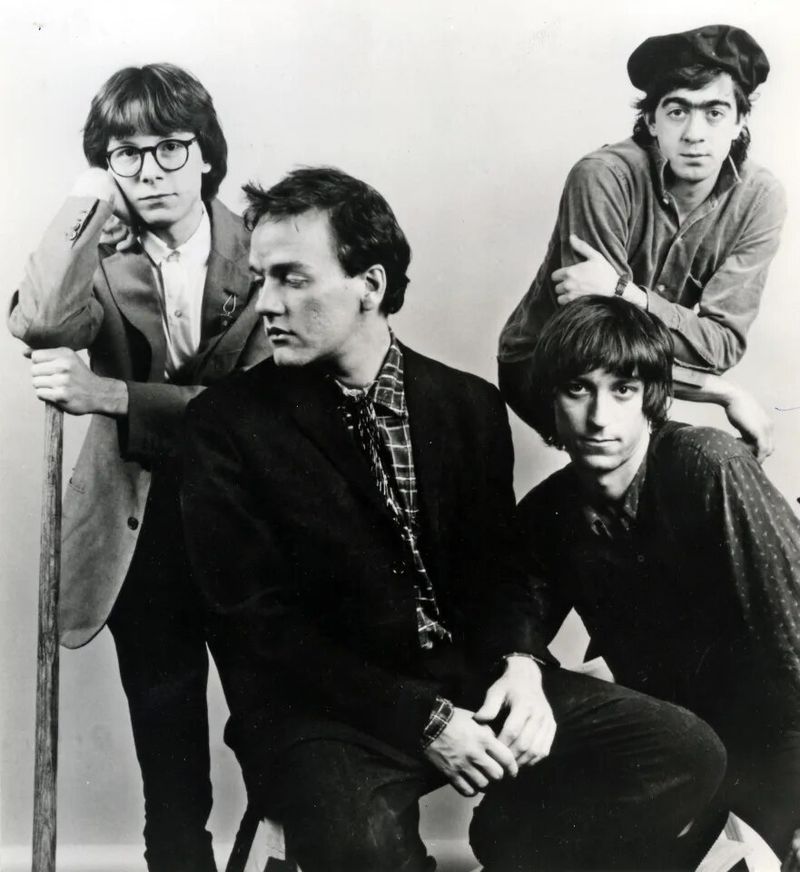
Bringing a 31-year run to a close in 2011 came as a shared choice, handled with clear respect on all sides.
Over time, they grew from college radio staples into rock icons capable of filling massive stadiums.
Instead of letting momentum quietly slip away, they stepped aside while their songs still carried real weight for millions of listeners.
Late-era releases earned strong reviews, confirming that creativity and purpose were still firmly intact.
By walking away on their own terms, they reinforced the integrity and thoughtfulness that had shaped their career from the start.
7. The White Stripes
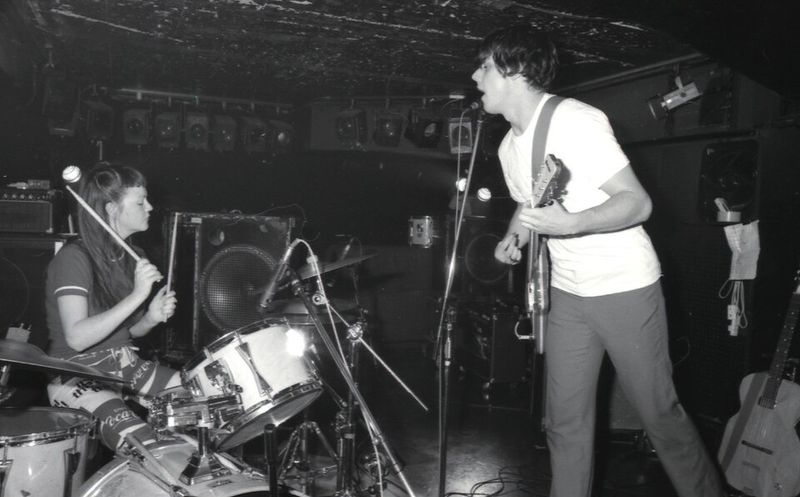
The announcement of their breakup in 2011 caught fans off guard, especially those still hungry for that raw, thunderous sound.
As a stripped-down duo, they had already shown the world that two musicians could generate more force than many full bands.
Behind the scenes, a mix of personal needs and creative realities pushed them to close that chapter for good.
Even without new performances, their impact on garage rock and indie music kept expanding in the years that followed.
At times, true simplicity lies in recognizing the exact moment to step away before everything becomes tangled.
8. The Police
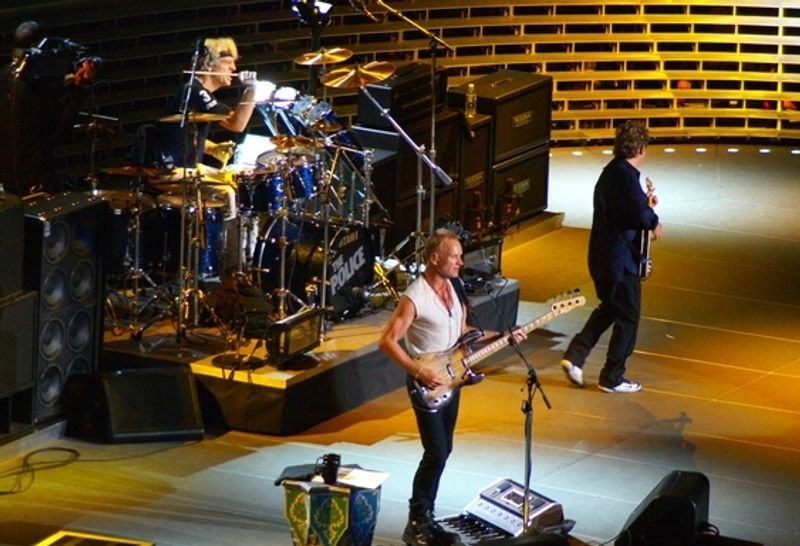
After the momentum of a successful reunion tour in 2008, the group chose to bring the partnership to a close once more.
Onstage, their chemistry left no doubt that the spark responsible for their superstardom decades earlier was still very much alive.
Offstage realities told a different story, as personal dynamics and solo ambitions made a long-term continuation unrealistic.
For fans, the reunion served as a final opportunity to witness those legendary performances in person.
By stepping away immediately after the tour, they made it clear that preserving quality mattered far more than stretching the moment.
9. Swedish House Mafia

Announcing their breakup during their peak dominance of electronic dance music stunned the EDM world.
Their farewell run from 2012 to 2013 became one of the most emotional tours in dance music history.
Fans packed venues worldwide to witness their final performances together.
The trio had redefined what electronic music could achieve on a global scale.
Their decision to split while still on top proved that artistic fulfillment sometimes matters more than commercial success.
10. Jay-Z
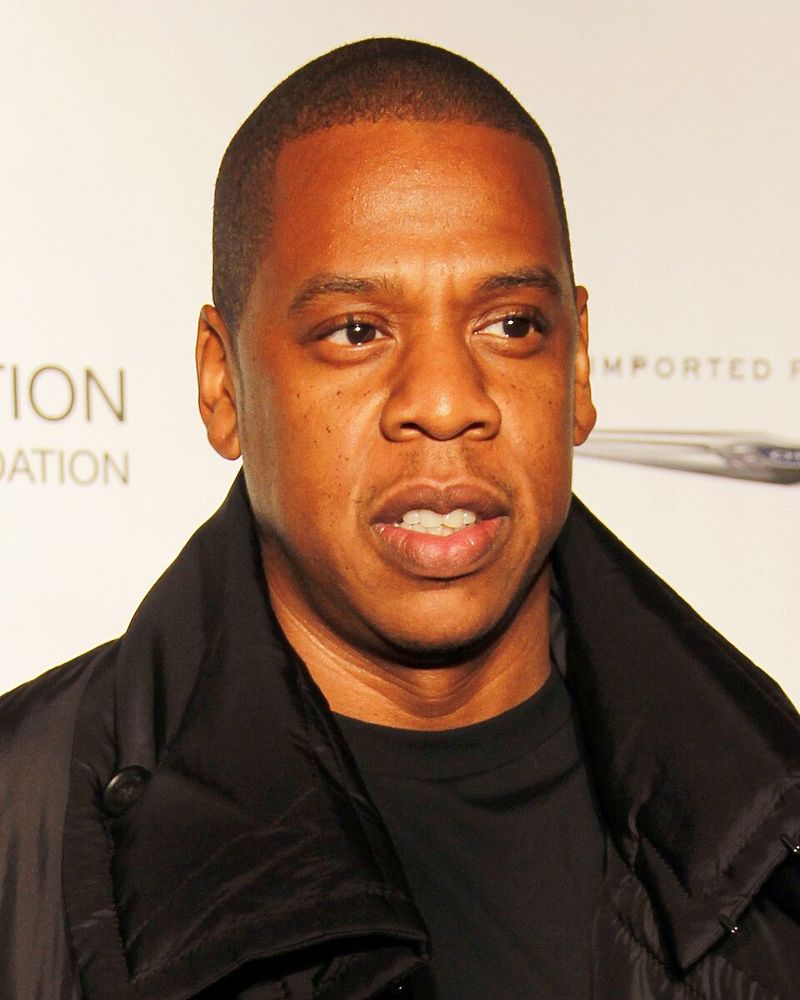
Promoting The Black Album as a final statement in 2003 instantly ignited huge attention and expectation across the music world.
At that point, he sat firmly at the peak of hip-hop, with achievements that left little left to prove.
Naturally, the idea of retirement turned out to be temporary, and a return to recording eventually followed.
Still, that decision highlighted a rare willingness to step away even while ruling the charts.
In the end, the pause served as a reminder that even icons sometimes need distance to reconnect with passion and direction.
11. Garth Brooks
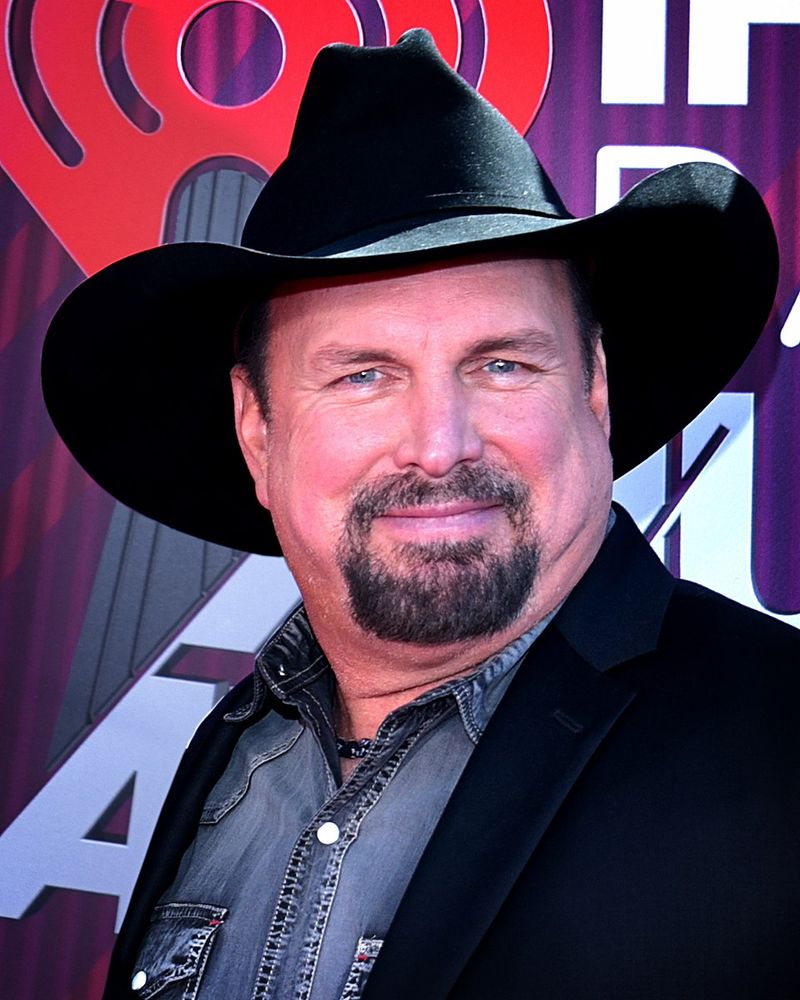
Retiring in 2001 at his commercial peak shocked country music fans everywhere.
He wanted to focus on family and step away from the relentless touring schedule.
His decision came when he was still selling out arenas and topping country charts consistently.
Though he eventually returned to performing, that initial retirement showed his priorities extended beyond fame.
Putting family first when you’re at the top takes strength that not many celebrities possess or demonstrate publicly.
12. Paul Simon
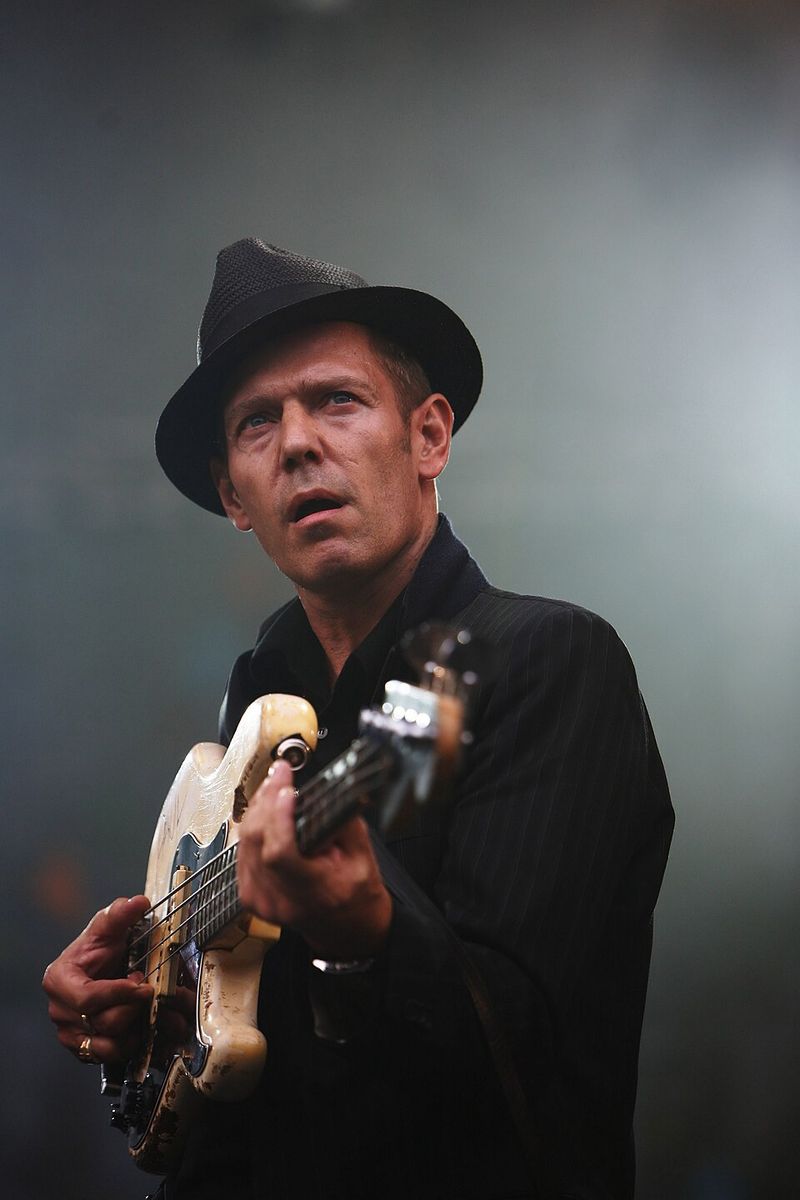
Closing the book with a farewell tour in 2018 brought decades of trailblazing musical work to a clear and intentional finish.
Well into his later years, the live shows still carried real weight, leaving audiences moved by their power and presence.
Stepping away from touring allowed room for other creative paths, free from the physical strain that life on the road demands.
Across generations, his mark on American music stayed firmly in place, influencing listeners and musicians alike.
13. Elton John
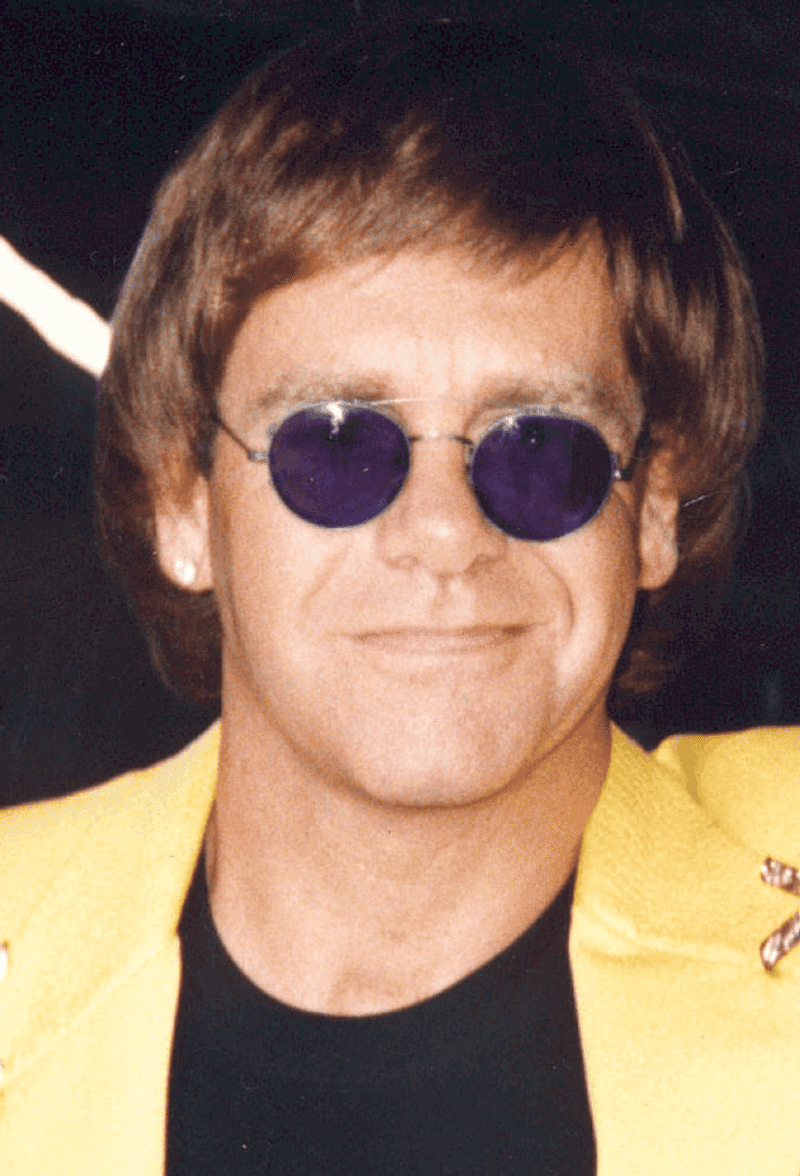
Kicking off the Farewell Yellow Brick Road tour in 2018 clearly marked the closing chapter of his extraordinary life on the road.
Years of relentless performances had worn on him, turning retirement from touring into a necessary and thoughtful choice.
Those final, glittering shows served as a vivid reminder of how he earned his place among music’s most enduring icons.
All around the world, fans made the journey for a final opportunity to watch him command the stage live.
By choosing when and how to step away, he gave himself the chance to honor and celebrate the full scope of his remarkable career.
14. George Strait
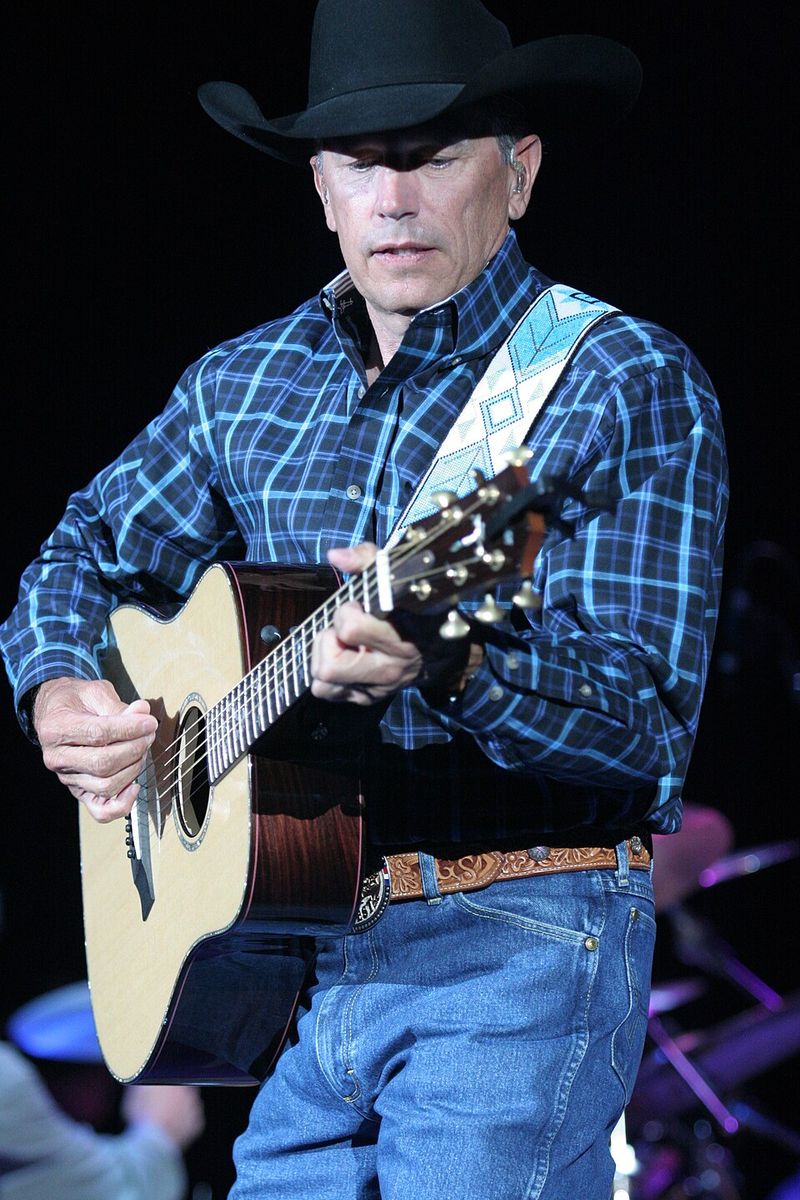
The Cowboy Rides Away tour ending in 2014 marked the conclusion of an extraordinary country music career.
He had accumulated more number-one hits than almost any other artist in history.
Rather than fade slowly, he chose to ride off into the sunset while still at his peak.
His farewell tour became a massive celebration of everything he had accomplished.
True to his cowboy image, he knew exactly when to tip his hat and gracefully exit the stage.
15. Kenny Rogers
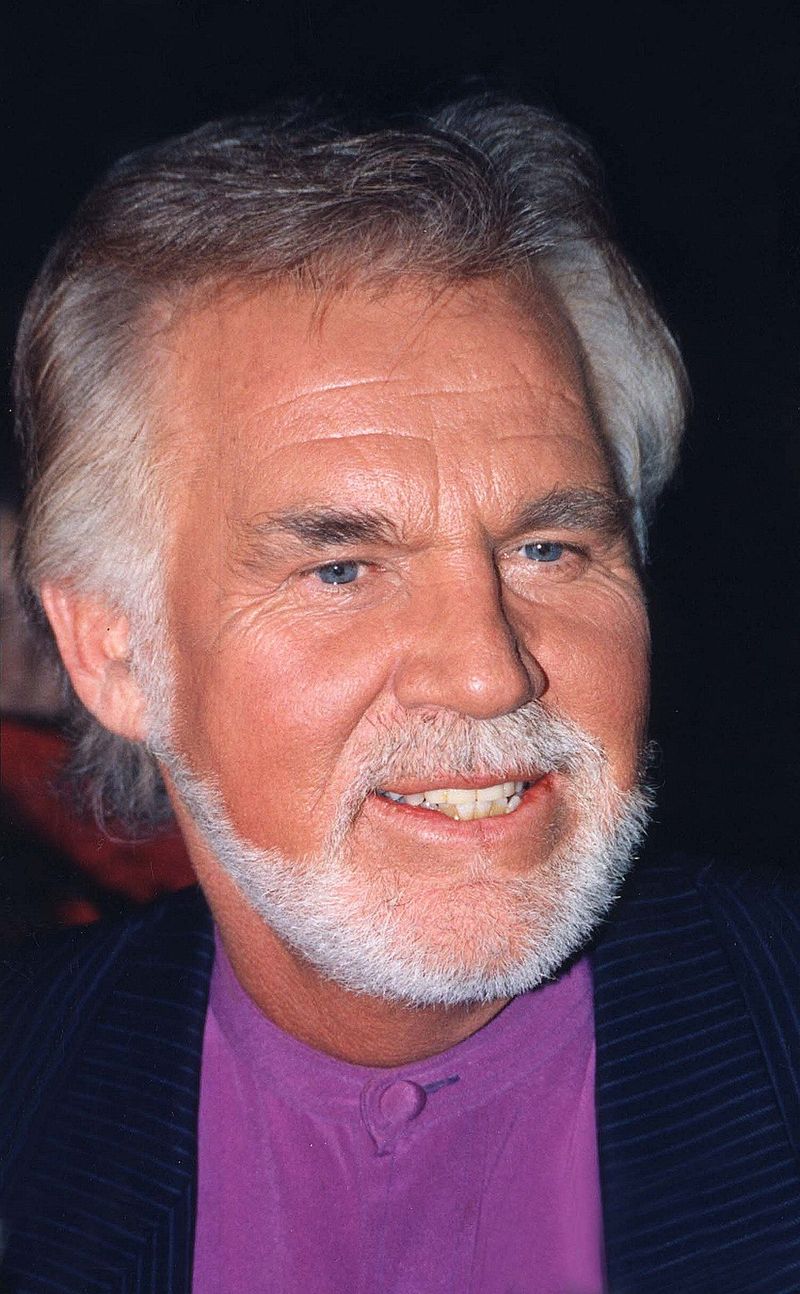
Stepping away from touring in 2015 followed an extraordinary career that stretched across six remarkable decades.
Over the years, his unmistakable voice and gift for storytelling turned him into a cherished presence for audiences around the world.
With time, age and health realities made leaving the relentless touring life a sensible and necessary decision.
Those final shows carried deep emotion, marked by heartfelt gratitude shared openly with devoted fans.
By choosing his own ending, he maintained the dignity and quiet grace that had defined his career from beginning to end.
16. KISS
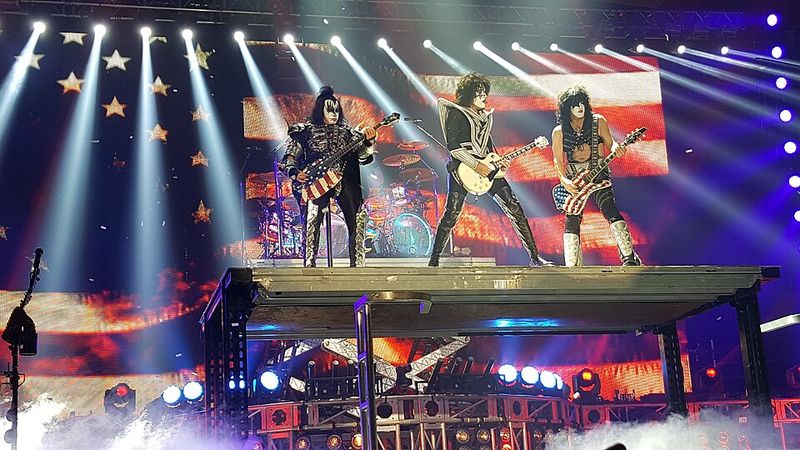
Their final tour era culminating in 2023 brought decades of theatrical rock spectacle to a close.
The elaborate makeup, costumes, and pyrotechnics had defined their legendary stage presence.
After five decades of rocking audiences worldwide, they decided it was time to hang up the platform boots.
Their farewell shows were massive celebrations of everything that made them iconic.
Going out with the same explosive energy they started with proved they never lost their fire or passion.
17. Glenn Gould
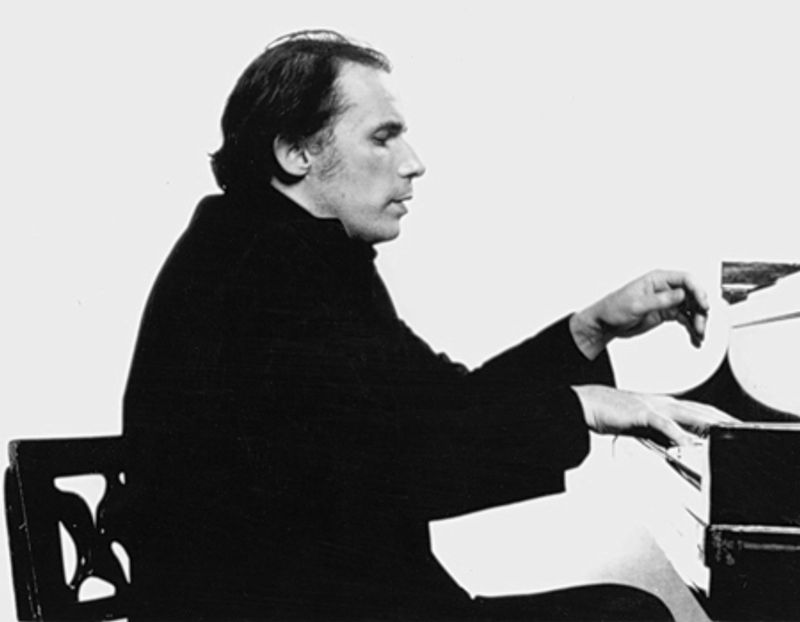
Walking away from public concerts in 1964 while still reigning at the height of classical music stunned audiences everywhere.
Through his luminous interpretations of Bach, he had already secured a place among the most celebrated pianists of his era.
Yet the demands and unpredictability of live performance clashed sharply with his perfectionism and deeply personal artistic ideals.
From that point forward, his attention turned fully toward studio recordings, a space where every nuance could be shaped with precision.
In the long run, that unconventional decision showed that true success does not always come from following the expected road laid out by tradition.
18. Arturo Toscanini
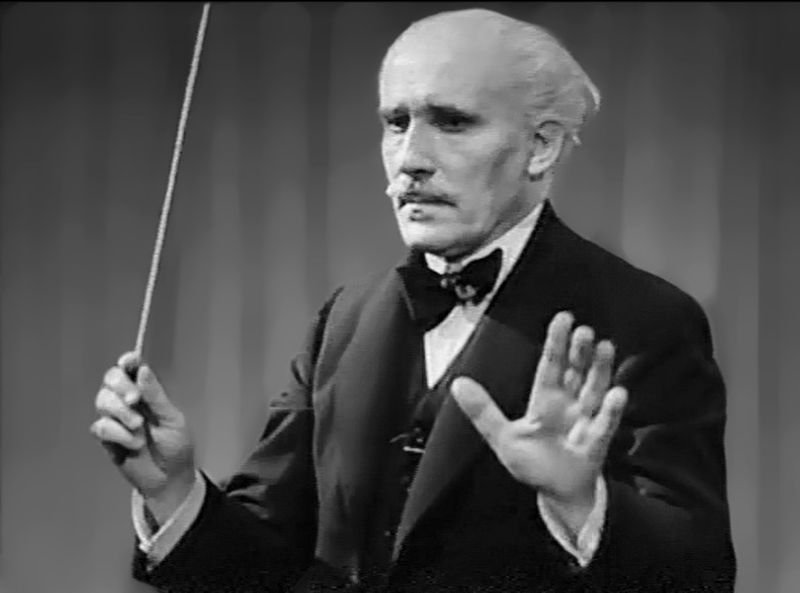
Retiring after his final NBC Symphony broadcasts in 1954 ended one of music’s most distinguished careers.
His passionate conducting style and uncompromising standards had revolutionized orchestral performance.
Even in his late eighties, his musical interpretations remained powerful and deeply moving.
His decision to step down came from recognizing his own physical limitations with characteristic honesty.
Leaving at the right moment preserved his legacy as one of the greatest conductors who ever lived.