18 Legendary Tenors Who Made Opera Feel Larger Than Life
Opera has a way of making ordinary emotions feel enormous, and the tenor voice often sits right at the center of that storm.
One great tenor can make a single phrase sound like a confession, a dare, or a farewell, all in the same breath.
Even people who swear they “don’t know opera” can recognize the feeling when the room suddenly fills with sound and time seems to pause for it.
The legends created moments that audiences carried out of the theater with them, humming in the dark on the way home. If opera ever gave you chills, there’s a good chance a tenor had something to do with it.
Disclaimer: Tenor selections and descriptions reflect editorial opinion based on historical reputation, recordings, and commonly cited influence, and preferences may vary; the content is provided for general informational and entertainment purposes.
1. Enrico Caruso
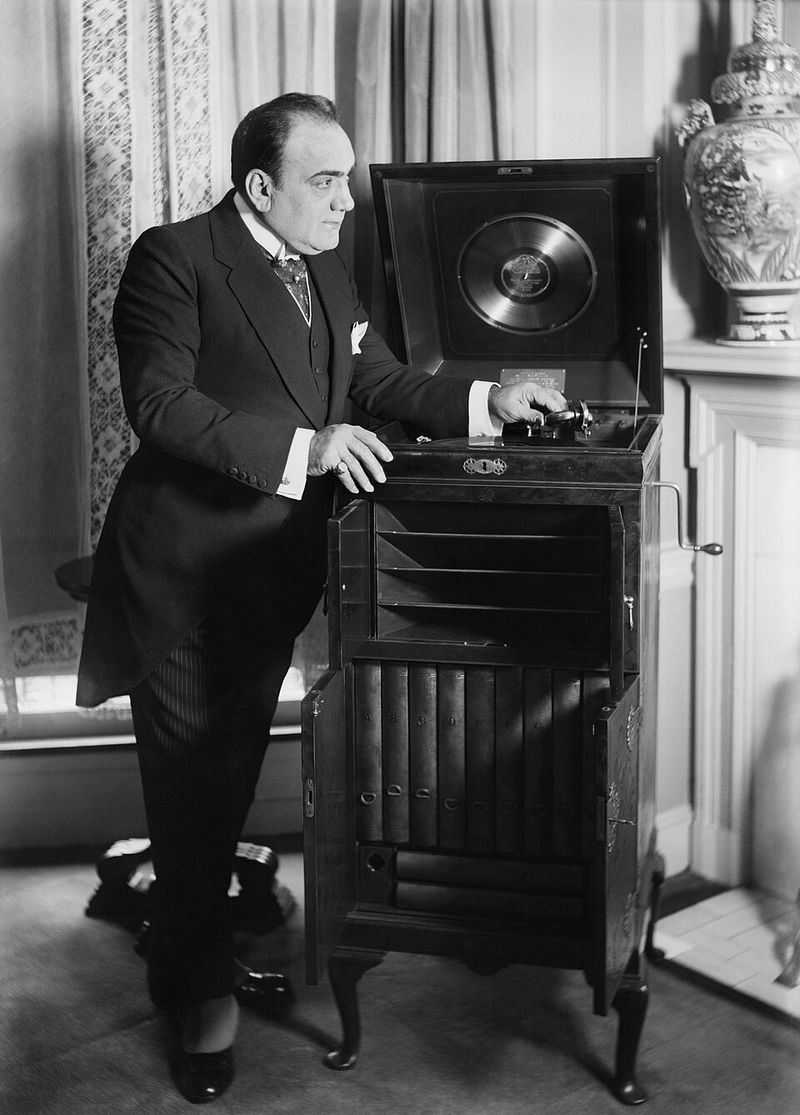
Before streaming music existed, one voice dominated the world through scratchy recordings that people treasured like gold.
Caruso made around 250 recordings between 1902 and 1920, becoming the first true international recording star in history.
His voice had this warm, rich quality that somehow survived even the primitive recording technology of his era. People lined up just to hear his records play in store windows!
2. Beniamino Gigli
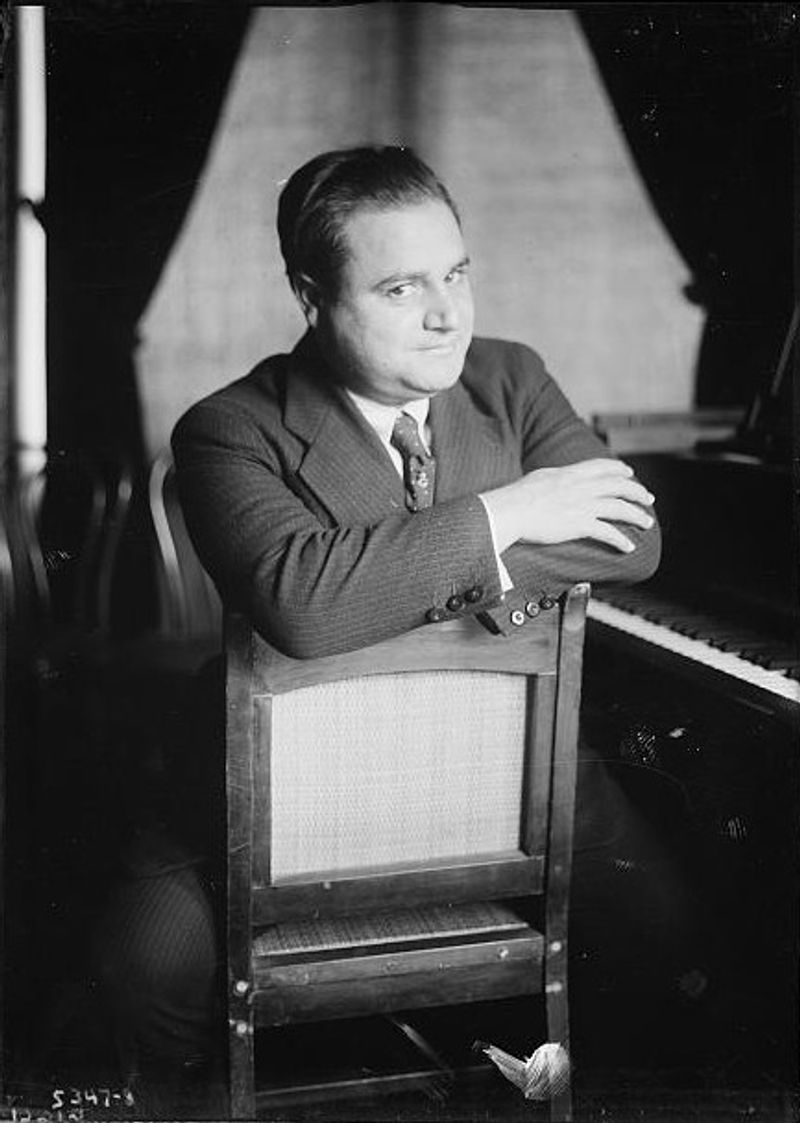
When Caruso passed away, everyone wondered who could possibly fill those legendary shoes.
Gigli stepped up with a voice so beautifully sweet that critics immediately called him Caruso’s true successor.
His performances at the Metropolitan Opera became the stuff of legends, with audiences weeping openly during his emotional arias. That’s the power of a voice that could melt hearts!
However, his career wasn’t without controversy, as political decisions during World War II complicated his legacy beyond just his incredible vocal talent.
3. Jussi Björling
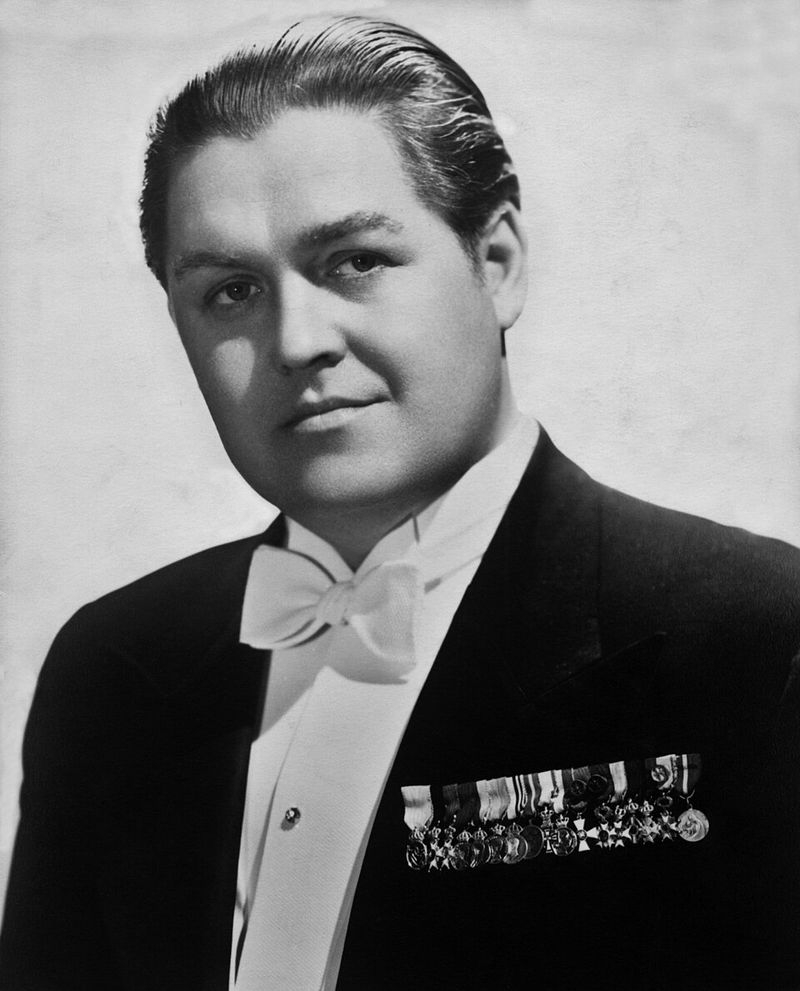
If voices were gemstones, Björling’s would be a flawless diamond, pure and crystal clear.
This Swedish sensation became famous for his absolutely pristine sound that seemed almost impossibly perfect.
His Rodolfo in La Bohème remains the gold standard that modern tenors still try to match.
Just saying, when you’re the benchmark decades after you’re gone, you’ve achieved something extraordinary!
Though his life ended too soon at 49, his recordings continue teaching young singers what true vocal beauty sounds like.
4. Lauritz Melchior
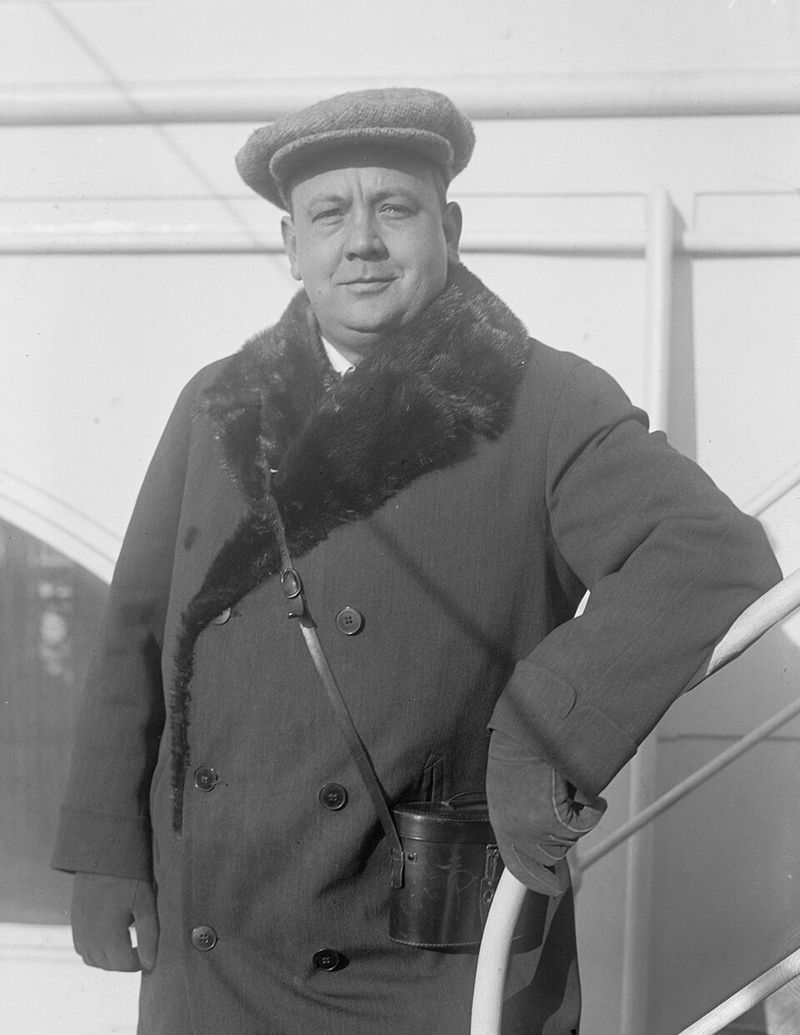
Wagner’s operas demand superhuman vocal stamina, and Melchior possessed exactly that superpower.
Born in Denmark, he became the undisputed king of Wagnerian roles for nearly three decades.
His voice had this massive, heroic quality that could fill enormous opera houses without microphones. Think of Thor’s voice if Thor decided to sing opera instead of swing hammers!
Interestingly, he later appeared in Hollywood movies, proving that opera stars could totally rock the silver screen too. Talk about range beyond just vocal range!
5. Mario Del Monaco
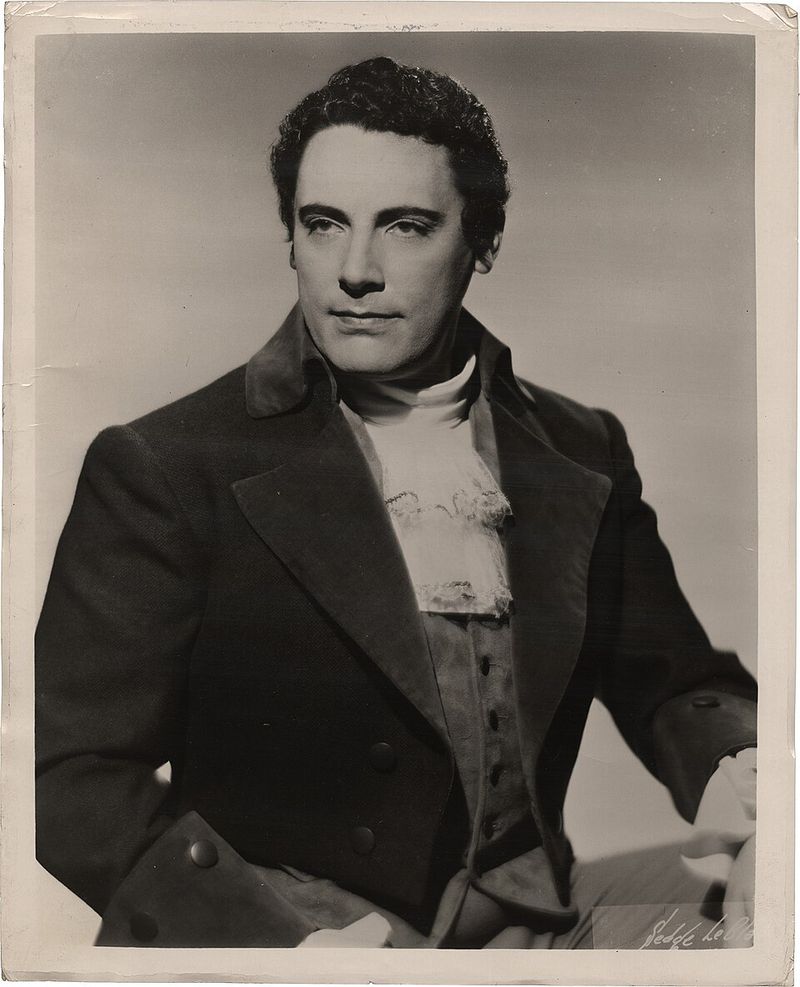
Imagine a voice that sounds like it could knock down walls, and you’re getting close to Del Monaco’s legendary power.
His trumpet-like tone made him perfect for heroic, dramatic roles that required serious vocal muscle.
Critics sometimes debated his subtlety, but nobody ever questioned his thrilling, spine-tingling top notes. When he let loose, audiences practically levitated from their seats!
His Otello became particularly famous, with that combination of vocal strength and dramatic intensity that made Shakespeare’s tragic hero feel absolutely real and devastating.
6. Franco Corelli
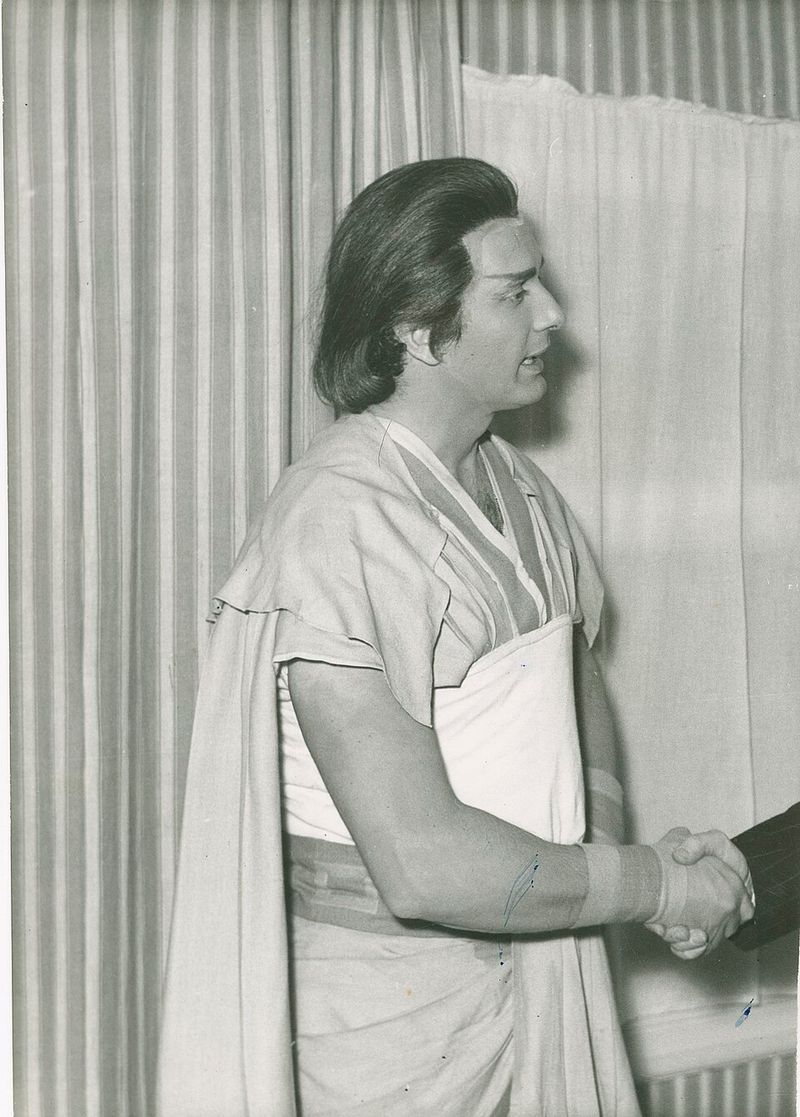
With movie-star looks and a voice that could shake the rafters, Corelli became opera’s ultimate heartthrob.
His high notes were legendary, ringing out with a brilliance that made audiences gasp audibly.
Stage fright plagued him throughout his career, which seems wild for someone so incredibly talented. Yet he pushed through, delivering performances that remain benchmarks of tenor singing.
His romantic roles opposite soprano Renata Tebaldi created some of opera’s most memorable moments.
7. Carlo Bergonzi
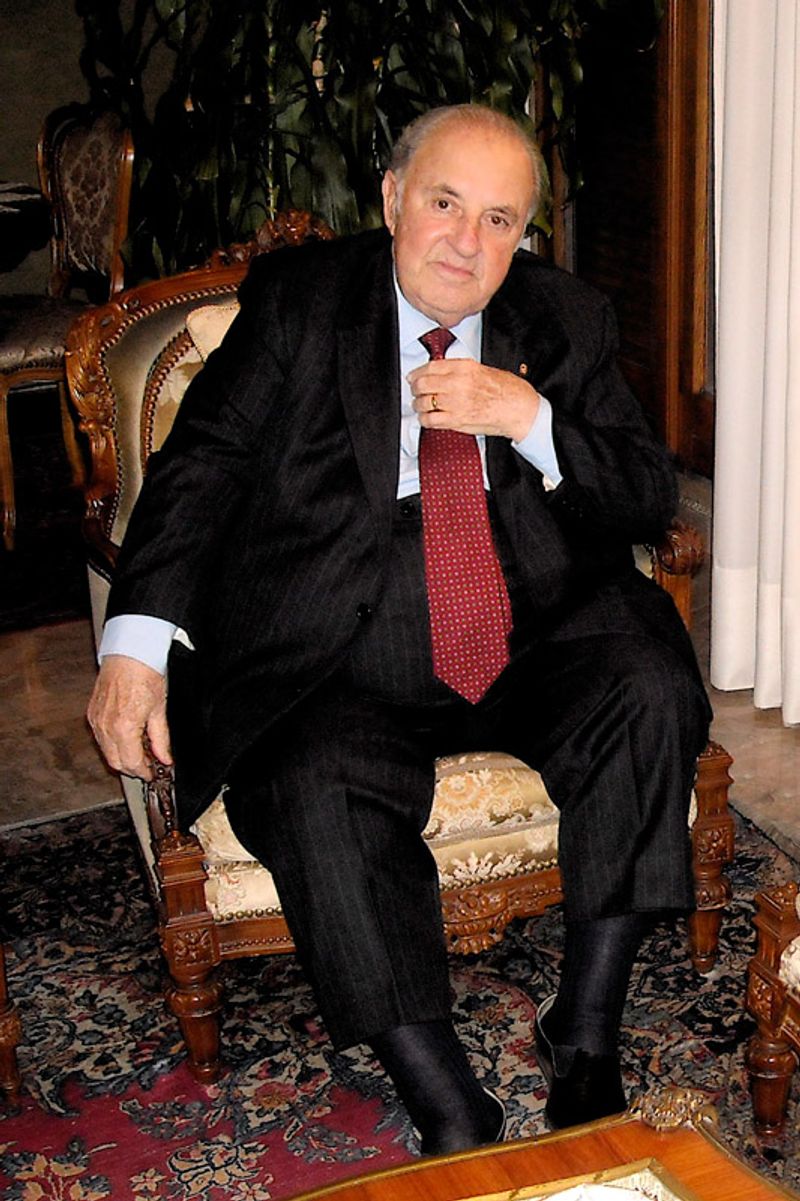
Verdi’s operas found their ideal voice in Bergonzi, whose elegant, stylish singing perfectly matched the composer’s intentions.
His career stretched incredibly long, with consistent quality that amazed critics and fans alike.
Unlike some tenors who burned bright and fast, Bergonzi maintained his vocal beauty well into his later years. Smart technique and musical intelligence kept his instrument sounding gorgeous for decades!
His recordings remain essential listening for anyone studying Italian opera. Teachers still tell students, “Listen to how Bergonzi phrases that line,” because his artistry was simply that refined.
8. Alfredo Kraus
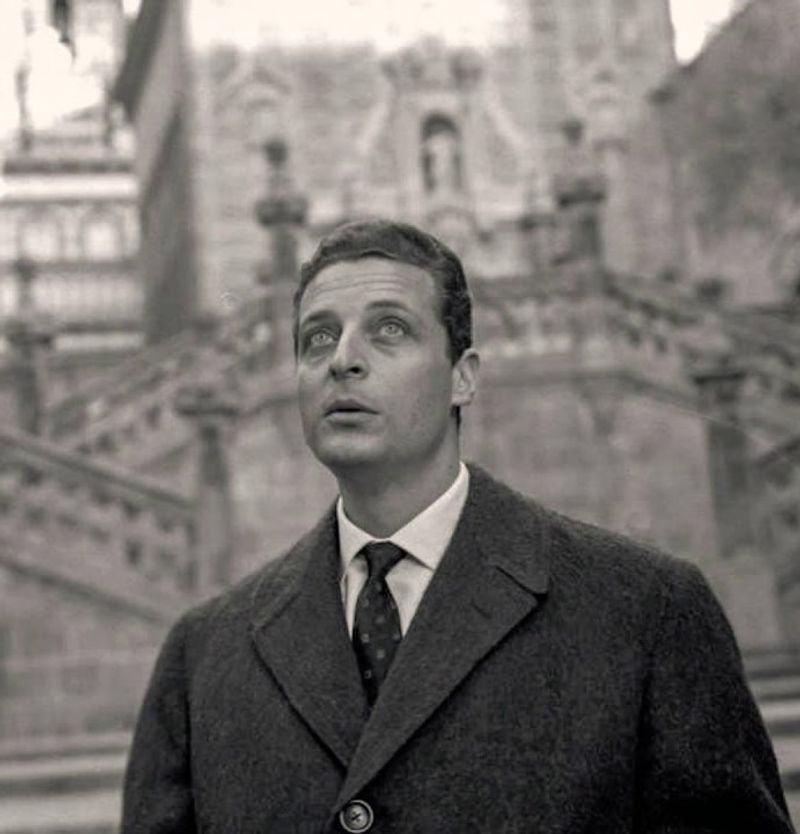
Elegance personified describes Kraus, whose aristocratic voice and impeccable technique made him the gold standard for French and bel canto repertoire.
Born in the Canary Islands, he brought Spanish sophistication to opera houses worldwide.
His vocal longevity was absolutely remarkable, singing beautifully well into his sixties when most tenors have long retired. How?
Careful repertoire choices and flawless technique protected his instrument!
Critics praised his stylish phrasing and aristocratic sound, which made roles like Werther and Des Grieux sound impossibly refined. Class acts like Kraus never go out of style.
9. Tito Schipa
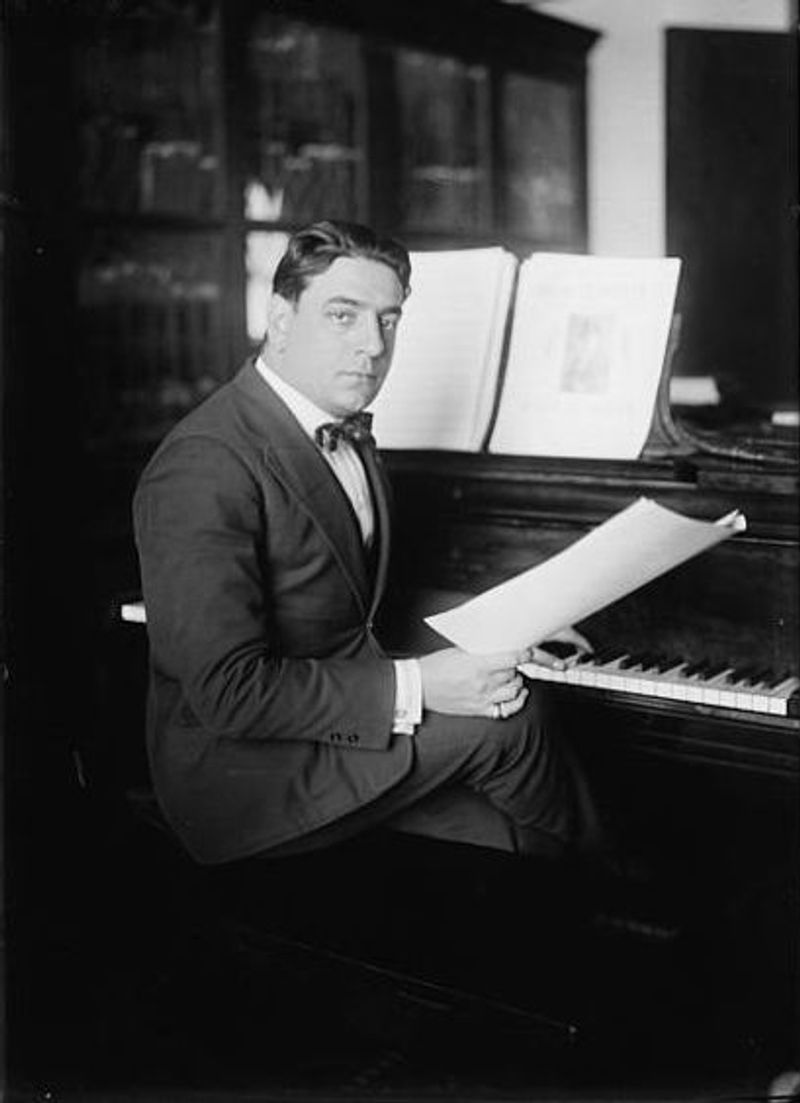
Sometimes less is more, and Schipa proved that a smaller voice used brilliantly beats a huge voice used clumsily. His exquisite artistry and perfect diction made every word crystal clear.
He specialized in lyric roles that showcased his incredible musical sensitivity. Audiences loved how he could convey emotion through subtle phrasing rather than just vocal power.
His recordings remain masterclasses in tasteful singing, teaching modern performers that musicality matters just as much as hitting high notes.
10. Richard Tauber
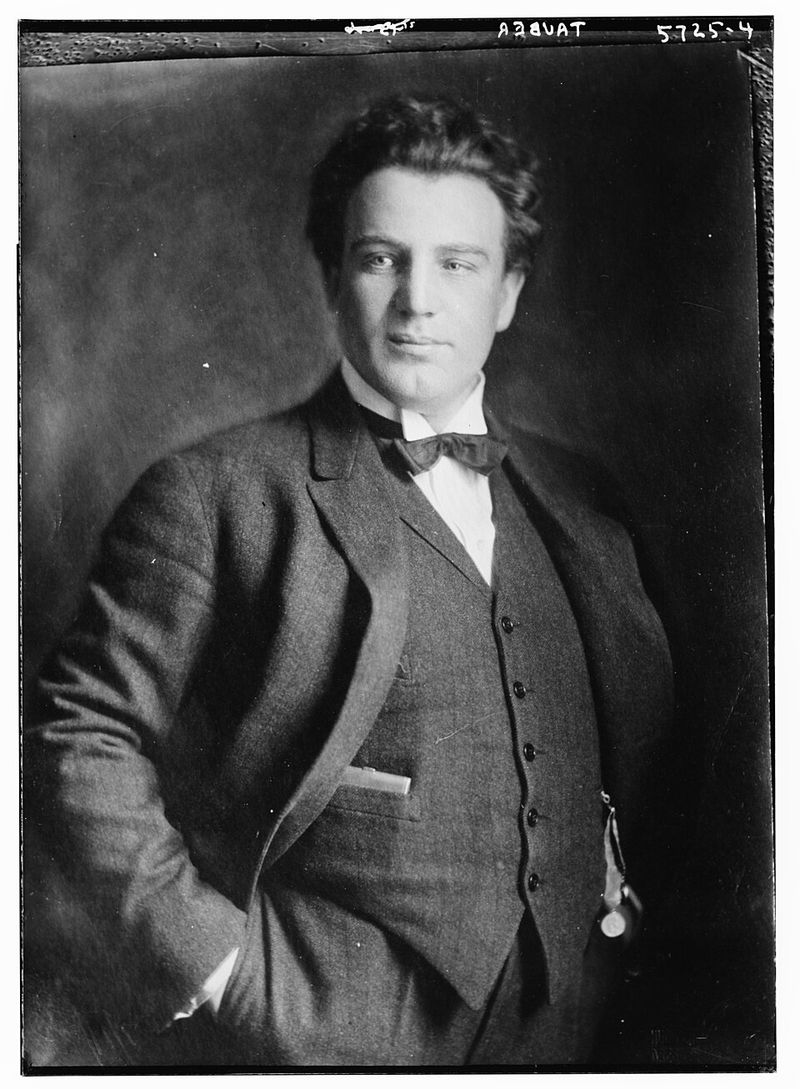
Crossing between opera and operetta with equal success, Tauber became one of the most beloved singers of his generation. His warm, lyrical voice made Mozart roles sound absolutely heavenly.
Born in Austria, he became particularly famous in German-speaking countries, though his appeal spread worldwide. His recordings of Viennese operettas still define how those pieces should sound!
He eventually settled in England, where audiences embraced him warmly. His legacy proves that great artistry transcends politics and borders, touching hearts everywhere.
11. Nicolai Gedda
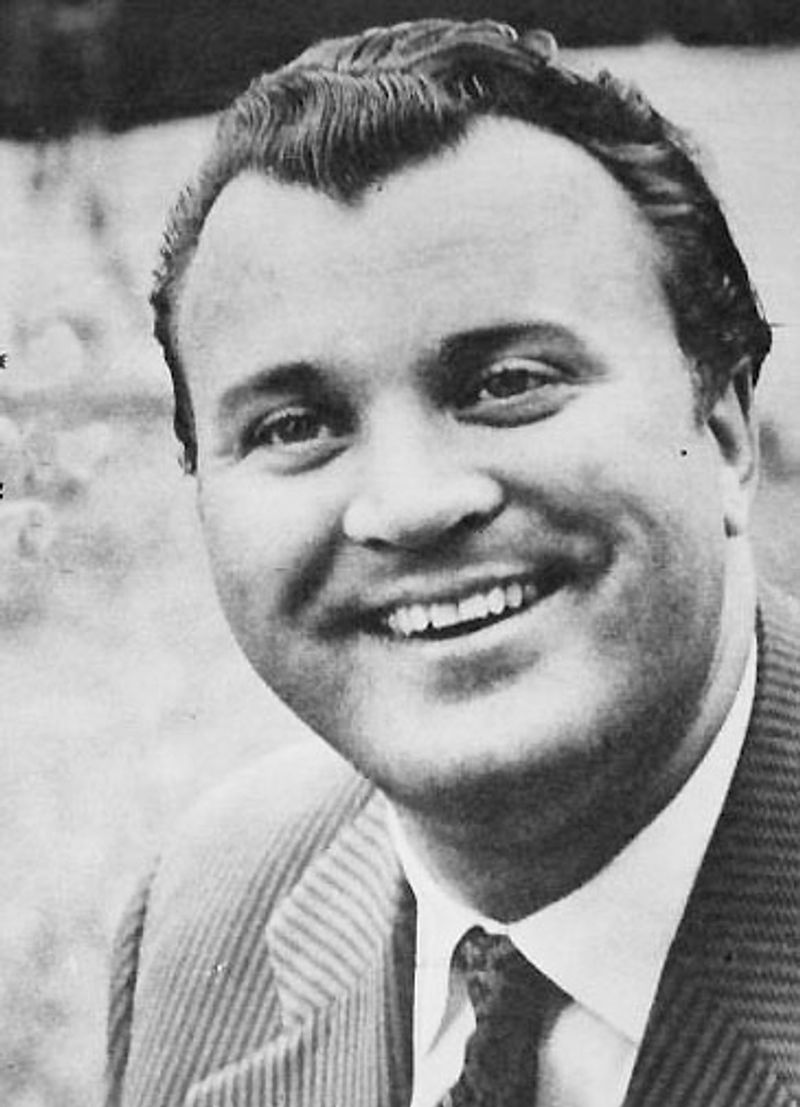
Speaking multiple languages fluently, Gedda could sing opera in Russian, French, Italian, German, English, and Swedish with native-sounding pronunciation.
Talk about a linguistic superhero with an incredible voice to match!
His versatility was absolutely mind-blowing, performing everything from Mozart to Tchaikovsky with equal authority.
Few tenors have ever matched his stylistic range across different national schools of singing.
Critics praised his musical intelligence and technical security, which allowed him to tackle roles other tenors wouldn’t dare attempt.
12. Ramón Vinay
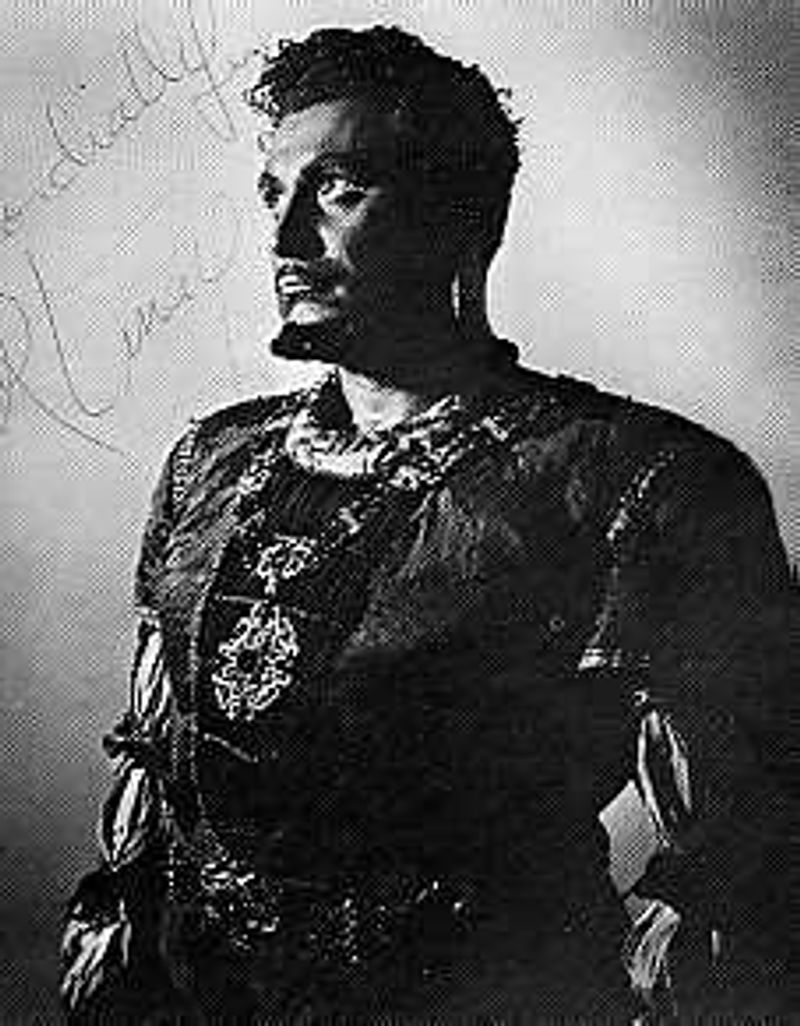
Starting as a baritone before switching to tenor roles shows Vinay’s remarkable vocal journey. Born in Chile, he conquered the most demanding dramatic tenor roles with his powerful, dark-hued voice.
His Otello became particularly celebrated, bringing both vocal heft and dramatic conviction to Verdi’s demanding role. Later, he even returned to baritone roles, highlighting his incredible versatility!
This vocal chameleon demonstrated that with proper technique and courage, singers can reinvent themselves. His career path remains unique in opera history, inspiring artists to take bold risks.
13. Peter Pears
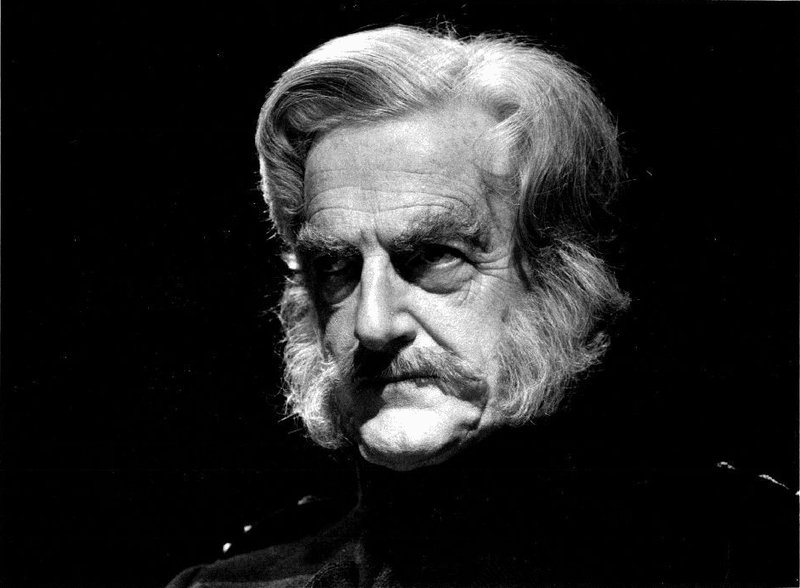
Forever linked with composer Benjamin Britten, Pears created roles specifically written for his unique voice.
His distinctive, slightly reedy tone might not sound conventionally beautiful, but it possessed remarkable expressive power.
English opera owes much to this partnership, which produced masterpieces like Peter Grimes and The Turn of the Screw. Britten understood exactly how to showcase Pears’s particular vocal qualities!
Beyond new works, his interpretations of Baroque music and lieder revealed sophisticated musicianship.
14. Plácido Domingo
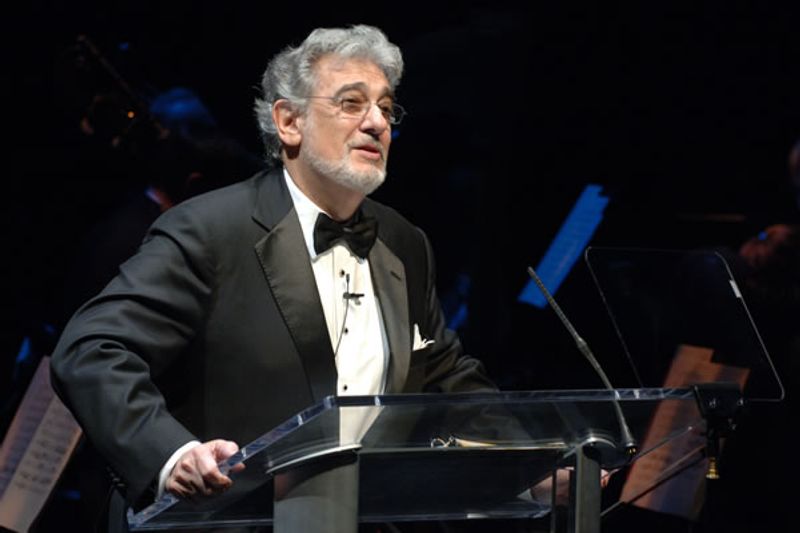
Starting as a tenor and later transitioning to baritone roles, Domingo’s career longevity is absolutely staggering. He’s performed over 150 different roles, which sounds more like a video game achievement than real life!
As part of The Three Tenors alongside Pavarotti and Carreras, he helped bring opera to millions of new fans.
Those stadium concerts in the 1990s introduced classical music to people who’d never considered it before.
Beyond singing, he’s conducted operas and directed major opera companies. His contributions to keeping opera relevant in modern times cannot be overstated or ignored.
15. Luciano Pavarotti
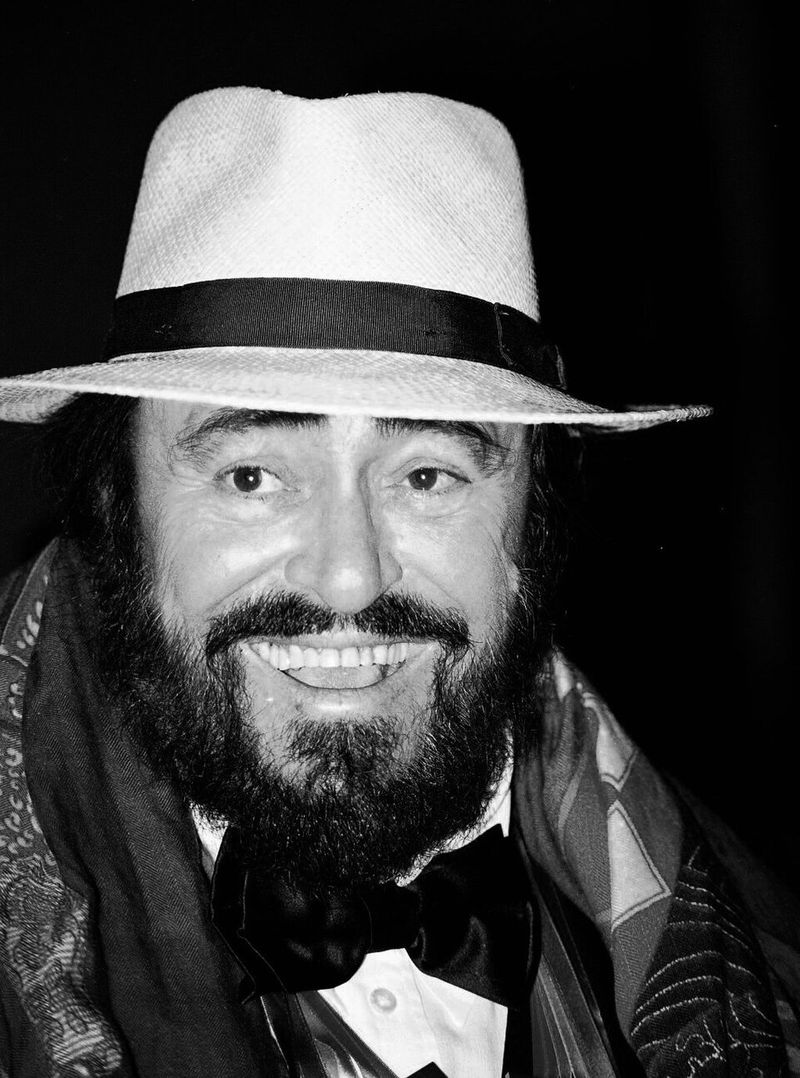
That high C in Donizetti’s “La fille du régiment” launched Pavarotti into superstardom, earning him the nickname “King of the High Cs.”
Performing with pop stars and at major sporting events, he showed opera could reach beyond traditional audiences. His “Nessun Dorma” became recognizable even to people who’d never stepped inside an opera house!
His white handkerchief became as iconic as his voice, a trademark that made him instantly recognizable worldwide. True legends create signatures that transcend their art form.
16. José Carreras
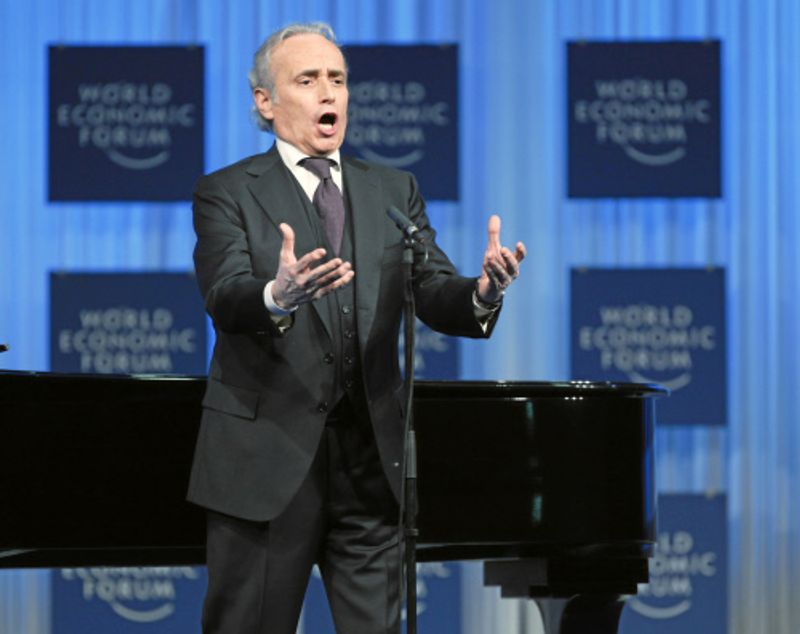
Beating leukemia and returning to sing again makes Carreras’s story incredibly inspiring beyond just his vocal gifts. His lyrical, passionate voice made him perfect for romantic Italian and French roles.
As the third member of The Three Tenors, he brought warmth and emotional depth to their performances.
His foundation for leukemia research has helped countless patients, showing that artists can change lives offstage too.
Though illness affected his voice, his courage and determination to continue performing inspired millions.
17. Giacomo Lauri-Volpi
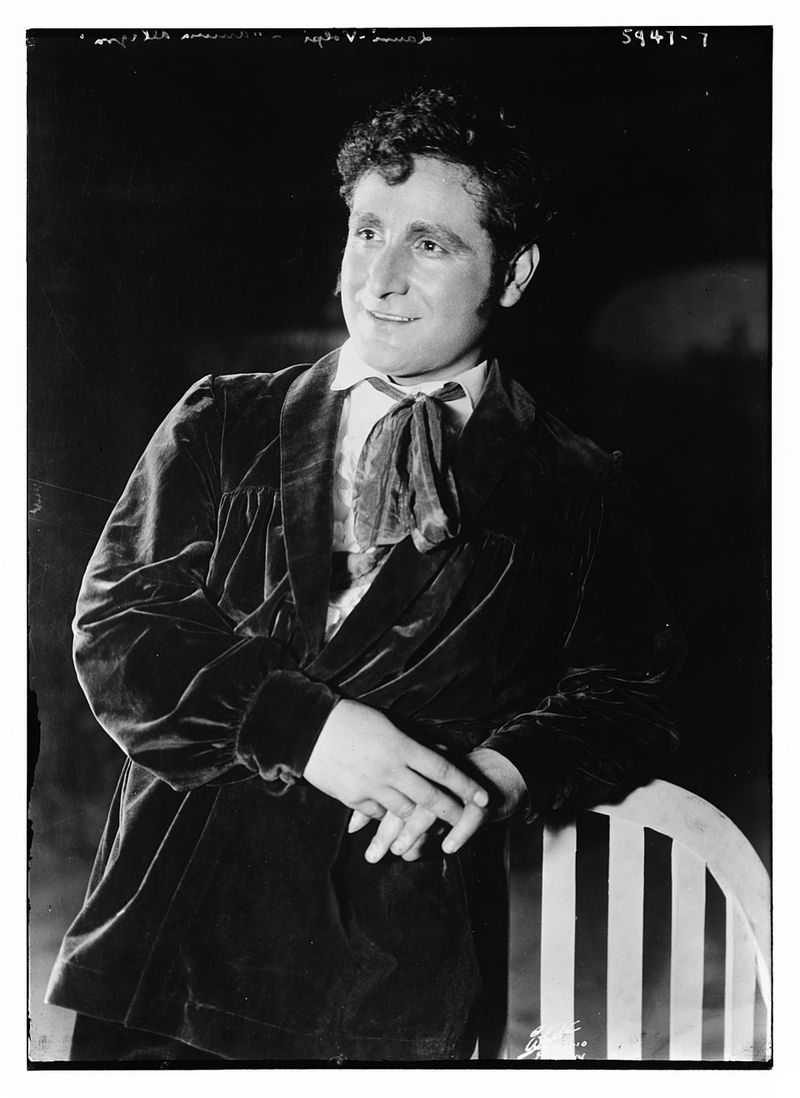
Living to 96 and singing well into his seventies, Lauri-Volpi’s vocal longevity was extraordinary. His brilliant, ringing high notes and heroic voice made him a successor to Caruso in the public’s imagination.
Born in Rome, he combined vocal power with surprising agility, tackling both dramatic and bel canto roles successfully. His recordings reveal a voice of remarkable brilliance and squillo!
Writing books about singing technique, he shared his knowledge with future generations. Teachers still reference his insights about breath control and vocal placement.
18. Juan Diego Flórez
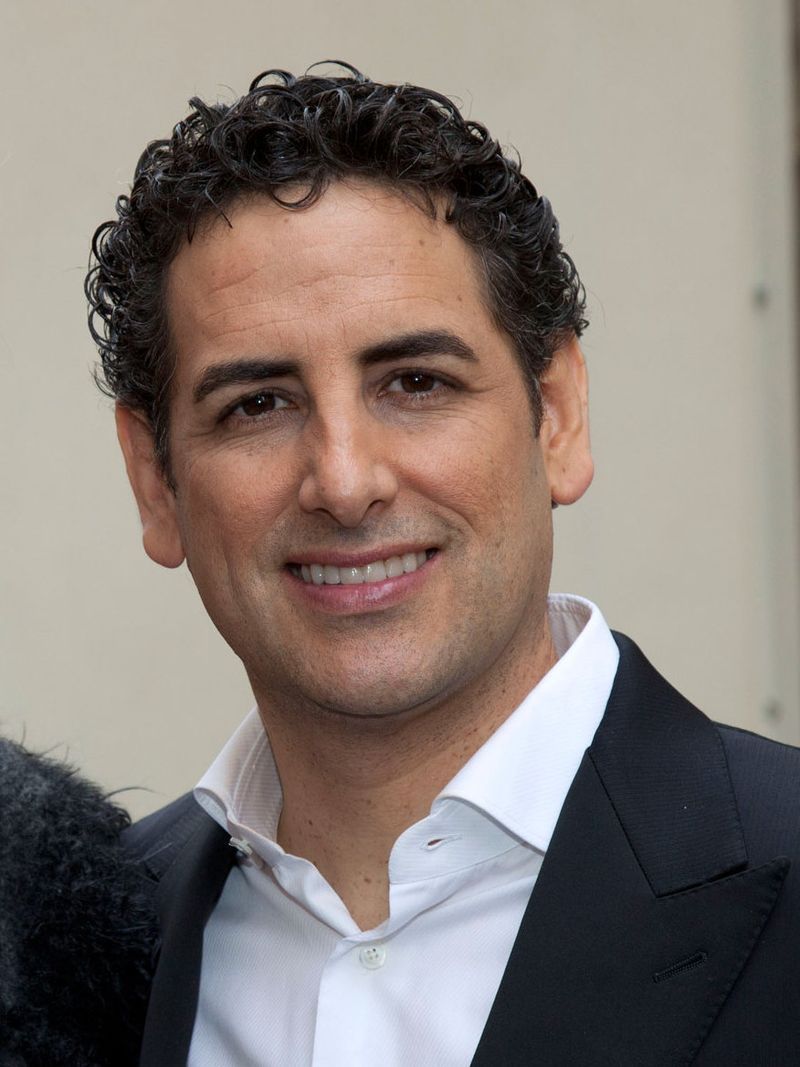
Bringing bel canto singing into the 21st century, Flórez possesses the agility and high notes that Rossini roles demand.
This Peruvian superstar has revived interest in repertoire that was nearly forgotten!
His technique allows him to execute impossibly fast coloratura passages with ease and clarity. Watching him sing feels like witnessing a vocal athlete performing Olympic-level feats with his voice.
Beyond traditional opera houses, he’s worked to make classical music accessible through modern media. His social media presence shows that opera singers can totally be relevant and relatable today!