
15 Lenten Desserts During Seasons Of Giving Up Sweets
Lent may call for reflection and a little self-discipline, but let’s be honest, giving up sweets feels like a personal test designed by someone who really loved dessert.
Thankfully, generations of clever bakers found ways to bring sweetness to the season, with treats tied to Lent, Holy Week, and the moments when the fast relaxes and Easter arrives.
Consider this proof that even during a season of sacrifice, dessert simply finds a loophole and shows up anyway.
1. Tahini Halva
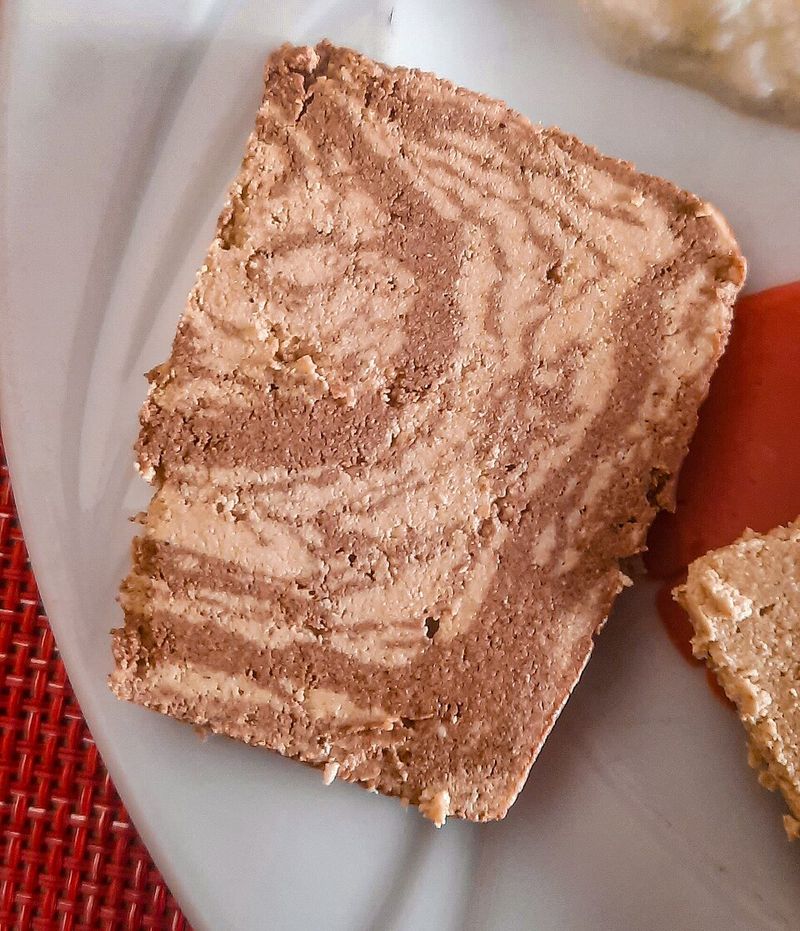
Think of a Saturday afternoon when the pantry looks bare yet a strong craving refuses to fade. Tahini halva turns humble sesame paste into something almost magical.
A crumbly texture melts on the tongue, leaving behind a nutty sweetness that never demands attention.
Across the Middle East and beyond, halva is a long-loved sweet that can feel like a smart pick on simpler-ingredient days. Quiet indulgence replaces loud temptation, offering exactly the kind of restraint Lent often calls for.
2. Pasteli
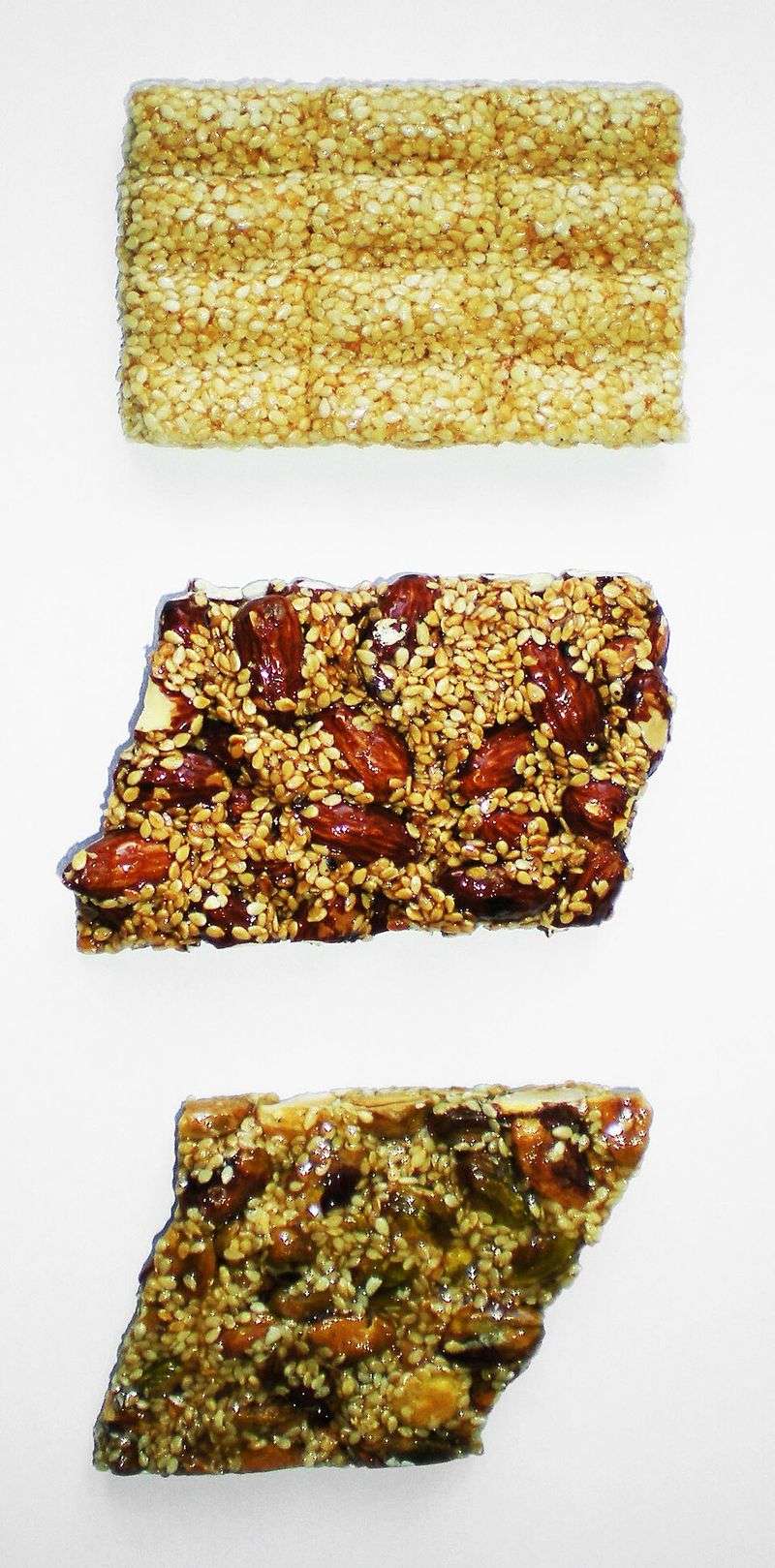
That satisfying snap of pasteli between your teeth delivers half the experience before the flavor even settles in. Greek home kitchens have shaped these sesame honey bars for generations, keeping the recipe nearly unchanged because perfection rarely needs adjustment.
Only two ingredients carry the entire tradition. Tuck a bar into a lunchbox or pack a few along for a midday energy boost.
Sometimes simplicity speaks loudest, especially when honey and sesame come together in perfect harmony.
3. Fastenbrezel
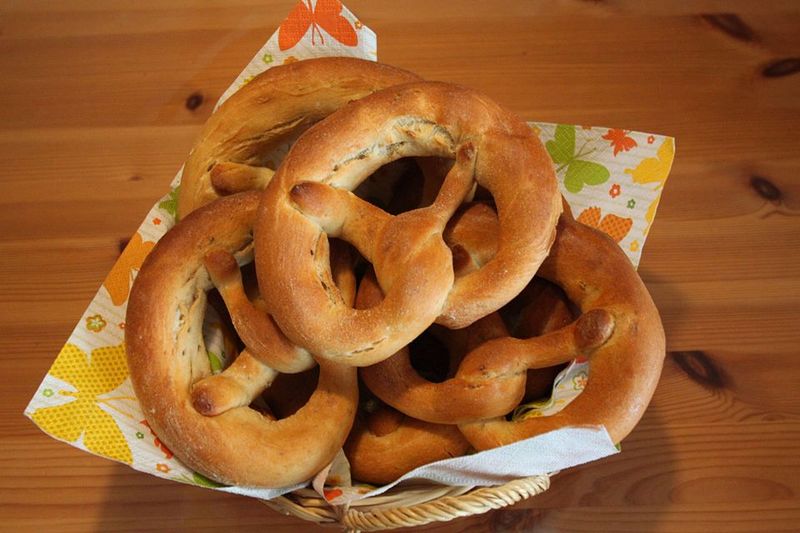
Walk past a German bakery during Lent and the scent of Fastenbrezel will stop you cold. These oversized pretzels arrive without butter or eggs, respecting the season while delivering a chewy, slightly sweet bite.
The crust crackles just right, and the inside stays tender.
Pair one with morning coffee or an afternoon cup of tea. Fastenbrezel can make fasting feel less like punishment and more like a warm kitchen hug.
4. Hot Cross Buns
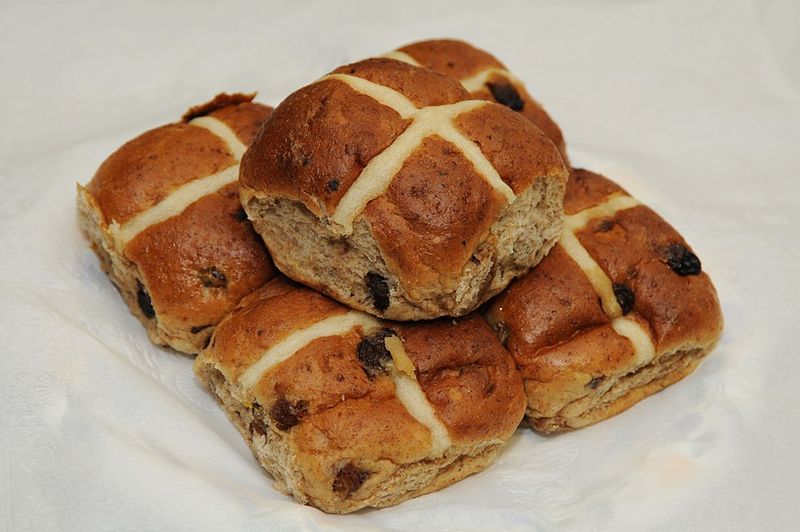
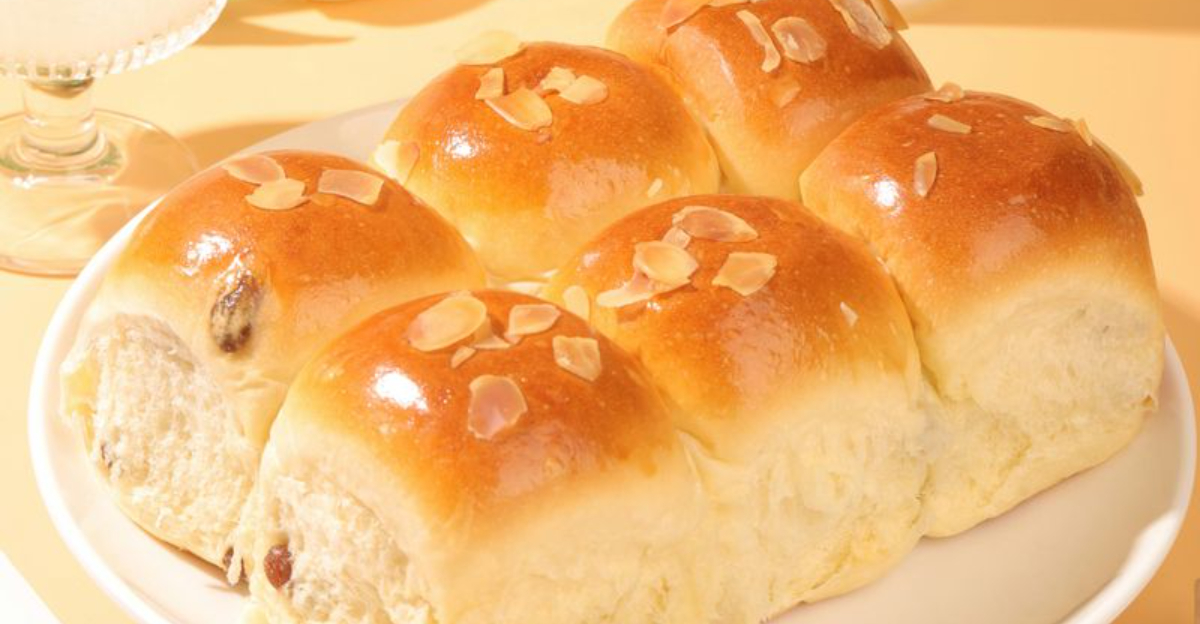
Across the English-speaking world, hot cross buns signal Good Friday traditions in countless kitchens.
Soft dough holds currants and citrus peel, while the iconic white cross reminds bakers of the meaning behind the ritual. Light toasting with a simple spread creates a breakfast that feels both reverent and indulgent.
Balancing simplicity and celebration comes naturally to buns that understand how to walk that line.
5. Simnel Cake
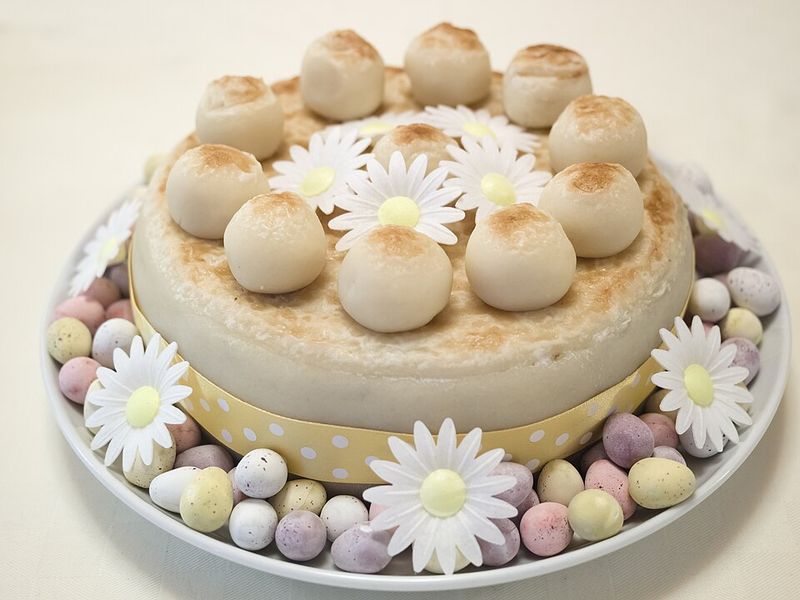
Proudly placed on the Easter table, simnel cake appears crowned with eleven marzipan balls symbolizing the faithful apostles. A longstanding British tradition layers almond paste within a spiced fruit cake, creating a dessert that feels both rich and deeply symbolic.
As it bakes, the marzipan softens and melts gently into the crumb, making every slice especially memorable.
Serve it on Mothering Sunday or bring it out for Easter brunch, and the result still feels like a seasonal centerpiece worthy of celebration.
6. Torrijas
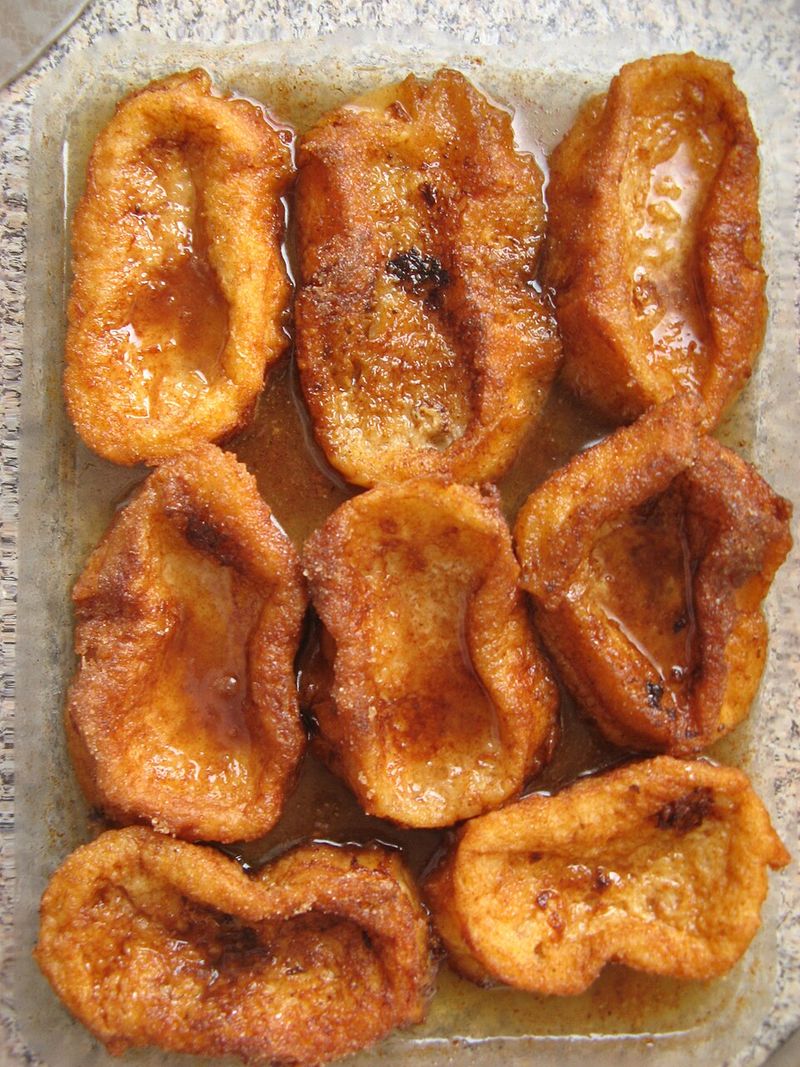
Cinnamon and honey drift through Spanish kitchens during Holy Week, with torrijas often responsible for the fragrance.
Stale bread finds new purpose after soaking in sweetened milk, dipping into egg, and frying until golden.
Flavor recalls the richest French toast imaginable, carrying a distinctly Spanish character. Dusting of sugar and a warm serving turn simple leftovers into something legendary after dinner.
7. Capirotada
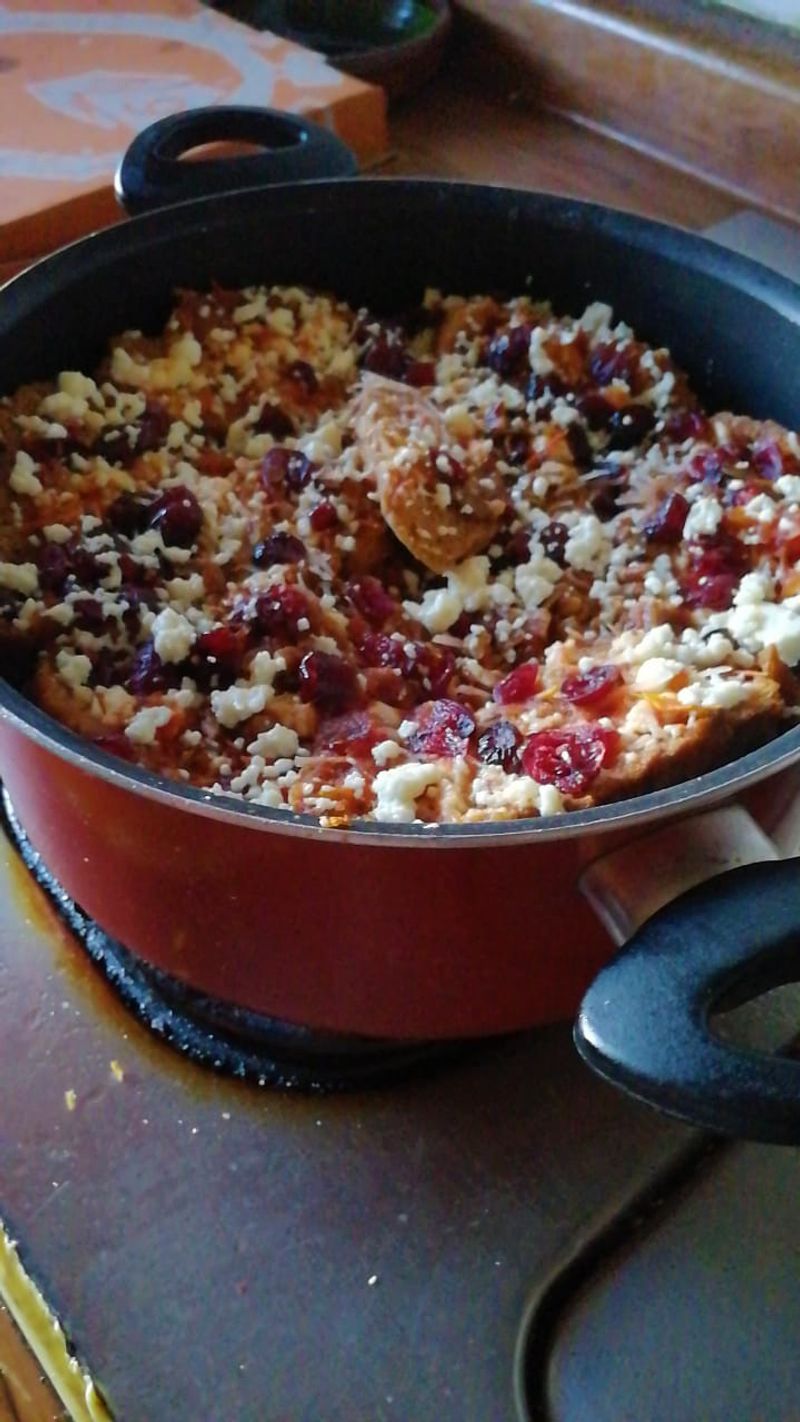
Few desserts challenge expectations quite like capirotada. Cheese mingles with cinnamon while piloncillo syrup soaks into toasted bolillo, and peanuts add an unexpected crunch.
Mexican families have prepared it during Lent for generations, with each household adding its own small twist to the recipe.
That sweet and savory balance may feel surprising at first, yet by the second spoonful the tradition begins to make perfect sense.
8. Kulich
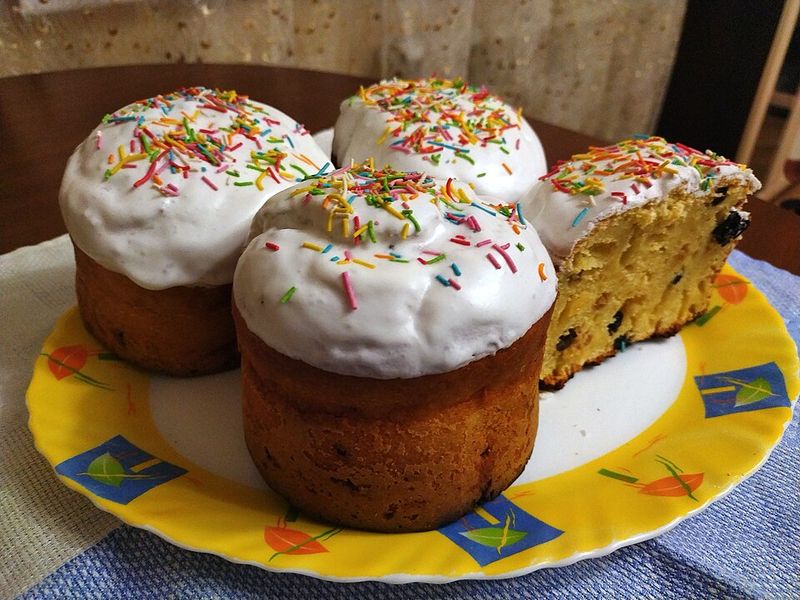
Rising high above the Easter table, kulich feels almost like edible architecture. Baked in tall cylindrical pans, the Russian bread features a rich dough filled with eggs, butter, and bits of candied fruit.
White icing drips gently down the sides while colorful sprinkles add a festive finishing touch.
Cutting it horizontally helps preserve the signature shape before serving alongside a sweet cheese spread. Early mornings feel worthwhile when Easter breakfast begins with a slice of kulich.
9. Paska
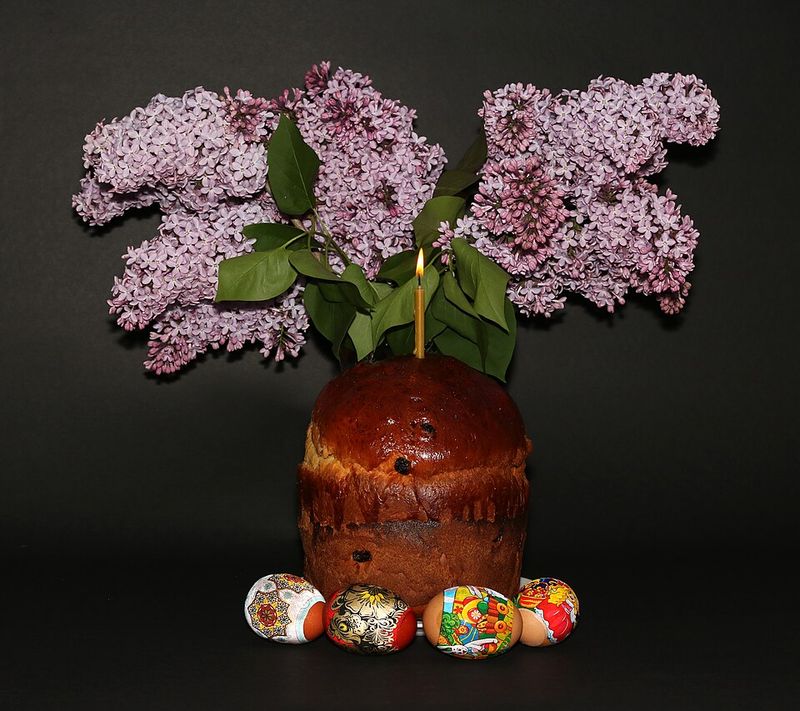
Easter tables welcome paska as a blessed centerpiece, its braided dough formed into a round loaf symbolizing unity and resurrection.
Ukrainian bakers often crown the bread with a dough cross or weave intricate patterns across the top. Soft crumb holds for days while the crust develops a gentle sweetness.
Tearing off a piece after Easter service offers a reminder that some traditions taste better when shared.
10. Tsoureki
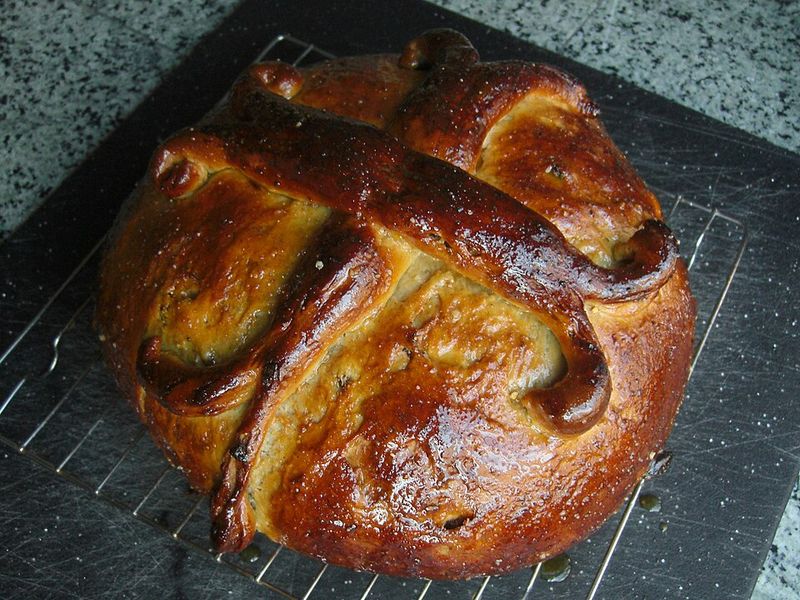
Mahlab and mastiha perfume Greek kitchens as tsoureki bakes to a glossy golden brown. Braided strands form elaborate shapes, often cradling red-dyed eggs that symbolize new life.
Texture lands between challah and brioche, soft enough to pull apart yet sturdy enough to hold its shape.
Toasting a slice the next morning and spreading it with honey carries Easter joy gently into the week.
11. Colomba Pasquale
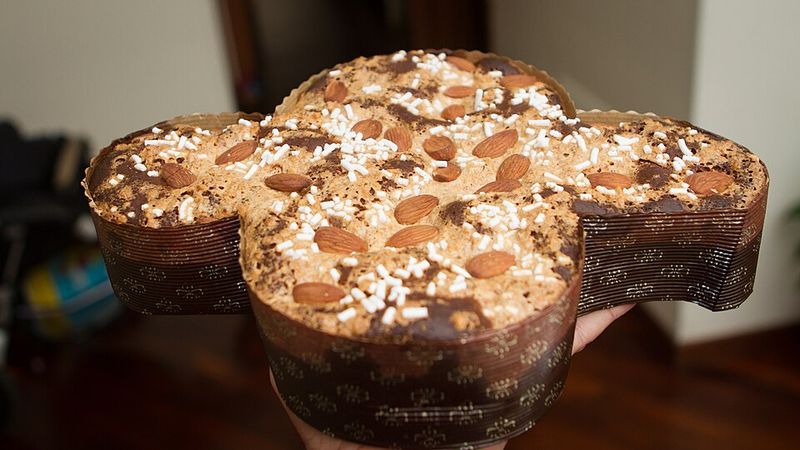
Shaped like a dove in flight, colomba pasquale lands on Italian Easter tables with grace and sweetness. Its dough mirrors panettone but arrives studded with candied orange peel and topped with crunchy pearl sugar and almonds.
The crumb stays airy and light, perfect for ending a heavy holiday meal.
Slice it thin and serve with espresso or hot tea. This dove brings peace to the dessert table.
12. Easter Babka
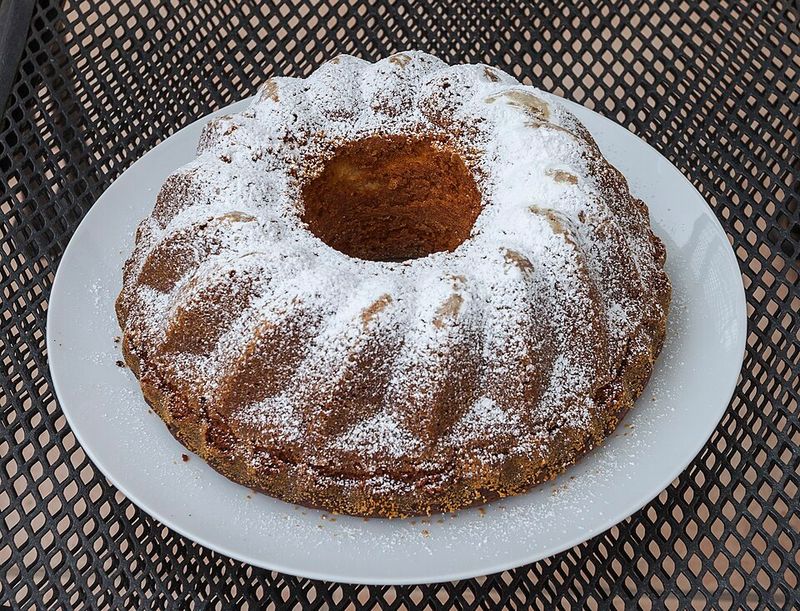
Easily mistaken for its chocolate swirled cousin, Polish Easter babka stands tall in a fluted pan, celebrating texture and tradition. Rich dough filled with butter, eggs, and a touch of citrus bakes into a soft crumb that nearly melts with every bite.
A light dusting of powdered sugar finishes the loaf, ready to be sliced for a weekend brunch that feels both elegant and comforting.
13. Mazurek
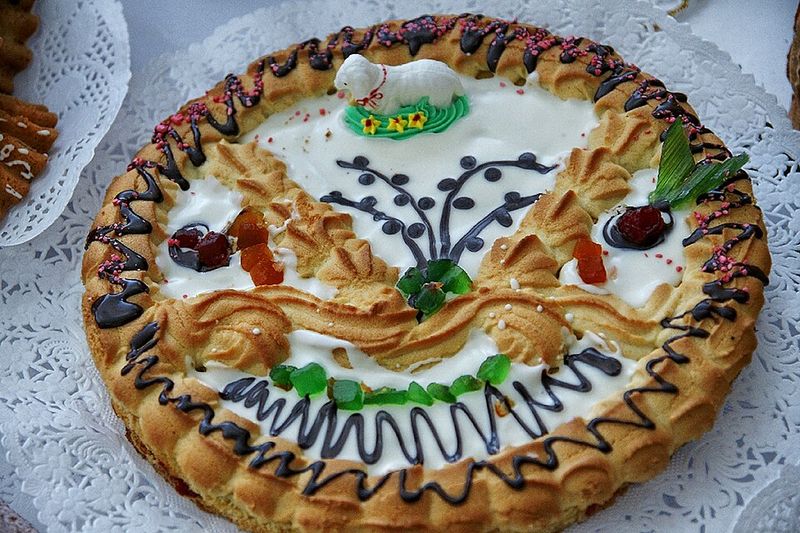
Mazurek turns dessert into art class, with its shortbread base serving as a canvas for dried fruits, nuts, and colorful icing. Polish bakers often go all out with elaborate designs, turning simple ingredients into edible mosaics.
The base stays crisp and buttery, while the toppings add bursts of flavor and texture.
Cut it into small squares and watch it disappear at Easter gatherings faster than you’d expect.
14. Mona De Pascua
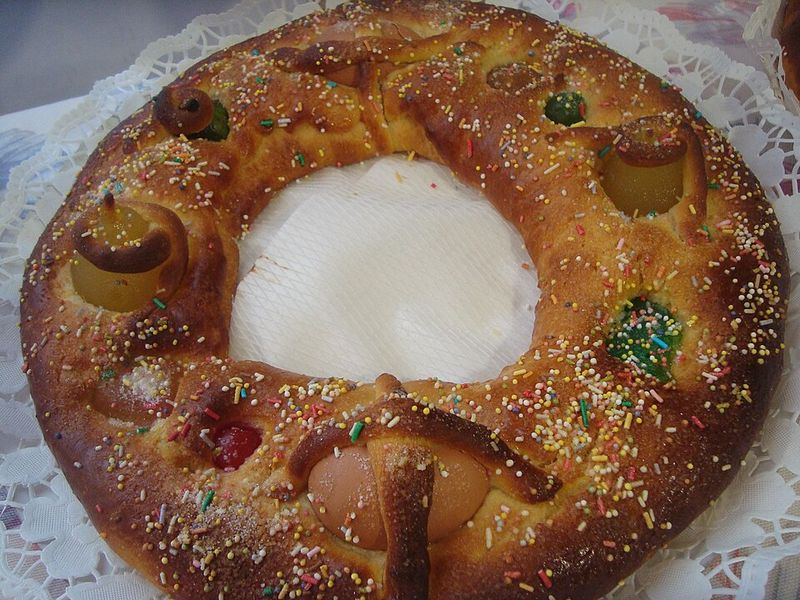
Mona de Pascua adds a sense of whimsy to the Easter table, crowned with hard-boiled eggs, chocolate figures, and sometimes even feathers.
Across Spain, regional variations appear, yet the cake always celebrates the end of Lent with a playful spirit.
Simple sponge keeps the focus on decorations that eagerly steal the spotlight. Children delight in the treasure hunt of finding hidden eggs baked into the dough.
Dessert and entertainment come together in one festive creation.
15. Folar Da Páscoa
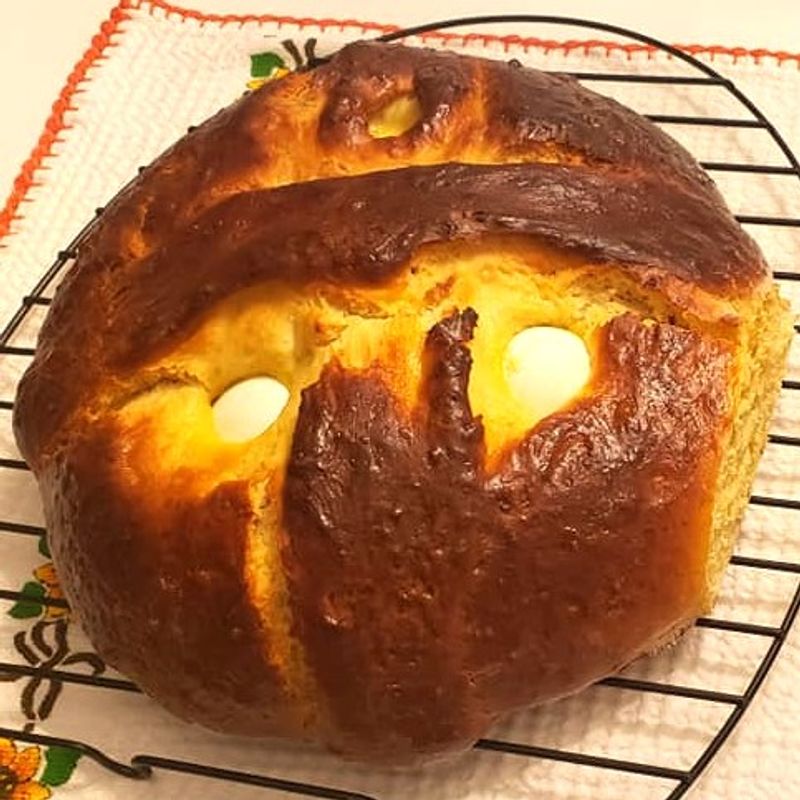
Inside folar da Páscoa, where entire eggs bake straight into the dough, shells and all, there’s a secret surprise.
Portuguese Easter tradition blends sweet and savory elements here, with some versions leaning toward cake while others remain closer to bread. Symbolism runs deep, as the eggs represent rebirth and new beginnings in every slice.
Bring it to an Easter breakfast table or pack it along for a picnic, and conversation starts almost immediately around a bread that looks as memorable as it tastes.
Important: Food traditions can vary widely by region, family practice, and religious observance, so ingredients and customs may differ across communities and households. The content is provided for general informational and entertainment purposes.


.jpg)


.jpg)


