7 Life-Changing Books That Surprised Readers With Their Impact
Sometimes a book sneaks up, opening like a portal to new ideas when least expected. Picking it up might feel like grabbing a simple story, but these seven titles reshape how readers experience the world.
Layers of insight, wisdom, and unforgettable perspectives linger long after the final page, leaving an imprint on thought and imagination. Explore these stories and let the pages guide you into discoveries that could change the way life, and reading, feels.
1. The Alchemist by Paulo Coelho
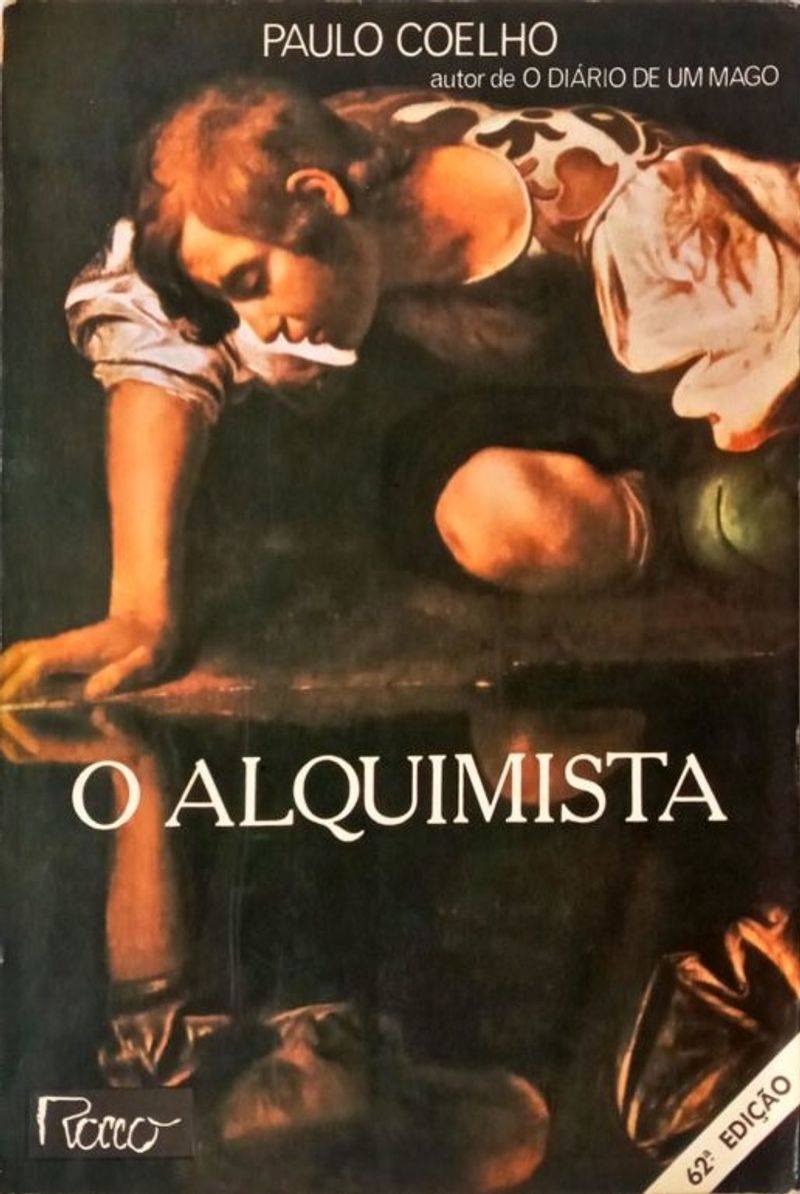
This modern fable follows a shepherd boy named Santiago who dreams of treasure buried near the Egyptian pyramids. Though it sounds like a simple adventure story, readers discover layers of wisdom about listening to your heart and recognizing opportunities disguised as obstacles.
Coelho weaves magic realism with spiritual philosophy in ways that feel both ancient and fresh.
Millions worldwide have called it their favorite book, citing how it inspired career changes, relocations, and bold life decisions. The concept of a Personal Legend resonates deeply with anyone who has ever felt pulled toward something bigger.
Share this one with friends who need courage to chase their wildest dreams.
2. Atomic Habits by James Clear
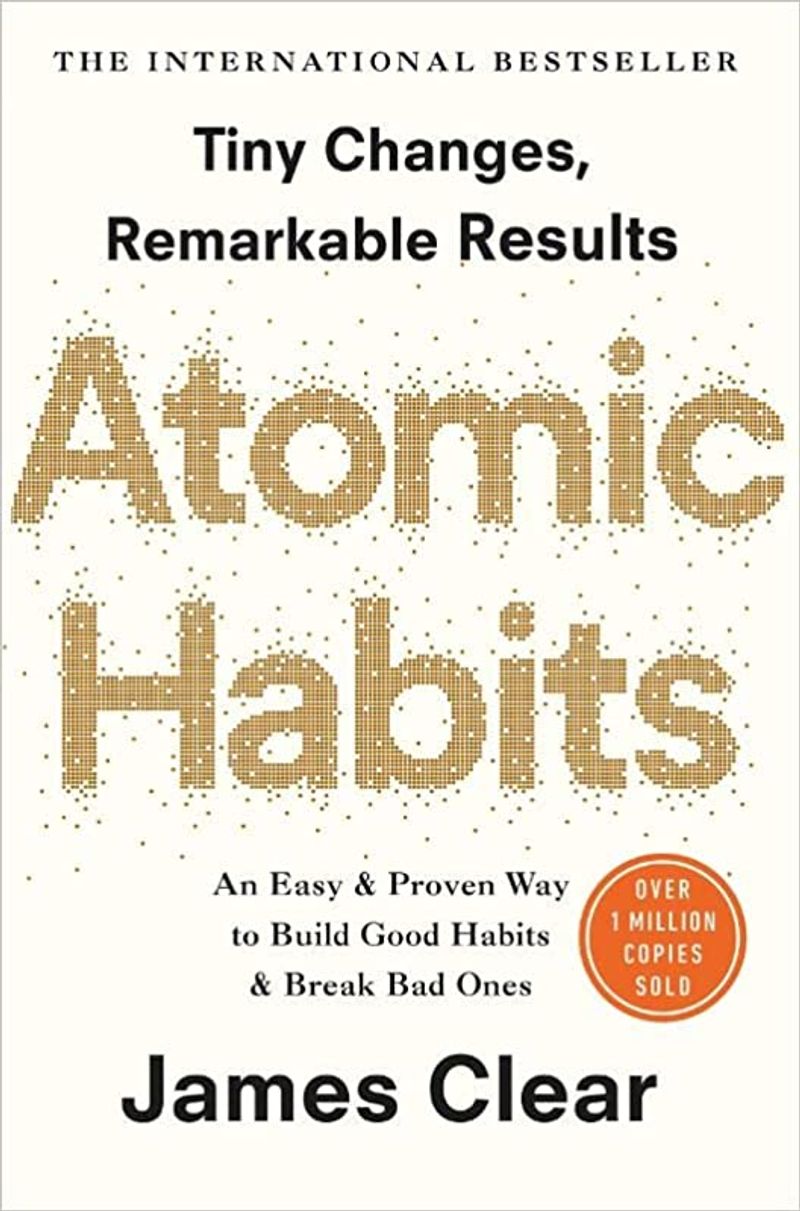
Forget massive overnight transformations. Clear argues that tiny changes, repeated consistently, create remarkable results over time.
His framework breaks down habit formation into four simple laws that anyone can apply immediately. Whether you want to exercise more, read daily, or quit scrolling endlessly, this book provides the blueprint.
What surprises most is how scientific yet practical the advice feels. Clear backs every claim with research but writes in a conversational style that keeps pages turning.
Readers often discover why previous attempts at change failed and come away equipped with tools that actually work. Just saying, future self will thank you for picking up this one.
3. Sapiens: A Brief History of Humankind by Yuval Noah Harari
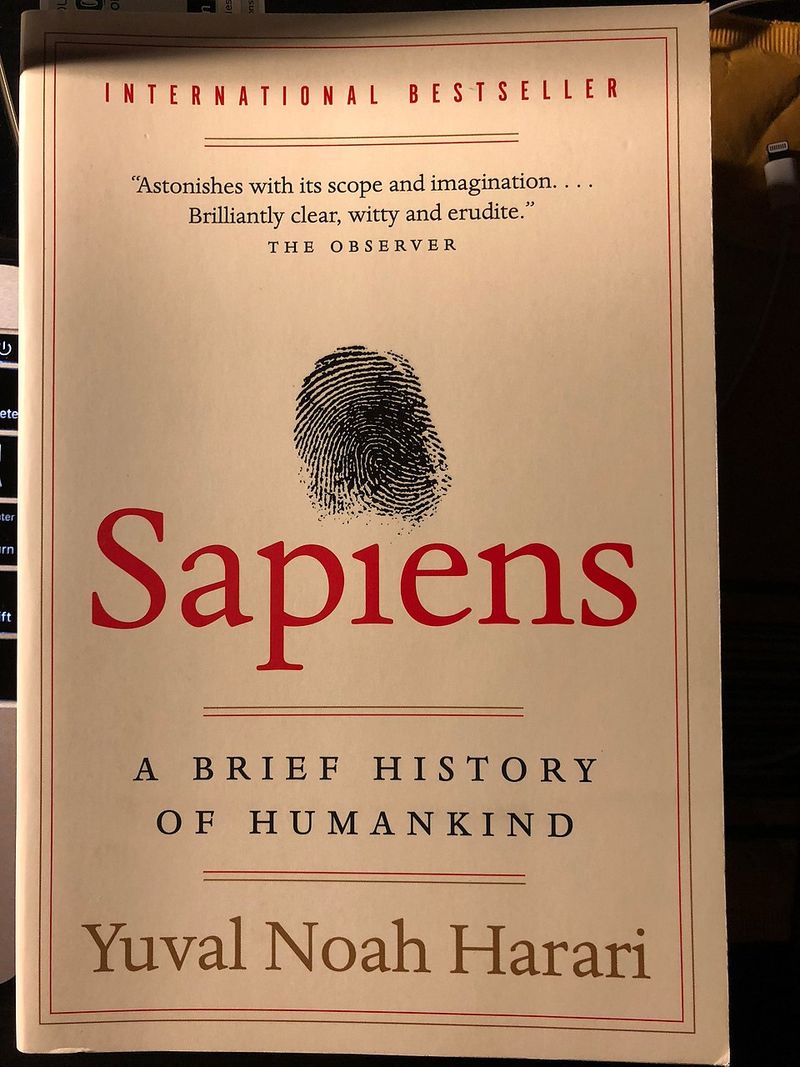
How did Homo sapiens go from insignificant primates to rulers of Earth? Harari tackles this massive question with wit, clarity, and mind-bending insights that challenge everything you thought you knew about human history.
He explores cognitive revolutions, agricultural transformations, and how shared myths like money and nations shape civilization.
Finishing this book opens up entirely new ways to view current events, technology, and social structures. Warning: it may challenge core assumptions about progress, happiness, and humanity’s future trajectory.
Share with anyone who thrives on big ideas and mind-expanding perspectives.
4. Educated by Tara Westover

Born to survivalist parents in rural Idaho, Westover never attended school until age seventeen. Her memoir chronicles an extraordinary journey from isolated mountains to earning a PhD from Cambridge University.
Beyond the shocking family dynamics and limited childhood, the book explores how education literally reconstructs identity and worldview.
Readers find themselves unable to put this down, gasping at revelations while rooting for Westover’s escape and self-discovery. Her story raises profound questions about loyalty, memory, and the price of choosing yourself over family expectations.
The core struggle between who we were raised to be and who we want to become resonates universally. Share your thoughts below about books that changed your perspective.
5. Thinking, Fast and Slow by Daniel Kahneman
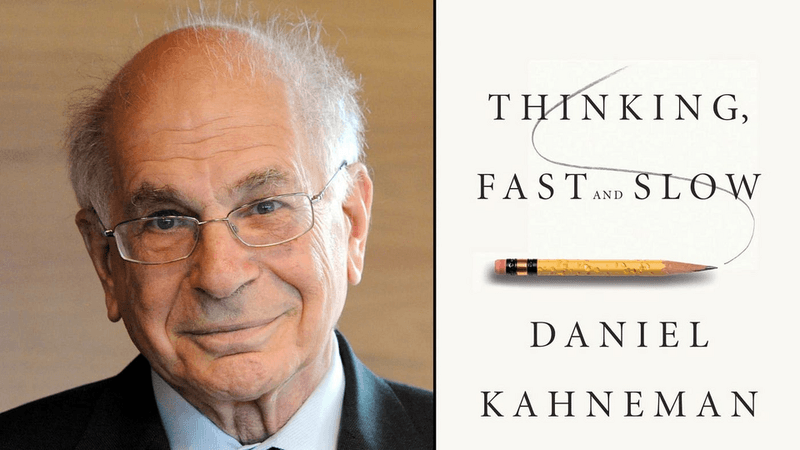
Nobel Prize winner Kahneman reveals how two systems govern human thinking. System 1 operates automatically and quickly with little effort.
System 2 allocates attention to demanding mental activities requiring concentration. Understanding this division explains why smart people make predictable errors and how cognitive biases shape every decision we make.
Though rooted in decades of psychological research, the writing remains engaging and relevant to daily life. Readers discover why they procrastinate, misjudge risks, and fall for marketing tricks despite knowing better.
Many report becoming more aware of their own thought processes and making wiser choices after internalizing these insights. Pass this on to anyone fascinated by how minds actually work versus how we assume they do.
6. The Gifts of Imperfection by Brené Brown

Brown spent years researching shame, vulnerability, and worthiness before discovering that wholehearted living requires embracing imperfection. Her ten guideposts for cultivating authenticity, self-compassion, and resilience challenge perfectionism and the exhausting performance many people maintain.
Through research-backed insights and personal stories, she creates permission to be genuinely human.
Readers consistently describe feeling seen and validated by Brown’s warm, humorous writing style. The concept of shame resilience particularly resonates in our comparison-obsessed culture where social media amplifies inadequacy feelings.
Many report improved relationships, reduced anxiety, and greater courage to pursue meaningful goals after absorbing her message. If you have ever felt not enough, this book offers healing and hope.
7. Siddhartha by Hermann Hesse

Set in ancient India, this philosophical novel follows Siddhartha’s lifelong quest for spiritual enlightenment. Unlike traditional religious texts, Hesse shows that wisdom cannot be taught but must be lived and experienced personally.
Siddhartha tries asceticism, sensual pleasure, business success, and fatherhood before discovering truth by a river.
Though written nearly a century ago, the themes feel remarkably contemporary. Readers across generations connect with Siddhartha’s struggle to find authentic meaning beyond societal expectations and inherited beliefs.
The lyrical prose and timeless insights about listening to inner wisdom rather than external authorities continue surprising new readers with profound relevance. However you define spirituality, this slender novel packs transformative power that lingers long after reading.