Little-Known Details From The Life Of J. R. R. Tolkien
Middle-earth feels so real it almost seems like it came with its own history book.
Behind it all stood J. R. R. Tolkien, whose life was filled with unexpected turns, quiet determination, and a mind that clearly refused to think small.
Details like that make the story behind the stories just as fascinating, proving the world did not appear out of nowhere, it was built piece by piece.
Born In South Africa, Not England

Opening a biography can feel like stepping into an English cottage tale, only to find the story begins somewhere entirely different. Birthplace of J.R. R. Tolkien traces back to Bloemfontein on January 3, 1892.
Return to England came early in his life, when his mother brought the family back while he was still very young.
Early chapter rarely makes it into casual trivia. Journey from southern Africa to the English countryside marks the quiet beginning of a remarkable life story.
Orphaned Young, Raised By A Priest
Losing one parent is hard enough. Tolkien lost both before he was a teenager.
His father was lost to illness while the family was still in England, and his mother passed away in 1904. After that, Father Francis Morgan stepped in and became the steady guiding presence in Tolkien’s life.
Father Francis was practical, warm, and fiercely devoted to the boys in his care, which is the kind of signature that shapes a person long after childhood ends.
Sarehole Became The Blueprint For The Shire
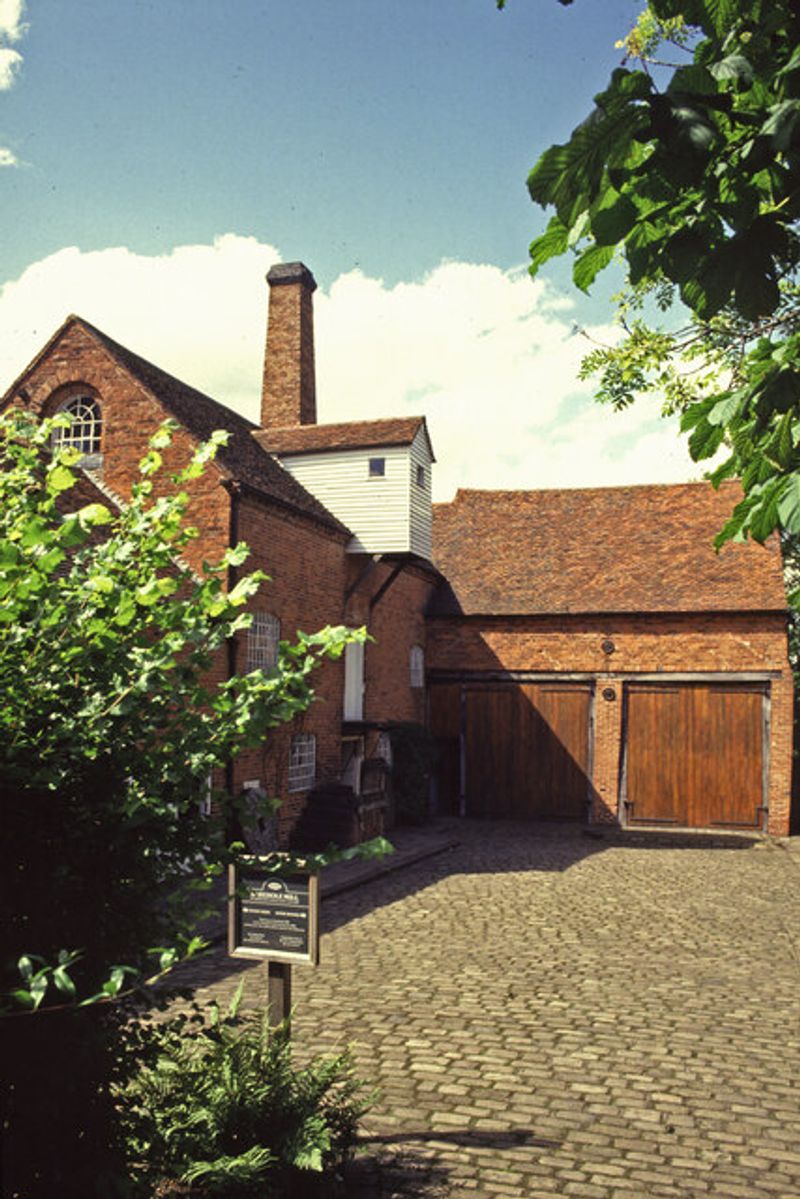
There is a particular kind of afternoon that smells like cut grass and slow rivers, and Tolkien lived that afternoon in Sarehole as a boy.
That rural village near Birmingham, with its old mill and open meadows, seeped straight into his imagination. Scholars widely connect its pastoral charm to the rolling, unhurried feel of the Shire.
Some places just stick to you, and Sarehole clearly never let go.
King Edward’s School Sharpened His Mind
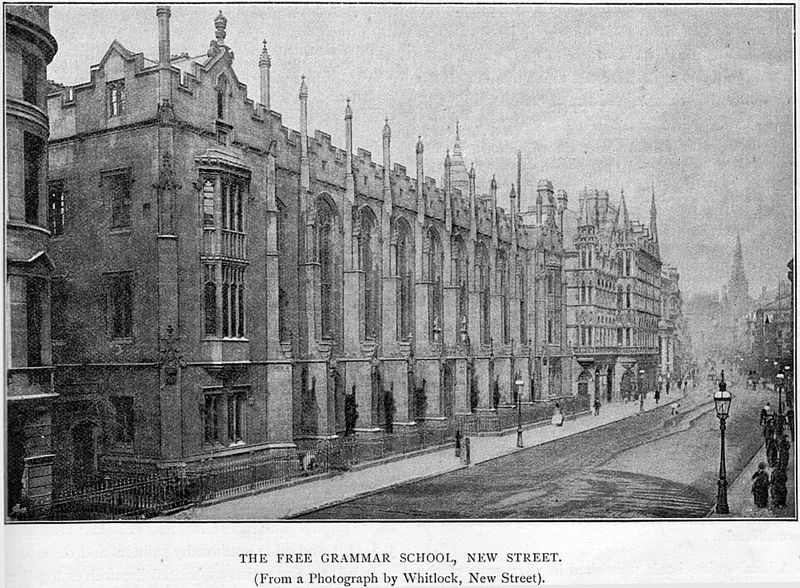
Birmingham’s King Edward’s School, Birmingham became the place where a quiet, bookish boy realized he had a rare gift for languages. Time there deepened his love of literature and surrounded him with a close-knit circle of sharp, curious friends.
Those connections stayed with J. R. R. Tolkien and later echoed in the kind of fellowship he helped shape at Oxford.
Great schools leave more than lessons behind.
They give you the people and passions that travel with you long after.
World War I Left A Lasting Mark
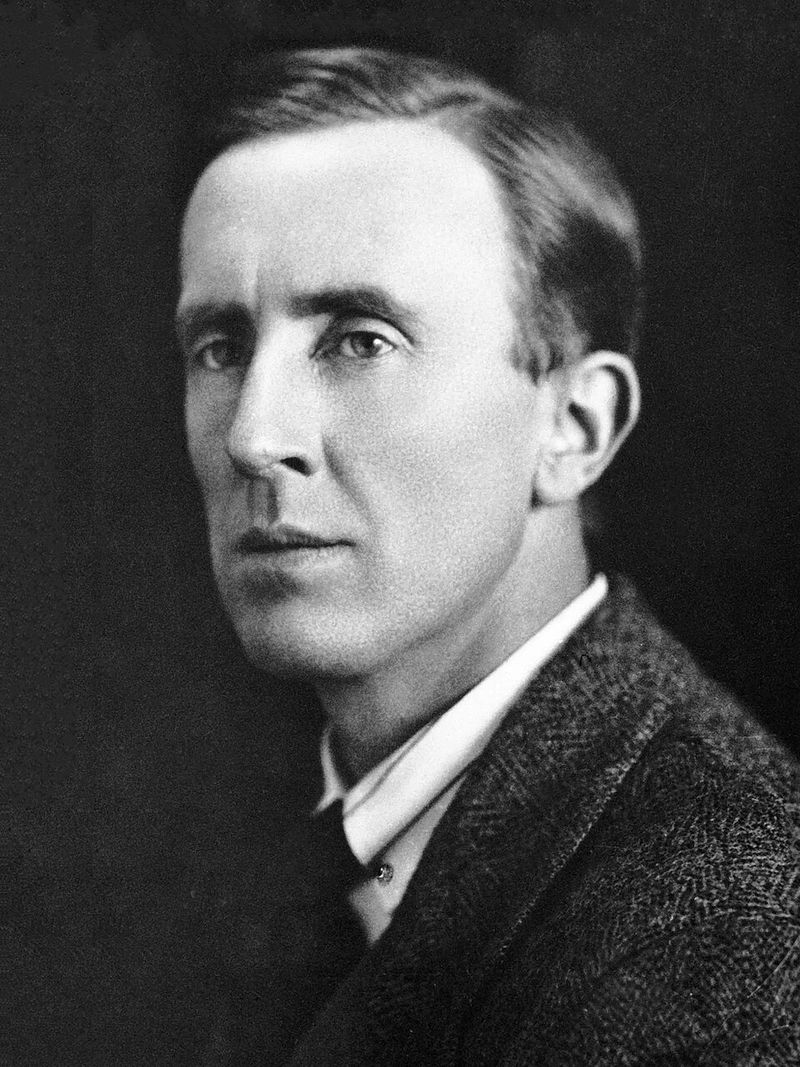
Service in France during World War I placed Tolkien at the Battle of the Somme, one of the most devastating battles of the war. Illness eventually brought him home, yet the war’s impact never truly faded.
Shadows of that experience appear in the darkness of Mordor and the quiet exhaustion carried by characters like Frodo and Sam.
Some of the heaviest stories grow out of the most difficult moments a writer lives through.
He Worked On The Oxford English Dictionary
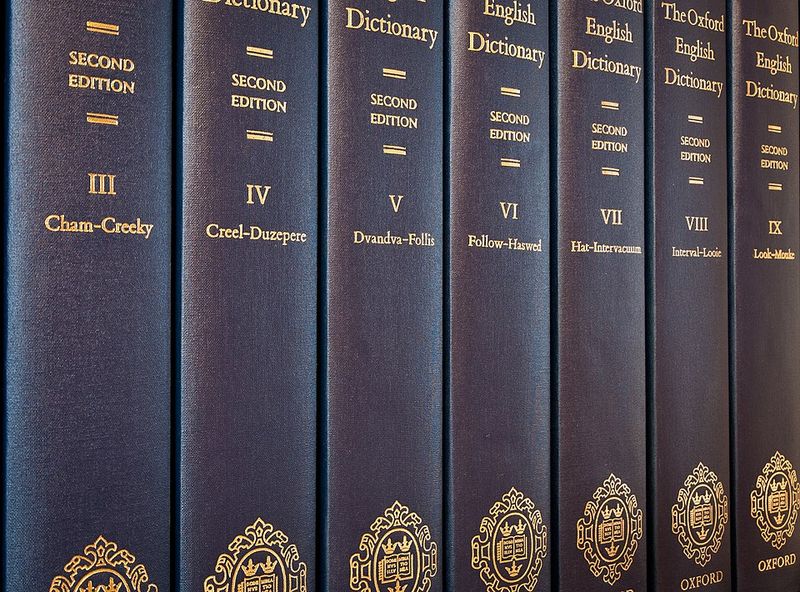
Long before Middle-earth took shape, J. R. R. Tolkien was already immersed in the building blocks of language.
Work on the Oxford English Dictionary in 1919 and 1920 had him tracing the roots and histories of English words in remarkable detail. For someone already captivated by language, the role felt like a dream job hidden inside an entry-level position.
Close attention to how words function fed directly into the depth and structure of the languages he later created.
A Serious Oxford Scholar First
Before the name Tolkien became tied to fantasy novels, it stood for rigorous Oxford scholarship in Old and Middle English. Decades of teaching at Oxford built a reputation that remained firmly respected in academic circles.
His 1936 lecture on Beowulf still stands as one of the most influential essays in medieval literary studies.
Professor and storyteller were never separate roles, just different hats worn on different days of the week.
He Invented Entire Languages From Scratch

Most people invent hobbies on a rainy weekend. Tolkien invented languages.
Quenya and Sindarin were not decoration sprinkled onto the story. They were fully developed linguistic systems with grammar, vocabulary, and sound patterns.
The Tolkien Estate notes that he built them as part of a larger mythology he called a mythology for England.
Building a world is impressive. Building the languages people speak inside that world is something else entirely.
He Was Also A Talented Illustrator
Illustrations inside Tolkien’s books came straight from his own hand rather than an outside artist.
Work preserved at Bodleian Libraries includes original maps, creature sketches, and decorative designs that reveal how vividly J. R. R. Tolkien pictured Middle-earth.
Visual detail matched the depth of his writing, giving the world a consistency that feels completely intentional. Creating and shaping every element himself meant the landscape appeared exactly as he imagined it, down to the placement of every mountain.
The Father Christmas Letters Were A Family Tradition
Every December brought something no other kids on the street were getting, illustrated letters written by Father Christmas himself.
Year after year, Tolkien created and decorated those notes, using shaky handwriting to mimic an elderly Santa and filling the pages with drawings of polar bears and mischievous elves. Few literary side projects feel this charming or this personal.
Proof sits right there that great storytellers never really stop, even when the audience is just their own children.
The Inklings Were His Literary Fellowship
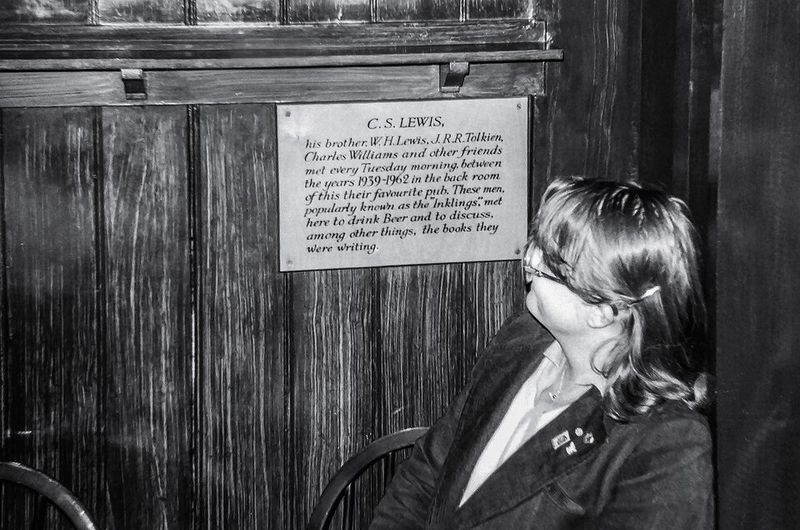
Imagine a regular Tuesday where your writing group includes C. S. Lewis and you all read chapters aloud over drinks at a pub.
That was the Inklings. The group met at Oxford and became one of the most celebrated literary circles of the twentieth century.
Members shared work, argued passionately, and pushed each other toward better writing.
Good company sharpens good ideas, and the Inklings are proof that the right room changes everything.
Edith Was His Real-Life Luthien
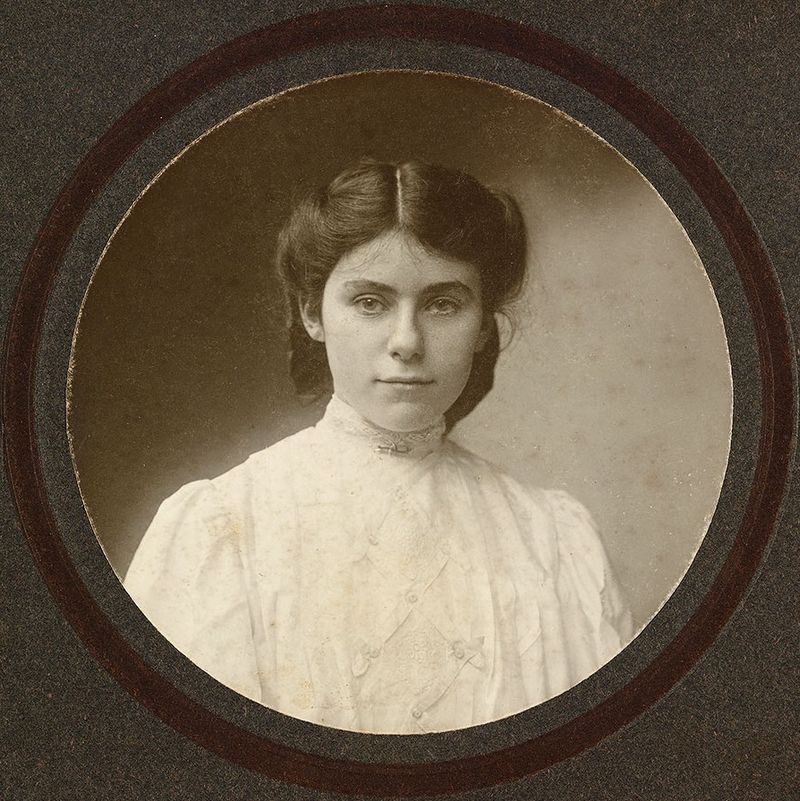
Personal life and legend intertwined when J. R. R. Tolkien described his wife Edith Tolkien as his Lúthien.
Request to engrave that name on her grave reflected how deeply the story meant to him.
After his passing, Beren was added alongside it on their shared headstone at Wolvercote Cemetery.
Meaning behind those names carries the weight of a love story that extended beyond their lifetimes. Some stories begin in the real world and quietly grow into legend.
Their Shared Headstone Tells A Love Story In Stone
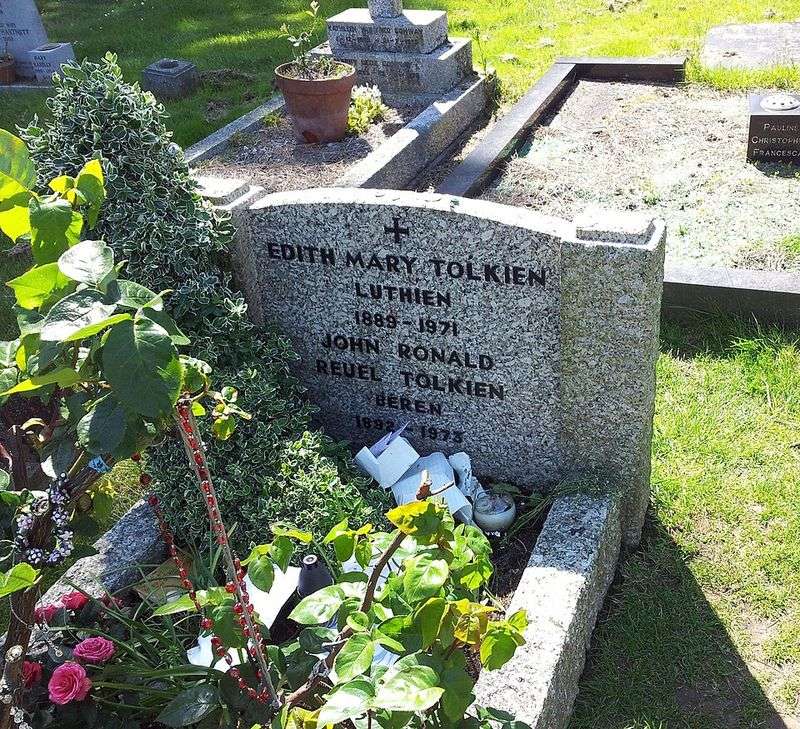
Some love stories keep going long after the final page has been turned. When Tolkien passed away in 1973, he was buried at Wolvercote Cemetery in Oxford, beside Edith, who had passed away just two years earlier in 1971.
Carved beneath their names are Beren and Lúthien, the legendary lovers from his mythology, a mortal man and an immortal elf choosing each other against impossible odds. He saw their own story reflected in that tale.
Standing at that shared headstone still carries an emotional weight that stays with visitors long after they leave.
Note: This article is provided for general informational and entertainment purposes and is based on publicly available biographical, archival, and reference materials at the time of writing.